The Karakoram Highway
Overview:
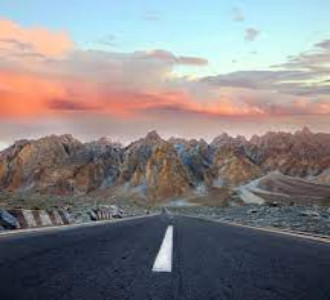
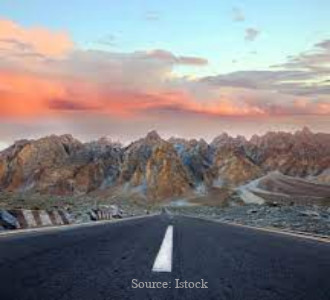
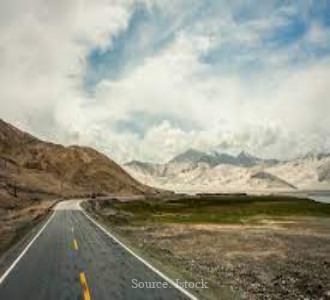
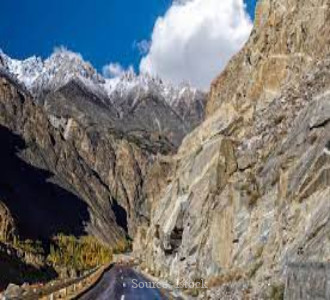
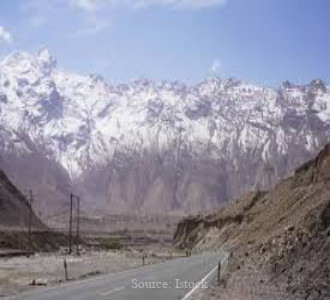
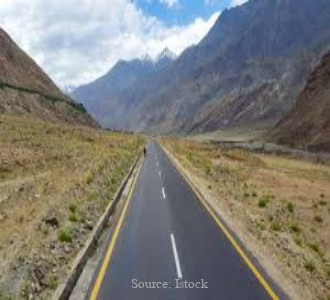
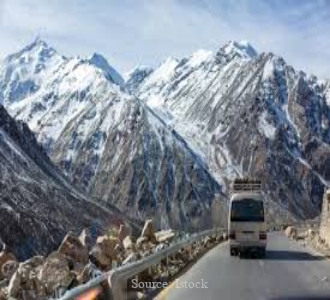
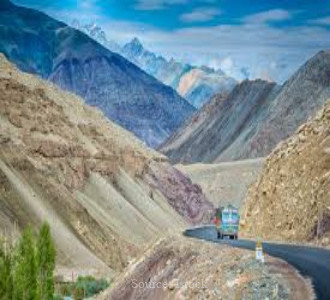
The road at the top of the world, a journey across the ancient silk road highway of the Karakoram Highway will take you north from Islamabad across the towering mountain ranges and peaks of the Karakoram, Himalayas and Hindu Kush while passing diamond glacial lakes, alpine forests, lush meadows, quaint villages, deep valleys and exploring ancient kingdoms into the heart of Xinjiang in China– on an 800 kilometre unforgettable journey across a wild frontier that is undoubtedly one of the world’s greatest road trips on a spectacular and awe-inspiring wonder of the world.
A route travelled for centuries, the two-way Karakoram Highway connects Pakistan and the Indian sub-continent with China, traversing through the wonder of Kashmir into the area of Kashgar, in Xinjiang province, with the bridge having taken on a meaning of friendship between the two neighbours, whilst also demonstrating the best of each nation’s natural beauty.
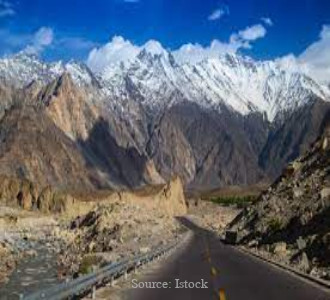
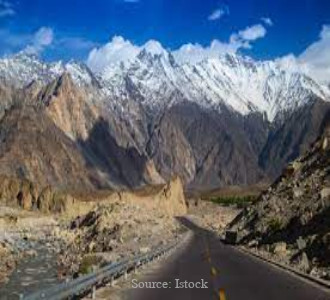
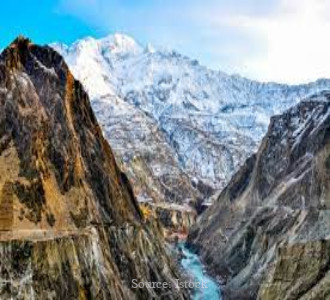
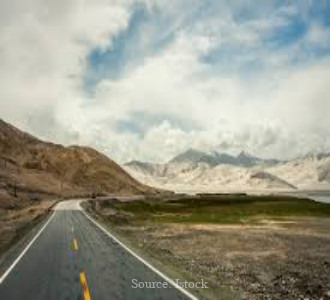
No more so is this beauty evident than along the 15,700-foot-high Khunjerab Pass – which stands as the worlds highest paved road – and upon which you will some of the worlds most dramatic scenery, including snow capped mountain peaks, creaking glaciers and shining rivers. It’s also here that you’ll find the legend of the Karakoram Highway, with some of the world’s best walking and nature trails – and some of the world’s most unique adventure experiences, including altitude polo, truly high tea and a series of exhilarating bridge crossings, all of which combine to make the trail across Karakoram Highway an adventure, scenic and truly life-changing journey.
As well as being blessed with incredible natural beauty, the Karakoram Highway is also a true engineering and architectural feat – with the highway being home not only to the world’s highest paved road, but also the world’s highest border crossing (and working case machine and political offices) at an incredible 16,000 feet – which will truly take your breath away. It is this ingenuity of construction that has led to the Karakoram Highway being crowned as on of the ‘Eighth Wonders of the World,’ with the high-altitude conditions of construction combined with its length and quality seeing almost a thousand workers sadly lose their lives in the creation of this unmatched architectural feat.
Explore & route: Constructed over a period of twenty years from 1959 – 1979 and then opened to the public ten years later, the Karakoram Highway has earned its reputation for a thrilling adventure thanks to the twists and turns that guide through incredible scenery, but it’s also a melting pot for some of the most unique and beautiful cultures on the planet – with the best of the cultures of the Silk Road found upon it. Because of this, travellers can expect to find essences of Indian sub-continent, Persian and Chinese cultures, and experiences upon it – including some of the most flavoured food, diverse sports, vibrant entertainment, and welcoming hospitality anywhere on the planet.
A journey that lends itself for exploration by car, bike, hiking and even hitchhiking, the highlight of the Karakoram Highway is undoubtedly found in its beauty, with the vast length of the road – and the adventure found upon it — allowing travellers to define how long they choose to stay upon the incredible Karakoram Highway.
Because of this there’s no set route upon the Karakoram Highway, which undoubtedly adds to its magic, yet owing undoubtedly to the constraints to time – the established route for explorers see’s them start out in the heart of Islamabad, and travel across the highway through the valleys of Kohistan, Gilgit and Hunza valleys before taking on the altitude defying Khunjerab Pass to enter the Chinese side of the highway and into the regions of Kashgar and Urumqi in Xinjang.
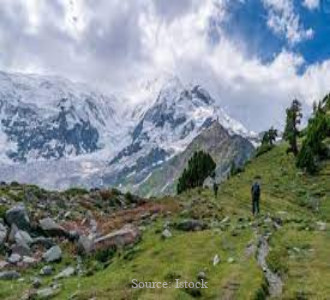
Following this route will gives explorers the best of this unique wonder of the world, and gives explorers to see the true jewels of the Karakoram Highway – including the quaint meadows and base camp of Nanga Parabat – a truly scenic paradise with sweeping meadows set against alpine leaks and the stunning peak of Nanga Parbat – to whose base camp you can climb for those with extra time.
The Naga Parbat represents one of the best hikes on the Karakoram Highway – as too does the stop at the towering mountain of Rakaposhi found on the edges of the Hunza valley. This great snow covered peak whose approach see’s you twist and turn your way through serene and peaceful green fields is another incredible peak to reach the base camp of, with the views at Rakaposhi being simply stunning, but do be warned that the hike to its summit is incredible steep and requires at least a full day with plenty of supplies picked up beforehand.
For those taking on this hike you’ll find the route leaves from the charming town of Gilgit, where you can find the uprising memorial, which remembers the 1947 uprising against the maharaja and once you’ve explored both Gilgit you can head north into the jewel of the Karakoram Highway – the Hunza valley — and the charming town of Ganish.
A town full of rich and photogenic history and the two spectacular forts of Baltit and Altit – as well as the queen’s monument from where you can watch an incredible sunset out over the mountains of the Karakoram and Himalaya mountains – the town of Ganish makes for a great place to rest for a day or so and then a perfect place from which to explore the rich Hunza Valley region, with there being a swathe of stunning glacial lakes, mountain peaks and rich valleys lying on its doorstep, with the Chanel walk in particularly being a favourite way for hikers to explore this stunning area.
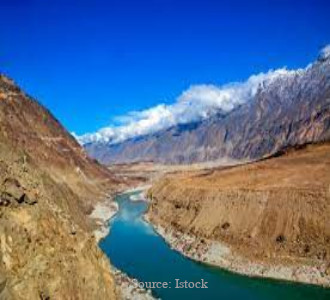
After seeking out the best of the stunning Hunza valley, you can then proceed north further and stop at the dazzling turquoise Attabad lake – which was artificially created in 2010 and is one of the most picturesque spots across the whole of the Karakoram Highway. Having enjoyed a nice stop at the lkae further north lies the most adrenaline fuelled spot of the whole of the highway – the Husseini Bridge, a jaggedly suspending bridge that connects villages on both sides of the river, which requires nerves of steel to cross.
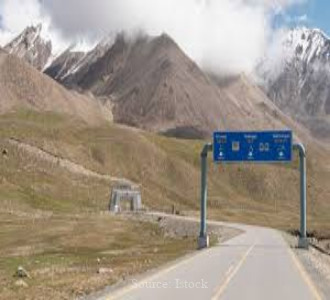
Having (hopefully !) made it over the bridge and back – you’ll need to pause a little to let your heart rate reset, and you can then proceed onwards to the town of Passu, which marks the turning around point for those not entering China – or you can continue north up and over the mighty Khunjerab Pass. Meaning Vale of Blood – the Khunjerab Pass will leave you breathless thanks firstly to its stunning scenery of snow capped peaks and beautiful valleys below – and thanks to its extreme altitude at an incredible 15,600-feet – with the road winding round to the Chinese Border from where, amongst the clouds and mountains, you can pass through the highest border patrol on the planet and enter China.
Crossing through the border, you’ll find that the Karakoram Highway thankfully begin to descend and you’ll soon find yourself in the one street town of Tashkurghan as you enter the Xinjiang region. From here you can then proceed north towards the town of Subashi – passing and stopping for photos at the mighty peak of Kongur Tagh at a towering 25,325 feet and the emerald waters of the lake of Little Karakul both of which represent the grand finale of the stunning Karakoram Highway as you pull your way into the heart of Xinjiang.
A truly epic journey – whose route can be defined by the traveller, a journey across the Karakoram Highway is packed with stunning and scenic beauty and is home to some of the great hikes, adventures and cultural experiences on the planet – but do be warned that a journey across the Karakoram Highway will require extensive planning. Particularly travellers will need to decide if they go by self-drive car, a guided tour or on a bike, and will need to ensure they pay close attention to Visa requirements as well as looking after their safety in both Pakistan and China.
Yet these concerns should not detract or deter explorers from undertaking this incredible adventure – with the route of the Karakoram Highway being both adrenaline fuelled and truly life-changing. With explorers having the chance to climb and gaze at towering snow-capped peaks, cross death-defying suspension bridges, wonder through serene meadows, marvel at glacial lakes and alpine forests, explore ancient kingdoms and undertake vast cultural experiences in diverse communities – in what is a stunning journey at the top of the world across a truly wild frontier on the most spectacular, beautiful and breath-taking wonder of the world of the Karakoram Highway.
Where:
The greatest road on the planet – the 800 kilometres of the Karakoram Highway geographically stretches from the north of Kashgar in Xinjiang province across the Karakoram Mountain range and iconic and stunningly beautiful Khunjerab Pass and into the heartlands of Pakistan and the capital of Islamabad officially entering at the geographically south town of Hassan Abdal.
Yet despite running north to south when looked at on a map – the Karakoram Highway is often driven from Hassan Abdal north through the valleys of Kohistan, Gilgit and Hunza to the town of paassu – which marks either the turning back point for those not entering China – or for those who’ve managed to get permission to drive in China (which is no easy feat) – the beginning of the Khunjerab Pass – the worlds highest border pass – and the road into the Chinese side of the highway which runs through into the regions of Urumqi and Kashgar in Xinjiang – which mark the grand finale of this stunning road.
Stretching across both Pakistan and China – the Karakoram Highway is also known as the ‘Friendship Highway’ with the road’s construction, which took almost twenty years to complete between 1959 – 1978, symbolising the trust and friendship between the two countries – as well as close economic ties.
It is this symbolism that adds further romance to the beautiful highway – and whichever way travellers choose to explore it, by bike, bus or drive or whichever route they opt to take you are guaranteed to experience an enthralling and life changing journey. With the Karakoram Highway passing through some of the most challenging terrain across Asia – as well as some of the best, with this eighth wonder of the world featuring some of the world’s greatest mountain ranges in the Karakoram, Himalayas and Hindu Kush, passing through alpine forests, quaint meadows through ancient kingdoms – and to the highest and most unique border crossing on the planet. In what will be an unforgettable and action-packed journey on this stunning wonder of the world.
Getting There:
An action packed adventure, a journey along the 800 Kilometres of the Karakoram Highway will take you through some of the most stunning and scenic parts of the planet – with this incredible highway featuring the best of the world’s alpine forests, glacial lakes and the incredible snow capped peaks of the Karakoram, Himalayas and Hindu Kush mountain ranges – not to mention the worlds highest pass and border post on the stunning Khunjerab national park pass.
Yet to see the best of this road, you’ll need to come with a detailed plan – and essential to this is your starting point, as while the road winds from the town of Hassan Abdul – just north of Islamabad all the way through to the area of Kashgar, in Xinjiang province – for those self-driving the highway driving in China has sadly become prohibited since 2019 – so you’ll need to find yourself a tour company / guide who can assist you in driving within the region. But do keep an eye on the regulations within China and Xinjiang as they are known to change suddenly.
For this reason, most explorers opts to self-drive from Hassan Abdul to the town of Passu close to the Chinese Border, or for those heading all the way into China the best option is to navigate the highway through a combination of driving, public transport and hitchhiking – which takes the stress of driving and granting approval in China out of your journey – but again you’ll need to accommodate for the Chinese requirements on gaining entry and transport.
For those who aren’t keen on driving– we’d recommend starting your journey either along the highway directly from Islamabad if you intend to only head into Passu — with their being a series of buses and bicycle options to make your way north along the highway. With those who want to experience this incredible wonder – but who are short on time advised to fly directly into the town of Gilgit deep within the Hanza Valley – where the best of this stunning highway awaits you.
For those who want to cross the entirety of the Karakoram Highway from Kashgar to Hassan Abdul, you’ve got two many options the first is to start at Hassan Abdul and head all the way into China – accepting that driving into the Chinese Side will be a bureaucratic nightmare and you’ll need to arrange for a private transport (see section below).
So noting that any journey upon the Karakoram Highway is unique and defined and set by the explorer themselves, for those taking on the full length of the highway or heading north from Islamabad, your first port of call will be to get to the Pakistan Capital of Islamabad itself:
By Plane to Hassan Abdul / Islamabad & Self Driving:
For travel to Islamabad for those coming from outside Pakistan, you’ll find that the Pakistan International Airport is well served from every region of the globe – with there being regular connections globally through major airlines such as Emirates, Qatar Airways and Saudi Air – all of which that will conveniently drop you deep in the heart of Islamabad.
Once at Islamabad airport – for those travelling on a self-guided car journey and starting in Islamabad– we’d advise picking up your car from the airport and then giving yourself a rest day before taking on the highway north – with those taking on the highway from it’s official starting point in Hassan Abdul advised to head along Pakistan’s major N5 highway – which will take you straight to Hassan Abdul – from where you can soak in the start of this stunning wonder before setting off on your journey across the Karakoram Highway.
By Plane to Gilgit & Exploration of Hunza Valley:
For those short on time, or who don’t fancy taking on the long and winding road across the Karakoram Highway – there is an alternative option, where you can see the best of this stunning wonder by heading to the stunning town of Gilgit – which lies deep within the Hunza Valley and which is accessibly by plane or bus.
To get to Gilgit by plane, you’ll first need to get to Islamabad Airport – and from there you can book a direct flight to Gilgit – with this option being the best for those set on Hunza and who are short on time. Even though the flights leave at 6am and 9:40am — be sure as well that you stay awake on the flight and book a window seat – as the flight into Gilgit is truly incredible and packed with scenic views, as you hover above and take in the absolute best of K2 and the Karakoram Mountain Range.
After a short one hour flight, you’ll find yourself within the Hunza Valley – and from here you can begin your exploration of the best of the stunning Karakoram highway or use the town as a base to launch your travel onwards.
By bus / Van to Gilgit & Exploring the Karakoram highway by Bus / van / cycle from Islamabad:
While the Karakoram highway lends itself to an incredible self-driving – for those who don’t fancy driving in a foreign country and especially don’t fancy the bureaucratic and tough driving in China but who want to complete the whole Highway – then travelling by a combination of bus / van and cycle is a fantastic option – and one packed with Adventure !
For those travelling through these methods, we’d advise first flying into Islamabad airport and spending a rest day in the heart of Islamabad. From there you can then pick up one of the many vans and buses and make your way to Gilgit – which is likely to be 20 hour overnight bus from Islamabad main bus station and which will mark your first passage across the Karakoram highway – and one that is truly stunning with the views on this bus journey being some of the most scenic on the planet – so securing a window seat is highly advised !
Once in Gilgit – you’ll be faced with a choice as to the next stage of your journey. You can either spend some incredible days soaking in the best of the Hunza Valley – trekking across Alpine Forests and admiring the stunning views of K2 – before turning back to Islamabad, with memories and photos of the best of the Karakoram highway with you – or you can continue northwards towards China.
For those who continue northwards – and who aren’t cycling – you’ll find that this is where the adventure part of your journey truly begins — as there’s no regular travel options forward. Because of this for those who want to travel north you must pick one of the following options based on your intended final destination:
North From Gilgit by Bus / Van:
The best option for those travelling on a budget who are conscious of safety. There are buses and Vans that head north along the highway up towards Passu and the Khunjerab Border – the only problem is that they are not a fixed schedule and there are no fixed stops.
So for those with plenty of time and who fancy the bus – your route northwards will depend on either using a bus booking website (such as Bookaru) for major city stops or depend on you standing in the road and looking out for public buses and vans – that will be well marked – and flagging them down and paying with cash. From here it’s also essential to ask where the bus / van is heading to – and with a bit of luck you’ll be able to head in the right direction and repeat the process again when it comes to your next stop.
North From Gilgit by hitchhiking:
One of the most common, if risky, ways of heading north along the Karakoram highway. Hitchhiking see’s you rely on the kindness of strangers and is one of the most efficient ways of heading north on the highway – as thanks to the road’s popularity and it’s practical purpose for locals, chances are you’ll not have to wait more than 90 minutes for a ride – regardless of where you are on the road.
For those hitchhiking – we’d strongly advise you to be safety conscious – particularly for solo females – and ensure that whoever picks you up is heading in the right direction (be sure to monitor google maps using downloaded maps). But with a bit of luck hitchhiking is both an incredibly efficient and cost effective way to explore the stunning Karakoram highway.
North From Gilgit by Taxis & private driver:
An option for those with a generous budget and the best option for those heading north from Gilgit along the highway who are short on time – it’s possible to book both Taxi’s and a private driver to explore the wonder of the world of the Karakoram highway.
For those taking on a Taxi – we’d strongly encourage you to invest in a local Sim Card beforehand, so that you’re able to both book and monitor your driver, with the hiring of a Taxi in the area near Khunjerab being a great way to approach (and cross if it’s a Chinese Vehicle) the highest border in the world at the Khunjerab pass. With those who opt to hire a Taxi able to do both from the town of Gilgit and in any of the major towns along the highway – just be sure that each destination you get dropped off in is a major town – to ensure you’re able to book a taxi further up the road.
Private Driver:
For an alternative option – that let’s you experience the drive across the Karakoram highway all the way from Islamabad or Gilgit through the Hunza Valley to the Khunjerab pass there’s the option to hire a private driver.
Available as a tour package – or simply as a way to cover a section of the highway, hiring a private driver is undoubtedly the most expensive way of crossing the Karakoram highway, but is a fantastic option for those short on time and who don’t feel safe risking hitchhiking, driving or cycling. To hire a private driver, you’ll first need to know your itinerary and stop off points (we’d advise hiring one from either Islamabad or Gilgit where drivers and tours are available) and you can get a driver both through popular online booking apps, by asking at hotel concierge stops or even at the car rental desks at airports.
Once you’ve secured a driver, be sure to tip well and be firm in the stopovers and breaks you require – and from there it should be a simple matter of taking in the stunning sights along the stunning Karakoram highway as you cruise down the beautiful wonder of the world with your own private driver.
Cycling:
Perhaps the ultimate and most challenging destination in the world for cyclists, a ride along the Karakoram highway on two wheels will test the resolve and pedal power of cyclists as they undertake hundreds – and potentially thousands – of road across dirt roads and highways which cut and wind their way through mighty mountain ranges, alpine lakes and stunning forestry on a truly magical journey.
Best undertaken as a starting point from either the official starting point of Hassan Abdul – after taking an internal flight from Islamabad – Islamabad itself, or from Gilgit after taking the overnight bus, those who wish to undertake a cycling route will have the option of either taking on the road independently or through a tour – with consideration needed on either option to the altitude and heat that cycling over the Karakoram highway will expose you to.
For those who opt to go on a tour, you can expect to cycle around 60 kilometres a day, on a set route, that will take you to the highlights of the Karakoram highway up to the Chinese border – and have accommodation and food catered for you, with the security that comes through the safety in numbers on a tour being a huge factor in consideration for opting for this route.
For those who opt to ride independently – either from Islamabad or Gilgit – we’d strongly advise you have a set route of the stops you wish to make (as a minimum we’d recommend hitting the best photo stops below) and if possible travel in at least pairs, with it being essential that you factor in a couple of rest days along your way and have the whole of the Karakoram highway downloaded as an offline map so you can track your progress along the highway.
Opting for a cycling tour or journey is a truly great way to see the best of the Karakoram highway and ensure that you’ll never be without transport. However do note that cycling independently is currently not permitted once you reach the Khunjerab pass or into the Chinese Side. As such if you intend to reach the official end of the Karakoram highway in Kashgan, you’ll need to find a way to package your bike before crossing the border – with travel in the Chinese side currently only allowed by tour operator (see below) and private vehicle.
For this reason it is essential that anyone who opts to utilise a bike for the Karakoram Highway understands that your journey will likely end at the town of Passu – and if you intend to travel further then you’ll need to join a licensed tour group in China to continue your journey.
Crossing the Khunjerab Border
For those set on taking on the whole of the Karakoram Highway – then you’re going to have to navigate one of the truly great experiences and unique parts of the Highway – the highest and most extreme border pass on in the world – the Khunjerab Border.
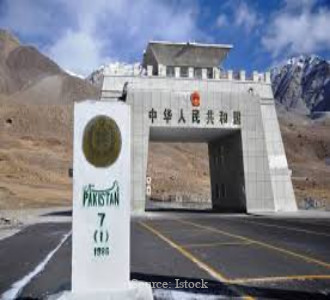
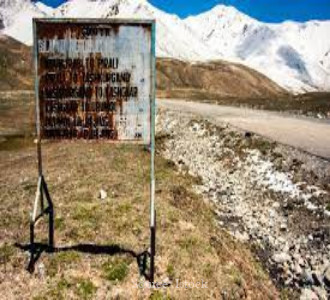
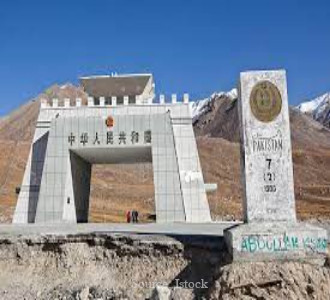
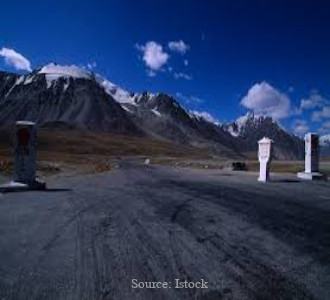
Taking you across the border from China to Pakistan (or vice versa) – the Khunjerab Border stands at a mighty 15,397 feet – and is also home to the world’s highest ATM – with this stunning border crossing being set against the beauty of the Karakoram Mountain Ranges – making it, in our view, one of the most stunning and truly beautiful border crossings in the world.
Yet despite it’s beauty – do be warned that no photos are permitted at the border crossing, and for those crossing from Pakistan into China – you will need not only to secure your visa well in advance (allow at least three months) but you’ll also need to be accompanied from a Chinese guide when you cross the border, who will be required to accompany you all the way to the town of Tashkurgan – with each bus transit into China having different rules, so be sure to check that yours includes a guide.
For those who aren’t able to get the bus, there’s the option of hiring a driver to get you across the border into the Chinese side of the Karakoram Highway – but again you’ll need to ensure that you’ve got yourself covered with a Chinese guide to take you to Tashkurgan – which can be a struggle.
Alongside this, there have been reports (particularly for westerners) of Chinese Immigration officials demanding access to — and searching through – mobile phone, including checking each and every photo you’ve taken to ensure there’s nothing inappropriate or against Chinese laws. So we’d advise you to come prepared for this and ensure that all your devices are compliant to guarantee there’s no difficulties on your crossing.
For an easier crossing – it might be worth considering heading from the Chinese side into the Pakistan side across the Khunjerab Border. While you will still be required to get from Tashkurgan to the border crossing – which can only be done in a motor vehicle and arranged by a tour company – your entry into Pakistan will seem like a breeze compared to entering into China, as fortunately there’s no guide or requirements once you make it over the border.
For those taking on the Khunjerab Border, you’re guaranteed a thrilling – if unnerving and at times uncomfortable experience, but do be warned for crossing the border that it’s only open between the months of April – October and only on weekdays – so be sure to plan accordingly.

Starting from Kashgar / China & driving in China:
For those set on taking on the entirety of the Karakoram Highway – from Kashgar to Hassan Abdul, then your options are to either head north from Hassan Abdul or start from Kashgar and head south.
While both routes will give you the best of the Karakoram Highway – getting from China into Pakistan is considerably easier than getting into Pakistan from China. For this reason for those set on taking on the whole of the highway, we’d strongly advise starting your route from Kashgar and heading South.
To do this first off, you’ll need to get yourself to Kashgar within Xinjiang – and you’ll find a range of flights from across China into Kashgar from across the major cities – such as Beijing and Shanghai – which can conveniently drop you within the Kashgar region to begin your journey. Likewise, Kashgar is well served by a series of train networks from across China which provide a cheaper – if longer way of reaching the city.
Once within Kashgar, you should be prepared for increased surveillance and scrutiny, with it being strongly encouraged that you clean and back-up your phones before entering – and have all the necessary paperwork (including copies) readily available at all times for inspection.
While the area around Kashgar and Xinjiang is truly beautiful, driving and cycling independently are currently not recommended – as not only can it be incredibly difficult to navigate the roads, but at this moment (despite what you may read online) independent cycling and driving are not permitted.
Therefore in order to start your journey on the Karakoram Highway from Kashgar, you’ll need to book yourself onto a licensed tour company which heads south towards the Khunjerab Border through the town of Tashkurgan. An estimated 2‑day drive trips to the border can be booked only at travel centre in Kashgar – and don’t be surprised if they tell you it will take at least a week to get approval to book a slot – and expect to pay at least three times the price as a Chinese citizen.
Still while it can be a challenge to reach the border area and book your transport, for those who find themselves within Kashgar waiting for approval there’s some incredible nature spots to visit along the way – including the stunning Sayram Kanas Lakes – and once you’ve got your passage secured, setting off from Kashgar to take on the full length of the Karakoram Highway is an unrivaled experience – as you begin what is guaranteed to be one of the greatest moments of your life on this stunning wonder of the world.
Best time to Visit:
A journey that will take you to the top of the world – the success of a trip along the Karakorum Highway will be decided by both the careful planning and preparation you put into your trip – as well as the season and month in which you choose to take on the road.
While the Karakorum Highway is billed as an all-weather two-way road – the high altitude and its proximity to the mountain ranges of the Himalayas, the Karakorams, the Hindu Kush, the Kunlun Shan and the Tien Shan – means that cold weather, heavy snowfall, landslides and even monsoons are not uncommon – which in turn can create dangerous driving conditions and truly unenjoyable hiking and cycling weather – which can truly take the shine off your trip.
These dangerous conditions also mean that one of the true highlights of the Karakorum Highway – the Khunjerab Border — is sadly closed between the months of January to April due to heavy snow – depriving explorers of one of the most unique and beautiful spots along the highway.
While the heavy snowfall and closure of the Khunjerab Border means that travelling in the winter season between January and April is not realistic – explorers also need to be aware that the monsoon season takes place between July – September – which can see roadblocks occur and cause significant delays. For those who opt to travel between these months you can also expect extreme heat – with temperatures rising as high as 40°C the further north you go.
However travelling during the summer months of July – September – does hold one key advantage for travellers, as this is peak season on the Karakoram Highway, so for those travelling by bus, hitchhiking or cycling travelling between the months of July – September is a great time to travel – as they’ll be more traffic and visitors upon the road, which should add to the ease and enjoyment of your journey.
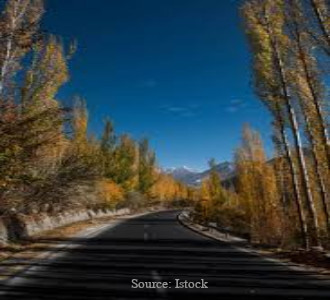
For those driving on the highway, we would again advise consideration for traveling in the summer months, with those who want to experience the highway, but don’t fancy dealing with the intense traffic – and who want to miss the worst of the summer heat — also having the option to travel in the extended months of October and November. With self-drive travel in this highway still giving you the best of the Karakoram Highway – but skipping the worst of the traffic and the heat.
Therefore, for anyone taking on the Karakoram Highway – it’s essential that you avoid traveling in the months of January – April, where the road conditions will be life threatening and the mighty Khunjerab Border pass will be closed. Instead, we’d recommend timing your travel between the months of July – September for non-self-drivers and between July – November for self-drivers – with these months giving you the most enjoyable and safest journey upon the Karakoram Highway.
How long to stay:
The beauty of the Karakoram Highway is found not just in the stunning forestry scenery, towering snow-capped mountains and adrenaline pumping adventures it affords – but also in the unique freedom that an exploration of this incredible wonder of the world provides.
Because of the more than 8,000 kilometers in length and the numerous hiking trails and peaks found along the Karakoram Highway – it’s possible, for those with a hefty budget and unlimited time, to spend months exploring the best of the highway, whilst similarly thanks to a combination of air and bus travel – it’s possible for those on a strict time and money budget to experience some of the best of the Karakoram Highway – in the town of Gilgit in the Hunza Valley in just a matter of days.
For these reasons, a journey along the Karakoram Highway needs to be defined by the explorer themselves based on their time and budget.
However, as a minimum and for our recommendation based on our experience and taking into consideration the realities of both work and finance, we’d recommend putting aside between 10 days to 2 full weeks to explore the highway going up to the Khunjerab Border – (then 1–2 days to return) and adding on an extra 5 days if you intend to either start of finish from the town of Kashgar in Xinjiang.
This 10 day to 14 day recommendation on the Pakistan Side is suitable for all methods of travel on the Pakistan Side (self-drive, cycling, van, bus, taxis and hitchhiking) with those who intend to cross into China or Start from China currently required to utilise a bus within China that includes a Chinese Guide (no self-driving or cycling is allowed).
For those heading into Pakistan, the 10–14-day option will give you the chance to see the best of the Pakistan side. For a possible itinerary we’d encourage those with 2 weeks to consider the following:
Day 1–2: Hassan Abdul & Islamabad – where you can see the best of the Pakistani Capital and make your final preperations:
Day 3: — Take the road North to Gilgit to explore the Hunza Valley:
Day 4: Explore Gilgit
Day 5 – 6: Fairy Meadows & hike to Chanel Walk or summit to Nanga Parbat Base Camp.
Day 7 – 9: Minapin & Rakaposhi Base Camp hike
Day 10: Explore Karimbad & the incredible forts of Baltit and Altit
Day 11: Head North to Ganish to explore Attabad Lake, Husseni Bridge & Passu.
Day 12: Post & Khunjerab National Park
Day 13: Head to the Khunjerab Pass – to either turn back after completing your epic journey or continue over the border.
For those who opt to continue over the border (or who start their journey from China and opt to do the above itinerary in reverse) realistically you’ll need at most three days to explore and the region of Xinjiang leading to Kashgar. With the route through the town of Tashkorgan to the finish line taking around 2 days – and the admin, checks exploration of either town and arranging for transport back taking an extra 2 days at least.
Therefore while it’s possible to spend months exploring the peaks of the Karakoram Highway – and each journey and stop off on this incredible highway will be defined by the traveler themselves. For those on a strict budget and timetable – we’d recommend budgeting between 3–5 days to explore the best of the Hunza Valley and Gilgit from Islamabad, with the optimal and recommended time frame being between 10–14 days up to the Khunjerab Pass and turning back – or 15 – 19 days for those who opt to continue into China.
With each and every option, timeframe and journey upon the stunning wonder of the world of the Karakoram Highway guaranteed to leave you breathless in beauty (and thanks to the altitude) and sure to be one of the greatest journeys and experiences of your life.
Top Tip:
The pinnacle of adventure travel, the Karakoram Highway is awash with immense stunning beauty from the turquoise lakes to the quaint charming Alpine Forests and fairy meadows, which combined with the towering snow-capped peaks – which offer some of the world’s greatest ascents – it’s hard not to get lost in the adventure paradise of the Karakoram Highway when planning a trip to this stunning wonder.
Yet the Karakoram Highway is also fraught with danger, administrative challenges galore and challenging seasons – with any trip requiring careful advanced planning and preparation to ensure you not only get the best out of your adventure on the highway – but that you make it back safe and sound – with a series of awe-inspiring tales to tell.
Alongside this, you’ll need to account for both the security element of visiting Pakistan and the administrative and security procedures currently in place within Xinjiang – as well as ensuring you’re fully familiar with the different cultures and customs of the people you’ll encounter on the way.
Couple this with the challenging weather conditions – which see’s the Khunjerab Pass closed between January and April – and even the popular and high season when travel is recommended between July – September subject to searing heat and landslides – and a trip to the Karakoram Highway has to potential to not only turn soar but put your safety truly at risk.
So to ensure your journey along the Karakoram Highway is as safe, enjoyable and as truly as epic as possible we’ve rounded out our top tips to both help with your preparation and planning and ensure you get the absolute best out of this incredible wonder of the world:
- Safety:
First up – and undoubtedly most important of all is your safety. With the Karakoram Highway lying in parts of Pakistan all travellers should be conscious at all times of their safety, ensuring they secure valuables and take care when travelling – especially at night.
With the road taking you through Islamabad – or with Islamabad being your first port of call, it is a strong recommended to splash out on a more expensive hotel to ensure protection.
However alongside this, Pakistan has had a major push – following a series of terrorist incidents – to beef up security, and their security teams and police are known to patrol major cities to ensure tourists feel as safe and secure as possible. With it being a general rule that the further north you head along the highway – the safer and more secure you will be, with police checks being present upon the highway towards major cities – meaning that for those planning on hitchhiking you should be okay so long as you exercise appropriate caution.
For those truly concerned about safety, particularly around the area of Islamabad we’d advise to consider flying directly from Islamabad to Gilgit to start your journey, which will cut out the area around Islamabad. With it being our further recommendation for anyone travelling across the Karakoram Highway to ensure you check local news and alerts for any incidents or expected protests.
For those heading into China, safety and security should also be a consideration – but from a slightly different perspective. With the Karakoram Highway taking you into / or seeing you start from — the Xinjiang region towards the finishing point of Kashgar, recent requirements have meant that no traveller can enter alone or travel by themselves. Because of this access into or from the Chinese side of the Karakoram Highway is only by motorised vehicle and only with an accompanied guide.
While this will ensure your safety, anyone who seeks to disregard these rules will be subject to local laws – and it’s essential that you line up your transport beforehand if passing into China from Pakistan. For those passing this route into China and making your way across the Khunjerab Pass you’ll also need to consider your safety from a security perspective, as it’s possible that all your personal items – including your phones – will be searched for anything that goes against Chinese Laws, so be sure that you’re in full compliance with these rules before taking on the Khunjerab Pass.
So, while we’d encourage anyone taking on the Karakoram Highway to be alert at all times for their safety, especially those travelling alone or planning on hitchhiking, it’s important to understand the differing levels of safety and security that you’ll need to be aware of to ensure you have the best possible trip upon the Karakoram Highway.
Road Safety & Conditions:
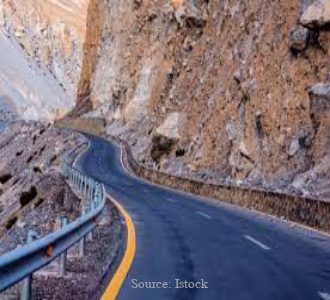
Alongside looking out for your own personal safety, you’ll also need to be fully aware of the road conditions and safety trips for travelling upon the Karakoram Highway – with sharp drop-offs, landslides, harsh weather conditions and high altitude all combining to make the Karakoram Highway an incredibly dangerous raod to navigate – regardless of the method upon which you travel the road.
First up, it’s essential for all travelers to avoid travelling upon the Karakoram Highway at night. This is due not only due to safety considerations, but in consideration of the road – particularly in the middle stretch near the Indus River – where large potholes, narrow lanes, and most worryingly sudden sharp drop-offs – that pose a serious risk to life.
For this reason the Karakoram Highway is a road best travelled during the day – and with extreme caution. With the threat of these drop-offs and potholes remaining constant upon its path. What makes this even more of a threat is that challenging patches of the road can appear suddenly, with it being essential to know where they may appear for maximum safety.
For those setting off from Hassan Abdul and routing through Islamabad, you can expect great quality roads to begin with, but as the journey goes on and the altitude rises into the Indus River and Kohistan district, you’ll encounter death-defying conditions that hug the side of the road – with those who opt to visit the Fairy Meadows required to have a 4x4 and needing to be aware of narrow, bumpy and cliffside roads that require careful attention.
This section of the road – and that leading into the Hunza valley and the towns of Gilgit require extra special attention – and you should budget extra time to pass this section as you make your way north. Once you pass through the Hunza valley, you’ll notice the road tarmac conditions pick up considerably and it should be relatively smooth sailing in terms of road tarmac up to the Khunjerab Border and into China, where you’ll need to arrange for private transport and self-driving or cycling is currently prohibited.
However even though the road tarmac conditions pick up in this section, whichever time you head across the Karakoram Highway ‑you’ll need to be always wary of weather conditions and both their impact on yourself and on the road. For those travelling in the summer months (during our recommended time) temperatures across the Karakoram Highway – and particularly heading north towards the Chinese side can reach well in the 40°C range.
This soaring heat not only requires not only the explorer to have vast quantities of water to hand, but also to ensure they look after their vehicle to prevent it from overheating and pay close attention to the road – ensuring that the heat has not withered parts of it away and made it unsafe as has been known to happen. Those travelling during the summer months will also need to be conscious of the monsoon rains as well, with it being essential to drive as slowly as possible during these conditions.
For those travelling outside the summer months, the weather will be your number one threat and obstacle. With the winter conditions on the road being incredibly treacherous and posing a series threat to life, with their being not only freezing temperatures but a heightened risk of landslides across the highway – which can wipe out cars and travellers on the road.
So treacherous are these winter conditions that they are attributed to the death of more than a thousand workers upon the road, with the Khunjerab Border pass closing between the months of January – April in an effort to deter travellers and to ensure the safety of workers there.
Therefore while a journey across the Karakoram Highway will undoubtedly be the trip of a lifetime – we’d strongly encourage you to check the weather forecast each day before setting off – and ensure you have a solid understanding of the treacherous road conditions that await you ahead, in order to ensure that your trip is as safe and enjoyable as possible.

Crossing the Khunjerab Border:
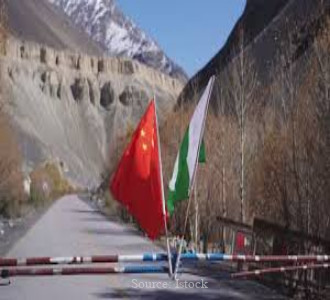
One of the undoubted highlights of the Karakoram Highway the Khunjerab Border is home to not only the highest border crossing and Atm on the planet, but also some incredible scenery, including the Karakoram Mountain Range and K2 – and in the summer months dense green forestry where, if you’re incredibly lucky you’ll get a chance to spot the rare snow leopard.
Yet on a more practical front the Khunjerab Border marks the crossing from Pakistan into China or vice Versa, and following the re-opening of this border crossing after COVID-19 restrictions are lifted, it’s essential to know that crossing can only be done in an approved van or taxi from both directions.
This requirement, which makes it impossible for cyclists and self-driving explorers to pass through the border by themselves, requires you to make prior arrangements for the Chinese section of the border, including arranging Visa’s, transport and a local guide.
While visa’s are simple enough – if bureaucratic (see below), the transport option needs to be arranged in advance, and for those travelling from China you will be required to go on a government issued bus with an accompanying guide to the border of Pakistan (where nothing is required once you enter Pakistan), while such arrangements are required from the Pakistan side for those intending to reach Kashgar.
For those travelling from China you can make arrangements only at the central tourist hub in Kashgar and you’ll need to budget at least three days, if not longer for the journey to begin. With those crossing in from Pakistan needing to make arrangements and have proof of travel and accompaniment before heading to the border.
Alongside this, it’s imperative to know that the border only opens in late April – and closes in December, with photos strictly prohibited on either side of the border. As well as avoiding photos, be prepared for a thorough investigation into yourself and your mobile devices by the Chinese authorities – regardless of which side of the border you’re crossing, with there being increased reports of photo albums being searched for anything that might breach Chinese law.
A spectacular border, but one which you’ll need to be wary of both inspections and requirements for, the Khunjerab Border is one of the most spectacular stops on the planet and a border well worth traversing – and one which you’ll need to have a visa in hand to cross.
Visa and Passport Information:
A further challenging aspect of the Karakoram Highway preparation – and one of the key things and top tips to know beforehand concerns visas.
From the Pakistan Side — following the lifting of Covid restrictions – and thanks to an updating in the Pakistan administrative system (which means you no longer need to go to and send by post your documents to the nearest Pakistani Embassy) getting a visa and getting into Pakistan has become a lot easier and streamlined. With Pakistan now accepting applications for e‑visa’s through their governmental portal at: https://visa.nadra.gov.pk/ — with the relevant requirements of 6 months validity, passport copies all in effect. For those whose nationality requires an invitation latter – this is something you can get from either a tour provider or a local hotel.
Being sure to complete your application two months in advance – as the 10-day application timeframe provided on the e‑visa website can be flexible, once you’ve obtained the e‑visa you should be covered for all forms of travel across Pakistan and the Karakoram Highway - but just bear in mind again that for those cycling, you can’t cross the Khunjerab Border either into or out of Pakistan on a bike.
For the Chinese Visa – and for those crossing into China or taking on the full length of the Karakoram Highway, obtaining a visa for China can be immensely challenging and requires a volume of preparation.
First-up given the length of time it can take to arrange for transport, and given than you’ll need to get to Kashgar or depart Kashgar with a guide, you’ll find that the visa free options – which can extend up to 5 days for a visit aren’t sadly long enough for the required time you’ll need.
Which leaves the only available option to get a Chinese Visa going through an embassy to submit an application – which will require you to visit the embassy with a completed application form, an up to date passport photo and an invitation letter – which ideally should be from the company who will be transporting you either from or to the border. From there your application will be considered and depending on your country of birth you may be called for an interview and be required to show proof of funds and addresses of the places you’re staying within China in order to advance you application.
An application that needs to be submitted at least four months in advance and can also take months to be approved, once you’ve got your Chinese Visa do again note that it does not great you the ability to drive or wonder off within China – and you’ll still be subject to some strict searches at the border. But for those who want to traverse the full length of the incredible Karakoram Highway, going through the administrative process and challenge of getting a visa is well worth.
What to Bring:
As stunningly beautiful as the Karakoram Highway is, it’s also an area subject to extreme – and instantly changing weather, challenging terrain and conditions, and local customs, all of which require you to ensure that before you set off on the Karakoram Highway you come prepared with appropriate clothing and equipment that accounts for the conditions and customs that you’ll encounter on the Karakoram Highway.
Clothing & Equipment:
Adjustable and dependable upon the season you take on the Karakoram Highway, for those travelling out of season in the winter warm clothing is not only essential but also a true life saver, with those traveling in the summer months required to adjust for the extreme heat and ensure there clothes give them as much support as possible for the dry and humid weather.
Therefore as a minimum for those traveling in winter we’d advise taking multiple jumpers and a think hoodie and coat, as well as some strong gloves, a bobble hat – and a hot water bottle which can be a great comforter during the chilly nights. With those travelling in either season advised to take a good jacket, jeans, a couple of t‑shirts, and plenty of underwear and socks.
With these items being a standard for any trip, we’d also advise specializing your gear and equipment for the Karakoram Highway – making sure you bring sturdy walking shoes – particularly for those taking on any of the peaks of the Karakoram mountain ranges, as well as some light sandals that will come in handy both at night and when trekking across rivers and lakes.
We’d also advise bringing a solid towel – and for those who plan on taking on any of the overnight treks or sleeping rough, a comfy sleeping bag and yoga mat will be essential. For equipment a good and weather and altitude resistant camera is a must – not just to ensure you capture the best of the Karakoram Highway, but also so that your camera itself can survive the tough conditions you’ll find on the road – and lend itself to great shots of some of the most extreme scenery that you’ll encounter.
You’ll also need to account for the high altitude as well from a personal perspective, and for this reason we’d strongly encourage you to make sure you bring along altitude sickness tablets, with those going in the summer months also highly recommended to bring plenty of sunscreen. Alongside this all travelers should ensure they bring with them at least one torch, mosquito repellant a couple of power banks to ensure devices remain charges – and perhaps most importantly plenty of snacks and water to ensure you’re both hydrated and full of energy to tackle the road of the Karakoram Highway that lies ahead.
Observe Local Customs:
Alongside ensuring you bring the correct clothing and equipment, it’s also essential that you take note of local customs when entering Pakistan. For starters do note that it is strictly forbidden to bring alcohol into Pakistan – and you’ll find that beer and wine is in short supply across the country, so for those who intended to celebrate driving across the Karakoram Highway with a drink – we’d advise having it on the plane on the way home.
Additionally for any female travelers heading along the Karakoram Highway do note that a head scarf is expected along the way, and we’d also advise all travelers to do their best to ensure they cover their shoulders and knees along the way – and especially when entering local towns.
Finally it’s also essential across both Pakistan and China that good respect for local customs and locals are displayed – including a lack of confrontation and swearing. With those who enter the Xinjiang region of China also needing to accommodate and accept that there will be strict security practices in places (including checking of phones and CCTV) and that solo travel across the region and expressing political opinions is strictly prohibited.
Get a SIM Card within Pakistan:
Finally as a crucial top tip – and of the most important preparatory elements across the whole of the Karakoram Highway – we’d highly recommend investing in a SIM card when you arrive in Pakistan.
Available at the Islamabad Airport and across Islamabad itself, coverage across Pakistan and along the Karakoram Highway is exceptional and having a local SIM card gives you the security of being able to call for help in an emergency – as well as arrange taxi’s, hotels and shuttles – and keep in touch with your loved ones on your spectacular journey across the stunning Karakoram Highway.
Cost:
The flexibility and diverse route options available to traverse the Karakoram Highway, opens up this stunning wonder to be explored by people from all budgets – with a journey across the Pakistan section of the highway by public transport and hitchhiking being a great option for the budget conscious backpacker – where those with a little bit of a more flexible budget having the option to travel the highway by both self-drive, in luxury and even making the crossing along the Khunjerab Border from either the Chinese Side or the Pakistan side.
While this is a wonder that can be explored in consideration of your own budget, all travelers will face a baseline of expenses when setting off on the Karakoram Highway. The First of this will likely be accounting for your flights into either Kashgar or Islamabad and the flight back. While prices will vary based on your origin point, as a minimum we’d recommend putting aside at least $750 USD for those coming from the MENA or Asian region – and expanding this budget up to at least $2000 Usd for those coming from outside this region.
You’ll then need to account for the cost of Visas – which for those solely entering Pakistan can cost anywhere between $10 — $100 Usd depending on your nationality, with those entering China costing an average of $120 Usd – but potentially going higher again based on your nationality.
Having got yourself to the starting point of your journey and got your visa’s – you’ll then need to account for clothing and equipment, which will vary based on the season you take on the Karakoram Highway. For this, we’d encourage you to set aside at least $100 Usd to ensure you have to bare essentials – including solid hiking boots, a tent and sleeping bag and appropriate clothing, with it also being our recommendation that you invest in a camera to ensure the memories you take home of the truly incredible scenery along the highway and the stunning mountain peaks – particularly of K2 and the Karakoram Range – are as high quality as possible.
Budgeting as well for some good road snacks – which we’d advise to put between $5 — $15 Usd a day aside for, the rest of the budget outside this baseline is truly defined by the traveler. Considering the budget conscious and backpacker traveler first, and we’d advise making use of the public transport to explore the highway – with their being an 18 hour bus that leaves Islamabad 3 times a day and costs just over $10 Usd that can put you right in the heart of the Hunza Valley and the town of Gilgit.
For those who are content to see one of the main highlights of the Karakoram Highway at the Hunza Valley, it will be a simple manner of getting the bus back to Islamabad, alternatively for those backpacking and carrying on north towards the town of Passu – then your three main options are hitchhiking (which is cost free), hiring a driver (more costly) or booking a bus (which can cost up to $20Usd) when schedules and routes allow (we’d encourage you to use Bookaru to check if a route runs) – or for the more adventurous and for a further cost management option consider using all three methods to explore the Karakoram Highway in a truly unique way.
For those with a healthier budget and who fancy self-driving the Karakoram Highway on the Pakistan side, then we’d encourage you to pick your car up at Islamabad Airport – which is usually the most reliable place in the country – and where you’ll find the most reputable vendors – and be sure to get a 4x4 to deal with the terrain. While travelers’ itineraries and length upon the highway are likely to be difficult – those set on self-driving should be advised to set aside at least $75 a day for car rental upon the highway.
For those with a healthier budget and who don’t want to deal with either the stress of self-driving or the hassle and inconvenience of budget travel, then a further option to explore the highlights and thrill of the Karakoram Highway is through a guided tour – with their being a range of tour options from 7 – 14 days which cost anywhere between $3,000 — $6,000 Usd. While a pricey option, taking on a tour lets you travel the highway in true comfort and see the absolute best of this stunning wonder – with it also being a great option for those who want to complete the full journey of the Karakoram Highway into Kashgar in Xinjiang in China.
For those heading into or starting from China and taking on the Khunjerab pass, be sure to have your visa in advance – and you’ll also need to account for the travel from Kashgar to the border or vice versa. Due to current restrictions on movement within Xinjiang, such travel can only be achieved with a guided tour – that needs to be arranged in advance if passing through the Khunjerab border from the Pakistan side or arranged at the main tourism center in Kashgar if travelling from China into Pakistan.
For those taking on this route expect to pay a foreigner premium of around $175 for transport and the guide, in what is a somewhat uncomfortable and closely monitored journey.
Factoring in accommodation and meals for those not on a tour – which we’d encourage you to put aside around $20 Usd a day for those on a budget and around $50 Usd for the more affluent traveler – the baseline cost of visiting and travelling the Karakoram Highway comes out to between $1000 Usd — $3000 Usd for flights, visa and essentials – and from there depending on your chosen method of travel and the length of your trip, it can cost anywhere between an extra $200 — $7000 Usd to explore this stunning wonder of the world.
Fun Fact:
An epic journey over 800 kilometres of adventure highway, the Karakoram Highway is awash not only with stunning sights – from towering mountain peaks, alpine lakes and quaint historical villages – but is also one of the most remarkable engineer and design feats and factually interesting destinations on the planet.
Top of the list of the fun facts of the Karakoram Highway is undoubtedly its title as being both the highest paved road on the planed – standing at a breathtaking 15,466 feet in its tallest spot – and its title as featuring the highest border crossing on the planet – the mighty Khunjerab border which connects Pakistan to China – with this border post, which is closed between January and April – also being home to the worlds highest (and one of the most expensive) ATM’s on the planet.
Alongside its height the Karakoram Highway also stands as an important symbol of trust and friendship between China and Pakistan – with the road, which is often abbreviated to the Friendship Highway – being constructed over a period of 20 years between 1959 – 1979 – and opened to the public in 1986, being one of the few roads on the planet that passes through the Himalayas – making it not only a drive that offers stunning views but making it an engineering and true feat of architectural ingenuity.
Yet despite this stunning feat, it is worth noting that this incredible wonder – and those fortunate to travel upon it – owe their experience to the thousands of workers who toiled in challenging conditions to construct this highway, particularly the 810 Pakistan workers and more than 200 Chinese workers who perished in its construction. With those who want to pay their respects to the heroes who constructed the true wonder of the world of the Karakoram Highway able to do so at the grave site for these workers in Gilgit.
Top Sights & Best photo spot:
An epic journey – that can take you to the highest border pass, past three different stunning mountain ranges for breath-taking scenery of towering snowy peaks, past alpine forests and lakes and through stunning architecture of ancient Kingdoms, the route across the Karakoram Highway is guaranteed to be filled with adrenaline pumping adventures, culturally enlightening experiences and some of the best nature photography and cultural photography on the planet.
The uniqueness of the photography opportunities available are undoubtedly enhanced by the fact that no two journeys upon the Karakoram highway are the same, with both the route and stop off’s undertaken on this 800 kilometre being at the discretion of the explorer – and thanks to the diverse seasons creating ever-changing scenery on the highway every journey – and photography memories collected upon — guaranteed to be unique to and belong to the traveller.
Yet despite this, there are undoubtedly some key highlights that we’d recommend snapping – including the jewel of the Hunza Valley, the fairy meadows and the truly stunning Khunjerab Pass – home to an intersection of the worlds five highest mountains; the Himalayas, the Karakorams, the Hindu Kush, the Kunlan Shan and the Tien Shan – with the highway also a photography and scenic paradise for hikers – with the epic trails of K2, the Gondogoro Pass, the hikes within the Deosai Plains National all being truly magical and affording stunning photo opportunities.
Best photographed with a wide-angle lens – and lending itself to high pixelated panoramic shots for those shooting with phones – pinpointing the locations and knowing the most scenic spots on this stunning highway can be daunting and overwhelming. So, to make sure the memories and photographs you capture on the Karakoram highway are as special as possible, and that you take in the absolute best on your epic journey, we’ve rounded out our top photo locations and spots on the incredible wonder of the world that is the Karakoram highway.
The Hunza Valley:
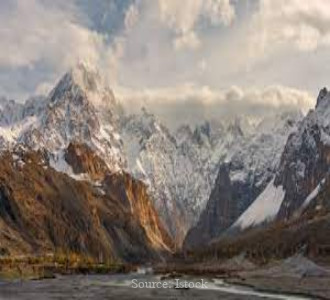
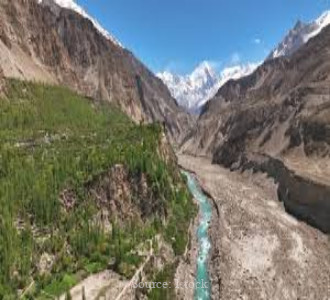
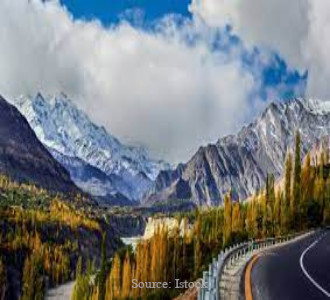
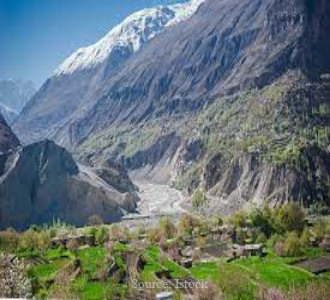
Our top pick for an unmissable photo spot on the Karakoram Highway, the road through and the area of the Hunza Valley is one of the most scenic and photographable stops on the planet – with the towering peaks of Karakoram Range – including the Hunza Peak and the imposing Rakaposhi providing a snow-capped stunning backdrop to green meadows and rolling valleys – which is truly beautiful.
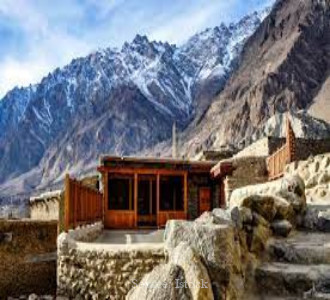
A spot that provides incredible panoramic landscape shots – the Hunza valley stands at a mighty 8,000 feet and will leave you breathless – in more ways than one. Alongside the stunning scenic beauty, the Hunza Valley is also home to the incredible charming towns of , Ganish and Kariminbad. With Kariminbad in-particularly being a picturesque town within its own right with charming, cobbled streets – and it’s here that you’ll be able to take a photographic trip through history as you explore and photograph the twin forts of Baltit and Altit that stand against the peaks of Karakoram – for a further incredible shot we’d advise heading up to the viewpoints for either fort at sunset – where the incredible colours light up both the forts themselves and the peaks behind them.
Considered the jewel of the Karakoram highway – no trip across the stunning highway should be without an exploration of the great Hunza valley – and with the stunning snow-capped towering peaks, the quaint rolling valleys and the historical landmarks, this unique valley is an incredible spot to capture the best of this stunning wonder of the world.
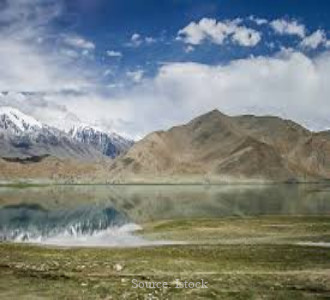
Gilgit & Uprising Memorial:
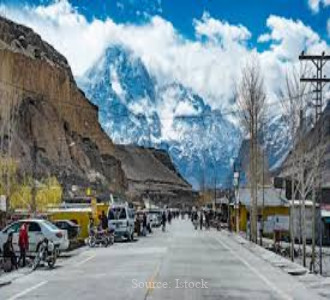
Lying in the shadow of the Hunza valley mountains, the town of Gilgit offers not only incredible access to some of the stunning hiking treks on the Karakoram Highway – but thanks to its charming bustling streets is also one of our top picks for capturing the essence of both the beauty and life on the wonder of Karakoram.
Best shot, in our view at sunrise and sunset, you’ll find some truly photogenic landmarks within the city – including the twin forts of Baltit and Altiti – which makes for ideal locations to snap the beauty of this town and out over the horizon of the Hunza Valley. It’s also within Gilgit that you’ll find the uprising memorial an invocative and emotional tribute to those who rose against – and lost their life – in an uprising against the Maharaja in 1947, representing a chance to take in and understand the deep history of this colourful and beautiful region.
One of the premier spots for city photography and truly understanding life within Karakoram, for those travelling into the Hunza Valley as their premier Karakoram Highway experience snapping and capturing the beauty of Gilgit is an absolute must as you explore this wonder.
Fairy Meadows & Nanga Parbat:
A further iconic stop along the Karakoram Highway – and lying on the doorstop of Gilgit, the quaint Fairy Meadows are the grasslands of the towering peak ‘King of the Mountains peak’ of Nanga Parbat (the world’s ninth highest, at a towering 8126 metres) — with this photogenic spot, which mixes the softness of green grass, lakes and forests with the imposing snow-capped peaks – being reached by a bumpy jeep ride along a one-way narrow path, that shows off the best of the risk and death-defying road of the Karakoram Highway – before opening up into the scenic wonderlands of Fair Meadows.
Living up to its local reputation as the scenic jewel of Pakistan and the most scenic spot in the country, the base scenery is truly stunning – and it’s not uncommon to find horses grazing here, which only adds to the beauty and photo spots available. For those with more time and who want to snap an increidble picture – we’d advise taking a day to hike to the base camp of Nanga Parbat – where you’ll be treated to stunning views of not only the beautiful Fairy Meadows below you but a unique vantage point of the breath-taking snow-capped Himalayas which stretched into the distance – for what is a truly magical and stunning photo shot.
Rakaposhi Basecamp:
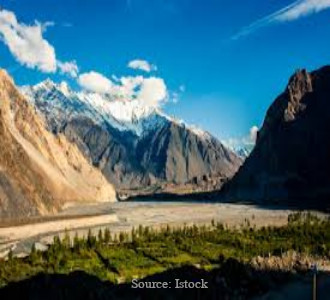
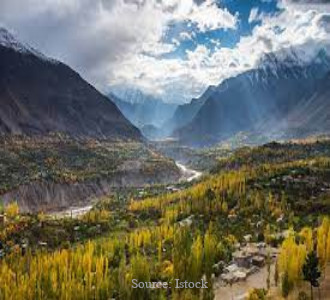
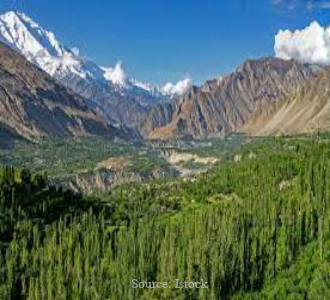
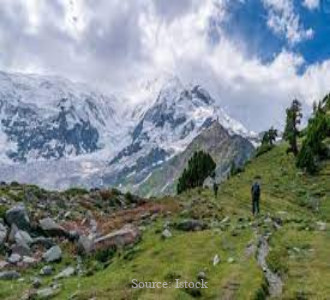
Alongside taking in the stunning beauty of the fairy meadows, for those with a little bit more time on their hands – and their trekking boots with them, a trip to the basecamp of the towering 25,000 foot tall mighty mountain of Rakaposhi is another incredible experience that offers not just a stunning endurance challenge – but some of the most scenic and photogenic views across the whole of the Karakoram Highway – as you stare down into the alpine quaint valleys of the Hunza Valley below.
With the hike to base camp taking a minimum of three days, the hike to base camp of Rakaposhi begins from the charming village of Minapin (2 hours east of Gilgit) and you can expect a challenging and steep ascent up to the summit that will truly test your cardio ! – but for those who make it the views at base camp are simply stunning – as you find yourself with incredible views of snow capped peaks alongside you, and look down into stunning valley of Hunza – for one of the most scenic and truly gorgeous photo opportunities that lets you capture the absolute best of the scenery on the Karakoram Highway.
Deosai Plains National Park
A short de-tour off from Gilgit and you’ll come to the aptly named ‘Land of the Giants’ of the Deosai Plains National Park – an incredible stunning natural paradise that combines the best of Himalayan snow-capped peaks, lush green meadows and rolling rivers and which gives explorers the chance to capture some of the greatest and untouched nature on not just the Karakoram Highway, but on the planet.
An uncovered jewel, the Deosai Plains National Park is also an incredible place for camping, and for the wanderlust travellers taking on the Karakoram Highway you’ll find a stunning shot of tents pitched by Sheosar Lake within the park – which represents the true wilderness and wildness of both this stunning park and the journey along the Karakoram Highway.
Best photographed – and explored – in early spring, where the crisp blue skies enhance the beauty of the fields and lakes, the Deosai Plains is also an incredible place to photograph not only wildflowers in full bloom – but also one of the best spots across the whole of the highway to capture animals, including butterflies, brown bears, Lynx’s – and best of all the elusive Snow Leopard.
So for those with time and who want to experience and capture the best natural views and some of the world’s greatest scenic and animal shots on the planet – the Deosai Plains National Park is an absolute must visit for incredible photography opportunities.
Gondogoro Pass:
Another of the stunning hikes across the Karakoram Highway – the Gondogoro Pass is, in our view, the most challenging yet also most scenic pass across the Baltistan region of Pakistan – with this stunning snow and ice kissed pass – that will take you at least 16 days to cross – seeing you lace up your snow crampons and hike up to an almost 5600 metre summit passing incredible scenic peaks of K2, Laila and the mountain range of Gasherbrums – for a breathtaking experience and one that offers you truly majestic photo shots of K2 and the Karakoram Ranges.
Truly one for those who want stunning shots of glorious mountains, the Gondogoro Pass is best undertaken in late summer (August) where you’ll find the conditions warmer and the challenging ice and glacial surface melted away. However even in these softer conditions, this is a route that carries the constant threat of landslides and requires immense physical fitness. But for those who take on this challenging pass – the reward, views and photo opportunities are truly stunning and underline why the great Gondogoro Pass is hailed as the ‘throne of the gods.’
The Hussaini Bridge:
Encapsulating the adventure – and risk of the Karakoram Highway, the Hussaini Bridge connects Hussaini with the neighbouring town of Zar abad – with the bridge – which consists of a series of stepping-stone style planks suspended above the waters of the Hunza river providing a death-defying passage between the two towns.
While you’ll find locals happily hopping their way between the planks to make the journey, the uniqueness of the Hussaini Bridge, combined with its stunning setting against the peaks of the Hunza valley and the bright turquoise waters, make it alone of our favourite stops. But for the truly adventurous, the chance to grab a photo of video of yourself nevously making you way from plank to plank is undoubtedly one of the great – and funnest – stops on the Karakoram Highway and a truly beautiful and adventurous place to grab some unique photos.
Attabad Lake:
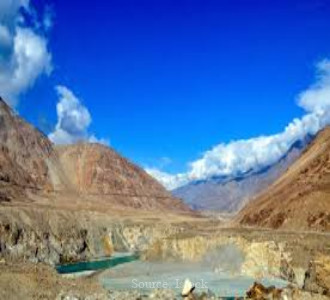
One of the most stunning artificially created lakes on the planet, the Attabad Lakes deep turquoise reflective waters – which are set against the stunning peaks of the Hunza Valley – make for awe-inspiring and beautiful photos – with this incredible spot undoubtedly being one of the most stop photo stops across the whole of the Karakoram Highway.
A lake born out of tragedy – with the lake being created by the 2010 landslide in the neighbouring Attabad Village that submerged huge swaths of the village, you’ll find not just a scenic beauty at this lake, but also the chance to undertake a range of adventure activities typical of the Karakoram Highway – with fishing, jet-skiing and high-speed boating all available here.
A popular spot as well for both camping – or for those with a deep budget glamping – for an extra special shot on the Attabad Lake, you’ll need to visit outside our recommended time to visit — during the winter season – where the cold temperatures see the lakes water freeze – allowing you to grab photos stood on top of this stunning lake against the backdrop of the Hunza Valley.
Passu village:
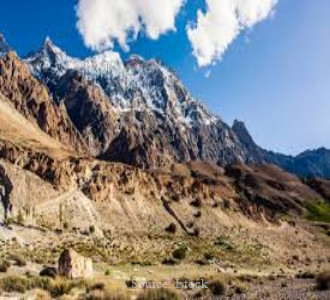
a small, quaint and charming town, the town of Passu – which marks one of the last stops for those taking on the Khunjerab Pass – lies in the shadows of the towering Passu Cathedral, which despite it’s name are not a religious haven, but a series of towering golden peaks stretching more than 20,000 feet into the clear blue skies – which makes for a stunning backdrop for this incredible town, and gives you one of the great photos along the Karakoram Highway.
Best captured at sunrise, where the peaks themselves light up, the approach to Passu along the highway is also equally stunning – as you slowly wind your way around rolling rivers on your left and approach the Cathedral ahead of you – which marks your arrival into the photographic town of Passu, where great sleep, company and food await you.
Karakul Lake:
Entering into the Chinese side of the Karakoram Highway – and what will be your accompanied journey to the finish point of Kashgar – or your approach to the Khunjerab pass – and you’ll find the beautiful turquoise lake of Karakul that is well worth persuading your guide to stop off at.
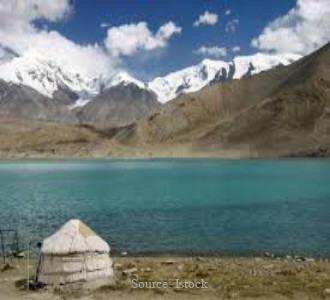
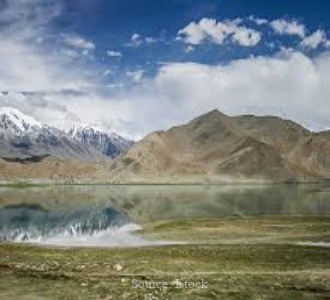
The turquoise water of Karakul Lake liein the shadow of three stunning mountains – firstly the mighty 25,000-foot mountain of Kongur Tagh – which is part of the Kongur Shan mountain range and whose stunning snow-capped peak stands as the highest in the Xinjiang region — and the incredible and towering 24,000-foot mountains of Muztagata (whose name translates as Ice father) and Kongur Tiube. — which provide a stunning and imposing backdrop for this magnificent lake.
Best photographed in the early morning, where your chances of minimal cloud and the rising sun adds to both the mystique and reflection of the mountains on the green surface of the lake allowing for truly special shots. Alongside the beautiful lake, you’ll also find settlements and town folk – who call the river home – which can add for a further educational aspect to both your visits and your shots, as you capture not only a stunning natural beauty on the highway, but capture a unique way of life on your journey across the Karakoram Highway.
Khunjerab National Park and Pass:
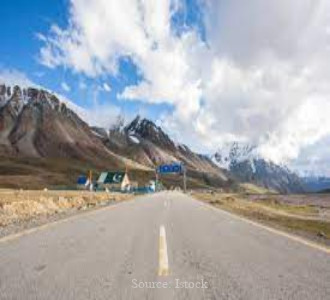
Truly at the top of the world, the mighty Khunjerab national park and pass is one of the most unique and scenic stops on the planet – with this pass being home to the famous – and world’s highest – international border between Pakistan and China – with a photo at the border – and using the world’s highest ATM, both of which lie against towering snow capped peaks – being two of the must have photos on the Karakoram highway.
Alongside this, the Khunjerab pass itself is truly stunning, with the high elevation of this pass – which stands at a mighty 15,600 feet tall – seeing you wind through snow capped mountains, and putting the best of the Karakoram Mountain Range – and glimpses of K2, Broad Peak and the Hindu rush all on display – which provide for stunning photo opportunities.
For the animal photographers and nature lovers taking on the Karakoram Highway – and for those with the freedom to explore the Highway on their own schedule – the Khunjerab national park also offers the unique chance to see – and photograph – the incredible rare wildlife of marmots, ibexs and even snow leopards – in one of the most unique and privliged sightings of these rare animals.
A majestic pass, which has developed from its literal name of being ‘the Vale of Blood’ — so named because of its past use of ambush by bandits – to become one of the most unique spots on the planet –the high altitude border crossing, the stunning landscapes and rare wildlife – offering some of the most awe-inspiring and beautiful photography opportunities — that truly encapsulate the very best and beauty of the true wonder of the world that is the Karakoram highway.