
The Most Remote Place on the Planet:
From the depths of Antarctica’s Amundsen-Scott South Pole Station to the emptiness of the Oceanic Pole of Inaccessibility at Point Nemo, on a planet with more than 7 Billion people, there are still isolated, barren, untouched, and awe-inspiring destinations where few dare venture. Stunningly beautiful in their own right, these unique remote places require not just a level of knowledge to reach — but also extreme survival skills to survive in a place untouched — and at times — forsaken by humanity.
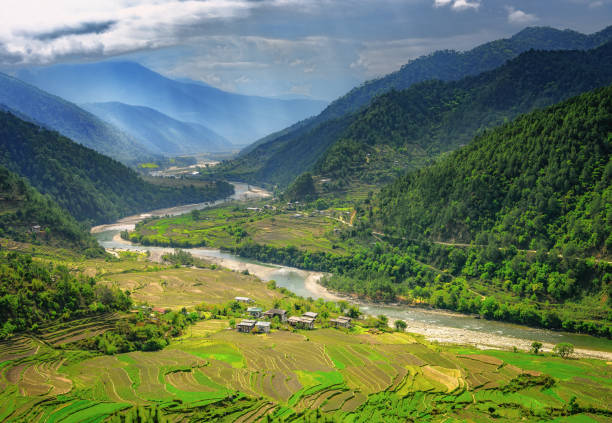
Whether it’s finding solitutde in the paradise of Pitcairn Island or navigating the dense forests, glaciers and mountains and landslides to uncover silent spirituality in the Motuo County of Tibet, these remote places are a reminder of both how vast and beautiful our world is, but also how frighting and small the planet truly is. So, to help you in reaching the places on the planet where few have gone and to take your adventures truly to the end of the world, we’ve rounded out the top 10 most remote places on the planet:
1.) Tristan da Cunha: The Most Remote Inhabited Island on Earth
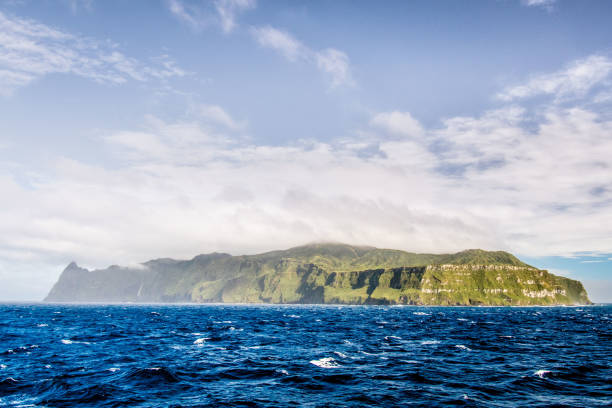
Overview: Imagine a place where the nearest human settlement is over 2,400 km (1,500 miles) away, and the only way to get there is by boat. Welcome to Tristan da Cunha, the world’s most remote inhabited island. Located in the South Atlantic Ocean, this volcanic island is home to just 250 residents, a small but self-sufficient community that lives in one of the most isolated corners of the planet. The island is famous for its rugged beauty, dramatic cliffs, and a peaceful way of life that few outsiders ever get to experience.
Tristan da Cunha offers a rare glimpse into a world untouched by mass tourism. With no airport, no hotels, and limited modern amenities, visiting here is an adventure in itself. The island’s main village, Edinburgh of the Seven Seas, is a charming settlement where locals live off fishing, farming, and handicrafts. The surrounding landscapes are breathtaking, from active volcanoes to wild penguin colonies and sheer sea cliffs that drop into the Atlantic. If you’re looking to completely disconnect from the modern world and experience life in one of Earth’s most untouched places, Tristan da Cunha should be on your list.
Where: Tristan da Cunha is located in the South Atlantic Ocean, roughly halfway between South America and Africa. The nearest land is Saint Helena, another remote island about 2,173 km (1,350 miles) away. The closest continental landmass is South Africa, which is 2,400 km (1,500 miles) to the east. This extreme isolation makes Tristan da Cunha one of the hardest places to reach on the planet.
When to Go: The best time to visit Tristan da Cunha is during the Southern Hemisphere’s summer months (October to March). During this time, temperatures are milder, averaging 10–20°C (50–68°F), and the seas are slightly calmer, making the boat journey less challenging. Winter (April to September) brings stronger winds and rougher seas, making travel even more unpredictable.
How to Get There: There are no airports on Tristan da Cunha, so the only way to reach the island is by ship. Boats depart from Cape Town, South Africa, but there are only a few voyages per year, usually on fishing or research vessels. The journey takes 6–7 days, depending on weather conditions. Visitors must get permission from the Tristan da Cunha government before traveling, as tourism is highly controlled to protect the island’s fragile ecosystem.
Top Tips for Visiting Tristan da Cunha:
- Prepare for isolation—there’s no cell service, and internet access is extremely limited. Bring books, journals, or anything to keep yourself entertained.
- Respect the locals, as the 250 residents of Tristan da Cunha are welcoming but value their privacy. Be mindful of local customs and traditions.
- - Plan well in advance, as there are limited transportation options, and trips need to be arranged at least a year ahead.
- Bring essential supplies, as there are no tourist shops, so pack everything you need, including medications, warm clothing, and sturdy hiking gear.
- Enjoy the wildlife, as the island is home to rare seabirds, penguins, and fur seals—a paradise for nature lovers and photographers.
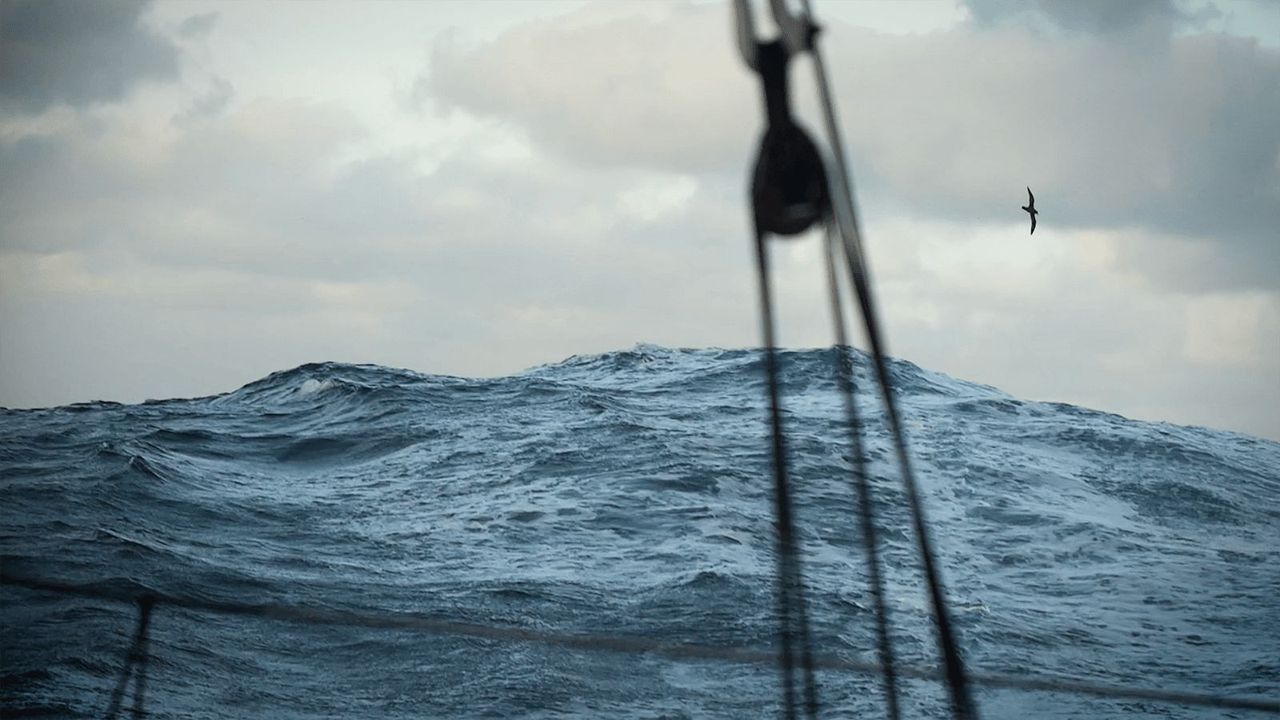
2.) Point Nemo: The Most Remote Oceanic Location on Earth
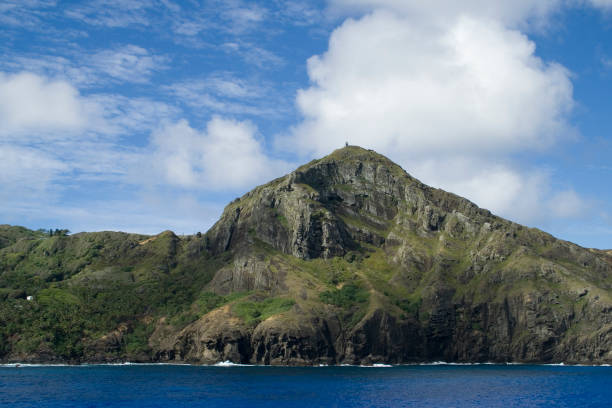
6) Easter Island: The Remote Land of Mysterious Moai Statues
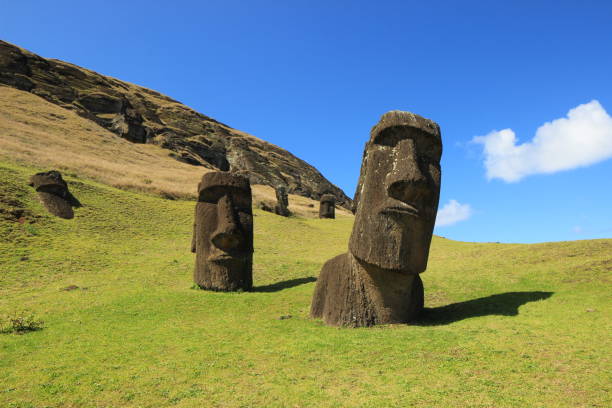
Overview: Easter Island, or Rapa Nui, is one of the most remote inhabited islands on Earth, famous for its mysterious moai statues—massive stone figures carved by the island’s early Polynesian settlers. Located in the southeastern Pacific Ocean, over 3,500 km (2,200 miles) from mainland Chile, this isolated volcanic island offers a unique blend of history, culture, and breathtaking landscapes.
Beyond its world-famous stone statues, Easter Island boasts dramatic cliffs, volcanic craters, hidden caves, and pristine beaches. Visitors can hike across lava fields, dive into the crystal-clear Pacific waters, and experience the vibrant traditions of the Rapa Nui people. With its remote location and rich history, Easter Island is a truly once-in-a-lifetime destination.
Where: Easter Island is located in the southeastern Pacific Ocean, roughly 3,512 km (2,182 miles) west of mainland Chile and about 4,000 km (2,485 miles) east of Tahiti. It is one of the most isolated inhabited islands in the world, with the closest inhabited land, Pitcairn Island, over 2,000 km (1,243 miles) away.
When to Go: The best time to visit Easter Island is during the dry season (April to November) when temperatures are mild (18–24°C / 64–75°F) and there’s less rainfall. The busiest time is during the Tapati Rapa Nui Festival in February, a cultural event celebrating traditional Polynesian music, dance, and sports.
How to Get There: The only way to reach Easter Island is by air. LATAM Airlines operates flights from Santiago, Chile, to Mataveri International Airport (IPC), the island’s only airport. The flight takes about 5.5 hours. There are no boats or ferries offering regular service to Easter Island due to its extreme isolation.
Top Tips for Visiting Easter Island:
- Book flights and accommodations early, as tourism is limited and spots fill up fast.
- Rent a car or bike to explore the island’s moai sites and remote beaches at your own pace.
- You must be accompanied by a licensed guide when visiting the major archaeological sites, including Rano Raraku and Orongo. Independent exploration is not allowed to protect the island’s heritage.
- Respect the ancient sites, as the moai statues are sacred, and climbing on them is strictly prohibited.
- Bring cash, as ATMs are limited, and some businesses don’t accept credit cards.
- - Visit during the Tapati Festival for a deeper cultural experience with traditional Rapa Nui ceremonies and competitions.
7) Ittoqqortoormiit: The Most Isolated Town in Greenland
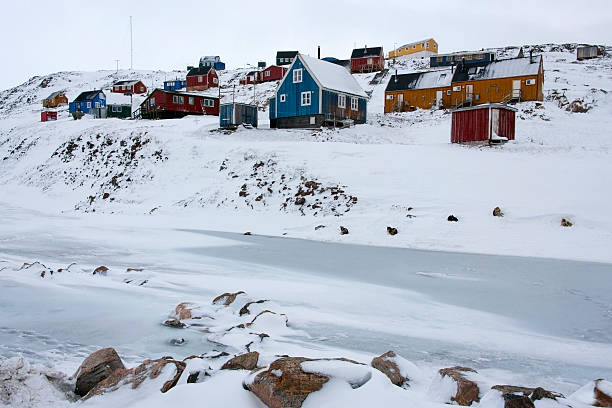
Overview: Tucked away in the remote wilderness of eastern Greenland, Ittoqqortoormiit is one of the most isolated settlements on Earth. Home to fewer than 400 residents, this tiny Arctic town is surrounded by towering glaciers, rugged mountains, and vast fjords that remain frozen for much of the year. Life here revolves around traditional hunting, fishing, and an intimate connection with nature, making it one of the last places on Earth where Inuit culture thrives largely undisturbed.
Ittoqqortoormiit is a dream destination for adventure seekers looking to experience true Arctic isolation. Visitors can explore breathtaking ice fjords, see polar bears and musk oxen in their natural habitat, and witness the magical northern lights in winter. With no roads connecting it to the rest of Greenland, getting here is a challenge, but the reward is an untouched landscape that feels like stepping into another world.
Where: Ittoqqortoormiit is located on the eastern coast of Greenland, near the mouth of the Scoresby Sound—the longest fjord system in the world. It is one of the most isolated inhabited places in the Arctic, with the nearest town over 800 km (500 miles) away. The settlement is surrounded by sea ice for most of the year, cutting it off from the rest of the world except for occasional supply ships and small aircraft.
When to Go: The best time to visit Ittoqqortoormiit depends on what you want to experience. Summer (June to August) offers 24-hour daylight, milder temperatures, and opportunities for hiking, kayaking, and wildlife spotting. Winter (November to March) is ideal for those looking to see the northern lights, go dog sledding, or experience the extreme Arctic cold, with temperatures often dropping below ‑20°C (-4°F).
How to Get There: Reaching Ittoqqortoormiit requires careful planning. The most common route is to fly to Iceland or western Greenland and then take a connecting flight to the small airport at Constable Pynt, about 40 km (25 miles) from the town. From there, visitors must travel by helicopter or boat, depending on the season. There are only a handful of flights per week, and ships can only access the area during the short summer window when the sea ice melts.
Top Tips for Visiting Ittoqqortoormiit:
- Book your flights well in advance, as transportation options are extremely limited.
- Dress for extreme cold, even in summer, as temperatures can be unpredictable.
- Respect local traditions—hunting is a way of life here, and visitors should be mindful of Inuit customs.
- Be prepared for basic accommodations, as there are no luxury hotels, only small guesthouses.
- Bring all essential supplies, as there are very few shops, and imported goods are expensive.
8.) Kerguelen Islands: A Remote Wilderness in the Southern Ocean
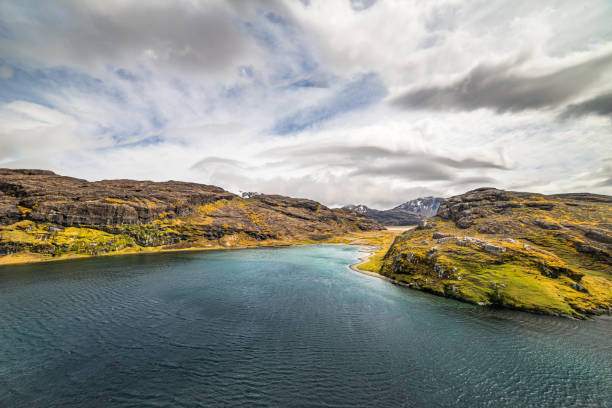
Overview: The Kerguelen Islands, often referred to as the “Desolation Islands”, are one of the most remote and uninhabited archipelagos on Earth. Located in the Southern Ocean, these islands are part of the French Southern and Antarctic Lands, a French overseas territory. Known for their extreme isolation, the Kerguelen Islands offer a rare opportunity to explore pristine wilderness, characterized by volcanic peaks, glaciers, and diverse wildlife. The archipelago is home to a research station, but it has no permanent civilian population, making it a truly untouched part of the planet.
Visitors to the Kerguelen Islands can experience a place that has remained largely unchanged for centuries. The islands are famous for their dramatic landscapes, including towering cliffs and vast, untouched beaches, and they offer unparalleled opportunities for nature lovers and adventure travelers to disconnect from the modern world. Despite their isolation, the islands are home to a variety of wildlife, including penguins, seals, and seabirds, making it a rare ecological haven.
Where: The Kerguelen Islands are located in the Southern Ocean, approximately 3,300 kilometers (2,050 miles) from the nearest populated land, Réunion Island in the Indian Ocean. The archipelago consists of over 300 islands, with Kerguelen Island being the largest and most significant. The islands are positioned 49°21′S latitude and 70°13′E longitude, making them one of the most isolated landmasses in the world. The Kerguelen Islands are part of the French Southern and Antarctic Lands, which are administered by France as an overseas territory.
When to Go: The best time to visit the Kerguelen Islands is during the Southern Hemisphere summer months (from November to March), when the weather is slightly milder and more conducive to travel. During these months, temperatures range between 5°C and 10°C (41°F to 50°F), though they can still be quite cold and unpredictable. The rest of the year, the islands experience harsh, freezing conditions, with storms and high winds making travel near impossible. If you plan to visit, it’s essential to be prepared for extreme weather, even in the summer months.
How to Get There: Reaching the Kerguelen Islands is no easy task. There are no commercial flights to the archipelago, so visitors must travel via chartered expedition ships or research vessels that depart from Réunion Island or France. The journey to the Kerguelen Islands takes several days at sea, and passengers must be prepared for rough waters and limited amenities. The islands are primarily visited by researchers, scientists, and environmentalists, so access is generally restricted to those involved in scientific expeditions or authorized groups.
Top Tips for Visiting the Kerguelen Islands:
- Expect limited facilities—the islands have no permanent population, so expect very basic amenities, with no hotels or tourist infrastructure. Most visitors will stay at the research station or on ships.
- Prepare for extreme weather—the Kerguelen Islands are known for their harsh, unpredictable conditions, including high winds, cold temperatures, and frequent storms. Dress in layers and bring appropriate gear.
- Bring all necessary supplies—since the islands are so remote, there are no stores or services, so be sure to bring enough food, water, and other essentials for your trip.
- Respect the environment—the islands are home to unique wildlife and delicate ecosystems, so follow all guidelines to protect the natural habitat.
- Plan ahead—since access to the Kerguelen Islands is limited, you must make arrangements well in advance through authorized expeditions, as entry is not generally open to tourists.
9.) Oymyakon, Russia: The Coldest Inhabited Place on Earth
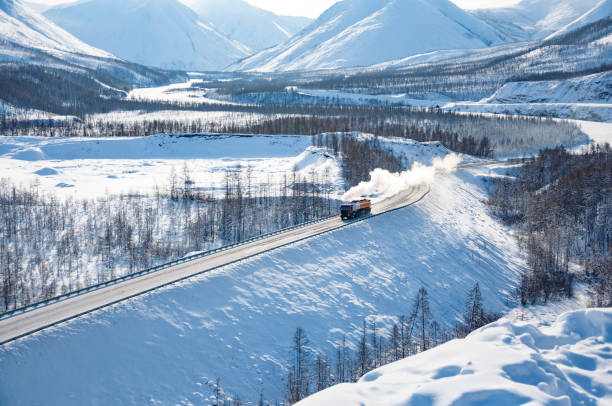
Overview: Oymyakon, a small village located in the Sakha Republic of Russia, holds the title of the coldest inhabited place on Earth. This remote settlement is famous for its extreme temperatures, where winter lows can plummet to a staggering ‑50°C (-58°F) or lower. Oymyakon is located in the Siberian Taiga, surrounded by a vast, snowy landscape and deep forests. Despite the harsh conditions, it is home to a small community who endure the severe cold as part of their daily life.
Visiting Oymyakon offers a rare chance to experience life in one of the most extreme environments on Earth. The village’s isolation and frigid climate create a unique, almost otherworldly atmosphere that appeals to those with a taste for adventure. For travelers seeking to test their limits, Oymyakon provides an unforgettable experience in the heart of Siberia’s frozen wilderness.
Where: Oymyakon is located in the Sakha Republic, also known as Yakutia, in the far eastern region of Siberia, Russia. The village sits about 350 km (220 miles) from Yakutsk, the capital of the Sakha Republic, which is itself known for its extreme winter temperatures. Oymyakon is situated in the Oymyakon Valley, surrounded by the Verkhoyansk Range and a series of frozen rivers. Its remote location and harsh climate make it one of the most difficult places on Earth to reach.
When to Go: The best time to visit Oymyakon is during the cold winter months (from December to February), when the village’s extreme temperatures are at their peak, and visitors can experience the coldest conditions. However, it’s crucial to be well-prepared, as temperatures can regularly dip below ‑50°C (-58°F), and the weather can be challenging to endure. Summer temperatures in Oymyakon remain cool, typically hovering around +10°C to +15°C (50°F to 59°F), but the extreme winter conditions are what draw most adventurers to this unique location.
How to Get There: Getting to Oymyakon requires a combination of flights and overland travel. The journey usually starts in Moscow, where travelers can catch a flight to Yakutsk, the closest major city. From Yakutsk, visitors must take a long overland journey by car, bus, or 4x4 vehicle through snow-covered roads, a journey that can take up to 10 hours depending on the weather conditions. Due to the remoteness of Oymyakon, travelers need to plan their route carefully and consider the road conditions, especially in winter when access can be difficult.
Top Tips for Visiting Oymyakon:
- Prepare for extreme cold—temperatures in Oymyakon can reach dangerously low levels, so ensure you have proper winter gear, including thermal clothing, insulated boots, gloves, and a good-quality winter coat.
- Check weather conditions before traveling—always monitor the weather forecasts and road conditions before setting out, as the cold and snow can make travel treacherous.
- Travel with a guide—because of the remote location and challenging weather, it’s recommended to travel with a guide or an organized tour to ensure safety and access to local knowledge.
- Respect local culture—the people of Oymyakon have adapted to life in extreme conditions, and it’s important to respect their way of life and customs. Be considerate when interacting with locals.
- Be aware of health risks—extreme cold can cause serious health risks such as frostbite and hypothermia. Carry medical supplies and know how to recognize the signs of cold-related illnesses.
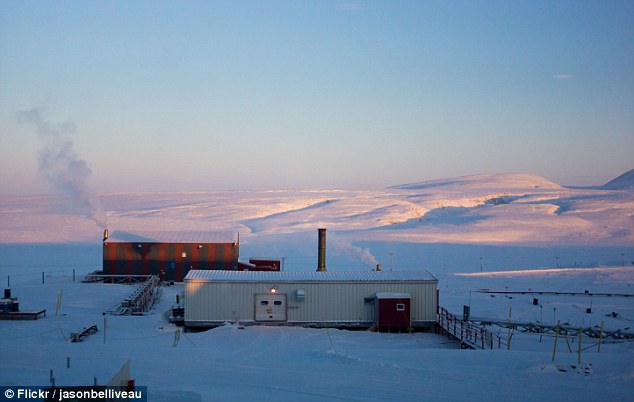
10.) Amundsen-Scott South Pole Station (Antarctica)
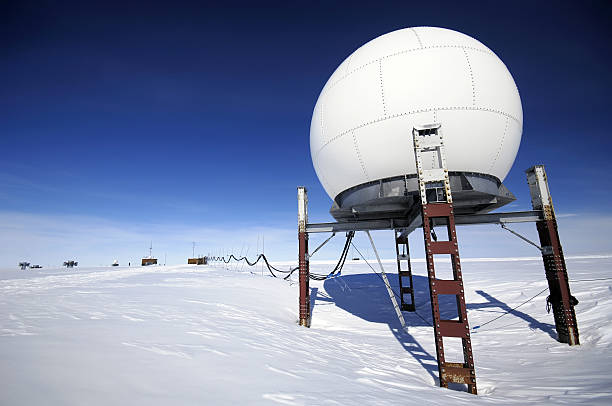
Overview: The Amundsen-Scott South Pole Station, located at the South Pole in Antarctica, is one of the most remote research stations on Earth. This scientific outpost is dedicated to studying climate, glaciology, astronomy, and other fields of science. Established in 1956, the station is named after Roald Amundsen, the first person to reach the South Pole, and Robert F. Scott, who led a British expedition to the Pole shortly after. The station is surrounded by some of the harshest and most inhospitable conditions on the planet, with frigid temperatures, strong winds, and almost perpetual daylight in summer and darkness in winter.
Despite its extreme environment, the station operates year-round, housing scientists and support staff who live in this isolated outpost. Visitors who venture to the Amundsen-Scott South Pole Station get a unique opportunity to experience life at the literal bottom of the world and see the critical research being conducted to understand Earth’s environment better.
Where: The Amundsen-Scott South Pole Station is located at the geographical South Pole in Antarctica. It is positioned at 90°S latitude, the southernmost point on Earth. The station is approximately 2,800 meters (9,186 feet) above sea level, where the altitude further intensifies the cold, dry conditions. The station is situated on a polar plateau, a vast ice sheet that spans across much of the Antarctic region. It is isolated by thousands of kilometers of icy terrain and is difficult to access, with harsh conditions making travel to the station a formidable challenge.
When to Go: The best time to visit the Amundsen-Scott South Pole Station is during the Antarctic summer months (from November to February), when the weather is slightly milder, and the station is more accessible. During this period, temperatures range from ‑25°C to ‑35°C (-13°F to ‑31°F), though conditions can still be extremely challenging. The station is closed to visitors during the winter months (from March to October) due to the extreme cold, total darkness, and the difficulty of accessing the area.
How to Get There: Accessing the Amundsen-Scott South Pole Station is an extraordinary challenge. The station is generally not open to tourists, as it is primarily a research facility for scientists and support personnel. However, certain organizations and specialized tours may arrange trips to the South Pole for research or adventurous expeditions. Travelers must typically fly from Christchurch, New Zealand, to the McMurdo Station on the coast of Antarctica, and from there, a specialized flight will take them directly to the South Pole. The journey is weather-dependent and requires proper preparation, including rigorous health checks and specific clothing for the extreme cold.
Top Tips for Visiting the Amundsen-Scott South Pole Station:
- Prepare for extreme cold—temperatures at the South Pole can drop below ‑60°C (-76°F) during winter, so make sure to bring the proper gear, including specialized cold-weather clothing, gloves, and boots.
- Understand the logistics—the station is not a typical tourist destination. Access is highly restricted and is primarily available to scientists and researchers, so plan ahead and be aware of the stringent entry requirements.
- Be ready for isolation—the South Pole is one of the most isolated places on Earth. Visitors will experience total darkness during winter and 24-hour daylight in the summer months. Be mentally prepared for this extreme environment.
- Follow all safety procedures—the harsh conditions and remote location mean that safety is paramount. Always adhere to station guidelines and safety measures to minimize risks.
- Respect the scientific work—the Amundsen-Scott Station is a place of critical research. If you do visit, be mindful of the work being conducted and show respect to the scientists and personnel working there.
Best of luck on reaching and finding solitude in the most remote places on the planet !
