Ngorongoro Conservation Area
Overview:
Africa’s garden of Eden – the Ngorongoro Crater and the accompanying Ngorongoro conservation area is a truly stunning wildlife and natural paradise, which is home to not only thousands of incredible species of wildlife including the African big 5 – but also the largest inwardly collapsed Volcano in the Ngorongoro Crater which when summited provides incredible and sweeping views of not just the Serengeti eco-system but the great and unique wildlife that call this incredible natural wonder of the world home.
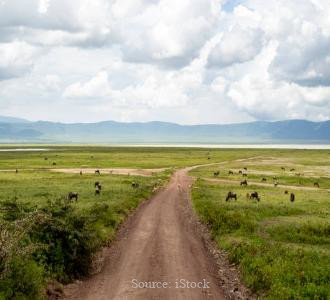
Described as the beauty of Africa in a crater, the conservation area stretches on for more than 8,000 Km² and is home to a series of microclimates that create stunning waterholes, lakes, mountains and grass plains – that are home not only to the thousand year old Masai tribe who legally and rightfully call the conservation area their home, but which also provides a perfect spot for the conclusion of the great migration – where the surviving animals are known to come to breed and tend their young before journeying onwards.
Further the Ngorongoro Conservation Area is also home to The Olduvai Gorge, known as the ‘cradle of mankind’ where the first human fossils were discovered helping to add further intrigue and history to this spectacular wonder — with the prehistoric element of the gorge also evident across the national park with the plains believed to have remain unchanged for thousands of years and have always remained a place where the cycle of life thrives.
Considered one of the best places to see endangered wildlife such as Lions and Cheetahs, the Ngorongoro Conservation area can be explored on foot, game safari and in some of the worlds greatest wildlife lodges – with the spectacular crater providing one of the worlds most scenic half day hikes, which combined with the stunning scenery and wildlife make a trip to the Ngorongoro Crater and the accompanying conservation area a truly incredible natural paradie and a deserving wonder of the world.
Where:
The Ngorongoro Crater and the conservation area is found in the north of Tanzania in an area called the crater highlands – with the nearest and base town called Arusha which is 100 miles east of the wonder and from where you have multiple options to visit the wonder.
Getting there:
While located in the north of Tanzania it’s recommended to head to Arusha to vist the crater and the national park of Ngorongoro.
To get there have two options – the first and cheapest route is to head into Kenya and the airport in the capital of Nairobi and then grab a bus to Arusha in Tanzania from where you can then jump on a tour or further bus to the Ngorongoro conservation area.
Alternatively you can fly to either the Kilimanjaro International Airport or the Julius Nyerere International Airport – from where you can get picked up for a multi-day tour that will take you deep into the conservation area and to the crater or hop on a bus from there to Arusha and then hop on a bus or a tour and commence your journey into the wonder of the world.
Best time to Visit:
The best time to visit the crater itself is in the summer months when not only with the exquisite hills of the Lerai Forest be at their peak but you’ll also find the big 5 more likely to be concentrated in the conservation area – with a trip between the Serengeti and the mara river and then to the crater for the hike and further wildlife viewing incredible popular (and thus more expensive and crowded) during this period.
For those following the great migration or who wish to experience it at the Ngorongoro Crater and witness some of the birthing process from those animals that have survived the migration then head to the area in the winter months – and for those who can’t stand crowds and are prepared to risk the occasional rain storm, you’re advised to head for the crater between April – June but be warned you run the risk of reduced wildlife viewing opportunities if you visit the crater during this period.
Explore:
With incredible volcanic scenery, long sweeping grass plains and of course an abundance of African Wildlife, the Ngorongoro Crater Conservation area is a nature lovers paradise which can be explored through incredible trekking, hiking, wildlife tours and through stays at some of the best wildlife lodges on the planet.
While the undoubtedly highlight is the Ngorongoro Crater, the conservation area is commonly split into four unique areas, which follow a clockwise direction from south to East, with the highlights of each of these areas being detailed below:
The Ngorongoro Crater:
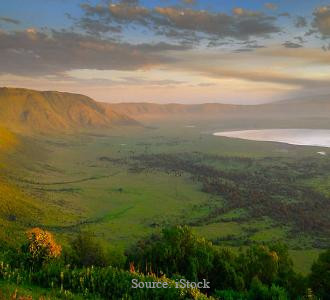
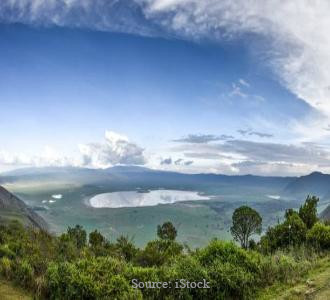
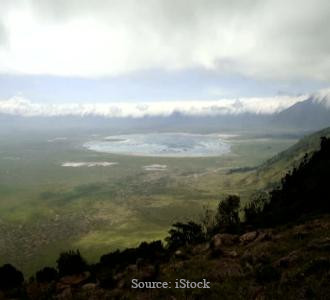
Found inside the South Zone, the famous Ngorongoro Crater was formed when an ancient volcano – equivalent in size to the wonder of Kilimanjaro exploded and collapsed inwards more than 2 million years ago, leaving a stunningly beautiful 600-metre-deep crater that leads to the valley floor area known as the Lerai Forest, where golden trees and grasslands, flora, trees and waterholes combing to make the crater a nature paradise rightly nicknamed the ‘Garden of Eden.’
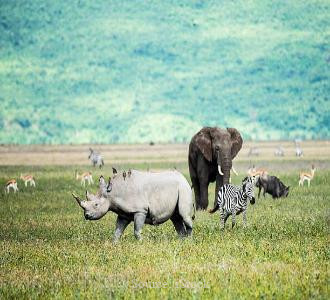
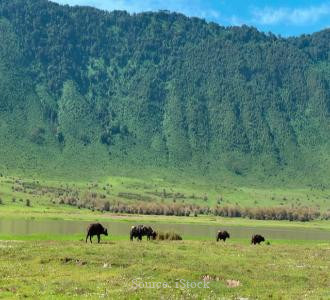
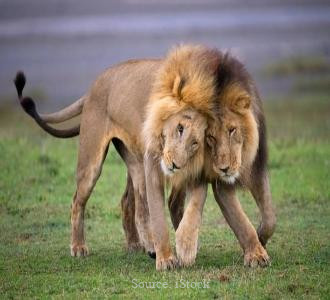
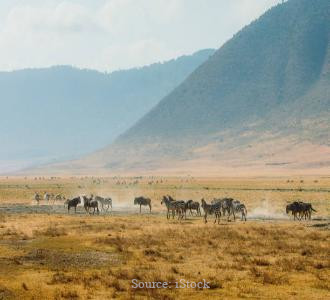
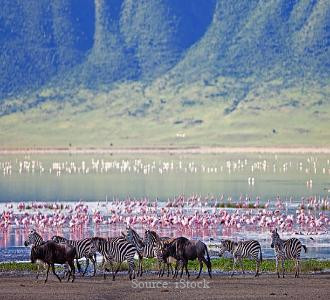
With both the rim and the valley floor of the Lerai Forest being hikeable, the Ngorongoro Crater offers not only a fantastic climb and sweeping views of the beauty of Africa, but it is also home to more than 50,000 rare animals including the African big 5 (the lion, leopard, rhino, elephant and African buffalo) and features the largest density population of endangered lions and the best place in the world to view rhinos – who as a result of the open valley of the Ngorongoro Crater are easily spottable.
For those who are fans of flamingos, you can also make you way to the stunning Lake Magadi on the crater floor, where you’ll find not only thousands of Flamingos but large concentrations of hippos, crocodiles, and sea birds, as well as a large population of mammals, who occasionally will find themselves going head to head with the crocodiles in the lake in a struggle of prey versus predator.
Officially the worlds largest intact caldera in the world, you’ll find that most summits of the crater rim kick off in the early hours, allowing you catch the incredible African sunrise and if you’re lucky animal predators on the hunt, before spending some time at various view points and then making the enjoyable and relaxed summit down into the valley floor below where perhaps the worlds greatest picnic spot and champagne basket await you as you bask in the beauty of this stunning wonder of the world.
Ngorongoro Eastern highlands:
Perhaps the most underrated part of the whole of the Serengeti eco system the eastern highlands of the Ngorongoro Conservation area is home to the stunning Empakai crater and the Ol Doinyo Lengai Volcano commonly nicknamed the God Volcano due to the special place and symbolism it holds for the local Masai Tribes.
Alongside these two spectacular sites, you’ll find more than anything the beauty of the eastern highlights in it’s peacefulness – with the area being rather overlooked by tourists you have the chance to not only climb the Empakai crater and the God Volcano alone but also explore vast sweeping and stunning highlands in almost complete silence, as you embark on a guided tour in a 4 X4 in and journey into the eastern highlands to not only take in incredible views but have a unique opportunity to see and spot stunning wildlife at their most natural and free from human interaction.
The Olduvai Gorge:
Of the many Gorges and rock formations across the Serengeti eco-system and within the Ngorongoro Crater, the Olduvai Gorge in particular is stunning and stands out as our favourite due to it’s unique status and symbolism as the place where the first human remains were found and excavated – giving a fascinating insight to the history and stories of the Serengeti.
While not a place for abundance of wildlife, the Olduvai Gorge has earned the nickname the ‘cradle of mankind’ and is also home to some fossils that date back more than 2 million years – making an incredible and historic reminder of not just the storied history of the wonder of the Serengeti but also the volume of animals that have trekked the plains of the Serengeti in search of life.
Mount Lemagarut
The stunning Mount Lemagarut is one of the toughest hikes in the whole of the Serengeti eco system but also of the most beautiful with the hike taking you a full day as you travel up through woodlands and flora and alongside the animals of the Serengeti eco system to the 3150 mountain – from where you have stunning and sweeping view of the whole of the Ngorongoro national park including the stunning Lake Eyasi beneath you.
Lake Eyasi:
In the same region as Mount Lemagarut you’ll find the stunning Lake Eyasi a raw wild environment, but also one of the best places to spot herds of Zebras and meet the local Masai tribes who call the area home, with the area being light on predators. We’d advise splitting your time 50 / 50 between taking in the beauty of the lake and the animals and fish that call it home, and spending some time in the Masai villages to learn further about the unique culture and residents of the Serengeti eco system.

The great migration (Lake Ndutu and Lake Masek):
With the Ngorongoro Conservation area being so close to the Serengti national park and making up part of the Serengeti eco-system, the great migration typically crosses into the Ngorongoro Conservation area – with the millions of wildebeest, zebras and gazelles amongst others who have made it into the final leg of the great migration cycle finding themselves in the north of the Ngorongoro Conservation area.
For those that are luck enough to the be in Ngorongoro during the winter months – normally between December – February, you’ll get to see the mammals celebrating their journey and grazing on the great plains of the Ngorongoro Conservation area – with this all being the season where calves are birthed ready for the great migration period to being again.
Typically the main two spots for the great heard will be at the lakes of Ndutu and Masek – where the supply of fresh water makes for a great spot to foster their young – and in peak season you can expect to see the big 5 game by the lakes – as well as struggles between crocodiles and the herd as they flee the area in the spring months to begin the start of the greatest natural show on earth – the great migration.
Alongside the stunning crater, the great migration and the beautiful bast plains, lakes and gorges of the Ngorongoro Conservation area there are also a multitude of ways to explore the stunning area, with hikes, safaris, and lodging all available to you:
Hiking the Ngorongoro Crater:
Unquestionably the pinnacle of exploring the Ngorongoro crater, a hike up its rim to the viewing points and then down below into the Lerai Forest is a truly special experience – and one for which you’ll require solid hiking boots, sunscreen and a guide. Expect the hike to take 3–4 hours and then allow some time at the summit for photos – with the hike down into the valley being gentle and often accompanied by a champagne picnic – just be sure not to share your food with the animals.
Sunrise and sunset game drives: As with the Serengeti – for those who journey into the Ngorongoro Conservation Area, the best way to experience the incredible wildlife and views and spot the African big 5 (buffalo, elephant leopard lion, rhino) and the rest of the residents of the Serengeti eco system is through Game drives in open top 4 x 4 vehicles – with these journeys usually taking place at sunrise or sunset – so you have the best chance to both see the animals in their natural habitat and you get to witness the stunning African sunrise and sunset over the Serengeti eco system – expect the drives to be booked up well in advance in the winter months so be sure to plan ahead if want to witness the great migration in the Ngorongoro conservation area.
Guided walks:
For those who haven’t had enough of walking after summiting the Ngorongoro Crater, there are also a range of guided walks around the Ngorongoro Conservation area available – which are great for those who want to see the abudncae of wildlife in the park.
Expect the walks to be short one hour hikes off the beaten track and accompanied by a well-armed ranger, but also give you a chance to see the big 5 in their natural habitat – with elephants in particular known to be frequent sights on these hikes and some hikes even taking you to Lake Eyasi – where you can both visit tribes and witness the Zebras drinking from the stunning and incredible lake.
Visit the Masai Tribes:
When in the Ngorongoro Conservation area, there’s a strong chance you’ll come across or find yourself visiting some of the Masai tribes – who legally and rightfully call the area home.
Known to have lived and hunted in the Serengeti for more than 400 years, the Masai tribe experience in the Ngorongoro area is much more authentic than in the Serengeti – where the suspect pre rehearsed performances are often absent and instead you will see the brightly dressed tribes who reside in mud and stick huts going around their normal routines and practicing their spiritual beliefs – with a visit to them offering a fascinating insight into how the local humans call the area home.
Lodging in the Ngorongoro Conservation area:
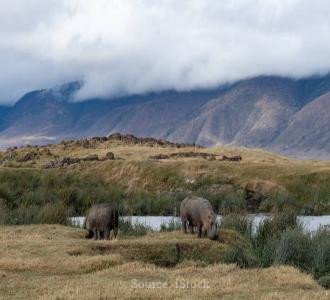
As with all African safaris, you have the option (that we’d highly recommend) to spend a few nights in a high-end panoramic view lodge – with the Ngorongoro Wildlife Lodge in particular being known for it’s stunning views and nearby rare endangered Black Rhino who along with elephants and lion are known to graze near the lodge.
Lodging in the Ngorongoro Conservation area has a few advantages over lodging in the Serengeti – firstly it’s cheaper which is always a bonus and it is also much more likely to have availability – with the experience offered at least on a par with the lodges in its nieght and allowing you to wake up and have breakfast or dinner while watching the incredible animals stroll by and march over the great vast plains of Africa and this incredible wonder of the world.

How long to stay:
While it’s possible to do the Ngorongoro Crater as a long day trip from Arusha, we’d recommend budgeting 3 days 2 night to explore the Ngorongoro Crater – this will give you a chance to not only witness the incredible sunrise and sunset over the crater, but also have plenty of time for wildlife viewing in the eastern and south highlands and to hike to the summit of the rim and into the valley floor below.
Top Tip:
Alongside the standard safari advice of being respectful to the animals and coming prepared with good amounts of water and sunscreen – we’d recommend making sure you not only combine a trip to the Ngorongoro Crater with a trip to the Serengeti for a true wildlife bucket list experience — but also make sure you make time and book a trip to walk along the Crater’s rim and down into the valley floor below – the hike can only take a few hours, but there’s a strong guarantee you’ll see exotic wildlife and the views from the rim are truly incredible making for a fantastic way to see this incredible wonder of the world.
Cost:
Entry to the Ngorongoro Crater comes in at $50 a day for each person, and you can expect to pay that with or without a tour. For the tours of the crater and the Ngorongoro conservation area you have a range of either single day or multi day options – with the single day costing around $300 usd, and the 2–3 days coming in at between $500 usd — $700 Usd – and the multi days giving you a more affordable option of staying in wildlife lodges over the course of your stay.
For those wanting to combine their trip to the Ngorongoro Crater with the rest of the Serengeti Eco System, you’ve got the option to combine a trip to the Ngorongoro Crater with trips to the rest of the eco system, which normally cost around $1500 usd at a minimum and last for between 5 – 7 days.
Fun Fact:
Unlike it’s sister park and neighbour the Serengeti National park, the Ngorongoro Crater is not a national park – but a conservation area, which rightly gives the Masai People the legal right and freedom to call the crater home.
Although not as famous known as the Serengeti, the Ngorongoro Crater actually has more film credits – and Oscar related nominations, with the film Out of Africa being filmed in parts of the crater – which for those of you not in the crater gives an opportunity to view the stunning scenery of the crater in a Hollywood epic.
Best photo spot:
As the Ngorongoro Crater leaves nowhere for it’s animal residents to hide – a hike to both the crater’s top rim and down into the valley floor below make for exceptional photos – which if you’re lucky will be filled not only with stunning views of this incredible natural wonder of the world but also some of the Ngorongoro Craters stunning wildlife.