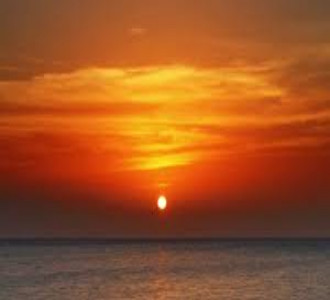
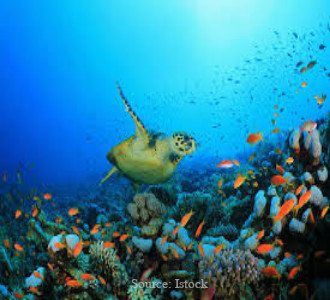
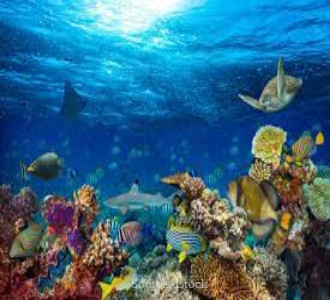
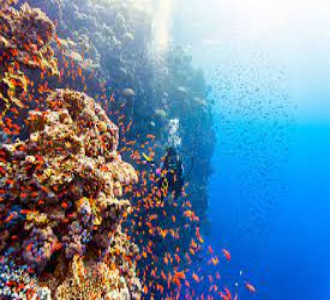
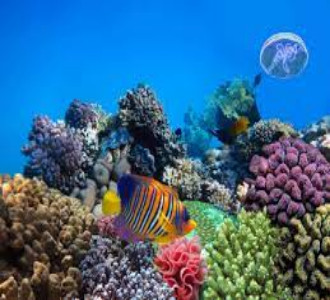
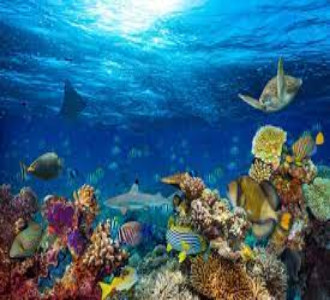
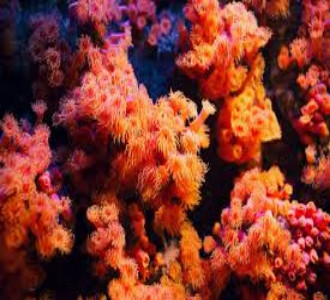
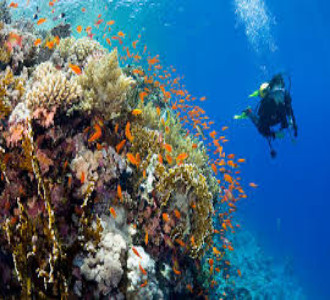
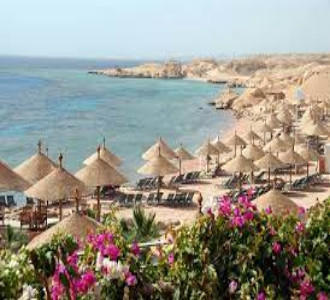
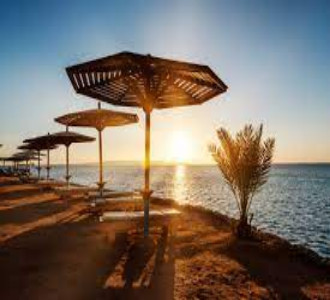
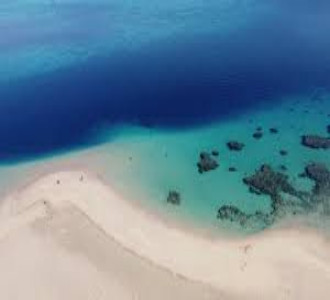
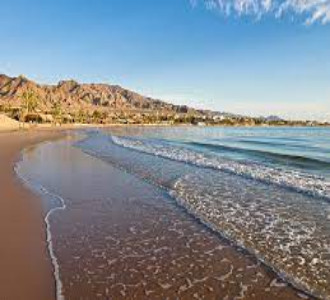
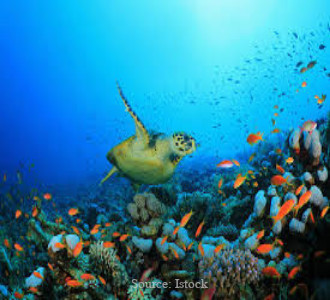
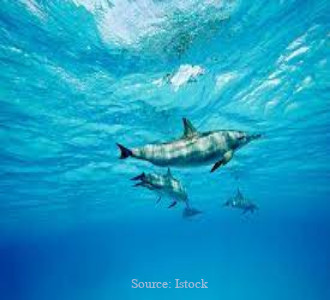
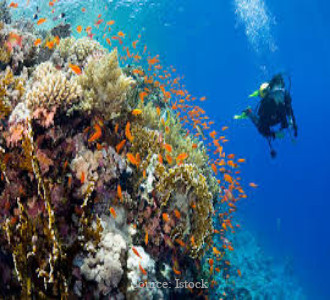
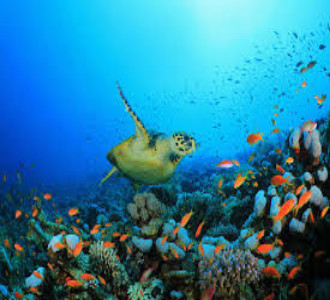
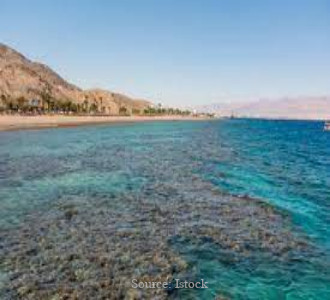
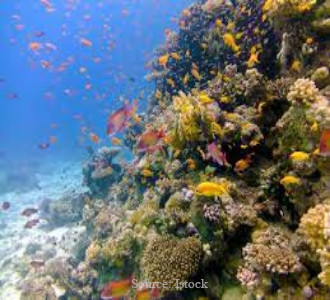
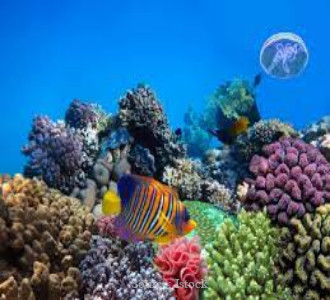
The “Underwater Garden of Eden” and undoubtedly one of the wonders of the underwater world, the Red Sea is blessed not only with incredible marine life, sparkling corals and storied shipwrecks, but this magical paradise is etched in religious and spiritual legend. Stretching some 1,200 kilometres from the Arabian Peninsula to the tip of Africa the Red Sea is also hailed as where the “Ocean meets the Desert” — with the close proximity to the Red Sea’s Eastern Desert of Wadi al-Gimel providing some of the most striking and stunning landscapes on the planet – as well as a beautiful sunset – the Red Sea’s highlights stretch beyond its incredible reefs, with the long narrow sea also being home to some white sand beaches, resorts and islands, a towering monastery and even some Roman ruins. Yet there’s no doubt the pinnacle of any trip to the Red Sea is its underwater paradise – with the diverse ecosystem and corals, reefs and wrecks being home to more than 300 species of coral and 1,200 species of fish and animals – including dolphins, sharks, Manta Rays and Turtles – who effortlessly glide amongst some of the greatest dive spots on the planet including the famed SS Thistlegorm and Yolanda Reef – making the Red Sea one of the most special and spiritual places on the planet and an undoubted wonder of the world.
History: Truly Magical, the Red Sea has a rich history – having once acted as a crossroads the three continents as an important port of call for both traders as well as acting as a hub for communal and spiritual visits from neighbouring Muslim countries – and being steeped in mystery and adventure with tales of piracy, adventures – and wars all being centred along this narrow passageway. Yet perhaps the most famous tale surrounding the Red Sea is that of the parting of the Red Sea by Moses in the Bible – with Moses leading the Isralites to the bank of the Red Sea when being pursued by the Egyptians and stretching out his hands to part the waters before him to allow for safe passage.
Fortunately for divers today – the Red Sea is not known to part in such a manner, and while the beauty of the Marine life below the waters lay rather undiscovered until the emergence of oil on the red sea’s banks in the 1980’s the last decades have seen the beuaty of this incredible wonder – which also marks where the Gulfs of Suez and Aqaba meet – come to light and become a true haven for divers and adventurers.
Diving:Thanks to the Red sea containing some of the hottest – and saltiest waters on the planet – and as a result of a couple of shipwrecks and some stunning coral, the Red Sea is now one of the greatest undisputed top dive locations – with the marine bio-diversity, combined with the visibility, ease of access and thousands of kilometres of dive sites making the Red Sea not just a great dive spot but one of the most important — and fragile – underwater jewels on the planet.
While the waters – which can be explored both through land dives, boat dives and liveaboards – offer incredible visibility, the joy of exploring the Red Sea is in it’s increidble – and often guaranteed sightings of marine life – with their being 10 species of sharks, giant four species of giant turtles, 800 species of fish – and best of all the famous, curious and incredibly photogenic Red Sea Dugong all of which are explored on multiple different reefs, cave dives, and across a vast eco-systems of living organisms.
So special are the dive sites on the Red Sea that they consistently rank amongst the best in the world – with the wreck of the SS Thistlegorm in particularly having a well-deserved reputation as a jewel of the Red Sea, with the sunken ship – which was heavily bombed in the second world war being fully explorable beneath the waters and also being home to a range of colourful and curious fish and the Red Sea Dugong. Likewise, the dives at Elphinstone Reef – which is home to species of sharks and a towering 700 metre reef wall is equally unique – the dive at the Dahab blue hole offers a chance ot head 130 metres down into the reef and a sinkhole accompanied by Marine Life and the Shark & Yolanda Reef see’s you glide across the Red Sea accompanied by sharks, barracudas and Dugongs all while suspended atop diamond coral – for a truly spiritual experience in the warm waters of the Red Sea.
Created with GIMP
Created with GIMP
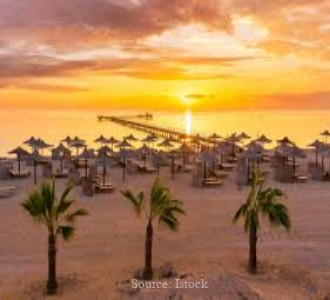
Explore:Alongside the Dives, the Red Sea is also a true Oasis of adventure activity and sights – with the warm weather and waters offering a top destination to kick back at a resort, get your kicks windsurfing and parasailing, explore ancient monasteries and even head into the cool sands of the Egyptian desert – with the rolling sands of the Wadi al-Gimel desert – which is fully explorable on a 4x4 or by Camel – offering an immense desert experience, a glorious sunset and truly epitomising the Red Sea as being a place where the ocean meets the Desert.
A place of both a rich history and legend, and a place with a story still to be written – the spectacle of land and truly awesome underwater adventures on some of the best dive sights on the planet undoubtedly make the Red Sea a special and spiritual place, with the diamond reef – which is in constant need of protection – of the Red Sea offering some of the most pristine waters on the planet and which combined, with the rolling desert, rich tapestry of history and the chance to relax at some of the most premier resorts available undoubtedly makes the Red Sea not only the true underwater garden of Eden but a stunning wonder of the world.
Where:
The place where both the ocean meets the desert – and where the gulfs of Suez and Aqaba meet – the 1200 kilometres of the beautiful Red Sea stretch across several MENA and African countries – including Eritrea, Israel, Jordan, Saudi Arabia, Sudan and Yemen – with explorers finding access to these incredible waters are accessible from multiple diverse countries.
Yet in our view – the best of the Red Sea, in terms of legends, access, cost and of course incredible diving is found in Egypt, with a series of resorts that lie from the South Sinai Peninsula of the famed town of Sharm el Sheikh to the south of Marsa Alam – offering true luxury and comfort and access to the stunning dive sites of the Red Sea.
In fact, we’d advise basing yourself in one of five towns when exploring the Red Sea, with the first port of call for travellers often being the sleepy and quiet town of El Quseir – where you’ll find incredible reef diving thanks to protected status – or the overdeveloped and bustling streets of Hurghada – where you’ll find great access to the Dolphin reef house reef and incredible liveaboards to explore the best of red sea diving.
From either town you can then make your way to Sharm el-Sheikh – which offers easy access to the great dive spots found on the straits of Tiran and the Thistlegorm wreck, the town of Dahab where either beginners or those seeking a full dive expedition are advised to stay thanks to the easy shore access or Marsa Alam in the south – where experienced divers are able to navigate tough currents to explore some of the world’s best dive sites.
Getting There:
Truly special, the beauty of the Red Sea’s underwater marine paradise is matched by both its affordability and ease of access – with the resorts and beaches that lie on the banks of the Red Sea having gained a deserved reputation of being easy to reach.
While buses and trains are available from inside Egypt to reach the towns lying off the coast of the Red Sea, due to considerations of safety, cost and time – we’d recommend flying out to the Red Sea to begin your exploration – and you can find regularly daily flights to the main international airports of the Egyptian Red Coast – which are Hurghada, Marsa Alam and Sharm El Sheikh – and which offer a great way to get quickly into the Red Sea resorts to begin exploring the marine eco-system of the Red Sea.
As well as flying direct into the Red Sea airports, you can also find multiple connecting flights into the Red Sea airports from both Cairo and Luxor, which gives you a chance to combine your trip to the wonder of the Red Sea with a chance to explore the rst of Egypt and two additional wonders of the world.
Once within the Egyptian Red Sea area, you’ll need to decide on which town you want to head to – based likely on your dive and stay preferences, however we’d really recommend heading to Sharm El Sheikh first, and then heading from there to one or multiple of the other four towns – Dahab, El Quseir, Hurghada and Marsa Alam – to explore further increidble dive sites.
From the towns themselves and when it comes to getting around and from town to town in the Egyptian area of the Red Sea, your best option is to use a taxi or bus that can ferry you up and down the coast from resort to resort when required, however it’s essential that you carry bottled water with you at all times, make sure you agree on a price beforehand, make sure you check your change – and we’d really encourage female travelers to not travel by themselves in any form of transport in Egypt.
For those at the resorts and when it comes to diving, you’ll find a range of packages on offer – from single day shore dives, to boat dives, to liveaboards on boats – which are great ways to reach the off the beaten track dive spots on the Red Sea, so we’d advise being sure to shop around and look at the dive spots listed below – to make sure you get the absolute best experience possible when visiting the immense wonder of the world of the Red Sea.
Best time to Visit:
While the incredible marine life and coral is open all year round, for those traveling to Egypt we’d advise timing your diving exploration to coincide with the best of the Egyptian weather – with a trip in the peak of summer which being in June seeing the land and sea conditions too hot – and almost guaranteeing and uncomfortably hot experience, and the conditions in winter seeing the nights drop to uncomfortably cold temperatures – and even making diving less enjoyable with cool waters.
For this reason, we advise timing any trip to the Red Sea and Egypt as a whole to take place between April to May or September to November – which will give you the best weather conditions to enjoy your trip.
Diving between these times will also likely see you heading to the Red Sea outside of the main summer seasons tourist season – which will save on costs – and it’s also considered one of the best times to head to the Red Sea for favourable diving conditions, with the visibility, temperature and best of all the Marine life all at their absolute best – giving you the absolute best of the Red Sea if you head to this incredible wonder of the world between April to May or September to November.
How long to stay:
A magical wonder, the Red Sea is a true divers paradise – and lends itself to both short multi-day trips, weeklong vacations – and even dive expeditions that can stretch into the weeks and months – as the full vast of this 1,200-kilometre stunning marine eco-system is explored.
Yet in consideration of costs, work commitments – and the toll that multiple days can have, we’d recommend putting aside at least six full days to explore the Red Sea. The six days – which is two more days that Israelites took to reach the Red Sea in the bible, will give you enough time to take on the very best of diving in the Red Sea – including taking on the dive sites of the SS Thistlegorm Wreck and Elphinstone Reef, whilst also taking on a liveaboard to visit the dive sites – and the sharks of The Brother Islands or the Daedalus Reef before ending with a trip through the incredible saddle at the Shark & Yolanda Reef.
Whilst these six days will see a lot of diving – and give you at least one day off to enjoy the resorts of the Red Sea — and explore the magic lake and desert of Wadi al-Gimel, it’s also entirely possible – especially for dive enthusiasts to stay longer to explore other incredible dive spots, or for those on a strict time schedule – spend fewer – with a 2–3 day itinerary at the red sea giving you a chance to sample one or two dive spots.
But in our opinion, to give yourself enough time to explore the truly incredible – and diverse — marine wonderland, while factoring in enough time to recover from Dives – we’d encourage explorers to budget six days to explore the incredible underwater paradise that is the Red Sea.
Top Tip:
A magical wonder and a truly incredible marine eco-system, the Red Sea is best accessed from the resort towns of Egypt which lie on the banks of the sea, with any exploration of this incredible wonder not only requiring a security assessment, consideration of the scorching weather – but also giving consideration as to the necessary safety precautions and practices when undertaking diving.
So to make sure your exploration of this underwater garden of Eden is as enjoyable as possible, and that any dive expedition and stay in the Egyptian side of the Red Sea is as safe and relaxed as possible we’ve rounded out our top tips when visiting and diving on the Red Sea – to help make sure you get the absolute best experience at this incredible wonder of the world:
Be Safe – Firstly and most importantly, any trip to the Egypt and the resorts of the Red Sea must first consider the safety aspects of the region, as despite increased security and an emphasis on making tourists feel welcome, there has unfortunately been terrorist attacks across the whole of Egypt over the last few years. For this reason we strongly encourage travellers to check governmental alerts before travelling and ensure they a refully aware of the current political and social climate before heading to Egypt.
- It’s also strongly recommended to make sure that you stay in well respected and renowned resorts or hotels when visiting the Red Sea, with some of the accommodation in outskirts of cities – and in Hurghada being considered unsafe and having a reputation for possible danger for tourists.
- We’d also strongly encourage you to stay vigilant across the Red Sea, while the Egyptian side of the Red Sea has a reputation for being incredible friendly and welcoming of explorers, we’d advise that you take precautions with your valuables to protect them from pickpockets and theft and solo female travellers are not advised to board taxi’s by themselves or travel outside after dark.
The Weather - The Red Sea is famed for its warm waters – which in some cases can reach 33 degrees centigrade, and the same weather can hit the banks and resorts along the Red Sea – with the days are known for being incredibly hot while the nights can see you chilly and cold. For this reason it’s essential that you come prepared for the weather – firstly with the correct clothing – including sunglasses, shorts and t‑shirts for the day, and a good jumper and jeans for the weather. Secondly you’ll also need to come prepared with plenty of sunscreen and – the highest SPF you can find – as the harsh sun will burn instantly, so we’d recommend also coming with plenty of Aloe Vera for any possible burns.
Food and Costs – It’s also strongly advised not to drink any tap water or ice cubes, with the only drink you should take being anything bottled – and likewise we’d advise being careful with the food you take, with those known to have delicate stomachs advised to eat carefully and bring some Imodium – just in case !. We’d also advise being on your guard when you pay for anything – from food, to taxi drives to souvenirs, make sure you check the price in advance and be sure to check the exact change and money given back to you.
Scuba Diving – Finally there’s no doubt that the centre – and highlight of your trip will – be the incredible scuba diving you undertake on the Red Sea. To make sure this is enjoyable – and safe as possible we’d strongly recommend that firstly you ensure you have good healthy insurance that covers full scuba diving. It’s also essential that any dives are undertaken with reputable scuba diving companies (look for reviews) – especially for those inexperienced or who are undertaking scuba diving for the first time. We’d also strongly advise you to go with a trusted dive buddy and to make sure to test all your equipment before jumping into the water – as well as being sure to follow good and safe dive practices.
Finally for the best experience – we’d really recommend considering exploring the Red Sea waters on a liveaboard, which will give you access to some of the best, remote and photogenic dive spots on the Red Sea – and be sure to hire or come with a high-quality underwater camera – so that you can capture both your experience and the full beauty of the dazzling coral, curious and incredible marine life that lies in the underwater paradise of the true wonder of the world that is the Red Sea.
Cost:
Despite its vast size and the stunning underwater paradise that awaits you at the incredible wonder of the world of the Red Sea, the resorts that dot the Egyptian banks of the sea and the scuba diving activities across the warm waters have developed a well-deserved reputation as being wholly affordable and offering great value for money – with the Red Sea being one of the most accessible and cost friendly wonders – particularly for travellers based in the Mena or European regions – on the planet.
Starting with the cost of flights to the Red Sea, and we’d recommend flying into the Sharm el-Sheikh or Hurghada International Airports to get yourself to the resorts and dive sites on the Red Sea. From across Europe and Mena you can grab tickets for as low as $100 Usd return on an off peak month, and as little as $200 Usd and you can then expect to pay between $10 — $20 Usd to get to the banks and resorts on El Quseir, Hurghada or Sharm el-Sheikh.
For those travelling internationally from North America, Asia or Australia, you can expect your cost of flights to be more expensive – and we’d recommend considering flying into Cairo first to explore the great wonders that await you there, before taking a domestic flight to the Red Sea. For these travellers you can expect to pay between $700 — $1000 Usd for a return flight – although it’s entirely possible to get these numbers down if you can get a cheap flight into Europe and then travel onwards direct to the Red Sea.
Once in the Red Sea and at the Egyptian resorts – which really is the best place to explore the incredible underwater paradise of the Red Sea from – you’ll need to consider the cost of accommodation, and this can range from budget backpacker hostels and private rental apartments – from $15 — $25 Usd a night, to the more indulgent resorts – particularly in Sharm El-Sheikh where prices can range up to $500 Usd a night, with their also being more moderately priced comfortable resorts available as well, and of course the option of liveaboard boats for those taking on the advanced diving sites on offer.
For diving itself, the Red Sea – particularly on the Egyptian side is one of the most affordable and cost convenient places in the world to dive, with a single day diving (2 dives) starting from $45 usd including equipment, and each subsequent dive afterwards likely to cost around $40 Usd – giving you the chance to take on multiple dives at a low cost.
The Red Sea is also, in our opinion, one of the best places to consider getting your dive licence – and for a 3–4 day PADI course you can expect to pay $450 Usd – including the theory test, multiple dives and the practical test at the end – after which you will be a fully certified Scuba Diver.
The Red Sea dive centres also offer the chance to explore these waters for those without a licence, with introductory dives starting from $90 USD – where you can expect a fully guided and safe scuba experience, and for the more advanced divers night dives come in at around $45 USD – and for those set on spending a couple of days on a liveaboard boat where you get to not only sleep on the incredible Red Sea but also take on multiple dives, you can expect to pay around $150 Usd a night for each night on a liveaboard – which is well worth it to give you access to some incredible and hard to reach dive sites.
Factoring in around $30 Usd for meals, another $100 Usd for a trip to the sands of Wadi al-Gimel – $50 for underwater camera hire and photos and $40 Usd for a well-earned massage and treat after all that diving, for those travelling from the Europe to Mena region we’d advise setting aside $1000 Usd for a 7 week trip on the Red Sea – which includes multiple dives, a stay at an indulgent resort and a couple of dives on a liveaboard – which will give you the absolute best of this underwater paradise.
Fun Fact:
Alongside being home to some of the most immense dive sites on the planet – giving explorers the chance to explore a true underwater paradise and thousands of species of fish – 10% of which are endemic, as well as multiple species of turtles, sharks, manta rays and spot the elusive Red Sea Dugong across hundreds of species of dazzling and emerald coral, the Red Sea is home to some of the saltiest and hottest water in the world – reaching a scorching high of 33 degrees centigrade.
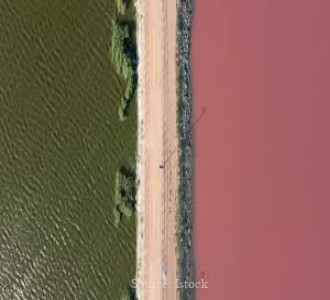
It is this combination of burning water, combined with the mixing of the salt water with the algae that creates the special red colour that glistens in some parts of the sea – and from where the sea takes its name. With the name itself also being steeped in legend, as alongside being one of the most travelled trade routes on the planet and the cargo gateway between Europe and Asia, the Red Sea is the sight of one of the most important spiritual and religious events – as it was on the Egyptian banks of the Red Sea where Moses parted the waters to allow his followers safe passage and to escape from the Egyptians in the Old Testament.
With this combination of stunning coral and marine life, deep burning red waters and spiritual legend coming together to make the Red Sea a truly special and magical place.
Created with GIMP
Created with GIMP
Best Dive Spots & photo spots:
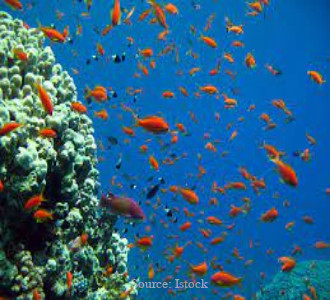
A true paradise of underwater activity and life, the incredible marine eco-systems of the Red Sea are its undoubted highlight – with the dazzling 300 species of coral combined with the colourful 1,200 different species of fish and curious marine wildlife – including turtles, dolphins manta rays, sharks and the iconic red sea Dugong – all of which are found amongst coral walls, blue holes and shipwrecks in clear and visible waters – making the Red Sea one of the best Dive locations on the planet.
It is this underwater oasis that stands as the photography highlight on the Red Sea – with the Red Sea being not only incredibly accessible and affordable, but for those without a dive licence, it’s undoubtedly one of the most incredible underwater spots on the planet to learn to Scuba – meaning that this incredible underwater garden can be enjoyed by all.
Once kitted out – including with an underwater camera in hand — and with different levels of diving available – including challenging dives for the experienced and more gentle guides for others — the incredible and jewel of an underwater paradise under the Red Sea awaits you, and owing to the vast size and thousands of coral reefs that call this wonder home, we’ve picked out our top 10 dive sites on the Red Sea to help make sure you capture the full beauty – and have the highest chance of snapping the life teaming in the waters – of the incredible wonder of the world of the Red Sea:
The SS Thistlegorm Wreck
The most famous dive site across the Red Sea, the SS Thistlegorm is a sunken British World War II cargo ship – which thanks to its upright position 33 metres down on the seabed floor, now stands as firstly an underwater museum — thanks to the vast supply of military equipment, including armed vehicles, motorbikes, trucks and caches of guns and secondly as a paradise of marine life – with brightly coloured crocodile fish, barracuda, snappers, stingrays and families of Turtles all known to favour the shelter of the wreck.
It is thanks to this combination of history and life that the SS Thistlegorm is one of the truly great underwater photo locations on the planet – with an exploration of the ship and guaranteed wildlife sighting ensuring that explorers are able to snap incredible marine photos. Yet, it was only recently that a journey through the SS Thistlegorm was possible, with the wreck – which is considered one of the best in the world – which was discovered by the famous explorer Jacques Cousteau in 1956 having remained both secret and off limits to divers until the turn of the century.
Easily reached from the resort paradise of Sharm El Sheikh – and best explored on a liveaboard diving cruise, the SS Thistlegorm has a well-deserved reputation as one a divers paradise and a truly great place for divers to snap photos of not just photos of history but of an underwater eco-system teaming with dazzling kaleidoscopic coral, fish and marine life – for what is undoubtedly the quintessential and picture perfect snap of the life and beauty of the Red Sea.
Elphinstone Reef
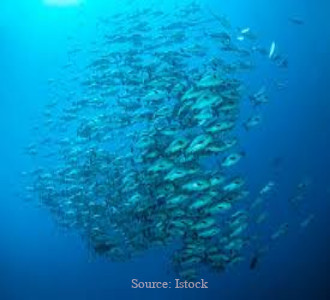
An underwater garden of beauty, the reef at Elphinstone – named after a British Admiral – is truly one for those looking to snap marine life – with the reef famous for its large concentration of hammerhead and oceanic white tip sharks – with it being one of the few places on the planet divers can get up close to and snap close-up shots of these magnificent Apex predators.
Alongside the sharks, you’ll also find large concentrations of photogenic Manta Rays, Hawksbill Turtles, Napoleon Wrasse and thanks to the famed 700-metre and 600 metre reef walls you’ll also find oceans of smaller but equally photogenic fish life – including large shoals or tuna, barracuda and even a shot at a sardine run – all of which make for incredible photos.
The reef itself with it’s famed reef walls and dazzling emerald hard and soft corals is equally stunning – with the 42 metre dive depth giving you a true chance to explore all of the coral, caves and even cliffs that the beauty of the Elphinstone reef has to offer – and no doubt snap incredible photos along your way. A great spot for drift diving, the Elphinstone reef s best explored at sunrise – when the teaming animal life is at its peak – and you can reach it on either a day trip from Marsa Alam – or an a liveaboard which gives you multiple chances to photograph this incredible dive site in all its glory.
Created with GIMP
Created with GIMP
The Brother Islands
A remote and almost untouched paradise – the twin brother islands, affectionately nicknamed the big and little islands – are one of the greatest spots on both Red Sea and the planet in which to encounter untouched coral and reefs and come face to face with an array of Shark Life – including Grey Reef, Hammerhead, Whitetips and Silvertip sharks – with the islands representing one of the best places for a diver to grab a photo of themselves alongside a Shark – which is undoubtedly a photographic shot that will last a lifetime.
Home as well to thousands of curious and brightly coloured coral and fish – who for those diving on the big island make for an incredible accompaniment to exploring the twin wrecks of the Aida II and theNumidia, dives on the Brother Islands are made all the more special thanks to the remoteness and hard to access location of the islands – meaning that it’s not uncommon for divers to be able to explore the islands with only their dive buddies – which again adds to the romance and beauty of shots taken at these islands.
A true oasis of plant and animal life, the brother islands are best explored on a multi-day liveaboard boarded from Hurghada and Divers undertaking an exploration here are recommended to be experienced owing in large part to the unpredictable currents and the potentially deadly animal life you’ll encounter. Yet for those who make the plunge into this true underwater paradise expect to surface with a likely close encounter with an Apex predator and some truly incredible underwater photos.
The Blue Hole
A truly immersive and adventurous dive – and one that gives you some of the best underwater photos on the planet, a journey to and into the blue hole of Dahab is truly incredible – with this mystical oasis that sits in the shadow of Egyptian mountains seeing Divers descend into the 130-metre bright blue sinkhole and giving them the chance to snap an almost otherworldly and illusion photo of the beauty of the wonder of the Red Sea.
A dive suitable only for advanced and experienced divers, owing to unpredictable currents and dangerous depths of the hole, you can expect a dive into the blue hole to begin with a controlled descent almost 30 metres down through a small tunnel known as the “arch” – before undertaking a gentle drift with the currents and then following a reef wall before emerging into the truly incredible clear blue waters of the Blue Hole – where an incredible photo opportunity of this vast and deep underwater oasis awaits you.
For those wanting an extra special photo – do be sure to ask your guide before hand to take you into and through the Blue Hole before hand – where you can snap both photos looking up and down the hole – and get an incredible shot of yourself within the warm and blue waters of a Blue Hole – for a truly unique photo.
Popular as well with free-divers who use the blue hole for world record attempts, the Blue Hole is easily explored on a day trip from Dahab – and for those that get the opportunity to dive in this truly incredible and unique dive spot you can expect not only an immersive and adventurous experience but the chance to snap incredible photos of one of the Red Sea’s natural phenomena.
Created with GIMP
Created with GIMP
Created with GIMP
Thomas Reef & Canyon
The chance to dive within an underwater Canyon and explore narrow underwater caves and tunnels, the canyon of Thomas Reef is one of our picks of the mighty reefs across Tiran – which represents the absolute best of the 8‑mile narrow passageway of Egypt’s strait.
A dive that begins with you following the current and drifting atop dazzling emerald coral teaming with thousands of fish life – and if you’re lucky the occasional turtle, you’ll follow the passageway round until you reach a clearing – where an explosion of black and bright green coral awaits you. From here you can expect glorious photo opportunities of both rich marine life and a thriving eco-system – before following the coral round to the highlight of this incredible dive – the opening of the Thomas Canyon.
An opening that provides an incredible panoramic photo opportunity of deep blue waters set against marine plant life and coral – with the chances of being photobombed by dolphins, turtles, reef sharks or sea-dongs also high, the Thomas Canyon is a truly magical place – surrounding you in crystal clear water with some of the world’s best coral and marine life – and a place where you can undoubtedly capture some of the best underwater photography on the planet.
The Seven Sisters
Moving from Egypt to the banks of the Red Sea in Jordan, and for those without a dive licence or who are knew to diving – the well name Seven Sisters which lies at the head of the gulf of Aqaba in the shadow of the same named town, offers some of the gentlest but equally stunning exploration of the underwater paradise of the Red Sea.
Suitable for both snorkellers or introductory divers, this shore dive see’s explorers head instantly into the reef, with the shallow depths, warm weather and clear visibility below providing incredible conditions to spot emerald coral, shoals of fish – and even the occasional turtle, reef shark and Manta Ray – providing incredible – and as equally stunning as other dive sites – of the magic of the Red Sea.
For those wanting an extra special dive, underwater experience and photo opportunity – we’d advise seeking out the sunken American anti-aircraft tank, which was purposely sunk to create an artificial reef – which is now home to natural families of barracuda, turtles and nemo fish – giving you one of the most teaming places of life anywhere on the Red Sea – and guaranteeing you a truly incredible photo of magic of this immense wonder of the world.
Daedalus Reef
Stunningly well preserved, the unique and inaccessibility of the grand Daedalus Reef – which clocks in at over 50 miles – is one of the most special and isolated reefs on the Red Sea, with the lack of tourism – the reef can only be explored on a liveaboard – and tough dive conditions constituting to a pristine and in some places untouched underwater paradise teaming with thriving coral and rare and beautiful marine life – which combine to give explorers some of the best and unblemished underwater photography on the planet.
Chief amongst these incredible photo opportunities is the chance to capture incredible open sea photos of true Apex predators – with vast sighting of hammerheads, white tip and thresher sharks all common, and explorers getting the chance to glide alongside mountains tuna and barracuda, all set against the backdrop of towering and glowing coral walls for a unique and truly special experience and photo opportunity.
Best accessed from the diving hub of Marsa Alam – and then explored over a course of multiple day, the Daedalus Reef is undoubtedly one of the toughest dives across the Red Sea – with strong currents, challenging reefs and predators all lurking beneath the surface, yet for those who take the plunge and enter into the crystal clear waters of the Daedalus Reef you can expect an almost untouched underwater paradise with some of the best diving and photo opportunities across the Red Sea awaiting you.
Created with GIMP
Created with GIMP
Jackson Reef
The best reef on the Egyptian side of the narrow passage of the straits of Tiran, the Jackson Reef is one of the best diving day trips available across the Red Sea – with hard and soft fluorescent corals being home to vast and diverse marine life – including shoals of tuna, barracuda and catfish and some of the rare and endemic species of the Red Sea including octopus, moray eels, turtles and three different species of sharks.
Famed for it’s immense coal – including the always photogenic gorgonians and fire coral – which in our view is one of the most stunning coral collections across the whole of the Red Sea, the Jackson Reef also offers one of the best wreck dives on the planet – with the Cypriot Lara Freighter, which sadly sank in 1981, lying on the depth of the Jackson’s Reef sands – and which can now be explored by advanced divers on a dedicated dive, with the photo opportunities of this incredible wreck being some of the greatest available to wreck divers.
Best explored by divers who have based themselves in Sharm el-Sheikh, the waters of the Jackson reef are known for being clear and warm – but also come with peril with the strong currents of the Straits of Tiran known to be incredibly challenging – so while the waters of the Jackson Reef do offer an underwater paradise to be explored and photographed, it should only be done so by experienced divers.
Shaab Sataya
The home of the Dolphin, the vast and kaleidoscopic reef of Shaab Sataya is the place to go to snap photos of the beautiful, curious and friendly spinner dolphins – with the shallow surface reefs providing perfect conditions to both snorkel, dive, observe, interact and take photos with the guardians and friendliest residents of the sea in their own natural environment.
Incredibly accustomed to humans, the Spinner Dolphins of Shaab Sataya the Dolphins stay close to the surface of the Shaab Sataya lagoon – but you’ll also find deep diving at Shaab Sataya which descends some 65 metres and offers diving and photography opportunities in between interactions, with vast swarms of tuna, nemo fish and dazzling coral – including a mesmerising and illuminated coral wall – that extends some 3 miles down in the waters of the Red Sea also found in the depths of Shaab Sataya.
A soft and gentle dive and reef, Shaab Sataya is best accessed as a day trip from Marsa Alam and thanks to the spinner dolphins whose friendly and curious nature afford for incredible photo opportunities, it is undoubtedly one of the must explore – and must snap photography opportunities – across the whole of the Red Sea.
Shark & Yolanda Reef
Two Reefs side by side, the Shark and Yolanda Reef’s are two of the most adrenaline inducing dives on the planet, with the reef dives, which see you navigate your way over an 800 metre deep coral wall – teaming with kaleidoscopic and dazzling planet life, through shoals of reef fish, manta rays, barracudas, tuna, snapper and sharks, even see’s you suspended in the middle of the ocean atop a shining marine eco-system on a passage known as the ‘saddle’ — making for a truly special experience and a chance to capture underwater photography like no other.
Truly special the coral life at the reef’s of Shark & Yolanda are known for being both illuminated and photogenic, with the reef’s also being unique in that both their pinnacles rise to within a few feet of the surface of the Red Sea before dropping the 800 metres down to the bottom of the ocean – a truly rare phenomenon for coral reef’s but one which creates the special saddle which explorers can navigate.
Alongside the special saddle, you’ll also find another incredible opportunity to wreck dive, with the Yolanda Reef taking its name after a sunken freighter that lies a quarter of the way down on the reef, and which while being out of the dive limits for most divers, fragments of the wreck can be seen in the shallow waters – which have now become home to stingrays and angelfish – giving you an up close experience and chance to capture these magnificent marine life at home.
You’ll also find the wreck Jolanda across the reef’s – which usually serves as the climax of a dive into the reef’s of Shark & Yolanda, with the sunken ship – whose quarters are still in tact and which offer a known resting and feeding place to colonies of sharks. Easily accessed from Sharm el-Sheikh, the rich marine and coral life teaming in the reef’s of Shark & Yolanda are truly magical – but are also challenging in parts, with the tough currents and drifts – which assist your passage across the ‘saddle’ being potentially deadly, and we’d caution that only experienced divers should attempt exploring this reef below the shallows.
Truly special, the reef’s of Shark & Yolanda are in our opinion one of the top 10 dive sites in the world, with the adrenaline inducing saddle being an experience like no other – and thanks to chance to get up close and personal and photograph the rich marine life that lie in these incredible wonders, there’s no doubt that the Shark & Yolanda encapsulate all that is special about the Red Sea, and underline exactly why this stunning underwater paradise is a true wonder of the world.