The Silk Road of the Central Asia Region
(Kazakhstan, Kyrgyzstan, Tajikistan, Turkmenistan, and Uzbekistan)
Overview:
Truly off the beaten track, the “five stans” — Kazakhstan, Kyrgyzstan, Tajikistan, Turkmenistan, and Uzbekistan – that make up the heart of the Silk Road are not just the core of Central Asia, but are home to stunning scenery including — towering mountains, stunning architecture, serene lakes, gorgeous highways, rolling deserts, and of course burning gas craters – and a range of diverse cultures, people and lifestyle, that makes this unique area of the world not just underrated and understood but a truly special wonder of the world.
Historically diverse and at a true geographical crossroads, central Asia lies sandwiched between China and Russia to the East and Europe to the west – and as well as acting as an essential trading route between the two continents in the first centuries, has also been the site of revolutions, the birth of empires and the sight of some of the greatest minds and discoveries, including in mathematics and science, in human history.
Once a hotspot for explorers and travellers – most notably with Marco Polo treading the route – the five stans still remain shrouded in mystery and it is only in the 21st Century that this region has begun to fully welcome travellers, with the beautiful landscapes and incredible culture and architecture of its cities still a challenge – both from a visa and logistic perspective – to explore.
Yet despite these challenges, each country and city of the Silk Road has a unique story to tell, with the stunning scenery and natural wonders, – including Kyrgyzstan’s beautiful Issyk Kul lake, the fire of the Darvaza crater and the vast mountain ranges of Tian Shan, Hindu Kush – the stunning highways including one of the worlds greatest drives of the Pamir Highway, the rolling deserts – including the golden sands of the Kara Kum and Kyzyl Kum deserts, and the stunning architecture of the cities of Samarkand, Bishkek and Ashgabat – all of whom combine stunning buildings with bustling spice and silk marketplaces – ensuring that this stunning wonder truly has something to appeal to every traveller.
A truly special and untouched region, the beauty of each country is truly special, with Kazakhstan – who’s famed mountainous steppe helps feed the region, and whose gorgeous mountains and lakes and of course the twinkling Aral sea helps power the country – with the country and the thriving and charming capital of Almaty being easily explorable by car, horse and even on a special soviet train through the Steppe.
The thriving and almost western appeal of Kazakhstan lies in stark contrast to the mountains regions of the untouched and in places unexplored beauty of Kyrgyzstan – whose incredible snow-capped Tian Shan Mountains and yurt centred villages offer a real adventure on this stunning western frontier for any explorer. A truly fascinating country – whose culture remains with the iconic Kyrgyzstan poetry battles a regular occurrence in the charming and architectural wonder of its capital Bishkek, Kyrgyzstan is undoubtedly the premier place on the silk road to go trekking and get in touch with the ‘real’ Central Asian Region – with a homestay in a yurt amidst these incredible mountains an absolute must for anyone seeking to experience and understand true life on the wonder of the silk road.
You’ll also find premier trekking across Tajikistan whose serene Pamirs mountain ranges offers some of the most challenging but rewarding trekking on the planet, as too do the Fann mountains and the dangerous Wakhan Valley – which while beautiful we’d caution against visiting due to possible threats. Yet this is the only area of Tajikistan that is cause for concern with the capital Dushanbe being a truly special place – with its unique position on two rivers offering a perfect setting for its famed Monday markets – which are arguably the best across the whole of the Silk Road. Yet the true beauty of Tajikistan and undoubtedly one of the most incredible experiences across the whole of the Silk Road is the drive across the Pamir Highway – a multi-day drive through the incredible Pamir mountains, that will test your driving skills but also leave you in absolute wonder of this incredible part of the world.
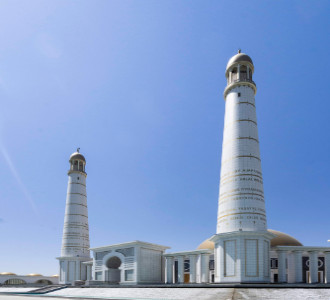
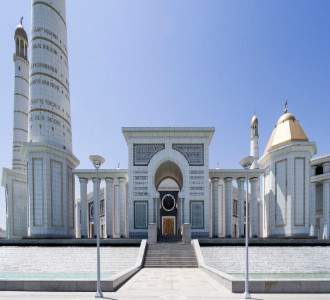
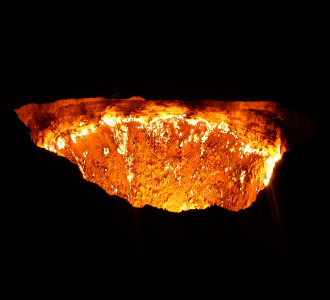
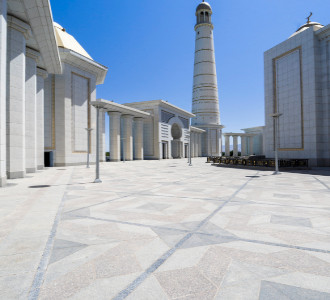
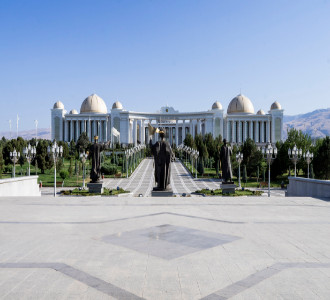
For those fascinated by geological wonders and some of the worlds most secretive and secluded Countries, then the Silk road also features one of the most unexplored and complex Countries on the planet – with the fascinating country of Turkmenistan lying on the west of the silk road. Famed for its still burning and living gas crater – which is affectionately known as the Gates of Hell and which has been burning since the mid 1970’s the heart of Turkmenistan lies in its stunning capital – whose array of awe-inspiring marble clad building make for incredible photo spots and allows travellers to explore this curious and immense stop along the Silk Road – for a journey unlike any other.
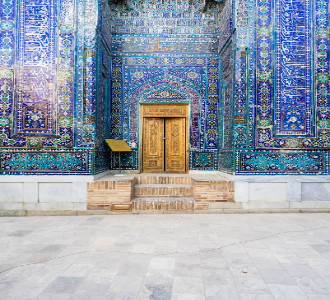
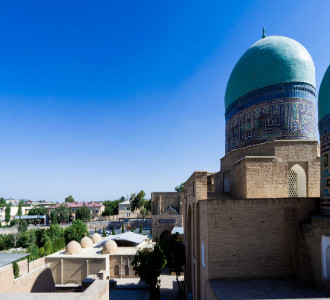
The final stop on the silk road is the great country of Uzbekistan – where you’ll find four of the great cities of the silk road and on the planet, with the stunning madrassas and mosques of the cities of Bukhara, Khiva, Samarkand and Tashkent being truly incredible and representing the best of the Silk Road’s incredible architecture. A country brimming with youth and full of potential, Uzbekistan is also rich in history, with the country and its cities being an incredible place to learn about the story of the Silk Road and retrace the steps of historical legends including Genghis Khan, Alexander the Great and Marco Polo all of whom have held fort in the great and beautiful cities of Uzbekistan.
A truly fascinating and awe-inspiring region, with something for everyone and a chance to really get off the beaten trek and venture into the unknown, a trip to the silk road is not easy – requiring patience, time, budget and seeing you travel vast swathes of challenging terrain, untouched landscapes and meaning you need to overcome logistical travel elements, but for those who do you can expect an explorers paradise – filled with desert, glorious lakes, incredible highways, stunning cities and truly unique culture and an unforgettable adventure as you set out over the unique wonder of the world that is the Silk Road.

Where:
The heart of the wonder of the Silk Road – the Five ‘Stans’ are officially classed as Central Asia – part of the great continent of Asia, with the Countries of Kazakhstan, Kyrgyzstan, Tajikistan, Turkmenistan, and Uzbekistan stretching from Georgia in the west across the Caspian Sea to the edges of China and Mongolia in the east – with the region also bordering Russia in the north – as part of the old Soviet Union and Iran and Afghanistan to the south – with the incredible plains, steppe’s, towering mountains and natural wonders coming together across the more than 4 million km2 of land to make this vast and diverse region a true wonder of the world.
Getting There:
Undoubtedly off the beaten track, Central Asia is slowly beginning to open up to the world – thanks in no part to the growing awareness of its stunning beauty, the economic benefits of tourism and the development of travel methods.
Yet despite this, visiting the stans – and especially Turkmenistan – requires advance planning, multiple bureaucratic hurdle to get visas, a guide and in some cases a letter of invitation issued by a ministry – with trips across the silk road likely to require weeks of planning, multiple appointments and a potentially heavy hit to your wallet – so to make things as easy as possible we’ve rounded up a quick bit of advice (which is constantly subject to change and should be double checked before taking on your trip to the Silk Road) to hopefully make things as easy as possible when it comes to exploring this incredible wonder:
By Flight:
Starting with the most accessible Countries upon the Silk Road – and you’ll find that after getting your Vias’s you can fly directly to Kyrgyzstan (Bishkek *note no visa required) from across all major European and North American Countries, although we’d advise to put aside a little bit of money for the flight as it is known to be expensive.
The same also applies for direct access into Almaty within Kazakhstan – where daily flights from the airline Pegasus are known to operate – although again it’s essential to have your visa to hand and to budget for the cost of the flight if flying from outside Central Asia.
You can also find direct flights into Dushanbe in Tajikistan, with the cost of these flights being known to be a little cheaper – although taking a bit longer on the route there and with there being less choices on the route it. The opposite also applies for Tashkent in Uzbekistan – where flights are plentifully – and you’ll find many options but as a result of airport taxes imposed on all international flights you’ll need to stretch your budget to get to Uzbekistan.
While there are flights into Ashgabat in Turkmenistan, we’d advise against that as a mode of travel, and instead would advocate for a Ferry or self-drive entry into Turkmenistan to make your life easier. With our advice to getting to the Silk Road by air being to focus on entry into one country first as a base (either Kyrgyzstan or Kazakhstan) and then use a range of internal flights, self-drive or coach to travel around the region.
By Ferry (Turkmenistan)
While there is an option to fly into Turkmenistan – and this may well be the route accompanied travel tours take you, for those who fancy a true adventure that is fitting for this unearthed and mysterious nation, you have the option of taking the Caspian Sea Ferry from the Azerbaijan capital Baku to the city of Turkmenbashi in Turkmenistan.
While a ferry across the Caspian Sea – that takes you to the port of Turkmenistan seems straightforward enough, do be warned that the Caspian Sea ferry has no fixed schedule and is known to leave every couple of days at irregular times – so you’ll have to budget a couple of days into your schedule when taking this route. Do also be advised that you’ll need to head to the Turkmenistan embassy in Baku before departing on the ferry to get your visa and paperwork sorted before arriving on the ferry – with visas into Turkmenistan operating on a strict timescale which can make getting the ferry – with its irregular schedule – a potentially stressful experience.
Costing around $25 Usd – the ferry’s arrival port lends itself for self-driving in Turkmenistan with the roads from Turkmenbashi to Ashgabat being a smooth journey and the ferry accommodating cars and trucks – with the route also being one that is approved by the Turkmenistan government – so if you’re prepared to spend a couple of days in Baku checking in on when the ferry leaves we’d recommend this route as a safe and secure way of arriving within Turkmenistan to begin your journey across the Silk Road.
Entering the Silk Road Overland
Alongside using the direct flights and the ferry to enter the Silk Road, you can also enter the incredible region by car, bus and train – which makes for a simple and easy way to both enter the region and take advantage of the vast area that makes up central Asia.
From Russia: For those departing from Russia and heading into Central Asia you’ve got two main options to enter the Silk Road; by car or by train. For those travelling by Car and self driving around the region, the easiest option is to head to one of the Southern cities in Russia – such as Omsk or Samara and then head along the A‑13 motorway into Kazakhstan – bearing in mind to be prepared with paperwork and queues when crossing into the Silk Road.
Alongside this Russia is blessed with an incredible train network that offers easy access into varies cities across the Silk Road – with trains leaving from the Russian capital Moscow Kazansky station with options to go to Almaty in Kazakhstan which takes just over three days for $100 Usd, Bishkek in Kyrgyzstan for $70 hours and which takes just under three days, or Samarkand or Tashkent in Uzbekistan which both take around 55 hours and costs $80 Usd.
From China: While we wouldn’t recommend driving in China – owing to both the difficulty on the roads and the massive bureaucracy which includes a ban on foreigners driving, you can take a train from the province of Xinjiang in the north of China to access the Silk Road – with trains running to Kazakhstan or Kyrgyzstan once a week and taking 3 days to arrive, with trains costing $70 Usd. While trains from China are reliable sadly Xinjiang provenance has developed a recent reputation of being a little unsafe, so for those who are set on travelling by train to reach the Silk Road from China we’d encourage you to be on your guard and prepared for delays and incidents in the region.
From Iran and Pakistan: Finally while you may get referrals to enter the silk road from either Iran or Pakistan – we’d strongly advise against taking either transport or self driving across these countries to reach the Silk Road – with both Countries having challenging driving conditions and with multiple challenges for foreigners to both enter each country and enter one of the stans – so we’d advise for a hassle free trip making either Iran or Pakistan as your port of entry into the Silk Road.
Traveling across the Silk Road:
Having got yourself into the Silk Road either by Air, Ferry or by land – the next stop will be to figure out your way to hope from one Stan to the next – so you can explore all that this incredible part of the world has to offer. The easiest option to hop from country to country (with the exception of Turkmenistan) is by flight – and you’ll find a range of cheap offers for getting between each country that can make this easy and efficient for exploring the Silk Road – just remember to have the visas and paperwork all lined up before you travel.
Alongside this you’ll also find a range of mini-bus options run by tour groups – which can make for a great way to both cross the borders and see some of the sights, with the tour groups all available and bookable online and which also offers a great way to take the stress out of driving in foreign countries.
For those who are traveling independently across the silk road, there are three main options – firstly you can take advantage of the unpredictable but cheap and comfortable train network – particularly for those traveling across Kazakhstan and into Uzbekistan where the train network is known for being safe.
Secondly there is the option to simply flag down a taxi near the borders of the silk road countries and hope that your driver is able to ferry across – and finally and for our recommendation the undoubtedly easiest way to travel across the silk road and from Turkmenistan east across the other four Silk Road Central Asian Countries is to self drive – with the drive across these incredible countries being one of the most stunning and special drives on the planet and also giving you the freedom to explore this incredible wonder of the world at your own pace.

Best time to Visit:
Owing to the vast size of the Silk Road, you’ll find that each country comes with its own climate and landscapes who lend themselves to different visiting times which reflects the uniqueness of the great Central Asia region.
Yet despite the weather diversity you’ll find that there is commonality across the five Stans that make up the Silk Road – with each country having very cold winters and roasting hot summers which can make travel and your exploration of this region challenging. For this reason, we advise tailoring the timing of your visit based on the areas of the Silk Road you wish to explore.
Following this consideration, for those who wish to explore the beauty of the Tian Shan Mountains and are coming to the Silk Road for mountaineering and trekking we’d advise timing your visit for the late summer season – where the worst of the heat will have passed but you’ll be treated to warm and perfect conditions for trekking – with those set on exploring the mountain ranges of Kazakhstan, Kyrgyzstan and Tajikistan being advised to tailor their trip to coincide with the pleasant and warm weather – but also being advised to bring plenty of water as they do so.
Similarly the summer period see’s intense heat in the cities – so for those who want to explore the towering minarets, history and beauty of the cities of Uzbekistan and the marble palaces of Turkmenistan then we’d advise to steer well clear of the sweltering conditions in Summer if possible and time your trips outside of the Summer period – with the cooler weather found in the alternative seasons.
As, in our view, any trip across the Silk Road should take in both the incredible Mountain Ranges and the beauty and history of the city, we’d advise the best time to visit would be in the early spring or late Autumn, where you can get the best of both the warmer climates in the Mountain Ranges and the slightly cooler weather in the cities – giving you the best of both worlds – and the best possible experience along the Silk Road. However, if this is not possible it’s essential that you come prepared for the differing climates and the potential tough conditions if you’re to make the absolute most of your time on the Silk Road.
How long to stay
An incredibly rich, varied and diverse wonder of the world – it’s truly possible to spend months exploring the incredible wonders of the Silk Road – from the glorious mountains of the Pamir Highway to the still burning fires of the Darvaza Crater or spending days wondering through the incredible towns, history and art of the many cities of Uzbekistan – there is truly something for everyone – and an untold number of fascinating wonders to explore in this special part of the world.
Yet with consideration of the real world, work commitments and budget, we’d recommend a minimum of two weeks exploring the Silk Road. With these two weeks being action packed and seeing you jump from county to country and highlight to highlight along the Silk Road, with two weeks being the absolute minimum that you’ll need – either in one trip or spread across multiple trips – to explore the full beauty and to truly understand the great Silk Road.
For this reason and budgeting for two weeks, it’s therefore essential that any traveler seeking to undertake a journey on the Silk Road spends a bit of time both planning their ideal itinerary and begins the visa application process a few months beforehand to ensure that when they arrive upon the Silk Road they are able to hit the ground running and make the best of their limited time in this incredible wonder.
Top Tip
A rich, diverse and beautiful area – a trip across the Silk Road requires extensive planning, mountains of bureaucracy and a know how and understanding of the area to make sure your travel and journey in this incredible part of the world is as rewarding as possible.
Undoubtedly the main sticking point for so many travelers is the complexity of visas required to visit this area – as well as the challenges of entering Turkmenistan and deciding exactly what to do and which spots to hit in this vast and incredible part of the world, but for those who come prepared and for those who do keep their wits about them and ensure they respect the diverse and sacred cultures across the Silk Road – a trip to Central Asia can be one of the most life changing and inspirational explorations on the planet – as well as one of the safest, with the area known to be a great spot not just for hitchhiking – especially on the Pamir Highway – but also for female solo travelers.
To help make sure your journey in this vast and beautiful wonder of the world is as enjoyable as possible – and to hopefully make things a little easier when it comes to dealing with the Visa Bureaucracy and the admin required for a journey on the Silk Road, we’ve rounded out our top tips for visiting the incredible wonder of the world that is the Silk Road:
- Visa: One of the major sticking points for a visit to the Silk Road – the Visa process has (thankfully !) become a little easier in recent years, but the process will still require plenty of patience, a little bit of money and visits to Embassies to secure for all five Countries across the Silk Road.
Starting with the easiest one Kyrgyzstan now offers a visa free program for 60 nationalities – which can be applied for online and Kazakhstan is also rolling out a similar scheme as well – although it’s limited to just 30 Countries – so be sure to double check your visa requirements based on your nationality. For Tajikistan and Uzbekistan – visa on arrival processes are currently being launched which can be applied for at the airport – however we’d strongly encourage you to secure your visa for all countries before hand if possible.
To do this you’ll need to fill out the electronic e‑visa forms for each country and pay the required money, then for certain countries based on your nationality an in-person visit to the embassies will be required – where questions about your trip, confirmation of your hotels and how you intended to fund your travels will all be asked.
Be sure to have your exact itinery to hand as well – as, depending on your nationality, some Countries will require to know your exact dates of entry and only issue you visas for certain time periods – which (especially if you’re getting the Caspian Sea Ferry) can cause you headaches on arrival.
For Turkmenistan the visa process – unless going by a tour – you will require a letter of invitation (LOI) which you can ask a hotel or local tour guide to prepare for you if you are planning on staying for longer than 5 days, after securing the LOI you then have to fill out the e‑visa and go to a local consulate (we’d recommend the one in Baku if taking the Ferry) where you can expect your visa to be signed after detailing your itinerary – expect the process to take between 2–3 months. Alternatively, and for a slightly simpler process you can seek to apply for a transit visa – which can be used to travel through Turkmenistan to further Country on the Silk Road – while you’ll still need to go through the paperwork and Visa process a transit visa allows you entry for 3–5 days and takes a month to process – although be warned these visa’s are notorious for being rejected.
So all in all, while you can seek the assistance of a travel company to secure your visas for the Silk Road, we’d encourage you to undertake it by yourself – as it’s part of the Silk Road and experience! – just be sure to plan well in advance – at least two months, have your exact dates and itinerary to hand when applying and approach the whole process with a little bit of a budget, plenty of patience and an understanding that there may be a couple of setback along the way.
- Secondly – and following on from the Visa top tip, we’d encourage you to come to the Silk Road with a detailed and well-prepared plan. Given the vast size of Central Asia – and likely your limited time it’s essential that you’re able to hit all the incredible cities, mountain range and natural wonders that you want to give you a taste of this incredible region. To do this and particularly in consideration of both the visa time limits and the fact that you will want your travel time to be as efficient as possible – it’s essential to have a day to day plan to help you make the most of your journey.
- Additional it’s incredibly important when traveling along the Silk Road that you respect the diverse cultures and traditions of the local people. Across the region religious and self-identification is a huge issue and something that can and continues to cause conflict, so as a visitor it’s vitally important that you treat the cultures and people with respect, particularly with smaller gestures such as dressing modestly – particularly in places of worship, removing shoes when heading indoors and above all not assuming anyone’s religion or ethnicity.
- Finally alongside making sure you have travel insurance given the unpredictability of a trip along the Silk Road, we’d encourage you to be careful about which regions on the Silk Road you visit from a safety perspective. While the majority of cities and towns are considered generally safe and you only need to be concerned about pick pockets and thief’s – there are certain areas particularly towards the Tajikistan and Afghanistan border that we’d advise to avoid.
However all in all as long as you have your wits about you and don’t seek to travel to notoriously dangerous places you can expect a safe and enjoyable environment when travelling across the true wonder of the world that is the Silk Road.

Cost:
When budgeting for a trip to the Silk Road there’s a base price that everyone needs to accommodate for – which includes visas and flights there – and after the base price there’s a range of budget options to suit every traveller and explorer – making a trip to this wonder of the world both one that can be done in high end luxury or one that can accommodate a tight budget.
Considering the base price first, and we’d recommend setting aside at least $50 Usd for the visas – as well as an extra $100 Usd in the event Visa’s are rejected, with it also being necessary to budget a little bit of money for the logistics (appointments, service charge etc) when getting visa’s – with the main cost for visa’s coming in the labour and time they take to acquire.
Next you’ll need to budget for getting onto the Silk Road – which can be done by flight, land, Ferry or train – for those on a budget we’d recommend getting the Caspian sea ferry from Baku which is available online and for which you should budget $50usd (including accommodation in Baku) or taking on the long train ride from Russia (between $70 — $100Usd) otherwise, for those with a little more freedom on the budget front you might want to consider a flight onto the Silk Road – and for those flying internationally we’d advise setting aside at least $800 Usd on a one-way flight into one of the more accommodating and easy to access countries on the Silk Road.
Alongside this you’ll need to budget a little bit of money for getting around the Silk Road, which can be done by train, shared transportation or on our personal recommendation self-driving between the countries – but regardless of the method as a base budget you should set aside an extra $250 Usd for travel between the countries – although for those with plenty of time who are on a budget you could always try your luck hitchhiking – with the Silk road and the Pamir highway in particularly known to be incredibly friendly for those without a ride.
Factoring in accommodation – which can range from high end luxury at $200 Usd a night to budget hostels and even camp sites at $10 usd a night, food at $10 a night and of course the occasional bit of spending money for which you’ll need both cash, Usd and an international visa card — for which we’d suggest budgeting between $20 — $50 Usd a night depending on your budget and a trip to the Silk Road – especially given the minimum amount of time we’d suggest exploring this wonder slowly begins to add-up.
Therefore factoring in the both the base travel and visa costs it’s possible to explore the Silk Road over the course of two weeks for as little as $1,800 Usd – however we’d really recommend setting aside at least $2,500 Usd and as much as $3,500 Usd to ensure your exploration of this incredible wonder of the world is as enjoyable as possible.
Fun Fact:
A simply stunning part of the world – alongside exploring the natural phenomena’s, towering mountains, gorgeous steppe’s, lush green hills and rolling deserts of the Silk Road, we’d also advise making time to catch the local sport – the game of Buzkhashi – a sport similar to the western game of polo – except in Buzkhashi the horse mounted players are attempting to drag a goat carcass into a goal – which makes for a fascinating and interesting watch.
For those who don’t fancy catching a game of Buzkhashi then you can also find true enlightenment across the Silk Road – with the region being rich in history and culture – so much so that Central Asia is known as the birthplace of modern Maths, science, medicine and even Islam making it one of the most inspirational and way of life defining wonders on the planet – just be sure to plan your stops well in advance as the vastness of the area of Central Asia means some residents are closer to Europe than they are to areas of their own countries !


Sights to See & Best photo spots:
A stunningly diverse and rich wonder and part of the world, the Central Asian Region along the Silk Road is awash with incredible sights – from towering mountains and passes, to shimmering lakes, architectural and rich cities and unique natural phenomena’s – making it not just a stunning wonder of the world but also a photographers dream and one of the only places in the world that photographers can come to capture not only individualistic sights but also unique landscapes, cultures and experiences.
Being careful to only photograph where permitted – being sure to respect religious monuments (particularly inside) and only taking photos of individuals when agreed – photos along the silk road are truly special and there are hundreds upon hundreds of incredible sights in this special part of the world for any explorer to snap and take home.
But noting the vast distance of the region – and any explorers desire to squeeze as many sights into their trip as possible, to make things as special as possible for any traveller we’ve rounded out our top 3 must snap wonders in each of the five continents that make up the incredible wonder of the world of the Silk Road:
Kazakhstan – Top three sights to Photograph:
A truly incredible and rich country, the snow-capped mountains, twinkling Aral sea of course the great city of Almaty make up some of the many jewels of Kazakhstan – and it’s also one of the best countries in the world to explore by cars, with incredible and well-kept roads, which will easily let you visit and photograph our three top photography picks of Kazakhstan:
- Almaty – a stunning city, and often the first of the silk road that greets explorers, Almaty is considered the most “European City” across Asia, but it still retains its regional and historical charm with the gorgeous Ascension Cathedral showcasing the best of religious architecture across the region, and the twin parks of Gorky and the First Presidents Park being stunning examples of well kept greenery in the city. For an extra special photo we’d recommend heading to the blue waters of Almaty lake – or making the climb to the top of the Kok Tobe Hill – from where you can snap the wonder of Alamty down below you for an extra special shot.
- Tien-Shan Mountains – simply incredible, the green, orange and snow capped mountains of the Kazakhstan eastern Tien-Shan Mountains are a wild, raw and untamed experience – and a true insight into the ‘real’ region – with multi-day hikes or horse rides across this incredible region being one of the great adventures on the planet. Forcing you to adapt to the conditions – and with minimal support – a trip across the mountains can be dangerous – but with a good guide and plenty of forward planning they allow you to explore truly incredible scenery unlike any other region and capture one of the best nature photographs on the planet.
- The Great Dala / Kazakhstan Steppe – Found in the north of the country, the Great Dala is wild untamed land stretching to the Russian border in the north – and with a wild array of fields, hills and mountains – and home to the traditional communities and plenty of yurts it makes for a truly incredible insight into traditional Kazakhstani life and one of the great wild landscape photos across the silk road. Explorable on horseback or by off road vehicle – we’d also recommend exploring the region safely as a passenger on a train through the steppe – with the route taking you across the plains into the Russian city of Uta – on one of the great train journeys on the planet.

Kyrgyzstan – Top Three sights to Photograph:
Truly magical the great city of Kyrgyzstan has it all for photographers – with the deep historically rich and warm city of Bishkek – with its great square and bazar’s, and the best of the Tien Shan mountains – with emerald lakes and towering mountains – and the chance to truly experience nomadic life and stay in Yurts beneath clear skies and stars – in one the most peaceful and serene experiences on the planet, with the below being our top three must snap places in this incredible country:
- Bishkek — The great capital of Kyrgyzstan, Bishkek is stands on the edge of a series of incredible mountain ranges, gorges and canyons – including the mighty Ala Archa and Issyk-Ata gorge, which make for great day trips out of the capital. The city itself is a classic silk road city – with Bishkek being awash with a range of colourful Bazaar’s — including our favourite the Osh Bazar which makes for a great and colourful photo opportunity, as well as a range of fascinating squares including the Ala-Too Square and the thought-provoking monument to those who died for freedom – which both make for great places to capture the essence of this colourful and rich capital.
- The Tien Shan Mountain Range – offering another opportunity to explore the rolling hills and great towering mountain peaks of the Tien Shan range, the experience in Kyrgyzstan of this incredible natural wonder is unlike any other, with the route into the mountains best achieved in true nomadic style – on horseback giving you not only a thrilling experience but a great photo opportunity atop a horse in these stunning mountains. Alongside this, you can expect inspiring and beautiful mountain views and a chance to explore a truly off the beaten track but simply awe-inspiring mountain range.
- A night with the nomads – Alongside trekking in the Tien Shan Mountains, Kyrgyzstan’s vast plains and mountain ranges also offer another unique and photogenic experience – the chance to truly immerse yourself in silk road and nomadic culture – by spending the night in a traditional yurt. A must do experience for anyone attempting to understand the way of life across the silk road, you can find Yurt stays bookable online – or pre-arranged with local families – and we’d encourage you to come with a gift for the owners (chocolate always goes down well with families), an open mind as well as a good camera to make sure you both make the best of this unique stay and that you are able to fully capture this once in a life time experience.
Tajikistan– Top Three sights to Photograph:
Undoubtedly the place to snap incredible highway and mountain photos, the great country of Tajikistan is home to one the great drives on the planet – the route through the imposing but beautiful Pamir highway – one of the worlds truly great drives and an area filled with rich mountains, stunning lakes and truly incredible scenery. Alongside the Pamir highway you’ll also find premier trekking on this part of the silk road – not just in the Pamir mountains but in the beautiful Fann Mountains as well, with the capital of Khujand being one of the most rich – and photogenic cities across the whole region – making it tough to narrow down the following three picks for must snap photos in this incredible country:
— The Pamir Highway – One of the worlds greatest road trips, the sights of the Pamir are as beautiful as they are remote, with the more than 1400km of road that stretches across Tajikistan taking you to and across towering mountains, alongside serene emerald lakes and across some of the most photogenic spots and roads on the planet. A true test of your driving abilities, the Pamir highway requires extensive planning – and is not for the faint hearted, but for those who make the journey across this incredible highway you can expect sensational views and truly special photo opportunities.
— Trekking Tajikistan – Alongside driving the Pamir highway, you’ll also find incredible trekking opportunities across Tajikistan – not least in the Pamir Mountains but also in the incredible beautiful mountain villages of the Fann Mountains – with both destinations offering stunning hikes across mountain views, wild terrain and best of all from a photography perspective a series of unspoiled and untouched mountain villages– giving you a true insight into the traditional way of life on the Silk Road. Allowing you also to get off the beaten track and truly connect to the silk road, it’s important that you plan your treks well in advance, taking enough supplies and a dedicated route – but as the road takes you through gorgeous mountain passes and lush green valleys, you’ll be treated to some of the worlds most incredible views – and some truly special photos.
- Exploring Khujand – one of the oldest cities across the entire Silk Road that once connected Samarkand to the Fergana valley, the Persian dated city of Khujand is truly spectacular and features some of the most incredible architecture across central asia – with the towering Jami and Bofanda Mosques being partiuclarly impressive – and making for special photo opportunities. Alongside this you can also grab incredible photos at the Mausoleum of Sheik Muslihiddin – whose exterior walls are particularly special at sunset and at the daily Panjshanbe Bozor – where alongside grabbing a bargain you can capture a way of life that has dated back for thousands of years – making the town of Khuhjand one of the most historic, sepcial and photogenic spots across the whole of the Silk Road.

Turkmenistan– Top Three sights to Photograph:
One of the most fascinating Countries on the planet – the unique, off the beaten track and secretive world of Turkmenistan is like no other on both the silk road and the planet – with it’s incredibly capital of Ashgabat, with its many marble minarets and mosques providing many stunning and rare photo opportunities, which are only arguably topped by the vast plains of the beautiful Yangykala Canyon and of course the imposing still burning fire of the Darvaza crater – one of the undoubted wonders and fascinating sights of the world – and which rounds out our top three picks to photograph in this fascinating county:
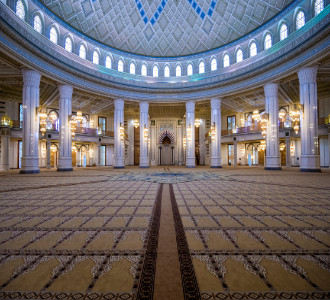
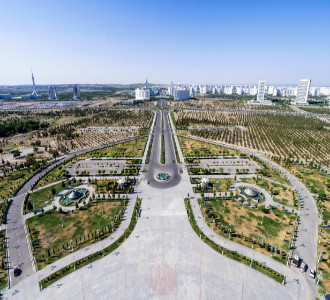
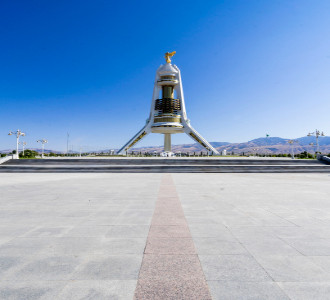
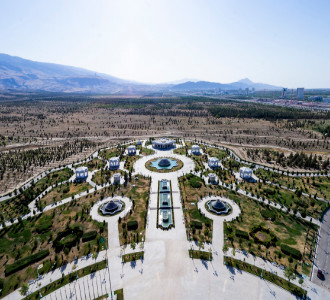
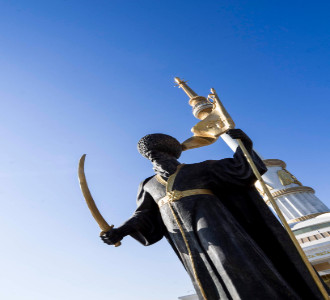
- Ashgabat – Dominated by clean white marble, the town of Ashgabat is as fascinating as it is beautiful, with this truly off the beaten and secretive town being host to some incredible mosques, mausoleums and monuments – that make for a truly great and unique place to snap photos along the Silk Road. Undoubtedly starting with the gold domed Gypjak mosque and then making you way round to the statue palace of the Turkmenistan palace of independence, the wedding palace and neutrality monument – whose tiered roof makes for a great photo spot for panoramic photos of Ashgabat — you’ll be hit by incredible building after the next. Do be sure to not photograph people – and of course respect the culture when inside mosques – with snapping photos in Ashgabat something to be done with care – but for all the legends, stories and uniqueness of this incredible town, Ashgabat is a truly beautiful city and one that offers multiple incredible photo opportunities.
— Yangykala Canyon – Truly Special – the differing formations, patterns and dark rouge colours of the Yangykala Canyon lie a world away from the hustle and bustle of Ashgabat – with this incredible canyon offering a truly stunning scenic vista and one of the great natural phenomena to photograph across the silk road. Best experienced in our view at either sunrise or sunset – where you can watch the entire canyon light up with the sun, we’d advise driving to the Canyon by yourself to get the full experience – and if you do you can expect to be treated to an absolutely photogenic and beautiful natural wonder.
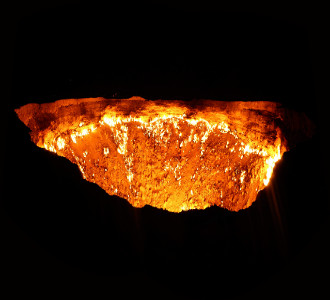
— Darvaza Crater – The gates of hell, the continuously burning Darvaza Crater has burned since a failed soviet experiment opened up a fire crater in the middle of the Turkmenistan desert, and since then this incredible phenomenon has stood and shined as one of the most scenic, fascinating and photogenic wonders on the planet. Best seen and photographed at sunset and in the night – when you get the incredible fire set against the warm and deep Turkmenistan stars, we’d advise driving – slowly to the crater (and being sure to dodge pothole galore on the way) and then camping at the crater – which will give you enough time to soak in and snap this incredible crater from all angles and in both the daytime, sunset, night time and sunrise – giving you the absolute best photos of the fiery gates of hell.

Uzbekistan– Top Three sights to Photograph
The heart of the Silk Road – and a great spot for photographer’s keen on capturing both the history and stunning villages and towns of the Silk Road, Uzbekistan is a truly beautiful country and one blessed with four incredible cities – with the cities of Bukhara, Khiva, Samarkand and Tashkent – featuring some of the great madrassas and mosques on the planet – and making for an incredible place to spend a few days photographing and exploring the history of the silk road. Alongside this you’ll also find the heart of Islam in the beautiful green mountains and green steppes of the Fergana Valley and one of the lifeblood’s of the incredible region in the Aral Sea – which complete our top three recommended spots in the truly unique wonder of the world that is the great Silk Road:
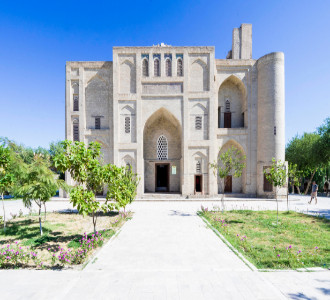
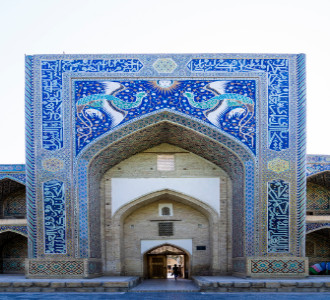
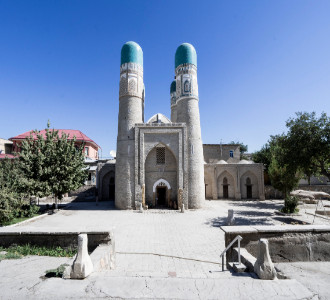
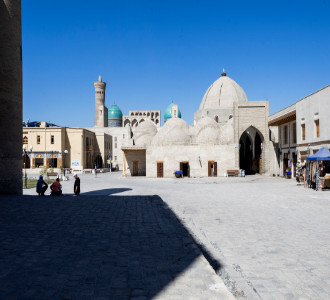
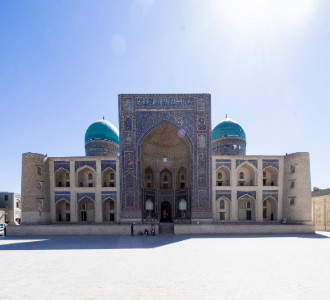
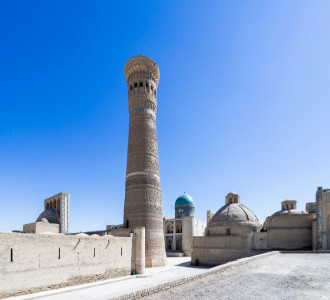
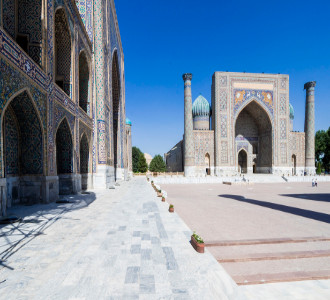
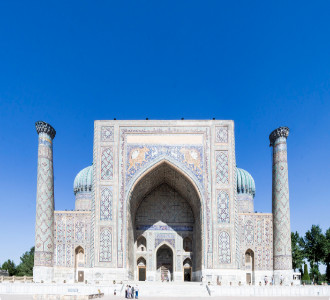
— The Cities of Uzbekistan – blessed with four incredible cities – Bukhara, Khiva, Samarkand and Tashkent, the madrassas, mosques and minarets of Uzbekistan are truly special and give explorers a chance to not only wonder amidst these beautiful and historic cities – but also snap some incredible photos of the great architecture. Chief among these sites are the incredible registan, Shah-i-Zinda tombs and the great Gur Emir Mausoleum of Samarkand, the mighty bazar and Amir Temur square and mosque of Tashkent and of course the sand coloured Great Minaret of the Kalon, chor-minor and Mir-i-Arab Madrasa of Bukhara – all of which make for stunning photos. While it is a little bit of a trek between the cities – and you’ll need a car to make the most of these incredible cities – we’d really encourage you to factor in a couple of days to explore each city where incredible architecture and history awaits you, as too do some incredible photo opportunities to capture the true essence of the silk road.
- The Aral Sea – the sea of islands, the Aral sea once stood as one of the great seas on the planet, but sadly due to a combination of evaporation, human interference and global warming, this sea shrank to become two giant lakes, the Small Sea found in Kazakhstan and the South Aral Sea in Uzbekistan. Considered home to the worlds worst human environmental disaster – as a result of human irrigation projects which saw the lake run dry, the North Sea in Kazakhstan is slowly coming back to life, yet in Uzbekistan times have been a little bit harder, and a visit here combines a combination of dried river planes, with abandoned boats and wildlife – all of which combine to present a fascinating and moving spot to visit and photograph – and a remind of the fragility of life.
— The Fergana Valley – The heart of Islam – the Fergana Valley once stood as an important stop on the Silk Road thanks to its mass food and water supplies, and now stands as an incredibly beautiful, large and diverse valley which is truly off the beaten track, and which makes for a fascinating and beautiful valley to explore. A valley which should be explored with caution – with the valley having been the sight of multiple conflicts over the course of the last 2,000 years – you can expect to encounter multiple ethnic groups on your journey across the valley – with the Fergana valley being not only a place to explore the true beauty and culture of the silk road, but also a place to explore yourself – as well as snap incredible photos of the valleys, lakes, mountains and cultures that call this incredible valley home.
A truly special region – and undoubtedly one of the most untapped but simply stunning places in the world to photograph – the diverse and beautiful landscapes – from the great steppes to the Pamir highway, combined with the fascinating and history rich cities spread across the silk road, alongside the burning natural wonders – undoubtedly make the wonder of the silk road a true photographers dream – and while it’s very unlikely you’ll be able to hit every incredible photogenic spot across the silk road, heading to the top three in each of the amazing countries that make up the core of Central Asia will give you a chance to not only photograph the absolute best of this incredible region – but allow you to experience the absolute best of the incredible wonder of the world that is the silk road.