Tigers nest
Overview:
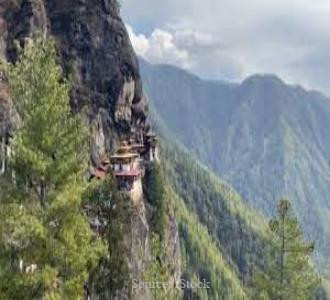
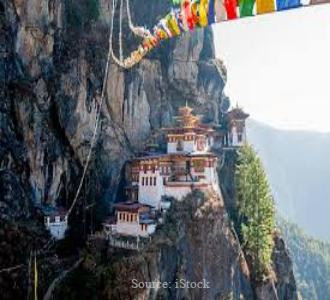
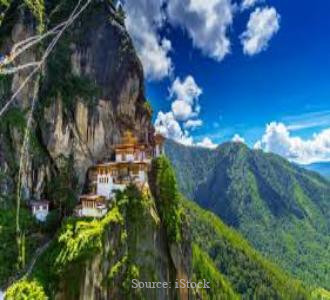
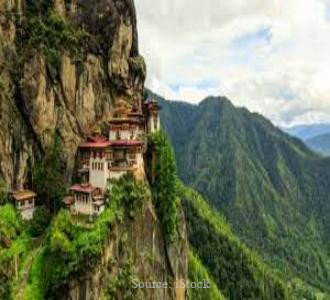
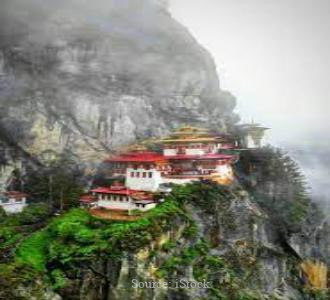
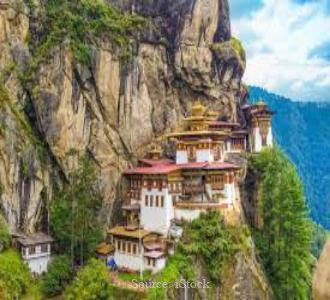
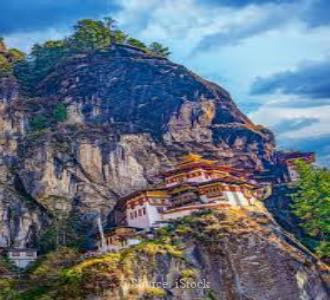
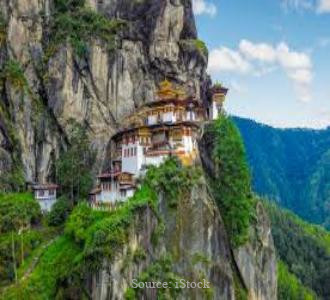
Found in the ‘Land Of Happiness’ the awe-inspiring and spiritually evoking Tigers Nest is a 17th century Buddhist monastery that sits precariously 10,00 feet high on the edge of a cliff in the stunning Paro Valley – with the Monastery, which is accessible by a gentle yet incredible hike, marking the place where the Guru Rinpoche introduced Buddhism to Bhutan, with the unique setting, it’s stunning location and its spiritual significance combining to make the Tigers Nest Monastery a true wonder of the world.
Also known as the Paro Taktsang Monastery, the Tigers Nest is a legend in its own right and is so named as it marks the spot where the Guru Rinpoche rode a Tiger – that may have been the spiritual reincarnation of his wife — to a cave where he would then spend the next three years, months, weeks, days and hours meditating in the monastery in order to free Bhutan of demons, resulting in him becoming enlightened and thus birthing the religion of Buddhism to the nation.
While the unique cliff top setting has led to the Tigers nest becoming a major tourist spot, a sunrise walk often sees explorers getting not only the best views but a peaceful and enjoyable experience, as they trek up from the base of 7,000 feet through stunning Bhutanese rainforests to a series of viewpoints that give the best shots of the wonder.
From here, and following a series of traditional Bhutanese tea breaks, it’s a small matter of ascending further up the path and facing the increasing altitude and conquering some 850 steps that lead to the monastery entrance – where against a backdrop of a stunning waterfall and the knowledge that the cliff leads to a sharp plummet, you can explore this truly immense and spiritually inspiring wonder of the world.
Where:
The awe-inspiring Tigers Nest is found perched on the side of cliff over the mouth of a cave believed to have once been visited by Guru Rinpoche in the middle of the Paro Valley, near the town of Paro in Bhutan.
Getting there:
As almost all travelers are required to have a tour guide when visiting the Tigers Nest – the real challenge is getting to the town of Paro where your guide will pick you up for the day trip hike and where we’d really recommend you stay overnight and then jump on a sunrise, you’re the following day for a much more enjoyable experience.
To get to Paro, you can either fly direct into the international airport – the only one in the country where your guide will pick you up – with direct flights available from most Indian airports and available as an direct flight from most major countries.
Whilst guides are required for all explorers in Bhutan – you do have the option of arriving by road – which is an option often favoured by Indian and Bangladeshi explorers who don’t require a guide– with access available from the Indian border cities of Phuentsholing, Gelephu and Samdrup Jongkhar – but just be warned you’ll need to pick your guide up at the border or be denied entry.
While bus trips do exist around the country, again the requirement to have a guide makes this a limited option – so you’re best bet is to fly into Paro and do the hike as either a day trip or as part of a multi day tour across the beautiful country of Bhutan.
Best time to Visit:
It’s incredibly important that regardless of the season you visit that you plan your trip to the wonder of the Tigers Nest Monastery to leave in the early hours at sunrise – as this way you’ll be more likely not only to grab the best photos but you’ll miss the hoards of tourists that descended on the wonder from mid-morning, which can really take the enjoyment out of your visit !
For the season to go we’d recommend February to March – not only will this allow you to combined your trip to Bhutan with the great Bhutanese dance festival of Paro Tsechu – but it’s also the best spot for clear and warm skies – giving you a stunning view of this incredible wonder of the world.
Explore:
While you can just about make out the stunning Tigers Nest Monastery from the visitor car park – you’re going to have to make a 4 mile hike to more than 10,000 feet to both truly appreciate it, get those all important iconic snaps and of course enter the temple to appreciate it’s stunning beauty.
While it might sound a daunting hike, it’s actually quite gentle – and you’ll get to stop off at various viewpoints to grab photos of the wonder and of course grab some traditional Bhutanese tea – with guides being mandatory for almost all explorers – it is strongly advised to stay the night before in Paro and get yourself booked on a sunrise tour for a much more enjoyable experience absent crowds as you trek for about 8 hours up to and back to the incredible monastery – get treated to a tour of it – and then make the enjoyable descent down with the wonder over your shoulder.
The below is our guide for making the hike to the incredible wonder of the world that is the Tigers Nest Monastery:
Hiking Guide – The Tigers Nest:
Having booked yourself on a guided trek – and (hopefully !) having got yourself on a sunrise tour, you’ll find yourself in the rather unglamorous car park that marks the entrance to the Tigers Nest – where you can just about make up the monastery perched on its hill. This is your last chance to stock up on water and trail snacks – as well as purchase some souvenirs and for those who’ve gotten their hiking poles grab some custom-made poles.
As you begin the hike – there is also the option for those who don’t fancy walking or who have medical conditions to get a donkey up half of the way – while we wouldn’t recommend it as it does take the shine off the accomplishment of trekking up to the top – you can hire a donkey for $10 Usd to take you part of the way there.
Beginning at the foot of the climb, you have an approximate 2‑hour trek ahead of you through some incredible Bhutanese forests, as the path slowly ascends upwards through a series of turns – before you come to your first lookout – where you’ll stop for a breather and of course a cup of tea.
While you can begin to see the Tigers Nest Monastery coming into focus from the 1st observation point – especially for those armed with binoculars, we’d recommend carrying on upwards the path and not stopping at the first point for too long – as the postcard and incredible awe-inspiring view of the Tigers rest awaits you another half hour on – at the famous 2nd lookout over the wonder.
From the viewpoint you can spend a good half hour taking in the wonder and snapping as many photos of the well balanced cliff edge hanging monastery – in fact so good is the views from here that a lot of people decide to call it a day for hiking and are content to take in the stunning views of the wonder with a cup of tea.
For those that do carry on up the trail – and we’d really recommend that you do – you’ll have to part ways with your horse as it gets a little too steep and there are some tricky steps ahead, but carrying on you’ll notice it begins to feel quieter and more spiritual – with a distinct lack of hikers alongside you – who remain wrapped up with their tea at the second view point.
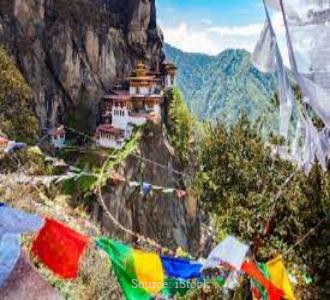
Continuing onwards you’ll come to further look out points – with the wonder becoming clearer and arguably easier to photograph – and then to the beginning of the summit of the mountain with the next part of the trek taking you down the side of the mountain and then back up again – before you come to the famous ascent to the temple – some 850 steps lined with an assortment of colourful prayer flags that guide towards the entrance.
As you journey – probably somewhat breathlessly up the stairs you’ll also cross a small waterfall – which drops over 200ft into the scared Buddhist pool below – and which makes for a stunning photo of the wonder on the cliff edge with the waterfall in shot. As you continue to ascend upwards – you’ll have few more steps and then you’ll come to the door of the incredible Tigers Nest Monastery.
The Tigers Nest Monastery
Having arrived at the entrance, you’ll have to give up your bags, phones, cameras and belongings and check them in at the ticket counter – they are perfectly safe there – and then assuming you’ve not arrived at Lunch your guide will take your round the cliff perching Monastery.
Inside the Tigers Nest – where unfortunately photography is not allowed – you’ll get a half hour tour of the various Buddhist prayer rooms decked out with incense and buddha images and then be treated to see some of the nine caves – including the origin cave that was used by the famous Guru Padmanabhanagar for meditating and from where Buddhism in Bhutan is believed to have been born.
One thing that is always striking about the monastery is the relaxed and calm atmosphere – with the aroma of incense and the warm presence of the Buddhist monks making for an incredible peaceful and spiritual experience ‑that sets you up perfectly for the gentle ascent back down the mountain with the incredible wonder of the world of the Tigers Nest Monastery lying precariously behind you.
How long to stay:
While you can visit the Tigers Nest in a day – we’d strongly recommend staying overnight in Paro the day before and then booking yourself onto a sunrise guided trip for the next day – which will give you the best chance of beating the crowds and give you a more romantic and authentic experience hiking to the wonder – meaning that you should stay at least 2 days 1 night to have the best experience at the Tigers Nest.
Top Tip:
The experience of visiting the wonder is always dependent on the volume of crowds you come into contact with when making the climb – so for this reason we’d strongly advise that you stay overnight in Paro the night before and book a sunrise hike up the mountain to witness the Wonder in all it’s glory without hiking traffic queues forming – it really does make a massive difference to your overall enjoyment.
Alongside this the hike up is not too challenging – it’s a gentle ascent with the toughest bit normally being the 850 steps you have to face to gain access to the monestry – so for this reason we’d advise bringing a walking stick and taking the ascent at a gently pace – being sure to stop to get tea at the lookouts and snap as many photos on the way up as you can.
It’s also important to remember that the Tigers Nest is a religious place, so come dressed appropriate – no shoulders or Knees should be on display, and of course you should be respectful of your environment and the people around you – particularly when you enter the monastery – and of course come prepared with the appropriate hiking gear, poles, shoes and plenty of water.
Finally as one of the best times to visit the wonder of the Tigers Nest is in early spring – we’d recommend combining with one of the greatest festivals on the planet – the famous Paro Tshechu – the famous Bhutan festival of Dance – for a truly unique experience and the chance to see two incredible wonders at the same time.
Cost:
The temple itself is open from 8Am – 5pm in the winter and till 6PM in the summer months – and we’d strongly advise to leave at sunrise to avoid mass queues of tourists who venture up the trail to see the wonder.
To make the climb you’ll be required to have a tour guide (Unless you are from India or Bangladesh) – which makes things a lot easier logistically for getting there and means you don’t have to worry about carrying the $15 USD cash for the entrance fee for the temple as it will be included in your tour – but on the flip side guides don’t come cheap with the average one day sunrise tour coming in at $300 usd – and trips to the wonder often included as part of a 4 figure tour around the whole of Bhutan.
Further costs are normally found in souvenirs in the parking lot – which are always inflated, trail snacks and water and for those who don’t come prepared you can pick up walking sticks for as little as $1USD in the parking lot.
Meaning that the average trip up to the top of the Tigers Nest usually comes in at $361 USD.
Fun Fact:
Alongside being an architectural feat, the origin of the Tigers Nest is debated – with one version being that is was named after the Guru Rinpoche used a Tiger to cross the Indian Sub-continent and up the hills to the monastery – and the other being that his wife once transformed herself into a Tiger to allow the Guru Rinpoche to ride her up to the mountain and the seat of the Temple, where he waits for her to re-transform.
Best photo spot:
Unquestionably the best photo spot is the one that lets you capture the iconic Tigers Nest Monastery in all it’s glory perched off the cliff edge – and while you’ll get plenty of opportunities to capture it if you’re lucky enough to make the climb – the famous photo spot that gives you the postcard snap is at the halfway point at the main observation deck , where you can truly capture the incredible beauty of this immense wonder of the world.