Varanasi
Table of Contents
Show
Overview:
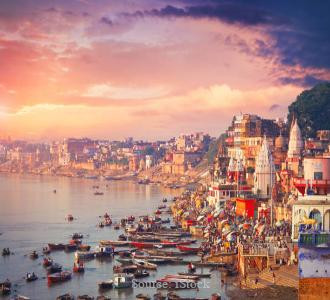
The City of Light – Varanasi is the spiritual home of Hindu’s and the heart of the sacred River Ganges, which stretches all the way from the Himalayas to the bay of Bengal in the Indian Ocean over the course of one and half thousand spectacular miles – and where you will find a series of incredible Ghats that lead into the sacred river, with nightly purification ceremonies, the daily cremating of pilgrims wishing to break the cycle of rebirth – and perhaps the most stunning sunrise and sunset as the River is illuminated and comes alive for a spiritual and awe-inspiring experience, which helps makes the Ganges river and the stunning town of Varanasi a true wonder of the world.
Considered as the spiritual capital of India, which itself is quite an accolade, Varanasi is also home to one of the 12 sacred shiva temples in the world – the stunning Kashi Vishwanath Temple and is believed to be one of the oldest inhabited cities in the world with the river which is a source of life for more than 500 million people also believed to be a pathway to heaven and the true home of the Hindu god Shiva
While Varanasi and in particularly the Ganges can divide opinion – owing in large to the high pollution and waste which is found within the river, a stroll along the 88 ghats or a trip along the river at sunset or sunrise in a small boat is a truly spectacular experience as you witness not just the sight of people alight on the funeral pyre which carries them into the next life, but also people bathing in the river to cleanse themselves of their sins and a true home of spirituality and life, which helps make a trip to Varanasi and the Ganges a truly unique and uplifting experience.
Where:
The heart of the Ganges River, Varanasi is found in Utter Pradesh in North West India, — with the city believed to be one of the oldest inhabited cities in world and certainly the oldest in India.
Getting there:
Varanasi sits in the North West of India, some 850 kilometres away from the Indian Capital of New Delhi. Fortunately, though regardless of where you are Varanasi is well connected by India’s fantastic air, road and rail systems.
For those who are keen in covering the distance from Delhi in the shortest time, you’ll find regular daily flights that last for 90 minutes going from Delhi to Varanasi which cost as little as 30usd (approx. 2400 Rupees) – you can expect the flights to give you the most comfortable and efficient method of travel.
For those who want a cheaper – and perhaps more authenticate experience to reach the holy city – you have a range of train options available both from Delhi and from any major city in India, where you can jump on a train to Varanasi. You’ll find the trip by train a bit longer – with it taking 12 hours from Delhi, but for those on a budget the trip can be done overnight with special sleeper trains – that leave Delhi at around 8pm and drop you off in Varanasi at 7am – just in time to see the fantastic sun rise !
For trains the most popular ones are the Swatantrta S Exp (12562) and the NdlsMuv Sf Exp sleeper train (12582) – which are both bookable on (http://www.indianrail.gov.in ) and you can expect a seat or berth in first class to cost you 2400 Indian rupees – about 30 usd – with the cheapest option being in the sleeper class – where tickets cost as little as 240 Indian Ruppees – approx. 3 usd.
While the train can be long, it is highly recommended and is a true authentic Indian experience and you’ll get a good night’s rest aboard in an affordable and easily accessible route of travel – especially if you travel at night.
Once being dropped off at the airport or train station you’ll find yourself in the centre of Varanasi – from there it will be short walk along the city’s narrow corridors – where you may run into the occasional cow – before you reach the banks of the sacred river and gaze upon the wonder of the world the that is the Ganges – if at any point you get lost just follow your nose in the direction of the smell and you’ll easily find your way back to the river.
Best time to Visit:
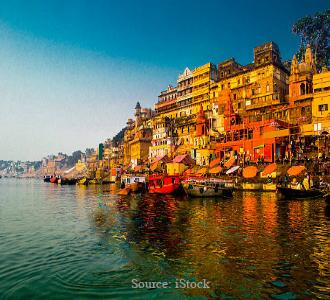
While the Ganges and Varanasi is stunning all year round – we’d recommend heading there in the off season during the winter months – not only will the crowds by smaller giving you a better shot at seeing the sunrise and sunset on the incredible river, but you’ll also avoid the high Indian heat during the summer moths – which regularly reaches 40c and can make for an uncomfortable experience when viewing the river amongst a crowd of people.
We’d also strongly recommend giving yourself at least two days, with a visit for the sunrise and sunset an awe-inspiring and spiritually invoking experience not to be missed.
Explore:
Varanasi is truly stunning and at it’s heart sits the beauty of the Ganges river which is the centre of Hindu beliefs and the cycle of life that ensures resurrection – with the water being associated with numerous miracles and believed to flow from heaven to purify humans.
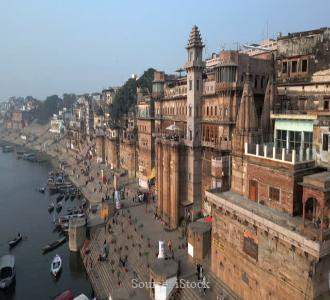
Ganges River Unquestionably the first stop for any explorer on visiting Varanasi will be to observe the stunning Ganges river and the 88 Ghats that lead down into the water. The Ganges river itself flows from the wonders of the Himalayas all the way to the Bay of Bengal in the Indian Ocean and is considered incredibly sacred and revered by Hindu’s and visitors alike.
The first thing you may notice is both the smell of the river – and unfortunately it’s deep brown colour and debris floating on the river (including body parts) – with the river despite it’s spirituality known to be highly polluted and used by humans as a waste dump.
Yet despite this, more than 500 million people rely on the river to sustain life, with the drinking and cleansing water of the Ganges an invaluable source of water, and visitors encouraged to purchase and release flowers onto it as a spiritual gesture to connect closer with both the Hindu religion and themselves.
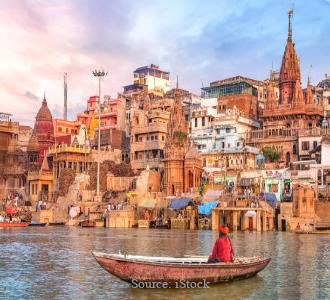
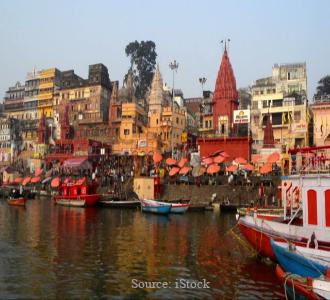
Alongside the beauty of the river from its banks, you’ll notice at the far end a series of Ghats leading to the waters edge, and a number of boats – who offer a unique experience come sunrise and sunset.
Sunset and Sunrise Boat Ride:
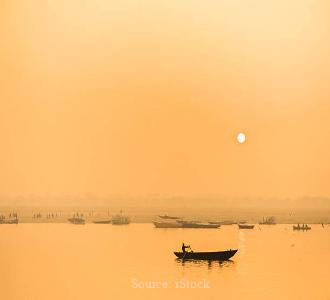
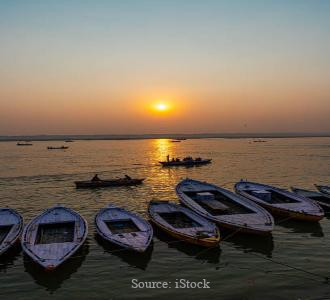
To truly connect and understand the beauty of the Ganges you have to watch the sunset over it, which is not just a stunning experience but makes for an absolute incredible picture of the wonderful and religious site of the Ganges with Varanasi in the background.
Unquestionably the best way to experience this is in one of the many dinghies that is rowed by a local. Be sure to negotiate on the price and don’t pay more than 30 Rupees — and as you journey across the stunning river with the beauty of the Ganges river and its spirituality unfolding before you before at sunrise and sunset you’ll be left with both photos and memories of this truly incredible stunning wonder of the world.
Bath in the Ganges:
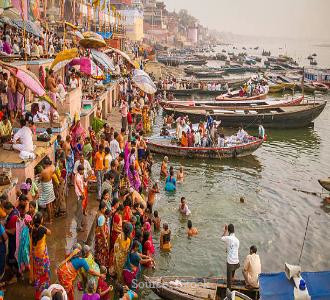
Now while we wouldn’t recommend this based on the various body parts, fecal and poor levels of hygiene that surround the Ganges, given its spirituality there’s a belief in Varanasi that bathing in the Ganges is a key step towards purity and that a dip in the river can wash away your sins and prepare you for your next life.
Because of this you’ll frequently see people taking a dip in the river of one of the many Ghats and offering prayers – and while something to strongly consider before entering the water, for many a dip in the sacred Ganges is a chance to start a new and certainly an experience to be explored for anyone who wishes to get closer to this unique wonder of the world.

Varanasi Ghats:
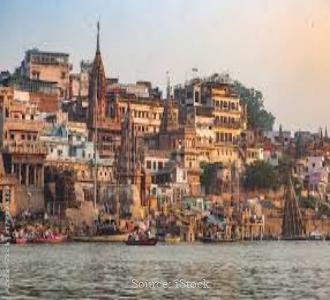
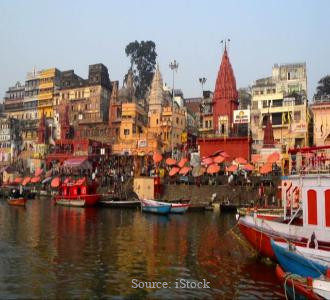
Alongside the river itself, you’ll find 88 Ghats – steps which lead down into the river and allow for bathing and the release of life into the river, and which make for incredible spots to witness the sunset and stroll along the Ganges – with the watching of a nightly purifying performance on the Ghats of the river in the evening – where incense and candles are lit and prayers and chants offered to the Gods being a truly unique and spiritually fulfilling experience. While each of the 88 Ghats are beautiful, the below are our top 3 to explore for the main highlights of the Ganges:
Dashashwamedh Ghat:
Of all the Ghats on the river, Dashashwamedh Ghat is unquestionably the biggest and best – and where you’ll want to be to watch the sunset and take in the stunning sites of the Ganges.
Found in the centre of the river near the Vishwanath Temple, the Dashashwamedh Ghat is also steeped in ledgend, believed to have been created in 1748 and offered as a gift to the Hindu Lord Shiva, and is always full of people offering respects or immersing themselves in the beauty of the Ganges – and this is the spot to be for the stunning nightly purification ceremony which starts at 7pm – just be sure to get there early as crorwds will begin to gather from 5pm.
Assi Ghat:
The Yogi ghat, incorporating all the beauty of the Ganges, the Assi ghat features a sacred fig tree which is regularly visited by Hindu’s and explores to offer prayers and reflections – and also features a carving known as Shiva lingam in reverence to a Hindu god. For those we are light sleepers and able to get up at sunrise – this is the spot to be to watch not just the sun rise but also join in some traditional Indian Yoga as you welcome the morning sun against the backdrop of the incredible Ganges.
Manikarnika Ghat:
Perhaps the most notorious Ghat, the Manikarnika Ghat is found at the south of the Ganges, and is hard to miss – as it is here where the famous body burning ceremonies take place all day, with plumes of smoke from the funeral pyre constantly rising high into the sky, as more than a hundred people a day choose to pass into the next life from this point at the sacred river – with a belief that the river will carry them to the heavens.
While photos are understandably off limit here, you can get a tour of the Ghat to see the ceremony sup close and you will see boats of firewood arriving hourly to keep the fire burning all day. Just be careful and respectful when entering this part of the Ghat as you will find yourself constantly pestered for money and may face accusations of improper conduct which an only be resolved by money.
Kashi Vishwanath Temple:
While there’s no doubt the Ganges and it’s incredible Ghats and the sunrise and sunset are the undisputed highlights of Varanasi, we’d also recommend making time as you stroll along the river to visit the Kashi Vishwanath Temple – which is one of the 12 sacred Shive Temples in the world.
Tucked away near the Dashashwamedh Ghat, the Kashi Vishwanath Temple is one of the most sacred temples for Hindu’s sitting on the sacred River of the Ganges, and it’s here that you’ll find pilgrims paying respects and offers to Lord Shiva, in this holy yet awe-inspiring temple.

How long to stay:
For the best experience budget at least 2 days, preferably 3 in Varanasi – this will give you enough time to witness the sunrise and sunset on one day from a boat, and an evening to witness the incredible Dashashwamedh Ghat nightly performance – as well as plenty of time to immerse yourself in the beauty of the Ganges River and for those who dare it bathe in the holy water of this spiritual wonder of the world.
Top Tip:
Alongside making sure you time your visit for a few days in winter – to avoid the harsh heat, you’re going to need to get to the boats on the banks of the Ganges a good half hour before hand to guarantee you’re on the river to witness either sunrise or sunset at it’s full beauty.
For those with a big wallet we’d also advise making sure you snap up a room with a balcony in one of the stunning hotels that face the Ganges, for a chance to witness not just the boats traversing the river back and forth at sunset or sunrise, but for a chance to take in the splendour of the Ganges with a cup of tea and from the comfort of your own flat.
Cost:
There’s no cost to visit the Ganges or to bathe in it or witness the nightly purification ceremony at the Dashashwamedh Ghat – but you will have to fork out Rupees for boat ride across the river to witness sunset or sunrise, be prepared to haggle and pay no more than 30 rupees.
Expect also to be asked for a donation for those who visit the Manikarnika Ghat and be incredibly careful not to be disrespectful or do anything that might give people who stay in the area a chance to accost you for money.
Best photo spot:
Remembering that photos in the Manikarnika Ghat are out of bounds – a shot of the sun rising or setting over the Ganges taken from your own boat is truly the best place to grab a photo that captures the beauty of the stunning and Spiritual River Ganges.