Hear the Roar ! – How to Track Komodo Dragons
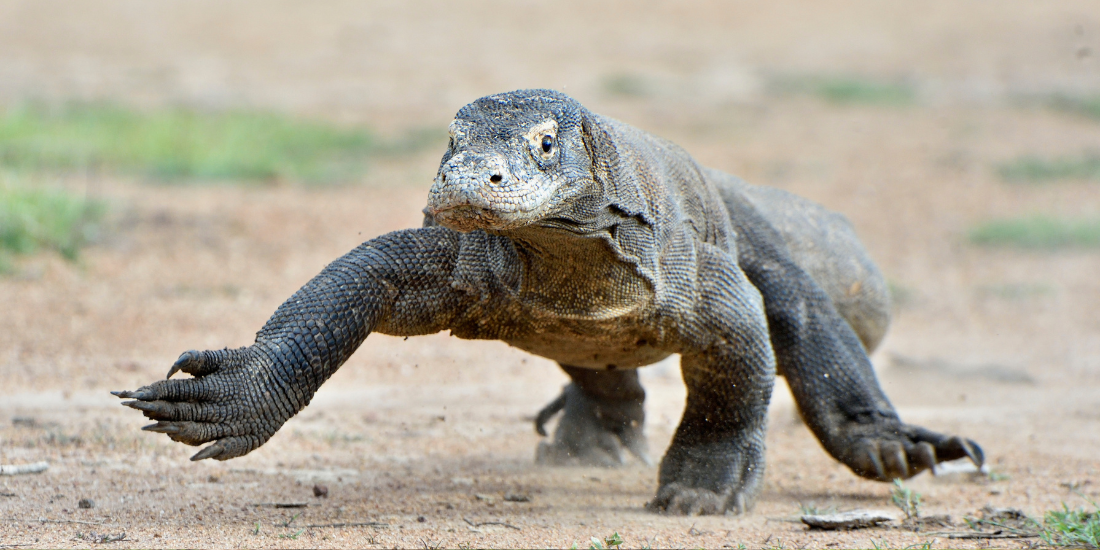
There are few wildlife encounters on Earth that stir the imagination quite like coming face-to-face with a Komodo dragon. These prehistoric giants, with their armored scales, muscular frames, and slow, deliberate movements, rule over the rugged, sun-scorched islands of Indonesia like living relics from another age. Watching one emerge from the undergrowth or bask in the heat of the day feels like witnessing a real-life dragon rising from the pages of myth and legend.
But getting to the house of the dragon (get it !) isn’t as simple as booking a weekend getaway. The Komodo dragons are found only on a handful of remote islands in Indonesia’s Lesser Sunda chain, with Komodo Island and Rinca Island being the most famous hunting grounds for travelers hoping to spot them. The journey often involves multiple flights, a boat transfer, and a fair bit of time and patience. Yet for many, that’s part of the adventure. The remoteness adds to the magic. Each step — from dusty trails to mangrove-fringed shorelines — builds anticipation for that first dragon sighting, when suddenly the bush stirs and a giant reptile lumbers into view.
With a bit of planning (and a good sense of adventure), this once-in-a-lifetime wildlife encounter is more accessible than you might think. Whether you’re a photographer chasing that iconic shot, a nature lover ticking off a bucket list species, or simply someone drawn by the primal thrill of walking in dragon territory, here’s everything you need to know to reach and explore the volcanic islands that these legendary predators call home.
About Komodo Dragons:
Let’s clear one thing up right away—Komodo dragons don’t breathe fire and they won’t whisk you off to Westeros. But they’re still worthy of the name. These are the world’s largest living lizards, growing up to 3 meters (10 feet) long and weighing over 70 kilograms (150 pounds). With muscular tails, razor-sharp claws, and a mouth full of bacteria-laced teeth, Komodo dragons are apex predators who command both respect and caution.
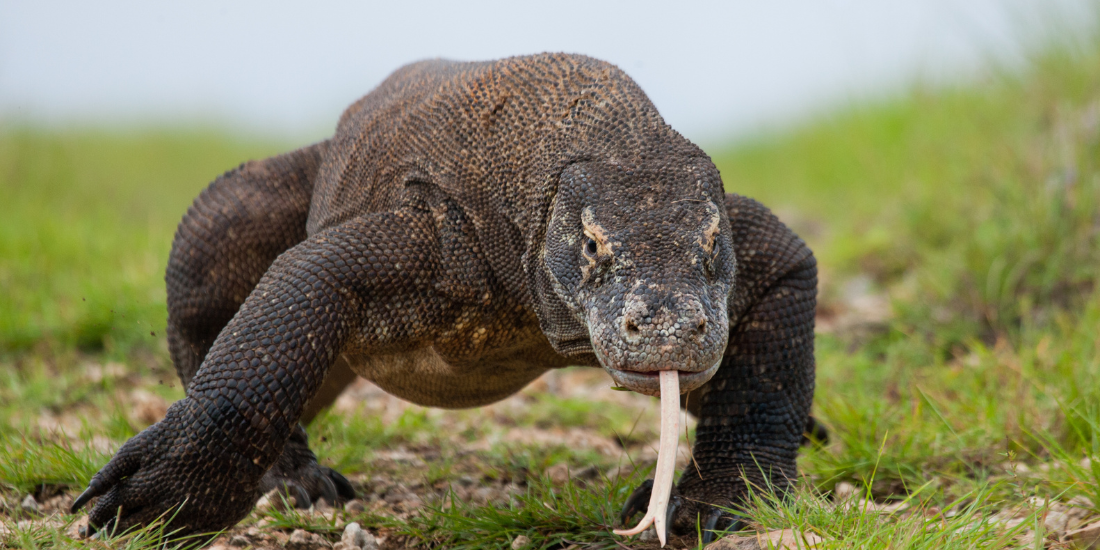
Komodos are ambush hunters, known to lie in wait for unsuspecting deer, buffalo, or even the occasional monkey. When they strike, it’s fast, powerful, and surprisingly stealthy for something that looks like a dinosaur cosplay. Their bite delivers both trauma and infection, and in recent years scientists discovered that their saliva actually contains mild venom. Forget “How to Train Your Dragon”—this is strictly “How Not to Get Eaten by One.”
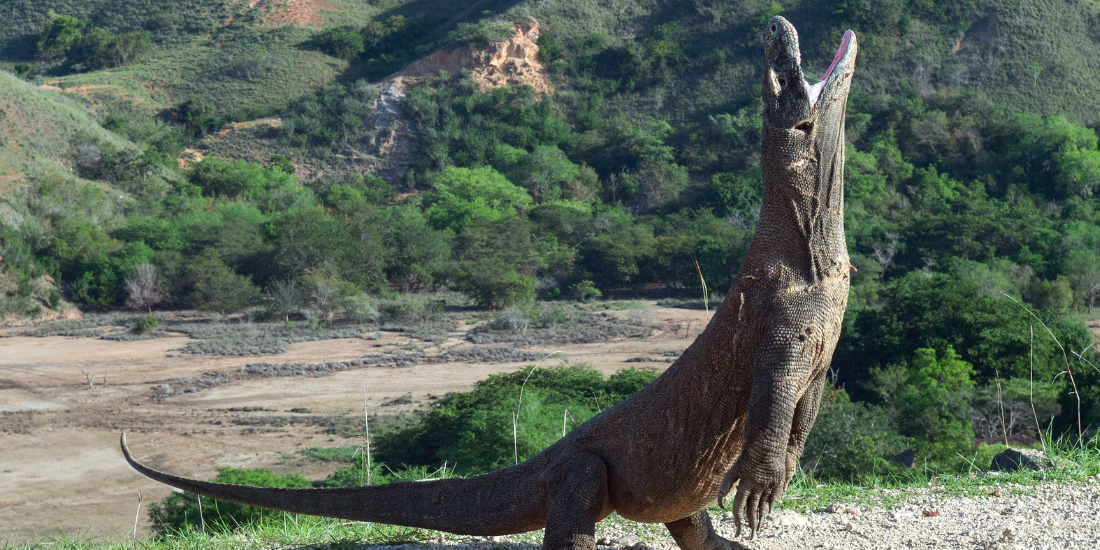
They also play a crucial role in the island ecosystem, acting as both predator and scavenger. With their acute sense of smell, they can track a dying animal from several kilometers away. Watching them feed is a primal, almost Jurassic Park-like experience—equal parts thrilling and terrifying. And while they’re known for their brute strength, they also have moments of surprising laziness, spending long hours snoozing in the shade, conserving energy for their next ambush.
Where Komodo Dragons Are Found:
These dragons don’t roam all over Indonesia—they stick to a few remote islands that are part of Komodo National Park, a UNESCO World Heritage Site. The three main islands where you’ll find them are Komodo Island, Rinca Island, and (less commonly) Padar Island. Komodo Island is the largest and most famous, but Rinca is often said to have more frequent dragon sightings due to its denser population.
You’ll also find smaller groups of dragons scattered across nearby islands like Gili Motang and Nusa Kode, but these require more specialized trips to reach. The limited distribution of Komodo dragons adds to their mythical status—seeing one in the wild feels rare because, well, it is.
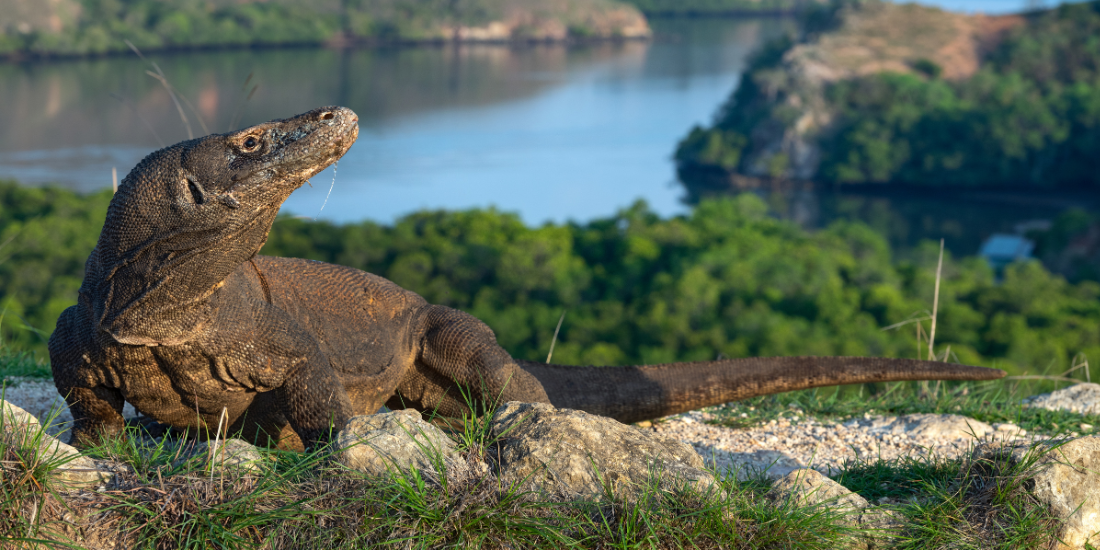
What makes these islands especially magical is their rugged, untamed beauty. Think savannah grasslands, steep hillsides, and remote beaches—all set against the backdrop of volcanic peaks and turquoise seas. It’s the kind of place where you half expect to see a dragon take flight (don’t worry, they won’t). The isolation of these islands not only protects the dragons but also preserves the raw, natural environment that makes this experience feel like a true expedition.
How to Get There:
First, you’ll need to get yourself to Indonesia. Most international travelers fly into either Bali (Denpasar Airport) or Jakarta. From there, hop on a domestic flight to Labuan Bajo on Flores Island—this small port town is your gateway to Komodo National Park.
Flights from Bali to Labuan Bajo take just over an hour, and several budget airlines like Wings Air, Lion Air, and Garuda Indonesia operate the route daily. Once you’ve landed, the adventure continues by sea. From Labuan Bajo’s harbor, you can board a speedboat for a day trip, join a liveaboard for a multi-day adventure, or charter a private boat if you’re feeling fancy (or channeling your inner Daenerys Targaryen).
Be prepared for some logistics juggling—flight delays, unpredictable ferry schedules, and last-minute changes are part of the territory when you’re traveling to one of the world’s most remote wildlife destinations. But for most travelers, that’s half the fun. This is the kind of trip where your patience gets rewarded with once-in-a-lifetime moments.
Ways to See Them: One-Day Trips vs Multi-Day Adventures:
If you’re short on time (or commitment), one-day speedboat tours are the quickest way to get up close with Komodo dragons. These typically depart early from Labuan Bajo and take you to either Komodo Island or Rinca Island, with stops at places like Pink Beach or Manta Point for snorkeling along the way. It’s fast, action-packed, and great for travelers with limited schedules.
For a deeper, more immersive experience, multi-day liveaboard trips are where it’s at. These floating adventures let you explore multiple islands, visit quieter spots, snorkel at sunrise, and wake up to golden views over volcanic peaks. Multi-day tours usually include guided dragon treks, beach stops, coral reef snorkeling, and sometimes even diving opportunities. Meals and accommodation happen on board, giving you a true sense of being out on the open sea, far from the world of WiFi and traffic lights.
Liveaboard options vary widely, from budget backpacker-style boats with shared bunks to luxury yachts with air conditioning and private ensuite cabins. Some tours also cater to scuba divers, blending Komodo dragon treks with daily underwater adventures. If you’re prone to seasickness, pack the motion sickness meds—you’ll likely be spending long stretches on choppy waters.
Private charter trips are also available for those who want to create their own itinerary, linger longer at certain islands, or enjoy a more intimate group experience. While pricier, private trips offer flexibility and personalized attention—perfect for photographers, families, or small groups of friends on their own dragon quest.
The Dragon Encounter: What to Expect on the Trek
Your dragon tracking experience begins the moment you step off the boat and onto island soil. Before setting off, all visitors are assigned a local park ranger—a fearless dragon whisperer whose job is to keep you safe. Treks range from short 30-minute walks to longer two-hour hikes through dry forest, savannah, and scrubland.
Komodo dragons are masters of camouflage. One moment you’re staring at a pile of rocks, and the next you realize the rocks have teeth and are staring back. Rangers carry forked sticks to help fend off overly curious dragons, but attacks on tourists are very rare thanks to these guides’ experience. Expect to see dragons basking in the sun near the ranger stations or lurking near water holes deeper into the park.
Aside from dragons, keep your eyes peeled for wild boar, deer, and a variety of bird species, including the stunning yellow-crested cockatoo. The terrain can be dusty and uneven, so wear sturdy shoes and be prepared for some uphill climbs if you opt for the longer treks. Your reward? That magical, slightly terrifying moment when a dragon lumbers across your path like it owns the place—because it does.
Health, Safety, and Ethical Tips for Seeing Komodo Dragons:
This isn’t a petting zoo. These are wild, territorial, meat-eating lizards with zero fear of humans. Always follow your ranger’s instructions. Stay in the group, never crouch close for photos, and absolutely do not wander off the trail. Keep a safe distance (usually 5 to 10 meters), and remember—dragons can sprint up to 20 km/h over short distances if provoked.
Women who are menstruating are advised to inform their guide beforehand, as dragons have a keen sense of smell and can detect blood from impressive distances. Closed shoes, sun protection, and plenty of water are essential. And on the ethical side: stick to designated trails, don’t litter, and never, ever feed the wildlife. Conservation here is serious business.
For those with medical conditions or mobility issues, it’s worth discussing your situation with your tour operator beforehand. Some of the treks involve uneven terrain, and there’s little in the way of modern medical facilities once you’re out in the park. Travel insurance with emergency evacuation coverage is highly recommended.
Best Time to Visit:
The dry season, from April to November, is the best time to visit. Expect blue skies, calm seas, and better chances of spotting dragons out sunning themselves. July and August are peak tourist months, so book early if traveling then.
March and April offer a quieter experience right after the rainy season, while September to November is considered one of the best times for diving and snorkeling thanks to excellent water visibility and fewer crowds. Keep in mind that the dragons’ mating season runs from July to August, and nesting season follows from September to November—meaning the larger dragons may be less visible, but with luck, you’ll catch some interesting behavioral displays.
The wet season from December to March brings heavy rains and choppy seas, which can disrupt travel plans. While some operators still run tours during this time, cancellations and delays are more common. If you’re prone to seasickness or hoping for crystal-clear snorkeling conditions, the dry season is definitely your best bet.
Cost and Budget Tips:
Seeing Komodo dragons doesn’t have to drain your treasure chest, but it’s not bargain-basement travel either. Flights from Bali to Labuan Bajo start at around $50 to $150 USD one-way depending on the airline and season. One-day tours range from $70 to $150 per person, not including national park fees.
Multi-day liveaboard trips start at around $300 for basic backpacker-style boats and can climb to $1,000 or more for more luxurious options with air conditioning, private cabins, and gourmet meals. Entrance fees to Komodo National Park are around $20 to $25 for foreign visitors, plus additional fees for snorkeling, trekking, or diving. Budget extra for tips, marine fees, and dragon ranger guides.
Food in Labuan Bajo ranges from cheap warungs (local food stalls) offering $2 nasi goreng to upscale seafood restaurants with sunset views. Accommodation spans everything from $10 hostel dorms to $300 luxury villas, giving travelers on all budgets a chance to experience the magic of Komodo.
Where to Stay in and Around Labuan Bajo:
Labuan Bajo has evolved from a sleepy fishing village into a buzzing traveler hub. Accommodation ranges from $10 hostel dorms to luxury cliffside resorts with infinity pools and sunset views that could give Santorini a run for its money.
For budget travelers, places like Ciao Hostel or Le Pirate offer affordable stays with social vibes. Mid-range travelers might enjoy Seaesta Hotel with its rooftop pool and live music nights. For a splurge, AYANA Komodo Resort or Sudamala Resort deliver serious tropical luxury with private beaches and overwater dining. Staying an extra night or two is highly recommended to explore the town, sample fresh seafood, and soak up those Flores sunsets.
Most hotels can help organize day trips and tours to the islands, and many offer convenient airport transfers. If you want the ultimate adventure, consider booking a few nights onboard a liveaboard boat—waking up to sunrise over Komodo’s misty peaks is a memory you won’t forget.
Other Highlights of a Komodo National Park Trip:
Tracking dragons might be your main quest, but Komodo National Park has a few bonus levels worth unlocking. Pink Beach is one of the most Instagrammable spots in the region, with rose-tinted sand created by crushed red coral blending with white sand.
Snorkeling with manta rays at Manta Point is another must-do—gliding alongside these gentle giants is as magical as it sounds. Padar Island offers a short but steep hike to one of Indonesia’s most iconic panoramic viewpoints, with sweeping views over multiple crescent-shaped bays. And if you’re into scuba diving, Komodo is world-renowned for its marine biodiversity. Sites like Batu Bolong and Castle Rock are famous for drift dives, vibrant coral walls, and everything from reef sharks to sea turtles.
Other must-see stops include Kanawa Island for laid-back beach vibes and Kalong Island for a sunset spectacle as thousands of flying foxes take to the skies. Whether you’re in it for dragons, reefs, or photo-worthy landscapes, Komodo delivers adventure at every turn.
Final Tips for an Epic Komodo Dragon Adventure:
Book your tours and accommodation in advance, especially during the high season. Bring reef-safe sunscreen, a dry bag for electronics, and sturdy walking shoes for the treks. Motion sickness tablets can help for bumpy boat rides, and always carry cash, as many places in Labuan Bajo still operate on a cash-only basis.
If you’re planning to snorkel or dive, bring your own mask and fins if possible—rental gear can be hit or miss. And don’t forget to pack a sense of humor and flexibility. With dragons, waves, and the occasional logistical hiccup, your Komodo adventure will definitely be one for the storybooks.
Most importantly—embrace the unpredictability. This is dragon territory, after all. Whether you’re channeling your inner naturalist, a Game of Thrones fan, or just here for the epic wildlife shots, a trip to Komodo National Park is a story you’ll be telling for years to come.