Trekking to the Lost City – Walking the Salkantay trail to Machu Picchu
If the classic Inca Trail is the celebrity of Peru’s trekking world (complete with permits that sell out months in advance), then the Salkantay Trek is its cooler, slightly wilder indie cousin. Less crowded, more rugged, and packed with dramatic mountain passes and cloud forest descents, the Salkantay route delivers all the jaw-dropping Andean scenery you could hope for—without the same level of advance planning stress.
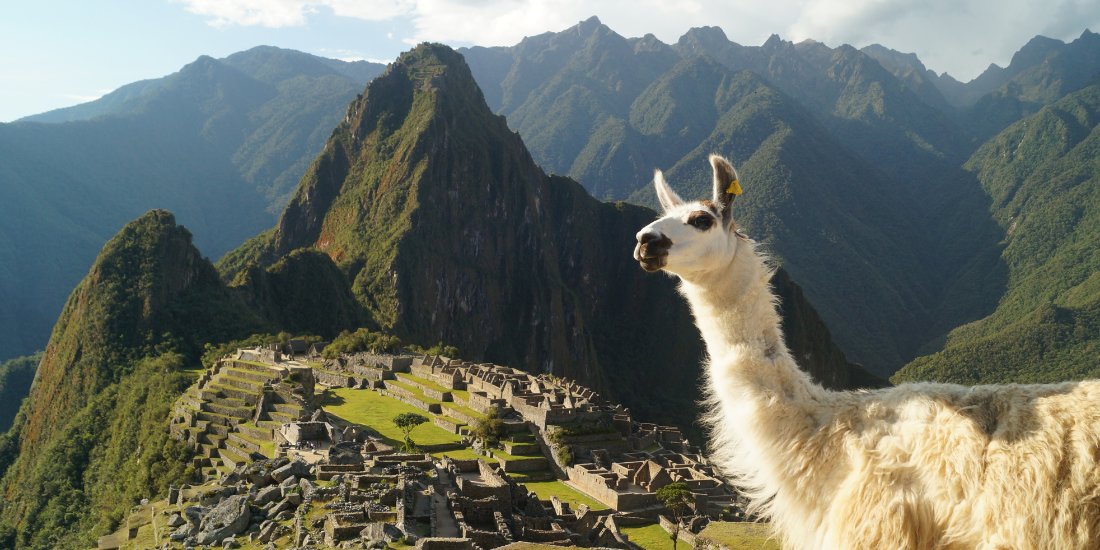
This is the kind of hike where you’ll wake up with snowy peaks outside your tent, cross over 4,600-meter passes, spot llamas casually chewing scenery, and finish with one of the world’s most iconic sunrises over Machu Picchu. Whether you’re a seasoned trekker or just someone with a good pair of hiking boots and a stubborn sense of determination, this adventure delivers on every level.
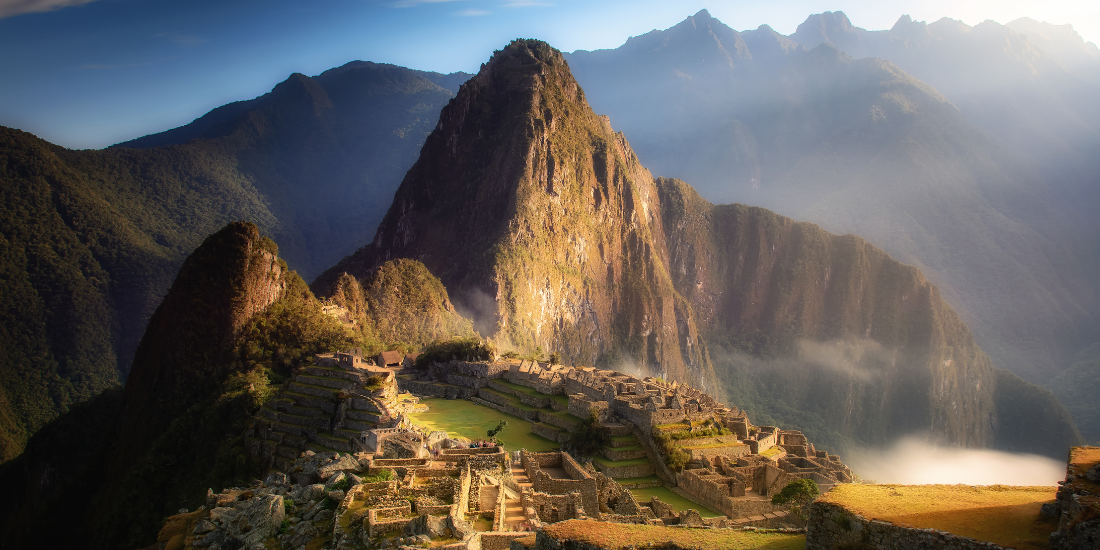
Machu Picchu is the crown jewel of Peru and one of the most famous archaeological sites on the planet. Built in the 15th century by the Inca Empire and abandoned just a century later, this ancient city remained hidden from the outside world until its rediscovery by Hiram Bingham in 1911. Today, it stands as a UNESCO World Heritage Site and a symbol of Incan engineering, perched high in the Andes at 2,430 meters (7,970 feet).
The site itself is a labyrinth of stone terraces, temples, palaces, and astronomical observatories. Surrounded by steep, lush green mountains and often cloaked in mist, Machu Picchu looks like something lifted straight out of a fantasy novel. Whether you’re a history nerd, a photography enthusiast, or someone who just loves a good mystery, this place delivers.
What’s the Salkantay Trek?
The Salkantay Trek is a 5‑day, 4‑night hike that takes you through Peru’s Andes, starting near the small town of Mollepata and finishing at Aguas Calientes, the gateway to Machu Picchu. It’s roughly 72 kilometers (45 miles) of hiking, with high-altitude passes, cloud forests, lush valleys, and hot springs thrown in for good measure.
Unlike the Inca Trail, you don’t need a government permit for Salkantay, making it a great last-minute option for those who missed the Inca Trail lottery. Most people book through a trekking company that provides guides, cooks, porters, and camping gear—or increasingly, “glamping” options with cozy mountain lodges and hot showers (yes, really).
One of the best things about the Salkantay Trek is the sheer variety of landscapes. You’ll start in high-altitude alpine zones surrounded by snowy peaks, descend through cloud forests dripping with moss and orchids, and end your journey in tropical jungle terrain. If you’re after diversity, solitude, and a physical challenge with a huge payoff at the end, Salkantay ticks all the boxes.
Macchu PIcchu
Macchu PIcchu
Day by Day Breakdown
Day 1: kicks off with an early morning drive from Cusco to the trailhead at Challacancha. From there, it’s a relatively gentle start, hiking past traditional villages and terraced farmlands. By afternoon, you’ll arrive at Soraypampa, your first campsite at 3,900 meters (12,795 feet). If you’ve still got energy, an optional side hike up to Humantay Lake rewards you with electric-blue glacial waters and some serious Instagram clout.
Day 2: is where things get real. You’ll tackle the Salkantay Pass—standing proud at 4,630 meters (15,190 feet)—making it the highest point of the trek. The climb is challenging, with switchbacks and thinning air, but reaching the top feels like something straight out of a Patagonia ad. From the summit, the landscape flips dramatically, and you’ll descend into the warmer, greener cloud forest zone by nightfall, camping at Chaullay.
Day 3: brings you deeper into the jungle, with the trail winding through banana plantations, waterfalls, and coffee farms. The air gets thicker, the plants get greener, and your legs start to feel both exhausted and weirdly powerful. Many groups overnight in Lucmabamba, where you can tour a local coffee plantation and sample fresh brews straight from the source.
Day 4: gives you one final taste of Inca history with a hike along an original section of Inca Trail leading to Llactapata ruins—a fantastic, crowd-free viewpoint of Machu Picchu across the valley. The day ends with a descent into the hydroelectric station area, followed by a flat (but long) walk to Aguas Calientes, where you’ll trade sleeping bags for hotels and, if you’re smart, book yourself a celebratory pizza and a cold Cusqueña beer.
Day 5: is Machu Picchu day. Most trekkers catch the early bus up the hill for that classic sunrise view through the Sun Gate. Spend the day exploring the ruins, posing on terraces, and marveling at how on earth the Incas pulled this whole thing off with no modern tools.
When to Go
Dry season runs from April to October and offers the best trekking conditions—think clear skies, chilly nights, and sunshine-filled days. June through August is peak season, so expect more hikers on the trail (though Salkantay is still much quieter than the Inca Trail).
Wet season (November to March) turns the trail muddy and increases your chances of afternoon downpours. While some operators still run treks during this time, it’s really only recommended for die-hard hikers with good rain gear and zero fear of slipping in the mud.
Visas and Entry Requirements
Most travelers from North America, Europe, and many other regions can enter Peru visa-free for up to 90 days. Just make sure your passport is valid for at least six months beyond your arrival date.
You don’t need a special permit for the Salkantay Trek, but you will need a pre-booked ticket for Machu Picchu. Your tour operator will usually handle this, but if you’re DIY-ing, book your entrance tickets and train tickets from Aguas Calientes to Cusco well in advance.
Macchu Picchu
Macchu Picchu
Booking and Choosing a Trekking Company
There are dozens of tour operators offering Salkantay packages, ranging from bare-bones backpacker setups to full-on luxury lodge-to-lodge experiences. Prices range from around $250 USD for budget camping treks to over $1,000 USD for the glamping-style lodge treks.
When choosing a company, look for ones with good reviews, experienced guides, and clear information about what’s included (meals, entrance fees, train tickets, etc.). Ask about group sizes—smaller groups often mean a better experience—and check if they provide horses for carrying bags, which can be a huge help on long uphill stretches.
Top Tips for the Salkantay Trek
Acclimatize in Cusco for at least two days before starting the trek to avoid altitude sickness. Bring cash for tips, snacks, and small purchases along the way—there are a few small villages where you can buy drinks and treats, but don’t count on ATMs.
Layer your clothing. Mornings and nights are freezing, but afternoons in the jungle can be hot and sweaty. A good rain jacket is essential year-round. Pack strong sunscreen and bug spray—the sun and mosquitoes both mean business here.
Invest in decent hiking boots with ankle support. Blisters halfway through the Andes are not fun. And don’t forget a headlamp for midnight bathroom runs at camp.
Photography and Photo Spots
Day 2 at the Salkantay Pass is peak photo moment, with jagged peaks and snow-capped views in every direction. Humantay Lake on Day 1 is Instagram gold, especially if you catch it in morning light when the water glows electric blue.
The cloud forest section on Days 3 and 4 offers lush jungle shots, misty mountains, and (with luck) sightings of hummingbirds and colorful orchids. Llactapata ruins give you that rare wide-angle shot of Machu Picchu from a distance—without hundreds of tourists in the frame.
And of course, save your camera battery for Machu Picchu itself. Early morning fog rolling off the terraces makes for dramatic shots, but late morning offers better light for detailed photos of the stonework. Either way, you’ll want wide shots, close-ups, and probably a cheesy victory pose with arms in the air.
Machu Picchu
Machu Picchu
Overview of Machu Picchu: The Grand Finale
After four tough days of trekking, reaching Machu Picchu feels like a dream come true. The Lost City of the Incas sits cradled between dramatic peaks, with stone terraces, temples, and stairways that seem to defy gravity and logic.
Spend at least a few hours exploring key sites like the Sun Temple, the Intihuatana stone, and the Temple of the Three Windows. If you’ve pre-booked an extra permit, consider hiking Huayna Picchu or Machu Picchu Mountain for bird’s‑eye views.
If you’re hoping for that classic sunrise shot, catch one of the first buses from Aguas Calientes up to the main entrance. The morning fog often creates a mysterious, ethereal atmosphere that slowly lifts to reveal the ruins below. It’s hard not to get a little emotional as you take in the view—especially knowing you’ve earned it step by step.
Beyond the iconic viewpoints, take time to wander off to the lesser-visited corners of the site. The Inca Bridge and the Sun Gate both offer excellent hikes and a break from the main tourist crowds. With its steep staircases, perfectly fitted stonework, and panoramic mountain vistas, every corner of Machu Picchu seems designed for dramatic photos and quiet moments of awe.
Don’t forget to stop, breathe, and take in the scale of where you are—surrounded by history, jungle, and the remains of one of the most remarkable civilizations the world has ever known.
Final Thoughts: Why Salkantay is More Than Just a Backup Plan
While the Inca Trail gets most of the glory, the Salkantay Trek offers a wilder, more varied, and equally rewarding path to Machu Picchu. With fewer crowds, more dramatic scenery changes, and the same legendary finish line, it’s an adventure that’s both physically demanding and emotionally unforgettable.
So lace up your boots, pack your sense of humor, and get ready to walk your way through cloud forests, high passes, and history—one epic step at a time.