Top 10 Tips for Visiting Madagascar: Lemurs, Safety, and Everything In Between
Planning a trip to Madagascar? Good choice. This island isn’t just a speck off the coast of Africa—it’s a world unto itself. Think Jurassic Park meets a David Attenborough documentary, with just a dash of French flair and a pinch of “what on Earth is that creature?” From giant-eyed lemurs to forests that look like they belong on another planet, Madagascar is full of surprises—and navigating it takes a little know-how.
To help you make the most of your adventure (and avoid rookie mistakes), here are 10 essential tips every traveler should know before diving headfirst into this magical, slightly chaotic paradise.
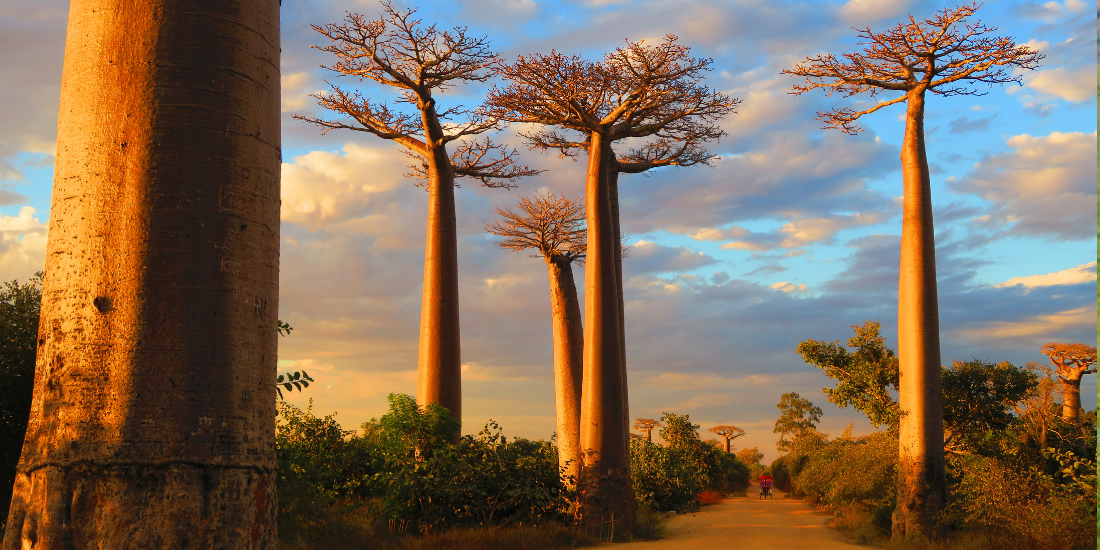
1. Embrace the Weird and Wonderful Madagascar isn’t your average tropical getaway. It’s an island of evolutionary oddballs—lemurs that leap like ballerinas, baobabs that look like they were planted upside down, and chameleons that change color like it’s their day job. Expect the unexpected, and you’ll fall in love with its quirks.
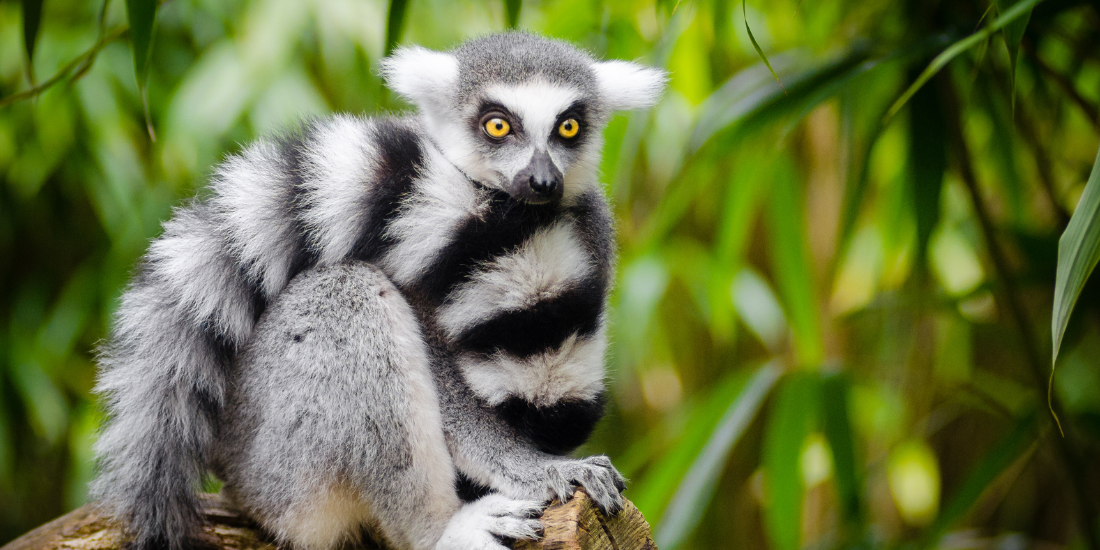
Nearly 90% of its wildlife exists nowhere else on Earth, so don’t be surprised if you’re gawking at a bug-eyed aye-aye or dancing sifaka and thinking, “Is this real life?” Yes, yes it is. Madagascar is like nature’s secret experiment gone wild.
2. Wildlife Watching Needs Patience—and a Guide Want to see lemurs up close or find that tiny leaf-tailed gecko hiding in plain sight? You’ll need a local guide. Not only do they know where the animals are, but they’ll help you spot species you wouldn’t believe were right in front of your face.
Guided night walks are especially rewarding—you’ll hear rustling, glowing eyes, and the nocturnal world waking up. Bring binoculars, a good zoom lens, and a sense of wonder. And don’t forget to ask your guide about conservation projects—they’re often directly involved.
Madagascar
Madagascar
3. Safety First—Don’t Be a Target Madagascar is generally safe, but petty theft and scams can happen, especially in cities like Antananarivo. Keep your valuables out of sight, avoid walking alone at night, and skip flashing your latest tech around.
If you’re taking a taxi or tuk-tuk, agree on the price beforehand. Watch your bag in crowded markets. And while the countryside is peaceful, it’s best to stick with reputable accommodations and hire drivers or guides who come recommended.
4. Timing is Everything—When to Go The best time to visit is during the dry season from May to October. This is when lemurs are most active, roads are more passable, and the risk of cyclones drops to almost zero. June and July are especially lovely—lush landscapes, cooler temps, and great wildlife sightings.
The wet season (November to April) turns many roads to mush, some parks close, and the humidity skyrockets. If you’re a hardcore herper or birdwatcher, though, this is when you’ll see breeding activity and vibrant species.
Madagascar
Madagascar
5. Travel Takes Time—And Then Some Madagascar looks small on a map, but distances are deceptive. Roads are rough, traffic is unpredictable, and delays are inevitable. A 200-kilometer drive can easily take 8+ hours. Plan accordingly.
Flying between regions is often the most efficient option, especially if you’re tight on time. Domestic airlines like Tsaradia are your best bet—but book early, and confirm your flights (and re-confirm). Patience is not optional in Madagascar—it’s essential.
6. Pack for the Planet—And for Practicality You’ll want lightweight clothing for hot days, a warm layer for chilly highlands, and solid hiking shoes for park treks. Add sunscreen, insect repellent, and a good first aid kit to your essentials. Wet wipes, headlamps, and power banks also come in handy.
Bring cash—ATMs are scarce outside major towns and don’t always work. Euros are widely accepted, and small denominations are useful. Oh, and pack a sense of humor—things won’t always go to plan, and that’s part of the charm.
Madagascar
Madagascar
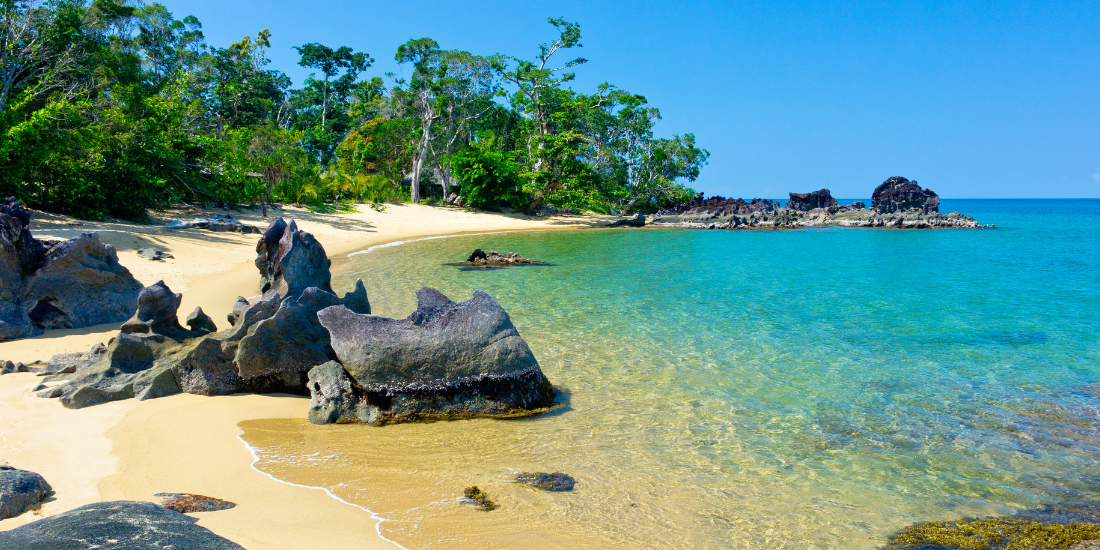
7. Where to Go for Lemurs, Beaches, and Beyond If you want to hang out with lemurs, head to Andasibe-Mantadia or Ranomafana National Park. For spiny forests and alien landscapes, go south to Ifaty or Berenty. And for beach bliss, Nosy Be and Île Sainte-Marie are your tropical dreams come true.
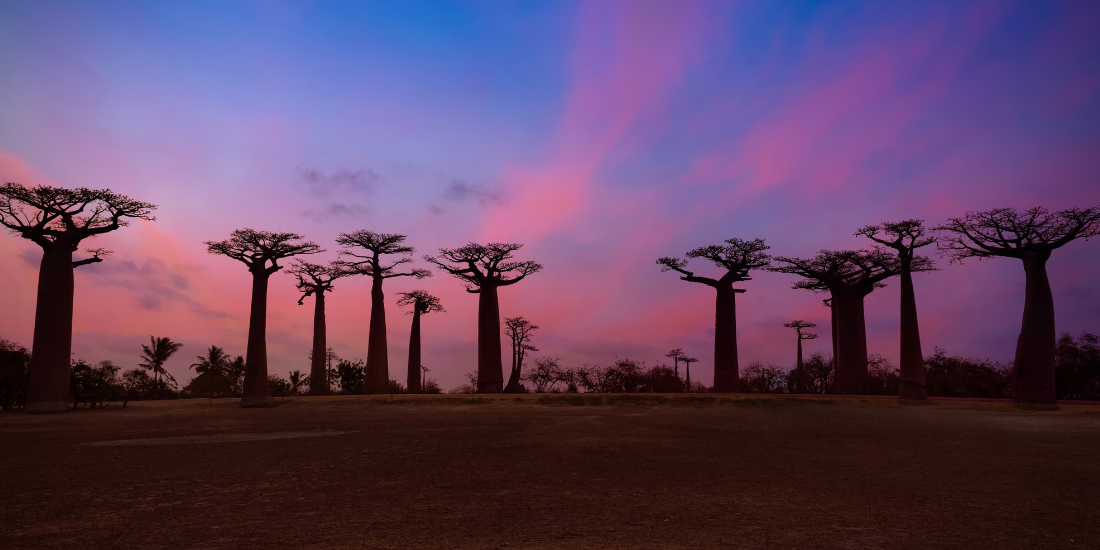
The Avenue of the Baobabs is an Instagrammer’s pilgrimage, while Tsingy de Bemaraha (if you survive the journey there) rewards with limestone cathedrals straight out of a fantasy novel. Choose 2–3 regions and explore deeply—don’t try to do it all in one go.
8. Food: Unexpectedly Good and Very French Malagasy cuisine is a mix of French, African, and Southeast Asian influences. You’ll find zebu steak, coconut curries, and shockingly good baguettes in even the smallest towns. Roadside snacks like mofo (fried dough balls) are addictive, and fresh fruit is everywhere.
Just be careful with uncooked veggies, tap water, and anything that looks like it’s been sitting in the sun too long. If in doubt, go for the grilled option and chase it with a shot of local rhum arrangé. Your stomach will thank you.
Madagascar
Madagascar
9. Respect the Culture—and the Fady Madagascar is a mosaic of tribal traditions, and many regions have “fady”—taboos that vary from place to place. These might include not pointing at tombs, not wearing red, or not entering sacred forests without permission.
Always ask your guide about local customs, and when in doubt, err on the side of respect. A smile, a “misaotra” (thank you), and a small gift go a long way. The Malagasy people are warm, welcoming, and proud of their heritage—being a respectful traveler opens doors to deeper connections.
10. This is Not a Quick Trip—Savor It Madagascar rewards slow travel. The more time you spend, the more it reveals—hidden waterfalls, impromptu music, late-night lemur calls, and sunsets that stop you in your tracks. It’s not about ticking boxes; it’s about soaking it all in.
So take that extra day in the rainforest. Stop for a dusty roadside soccer game. Linger over coffee in a tiny village. Because in Madagascar, the best stories come from the unplanned moments—and the more open you are to the unexpected, the more magical your adventure will be.
Lemurs, baobabs, beaches, and a little chaos: Madagascar isn’t just a destination—it’s a beautifully strange experience. And once you’ve felt it, it’s not one you’ll ever forget.