


Overview: Nestled in the heart of Beijing, the Forbidden City stands as one of the world’s most magnificent palatial complexes and a symbol of China’s imperial grandeur. For nearly 500 years, from the Ming to the Qing dynasty, it served as the exclusive residence of emperors and the political center of Chinese power. Its vast scale, intricate architecture, and rich history embody the zenith of traditional Chinese design and governance. Walking through its gates is like stepping back into a world of emperors, courtiers, and timeless ceremony.
This UNESCO World Heritage Site is more than a collection of buildings—it’s a sprawling city within a city, encompassing nearly 1,000 surviving structures, grand halls, serene courtyards, and ornate gardens. Its harmonious layout, aligned with ancient cosmological principles, reflects the philosophy, power, and culture of imperial China.
Where: Located in Beijing’s city center, the Forbidden City is adjacent to Tiananmen Square and easily accessible by public transport.
Top Highlights
Meridian Gate (Wu Men): The grand southern entrance to the Forbidden City, the Meridian Gate is the first impressive sight. Its towering structure and imposing presence once regulated imperial access, symbolizing the power held within.
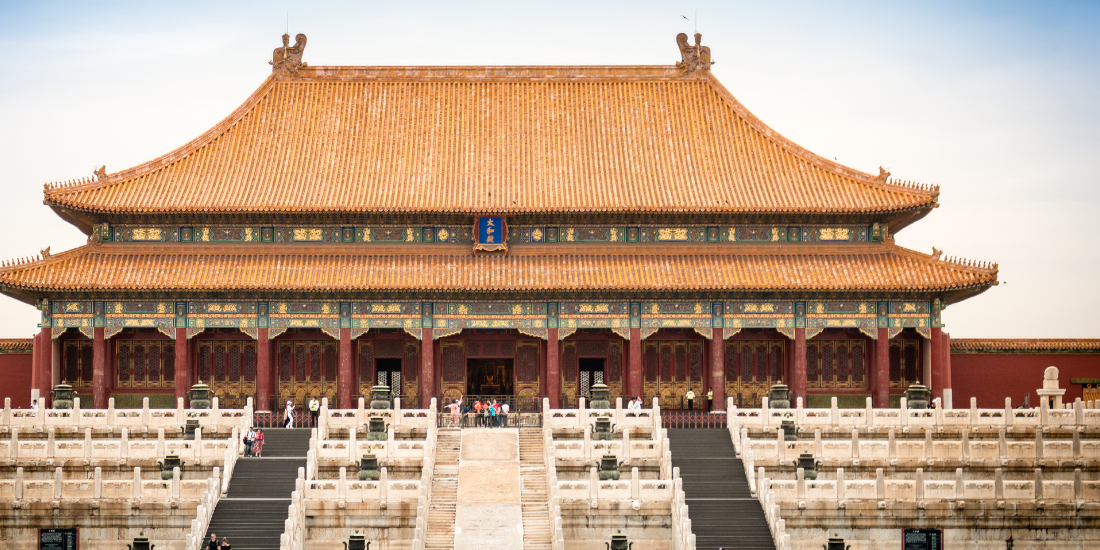
Hall of Supreme Harmony (Taihe Dian): The largest and most important building in the complex, this majestic hall was the throne room where emperors held court and major ceremonies took place. Its vibrant red columns, golden roofs, and intricate dragon motifs are a breathtaking display of imperial might.
Palace of Heavenly Purity (Qianqing Gong): Once the emperor’s residence, this palace offers insight into the private life of China’s rulers. It features beautifully preserved interiors and artifacts, reflecting both grandeur and domesticity.
Imperial Garden: A tranquil oasis nestled at the northern end of the complex, the Imperial Garden provides a peaceful retreat with ancient pines, rockeries, ornate pavilions, and seasonal blossoms. It showcases traditional Chinese garden design, balancing natural and architectural beauty.
Nine Dragon Screen: One of only three surviving screens in China, this glazed tile wall depicts nine powerful dragons swirling through clouds. It’s a vibrant example of imperial symbolism designed to protect the palace.
The Inner Court: Explore the emperor’s living quarters, concubines’ residences, and administrative offices. These areas reveal the intricate hierarchy and daily rhythms of life inside the palace walls.
Treasure and Clock Exhibitions: The Forbidden City houses impressive collections of imperial treasures, including ancient timepieces, ceramics, and artworks that illustrate the wealth and craftsmanship of the dynasties.
Practical Tips: Allocate at least half a day to explore thoroughly. Wear comfortable shoes—the complex is vast, with many walking paths. Audio guides or a knowledgeable tour guide can greatly enhance your understanding of the history and symbolism. Avoid peak hours to enjoy a quieter experience.
Cost: Entry tickets typically cost around 60 CNY (~$9 USD) depending on the season, with discounts for students and seniors. Additional fees may apply for special exhibitions or guided tours.
Iconic Photo Spot: The view from the central axis looking north through the Meridian Gate and Hall of Supreme Harmony captures the essence of the Forbidden City’s grandeur and symmetry. Another favorite is the Nine Dragon Screen, with its vivid colors and intricate detail.
Final Word: The Forbidden City is not just a museum—it’s the preserved heartbeat of imperial China. Its grand halls, intricate details, and storied past invite visitors to immerse themselves in a world of ancient power, artistry, and culture that shaped the course of Chinese history for centuries.