
The 25 Best Things to do in South America
1.) Christ the Redeemer Chronicles: Embracing the Majesty of Rio de Janeiro

Overview: Towering high above Rio de Janeiro, Christ the Redeemer is both a spiritual symbol and an architectural marvel, perched atop the 700-meter peak of Corcovado Mountain. The iconic statue, with its outstretched arms embracing the city below, has become a defining image of Brazil and a beacon for travelers seeking awe-inspiring vistas and cultural immersion. Visitors are struck not only by the monument’s grandeur but also by the panoramic sweep of Rio’s landscapes—golden beaches, verdant hills, and sprawling urban life set against the deep blue Atlantic.
Beyond its monumental presence, the journey to Christ the Redeemer offers an intimate connection with Rio’s natural beauty and cultural vibrancy. The ride or hike up Corcovado reveals dense rainforest, hidden trails, and local flora and fauna, while the summit provides a serene space to reflect upon the city’s contrasts and rhythms. From sunrise to sunset, the interplay of light, mist, and mountains creates a dynamic stage where the statue and the city below form a tableau that feels both timeless and alive.
Where: Christ the Redeemer sits atop Corcovado Mountain in the Tijuca Forest National Park, Rio de Janeiro, Brazil. Access is typically via the Corcovado Rack Railway, shuttle vans, or guided hikes, all providing scenic approaches through one of the world’s largest urban rainforests.
Top Highlights
The Statue Itself: Standing 30 meters tall with an arm span of 28 meters, the Christ the Redeemer statue is a marvel of engineering and artistry. Made of reinforced concrete and soapstone, it commands awe from every angle, symbolizing peace and welcome while offering one of the most photographed vistas on the planet.
Panoramic Views of Rio: From the summit, gaze across Rio de Janeiro’s iconic landscapes—Copacabana and Ipanema beaches, Sugarloaf Mountain, the sprawling city below, and the vast Atlantic Ocean. The vistas change with the shifting light, providing breathtaking scenes at sunrise, midday, and sunset.
Tijuca Forest Trails: The surrounding Tijuca National Park offers lush trails and hidden viewpoints for hikers seeking adventure and a closer connection with Brazil’s Atlantic rainforest. Spot native birds, monkeys, and orchids while ascending toward the summit.
Sunrise and Sunset Experiences: Early morning visits reward travelers with soft golden light illuminating the statue and the city, often accompanied by a gentle mist. Sunset visits transform the scene into a palette of fiery oranges and purples, reflecting off the ocean and city below.
Corcovado Rack Railway: This historic cog train provides a scenic and comfortable ascent through the forest, offering glimpses of the rainforest and city as it climbs to the summit. The ride itself is a memorable introduction to the natural and urban landscapes surrounding Christ the Redeemer.
Practical Tips: Arrive early to avoid crowds, particularly during peak tourist seasons. Wear comfortable shoes for walking or hiking, bring sunscreen and water, and consider visiting on a clear day for the best views. Photography opportunities are abundant, so ensure cameras or smartphones are fully charged.
Cost: Tickets for the Corcovado Rack Railway or shuttle vans range from $15–$25 USD per person. Guided hikes may cost extra, while entry to the summit viewing area is often included in transport fees.
Iconic Photo Spot: Capture the statue framed against the backdrop of Rio de Janeiro from the front plaza or along the mountain trails. Sunset silhouettes of Christ with the city and ocean beyond provide some of the most dramatic and memorable shots.
Final Word: Christ the Redeemer is more than a statue; it is a symbol of Rio’s grandeur, Brazil’s spirit, and the human desire to create landmarks that inspire awe. The journey to its summit combines natural beauty, urban splendor, and cultural resonance, leaving visitors with a profound sense of wonder and an unforgettable view of one of South America’s most iconic cities.
For a full guide on visiting Christ the Redeemer Click Here.
2.) Patagonian Odyssey: Exploring Perito Moreno Glacier and Torres del Paine
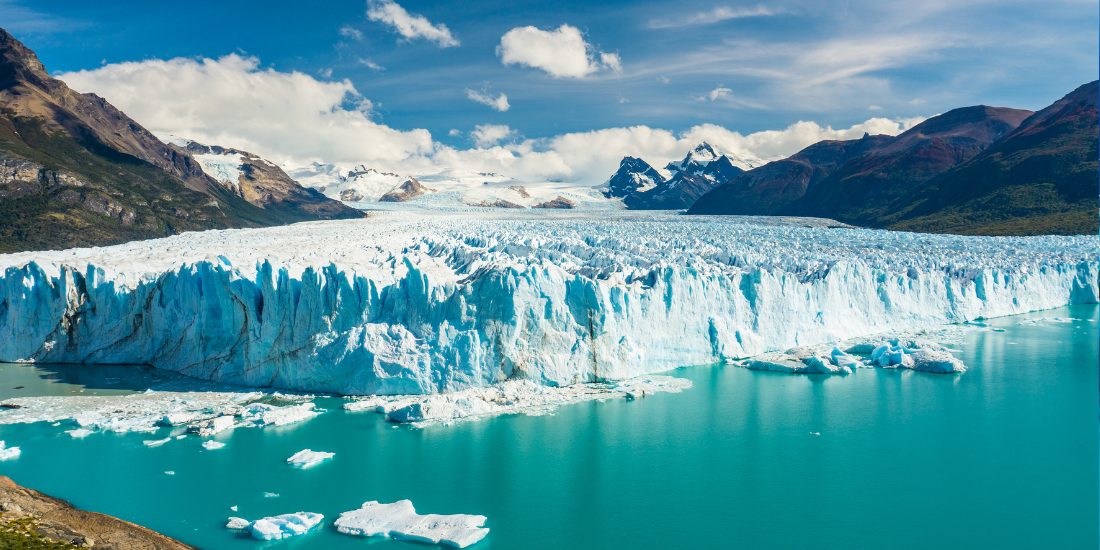
Overview: Patagonia, straddling the southern reaches of Argentina and Chile, is a land of dramatic landscapes, where jagged peaks meet sprawling glaciers, and windswept plains stretch to the horizon. At the heart of this wild region lies Perito Moreno Glacier, one of the most awe-inspiring natural wonders in the world. Towering ice walls, some over 60 meters high, slowly advance and crack, sending thunderous chunks crashing into the waters below—a spectacle of power and beauty that captures the imagination. Visiting Perito Moreno is not just a visual experience; it is an immersion into the sheer scale and majesty of the natural world.
Beyond the glacier, Torres del Paine National Park in Chile offers a complementary panorama of Patagonia’s grandeur. Towering granite spires, turquoise lakes, cascading waterfalls, and windswept steppe create a landscape that is simultaneously serene and untamed. Trekking through the park’s network of trails or cruising along its glacial lakes provides intimate encounters with wildlife such as guanacos, foxes, condors, and the elusive puma. Patagonia is a place where the elements dominate, and every moment in its vast expanses feels charged with both wonder and adventure.
Where: Perito Moreno Glacier is located in Los Glaciares National Park in Argentina’s Santa Cruz Province. Torres del Paine lies just across the border in southern Chilean Patagonia. Both areas are accessible via regional airports in El Calafate (Argentina) and Puerto Natales (Chile), followed by road transfers or guided excursions.
Top Highlights
Perito Moreno Glacier: Witnessing the glacier’s advancing ice walls from designated viewing platforms or via boat tours is a breathtaking experience. The sound of ice calving—massive blocks breaking off and splashing into the lake below—is a visceral reminder of the glacier’s power and movement.
Glacier Trekking: For the adventurous, guided ice trekking across Perito Moreno offers a closer look at crevasses, ice formations, and frozen caves. Specialized crampons and expert guides ensure safety while providing unparalleled access to this frozen wilderness.
Torres del Paine Towers: The iconic granite spires, or “Torres,” are the centerpiece of the park. Hiking to the base of the towers via the challenging W Trek rewards trekkers with panoramic views of the peaks, turquoise lakes, and sweeping Patagonian steppe.
Grey Glacier and Lake: A boat excursion across Lake Grey provides close-up views of the Grey Glacier, where floating icebergs and deep blue ice walls create a striking contrast against the surrounding mountains and sky.
Wildlife Encounters: Both Perito Moreno and Torres del Paine are rich in wildlife. Guanacos graze across the plains, Andean condors soar above cliffs, and river otters and flamingos inhabit lakes and rivers, offering unforgettable moments for nature enthusiasts and photographers.
Photographic Vistas: Dramatic landscapes abound in Patagonia. Capture the glacier from elevated viewing platforms, the Torres at sunrise or sunset, and reflective lakes that mirror the mountains. Every viewpoint is a potential postcard moment.
Practical Tips: Weather in Patagonia is highly variable; dress in layers and prepare for wind, rain, and sun. Comfortable hiking boots, waterproof jackets, and sun protection are essential. Guided tours enhance safety and provide rich context on geology, glaciology, and local ecology.
Cost: Entrance fees for Los Glaciares and Torres del Paine national parks range from $15–$35 USD per person. Glacier trekking or boat tours are additional and can cost $80–$200 USD depending on duration and inclusions.
Iconic Photo Spot: Perito Moreno’s viewing platforms provide classic shots of the glacier with calving ice. In Torres del Paine, sunrise at the Base of the Towers or reflections in Lake Pehoé and Lake Grey offer iconic imagery that captures Patagonia’s raw beauty.
Final Word: Patagonia is a realm where nature’s grandeur is on full display, and visiting Perito Moreno Glacier and Torres del Paine is an unforgettable immersion into this epic landscape. From thunderous icefalls to serene mountain lakes, the region invites travelers to witness, explore, and connect with one of the last great wildernesses on Earth.
3.) Iguazu Falls Expedition: A Symphony of Nature in the Heart of South America

Overview: Iguazu Falls, straddling the border of Argentina and Brazil, is one of the most spectacular waterfalls in the world, a thunderous display of nature’s power and beauty. Stretching nearly three kilometers across the Iguazu River, the falls consist of over 270 cascades that plunge dramatically into the gorge below, creating a mesmerizing spray and a roaring soundtrack that resonates through the surrounding rainforest. The sheer scale and intensity of the falls make visiting Iguazu an awe-inspiring experience, where every viewpoint offers a new perspective on the majesty of this natural wonder.
Beyond the plunging waters, the surrounding subtropical rainforest teems with biodiversity. Exotic birds, butterflies, and wildlife such as coatis and howler monkeys inhabit the lush canopy, making the journey to and from the falls an immersive encounter with South America’s rich ecosystems. Walking the network of trails, bridges, and catwalks allows visitors to explore the falls from multiple angles, each revealing the dynamic interplay of water, rock, and forest. Iguazu is not just a destination; it is a sensory experience that captivates the eyes, ears, and soul.
Where: Iguazu Falls lies on the Iguazu River along the Argentina-Brazil border. The Argentine side is accessed via Puerto Iguazú, while the Brazilian side is reached through Foz do Iguaçu. Both locations are serviced by regional airports and offer well-maintained national park infrastructure.
Top Highlights
Devil’s Throat (Garganta del Diablo): The most dramatic section of the falls, Devil’s Throat is a U‑shaped chasm where multiple cascades converge into a thundering plunge. Observation decks and catwalks allow visitors to feel the mist and hear the roar up close, a breathtaking sensory experience.
Upper and Lower Trails: On the Argentine side, trails lead above and below various falls, providing panoramic vistas and intimate encounters with cascading water. The Lower Trail brings visitors close to the base of several major falls, while the Upper Trail offers sweeping aerial views of the entire system.
Brazilian Side Panoramas: From Brazil, expansive viewpoints frame the full sweep of the falls, perfect for photography and capturing the immense scale of the cascades. The trail network also allows close encounters with the surrounding rainforest and its diverse wildlife.
Boat Adventures: Thrill-seekers can embark on boat tours that bring them directly under select falls, experiencing the raw power of the cascading water. The spray, the sound, and the sheer force of the falls make these excursions unforgettable.
Wildlife Encounters: The national parks on both sides of Iguazu are teeming with life. Spot colorful toucans, vibrant butterflies, coatis scavenging along trails, and capuchin monkeys playing in the trees. Birdwatching and wildlife photography opportunities abound.
Photographic Vistas: Iconic shots include the panoramic view from the Brazilian side, dramatic close-ups along the Argentine catwalks, and aerial perspectives of Devil’s Throat. Sunrise and late afternoon light often provide the most striking contrasts between water, mist, and lush greenery.
Practical Tips: Bring waterproof gear and a rain jacket, as mist from the falls can be intense. Comfortable walking shoes are essential for the trail networks. Early morning visits can avoid crowds, and guided tours provide historical and ecological context. Don’t forget water, sunscreen, and insect repellent.
Cost: Entrance fees to the national parks range from $15–$25 USD per person. Additional activities such as boat rides or helicopter tours are extra, typically $50–$150 USD depending on the duration and experience.
Iconic Photo Spot: Capture the panoramic sweep from the Brazilian viewpoints, the dramatic close-up of Devil’s Throat, and reflections of cascading water in the pools below. Sunrise and sunset light can create spectacular rainbows in the mist, offering unforgettable photographic moments.
Final Word: Iguazu Falls is a masterpiece of nature, a place where water, rock, and rainforest converge to create a symphony of sights and sounds. Experiencing the falls from both Argentine and Brazilian perspectives allows visitors to appreciate the full grandeur of this South American wonder, making it a journey that resonates long after leaving its misty edges.
.
4.) Galápagos Islands Odyssey: A Natural Wonderland Unveiled
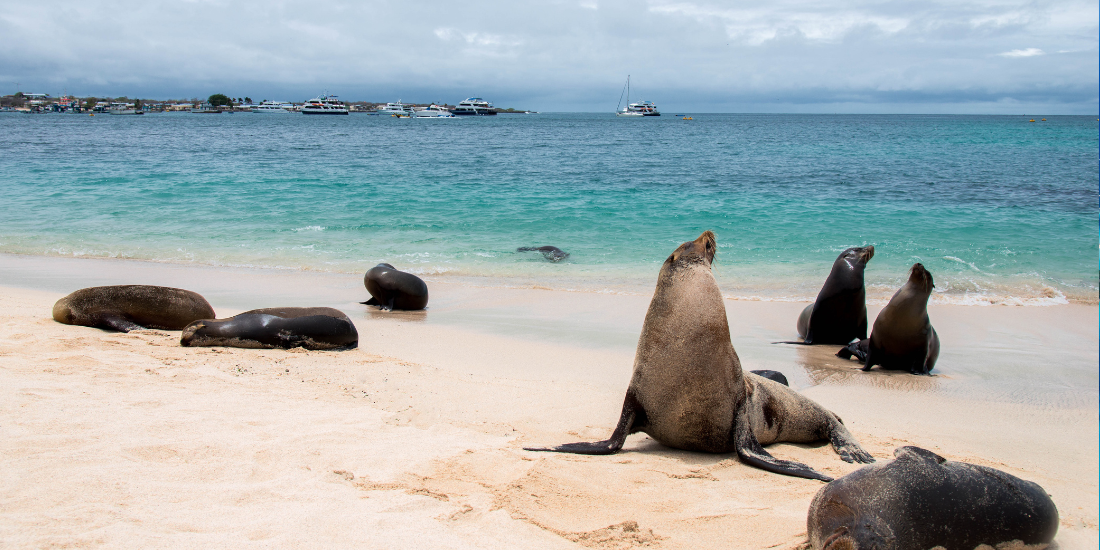
Overview: The Galápagos Islands, scattered across the Pacific Ocean off the coast of Ecuador, are a living laboratory of evolution and biodiversity. Renowned for their unique wildlife, unspoiled landscapes, and volcanic terrain, these islands offer a rare opportunity to witness nature in its purest form. From giant tortoises lumbering across lava fields to marine iguanas sunbathing on rocky shores, the Galápagos provide an intimate encounter with species found nowhere else on Earth.
Beyond the extraordinary wildlife, the islands’ landscapes are equally mesmerizing. Rugged coastlines, pristine beaches, and crystal-clear waters invite exploration, snorkeling, and photography. Volcanic formations and stark lava fields create dramatic backdrops for observing endemic flora and fauna. A journey through the Galápagos is both an ecological adventure and a contemplative experience, where every moment deepens appreciation for the delicate balance of this isolated paradise.
Where: The Galápagos Archipelago lies approximately 1,000 kilometers off Ecuador’s Pacific coast. Key islands include Santa Cruz, Isabela, San Cristóbal, and Floreana, each offering distinct ecosystems and wildlife encounters. Visitors typically arrive via flights from Quito or Guayaquil to Baltra or San Cristóbal airports, followed by boat transfers between islands.
Top Highlights
Giant Tortoise Encounters: Santa Cruz Island is home to the legendary Galápagos giant tortoises. Visit the Charles Darwin Research Station to see these ancient creatures up close, learn about conservation efforts, and, if lucky, witness them roaming freely in their natural habitat.
Marine Life Adventures: Snorkeling and diving reveal a vibrant underwater world. Swim alongside sea lions, playful penguins, colorful tropical fish, and graceful rays. Sites like Kicker Rock and Devil’s Crown offer some of the best encounters with marine biodiversity in the archipelago.
Volcanic Landscapes: Isabela Island boasts dramatic volcanic features, including the Sierra Negra volcano and lava fields that stretch as far as the eye can see. Hiking trails provide panoramic views of the rugged terrain and opportunities to spot endemic wildlife thriving in these unique environments.
Wildlife Spectacles: The Galápagos are famous for animal encounters that feel almost surreal. Blue-footed boobies perform elaborate mating dances, frigatebirds soar above, and marine iguanas bask along rocky shores. Each island presents a slightly different tableau of endemic species.
Pristine Beaches: Postcard-perfect beaches like Tortuga Bay on Santa Cruz offer powdery white sand, turquoise waters, and a peaceful respite for observing sea turtles, rays, and shorebirds. Kayaking, paddleboarding, and leisurely walks complement wildlife exploration.
Cultural and Conservation Insights: Small communities on the islands provide insight into local life and conservation initiatives. Guided tours often include educational components on ecology, the history of human settlement, and ongoing efforts to protect these fragile ecosystems.
Practical Tips: Bring reef-safe sunscreen, a hat, and sturdy walking shoes for trails and volcanic terrain. Snorkeling gear may be rented locally, and guided excursions are recommended for safe and informative wildlife encounters. Respect park rules to ensure the protection of this unique environment.
Cost: Park entrance fees are $100 USD per person, with additional costs for boat tours, guided excursions, and diving experiences ranging from $50–$250 USD depending on the activity. Multi-day cruises between islands are available for $1,000–$5,000 USD, depending on duration and accommodations.
Iconic Photo Spot: Capture giant tortoises amid lava fields, blue-footed boobies with vibrant feet, and marine iguanas basking on volcanic rocks. Underwater photography during snorkeling reveals colorful reefs and curious sea lions, while panoramic views of volcanic landscapes provide dramatic backdrops.
Final Word: The Galápagos Islands are a rare natural treasure, a place where evolution, ecology, and beauty converge. Each island offers a distinct story, and every encounter—above or below the water—reinforces the wonder of this living laboratory. For those seeking a profound connection with nature, the Galápagos provide an unforgettable journey into a world untouched by time.
For a full guide on visiting the Galapagos Islands Click Here.
5.) Salar de Uyuni Odyssey: A Surreal Adventure on Bolivia’s Salt Flats
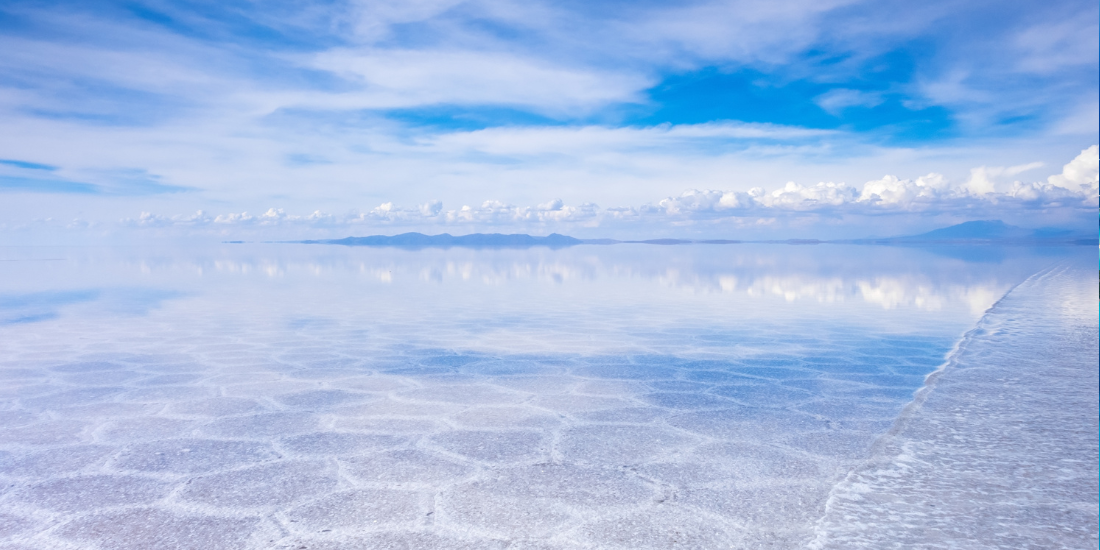
Overview: Stretching endlessly across Bolivia’s high-altitude plateau, the Salar de Uyuni is the world’s largest salt flat and one of the most otherworldly landscapes on Earth. Spanning over 10,000 square kilometers, this vast expanse of blinding white salt crust creates a natural mirror during the rainy season, reflecting the sky so perfectly that it becomes nearly impossible to distinguish earth from heavens. Walking or driving across this surreal terrain evokes a sense of infinity, where horizons dissolve and the mind is left to marvel at nature’s geometric perfection.
Beyond its visual spectacle, Salar de Uyuni offers a journey into Bolivia’s geological and cultural heart. Beneath the salt crust lies a rich layer of lithium, a mineral of global importance, while scattered islands like Incahuasi emerge from the flatness, dotted with giant cacti and unique wildlife. The nearby Uyuni town serves as a base for exploration, offering insight into the lives of local communities who have adapted to the stark, saline environment over centuries. From endless reflective vistas to volcanic rock islands, visiting Salar de Uyuni is both a feast for the eyes and a humbling encounter with the planet’s extremes.
Where: Salar de Uyuni is located in the Potosí and Oruro departments of southwest Bolivia, near the Chilean and Argentine borders. Most tours depart from the town of Uyuni, which serves as the gateway for excursions across the flats. Depending on the season and chosen itinerary, visits can range from a few hours to multi-day adventures.
Top Highlights
Incahuasi Island: Rising dramatically from the salt flats, Incahuasi is home to giant cacti and offers panoramic views across the glimmering white expanse. Hiking to its summit provides breathtaking photo opportunities, especially during sunrise or sunset when shadows and light play across the salt crust.
The Train Cemetery: Located on the outskirts of Uyuni town, this eerie collection of rusting locomotives and carriages offers a glimpse into Bolivia’s historical railway ambitions and serves as a stark, photogenic contrast to the bright salt plains.
Salt Hotels and Local Communities: Some tours include overnight stays in hotels constructed entirely from salt blocks, a testament to local ingenuity. Visiting nearby villages allows travelers to learn about traditional lifestyles, artisanal salt extraction, and the adaptation to life in an extreme environment.
Eduardo Avaroa Andean Fauna Reserve: Many extended tours continue into the surrounding highlands, including the Eduardo Avaroa Reserve, where flamingos, viscachas, and other Andean wildlife populate colorful lagoons set against the backdrop of volcanic peaks.
Mirror Effect During Rainy Season: When thin layers of rainwater coat the flats, the entire landscape transforms into a vast mirror, creating impossible reflections that blur the line between earth and sky. This phenomenon is particularly stunning at dawn and dusk.
Practical Tips: The flats are at high altitude (over 3,600 meters), so acclimatization is important. Wear sunscreen, sunglasses, and a wide-brimmed hat, as the salt reflects intense UV rays. Waterproof shoes are useful during the rainy season, and bringing a good camera is essential for capturing the surreal landscapes.
Cost: Salar de Uyuni tours vary depending on duration and inclusions. Half-day excursions may cost $30–$50 USD per person, full-day tours $60–$100 USD, and multi-day adventures including 4x4 transport, guides, meals, and lodging range from $200–$500 USD per person.
Iconic Photo Spot: The mirror-like reflections on the flats during the wet season provide the ultimate photographic spectacle. Incahuasi Island from its summit, long stretches of salt crust converging on the horizon, and quirky perspective shots with salt mounds are must-captures.
Final Word: Salar de Uyuni is more than a destination; it is a surreal encounter with Earth’s extremes. The combination of endless reflective plains, volcanic outcrops, and high-altitude wildlife creates a landscape unlike any other, offering a profound sense of scale, wonder, and the uncanny beauty of nature’s simplest elements arranged on a monumental scale.
For a full guide on visiting the Salar de Uyuni Click Here.
6.) Machu Picchu Expedition: A Journey to the Heart of Inca Civilization
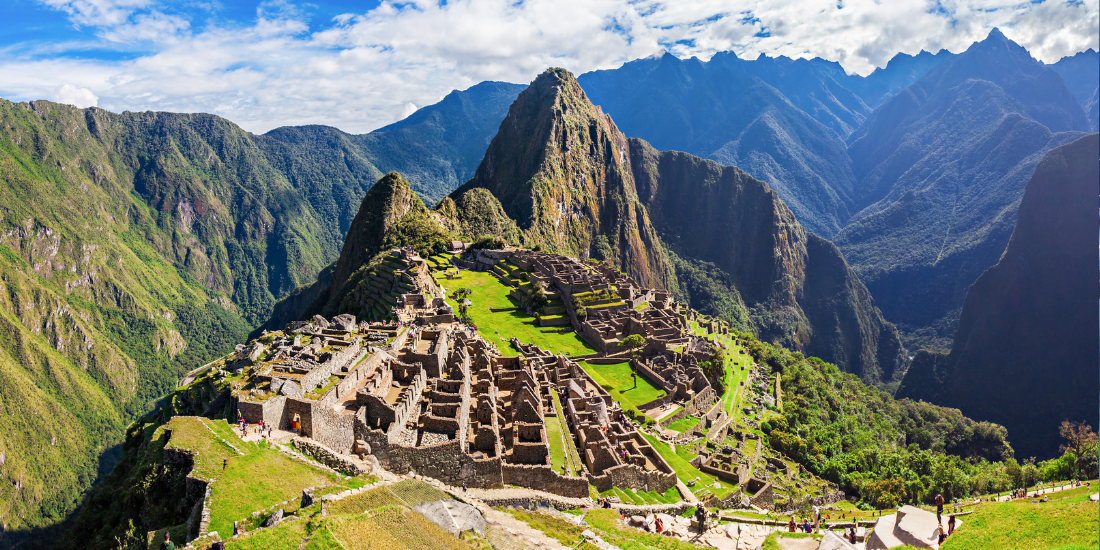
Overview: Perched high in the Andes Mountains of Peru, Machu Picchu stands as an enduring symbol of the ingenuity and spirituality of the Inca civilization. Rediscovered in 1911 by Hiram Bingham, this ancient citadel captivates visitors with its stone terraces, mysterious temples, and panoramic vistas overlooking the Urubamba River valley. Walking its cobbled pathways, visitors are transported back in time, surrounded by the echoes of a culture that harmonized architecture, astronomy, and agriculture in perfect balance with the surrounding landscape.
Beyond its historical significance, Machu Picchu is a breathtaking natural sanctuary. Mist drifts across its terraces at dawn, and verdant peaks rise dramatically around the ruins, creating a sense of isolation and grandeur. Treks leading to the site, including the famed Inca Trail, provide travelers with immersive experiences through cloud forests, mountain passes, and archaeological sites, making the journey as compelling as the destination itself. Every angle offers a new perspective, revealing why Machu Picchu remains one of the world’s most iconic and enigmatic landmarks.
Where: Machu Picchu is located in the Cusco region of southern Peru, about 80 kilometers northwest of Cusco city. The site is accessible via the Inca Trail trekking routes or by train from Cusco or Ollantaytambo, followed by a short bus ride up the mountain.
Top Highlights
The Sun Gate (Inti Punku): Serving as the original entrance for Inca travelers on the Inca Trail, the Sun Gate offers breathtaking views of Machu Picchu at sunrise. Standing here, visitors can witness the citadel gradually emerge from the morning mist—a magical introduction to the site.
Temple of the Sun: This semicircular structure, perched atop a cliff, showcases the Inca mastery of stonework and astronomical alignment. Its precise construction allowed the Incas to track solstices and celestial events, reflecting the civilization’s deep connection to the cosmos.
Intihuatana Stone: Known as the “Hitching Post of the Sun,” this carved stone was used by the Incas for astronomical and ritual purposes. Its unique geometry and alignment make it a fascinating focal point for understanding Incan science and spirituality.
Terraced Agriculture: The meticulously engineered terraces surrounding Machu Picchu demonstrate the Incas’ sophisticated agricultural techniques. Visitors can explore these stepped fields, which were designed to prevent erosion while optimizing crop cultivation in the high-altitude environment.
Huayna Picchu: Adventurous travelers can hike this steep peak overlooking Machu Picchu. From the summit, panoramic views reveal the full expanse of the citadel, the surrounding mountains, and the winding Urubamba River far below.
Practical Tips: Book tickets well in advance, especially for the Inca Trail and Huayna Picchu, as visitor numbers are limited. Wear sturdy hiking shoes, bring water, sunscreen, and layered clothing, as weather can change rapidly in the mountains. Guided tours enhance understanding of the site’s history and archaeological significance.
Cost: Entry to Machu Picchu typically costs $50–$70 USD per person, with additional fees for Huayna Picchu or Machu Picchu Mountain hikes. Train tickets from Cusco or Ollantaytambo range from $60–$120 USD, while multi-day guided Inca Trail treks start around $500 USD per person.
Iconic Photo Spot: Capture Machu Picchu from the classic viewpoint near the Sun Gate, with the citadel framed against the lush Andean mountains. Early morning mist creates atmospheric shots, while photos from Huayna Picchu offer dramatic perspectives of the terraces and temples below.
Final Word: Machu Picchu is more than a destination; it is a window into the heart of the Inca civilization and a testament to human ingenuity in harmony with nature. Its terraces, temples, and panoramic vistas create a timeless experience that continues to inspire awe and wonder, inviting travelers to step into history and witness one of humanity’s greatest architectural and cultural achievements.
For a full guide on visiting Machu Picchu Click Here.
7.) Amazon Rainforest Expedition: Immersing in Nature’s Green Sanctuary
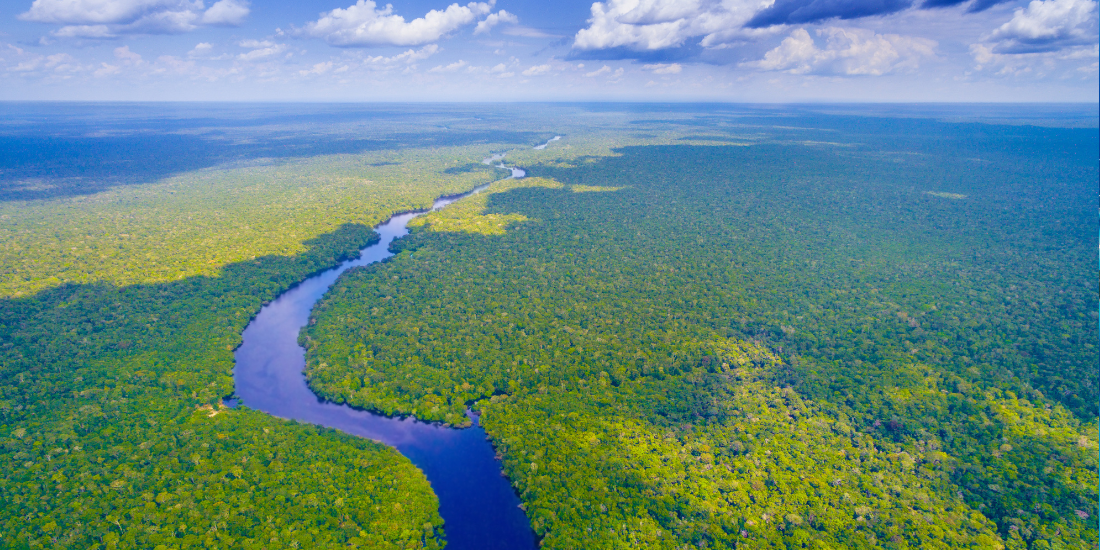
Overview: Spanning over 5.5 million square kilometers across South America, the Amazon Rainforest is the planet’s most biodiverse and vital ecosystem. Its dense canopy, winding rivers, and endless green horizons are home to an astonishing array of wildlife—from jaguars prowling the forest floor to vibrant macaws soaring overhead. Exploring the Amazon is an immersion into a world where nature dominates, offering both adventure and profound ecological insight. Each step along the trails or paddle through its waterways reveals the intricate connections between plants, animals, and humans that have endured for millennia.
Beyond its unparalleled biodiversity, the Amazon offers a cultural journey through the lives of indigenous communities who have called this rainforest home for centuries. Guided expeditions provide insight into traditional practices, medicinal plant knowledge, and sustainable ways of life that coexist with the ecosystem. Venturing into the forest is both a sensory and intellectual experience, where the calls of unseen creatures, the scent of wet earth, and the sheer scale of green wilderness create a sense of awe and humility.
Where: The Amazon spans multiple countries, including Brazil, Peru, Colombia, Ecuador, Bolivia, and Venezuela, with the Brazilian states of Amazonas and Acre serving as common entry points. Manaus, Brazil, is the primary hub for riverboat expeditions and rainforest lodges, with access via flights or river routes into the heart of the jungle.
Top Highlights
Riverboat Journeys: Traveling by riverboat along the Amazon River and its tributaries provides a unique vantage point of the rainforest. Visitors can observe wildlife along the riverbanks, including giant river otters, pink dolphins, and countless bird species, while the forest unfolds in its immense, layered beauty.
Jungle Trekking: Guided treks through the dense rainforest reveal medicinal plants, towering trees, and hidden wildlife. Experienced guides point out tracks of elusive animals like jaguars or tapirs and share knowledge about the rainforest’s ecology and its role in regulating the planet’s climate.
Canopy Walks: Elevated walkways and observation towers allow visitors to explore the rainforest from above, offering a bird’s‑eye view of the ecosystem. The canopy is alive with activity—monkeys leap between branches, colorful birds flit past, and sunlight filters through the dense foliage in spectacular shafts.
Indigenous Villages: Visits to local communities provide insight into traditional ways of life, from handcrafted arts to hunting and fishing techniques. These encounters highlight the deep connection between people and the rainforest and offer opportunities for cultural exchange and learning.
Wildlife Spotting: The Amazon is home to an incredible diversity of species. Night safaris reveal nocturnal creatures such as caimans and frogs, while daytime excursions might uncover toucans, sloths, and monkeys in their natural habitats. Every encounter is a vivid reminder of the forest’s complexity and vitality.
Practical Tips: Travel with light, breathable clothing, sturdy hiking shoes, and insect repellent. Prepare for humidity and rain, and carry waterproof bags for electronics. Guided tours enhance safety and provide deeper ecological and cultural understanding. Vaccinations and malaria precautions are recommended for many areas.
Cost: Jungle lodges and riverboat expeditions vary widely, ranging from $150–$500 USD per night depending on comfort and inclusions. Multi-day guided tours, including meals, transport, and excursions, can cost $800–$1,500 USD per person for immersive rainforest experiences.
Iconic Photo Spot: Capture the Amazon’s vastness from a river bend at sunrise or sunset, with mist rising from the waters and the dense canopy stretching into the horizon. Close-up shots of vibrant wildlife, indigenous craft demonstrations, and canopy views provide iconic imagery of this unparalleled ecosystem.
Final Word: The Amazon Rainforest is a living cathedral of biodiversity, a sanctuary where every sight, sound, and scent tells a story of life’s resilience and interconnection. Exploring its rivers, trails, and villages offers a profound encounter with nature and culture alike—a journey that leaves travelers inspired by the grandeur, mystery, and vitality of Earth’s greatest rainforest.
For a full guide on visiting the Amazon Rainforest Click Here.
8.) Boca Juniors vs River Plate: A Football Spectacle in Buenos Aires

Overview: Few sporting events ignite passion and rivalry like the Superclásico between Boca Juniors and River Plate in Buenos Aires. This iconic clash is more than a football match—it is a cultural phenomenon, a living expression of Argentine identity, and an experience charged with emotion, history, and fervor. From the moment fans stream into the stadiums, the energy is palpable, with chants, drums, and banners creating a visual and auditory spectacle that envelops everyone present.
Beyond the roar of the crowd, the Superclásico is a showcase of football artistry at its finest. Both teams have storied histories, boasting legendary players, historic victories, and decades of rivalry that have shaped the narrative of Argentine football. Attending this match offers an immersive dive into the soul of Buenos Aires, where football is not just a sport but a shared language that unites, excites, and occasionally divides the city in the most exhilarating way.
Where: The fixture alternates between two iconic stadiums: La Bombonera, home of Boca Juniors in the La Boca neighborhood, and El Monumental, River Plate’s fortress in the Núñez district. Both venues are easily accessible by public transport and are landmarks in their own right, renowned for their atmosphere and steeped in football history.
Top Highlights
La Bombonera Atmosphere: Known for its steep stands and boisterous fans, La Bombonera transforms into a cauldron of energy during the Superclásico. The chants of “Boca, mi buen amigo” and the synchronized drumming create an unforgettable sensory experience, while the colorful banners and flags add to the visual spectacle.
El Monumental Experience: When the match is held at River Plate’s El Monumental, fans pack the terraces in waves of red and white, creating a thunderous roar. The stadium’s massive capacity and architectural design amplify every cheer, goal, and anthem, making attendance a memorable, larger-than-life experience.
Pre-Match Rituals: Arriving early allows spectators to soak in the pre-match excitement, with street vendors, fan marches, and local bars brimming with supporters. Experiencing the city’s football culture before kickoff adds depth to the spectacle and highlights Buenos Aires’ devotion to its teams.
Intense Rivalry on the Pitch: The game itself is electrifying, with high stakes, tactical battles, and moments of brilliance from world-class players. Every pass, tackle, and goal is amplified by the tension and anticipation, making it one of the most thrilling football experiences in the world.
Fan Choreography and Songs: Both Boca Juniors and River Plate fans are famous for their organized chants, massive banners, and coordinated displays. These choreographed spectacles reflect the pride and identity of each club, turning the stadium into a living work of art and passion.
Practical Tips: Tickets sell out quickly, so booking in advance is essential. Arrive early to experience pre-match fan activities and soak in the atmosphere. Dress in team colors to join in the excitement, but remain aware of your surroundings and follow stadium safety guidelines.
Cost: Ticket prices for the Superclásico vary widely depending on seating, stadium, and demand. Expect to pay anywhere from $50 to $300 USD for regular seats, with premium options available at higher prices. Merchandise and fan experiences are additional expenses.
Iconic Photo Spot: Capture the electrifying sea of fans in the stands, the vibrant banners waving, and the moments of celebration after a goal. La Bombonera’s steep terraces and El Monumental’s panoramic views of the pitch provide iconic backdrops for photographing the passion of Argentine football.
Final Word: Attending a Boca Juniors vs River Plate match is a once-in-a-lifetime experience that transcends sport. It is a cultural immersion, a rollercoaster of emotion, and a testament to Argentina’s love for football. From the chants and banners to the intensity on the pitch, the Superclásico is a celebration of identity, rivalry, and the beautiful game at its most exhilarating.
9.)Buenos Aires Tango Adventure: Immersing in the Rhythms of the Capital

Overview: Buenos Aires is the birthplace of tango, a dance that embodies passion, elegance, and the spirit of Argentina. Immersing yourself in the city’s tango culture is more than learning steps—it’s entering a world of history, emotion, and nightlife where every movement tells a story. From dimly lit milongas to grand theaters, tango is woven into the city’s identity, reflecting its European influences, working-class roots, and romantic soul.
Beyond the dance itself, exploring Buenos Aires through tango offers a window into Argentine life. Witnessing seasoned dancers glide across wooden floors, listening to the melancholic strains of bandoneons, and participating in the communal joy of the milonga reveals a cultural rhythm that beats at the heart of the city. Tango is both a performance and a social ritual, inviting locals and travelers alike to experience the city’s energy in a uniquely intimate way.
Where: Tango experiences are scattered throughout Buenos Aires. Traditional neighborhoods like San Telmo and La Boca host authentic milongas, while more tourist-focused shows can be found in Palermo and Recoleta. Dance schools and private studios also offer lessons, ranging from beginner workshops to advanced techniques, providing both cultural and hands-on engagement.
Top Highlights
San Telmo Milongas: Step into the historic district of San Telmo to experience tango in its most authentic form. Small, intimate venues host locals who dance with fluidity and passion, creating an atmosphere of connection and tradition. Watching the intricate footwork and improvisation here is an unforgettable experience.
Tango Shows in Palermo and Recoleta: For a theatrical interpretation, attend one of the city’s renowned tango shows, where dancers perform elaborate choreographies in beautifully designed theaters. The combination of music, lighting, and costumes offers a polished spectacle that showcases the artistry and drama of tango.
Dance Lessons: Many studios across Buenos Aires offer lessons ranging from beginner to advanced. Learning even a few steps under the guidance of a skilled instructor provides insight into the technique, emotion, and etiquette of tango, and allows visitors to join locals on the dance floor during milongas.
Tango Music and Bandoneon: A visit to a live tango performance or concert highlights the centrality of the bandoneon, whose soulful melodies shape the dance. Musicians often accompany dancers in an intimate interplay, revealing the deep connection between movement and sound.
Cultural Immersion: Engaging with tango goes beyond steps and performances. It’s an opportunity to learn about its origins among immigrants in Buenos Aires, its rise to global fame, and its ongoing evolution. Conversations with dancers and instructors provide historical context and personal stories, enriching the experience.
Practical Tips: Choose venues appropriate to your skill and comfort level, and check dress codes for formal milongas or theaters. Booking lessons in advance is recommended, and arriving early allows you to observe dancers and warm up in the space. Respect the etiquette of tango, including the musical pauses and partner changes during social dances.
Cost: Milonga entry fees range from $5–$15 USD, while professional tango shows cost between $40–$100 USD. Private lessons typically range from $20–$50 USD per hour. Some venues also offer packages including dinner and drinks.
Iconic Photo Spot: Capture the intimate moments of a milonga, the dramatic poses of dancers in theaters, or the streets of San Telmo filled with live music and street performances. A close-up of dancers’ feet on polished floors or the emotive expressions during a duet makes for unforgettable imagery.
Final Word: Buenos Aires tango is a living cultural treasure, where music, movement, and emotion converge. Whether you watch, participate, or learn, engaging with tango provides a profound and unforgettable connection to the city’s spirit, leaving visitors with a sense of rhythm, romance, and Argentine passion.
10.) Rio Carnival Chronicles: A Spectacle of Samba and Splendor

Overview: Rio de Janeiro’s Carnival is one of the world’s most vibrant and electrifying celebrations, a festival where music, dance, and color converge to create an unforgettable sensory experience. Each year, the streets, beaches, and samba schools of Rio erupt into a whirlwind of energy, with thousands of dancers, musicians, and revelers participating in a grand display of creativity and cultural pride. Carnival is more than just a party—it’s an expression of Brazil’s history, community, and joy, reflecting centuries of African, European, and Indigenous influences woven into its samba rhythms.
Beyond the dazzling parades and extravagant costumes, Carnival offers a deeper cultural immersion. The city itself transforms, as neighborhoods compete for the attention of spectators with meticulously choreographed performances, massive floats, and vibrant street parties known as blocos. Experiencing Carnival firsthand provides insight into Brazil’s communal spirit, its dedication to artistry, and the exuberant joie de vivre that defines Rio’s identity.
Where: Rio Carnival takes place across the city, with major events centered in the Sambadrome, where samba schools compete in highly choreographed parades. Streets throughout neighborhoods such as Lapa, Copacabana, and Ipanema host free blocos, where locals and tourists dance together in open-air festivities. Planning around the official Carnival week in February or early March ensures full participation in both parades and street celebrations.
Top Highlights
Sambadrome Parades: Witness the grandeur of Rio’s samba schools as they compete in the Sambadrome. Massive floats, dazzling costumes, and precise choreography come together in an awe-inspiring spectacle. Each school tells a story through its performance, blending music, dance, and visual artistry in a parade that lasts several hours.
Street Blocos: Rio’s neighborhoods come alive with spontaneous street parties, known as blocos, where locals and visitors dance to live bands and percussion ensembles. These celebrations are lively, informal, and accessible, offering a taste of Carnival beyond the official parades.
Samba Schools and Workshops: Engage with the heartbeat of Carnival by visiting samba schools, where rehearsals and workshops reveal the dedication behind each performance. Observing or participating in these sessions offers a unique perspective on the skill, creativity, and community involved in preparing for Carnival.
Costumes and Cultural Expression: Carnival costumes are masterpieces of design, color, and symbolism. From intricate feathered headdresses to sequined ensembles, each outfit is a work of art reflecting themes drawn from history, mythology, or contemporary issues. Seeing performers up close showcases the artistry and cultural storytelling embedded in every detail.
Music and Percussion: Samba rhythms dominate every corner of the city during Carnival. Drums, tambourines, and brass instruments create a pulsating soundtrack that drives dancers and energizes the streets. Experiencing these rhythms live, amidst the cheering crowd, is an unforgettable auditory experience.
Practical Tips: Plan accommodations well in advance, as the city fills with tourists during Carnival. Wear comfortable shoes and light clothing for street parties, and stay hydrated during outdoor festivities. For the Sambadrome, purchase tickets early for prime viewing. Respect local customs and enjoy the festival with mindfulness, especially in crowded spaces.
Cost: Street blocos are typically free, while Sambadrome tickets range from $30–$200 USD depending on seating and parade schedule. Samba school visits or workshops may cost $20–$50 USD. Additional costs for costumes, food, and souvenirs should also be considered.
Iconic Photo Spot: Capture the sweeping aerial views of the Sambadrome filled with dancers and floats, the colorful chaos of a bloco in the streets, and close-ups of performers in their elaborate costumes. Nighttime shots with glittering lights and confetti create memorable imagery that embodies the spirit of Carnival.
Final Word: Rio Carnival is a celebration of life, culture, and human creativity at its most vibrant. Whether dancing in the streets, marveling at the samba parades, or exploring the preparations behind the scenes, visitors are enveloped in an extraordinary display of energy, passion, and artistry that leaves an indelible impression of Brazil’s most iconic festival.
For a full guide on visiting the Rio Carnival Click Here.
11.) Atacama Nightscapes: Exploring, Camping, and Stargazing in South America’s Celestial Oasis
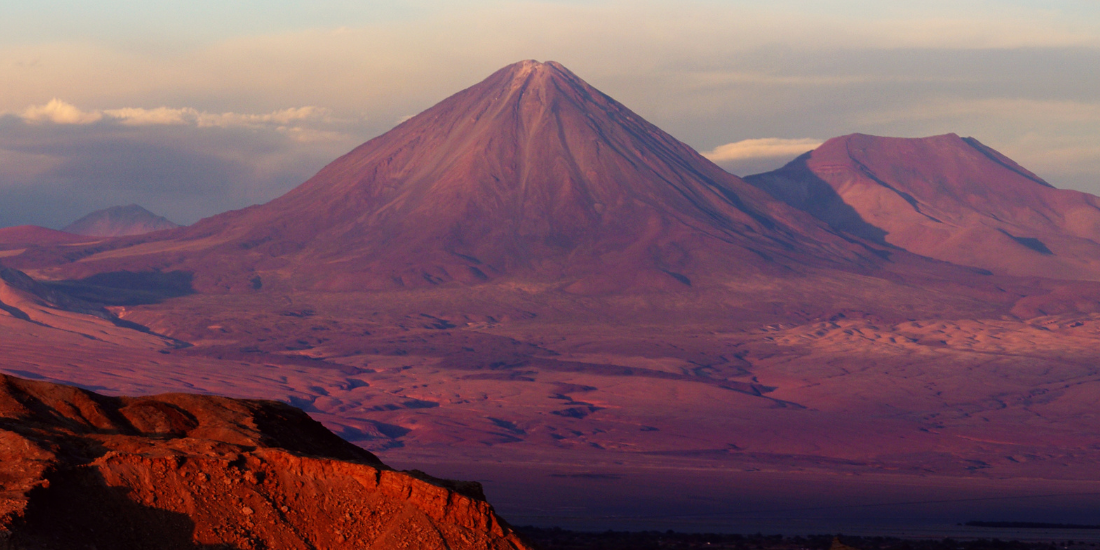
Overview: The Atacama Desert of northern Chile is one of the driest places on Earth, a surreal landscape of salt flats, volcanoes, and lunar-like valleys. By day, the desert’s vastness and unique geology inspire awe, but it is after sundown that the Atacama truly captivates. With some of the clearest skies on the planet, this remote region offers stargazing opportunities unrivaled anywhere else in the world. The Milky Way, planets, and countless constellations appear with breathtaking clarity, turning the desert into a natural observatory that draws astronomers and travelers alike.
Beyond the celestial wonders, the Atacama Desert offers a blend of adventure, culture, and tranquility. Small oases, geysers, and salt flats punctuate the arid landscape, while local villages maintain traditions shaped by centuries of adaptation to this extreme environment. Camping beneath the desert sky, surrounded by silence and infinite stars, provides an immersive connection to both nature and the cosmos, creating memories that linger long after leaving this otherworldly oasis.
Where: The Atacama Desert stretches across northern Chile, with San Pedro de Atacama serving as the primary hub for exploration and stargazing. Key sites include Valle de la Luna, El Tatio Geysers, and the salt flats of Salar de Atacama. Observatories such as ALMA and smaller private telescopes offer additional opportunities for guided astronomical experiences.
Top Highlights
Valle de la Luna: Often described as a lunar landscape, Valle de la Luna offers dramatic rock formations, sand dunes, and salt crusts that glow under the desert sun. At sunset, the valley transforms with shifting colors and long shadows, setting the stage for the approaching night sky.
El Tatio Geysers: Rise before dawn to witness the steaming geysers of El Tatio against the backdrop of towering volcanoes. The contrast of mist, sunlight, and rugged terrain creates a magical prelude to the desert night, while nearby hot springs allow for a warm soak amid the high-altitude scenery.
Salt Flats of Salar de Atacama: Explore vast expanses of glistening white salt, punctuated by flamingo-filled lagoons. During the night, these reflective surfaces mirror the stars, creating a surreal, double-sky effect that is perfect for photography and contemplation.
Camping Under the Stars: Several guided tours and eco-lodges offer overnight camping in the desert. Sleeping under the Atacama sky, far from light pollution, provides an intimate stargazing experience. The silence and vast horizon evoke a profound sense of connection to the universe.
Stargazing and Observatories: The Atacama is home to some of the world’s most advanced observatories, including ALMA. Guided stargazing tours with telescopes allow visitors to view planets, nebulae, and distant galaxies, while expert guides provide insights into the constellations, cosmic history, and astronomical phenomena.
Practical Tips: Nights in the Atacama can be cold even during summer months, so dress in layers. Bring a headlamp, tripod, and camera for astrophotography. Acclimatize to high altitudes gradually, especially if visiting sites like El Tatio. Hydrate and carry sunscreen for daytime excursions, and book observatory visits and camping experiences in advance.
Cost: Guided stargazing tours typically range from $40–$100 USD per person, while multi-day adventure and camping packages can cost $200–$500 USD depending on inclusions. Entrance to national parks such as Valle de la Luna is around $5–$10 USD.
Iconic Photo Spot: Capture the Milky Way stretching over Valle de la Luna’s rugged terrain, the steaming geysers at sunrise with stars fading in the background, and the reflective salt flats mirroring the desert sky—a true celestial playground for photographers and dreamers alike.
Final Word: The Atacama Desert is more than a terrestrial landscape; it is a portal to the universe. From its stark daytime vistas to the unparalleled clarity of its night sky, the desert invites travelers to explore, reflect, and connect with the cosmos. Camping beneath its celestial dome and witnessing the stars in vivid detail leaves an indelible impression, making Atacama a once-in-a-lifetime experience for adventurers and stargazers alike.
12.) Angel Falls Expedition: A Journey to the World’s Tallest Waterfall
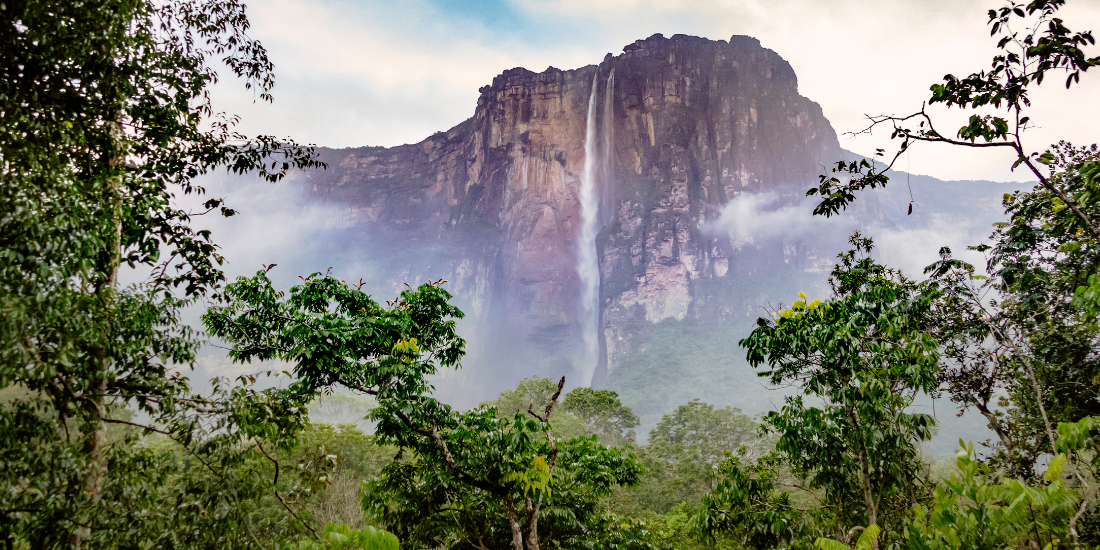
Overview: Deep within Venezuela’s remote Canaima National Park, Angel Falls plunges an astonishing 979 meters from the Auyán-tepui plateau, claiming its title as the tallest uninterrupted waterfall on Earth. Named after Jimmy Angel, the American aviator who first brought global attention to the falls in 1933, this natural wonder is as mysterious as it is majestic. Shrouded in mist and often framed by tropical rainforest, the waterfall embodies both raw power and ethereal beauty, cascading from heights that few humans have ever approached.
The journey to Angel Falls is as remarkable as the destination itself. Travelers traverse winding rivers, dense jungles, and dramatic tepui formations, immersing themselves in a landscape that feels both primeval and untamed. The remote setting preserves the waterfall’s grandeur, allowing visitors to experience the sight, sound, and spray of Angel Falls in near solitude. Beyond its visual spectacle, the falls hold cultural significance for the indigenous Pemon people, who revere the tepui as sacred terrain, adding a layer of spiritual resonance to the adventure.
Where: Angel Falls is located in southeastern Venezuela within Canaima National Park, a UNESCO World Heritage site. Access typically begins from the town of Canaima, with journeys combining small aircraft flights, riverboat rides, and jungle treks. The waterfall descends from Auyán-tepui, one of the park’s iconic tabletop mountains, into the tributaries of the Carrao River.
Top Highlights
River Journey to the Falls: Travelers often embark on a multi-hour river expedition along the Carrao and Churún Rivers, winding through rainforest canopies and rugged cliffs. The river’s serene stretches are punctuated by rapids and small cascades, creating an immersive journey into Venezuela’s natural heart.
Arrival at the Angel Falls Base: Upon reaching the base, the full scale of Angel Falls becomes apparent. Mist rises constantly from the plunge pool, forming rainbows in the sunlight, while the roar of the waterfall reverberates across the surrounding cliffs. Canoeing close enough to feel the spray is a breathtaking, sensory experience.
Aerial Perspectives: For those seeking an unforgettable vantage point, small aircraft tours from Canaima offer sweeping aerial views of the waterfall and tepuis. From above, Angel Falls appears as a silver ribbon unfurling from the clouds, emphasizing its staggering height and the dramatic terrain from which it falls.
Tepui Exploration: Auyán-tepui, the plateau from which the falls descend, presents opportunities for trekking and observing unique flora and fauna adapted to this isolated ecosystem. The tepui’s sheer cliffs and flat summit are emblematic of the Guiana Highlands, offering insight into ancient geological formations.
Cultural Encounters: Interactions with the Pemon communities enrich the journey, as local guides share legends, survival knowledge, and insights into the ecological significance of the tepuis. This cultural connection deepens understanding of the landscape beyond its visual spectacle.
Practical Tips: The journey requires preparation for tropical conditions—light, breathable clothing, insect repellent, and waterproof gear for river excursions. Travelers should be prepared for early departures and long travel times, and book tours through reputable operators to ensure safety and sustainability.
Cost: Guided expeditions, including river travel and overnight stays in jungle lodges, typically range from $500–$1,500 USD per person depending on duration and accommodation. Aerial tours can cost an additional $200–$400 USD.
Iconic Photo Spot: Capture the waterfall framed by lush rainforest from the base, with mist and rainbows accentuating its majesty, or from an aerial perspective, where Angel Falls unfurls dramatically against the rugged tepui cliffs—a perfect combination of scale and natural splendor.
Final Word: Angel Falls is a journey into nature’s most awe-inspiring extremes. Its staggering height, remote location, and ethereal beauty offer a profound sense of wonder, making the expedition an unforgettable experience. Witnessing the world’s tallest waterfall, surrounded by untamed jungle and ancient tepuis, is an adventure that lingers in memory long after the spray has faded.
For a full guide on visiting Angel Falls Click Here.
13.) Caribbean Treasures: Exploring Curaçao, Trinidad, and Aruba

Overview: The southern Caribbean offers a kaleidoscope of culture, color, and natural beauty, and few places capture this diversity like Curaçao, Trinidad, and Aruba. Each island is a unique blend of sun-drenched beaches, vibrant towns, and rich cultural heritage, shaped by centuries of colonial influence, indigenous traditions, and Afro-Caribbean rhythms. From the pastel-hued streets of Willemstad to the lively carnival celebrations of Trinidad and the pristine white sands of Aruba, travelers encounter a region where history, music, and natural splendor converge.
Beyond the beaches and urban charm, these islands are gateways to underwater marvels, rugged coastlines, and ecological diversity. Curaçao’s coral reefs beckon snorkelers and divers, Trinidad’s rainforests and mangroves teem with wildlife, and Aruba’s desert landscapes and limestone cliffs offer dramatic scenery. Exploring all three islands provides an immersive Caribbean experience—one that blends relaxation, adventure, and cultural enrichment in a region celebrated for its warmth and vibrancy.
Where: Curaçao is part of the Dutch Caribbean, lying just north of Venezuela; Trinidad is the larger of the two main islands of Trinidad and Tobago, located off Venezuela’s northeastern coast; and Aruba sits west of Curaçao, also in the Leeward Antilles. Flights connect the islands via regional carriers, making multi-island exploration accessible.
Top Highlights
Willemstad, Curaçao: The island’s capital is a UNESCO World Heritage Site known for its pastel-colored colonial architecture along the Handelskade waterfront. Visitors can explore bustling markets, museums, and historic forts while enjoying a vibrant mix of Caribbean and European influences.
Curaçao’s Coral Reefs: Renowned for clear waters and abundant marine life, Curaçao’s reefs offer world-class snorkeling and diving. Sites like the Blue Room cave and Tugboat wreck provide encounters with tropical fish, sea turtles, and dramatic underwater landscapes.
Trinidad Carnival: Celebrated annually before Lent, Trinidad’s Carnival is one of the world’s largest and most vibrant festivals. Spectacular costumes, pulsating calypso and soca music, and lively street parades offer an immersive cultural experience that showcases the island’s energy and creativity.
Caroni Bird Sanctuary, Trinidad: Explore the mangrove-lined Caroni River on a guided boat tour to witness thousands of scarlet ibises returning to roost at sunset. This natural spectacle highlights Trinidad’s ecological richness and provides incredible wildlife photography opportunities.
Aruba’s Eagle Beach and Natural Pools: Aruba is famed for its pristine beaches with soft white sand and turquoise waters. Beyond the coast, Arikok National Park offers rugged terrain, hidden caves, and natural pools formed by volcanic rock, perfect for hiking and exploration.
Oranjestad, Aruba: The island’s capital blends Dutch colonial architecture with Caribbean flair. Colorful streets, boutique shops, and lively markets make it ideal for leisurely exploration, dining, and sampling local cuisine.
Practical Tips: Travel light for inter-island flights, use reef-safe sunscreen, and rent a car or scooter to explore Aruba and Curaçao at your own pace. For Trinidad, plan Carnival visits in advance and consider guided tours for wildlife excursions to ensure safety and maximize sightings.
Cost: Daily budgets vary depending on island and activity. Curaçao and Aruba offer mid-range accommodations and dining from $100–$200 USD per day, while Trinidad can be slightly less expensive. Excursions such as snorkeling trips, national park entries, and guided tours range from $30–$150 USD per activity.
Iconic Photo Spot: Capture the rainbow-colored Handelskade waterfront in Curaçao at sunrise, the vibrant Carnival parades in Trinidad with costumed performers mid-dance, and Aruba’s natural pools framed by rugged limestone cliffs under bright Caribbean skies.
Final Word: Exploring Curaçao, Trinidad, and Aruba is a journey through the Caribbean’s diverse tapestry of landscapes, cultures, and natural wonders. From lively festivals and colonial charm to pristine beaches and underwater adventures, these islands offer a vibrant, multi-sensory experience that embodies the spirit, color, and rhythm of the southern Caribbean.
14.) Death Road Descent: Biking Adventure in Bolivia’s Yungas Region

Overview: The Yungas Road, infamously known as “Death Road,” is a breathtaking yet harrowing route that winds through Bolivia’s rugged Andean terrain. Once notorious as one of the world’s most dangerous roads due to its sheer cliffs, narrow paths, and unpredictable weather, it has become a bucket-list adventure for thrill-seekers. Cycling this route is a test of courage, skill, and focus, offering riders a unique way to experience the dramatic contrasts of Bolivia—from mist-shrouded cloud forests and cascading waterfalls to deep valleys carved over millennia.
Beyond the adrenaline, the Yungas Road offers an intimate connection with Bolivia’s diverse landscapes and communities. Villages cling to the hillsides, vibrant flora lines the trail, and the air is thick with the scent of subtropical forests. Descending from the high-altitude plateau near La Paz to the warmer jungle lowlands, riders traverse a corridor where the Andes meet the Amazon, witnessing a remarkable shift in ecosystems and climate over just a few hours. This journey is not merely a ride; it’s an immersive exploration of nature, culture, and adventure rolled into one.
Where: The Death Road stretches roughly 64 kilometers from the high-altitude town of La Cumbre, about 4,700 meters above sea level, down to the Yungas town of Coroico, sitting at around 1,200 meters. Access is typically via La Paz, Bolivia’s administrative capital, where tour operators provide guided biking experiences with safety gear, shuttle transport, and trained instructors.
Top Highlights
La Cumbre Start Point: The adventure begins at La Cumbre, perched high in the Andes. Riders are introduced to their bikes, safety gear, and guides while taking in sweeping vistas of snow-capped peaks and expansive valleys that hint at the challenge ahead.
Cloud Forest Descent: As the trail winds downward, the landscape transitions from alpine scrub to dense cloud forest. Towering trees, hanging vines, and occasional waterfalls create a lush, mystical setting that contrasts sharply with the rugged cliff edges.
Adrenaline-Fueled Sections: Narrow paths, steep drops, and hairpin turns provide thrilling moments that test riders’ skills. The adrenaline of navigating these legendary sections is matched by the awe of the surrounding scenery, where clouds swirl around jagged cliffs and sunlight filters through misty canopies.
Coroico Arrival: Reaching Coroico marks the end of the descent and the start of the lowland rainforest experience. Here, tropical vegetation, colorful local markets, and warm weather offer a refreshing contrast to the high-altitude start. Visitors can relax, enjoy local cuisine, and reflect on the exhilarating journey.
Waterfalls and Scenic Stops: Along the route, riders encounter stunning waterfalls and lookout points, perfect for photography and short rest breaks. These moments allow a pause to appreciate the incredible natural beauty and the dramatic verticality of the Yungas region.
Practical Tips: Helmets, gloves, and protective gear are mandatory. Bring water, light snacks, and a camera for scenic stops. Dress in layers to adapt to changing temperatures, and choose a guided tour for safety and local knowledge. Prior biking experience is recommended due to steep and narrow sections.
Cost: Guided tours typically range from $50–$120 USD per person, including shuttle transport from La Paz, safety gear, bikes, and professional guidance. Private or specialized tours may cost more.
Iconic Photo Spot: Capture the dramatic cliffside roads with the Andes stretching into the distance, mist-draped forests along hairpin turns, and cascading waterfalls juxtaposed against deep valleys for truly unforgettable imagery.
Final Word: The Death Road descent is a visceral blend of adrenaline, awe, and adventure. More than a mere biking trail, it’s a journey through some of Bolivia’s most dramatic landscapes, offering riders an unforgettable immersion into the thrill, beauty, and diversity of the Yungas region.
15.) Moon Valley Marvel: Exploring the Extraterrestrial Landscape of Valle de la Luna, Chile
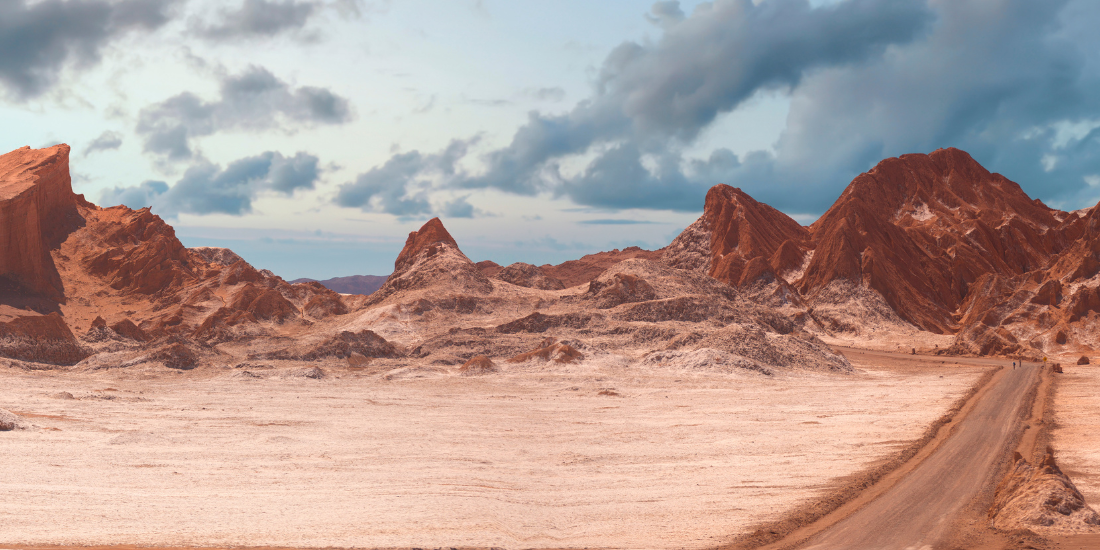
Overview: Valle de la Luna, or Moon Valley, is a surreal expanse in Chile’s Atacama Desert where wind-sculpted rock formations, jagged cliffs, and endless salt flats evoke the surface of another planet. Its unique landscape, shaped over millions of years by erosion, volcanic activity, and tectonic shifts, offers a dramatic contrast of textures and colors under the desert sky. Visitors are drawn here not only for its striking geological features but also for the ethereal quality of light that transforms the valley at dawn and dusk into an otherworldly spectacle.
Beyond its lunar-like appearance, Valle de la Luna is a playground for explorers and photographers seeking both adventure and solitude. Hiking among the labyrinthine canyons, salt-covered dunes, and towering rock spires provides an intimate connection with a landscape that feels frozen in time. The silence of the desert, punctuated only by the whisper of the wind, amplifies the sense of stepping into an alien world, making every viewpoint a moment of wonder and reflection.
Where: Valle de la Luna is located within the Atacama Desert, roughly 13 kilometers west of San Pedro de Atacama in northern Chile. It is accessible via a short drive from the town, with guided tours and self-drive options available. The valley is part of the larger Los Flamencos National Reserve, ensuring protection of its unique geology and ecosystems.
Top Highlights
Sunset over the Dunes: One of the most magical experiences in Valle de la Luna is watching the sun dip below the horizon, casting a palette of pinks, oranges, and purples across the desert landscape. The interplay of light and shadow accentuates the rugged textures of the dunes and rock formations.
The Amphitheater: This natural rock formation is a dramatic site for exploring and photography. Its steep, curving walls echo with the slightest sound, creating a sense of both scale and intimacy as visitors wander through its sculpted corridors.
Salt Flats: Expansive white salt flats contrast vividly with the surrounding red and brown terrain. Walking along these crystallized plains offers a rare opportunity to observe the mineral patterns and geological history etched into the desert floor.
Cordillera de la Sal: The Salt Mountain Range borders Valle de la Luna, providing hiking trails that climb to panoramic viewpoints. From these heights, visitors can take in sweeping vistas of the valley, surrounding mountains, and the vast desert beyond.
Caves and Rock Formations: Scattered throughout the valley are unique formations, including caves and spires shaped by centuries of wind and water erosion. Each feature tells a story of natural forces at work and provides a sense of discovery for those exploring on foot.
Practical Tips: Bring sun protection, plenty of water, and sturdy walking shoes for navigating uneven terrain. Visit during early morning or late afternoon to experience the best light and avoid midday heat. Guided tours can enrich understanding of the valley’s geology, flora, and history.
Cost: Entrance fees to Valle de la Luna typically range from $3–$10 USD per person, depending on the season and whether a guided tour is included. Additional costs may apply for transportation or photography tours.
Iconic Photo Spot: Capture the sunset from the top of the Cordillera de la Sal, the contrasting colors of salt flats against the rugged terrain, or the dramatic silhouettes of rock spires against the desert sky. Each frame conveys the otherworldly beauty of this lunar-inspired landscape.
Final Word: Valle de la Luna is more than a desert—it is a journey into a landscape that feels both ancient and alien. Every dune, rock formation, and salt flat contributes to a sense of wonder that transports visitors far from the familiar. Whether hiking, photographing, or simply marveling at the scenery, Moon Valley offers an unforgettable encounter with one of Earth’s most extraordinary terrains.
16.) Equatorial Odyssey: Walking the Middle of the World in Quito, Ecuador
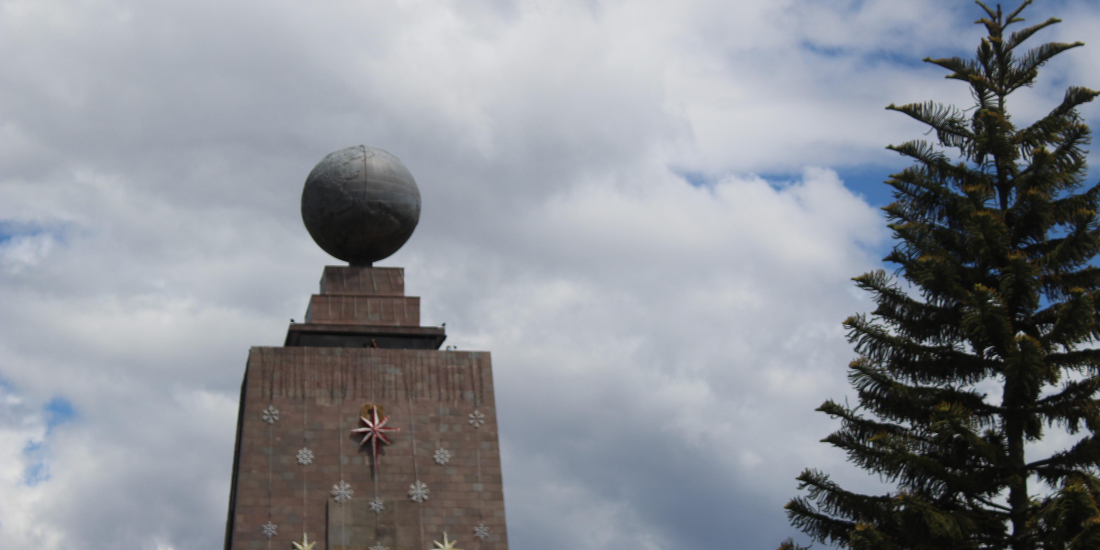
Overview: Quito, Ecuador’s capital, is a city where history, culture, and geography converge in spectacular fashion. Perched high in the Andean mountains at nearly 2,850 meters above sea level, Quito offers a stunning backdrop of volcanic peaks, colonial architecture, and vibrant plazas. Among its most unique attractions is the Middle of the World, or La Mitad del Mundo, where visitors can stand literally on the equator, straddling the northern and southern hemispheres. This geographic curiosity is a symbol of Ecuador’s place on the planet and a magnet for travelers seeking both fun and scientific intrigue.
Beyond the novelty of the equatorial line, Quito itself is a rich tapestry of heritage and exploration. Its UNESCO-listed historic center boasts ornate churches, lively markets, and colorful streets, providing a sensory feast alongside the scientific and cultural significance of the equatorial monument. Experiencing Quito is to witness the intersection of natural grandeur, human achievement, and the remarkable fact that the Earth’s axis divides the city in two—a literal and figurative meeting point of worlds.
Where: La Mitad del Mundo is located about 26 kilometers north of central Quito, within the parish of San Antonio de Pichincha. The site is easily accessible by car, taxi, or organized tours, and the surrounding area includes museums, interactive exhibits, and souvenir shops celebrating Ecuador’s equatorial distinction.
Top Highlights
Standing on the Equator Line: The main attraction is the marked line that represents the equatorial latitude. Visitors can pose with one foot in each hemisphere, a quirky and memorable experience that blends geography with playful photo opportunities.
Intiñan Solar Museum: Adjacent to the monument, this interactive museum offers demonstrations of the Coriolis effect, magnetic anomalies, and other equatorial phenomena. Guided tours provide fascinating insights into local astronomy and indigenous knowledge.
Equator Monument: The striking monument itself is a cylindrical structure topped with a globe, offering panoramic views of the surrounding Andean foothills. Visitors can climb to the observation deck for sweeping vistas of Quito and the lush valleys beyond.
Cultural Exhibits and Local Artisans: Surrounding the site, small museums and craft markets showcase Ecuadorian culture. Handmade textiles, jewelry, and local cuisine provide a sensory complement to the scientific and photographic experiences.
Andean Landscapes: Beyond the monument, the rolling foothills and volcanic peaks offer hiking, scenic drives, and photographic opportunities. The backdrop reinforces the connection between Quito’s equatorial position and its stunning natural surroundings.
Practical Tips: Wear comfortable walking shoes and sun protection, as the high altitude can intensify sun exposure. Allow time for acclimatization to Quito’s elevation and consider guided tours for enriched context about the equatorial phenomena and local culture.
Cost: Entrance fees to the equatorial monument and Intiñan Solar Museum typically range from $5–$15 USD per person. Guided tours and transportation from central Quito are additional but often provide deeper engagement with the exhibits and surroundings.
Iconic Photo Spot: Capture the classic equator line with one foot in each hemisphere, the monument framed against Andean peaks, or the Intiñan Museum’s quirky demonstrations for a truly memorable and educational snapshot.
Final Word: Walking the Middle of the World in Quito is an experience that combines science, culture, and geography in one unforgettable visit. From standing on the equator to exploring the city’s rich historic and natural surroundings, travelers gain a tangible connection to the planet and an appreciation for Ecuador’s unique position on the globe.
17.) Summit Serenity: Exploring the Sierra Nevada Mountains in Colombia
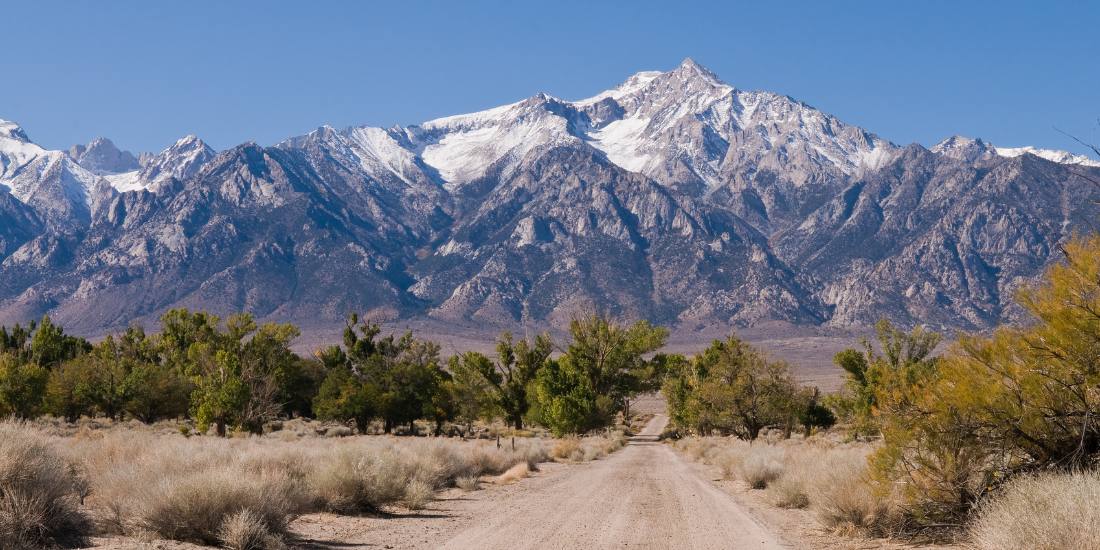
Overview: The Sierra Nevada de Santa Marta rises dramatically from Colombia’s Caribbean coast, an isolated mountain range where snow-capped peaks, cloud forests, and tropical lowlands coexist in breathtaking harmony. Unlike the Andes that stretch across the continent, the Sierra Nevada is a compact marvel, home to Colombia’s highest peaks, including Pico Cristóbal Colón and Pico Simón Bolívar. Trekking these mountains is not only a physical adventure but also a journey through diverse ecosystems, where lush jungles, paramo highlands, and glacial streams create a striking natural mosaic.
Beyond its ecological wonders, the Sierra Nevada is rich in cultural heritage. Indigenous communities such as the Kogi, Arhuaco, Wiwa, and Kankuamo have lived in these mountains for centuries, maintaining spiritual and ecological practices that connect deeply with the land. Visiting the Sierra Nevada offers travelers both the exhilaration of summit climbs and an opportunity to witness living traditions that honor the mountains as sacred. The journey is as much about understanding Colombia’s natural grandeur as it is about connecting with its ancestral cultures.
Where: The Sierra Nevada de Santa Marta lies in northern Colombia, near the cities of Santa Marta and Taganga. Access to the highlands typically begins with a drive from these coastal hubs to trailheads leading into the mountains. Multi-day treks are the most popular way to experience the region’s peaks, valleys, and indigenous villages.
Top Highlights
Trekking to Ciudad Perdida: Known as the “Lost City,” this ancient Tayrona settlement lies deep within the Sierra Nevada. The multi-day hike passes through tropical rainforest, river crossings, and steep mountain paths, culminating in the exploration of stone terraces and ceremonial platforms that predate Machu Picchu.
Pico Cristóbal Colón and Pico Simón Bolívar: The highest peaks in Colombia are a magnet for seasoned mountaineers. Ascending these summits offers panoramic views of the surrounding range, tropical lowlands, and distant Caribbean coastline, providing a sense of true wilderness isolation.
Indigenous Villages: Along the trails, travelers encounter Kogi, Arhuaco, and Wiwa communities, whose lives are intricately tied to the land. Visitors can learn about traditional practices, spiritual rituals, and sustainable agriculture that have preserved the Sierra Nevada for generations.
Paramo Landscapes: Higher elevations are dominated by paramo ecosystems, with unique flora such as frailejones and mist-covered valleys. These surreal, windswept landscapes provide a stark contrast to the tropical lowlands below.
Waterfalls and Rivers: The Sierra Nevada is threaded with crystal-clear rivers, cascading waterfalls, and hidden pools. Many treks offer refreshing stops to swim or rest amidst the serene natural beauty.
Practical Tips: Prepare for a range of climates—from humid jungles to cold mountain peaks. Layered clothing, sturdy trekking boots, insect repellent, and hydration packs are essential. Local guides are highly recommended for safe navigation and cultural insights. Multi-day treks require moderate to high fitness levels.
Cost: Guided treks vary depending on duration and services, typically ranging from $300–$600 USD for a 4–6 day journey to Ciudad Perdida or higher for technical summit climbs. Costs generally include accommodation, meals, and local guides.
Iconic Photo Spot: Capture the mist-shrouded paramo at sunrise, the cascading rivers framed by lush forests, or the ancient terraces of Ciudad Perdida against the backdrop of towering peaks. A summit shot with the Caribbean coast visible in the distance is unforgettable.
Final Word: Exploring the Sierra Nevada Mountains is a journey of contrasts, from tropical jungles to snow-capped peaks, from modern adventure to ancient traditions. It is a place where natural beauty and cultural heritage intertwine, offering travelers a profound sense of serenity, discovery, and connection to one of Colombia’s most extraordinary landscapes.
18.) Cultural Immersion: Time with the Ache Tribe in Mbaracayu National Forest Reserve, Paraguay
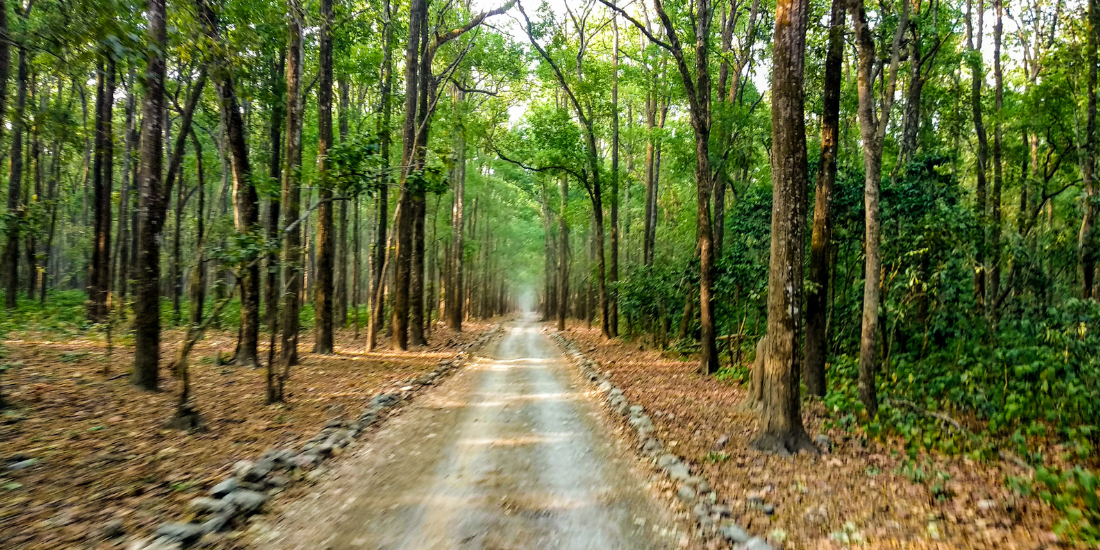
Overview: Nestled in the lush expanse of Paraguay’s Mbaracayú National Forest Reserve, the Ache Tribe represents one of the country’s most resilient indigenous communities. Their history, rich with traditions, resilience, and ancestral knowledge, is interwoven with the dense subtropical forests they call home. Spending time with the Ache offers a rare window into a way of life shaped by centuries of harmony with nature, communal living, and spiritual practices that honor the land and its resources. Visitors are immersed not only in the culture of the people but in the sounds, scents, and rhythms of the forest itself, creating an unforgettable multisensory experience.
Beyond cultural exchange, the visit provides insight into the challenges faced by indigenous communities in modern Paraguay. Conservation efforts, sustainable livelihoods, and the protection of traditional knowledge are central themes, offering travelers a deeper understanding of how the Ache navigate the pressures of contemporary society while preserving their heritage. This immersive experience is both educational and transformative, bridging the gap between tradition and the modern world.
Where: The Mbaracayú National Forest Reserve is located in northeastern Paraguay, near the border with Brazil. Access typically involves a guided journey from nearby towns such as Yasy Cañy or Salto del Guairá, with local guides facilitating encounters with the Ache community and ensuring responsible tourism practices.
Top Highlights
Forest Walks with Ache Guides: Explore the subtropical forest alongside Ache guides, learning about medicinal plants, edible flora, and the sustainable practices that have supported the tribe for generations. These walks provide a direct connection to the land and its ecological rhythms.
Traditional Craft Demonstrations: Witness the creation of handwoven baskets, hammocks, and other artisanal crafts. The Ache share techniques passed down through generations, reflecting both practical skills and aesthetic sensibilities.
Culinary Experiences: Participate in preparing traditional Ache meals using locally sourced ingredients. From foraged fruits and herbs to forest-based staples, these culinary activities provide insight into the tribe’s sustainable relationship with their environment.
Storytelling and Oral History: Engage with elders as they recount ancestral stories, myths, and historical events that have shaped the Ache community. Oral traditions are central to preserving culture and provide profound lessons in resilience and identity.
Cultural Ceremonies: Depending on timing and permissions, visitors may observe or participate in traditional rituals and ceremonies, which celebrate seasonal cycles, spiritual beliefs, and communal milestones. These ceremonies highlight the tribe’s deep spiritual connection to the forest.
Practical Tips: Respect for local customs is paramount—dress modestly, ask before taking photos, and follow guide instructions. Visitors should be prepared for humid forest conditions, wearing lightweight clothing, sturdy shoes, and insect repellent. Carry water and basic necessities, as facilities are minimal.
Cost: Cultural immersion experiences vary, typically ranging from $50–$150 USD per person for guided tours, workshops, and meals. Fees support both community initiatives and conservation efforts within the reserve.
Iconic Photo Spot: Capture the intricate craftsmanship of woven baskets, the forest canopy filtered by sunlight, or a moment with tribe members engaged in traditional practices. Photos of communal gatherings or forest walks encapsulate the harmony between the Ache and their environment.
Final Word: Time spent with the Ache Tribe is more than a visit—it is an intimate cultural exchange that fosters respect, understanding, and admiration for one of Paraguay’s most remarkable indigenous communities. Through forest explorations, storytelling, and hands-on experiences, travelers leave with a profound appreciation for the enduring relationship between people, culture, and nature.
19.) Lake Titicaca Expedition: Navigating the Mystical Waters of the Andes

Overview: Nestled high in the Andes at over 3,800 meters above sea level, Lake Titicaca straddles the border of Peru and Bolivia, presenting one of South America’s most enchanting natural and cultural landscapes. As the world’s highest navigable lake, it combines stunning turquoise waters with a backdrop of snow-capped peaks, creating a scene of breathtaking beauty and serene majesty. Beyond its physical allure, Lake Titicaca is a place steeped in legend and history, believed by the Inca to be the birthplace of their civilization. Travelers to these mystical waters are drawn not only to the scenery but also to the rich tapestry of indigenous culture that thrives along its shores and islands.
The lake’s islands and shoreline communities offer an immersive journey into the traditions of the Uros, Taquile, and Amantani peoples, who maintain their ancestral lifestyles while adapting to modernity. Visitors are welcomed into villages where handmade textiles, intricate crafts, and age-old customs provide a glimpse into a way of life that has persisted for centuries. The interplay of natural splendor and human heritage makes Lake Titicaca a destination of wonder, reflection, and discovery.
Where: Lake Titicaca lies in the Andean highlands, divided between southeastern Peru and western Bolivia. Key access points include the Peruvian city of Puno and the Bolivian town of Copacabana, both serving as gateways to the lake’s islands and cultural experiences. Travel often involves boat excursions across calm, deep waters, offering both scenic vistas and opportunities for intimate encounters with local communities.
Top Highlights
Uros Floating Islands: Explore the remarkable man-made islands constructed from totora reeds by the Uros people. Visitors can walk across the reed platforms, interact with families, and learn how these unique islands float atop the lake’s surface, blending ingenuity with tradition.
Taquile Island: Known for its textile artistry and communal lifestyle, Taquile offers a cultural immersion unlike any other. Walk along terraced hills, observe local weaving techniques, and appreciate the harmonious rhythm of daily island life against the backdrop of sweeping lake views.
Amantani Island Homestays: Experience an authentic stay with Amantani families, sharing meals, participating in local rituals, and enjoying the warmth of Andean hospitality. Sunsets over the lake from the island’s heights are particularly magical, offering unforgettable photographic moments.
Puno’s Lakeside Markets: Visit Puno’s bustling markets along the lake’s edge, where local artisans sell handcrafted textiles, jewelry, and souvenirs. The markets provide a lively glimpse into the blending of traditional culture with contemporary commerce.
Sunrise and Sunset on the Lake: Witness the interplay of light and water as the sun rises or sets over the Andean peaks, casting golden reflections across the lake. These moments provide both serenity and a perfect opportunity for capturing the lake’s ethereal beauty.
Practical Tips: Due to the high altitude, travelers should acclimatize before embarking on extensive tours and drink plenty of water to avoid altitude sickness. Wear layered clothing to adapt to fluctuating temperatures, and bring sunscreen, sunglasses, and a hat for protection against intense sunlight. Guided boat tours and local homestays are recommended to maximize cultural insight and safety.
Cost: Lake Titicaca excursions vary widely depending on duration, inclusions, and accommodations. Day trips from Puno can start around $30–$50 USD, while multi-day cultural and homestay experiences may range from $150–$300 USD per person.
Iconic Photo Spot: Capture the vibrant reed huts of the Uros floating islands, terraced hills of Taquile at sunrise, or the tranquil waters reflecting snow-capped peaks. Sunset over Amantani Island provides a particularly iconic image of Lake Titicaca’s mystical charm.
Final Word: Lake Titicaca is a destination where natural grandeur meets enduring cultural heritage. Its mystical waters, highland landscapes, and resilient island communities offer travelers a journey that is both visually stunning and deeply enriching, leaving an indelible impression of the Andes’ magical heart.
For a full guide on visiting Lake Titicaca Click Here.
20.) Coffee Connoisseur’s Delight: Tasting Premium Coffee in the Heart of Medellín

Overview: Medellín, Colombia’s vibrant “City of Eternal Spring,” is a thriving hub of culture, innovation, and gastronomy, set against the lush backdrop of the Aburrá Valley. While the city is famed for its transformation and urban charm, it also sits at the heart of one of the world’s most celebrated coffee-producing regions. Here, rich volcanic soils, high-altitude plantations, and ideal climate conditions combine to create coffee beans with complex flavors, aromatic depth, and unparalleled quality. Exploring Medellín through its coffee culture is both a sensory adventure and an immersion into a tradition that has shaped Colombia’s identity for centuries.
Beyond sipping exquisite brews in cafés, visitors gain insight into the entire journey from bean to cup. Medellín’s coffee tours often include visits to local roasters, interactive workshops, and tastings guided by expert baristas, offering an intimate look at the craftsmanship and passion behind each cup. From small-scale specialty producers to innovative urban cafés, the city presents a spectrum of coffee experiences, blending heritage, science, and artistry. For connoisseurs and casual drinkers alike, Medellín is a place where coffee becomes a narrative of culture, community, and flavor.
Where: Medellín is located in Colombia’s Antioquia region, approximately 1,500 meters above sea level. The city serves as a gateway to surrounding coffee farms in the mountains and valleys of the department, with accessible urban cafés, specialty roasteries, and organized tours that take visitors from the city center into highland plantations.
Top Highlights
Café Culture in El Poblado: Wander through Medellín’s trendy El Poblado neighborhood, where artisanal cafés showcase locally roasted beans and experimental brewing methods. Enjoy tasting flights, latte art workshops, and the lively ambiance of Colombia’s coffee renaissance.
Coffee Farm Excursions: Venture into the verdant hills surrounding Medellín for hands-on tours of coffee plantations. Learn about cultivation, harvesting, drying, and roasting processes while interacting with local farmers who share generations of expertise and sustainable practices.
Urban Coffee Roasteries: Explore small-batch urban roasteries where passion meets precision. Observe the roasting process, sample fresh beans, and appreciate the subtle notes that distinguish regional varieties, from chocolatey undertones to bright citrus accents.
Coffee Tastings and Pairings: Participate in guided cupping sessions to discern flavor profiles, aroma nuances, and textures. Many experiences also pair coffee with traditional Colombian treats such as arepas, pastries, or panela sweets, enhancing the sensory journey.
Coffee Museums and Cultural Centers: Visit institutions like the Parque Explora’s coffee-themed exhibits or specialty museums highlighting Colombia’s history and influence in the global coffee industry, offering educational depth alongside tasting adventures.
Practical Tips: Wear comfortable clothing and shoes for farm visits, and bring a notebook if you wish to record tasting notes. Many tours require advance booking, and it’s advisable to check for altitude and sun exposure when venturing into the hills. Hydration is important, especially when sampling multiple brews in a day.
Cost: Urban café tastings and workshops typically range from $10–$30 USD per person, while half-day or full-day coffee farm tours may cost between $50–$120 USD, often including transportation, tastings, and sometimes meals.
Iconic Photo Spot: Capture steaming cups against the backdrop of lush coffee plantations, rows of sun-dried beans glistening in the sun, or baristas crafting latte art in vibrant city cafés. Sunrise over a hillside plantation offers a particularly iconic image of Colombia’s coffee heartland.
Final Word: Medellín is more than a city—it’s a living showcase of coffee culture, innovation, and community. From the hillsides where beans are nurtured to the cafés where each cup tells a story, a visit here allows travelers to savor the rich flavors, deep history, and passionate craftsmanship that make Colombian coffee among the world’s finest.
21.) Guianas Odyssey: Exploring Guyana, Suriname, and French Guiana
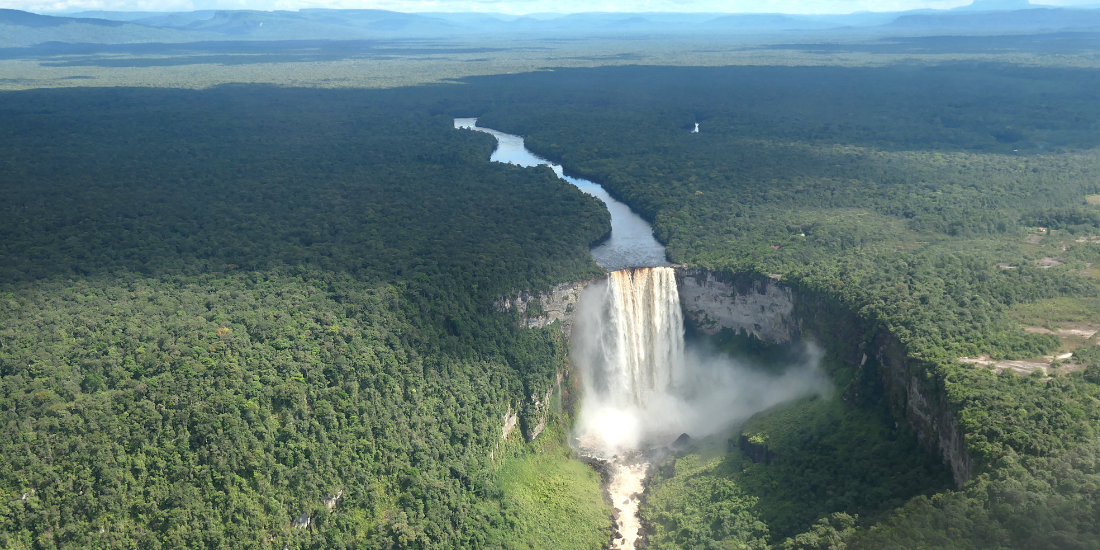
Overview: The Guianas—Guyana, Suriname, and French Guiana—are a unique corridor of South America, where dense rainforests, winding rivers, and cultural mosaics converge in a largely untouched landscape. This region offers a blend of natural wonders, colonial history, and vibrant multicultural communities that remain largely off the typical tourist trail. Travelers here encounter a place where indigenous traditions coexist with Dutch, French, and British colonial legacies, and where biodiversity flourishes in some of the continent’s most pristine ecosystems.
Exploring the Guianas is an immersion into wild landscapes and rich cultural heritage. From the mighty Kaieteur Falls in Guyana to the colonial architecture of Paramaribo in Suriname, and the spaceport and mangroves of French Guiana, the region offers contrasting experiences that feel both remote and cosmopolitan. River cruises, jungle treks, and wildlife encounters reveal a world where adventure and discovery intertwine with history and local customs, making the Guianas an extraordinary and often surprising destination for intrepid travelers.
Where: Guyana is located on South America’s northern coast, bordering Venezuela, Brazil, and Suriname, with its capital at Georgetown. Suriname lies east of Guyana along the Atlantic coast, with Paramaribo as its cultural heart. French Guiana, a French overseas territory, is situated on the easternmost coast of South America, with Cayenne as its capital. Travel between the three is possible by air or regional river and road routes, though much of the interior remains accessible only via guided tours or river transport.
Top Highlights
Kaieteur Falls, Guyana: Towering over 226 meters, Kaieteur Falls is one of the world’s most powerful single-drop waterfalls. Set deep within the rainforest, it offers breathtaking views, birdwatching opportunities, and encounters with rare wildlife like the golden rocket frog.
Paramaribo, Suriname: The capital city’s UNESCO-listed historic center features Dutch colonial architecture, bustling markets, and a vibrant mix of cultures. Wander the streets to experience local cuisine, colonial churches, and the city’s riverside charm.
Maroon Villages and Indigenous Communities: Explore remote villages along the rivers of Guyana and Suriname, where traditional lifestyles, crafts, and music are preserved. Visitors can learn about cultural practices, taste local foods, and witness ceremonies that reflect centuries-old traditions.
French Guiana Spaceport and Coastal Rainforests: Discover the spaceport at Kourou, a hub for European space exploration, alongside coastal mangroves and dense forests that shelter jaguars, capybaras, and countless bird species. Guided eco-tours provide insight into conservation efforts and local biodiversity.
Amazonian Adventures: The Guianas form part of the greater Amazon basin, offering jungle treks, riverboat excursions, and wildlife spotting. Here, visitors may encounter monkeys, giant river otters, macaws, and an array of tropical flora in pristine rainforest settings.
Practical Tips: Travel in the Guianas often requires careful planning due to limited infrastructure in remote areas. Pack lightweight, breathable clothing, insect repellent, and waterproof gear for jungle excursions. Guided tours are recommended for deep rainforest exploration, and vaccinations or health precautions should be checked before traveling.
Cost: Urban exploration and cultural tours are generally affordable, ranging from $20–$50 USD per day, while jungle treks, river cruises, and guided rainforest expeditions may range from $100–$300 USD depending on duration and level of service.
Iconic Photo Spot: Capture the immense power of Kaieteur Falls framed by emerald rainforest, colonial streets and colorful markets of Paramaribo, and the serene waterways of the interior lined with dense jungle canopy. Sunrise or sunset along the rivers often yields particularly dramatic and memorable images.
Final Word: The Guianas offer a rare blend of untamed wilderness, cultural diversity, and historical intrigue. For travelers seeking off-the-beaten-path adventure and authentic encounters, this region delivers both natural grandeur and a deep sense of connection to the peoples and landscapes of northern South America.
22.) The Pantanal Expedition: A Wildlife Safari in South America’s Wetland Wonderland
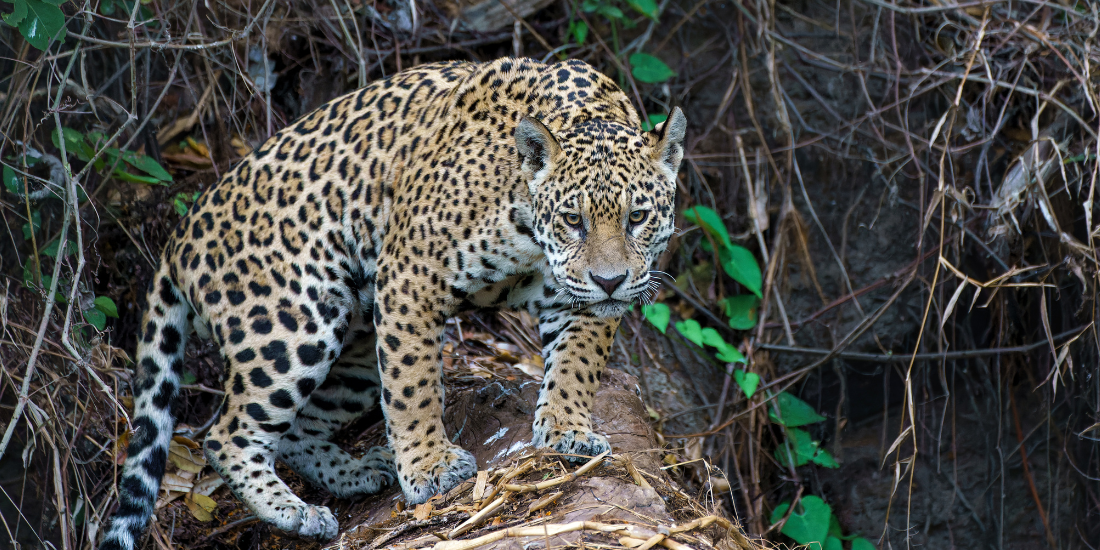
Overview: The Pantanal of Brazil is the world’s largest tropical wetland, stretching across more than 150,000 square kilometers of seasonally flooded plains, rivers, and marshes. Renowned for its incredible biodiversity, the Pantanal is a haven for wildlife enthusiasts seeking close encounters with species that are often elusive elsewhere in South America. From jaguars stealthily navigating riverbanks to giant river otters playing in sunlit streams, this sprawling wetland offers a glimpse into an ecosystem that thrives in perfect balance between water and land.
Beyond its astonishing animal life, the Pantanal is a place of serene landscapes and immersive nature experiences. Vast open skies reflect on flooded plains during the rainy season, while winding trails, oxbow lakes, and dense gallery forests provide endless opportunities for exploration. Birdwatchers, photographers, and adventure travelers alike are drawn to its rhythm of seasonal change, where the ebb and flow of water orchestrates a symphony of life, movement, and color that feels both timeless and profoundly wild.
Where: The Pantanal spans the Brazilian states of Mato Grosso and Mato Grosso do Sul, with smaller extensions into Bolivia and Paraguay. Access is typically through regional airports in Cuiabá or Campo Grande, followed by guided transfers into lodges or ranches located deep within the wetlands. The best wildlife sightings often occur in private reserves and remote areas accessible via 4x4 vehicles, boats, and horseback rides.
Top Highlights
Jaguar Spotting in the Northern Pantanal: The northern Pantanal, particularly around the Transpantaneira Highway and remote lodges, is one of the best places in the world to observe jaguars in the wild. Guided boat and riverbank excursions increase the chances of spotting these majestic predators in their natural habitat.
Birdwatching Paradise: Home to over 650 bird species, including the hyacinth macaw, jabiru stork, and toucans, the Pantanal is a global hotspot for ornithologists and enthusiasts alike. Early morning river cruises and marshland walks offer incredible opportunities to observe and photograph avian life.
Capybaras and Giant River Otters: These iconic wetland species are frequently encountered during boat tours and nature walks. Observing capybara herds grazing or otters frolicking along riverbanks highlights the dynamic and playful side of Pantanal wildlife.
Horseback Safaris and Pantaneiro Culture: Explore the wetlands like the locals do—on horseback. Many lodges offer guided rides through grasslands, forests, and along river edges, providing insight into the traditional Pantaneiro cattle-ranching lifestyle and a closer connection to the land.
Seasonal Flooding and Photographic Landscapes: The Pantanal’s landscape transforms dramatically with the seasons. During the rainy months, vast mirrored plains reflect the sky, creating surreal photographic opportunities. In the dry season, wildlife congregates around shrinking water sources, making animal sightings more concentrated and dramatic.
Practical Tips: Bring binoculars, camera gear with telephoto lenses, waterproof clothing, and insect repellent. Guided tours are highly recommended for wildlife spotting and safe navigation of river systems and remote trails. Seasonal timing affects both accessibility and wildlife activity—July to October is ideal for jaguar and dry-season wildlife observation.
Cost: Multi-day lodge stays and guided safaris range from $200–$500 USD per day, depending on the level of comfort and exclusivity. Day trips and shorter excursions from nearby towns are available for $50–$150 USD.
Iconic Photo Spot: Capture jaguars along riverbanks, colorful macaws in flight, or sunlit herds of capybaras reflected in calm water pools. Sunrise and sunset over flooded plains provide dramatic skies mirrored in the wetlands, offering unforgettable images of the Pantanal’s serene majesty.
Final Word: The Pantanal is a sanctuary of life, where every turn offers the possibility of awe-inspiring wildlife encounters and profound immersion in nature. For travelers seeking a combination of adventure, photography, and ecological wonder, this vast wetland promises experiences that linger long after leaving South America’s most remarkable natural playground.
23.) Altitude Heights and Mystical Markets: Exploring La Paz, Bolivia

Overview: La Paz, perched at an astonishing 3,650 meters above sea level, is a city where dramatic topography meets vibrant culture. Nestled in a deep canyon surrounded by the towering Andes and overlooked by the snow-capped Illimani, La Paz is a city of contrasts—where cable cars glide over bustling streets, markets overflow with colorful textiles and traditional foods, and colonial architecture sits alongside modern skyscrapers. The city’s altitude is both a challenge and a spectacle, offering breathtaking panoramic views and a palpable sense of living at the edge of the sky.
Beyond the dizzying heights, La Paz is a hub of tradition and modernity interwoven seamlessly. Its streets echo with the rhythms of Aymara and Quechua heritage, visible in festivals, local rituals, and the indigenous attire of its people. From the bustling markets to the winding streets of the old city, La Paz offers an immersive cultural experience, where the energy of daily life pulses alongside the mystical allure of its ancient roots. It is a city that rewards curiosity, patience, and a spirit ready to embrace altitude, history, and vibrant urban life.
Where: La Paz is situated in western Bolivia within the Altiplano region, flanked by the Cordillera Real mountains. Its unique topography makes the city a natural amphitheater, with neighborhoods climbing steep slopes and the city center spreading along the canyon floor. The nearby El Alto International Airport provides access for international and domestic travelers.
Top Highlights
Witches’ Market (Mercado de las Brujas): A mesmerizing bazaar where traditional healers sell herbs, potions, and ritual items. Visitors can explore stalls filled with dried llama fetuses, natural remedies, and talismans while learning about Bolivia’s rich spiritual traditions.
Valle de la Luna: Just outside La Paz, this lunar-like landscape of eroded canyons and strange rock formations offers surreal hiking trails and dramatic photo opportunities. The otherworldly terrain is especially striking during sunrise or sunset.
Calle Jaén and the Colonial Quarter: A stroll through this historic district reveals brightly colored colonial buildings, quaint museums, and artisan shops. It’s an ideal area for cultural immersion and understanding La Paz’s layered history.
Teleférico Cable Car System: Experience the city from above on one of the world’s highest urban cable car networks. The rides provide unparalleled panoramic views of the city, canyon, and surrounding mountains, while efficiently connecting different neighborhoods.
Plaza Murillo and Government District: The political heart of Bolivia, where the Presidential Palace, National Congress, and La Paz Cathedral create an architectural tableau that reflects centuries of Bolivian history and governance.
El Alto and the Edge of the City: Venture to El Alto for sweeping vistas of La Paz below. This area offers insights into urban expansion, bustling street markets, and local life away from the tourist-centric city center.
Practical Tips: Acclimatize to the high altitude gradually to avoid altitude sickness; stay hydrated and consider coca leaf tea or lozenges as locals do. Wear sun protection, comfortable walking shoes, and layered clothing for temperature fluctuations. Guided tours enrich visits to markets and cultural sites.
Cost: Meals, attractions, and transportation are relatively affordable, with local food ranging from $3–$10 USD and guided cultural tours from $20–$50 USD. Entry to museums or landmarks typically costs $2–$5 USD.
Iconic Photo Spot: Capture panoramic views from the Teleférico over La Paz, the vibrant stalls of the Witches’ Market, and the surreal rock formations of Valle de la Luna. The backdrop of Illimani’s snow-capped peak provides a dramatic frame for cityscapes and cultural snapshots alike.
Final Word: La Paz is a city that captivates through its altitude, culture, and vibrancy. From mystical markets and historic streets to panoramic Andean vistas, exploring Bolivia’s capital is a journey that blends adventure, tradition, and awe-inspiring scenery, leaving travelers with a profound sense of connection to both place and people.
24.) Aconcagua Ascent: Scaling the Roof of the Americas in Argentina
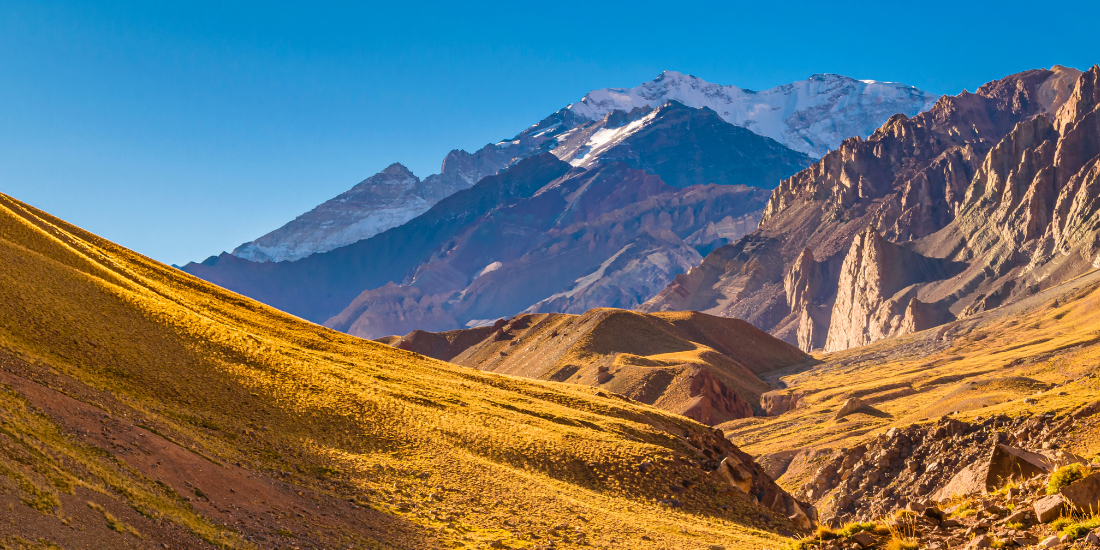
Overview: Towering at 6,961 meters (22,838 feet), Aconcagua is the highest peak in the Americas and one of the Seven Summits, earning its reputation as the “Roof of the Americas.” Located in Argentina’s Mendoza province, this colossal mountain presents a formidable yet enticing challenge for mountaineers. Its snow-capped summit rises sharply above the arid landscapes of the Andes, offering panoramic vistas of rugged valleys, glacial moraines, and high-altitude plateaus. An ascent here is both a physical test and a journey into a pristine environment where the sky feels close enough to touch.
Beyond the climb itself, Aconcagua offers a glimpse into the unique ecology and geography of the high Andes. The mountain’s slopes transition from dry, rocky foothills to wind-swept glaciers, revealing how life adapts to extreme conditions. Trekkers encounter a stark, otherworldly beauty, from vibrant high-altitude flora to towering rock formations carved over millennia. Every step toward the summit is imbued with the majesty of the Andes, the thrill of personal achievement, and the humbling scale of one of Earth’s greatest mountains.
Where: Aconcagua is located within Aconcagua Provincial Park in the Mendoza province of Argentina, near the Chilean border. The primary approach starts from the town of Penitentes or from the park entrance at Horcones Valley. Access to the park requires permits, which can be arranged online or through local agencies.
Top Highlights
Horcones Valley Base Camp: Serving as the primary gateway to the mountain, Horcones Valley offers stunning views of Aconcagua’s towering face and nearby glaciers. It’s also the hub for acclimatization hikes, gear checks, and the first taste of high-altitude trekking.
Plaza de Mulas: One of the most well-equipped base camps in the Andes, Plaza de Mulas provides essential services, including food, shelter, and medical support. Its bustling camp life allows climbers to acclimate while soaking in breathtaking views of surrounding peaks and the vast valley below.
Confluencia: A critical acclimatization point, Confluencia sits amid glacial streams and rocky terrain. Trekkers often spend time here hiking nearby ridges to prepare their bodies for higher elevations while enjoying stunning vistas of the southern face of Aconcagua.
Plaza Canadá and Higher Camps: As climbers ascend, camps like Plaza Canadá offer dramatic landscapes of scree slopes, ice walls, and snowfields. The thin air and stark beauty create a surreal, almost lunar environment, making every pause on the ascent a memorable experience.
The Summit Push (Cumbre): The final ascent is an extraordinary endeavor, often starting before dawn. Climbers traverse high ridges and snowfields, confronting extreme weather and altitude. Reaching the summit rewards with panoramic views across the Andes, stretching into Argentina and Chile, a moment of triumph and awe.
Practical Tips: Proper acclimatization is essential to avoid altitude sickness. Carry high-quality cold-weather gear, layered clothing, and mountaineering equipment suitable for ice and snow. Physical training and prior trekking experience at altitude increase chances of a successful ascent. Guides and support teams are highly recommended, especially for first-time climbers.
Cost: Climbing Aconcagua varies depending on guided expeditions and support levels. Permits for the Normal Route start around $755 USD for Argentine residents and $1,125 USD for foreigners. Full guided climbs with logistics, food, and base camp support range from $2,000 to $5,000 USD per person.
Iconic Photo Spot: Capture the mountain from the Horcones Valley or the approach to Plaza de Mulas, with Aconcagua’s imposing summit framed against the Andes skyline. The summit itself offers breathtaking, unobstructed vistas of neighboring peaks, glaciers, and high-altitude valleys—a quintessential photo for any mountaineer.
Final Word: Scaling Aconcagua is a journey of endurance, awe, and connection to one of the planet’s most formidable landscapes. From base camp preparation to the summit’s euphoric panorama, the ascent challenges both body and spirit while offering unparalleled immersion in the grandeur of the Andes and the unmatched thrill of standing atop the Americas.
25.) Soaring Heights: Hang Gliding and Summiting Sugarloaf Mountain in Rio de Janeiro

Overview: Rising dramatically from the shores of Guanabara Bay, Sugarloaf Mountain is an iconic symbol of Rio de Janeiro and one of Brazil’s most recognized natural landmarks. Its granite peak, perched 396 meters above the Atlantic, offers panoramic vistas of Rio’s beaches, cityscape, and the surrounding mountains. Whether approached by cable car or admired from below, Sugarloaf captivates with its sheer presence and the breathtaking contrast between urban vibrancy and natural grandeur.
Beyond the climb and cable car experience, Sugarloaf provides opportunities for adventure and exhilaration that go beyond sightseeing. Hang gliding from nearby peaks allows thrill-seekers to soar above Rio, taking in the city’s sweeping skyline, Copacabana and Ipanema beaches, and the lush Tijuca Forest from a unique aerial perspective. This fusion of adrenaline, natural beauty, and cultural vibrancy makes a visit to Sugarloaf an unforgettable encounter with Rio’s spirit.
Where: Sugarloaf Mountain (Pão de Açúcar) is located at the entrance of Guanabara Bay in Rio de Janeiro, Brazil. The standard ascent is via the cable car system connecting Praia Vermelha, Morro da Urca, and the summit of Sugarloaf. Hang gliding launches are typically arranged from Pedra Bonita in the Tijuca Forest National Park, a short drive from central Rio.
Top Highlights
Cable Car Ascent: The iconic cable car journey offers sweeping views over Rio’s coastline, beaches, and Sugarloaf’s neighboring peaks. The ride provides perfect photo opportunities and a gentle introduction to the mountain’s grandeur.
Summit Panorama: At the top of Sugarloaf, visitors are treated to unobstructed 360-degree vistas of Rio, the bay, and the Atlantic Ocean. Sunsets from the summit are particularly magical, casting golden light over the city and water.
Hang Gliding Adventures: Launching from Pedra Bonita, hang gliders soar over Rio with the wind beneath their wings, drifting above Tijuca Forest, urban neighborhoods, and the glimmering beaches. Tandem flights with experienced instructors make this experience accessible even for first-timers seeking an adrenaline rush.
Hiking to Morro da Urca: For those who prefer land-based adventure, hiking the trails to Morro da Urca, the smaller peak before Sugarloaf’s summit, offers a moderate challenge with rewarding vistas. Trails wind through Atlantic Forest vegetation and often provide sightings of native birds and wildlife.
Sunset and Photography: Photographers will find endless inspiration at Sugarloaf. Capture the city’s iconic beaches from above, the glimmering waters of Guanabara Bay, and the contrasting peaks of Corcovado and Tijuca Forest—all framed by the dramatic granite cliffs.
Practical Tips: Arrive early to avoid crowds on the cable car, especially during peak season. For hang gliding, wear comfortable athletic clothing and secure loose items. Bring sunscreen, water, and a camera, and check weather conditions as flights depend on wind and visibility.
Cost: Cable car tickets range from $20–$30 USD per person round-trip. Tandem hang gliding experiences typically cost between $100–$200 USD, depending on duration and services included. Guided hikes are often complimentary, though park entrance fees may apply.
Iconic Photo Spot: Capture Rio’s skyline and beaches from the cable car, photograph the summit’s panoramic views at sunrise or sunset, and for the ultimate thrill, document hang gliding flights with the city sprawling beneath.
Final Word: Sugarloaf Mountain is more than a scenic viewpoint—it’s a destination that combines natural splendor, urban panorama, and heart-pounding adventure. Whether standing atop its granite summit or soaring above the city on a hang glider, visitors experience Rio de Janeiro in a way that is exhilarating, unforgettable, and quintessentially Brazilian.
The Travel Lantern:
