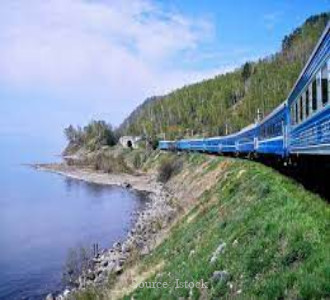
The Trans-Siberian Network
(Trans-Siberian, Trans-Mongolian, and Trans-Manchurian Railways).
Overview:
The jewel of the Tsars, the Trans-Siberian, Trans-Mongolian & Trans-Manchurian are the combination of three incredible train networks that make up one of the world’s most premier – and last remaining – epic adventures — a journey by rail across more than a third of the world. Stretching from Moscow to Beijing via Mongolia these great networks take travellers into the heart and highlights of Eurasia – where they will encounter incredible scenery, embark on unique adventures, experience diverse cultures, and enjoy a truly life-changing experience, as they ride the tracks on this stunning wonder of the world.
Commonly referred to as the Trans-Siberian Network, combined the three train lines cross more than 20,000 kilometres of rail tracks – with the hundreds of stops available across the interchanging lines giving travellers the chance to define the scope, scale, and duration of their journey – with their being a range of passenger comfort levels and experiences available to suit every budget.
However, given the popularity, beauty and travelling experiences available from the interconnectivity of the lines, three main exploration routes have emerged to traverse the Trans-Siberian Network. With these three routes giving travellers the chance to take in the incredible highlights of this stunning region, including exploring the historic and bustling capitals of Moscow, Beijing and Ulaanbaatar, as well as marvel at incredible scenic villages, explore true wilderness in the Russian and Siberian forests and the Mongolian Steppe, be awe-struck at towering snow-capped mountains and traverse and explore the stunning glacial turquoise waters of lake Baikal;
Route 1: The Trans Siberian & Trans-Mongolian Route: The classic adventurist route – and the one that see’s you travel the full length of the Trans-Siberian network – taking you from Russia the Russian Capital of Moscow – to Vladivostok, before syncing up with the Trans-Mongolian Route and south towards the Mongolian capital of Ulaanbaatar then onwards to Beijing – where your epic adventure ends.
Possible to do the route from Beijing to Moscow (although we wouldn’t recommend it) this route will take you across more than 10,000 kilometres of incredible train line and will require intense planning on budgets, time – at least 2 weeks, visas, stop offs, accommodation, and food, but for those who venture on this route (which is something we’d truly recommend from our own experience) you’ll get to experience the best of Eurasia as you travel across a third of the world on a life-changing trip accompanied by and exploring some of the worlds greatest wonders and scenery.
Route 2: The Trans-Manchuria / Trans-Siberian: (Both Ways:) As with Route 1, the Trans-Manchuria takes travellers on a stunning journey across the absolute best of Russian scenery, across the plains of Siberia and into the heart of China and the capital Beijing. A route again travelable in any order, this is a great option for those who want to cross and experience the wonder of the Trans-Siberian network but who don’t have either the time, paperwork or desire to explore Mongolia.
A route than can be traveled in just over 10 days (with minimal stops) or that can be enjoyed at leisure for a full exploration, travellers will again need to account for two country visas and the challenge of planning, accommodation, budgets and stop-offs before setting off – but for those who take on this route, despite the absence of Mongolia, you’ll be in for an incredible journey that crosses the towering snow-capped peaks of the Ural mountains, the wonders of Lake Baikal and get to chance to explore the many wonders that await you in Beijing.
Route 3: The Trans-Siberian Route: The official Trans-Siberian railway line, the final most common route, is where this incredible wonder started, with the Moscow to Vladivostok route – which stretches across more than 9,000 kilometres of track – spanning almost the entirety of Russia and taking travellers on an epic adventure over stunning mountains, through the plains of Russia and deep into Siberia – as you explore a fascinating, culturally rich and the deep history of this incredible country on an epic journey.
The original Trans-Siberian experience, the rail-network across Russia acts both as a starting point for most Trans-Siberian journeys as well as a commuter line for every-day Russians, with this rail journey – which spans two continents and seven time zones – accomplished in as little as 7 days – or for those who stop off between 10 – 14 days, on an incredible and unique insight into the beauty of Russia.
Although there’s three main routes to traverse the Trans-Siberian Network – with the stop-offs and duration at the discretion and decision of the traveller – the most common route across this wonder see’s travellers start in Moscow and end in one of Vladivostok, Beijing or Ulaanbaatar. Because of this every traveller will experience the thrill of riding on the world’s longest railway of the original Trans-Siberian (route 3 above) at the beginning or end of their journey – with it being this network that started the Trans-Siberian railway evolution that would eventually grow to include the Trans- Mongolian and Manchuria line that make up the epic journey and this stunning wonder of the world.
Taking travellers across 87 cities in Russia – as well as 16 major rivers and 15 enchanting tunnels, the original Trans-Siberian network is a feat not only due to its architectural beauty and sheer size, but also due its symbolism and the creation accomplishment which it represents. Officially opened in 1917, the railway line stretching from Moscow to Vladivostok began construction in May of 1891, under the direct supervision of Tsar Alexander III and the Russian government, and was originally constructed for the purpose of trade between Russia and China, following the Russian occupation of the UK, America and Japan during the 19th century.
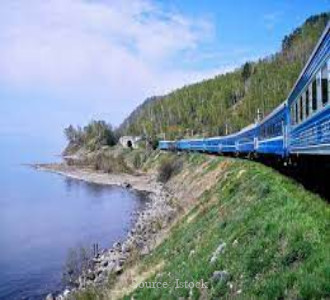
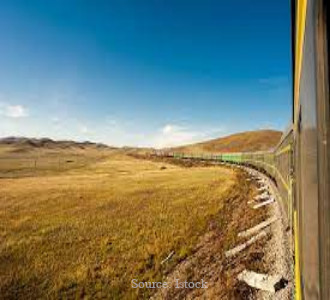
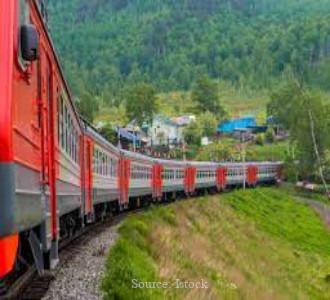
History: Taking 26 years to complete, the Trans-Siberian network was completed in stages – reaching the city of Omsk in 1894, Irktusk (on Lake Baikal) in 1898, and Vladivostok in 1901, with the original journey zig-zagging into China and back up into Vladivostok to account for the sheer size and ice on Lake Baikal – with it then taking an extra ten years before a line around the lake was completed and the full journey could be undertaken and the Trans-Siberian network as we know it today took shape.
Completed under immensely challenging conditions, account for the Russian winter, carving through the Ural Mountains, and crossing large rivers and lakes – including the fearsome Lake Baikal, what originally began as an economic and trade project turned into a source of great price and a true marvel as the Trans-Siberian rail network become a symbol of Russian ingenuity and accomplishment – that still stands today as both a tourist symbol and iconic wonder.
With the completion of the Trans-Mongolian line into Ulaanbaatar in 1949 after nine years of construction, and the Trans-Manchuria line – which built on the initial line from the start of the century across Lake Baikal opening in 1956, the Trans-Siberian network as we know it today officially opened, and over the last seventy years it has served as one of the great travel routes across Eurasia – and one of the great wonders of the world.
Explore & the journey: Alongside the beauty and stops along the way, a journey across these tracks has also become a place of contemplation and thought – which adds to the life- changing nature of this journey. This is thanks in part to the sheer duration of time it takes to travel across the countries and due to the average speed of trains upon the tracks reaching 65 kilometres an hour, which makes for a slow but beautiful journey.
Still, while no one journey is the same, the speed of the trains combined with the many sites and potential stop offs and route variations on the way means that immense planning is required before setting off, with any journey across the Trans-Siberian network – and the potential to take either the Trans-Manchurian or Trans-Mongolian route giving travellers the opportunity to explore multiple incredible sights, scenery and enjoy some thrilling experiences.
For most travellers this experience will begin before setting foot on the Trans-Siberian railway in the base city of the Russian capital of Moscow. It’s within Moscow that you can not only explore a fellow wonder of the world in the Red square in the Kremin, but also spend a few days soaking in the heart of ‘Russia’s Soul’ and the history, theatre and culture of this fascinating country.
For those with a spare day, we’d recommend getting your first taste of the Russian train experience by heading north to check out the stunning architecture, palaces, museums and art of Russia’s second city. For those lucky enough to be travelling during summer do be sure to head for a performance at either the Mariinsky Theatre or one of the world’s great festivals in the white night’s festival – a stunning firework and sail celebration.
Having explored the heart of Russia, you’ll then be ready to set off on the epic journey from Moscow along the Trans-Siberian experience. Regardless of the line you opt to take and destination, your journey will begin along the classic Trans-Siberian line, and we’d recommend making time to explore the great city of Kazan as a first stop detour.
Twinned on either side by the mighty and gorgeous rivers of Kazanaka and Volga, Kazan is a truly remarkable and culturally rich city, with the multi-cultural blend of diverse religious monuments resulting in a series of truly impressive citadels, mosques and cathedrals, which any traveller would be likely to explore.
For those who are fascinated by Russian history – and particularly the downfall of the Tsars, after an exploration around Kazan, the city of Yekaterinburg – where the Tsars met their gruesome end makes for a great spot, with those immune to gory details able to even trace the blood marks and execution spots of the Tsars themselves – in a fascinating exploration of the history of Russia.
Back on the Trans-Siberian and you’ll now be treated to stunning views of the Ural Mountains and the plains of Russia as you journey extends, with those with more time or keen on mountain hiking able to stop off at the city of Perm and get up close to these almost 2,000 metre tall mountains for some hiking, skiing or even horse riding, with the town of Perm being one of the most scenic and picturesque stops across the whole of your trans-Siberian experience – as well as being the official mountain range that sperates Europe from Asia.
While mountain lovers can also stop at the town of Barunal to explore the Altai Mountains, most journeys across the trans-Siberian opt to take in this stunning mountain range from the train – with the views from the windows, which stretch across not just the towering mountains, but also lush green steppe, rolling rivers and sparkling lakes marking a perfect prelude as the Trans-Siberian line rolls towards the stunning glacial lake of Baikal.
Known as the pearl of Siberia, Lake Baikal is the deepest, ancient and most mysterious freshwater lake in the world – and is one of the most stunning spots not just across the Trans-Siberian but in the world. With this charming, turquoise lake being explorable in the summer by kayak, boat and scuba diving – and during the freezing winter – lending itself to snowmobiling, sledding and skiing.
Accessible through the trans-Siberian stop of Irkutsk – a truly charming town where you’ll find a range of access to the lake, Baikal is one of the true jewels of Lake Baikal, and we’d recommend every traveller – regardless of their route budgets at least a couple of days to explore this stunning wonder. From Lake Baikal, the next best city on the route is that of Ulan Ude – which lends itself perfectly to a half-day trip.
Home to the iconic Lenin bust – that is simply huge and a true symbol of Russia – and a great photo spot, Ulan-Ude is also home to one of the hidden gems of Russia the Buddhist monastery of Ivolginsky Datsan – an incredibly charming monastery that sits against a backdrop of stunning mountains that stands as a post Russian revolution symbol of the freedom of Russia.
A charming town – and home to one of the best pizzerias across Russia, Ulan Ude also serves as the fork in the road for travellers riding the Trans-Siberian network – with it being here that we’d recommend all travellers visit before deciding if they wish to opt to finish the whole trans-Siberian line, or sync up with the trans-Mongolian or Trans-Manchurian line.

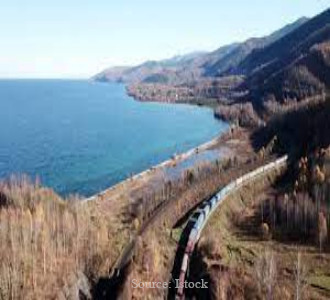
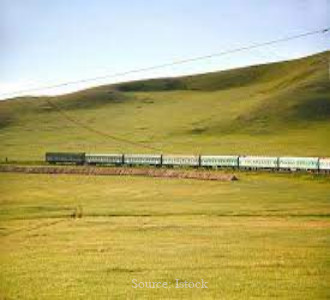
For those continuing with the trans-Siberian line, the next stop will be the end of the line of Vladivostok – where you can make us of the sync up to another line if required. Vladivostok itself is a classic industrial town set against the ocean, where you’ll find charming seaside mixed with the comforts of a big town. While not comparable to Moscow or St Petersburg, it does offer great access to the Kamchatka Peninsula – where explorers can take in the brown bears in the wild, or for those keen on exploring more of Asia, Vladivostok serves as a great place to grab a ferry towards South Korea in the summertime and continue your adventure.
For those taking on Route 1 above and continuing with the classic Trans-Siberian adventure, from Ulan Ude, we’d recommend heading south into the Mongolian capital of Ulaanbaatar on the Trans-Mongolian line – a great modern city awash with fascinating culture and access to some of the great wilderness and adventures on the planet.
Home to the iconic Mongolian Steppe and vast deserts, the approach to Ulaanbaatar offers a series of incredible breath-taking views, and for those lucky enough to have a little time ot hand, it’s in Ulaanbaatar that you can venture further out towards the Gobi Desert, the Gorkhi-Terelj National Park or the Steppe for some true Mongolian Adventures on horseback and in classic Genghis Khan style – to create stunning memories.
While Ulaanbaatar itself is a city that has come to embrace the modernity of life, and has thankfully seen high levels of air pollution disperse, it’s also the best place across Mongolia to take in one of the world’s truly great festivals – the Naadam Festival, that takes place every July and displays the best of Mongolian cultures, performances and lifestyle, that truly displays the best of this fascinating country.
Travelling on from Ulaanbaatar, of for those who opt to head from either Ulan-Ude or Vladivostok, the common final stop on the Trans-Siberian Network journey is the modern capital of China, Beijing. A city rich in immense culture – and with access to the stunning wonder of the Great wall of China, and the Forbidden city, Beijing represents a stunning finale to any journey across the Trans-Siberian – with travellers able to relax and reflect on their incredible adventure and indulge in exploring the rich museums, temples, palaces and buildings of this incredible city.
A truly life-changing journey, travelling across some of the highlights of Eurasia and a third of the world on this stunning rail network is an experience like no other. With this epic adventure taking you not only past and through some of the great forests, lakes, plains and scenery like nowhere else on the earth — and giving explorers the chance to explore and experience, incredible cities, festivals culture and history – but also being a life-changing and life-growth experience, which makes a journey and adventure across the architectural feat and truly stunning Trans-Siberian network a true wonder of the world.

Where:
Stretching across a third of the world the Trans-Siberian network crosses two continents, three countries and more than 10 time zones – for an epic journey across some of the most stunning scenery and landscapes on the planet, and home to some of the adrenaline pumping and life-changing experiences.
While being just part of a Goliath Russian Rail Network, which potentially gives travellers the option to extend their journey across Europe – through the Euro rail – and into Asia from connections and ferry rides in the Asian part of their arrival or departure route, the classic traveller exploration is made up of three routes, which can be travelled in either direction.
These three routes include solely travelling on the Trans-Siberian line that whose termini stations include Moscow and Vladivostok, the Trans-Mongolian Lines who’s stops include Moscow, Beijing and Ulaanbaatar in Mongolia, and the Trans-Manchuria Line, who’s final station is Beijing.
Yet, while the termini stations on the three routes of the Trans-Siberian network are fixed, what is not is the journey – with every traveller having the option to define the scope, scale and duration of their exploration. Because of this travellers can opt not only for any of the three main routes – but also stop-off on their journey to explore the best of Siberia and Lake Baikal at Irkutsk, explore the towering Ural mountains at Perm, and explore the best of Russian history and culture at the fascinating towns of Omsk, Novosibirsk or even St Petersburg, on a journey that is truly at the discretion and budget, time and schedule of the traveller.
In fact, with the Trans-Siberian Network and the three routes stretching over more than 12,000 kilometres of incredible trek, which passes and affords spectacular views of mountains, rivers and meadows, it’s possible to get truly lost in the sheer beauty and wildness that a journey on the Trans-Siberian network affords.
With the first steps of this epic adventure, that will take you to the end of the world, beginning with deciding on how you’ll reach and get to the start of the Trans-Siberian network as you set off on a life-changing adventure.
Getting There:
The Start of an epic journey, getting to the boarding station of the Trans-Siberian network can be an adventure in itself, with explorers having to decide – and thoroughly plan – not only their route along the Trans-Siberian before setting off, but decide on which of the three main boarding / termini stations – Moscow, Vladivostok or Beijing they wish to depart from – and how they wish to get there.
So, to begin the process of arriving at the start of the Trans-Siberian network, explorers will first need to decide which of the three routes they are travelling on, the classic explorer route of the Trans-Siberian Network experience (Moscow to Beijing via Ulaanbaatar or vice versa), the Manchurian-experience (Moscow to Beijing or vice Versa) or the original experience (Moscow to Vladivostok or vice versa.).
With this decided – and with visas, budget, itineraries – and plenty of snacks for the road ahead in hand, your journey on the Trans-Siberian express can begin.
Departing from Beijing:
Starting for those travelling east to west – and arguably the option that requires the least planning and allows for a direct arrival of travelling the Trans-Siberian Express – and heading east to west, departing from the cultural and bustling heart of China Beijing is a fantastic and easily reached way to begin your journey.
The most popular option for those based in Asia who are seeking to return to Europe the Termini and departing station for the Trans-Siberian network in Beijing is the easily named Beijing Railway station that is reached from across Beijing on the Beijing subway line.
Moreover, this main and well equipped station for departure is easily accessed globally by either simply flying into Beijing – from where you can spend a few days exploring the city and its cultural wonders – before setting off, or by flying into any city within China or Hong Kong – and then taking one of the great and modern Chinese rails to reach the Trans-Siberian departure point.
For those with more time and budget and who want to both explore some of the best of Asia and arrive into Beijing with rail miles behind them, there’s the option to arrive from Ho Chi Minh city direct by rail – passing through incredible sights in Vietnam. For those seeking enlightenment before departing and who are able to secure the necessary paperwork there’s the option to arrive into Beijing from Tibet – on a route that will take you into one of the most special and holy places on the planet – which makes for a great way to begin your life-changing journey on the Trans-Siberian network.
Departing from Vladivostok:
A less travelled route – and one for those based in either the east of Russia seeking to travel the original Trans-Siberian route – or based in Sakaiminato Japan or South Korea where daily ferries operate from – departing on the Trans-Siberian from Vladivostok in a western direction will see travellers experience the incredible beauty of Siberia and Lake Baikal, the plains of Russia past the towering Ural Mountains into modern day Russia – in a route which represents an exploration of Russia’s past into its modern future.
Reachable also by air – into the modern Vladivostok airport, travellers departing from Vladivostok can head to the bright turquoise railway station in the centre of town to begin their journey on the Trans-Siberian network – and can expect quiet and less crowded carriages on their journey – which helps bring both the stunning scenery and the reflective nature of this journey to life.
A route less travelled, we’d advise – for the full Trans-Siberian experience, only departing from Vladivostok if there’s no other route available to travellers, as while a charming town, you’ll find a fuller experience – with more access to some of the stunning sites, departing from either Beijing or Moscow.
Departing from Moscow:
The classic – and our highly recommended departure point – for any of the three main traveller routes available for the Trans-Siberian journey, departing from Moscow undoubtedly gives you the best experience on this stunning network, with the main Trans-Siberian network station in Moscow – which is known as the Yaroslavskaya Station (although be sure to check your ticket) easily reachable from within Europe and across the world.
While our recommendation would be to extend the beginning of your journey and reach Moscow by using the great Euro rail network – it’s possible due to budget and time constraints – that a more direct method to arrive into Moscow is required. For those whose travel requirements dictate this, we’d advise flying either directly into one of the four main airport of Moscow to begin your journey – or for a slightly different but equally efficient option consider flying into the airport of Pulkovo in St Petersburg – which will give you a chance to explore this great city, before heading south to Moscow. With there being direct flights from every corner of the globe into Russia that allow travellers to pick up the Trans-Siberian to begin their journey.
For those with a little bit more time and a more generous budget, there’s a much nicer and adventurous way to arrive into Moscow to pick up the Trans-Siberian network – and that’s by making use of the incredible train networks that flow across Europe that can drop you right at the Yaroslavskaya station. This option – which gives travellers the option to decide where in Europe they begin their journey – based on their own exploration preference – can see explorers travel from London and connect to the Eurostar to Paris and then either take the direct Paris to Moscow train – or make use of the Euro Rail to travel across Germany, Italy, Belgium, the Netherlands and then onwards through either Ukraine, Helsinki or Belarus to reach Moscow and the Yaroslavskaya Station to being your journey.
While travelling by train into Moscow requires further extensive planning – and possible additional visas – it’s a great way to begin your journey, and lets explorers not only take in some of the incredible sights and wonders across Europe – but extend their exploration and add further beauty and incredible moments to their journey on the true wonder of the world that is the Trans-Siberian network.
Getting Around:
As well as deciding on your route, itinerary, which station you’ll depart from and how you’ll get there – you’ll also need to consider the type and class of train you’re travelling on – which will likely be defined by your budget.
Given the popularity of the Trans-Siberian network and its reputation as being one of the greatest journeys on the planet there’s a range of trains to choose from which can accommodate travellers from all backgrounds, itineraries, and budgets:
Regular Trains – (Russian National Railway Company)
Starting with the most commonly travelled train – and the one that gives you the true Trans-Siberian Experience – travelling on a Russian National Railway train see’s you journey on the same trains and routes that have been travelled since the Trans-Siberian networks creation – with the regular trains also giving travellers the authentic experience in terms of both stopovers and interaction with everyday Russians – who use this route as part of their every day lives.
The regular trains are also divided into two main sections – the non-stop route – which is available for those using the Trans-Siberian network for commuting only, or the stop-over route – which, as the name suggests, features more stop-offs – and is perfect for those with more time and flexibility in their travel, allowing for stop-offs at the many stunning and beautiful towns, lakes, and sights along the journey.
The more economical route, you can expect the regular trains to offer a food service and a place to sleep, with travellers having the choice of three different classes when travelling on the regular train:
Platzcar, the economical class: The third and cheapest class, this is a great option for those travelling the Trans-Siberian on a budget, with compartments in this class missing the cabin experience and instead divided into 54 sleeper beds in a coach – where you can sit, sleep and watch the beauty of Russia from the shared window.
Undoubtedly uncomfortable at times, and it’s pot luck on who you’ll be in a cabin with, you’ll find each bed has its own charged for electronics, and while this is a great option for those on a budget, we’d recommend using the third class when making short – not overnight journeys – with it being a great option to travel to save money, but not ideal for a long haul journey.
The Kupe – Middle Budget class: Moving up a class the Kupe car is the second most expensive option on the Trans-Siberian and is a great option for those on a budget but who want to enjoy an element of privacy and comfort, with travellers in this class journeying along the Trans-Siberian in a cosy compartment which is made up of 4 people and featuring a shared bathroom as well.
A great option for those travelling as a group – or backpackers travelling overnight, you can again expect electrical outputs, but do be conscious of your possessions and the fact that you can end up sharing with anyone – which has the potential to make or break your journey, especially in consideration of the long-length of travel you may be embarking upon during this journey.
The Spalny Vagon — Premium Class: The first class – and our pick for travellers taking a long-haul or overnight journey on the Trans-Siberian network, the Spalny Vagon class is made up of private compartments that fit 2 travellers – with each compartment having not only a bed for travellers, but the beds themselves being comfortable into a sofa during the day – for a fantastic way to gaze and take in the scenery from the window during the day.
Combine this also with extra storage, a shared shower, a private toilet, and plenty of room and its easy to understand why these cabins require advance booking, with a journey across the Trans-Siberian in one of the Spalny Vagon cabins being one of the most comfortable and best ways to experience the incredible wonder of the Trans-Siberian network.
Private Trains:
For those with a little bit more of a generous budget – and who fancy travelling the Trans-Siberian Network in true luxury, owing to the demand and popularity of this epic journey you can also find a series of private railway lines that traverse the Trans-Siberian network that offer an incredible five-star experience.
Taking you from Moscow to Beijing via Ulaanbaatar on the classic traveller route with multiple stops, these private trains are required to be booked at least three months in advance and travellers upon them can expect their own private cabin, delicious food, private showers and bathroom and a stunning panoramic glass view of the best of the Russian, Siberian, Mongolian and Chinese scenery and landscapes.
A great option for those taking on the Trans-Siberian Network for a special occasion, including an anniversary or honeymoon, the private trains on the Trans-Siberian network run only a couple of times a year and fill up quickly, but for those who want a romantic, stunning and unforgettable experience – and whose budget allows for it – this is undoubtedly the best option to explore this incredible wonder of the world.


Best time to Visit:
No more can the individual uniqueness of a journey on the Trans-Siberian Network be seen than in the differing experiences travellers will encounter depending on the time of year they opt to visit and travel on this stunning wonder.
Operating all year round – you’ll find that late spring, summer and early Autumn (April – September) provide the most comfortable and warm conditions on the trains, and in the multiple stop-offs, with both the Russian Wilderness, the Ural Mountains, Lake Baikal and in particularly Mongolia being pleasant and enjoyable during this period – where as those who opt to travel out of this season (October – March) likely to encounter challenging and cold conditions – with those who travel in winter likely to experience the freezing temperatures that come with a long, hard, and cold Russian Winter.
For this reason, most travellers opt to travel between April – September, and in particularly between May – August, so for this reason, while the conditions are pleasant, there is competition and a rush on tickets during this period. As a result of this – while it does add to the social element on trains — there’s a strong need to not only plan in advance – but be sure to book your tickets well in advance – noting that trains on the Trans-Siberian Network may not run every day – and we’d advise to budget a little bit more for each ticket when travelling during this period.
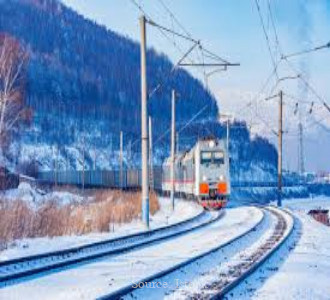
While those travelling in winter, won’t find the same demand for tickets, and can enjoy a quieter more relaxed experience, the challenging nature of the conditions cannot be understanded. With the freezing weather not only having the potential to take the edge of a trip but requiring you to bring plenty of warm clothes and supplies. Yet for those who opt for this route – or for whom this is the only window of travel available – don’t let the cold weather deter you – as while you’ll have shorter days, the snow-swept scenery of Russia’s wilderness and Mongolia’s Steppe is truly stunning and make for truly incredible photos.
One further consideration for the adventurous travellers who are seeking to fill their journey with as many experiences and memories as possible, is that a journey on the Trans-Siberian Network can see you experience not one, but two of the world’s greatest festivals; the White Nights Festival & Scarlet Sails Show in St Peterburg and the Naddam Festival in Ulaanbaatar.
Truly two of the world’s greatest festivals, the White Nights Festival takes place over summer solstice and the midnight sun takes place over the course of the month – with the grand finale likely taking place with the midnight sun in June, where as Naddam takes place on the 10th – 13th of July – meaning that if you time your trip right, you can catch both festival on the same epic journey.
Alongside this both festivals have the advantage of taking place in the summer in both countries giving you favourable conditions, with it being possible to depart on a 2 week adventure across Russia on the Trans-Siberian after catching the White Nights Festival to then arrive into Ulaanbaatar for the start of Naddam – for a truly special trip.
So while the Trans-Siberian Network is open year round, our recommendation for those who want long pleasant days, and a pleasant train experience would be to head during the spring – autumn months, and particularly during May ‑August, where you’ll find the sights along the journey at their most enjoyable, the company on the train at it’s most sociable and the overall experience on this stunning wonder of the world at its most enjoyable.
With those who are able to – and who fancy a true adventure – advised to time their visit to visit both the White Nights and Naddam Festivals, timing their travel from Mid-June to Mid-July.
Best Time To Travel: Summer Season (May – August) – with Mid-June to Mid-July the best option for the truly adventurous traveller.
How long to stay:
A trip that spans a third of the world – one of the true beauties of the Trans-Siberian Network is the freedom that travellers have to define their journey – with trips on this stunning rail network capable of lasting as little as 7 days – to the common route of 10–14 days – or lasting as long as a couple of months for those with a healthy budget and plenty of time who wish to see the best that the Trans-Siberian – and Russia, Mongolia and China have to offer.
While deciding on the length of your trip will likely be defined by your budget – and how much time you have, there’s a range of options available for every traveller to customise and define their journey – with their also being a choice for travellers as to whether they depart from Moscow (which we’d recommend) for the classic Trans-Siberian experience or from Beijing for a quietier and more tranquil experience.
Still while there’s no set route or timeframe, there are three classic routes on the Trans-Siberian express, which we’ve summarised, with the advised timeframe (including stops below):
Route 1: The Trans Siberian & Trans-Mongolian Route: (14–21 days minimum) The classic adventurist route – and the one that see’s you travel the full length of the Trans-Siberian network – taking you from Russia the Russian Capital of Moscow – to Vladivostok, before syncing up with the Trans-Mongolian Route and south towards the Mongolian capital of Ulaanbaatar then onwards to Beijing – where your epic adventure ends.
This route will take a minimum of 10 days to complete – however we’d strongly recommend that travellers budget 14 – 21 days on this journey – accounting for stops in at least Kazan, Perm (for the Ural Mountains), Irkutsk and lake Baikal, Ulan Ude, and then a couple of days exploring Mongolia before finishing up in Beijing.
A journey that will take you through the true highlights of the Trans-Siberian, for those who fancy extra stops and who want to explore the best of Russia history, you could also make time to explore Krasnoyarsk and Yekaterinburg – as well as the Altai mountains – to take in the best of Russia scenery – however for this route and add-on we’d advise adding on an extra 5 days.
Route 2: The Trans-Manchuria / Trans-Siberian: (10 days) The route that takes you across Russia and directly to Beijing via Lake Baikal – this is a great route for those shorter on time, but still want to experience the best of Russia and Siberia on thier way.
For this route we’d advise budgeting 10 days – and making your way towards Beijing with stops in Kazan, Irkutsk and lake Baikal and then Ulan Ude before heading directly to Beijing – for a 10 day or so epic adventure.
While it can be appealing to take this route as an option for exploring Russia in more depth, given the uniqueness and travel experience available via the Trans-Mongolian route, we’d only recommend this route for those short on time and money who want to experience a full journey on the Trans-Siberian, but for whom Mongolia is out of reach.
Route 3: The Trans-Siberian Route (7–9 days): The direct and shortest route – this is the classic Trans-Siberian route that covers more than 9,000 kilometres across the whole of Russia – taking travellers from across Moscow and Siberia all the way to Vladivostok in Russia’s east.
For travellers and exploration, this is a less favoured route – as it cuts out some of the incredible scenic wonders and the real travel experience available on either the Trans-Mongolian or Trans-Manchurian routes – so, in our view, this is not a recommended route for travellers – but is a great route for those commuting across Russia.
For those who do opt for this route, the quickest train takes just over 7 days – and if there is no other option but to take this route – we’d advise adding in a day or two stop-off in Irkutsk and lake Baikal for a journey that will take you just over 9 days and give you some of the best of the Russian wilderness as you travel on the original and classic wonder of the world of the Trans-Siberian express.
As well as planning out your route you’ll need to take into account the time it takes to get to Moscow or Beijing – with those flying in advised to budget an extra 2 days at least – and those taking our recommended route into Moscow by train and stopping off in St Petersburg advised to between an extra 5 – 7 days to complete their journey before boarding the Trans-Siberian express – although this is again a journey that can be completed in as little as 2 days.
For those timing their trip around festivals – the Trans-Siberian offers fantastic access to two great festivals – the White Nights Festival in St Petersburg – which you can budget 2 days for – and for the more adventurous – the Naadam Festival – where you’ll get to witness the absolute best of traditional Mongolian culture – and the tri-tournament of writesling, horse-racing and archery – as well as the famed opening and closing ceremonies – for a spectacle like no other. For those attending the Naadam festival – you’ll need to add an extra 3 nights at least onto your journey.
Therefore – while each journey upon the Trans-Siberian Network will be different and be defined by budget, time and interest – based upon our recommendation of taking Route 1 – the classic journey that takes you from Moscow to Lake Baikal, down to Mongolia and Ulaanbaatar before finishing in Beijing – and allowing time for stops and festivals would be to budget between 14–21 days for the Trans-Siberian Network – not including getting there and a trip to St. Petersburg.
With this amount of time giving travellers the chance to tailor their journey to their own desire and take in the best of culture, history and the scenic beauties that await you on the true wonder of the world that is the Trans-Siberian network.
As an incredibly route suggestion, a route on the Trans-Siberian network may look like:
Day 1: Moscow – Day 2: Moscow – Kazan day 3: Kazan – Perm Day 4: Perm Day 5: Train day 6: Train Day 7: Irkutsk & lake Baikal Day 8: Irkutsk & lake Baikal Day 9: Irkutsk to Ulan Ude Day 10: Ulan Ude & back on Train Day 11: Train towards Ulaanbaatar Day 12: Ulaanbaatar Day 13: Terelj National Park Day 14: Ulaanbaatar & train15: Ulaanbaatar to Beijing Day 16: Beijing & finish.
However, we’d recommend taking the above and tailoring it for your own stop-offs, tours and festivals — to ensure your journey is as complete, epic and special for yourself.

Top Tips:
An epic rollercoaster of a journey, as thrilling and life-changing as travelling on the Trans-Siberian express is, it’s an adventure that requires an immense amount of preparation and planning – with the level of preparedness and a solid itinerary being the true backbone of exploration that will make or break any trip on this stunning wonder.
This planning stretches not just for accommodating for your route and the stops, hotels and food, but also ensuring that explorers have the necessary visas, supplies and resources to survive on the Trans-Siberian journey – with those heading into the Mongolian wilderness or travelling in winter likely to face extraordinarily tough and challenging conditions.
Couple this as well, with the need to ensure your journey – particularly on those long hours travelling across the Russian plains – are as enjoyable, entertaining and safe as possible, and suddenly the volume of considerations and planning need to not only complete but make the most out of this increidble experience can become daunting.
Therefore, while every journey and adventure upon the Trans-Siberian express will be different and unique – and defined in scope by each traveller’s budget, duration and desire to stop-off – there are a number of universal top-tips that we’d recommend in order to both make your journey on this incredible wonder of the world as smooth and as enjoyable as possible.
Visas:
Starting with it will be one of the most laborious and challenging tasks, that will face all travellers before they step onto the Trans-Siberian express, visas for entry.
Depending on which of the three routes you opt to travel (Moscow to Vladivostok, Moscow to Beijing via Ulaanbaatar (Trans-Siberian and Trans-Mongolian), or Moscow to Beijing (Trans-Siberian & Trans-Manchurian) and your direction of travel, your visa requirements will differ. However to begin with in tackling this process, everyone travelling upon the Trans-Siberian Network will require a Russian Visa, which is the most complex of the three Visas you may need to obtain.
The Russian Visa:
First-up in getting your Russian Visa, you’ll need to decide on which kind of visa you require, which will be decided by the length of time you plan on spending within russia and how many stops you choose to take. With their being two types of Russian visa available for those travelling on the Trans-Siberian Express:
The Tourist Visa: The most popular and easy visa, the tourist visa allows for a single, or double entry (no more) into Russia and is valid for up to 30 days. The low cost of this visa makes it an ideal choice for those travelling on a tight budget and timescale.
The Business Visa: The more expensive option, and subject to more scrutiny, the Business Visa is the option for those seeking multiple entries into Russia and who wish to stay longer than 30 days. A standard business visa allows for 90 days of travel but can be extended up to a year if required.
Alongside deciding on your visa, you’ll then need to comply with the administrative section, which includes ensuring that if you’re staying in one place for longer than 9 days, you have officially registered with the Russian Government (which is normally done by the hotels themselves, but be sure to check) and that the entry and exit dates on your visa match up strictly with your itinerary– as this will be rigorously enforced within Russia. For this reason, we strongly advise all travellers within Russia to keep all their paper and digital receipts securely.
Having got all this sorted – and checked your entry and exit dates and being able to provide proof of your hotel, you’ll then need to go through the process of obtaining an invitation letter to enter Russia. The invitation letter can sometimes seem daunting, however there are a range of Russian online services that can assist (and even some hotels depending on the class of hotel you are staying wihtin) in securing this letter. For those running short on options, the best route is to seek to book your train tickets online with a travel agency and secure their help in getting your invitation letter.
After securing an invitation letter, and three months before your travel – you are then able to apply for a Russian Visa. Depending on your citizenship and your base country, this will either be by post – or more likely in an appointment in an embassy / visa service, where you will hand over your documents and itinerary for consideration for a visa — which, all being well, will be confirmed for you a week later.
A challenging, and painstaking process – but one that is well worth it in consideration of the journey ahead, planning in advance for the visa, and ensuring you apply at the start of the three-month mark is highly recommended if you are to avoid one of the common pitfalls of Trans-Siberian travel and successfully make your way into Russia to begin your journey.
China Visas:
For those taking on the Trans-Manchurian line or entering Beijing via Ulaanbaatar, then the next visa you’ll need to obtain is the Chinese Visa, which is thankfully simpler and easier than obtaining a Russian Visa.
For the Chinese visa, which is required by all, you’ll need to ensure you have your travel dates to hand, as well as your vaccination statues and two passport photos, then with your money to hand you can then head to your local embassy and submit your application.
We would strongly recommend not leaving your Chinese visa application till the last minute and applying around 2 months in advance – as there have been reports of people having visa applications applied for in Mongolia refused – meaning they have to fly out from Ulaanbaatar back home and don’t get to complete their full journey on the Trans-Siberian.
Mongolian Visas
The simplest visa to obtain – and a visa that will unlock one of the worlds last frontiers and a pathway to true wilderness, people with American, Canadian and select European and Asian countries are able to enter Mongolia for free – which certaintly helps for those planning a longer and less strict itinerary.
For those who do require a visa for Mongolia, the process is as simple as either heading to the Mongolian Consulate in Irkutsk in Siberia while you explore Lake Baikal, or for those who want to have their visa on hand before entering you can download the Mongolian visa form 2 months before your date of travel and head to the Mongolian consulate – where a quick check will be done on your form and you’ll get you visa on the spot.

What to Bring:
Having got your visas to hand you can turn your attention onto the essential items that you’ll need to bring to make it through and ensure that your journey is as enjoyable as possible.
These items will need to last you for at least 10 –12 days if not longer, and you’ll need to pack according to the season and weather you’re travelling in, with those travelling in winter and into the Mongolian Steppe advised to pack for extreme arctic conditions, where as those travelling in summer can pack lighter – and be sure to bring plenty of sunscreen and swimming shorts to enjoy the wonders and stop-offs along a journey of the Trans-Siberian express.
Whichever season – and route you opt for, there are a couple of essentials for any trip along the Trans-Siberian that we’d recommend every traveller packs:
- Snacks and food: Arguably the most important in our book! — a journey along the Trans-Siberian can be long, and at time you may find food options limited. As travelling on an empty stomach can be a truly unpleasant experience – we’d recommended coming with – and stocking up along the way – on plenty of chocolates, crisps, instant noodles, coffee, tea and water – and be sure to bring a bottle, flask, pocketknife and a tubbaware and a spoon and fork as well – to make sure you can eat any instant meals.
- Hygiene Supplies – For those travelling in the lower classes on the Trans-Siberian Railway, you’ll find showers in short supply – and often they may not be the cleanest of best place to wash. Therefore – we’d really recommend bringing deodorant, toothpaste, toothbrush, sanitary products, and plenty of wet wipes and toilet paper – to make sure you are fresh for the journey ahead.
- Medicine Supplies – While you of course plan for the best on your journey on the Trans-Siberian (and we certainly hope your journey is pain free) given the length of your journey and the long trips on the Trans-Siberian netowrk – it’s best to plan for the worse. So, to this end we’d advise taking plenty of painkillers, asprin, throat sweets, Imodium and bandages with you along the way – to be sure you are prepared for any medical incidents.
- Electronics & entertainment: Whilst an undoubted highlight of any Trans-Siberian journey is watching the wilderness and beauty of Russia, Siberia and Mongolia roll past your window – with the endless plains, towering mountains and gorgeous rivers providing truly stunning scenery. There will undoubtedly be nights and moments where a good book, e‑reader or film will come in handy, as well as every traveller likely being required to check emails, get through some work and thoughts on a laptop or phone – and of course keep family and friends updated on their travel.
For these reasons, we’d advise ensuring you bring at least one phone – which contains a Russian Sim card, a tablet – and possibly a laptop, and be sure to bring plenty of power-banks – and a universal adapter for the carriages and charging. With those less inclined for technology advised to bring cards, and mini board games – which represent a great way to both pass the time and make new friends along your journey.
- Translation – while available as an app on most phones (be sure to get an offline version) we’d advise also bring a Russian Phase book or dictionary. While you’ll find that – for those that speak it — there is a general understanding of English on the trains, for those venturing into the remote areas of Russia and Siberia – and travelling in the cheaper classes- having a way to communicate and speak will be a life-saver – so we’d really advise carrying at least an app capable of translation – or for those who don’t have an app a translation dictionary.
- Clothes – The item that will vary depending on the time and season you take on the Trans-Siberian express, we’d encourage as a basis to firstly pack travel washing laundry – and then make sure you have multiple pairs of underwear, t‑shirts, jumpers, a towel, socks, flip-flops, a coat, hat and a hoodie. With those travelling in the summer – and fans of hiking – advised to bring solid Hiking boots and Odor free socks – as well as a solid hat, sunglasses, swimming shorts and plenty of sunscreen. With those travelling in winter advised to bring multiple thick layers, gloves, a woolly hat, a scarf, thermal underwear and tops, a thick towel and solid warming socks – to account for the freezing temperatures you’ll encounter along the way.
Currencies and Money – finally, while you can purchase tickets for the Trans-Siberian express online, it’s essential that every traveller comes with plenty of Russian Rubels, Mongolian Tugrik and Chinese Yuan (depending on your route) — with there often being extortionate rates charged for currency exchange which can really impact any budget. Additionally we’d advise travelling with a credit card (for emergencies) and a special travel card (such as wise) that you can use to confirm hotel reservations and easily (and cheaply) withdraw money from – helping you save extra room in your budget for more experiences on the Trans-Siberian network.
Food on the Trans-Siberian:
As well as following our top-tip on making sure you bring plenty of snacks and food essentials (including tubbaware, a flask and cutlery) it’s great as well to understand the food options on the Trans-Siberian train itself – both so you can plan and ration your snacks and get the full trans-Siberian experience of trying the local food !
For those travelling on a main Trans-Siberian network train – regardless of the class of the carriage you’re travelling in, you can find a restaurant carriage in every train. This restaurant carriage not only offers a great place to take a break from your own cabin – but with great windows – offers a stunning view as you munch down on some tasty food.
Open every day from 9am – 9pm, you’ll find it also doubles up as a social space as well – with the meals on offer being traditionally Russian – full of hearty vegetables, warm and capable of filling up a hungry traveller. For those travelling along the Trans-Manchurian or Trans-Mongolian line – look for the same carriage in the middle of the train – but expect a chance in menu towards more noodle and traditional Chinese dishes – which can be equally tasty.
With each train also having a trolley that does a round once a day (a great way to stock up on snacks) there’s a range of options for eating on any journey – but for those on a tight budget, or who find themselves out and about all day before picking up the train, you can often find platform dining – which takes the form of street vendors – dotted along the railway line waiting for hungry travellers, with these vendors who offer everything from cigarettes to hotdogs making for a great – if questionably hygienic – way to get your meals for the train journey ahead.
Safety:
One of the core reasons a journey along the Trans-Siberian network is a thrilling and truly life-changing experience, is undoubtedly due to the high level of safety travellers experience and enjoy on these trains.
Safe for families, couples and solo travellers – regardless of the class of train you travel in – it’s immensely rare for there to be incidents on any Trans-Siberian train, with each train being not only kept thoroughly clean, but each carriage on the train having its own conductor and safety personal – responsible for the safety on those onboard.
However, with that said, it’s always a good idea to follow basic safety tips when travelling on the Trans-Siberian Network – including limiting your alcohol intake, not flashing money, not leaving items unattended and ensuring that cases and protected items are stored in the provided safety boxes.
Additionally, for those sleeping in carriages – we’d encourage you to make sure that your rooms are doubly locked and secured before settling in for the night, as while safety is paramount on the Trans-Siberian and there are great protocols in place, it’s also advisable to plan for any potential incident.
Getting there and Getting Around:
In compliment to the detailed overview provided in the Getting there and getting around section, we’d encourage all travellers who are departing from Moscow and are not based in Russia to begin their journey not by flying into Moscow – but instead make use of the fantastic EuroStar and Eurorail networks to get to Moscow to begin their journey.
An adventure in itself, getting to Moscow by train not only lets you extend your journey – but given the potential train routes into Moscow – which including departing from London and crossing the best of Europe to arrive, heading through the Nordic region and Finland into Moscow or taking a euro-trip and heading into St Peterburg, from where you can then head south into Moscow to begin your journey.
A route with endless possibilities, heading into Moscow by train is not only an epic journey, but one that can allow travellers to experience the best of Europe and check out stunning wonders on their way – and is undoubtedly one of our top tips for this epic journey.
As well as ensuring your route getting there is as enjoyable and adventurous as possible, travellers will also need to be aware of the main train classes before setting off – with each one offering a different level of comfort and impact on your budget. Divided into three classes, First (the most expensive – with private cabin and window, sockets and a restroom), Second (the mid range option – with carriages of four, sockets, a window and a shared restroom) and third ( the least expensive, divided into 54 bunk bed in a dormitory style, with shared sockets and shared windows) — there are a range of cabins to suit each traveler.
While the quality and what to expect is detailed in full in our Getting around the Trans-Siberian network guide, it’s important that travellers assess not only their budget – but also their desired comfort level, electrical requirements and who they’re travelling with, before deciding on which class they opt for. With these decision all being an essential part of our most important top tip for travelling on the Trans-Siberian Network – planning in advance.
Plan in advance:
Finally, perhaps the most crucial bit of advice for anyone taking on a journey along the Trans-Siberian Network – it is critical that you plan your itinerary, route, stop-offs and budget well in advance.
The pivotal thing that will make or break your adventure, planning in advance will allow you not just to secure your visas in a timely manner, but also so you can make sure your journey is everything it should be. With each traveller having to consider their stop-offs – based off their own budget and timeline – as well as interests, with trips on the Trans-Siberian being tailored for nature lovers (Ural Mountains, Lake Baikal, the Mongolian Steppe) History Buffs (the Kremlin, the Yekaterinburg and the museums of Beijing) and wonder lovers (the red square, the great wall and the Forbidden Palace).
Alongside this, planning in advance is essential for those with one eye on their budget, with the sooner you book train tickets and accommodation, the cheaper things are likely to cost (see below) giving the budget conscious travellers more room to explore some of the incredible stops and sights along their journey – or upgrade to a more comfortable carriage to enjoy their journey.
The truly essential part of any Trans-Siberian experience, the value of planning your journey on the Trans-Siberian cannot be understated – with it being only through advanced preparation that you can fully enjoy the life-changing experience that is a journey on the wonder of the world that is the Trans-Siberian network.


Cost:
An adventure that will take you across a third of the world and through the best of Eurasia, a journey along the Trans-Siberian network, despite the sheer length of its tracks, can be incredibly affordable – with there being a range of budget possibilities and options available to ensure that every traveller can experience this incredible wonder of the world.
While each and every journey on the Trans-Siberian Network will be different – and the cost will of course vary based on which of the three classic traveller routes you opt for (Trans-Siberian, Trans-Manchurian or Trans-Mongolian), the amount of stop-offs on your way, the duration of your trip, the time you depart and the class of train you opt for – to begin with your budgeting there’s a couple of base costs that every Trans-Siberian network journey will involve.
Cost of Getting There:
First-up, you’ll need to budget to get to your starting point – which will likely be one of either Moscow or Beijing. For those starting from Beijing and seeking to travel east to west, there are two main options, the first is that you can simply fly into the capital – which for those based in Asia will cost between $200 — $300 USD – or for those with more time and who want to a further taste of train travel within Asia – you can get a direct train from either Tibet or take on the thrill of riding Vietnam’s magnificent Reunion Express to reach Beijing.
For those who are departing from Beijing, and who are seeking a simple and more direct method of reaching their departure point by flying, we’d advise consider looking at the prices of flying into neighbouring cities – such as Hong Kong or Shanghai – where not only can you get a day or two exploring some of the best fascinating cities in Asia, but you may also be able to save a little on your budget by flying into these towns and taking the train towards Beijing.
When departing from Moscow, there’s a wealth of options and a range of budget options for travellers to consider and pick from. First-up for those travelling from outside of Europe – or for those on a strict timescale and itinerary, flying into Moscow may be the only option available, with flights into Moscow from outside Europe starting at $500 Usd and rising as high as $1500 Usd based on your departure location, with flights inside Europe to Moscow beginning from as little as $50 Usd.
However, for those with more time our recommendation would be to avoid flying into Moscow to begin your journey, and instead make arriving at your destination part of your adventure on the Trans-Siberian. To do this you’ll be making use of the incredible rail network spread across Europe, with both the Eurostar and Euro-Rail both fantastic options to arrive into Moscow from across Europe.
For those based outside Europe – and on a budget – the easiest way to take on this route is to bag the cheapest one-way flight into any major European city that you can and then connect to the European rail networks. While it’s possible to travel from across Europe – some key cities and routes we’d recommend is either heading from Paris to Russia on the Paris Russian train, taking in the sites of mainland Europe in the Netherlands, Belgium and Germany before heading through Ukraine and into Moscow, or taking the Nordic route and making your way through mainland Europe up towards Helsinki and over the border into Moscow – which is a fantastic winter option for those who want to combine their Trans-Siberian experience with the natural wonder of the Aureo Boulis.
There’s also the train enthusiast and extended option which combines the best of the Eurorail above with one of the world’s premier cities in London, with trains leaving from St Pancreas station in London and connecting to Europe – allowing travellers to experience a train journey that stretches across almost half of the world, for an epic and truly memorable adventure.
A highly recommended option to begin your journey on the Trans-Siberian express, travelling across the great European network will take extra planning and time – but again there are a range of budget options – with travellers taking this route advised to budget between $100 — $400 Usd for travel across europe by train to reach Moscow.y
Train Tickets:
Having got yourself to your point of departure and figured out your route, the next thing on your list will be to secure your train tickets.
Before booking them, you’ll need to decide on the class that you’re travelling on, with there being three options that each cater to the relevant budget of a traveller when travelling on the Russian National Railway trains:
- Third / Economy class (platzcard): (the most budget friendly option): The best option for those who want the Trans-Siberian experience but are travelling on a budget, the Economy class – or Platzcard option – caters to the backpacking class, and you travellers on this route can expect a bed in dormitory style open plan train carriage. Equipped with sockets, a small desk and a window, the Platzcard class is a great option for travelling between cities on the Trans-Siberian railway, but not recommended for long travel.
You can expect tickets to start from between $25 — $50 per leg, or for a full-length trip from Moscow to Vladivostok to cost $200 and a full-length trip from Moscow to Irkutsk to cost $150 – with a trip to Irkutsk giving you the best of Siberia and being a great way to experience a journey on the Trans-Siberian express.
- Second Class (Kupe) — The best option for those travelling long-haul on the Trans-Siberian express and travelling on a budget, the Kupe class is undoubtedly the best option – with this section being the best option on your budget while providing an element of comfort needed for such a long trip.
Composed of 10 compartments – made up of 2 bunk beds, a shared toilet and a communal shower., one of the great features of the Kupe class is the windows available in each compartment – that allows for stunning views of the wilderness, mountains, lakes and scenery that will pass you by on your journey – a single leg in second class can cost between $50 — $100 USD, and for a larger journey from Moscow to Irkutsk / Vladivostok or beyond including Mongolia and Beijing, start from $250 Usd and go upwards in price based on your length of travel.
- First Class (“Spalny Vagon”) - The most expensive option – but the choice for those travelling with a generous budget, the first-class cabins on the Trans-Siberian are composed of 9 carriages containing 2 beds, and offer plenty of storage, space, and best of all a private vieweing window – from where you capture the absolute best of the famed Trans-Siberian landscapes.
A great option for those wanting to travel in comfort, our recommendation would be to utilise the First-Class option for extended travel, including overnight, with prices starting as a minimum of $800 for a multiple leg journey, and extending to up to $1800 Usd for longer journeys – including stretching into Beijing and Mongolia.
With options to suit all travellers, the budget for trains will vary by each traveller based on their itinerary and the number of stops they take. For those not new to Russian trains do note that while each train has its different class – the trains themselves also vary as a whole in quality – with low numbered trains starting with 00x being of higher quality but more expensive, and those being of a higher number being less expensive and lacking in comfort options – such as air-conditioning, washrooms etc.
While both trains will take you along the Trans-Siberian route – it’s worth considering the number of the train you’re boarding, relative to your budget, before setting off.
Having decided on your route, the train class and the train you’re going to take you’ll also need to purchase your ticket – and you can go about this in three main ways; from the ticket office – which is a great option for those on a flexible schedule planning many stop-offs – online at any number of travel agencies of through the networks themselves – and as part of a guided tour along the railway – which while not allowing the freedom of an independent journey, makes for a great choice for those not keen on undertaking the itinerary and preparations required to complete a journey on the Trans-Siberian network.

Pre-Departure Hotel & Hotel Costs :
Having got yourself to either Moscow or Beijing and having stocked up on supplies as well ahead of your journey, you’ll need to budget for a hotel room for at least one night – if not more – depending on the departure times of your train.
This is again something that can be at the traveller’s discretion – with those on a budget able to find hostel accommodation for as little as $10 – whereas those who fancy a good night’s sleep able to bag a more accommodating hotel room for between $50 — $100 Usd a night in either Moscow or Beijing.
For those stopping along the way – which is again something we’d highly encourage, within Russia you can again find cheap hostels and accommodation starting from $10 in most cities – and rising as high as $100 Usd a night for those who are travelling at a higher comfort level.
While camping is also an option in Perm – for those exploring the Ural Mountains, or in Irkutsk – for those taking on the Trans-Mongolian line and entering Ulaanbaatar we’d advise you to increase your nightly budget to between $35 — $75 a night to ensure a good room close to the highlights of this great city.
Additional Costs – Visas, Food, Souvenirs, Entries etc:
Having got your accommodation, train tickets and hotels all booked – you’ll then need to factor in the costs for the logistical and additional elements of a trip on the Trans-Siberian network.
For starters, for those entering Russia, you’ll need to budget $65 Usd for a visa – with those heading into Mongolia needing to budget $30 Usd for their visa, and a Chinese visa likely to set you back between $90 — $120 Usd depending on where you come from.
You can then budget between $5 Usd (for those on a budget) to $25 Usd a day for meals per person – being sure to stop up on snacks before departure (an extra $2 usd a day) – and put aside around $100 Usd for souvenirs to commemorate your trip on this stunning network.
For those stopping off along the way – which is, in our view, an essential part of the Trans-Siberian journey, you’ll need to up your budget a little – in consideration of the fees and charges to enter parks, palaces and temples – and so we’d advise budgeting at least an extra $25 a day to ensure you can experience the wealth of beauty, culture and sights along your journey.
Estimated cost for the Trans-Siberian Network:
Therefore, while each journey along the Trans-Siberian network is different – and the volume of stop-offs, the train class and the duration will define the budget, there’s a range of base prices that will be included in any Trans-Siberian trip – regardless of the length.
These include the visa cost ($65 – which can rise to $215 depending on your route) your food cost (between $5 — $25) a day, and the souvenir ($100) and accommodation cost (between $10 — $50) a night, giving a base for essentials at between $300 — $1000 Usd for a basic 7‑day trip on the Trans-Siberian express.
Factor in as well arriving – which in the most direct option from the closest region can be $100 Usd, from further away can stretch to $1500 and by utilising the euro-rail can be between $100 — $400 Usd – and you’re looking at between $100 — $1500 Usd extra onto your budget before setting off.
You can then factor in an extra $150 (for train travel on the shortest route in the cheapest class) or up to $2000 Usd (for the most expensive shortest route) and you’re looking again at an extra toll on your budget.
However, in consideration of most travellers budget – and that you can of course stop off and mix up your route and the class you travel in, our advice for budgeting for the Trans-Siberian would be to take the median base cost of the essentials — $700 Usd as a starting point – and then adjust your expenditure based on your budget.
With based on the figures above and taking the classic traveller route across the Trans-Siberian which goes from Moscow to Beijing via Ulaanbaatar, with a couple of stops over the course of 10–12 days averaging out at around $4000 Usd – not including getting there. The average cost for a 10-day trip using just the Trans-Siberian and Trans-Manchurian line costing $2500 – not including getting there – and the direct route from Moscow to Vladivostok costing on average $1250.
However please do bear in mind that these are approximates and averages, with any route travelling upon the Trans-Siberian Network – and the budget involved truly being at the discretion of the traveller and their itinerary – which is part of what makes the wonder of the Trans-Siberian such an epic, exciting and life-changing adventure which anyone can, regardless of their budget, can enjoy.

Fun Fact:
An epic adventure, the Trans-Siberian is not only a life-changing and stunningly beautiful journey into and across the wilderness and best of Eurasia, but is in itself a fascinating line to travel upon, with this architectural feat and the rail lines that make it up, standing as not only a symbol of Russian Pride and the last successful Russian Empire project before the revolution, but one of the most unique destinations on the planet, that is blessed with a range of Fun facts and trivia.
Chief among these is undoubtedly the sheer size of the Trans-Siberian Network, with the Trans-Siberian route and line, which stretches from Moscow to Vladivostok clocking in at 9,289 kilometres in length, the Trans-Mongolian line stretching for a massive 2,215 kilometres and the Trans-Manchurian line stretching for 8,986 kilometres, with the sheer ingenuity and resources required to build these lines – which were completed over a period of 25 years, being not only impressive but making the Trans-Siberian network a record holder for the fastest construction of a railway line of such size.
Because of the sheer size of the network – that expands beyond the classic three traveller routes – a journey on the Trans-Siberian network can pass through more than 10 time-zones, with those travelling from east to west heading back in time and those travelling from west to east heading forward in time.
Yet whichever way you opt to travel – forward or back in time – one of the beauties of the Trans-Siberian network is the freedom for a trveller to define their own route and stop-offs, with the Trans-Siberian network having a record number of stops for any railway – at an incredible 65 stops, that pass through more than 90 cities, three countries and two continents.
Thanks to these stops travellers can experience the incredible Ural Mountains at Perm – where two continents meet, the serene turquoise glacial lake of Lake Baikal, explore the incredible history of Russian in grand palaces and fascinating museums at Moscow, Kazan and St Petersburg, roam across the Mongolian Steppe and experience the culture, palaces and stunning sights of Beijing – while riding on one of the most interesting, fascinating and fun wonder of the world of the Trans-Siberian Network.
Top Sights & Best photo spots:
An epic and life-changing journey, a ride on the Trans-Siberian Network will not only take you across a third of the world, but this stunning unparalleled journey will give you the opportunity to snap and photograph the absolute best of Eurasia’s rivers, lakes, mountains and plains, take stunning shots of the best of Mongolia – including its famed Steppe, take incredible photos of rare wildlife, snap historically and culturally rich cities and capture amazing wonders and adrenaline fuelled memories that will not doubt last a lifetime.
A true photographers paradise – and a great option to snap a series of wonders of the world in one epic adventure, the Trans-Siberians network flexibility and the onus on the explorer to define their stop-offs and timeline adds to both the uniqueness of every shot and the ability of travellers to capture their picture-perfect moments and the scenery, events and moments that matter to them.
One of the world’s greatest adventures, the photographic equipment needed to capture shots across the Trans-Siberian network – and its stop-offs – is again at the discretion and desire of the explorers, with basic camera phones able to capture stunning moments, while those seeking more intimate and detailed shots encouraged to bring along high-definition equipment, particularly if heading into the wilderness of Siberia on their journey.
However, while the duration of your journey, the stop-offs, the location of shots and the equipment needed will vary for each traveller based on their needs, what is universal is that any journey across the Trnas-Siberian, which enables these stunning shots, will require an immense amount of planning and thought – especially for those seeking to cross more than 10,000 kilometres of this stunning wonder.
Therefore, to make your photographic journey across the stunning Trans-Siberian network as easy and successful as possible, and to ensure you capture the absolute best of this incredible wonder of the world, we’ve rounded up our top sights and stops to photograph on your epic adventure:
The Trans-Siberian Train & view:
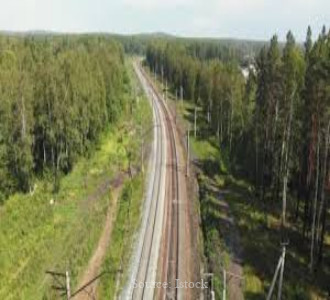
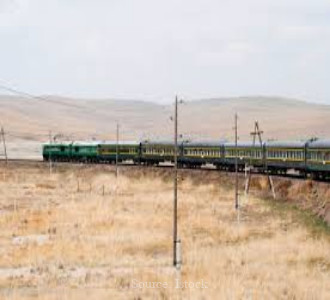
The wonder itself and the connecting and heart of this epic journey, undoubtedly one of the thrills and deep moments of any journey across the Trans-Siberian network is experiencing and documenting life on the train itself – which will be your home for at least 7 days.
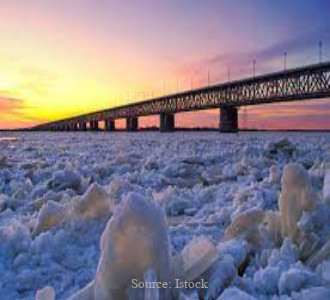
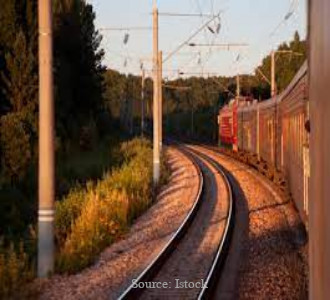
Regardless of the class you and your budget opt for, snapping shots inside of the train, from the cabins to the interior, is one of the great moments and memories of this journey, as to is snapping the tracks and bridges that the trains wind through, allowing you to capture the true architectural feat that is this stunning wonder.
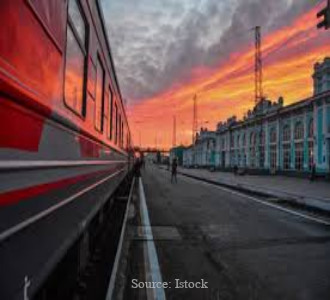
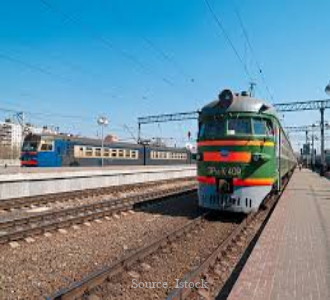
Alongside the tracks, for the keen photographer we’d also recommend spending some time at each station, to capture best of Russian Architecture – with the stations of Yaroslavl in Moscow, with its turquoise belt, Omsk, with its bright green exterior and Ulaanbaatar all being unique, colourful and making for incredible shots along the way.
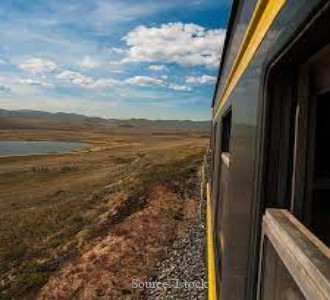
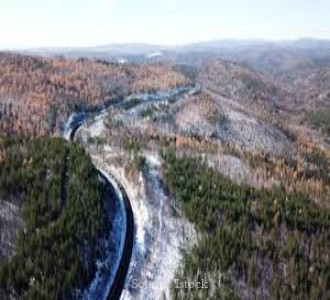
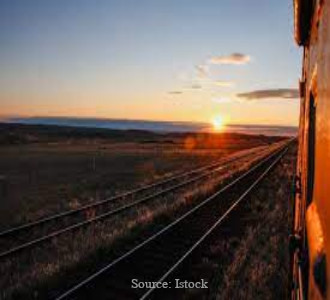
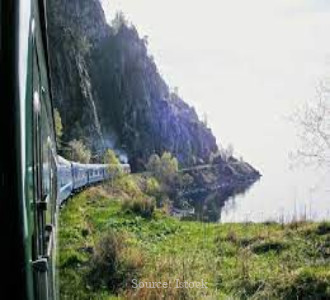
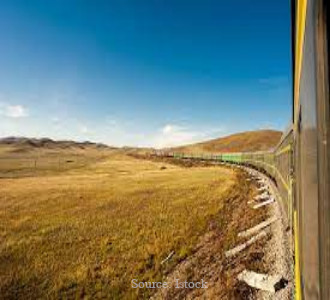
Yet the very epitome of the Trans-Siberian network and why it is such a life-changing and beautiful experience, is found, alongside the incredible stops and destinations, in the scenery from the windows as the train rolls along the tracks. Emphasising the idea that life and the Trans-Siberian is amount the journey rather than the destination, travellers will have time to wonder about their own future and destination as stunning scenery – from towering mountains, pristine forests, rolling Steppe and glacial rivers pass them by.
With it being this incredible scenery that defines and represents the best of the Trans-Siberian and with each shot of this scenery being unique and capturing the travellers individual journey – every photographer and explorer upon the Trans-Siberian network should be sure to capture the moments and memories from their window that truly underline why the Trans-Siberian network is a stunning, spectacular and life-changing wonder of the world.
Moscow:
Starting as every Trans-Siberian journey will likely do at Moscow – and before departing on the rails, Russia’s capital offers a fascinating and incredible introduction as to the journey, history and culture travellers on the Trans-Siberian network will be exploring.
Chief amongst these is not just the starting station of Yaroslavl in Moscow – which with its turquoise exterior and charming interior makes for stunning spot to capture the beginning of your journey, but also the sights of Moscow itself, with the twin wonders of the Red Square and the Kremlin making for not only increidble historical exploration but being one of the must snap photos in this stunning city.
A fantastic start to any Trans-Siberian journey, for those with a little more time before departing and who to explore the wonder of Mosco further, we’d recommend making time not only for photographing some of the winding high streets and charming classic pubs, but also heading to the Bolshoi Theatre, where stunning interior that represents the absolute best of Russian Architecture awaits you.
You’ll also find stunning architecture and a chance to explore and journey through Russian history and culture – as well as snap further incredible shots of the best of Russian architecture and art at the great Russian Museum of The State Tretyakov Gallery – which is our pick for understanding and snapping not only the best of Russian history, but also the prominence and importance of the Trans-Siberian network to Russia and the road ahead.
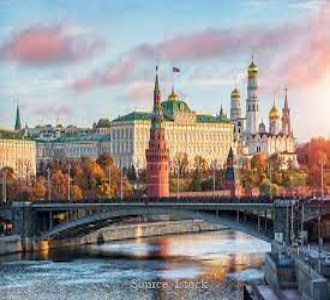
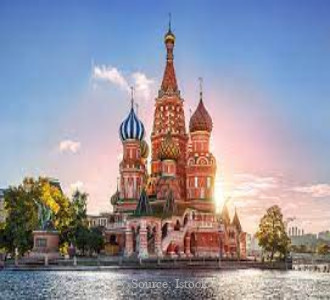
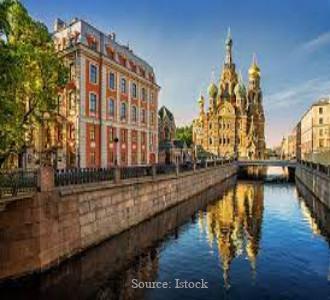
St Petersburg:
For those with more time at the start of their journey, and who want to sample the delights of the Russian railway, while explore one of the world’s most photogenic and stunning cities – we’d encourage you to take an increidble day trip to explore the great city of St. Petersburg — Russia’s window to the West.
Founded by Peter the Great, any photography exploration of St Petersburg should first head to the incredible palaces of this great city – and especially make time to snap the stunning f Petergof and Pavlovsk palaces, whose exploration offer an incredible insight and understanding into the history and culture of Russia.
As well as taking time to explore and photograph the stunning cobbled streets and architectural wonders of the many buildings of St. Petersburg, you can also get incredible snaps of some of the best of Russian art and artifacts at the Hermitage Museum, whose exterior alone is a triumph of increidble architecture and well worthy of taking to time to properly photograph.
For those wanting to experience and snap the best of Russia’s art and cultural scene, then we’d encourage you to head to the world-class and iconic Mariinsky Theatre — which with its stunning interior makes for a truly stunning way to capture the best of Russian Architecture – and for those fortunate enough to watch a show, the absolute best of Russian theatre.
Kazan
Having boarded the Trans-Siberian express and made your way slowly away from Moscow on the beginning of your journey, one of the first opportunities – and major stops along the way is the fascinating city of Kazan.
Lying on the banks of both the River Kazanka and River Volga, this incredible city makes for a stunning shot on approach – where you’ll be able to capture the light and the city reflecting of the waters of both rivers. For those with enough time and who are lucky enough to spend a few days exploring Kazan, we’d encourage you to head to Kazan’s own Kremlin complex – a fascinating bright white citadel that offers not only stunning views over the river but a chance to explore some increidble museums and dive deeply into the history of Russia.
A place also where Christian and Muslim cultures and architecture mix, this stunning spot – that dates back to the 16th century, is undoubtedly the photography highlight of Kazan and is grand enough to rival the Kremlin itself, with the Kazan Kremlin, combined with the photogenic rivers and the greenery of Kazan’s Millenium park making a worthy and must snap stop along any Trans-Siberian journey.
Yekaterinburg:
A great stop for the keen photographers and explorers, the city of Yekaterinburg not only captures the architecture and life of Russia before the Soviet revolution – but underlines the scale and grandeur of a journey on the Trans-Siberian express, with it being within Yekaterinburg that you can find the official Europe and Asia border – making for an incredible shot as you photograph not only the border, but as you stand with feet in two continents.
An iconic shot, and one that will undoubtedly feature in any highlight reel of the Trans-Siberian experience, for those who have snapped a photo stood in both Europe and Asia, we’d then encourage you to explore the streets of Yekaterinburg – taking in the grand architecture and cobbled streets, with those interested in history encouraged to visit the seven Ganina Yama monasteries that pay tribute to the Tsar Nicholas II and his family – and especially the Church of the Blood – where you can observe and snap the exact snap where the Tsars were overthrown and murdered – with there even being an exact spot that makes the location of their deaths, which makes for a unique, if gruesome, monument.
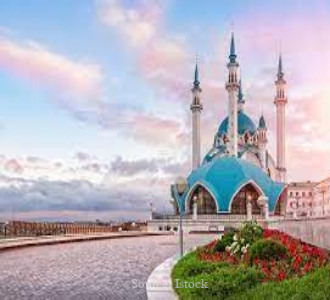


Perm and the Ural Mountains:
The first taste of the wilderness and wildness of the Trans-Siberian Network, the Ural Mountains provide some of the most stunning scenery along the journey, with these towering peaks – which in the summer provide a quaint paradise filled with green grass and rolling river, and in the winter are stunningly snow-capped – being truly photographic and providing great shots.
Typically photographed from the windows of the Trans-Siberian network and providing a perfect backdrop for the tranquillity and reflection that this journey has become synonymous with, for those with a little bit of extra time and who fancy getting up close and personal to the Ural Mountains – whose peaks stretch almost 2,000 metres, we’d encourage you to stop off at the industrial city of Perm.
Off the beaten track, Perm for decades was closed to the public due to the military companies that reside here (and it’s necessary to check in advance if it’s open) however for explorers it provides a perfect place to utilise as a base to explore the Ural mountains – where you can ski, hike, horse ride and even raft along this incredible mountain range – being sure to capture the stunning scenery of the Ural mountains and great memories along your way.
Krasnoyarsk:
A classic stop-off on the Trans-Siberian journey, the great photo opportunities and exploration opportunities at Krasnoyarsk lie not within the city itself – but in the Stolby Nature Sanctuary that lies a short bus ride away, and where you’ll find towering volcanic mountain boulders backed by a scenery of serene and quiet wooden hills – which makes for stunning place to not only enjoy the best of Russian nature, but snap incredible photos of Russian wilderness and nature at its best.
Explorable on a day-trip – and for the adventurous offering boulder climbing and skiing, the Stolby Nature Sanctuary is best photographed at sunset from one of the many panoramic viewpoints or climbing hikes available – with it being from here that you can capture the golden sun lighting up the woodlands making for spectacular shot.
Alongside the Stolby Nature Sanctuary, Krasnoyarsk also offers a chance to experience and snap everyday Russian culture, with the quaint Paraskeva Pyatnitsa Chapel being worth an exploration, alongside the Siberian River and for those who enjoy panaromic city shots the climbable Mount Karulnaya – from where you can capture a stunning shot of the whole of the industrial city of Krasnoyarsk for a great shot of a true Russian city.
Altai Mountains:
Back on the Trans-Siberian rails and venturing deeper into the heart of Siberia, the views of the wilderness and plains will give way to the beautiful and isolated peaks of the Altai Mountains which connect Mongolia, Russia and China together.
A stunning spot, this is one of the spots on the Trans-Siberian that is weather dependent for photographers, with those visiting in the winter season likely to encounter thick volcanic terrain and challenging conditions, lending for photographs from the train window itself.
Where as those who travel in the spring, summer or Autumn getting the chance to experience the Altai mountains at their absolute best – with clear sky’s brining to life not only the snow capped peaks, but the charming reflective lakes and rolling green meadows, which can make for stunning shots.
Officially Asia’s geographical heart, for those with a little extra time and wanting the extra special photos of the Altai Mountains, we’d encourage you to make a stop-off at the town of Barnaul, which makes for a fantastic spot to venture into and explore these stunning mountains. With the warm conditions in the spring-autumn months bringing alive the scenery and allowing for hiking, camping and riding – all of which will allow you not only incredible experiences in the heart of Asia, but provide you with stunning access to capture incredibly scenic photos of the gorgeous Altai Mountains.

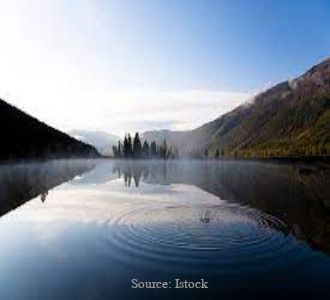
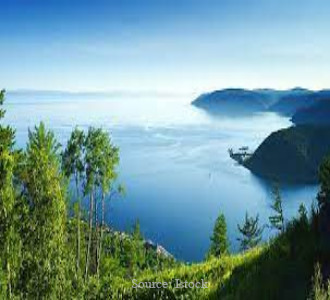
Lake Baikal:
One of the undoubted highlights of the Trans-Siberian journey, the stunning wonder of Lake Baikal is both a must stop and must photograph location on your incredible journey.
Officially the deepest freshwater lake in the world, and one of the most ancient, this incredible lake – which in the winter is frozen over and the spring – Autumn season is a deep turquoise blue, is incredibly scenic and home to some of the best wildlife on the planet – including the camera friendly, and very loud, Baikal Seals – a true staple of this iconic lake.
Found in the heart of Siberia Lake Baikal, is as grand as it is beautiful, with those visiting in winter able to get incredible shots not just of the arctic conditions and reflective ice, but of themselves actually standing and walking on the ice, as well taking on new adventures including snowmobiling or dog-sledding, both of which see you get up close and personal to this great lake – and make for incredible shots.
For those visiting outside the winter and frozen season, you’ll find the lake at its most serene and peaceful, with scuba diving, kayaking and lake cruises all on offer – which again lend to not only a great exploration but stunning shots, with capturing the beauty of Lake Baikal at either or both sunrise and sunset, being a highly recommended way of capturing the best of Lake Baikal.
Easily accessed from the town of Irkutsk, for those with a little more time we’d encourage you to consider spending a couple of days exploring lake Baikal to guaranteed the best shots, with the charming and idyllic wooden huts that dot the shoreline of Lake Baikal making for a special place to stay on this unique wonder.
For those who do opt to stay at this freshwater paradise, one top we’d really recommend for exploration and photography is the Olkhon Island – who, with its crescent moon beach, makes for an idyllic place to rest-up and observe and photograph a series of Buddhist carving and rocks, before continuing your journey onwards on the Trans-Siberian express, with the stunning wonder of Lake Baikal behind you.
Ulan-Ude:
A unique city, and a throwback to the original Trans-Siberian line, the town of Ulan Ude was originally founded as an out-post, but now serves as a fascinating city where east meets west, and marks one of the key and best Siberian Cities on your journey.
Exploring Ulan-Ude and you’ll come across not only a top-rated pizza parlour, but also the first of the two exploration and photography highlights of this great city, the Ivolginsky Datsan – a Buddhist monastery that lies on the outskirts of town that is backed by a series of stunning mountains, and which makes for an incredible photograph.
As well as being truly photogenic, for those seeking to explore Russian history and culture on their journey along the Trans-Siberian network, the Ivolginsky Datsan is one of the most important and spiritual buildings along the way. With this buddhist temple being not only the heart of Siberian Buddhism, but also representing the evolution of Russian history and spirituality, as it stands as a representation of the re-introduction of Buddhism within Russia following the fall of the Soviet Union.
Moving from one important cultural symbol to another, the second major highlight and photography spot within Ulan-Ude, is one of the most popular across the whole of the Trans-Siberian network, the Giant Lenin Head statue. Standing at an imposing 7.7 metres and weighing more than 40 tonnes, the Giant Lenin Head statue is not only the biggest Lenin head statue in the world, but marks one of the must have photographs on any journey across the Trans-Siberian network and is well worth the stop within the town of Ulan-Ude.
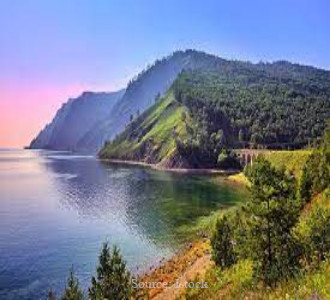


Vladivostok:
For those travelling the full length of the original Trans-Siberian railway line, the industrial down of Vladivostok marks the end of the line and the final stop on your Trans-Siberian journey.
A town build on industry, Vladivostok’s beauty is found both within the accomplishment of completing the Trans-Siberian journey – with a photo at the town’s sign and train station a must have to mark your completion of the journey – and in the fresh seaside air that awaits you on its coast.
It’s also at this seaside port that explorers seeking more adventure can travel onwards across Asia, with their being regular boats from Vladivostok to both South Korea and Japan, making for a unique way to extend any Trans-Siberian journey.
A town blessed with charming cobbled hilly streets, and with a series of top-class restaurants and hotels, Vladivostok makes a picture perfect and great way to round out any trip on the Trans-Siberian line.
Ulaanbaatar (Mongolia):
For those taking on the classic Trans-Siberian railway route and diverting from the Trans-Siberian railway line to the Trans-Mongolian line, this route will take you through some of the great Mongolian Steppe – passing wild rivers, untouched grasslands and through the plains of Mongolia to one of the great and mysterious cities on earth, the capital of Mongolia, Ulaanbaatar.
Home to Genghis (pronounced Chin-Gis) Khan, Ulaanbaatar has undergone a modern transformation over the last decade, turning it from a once untouched and underdeveloped city into a city of modernity, but which still retains its identity and cultural heritage. Because of this Ulaanbaatar is a travellers and photographers dream, offering a chance to explore and photograph stunning palaces – including the famed winter palace of Bogd Khan – a three story high palace that is particularly stunning at sunrise and home to six incredible temples and artifacts of Bogd Khan – a former ruler of Mongolia.
A fascinating insight into Mongolian history, Ulaanbaatar is also home to a series of great and photogenic temples, including the grand Gandan Khiid, which allows for an exploration of the religious and identify of the Mongolian People.
Yet undoubtedly the major attraction and photo stop within Ulaanbaatar is the main Sukhbaatar Square, a place not just for meeting and surrounded by inspired Mongolian architecture – but home to one of the great photo spots on the Trans-Siberian network, the monument to Genghis Khan.
A towering statue and a great photo spot to capture a truly global and influential figure, exploring the wonders of Ulaanbaatar and the great statue of Genghis Khan is a great way to top off your stay in Ulaanbaatar, with those on limited time then able to re-board to train towards Beijing, or for those with a little bit more time able to dive further into the wilderness, deserts and steppe of this incredible country.
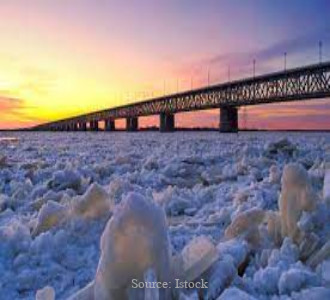
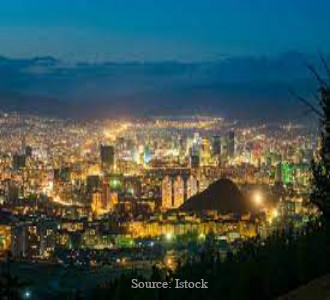

The best of Mongolia (Steppe, Statues & Parks):
Exploring Mongolia outside of Ulaanbaatar is a chance for every traveller to connect with wilderness and go truly off the beaten track, with those lucky enough to have enough time to venture out of Ulaanbaatar for a couple of days – or even longer – guaranteed to encounter stunning landscapes, friendly locals, fascinating wildlife and thrilling adventures.
While there’s a range of options to choose from, the highlights (in our view) begin with a trip to the Terelj National Park, which is a great option for a day trip from Ulaanbaatar and which is home to some of the best of the Mongolian Steppe – including towering hills and rolling green fields and valleys – for a photographer and explorers dream.
A place lending itself to stunning photograph, the Terelj National park can be explored by car, foot and on horseback – and whichever way you opt to explore this great park, it’s likely that all roads will led to the giant 40 metre statue of Genghis Khan, who is depicted riding into battle on his horse the might Khiid and which stands as a symbol of the great Mongolian icon.
Particularly photogenic in winter, where great snowfall will see the statue covered in winter snow, Terelj National Park is also a great place to snap an iconic photo of a Yurt, with those adventurous enough even able to spend a night within one – for a truly unforgettable experience.
While so much of the Mongolian Steppe represents a challenge to reach – and is perhaps out of bounds and scope for those travelling on the Trans-Siberian Network, one other great stop, that gives explorers the chance to experience a different but equally stunning side of Mongolia is the Gobi Desert.
Found in Mongolia’s south and accessible by either a 90 minute domestic flight or a full days drive, the Gobi Desert is an oasis of stunning dunes, low mountains and deep sandy desert, with the sunrise and sunsets here during all seasons being particularly stunning and photogenic.
A place that turns white in the winter and comes alive to the beauty of the sun in summer, there’s no bad time to visit the Gobi Desert – with each season being stunning in its own unique way. However for those, wanting an extra special shot that will truly last a lifetime – we’d encourage you to come in the summer season – where, if you’re incredibly lucky, you’ll get to photograph not only the bizarre looking Bactrian camels – but also the rare snow leopard — for a photo that will truly last a lifetime.
Naddam Festival
As well as exploring the best of the Monoglian Steppe, park and the capital of Ulaanbaatar, explorers travelling the Trans-Siberian network and heading into Mongolia can time their visit to coincide with one of the most unique and special festivals on the planet – the Mongolian Naddam festival.
Occurring every year between the 10th-12th July, and requiring tickets to be purchased in advance, the Naddam Festival is a festival like no other – seeing three days of the ‘the three games of men’ as Mongolia’s top athletes compete against each other in wrestling, horseracing and archery to crown the winner of the games.
A fascinating spectacle and competition, and one that lends itself to truly unique photos, those attending the Naddam games can expect a traditional opening and closing ceremony as well as plenty of traditional dances, singing and performances. With this unique festival truly showcasing the absolute best of Nomadic and Mongolian culture and being one of the truly great experiences and photography opportunities available on the Trans-Siberian network – and one we’d encourage all travellers to plan their trip around.
For more on the Naddam Festival – Click Here.
Beijing:
The classic endpoint for the Trans-Siberian adventure – and the end of the line for the Trans-Manchurian and Mongolian Lines, Beijing is undoubtedly one of the world’s greatest, culturally rich, historically, and truly stunning cities – and a fitting end to this epic journey.
For those arriving into Beijing, and having cleared customs beforehand, we’d encourage you to firstly make sure you get a picture or selfie at the rail station and end point of this incredible – and likely 2 to 3 week — journey, which will mark the bittersweet end of your great adventure.
Having captured this great moment, that will be truly life defining, we’d then encourage you to enjoy the absolute best of the stunning wonders of Beijing, making sure you take in one of the great wonders of the world in the Great Wall of China, which lies just a bus ride away from the capital and making time to visit the gate of Heavenly Peace which leads to the equally stunning wonder of the Forbidden City – with both sights offering their own unique adventure and the chance to capture incredible photos of some of the worlds greatest cultural icons.
Alongside these two wonders, we’d encourage you to explore the rich and cultural history of Beijing – making time to stop and explore the Summer Palace and its stunning lake, which prefects a perfect place to snap reflective photos of the great Temple of Heaven of the tower – in what is one of the great and most beautiful photos in Beijing and on the Trans-Siberian railway.
Finally, alongside exploring the charming streets of Beijing and snapping the vibrant street life, food markets and incredible architecture found through the city – having travelled tens of days and crossed a third of the world, no ending to the Trans-Siberian journey would be complete without a great meal – and a drink or two – in one of Beijing’s many excellent restaurants, with a snap and experience of toasting and celebrating your successful and epic adventure being one of the great moments of your journey on the stunning wonder of the world that is the Trans-Siberian network.