From watching the heart-stopping cliff-diving in Vanautu to coming face-to-face with some of the majestic animals on the planet, Australasia is a vast, beautiful and diverse expanse unlike anywhere on the planet. With enough experiences to keep travelers entertained and occupied for a lifetime, narrowing down the very best of what this stunning continent offers can be a challenge, so to help ensure travelers get the very best out of the wonderful continent of Australasia- including diving into the paradise of the Great Barrier Reef, to conquering the Milford Track and finding island paradise in Fiji — we’ve rounded out the top 25 sights and experiences across the incredible continent of Australasia, where adventure, adrenaline and experiences are waiting for you at every turn:
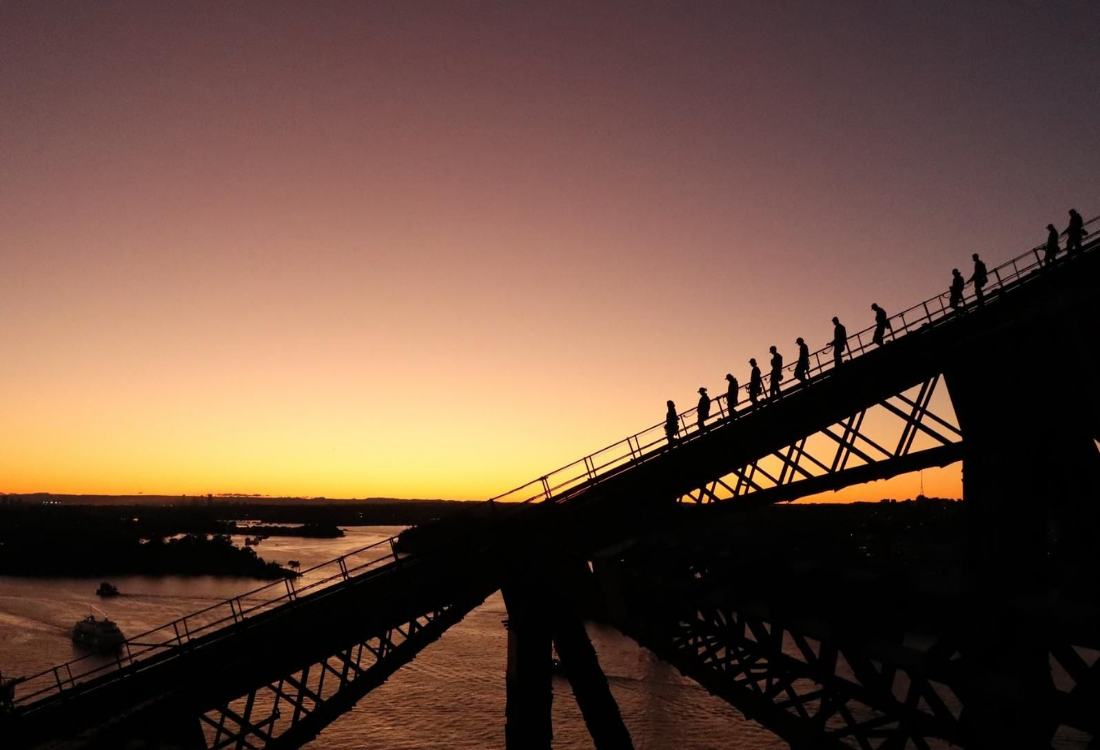
1.) Ascending Sydney’s Skies: Conquering the Heights of the Harbour Bridge
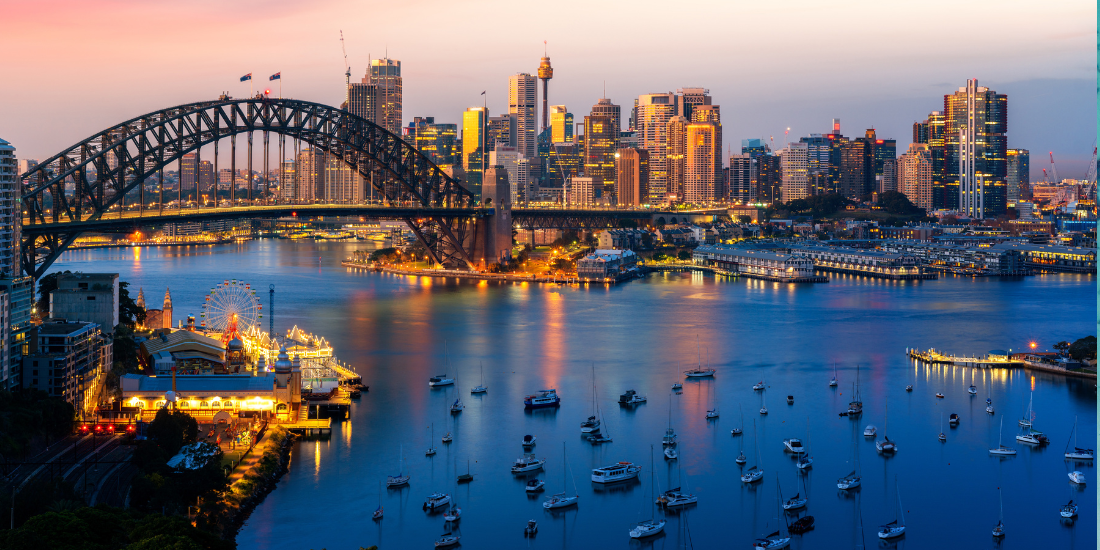
Overview: Towering above the glittering waters of Sydney Harbour, the Sydney Harbour Bridge is both an engineering marvel and a symbol of Australia’s bold, adventurous spirit. Affectionately nicknamed “The Coathanger” for its graceful arch, this iconic structure has connected the city since 1932, linking the bustling CBD to the vibrant North Shore. While millions cross it daily by car, train, or foot, the true thrill lies in climbing to its summit—an exhilarating experience that rewards adventurers with panoramic views stretching from the Opera House’s white sails to the distant Blue Mountains.
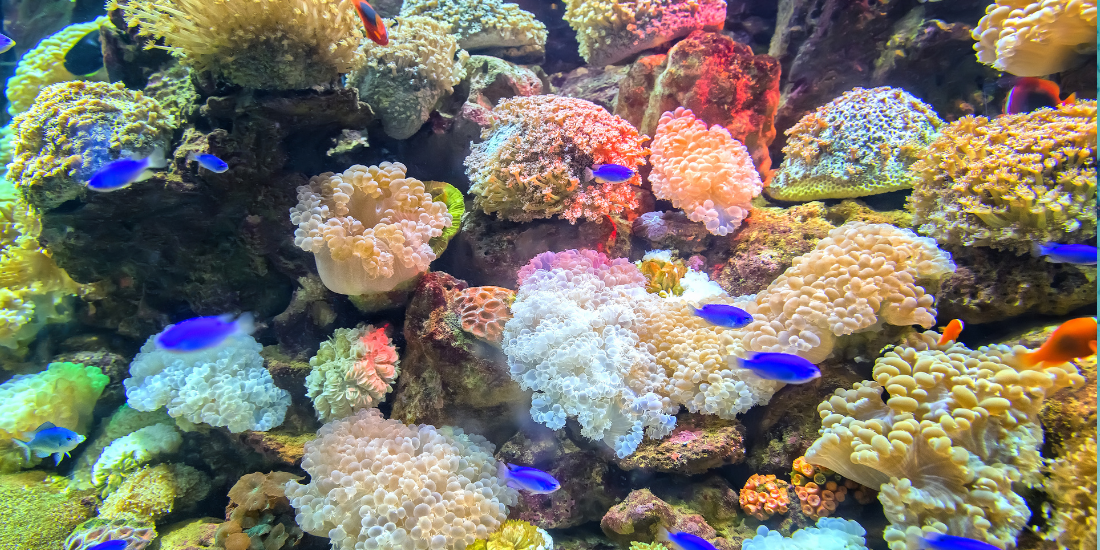
The climb is more than just a physical ascent—it’s a journey into Sydney’s history, architecture, and breathtaking natural setting. Each step along the steel framework brings you closer to the city’s heartbeat, with the wind in your face and the harbour glittering far below.
Where: The Sydney Harbour Bridge spans Sydney Harbour, connecting the city’s central business district (CBD) to the North Shore. The official BridgeClimb experience begins at The Rocks, Sydney’s historic waterfront precinct.
Top Highlights
The Summit View: Standing 134 meters above the harbour, you’ll take in one of the world’s most spectacular urban vistas. From this vantage point, Sydney’s landmarks and coastline unfold in every direction, with ferries leaving trails in the water and the Pacific Ocean shimmering on the horizon.
The Bridge Itself: As you ascend, the sheer scale and craftsmanship of the steel arch become apparent. Learning about the bridge’s construction during the Great Depression adds depth to the climb, revealing stories of daring workers who built it without the safety measures we have today.
Opera House Perspectives: From the bridge’s heights, the Sydney Opera House appears even more striking. Its gleaming sails contrast dramatically against the deep blue water, offering photo opportunities found nowhere else.
Sunrise and Twilight Climbs: While daytime climbs are spectacular, the early morning ascent offers golden light spilling across the harbour, while evening climbs provide a romantic view as the city’s lights begin to twinkle.
A Sense of Achievement: Reaching the top isn’t just about the view—it’s about the accomplishment. The guided climb, complete with harnesses and safety lines, is designed for all fitness levels, but still delivers a genuine adrenaline rush.
Practical Tips: Book your climb in advance, as spots often sell out during peak tourist seasons. Wear comfortable, weather-appropriate clothing—BridgeClimb provides a special jumpsuit to protect you from the elements and keep loose items secure. Cameras aren’t allowed for safety reasons, but professional photos are included in the package. If you’re afraid of heights, know that the pace is steady and the pathways are secure, making it easier than you might expect.
Cost: Depending on the time of day and type of climb, prices range from around $250 to $400 AUD per person. While not cheap, most agree it’s a once-in-a-lifetime experience worth every cent.
Iconic Photo Spot: Your official summit photo—taken with Sydney Harbour and the Opera House behind you—becomes a proud memento of the climb. For a more atmospheric shot, choose a twilight climb and let the city lights form your backdrop.
Final Word: Climbing the Sydney Harbour Bridge isn’t just a sightseeing activity—it’s an immersion into the city’s energy, history, and skyline. Few experiences combine adrenaline, beauty, and a sense of connection to a place so perfectly. From the moment you step onto the steel to the triumphant final view, it’s an adventure that stays etched in memory long after you descend.
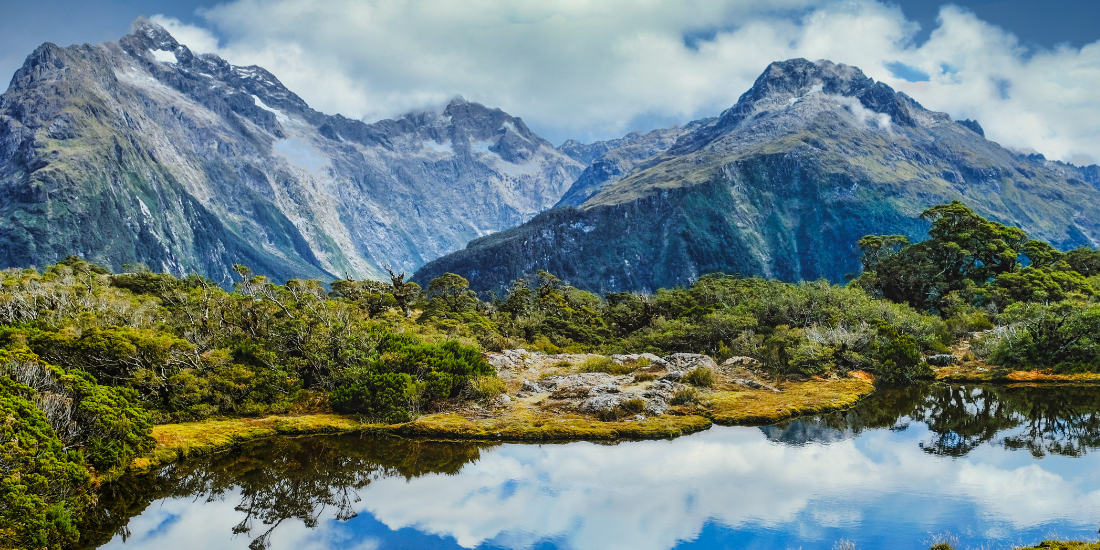
2.) Majestic Fjords: Exploring Milford Sound in New Zealand
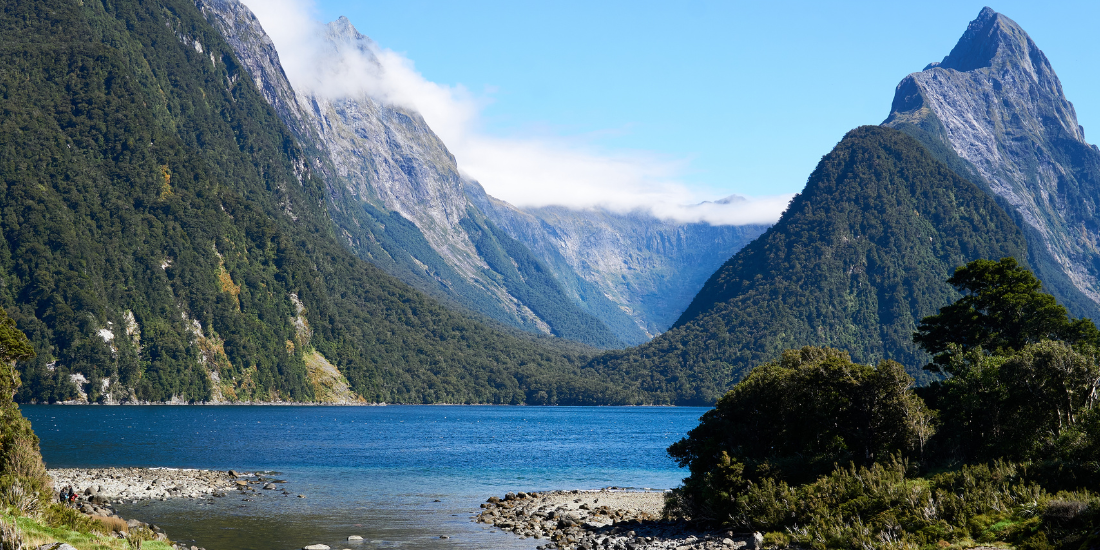
Overview: Carved by glaciers over millions of years and crowned by sheer cliffs rising straight from dark, mirror-like waters, Milford Sound is often described as the most breathtaking corner of New Zealand—and perhaps the world. Located deep within Fiordland National Park, this UNESCO World Heritage site is a masterpiece of nature’s raw power and artistry. Towering peaks like Mitre Peak, cascading waterfalls that seem to pour from the clouds, and a moody atmosphere that shifts with every passing hour create a landscape so dramatic it feels almost otherworldly.
Whether bathed in soft sunlight or shrouded in mist and rain, Milford Sound possesses a wild, untamed beauty that refuses to be tamed by weather or season. It is both tranquil and imposing—a place where you feel at once small in scale yet deeply connected to the natural world.
Where: Milford Sound lies in the southwest of New Zealand’s South Island, within Fiordland National Park. The nearest town is Te Anau, about a two-hour drive away, while the journey from Queenstown takes around four hours, following one of the most scenic roads in the country.
Top Highlights
Cruising the Sound: A boat tour offers the quintessential Milford experience, gliding past sheer cliffs and under waterfalls like Stirling and Bowen Falls. On rainy days, dozens of temporary waterfalls appear, transforming the fjord into a curtain of silver streams.
Mitre Peak: One of the most photographed mountains in New Zealand, this iconic peak rises a staggering 1,692 meters straight from the water, dominating every view and making you feel as if you’ve stepped into a postcard.
Wildlife Encounters: Keep an eye out for fur seals basking on rocks, pods of dolphins playing in the wake of boats, and, if you’re lucky, penguins swimming gracefully in the cool waters.
Kayaking Adventures: For a more intimate perspective, paddling a kayak beneath towering cliffs offers an unmatched sense of scale and solitude. The silence is broken only by the splash of your paddle and the call of distant birds.
The Milford Road: Getting there is part of the magic. The route to Milford winds through ancient beech forests, past alpine lakes, and through the dramatic Homer Tunnel before opening up to reveal the fjord’s first breathtaking views.
Practical Tips: Milford Sound is beautiful in all weather, but be prepared for frequent rain—it’s one of the wettest places on Earth. Bring a waterproof jacket, layered clothing, and waterproof covers for your camera. If driving, set off early to enjoy the scenic stops along the way, or consider booking a coach or flight for a stress-free trip. Accommodation is limited within the Sound itself, so most visitors stay in Te Anau or Queenstown.
Cost: Sightseeing cruises typically range from $80 to $150 NZD per person, with kayaking and scenic flights priced higher. Entry to Fiordland National Park is free, but guided experiences enhance the journey and often include local insights.
Iconic Photo Spot: The classic Milford Sound shot is from the foreshore near the visitor terminal, where driftwood, reflective waters, and Mitre Peak align in perfect harmony. Early morning or late afternoon light gives the scene a magical glow.
Final Word: Milford Sound is more than just a scenic destination—it’s a humbling encounter with nature at its most grand and uncompromising. Whether you cruise, paddle, or simply stand on the shore, the fjord’s towering walls and ever-changing moods leave an imprint that lingers long after you’ve returned to the bustle of everyday life.
3.) Ocean’s Kaleidoscope: Diving in the Great Barrier Reef, Australia
Overview: Stretching over 2,300 kilometers along Australia’s northeastern coast, the Great Barrier Reef is the largest living structure on Earth—and one of the planet’s most dazzling natural wonders. Visible even from space, this UNESCO World Heritage site is a submerged mosaic of vibrant coral gardens, turquoise lagoons, and marine life in every color imaginable. Diving here is like stepping into a parallel world, where giant clams yawn open like ancient treasures, turtles glide effortlessly through sun-dappled waters, and schools of fish swirl in synchronized ballet.
Beneath the waves, the reef reveals an extraordinary biodiversity—over 1,500 species of fish, 400 types of coral, and a host of sharks, rays, and marine mammals. Every dive is a different chapter in an endless story of life, color, and motion, making it a must for both seasoned divers and first-time adventurers.
Where: The Great Barrier Reef lies off the coast of Queensland, Australia, with popular departure points including Cairns, Port Douglas, and Airlie Beach. From these gateways, visitors can access a variety of reef sites via day trips, liveaboards, or scenic flights.
Top Highlights
Ribbon Reefs: Located in the far north, these pristine sites offer exceptional visibility and vibrant coral formations, making them a favorite for advanced divers and underwater photographers.
Cod Hole: Home to massive potato cod that are both curious and gentle, this iconic dive spot offers rare close encounters with some of the reef’s friendliest giants.
Heron and Lady Elliot Islands: These coral cays are turtle havens, with nesting and hatching seasons offering unforgettable wildlife spectacles. Snorkeling right off the beach reveals healthy coral and an abundance of reef fish.
Osprey Reef: For thrill-seekers, this remote site offers dramatic drop-offs, crystal-clear water, and the famous shark feed dives that attract grey reef and whitetip sharks in breathtaking numbers.
Snorkeling the Inner Reef: Not a diver? No problem. Shallow coral gardens just beneath the surface mean snorkelers can still experience the reef’s dazzling colors and creatures.
Practical Tips: The best diving conditions are generally between June and November, offering warm water and excellent visibility. Protect the reef by using reef-safe sunscreen and following responsible diving and snorkeling practices. Many trips cater to beginners, with introductory dives available, but experienced divers may want to book multi-day liveaboards to explore more remote and untouched sites.
Cost: Day trips from Cairns start at around $200–$300 AUD per person, including equipment hire, while liveaboard trips range from $800 to $3,000 AUD depending on duration and luxury level. Scenic flights over the reef add another unforgettable perspective, with prices starting around $200 AUD.
Iconic Photo Spot: Aerial shots of Heart Reef—an aptly heart-shaped coral formation—are among the most famous images of the Great Barrier Reef. Underwater, photographing a green turtle gliding over a bed of soft coral captures the essence of the experience.
Final Word: Diving in the Great Barrier Reef is more than just an adventure—it’s an immersion into one of Earth’s most vibrant ecosystems. Every moment beneath the surface feels like swimming through a living masterpiece, a reminder of the delicate beauty and resilience of the natural world. For anyone who loves the ocean, it’s the kind of journey that stays with you forever.
4.) Harmonies Amidst Elegance: Watching an Opera at the Sydney Opera House
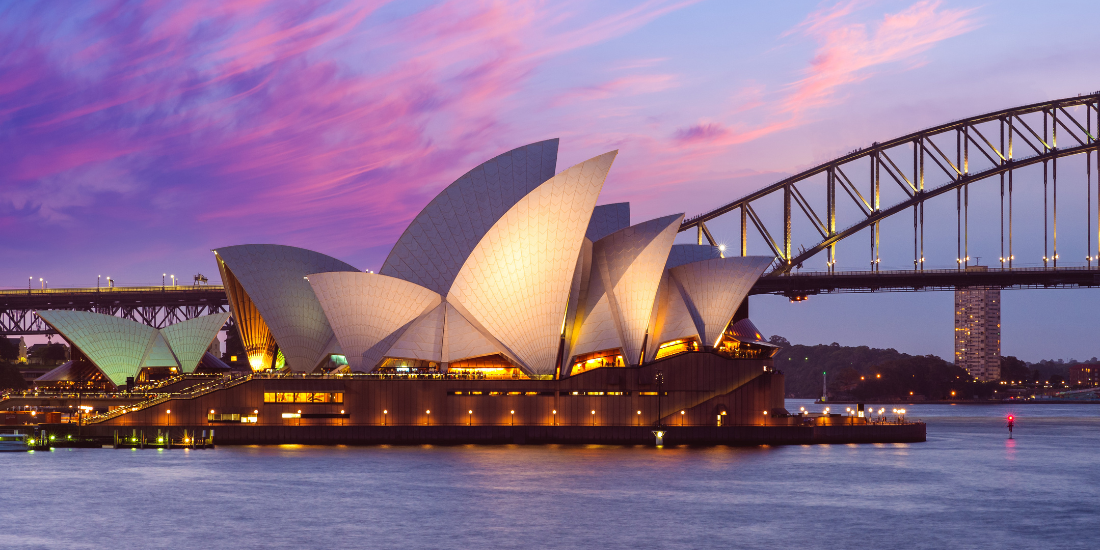
Overview: Rising like a fleet of billowing white sails against Sydney’s glittering harbour, the Sydney Opera House is more than just a building—it’s an icon of artistry, architecture, and cultural pride. Designed by Danish architect Jørn Utzon and opened in 1973, this UNESCO World Heritage site is one of the world’s most recognisable landmarks. While its striking silhouette is a marvel from the outside, stepping inside to experience a live opera performance elevates the experience to something truly unforgettable.
From the moment the lights dim and the orchestra swells, the Opera House becomes a temple of sound. World-class singers command the stage, weaving stories of love, tragedy, and triumph against lavish sets and costumes. The acoustics—precisely engineered to enhance every note—carry each voice and instrument with crystal clarity, making every seat in the hall feel intimate and alive with emotion.
Where: The Sydney Opera House stands at Bennelong Point on the edge of Sydney Harbour, adjacent to the Royal Botanic Gardens and just a short walk from Circular Quay.
Top Highlights
The Joan Sutherland Theatre: The main venue for opera within the complex, it’s famed for its impeccable acoustics, plush red seating, and dramatic stage that has hosted everything from Puccini classics to bold modern productions.
Pre-Show Harbour Views: Arrive early to sip a glass of champagne on the terrace as the sun sets over the Harbour Bridge and ferries glide across the water—a scene as much a part of the evening as the performance itself.
Backstage Tours: For an insider’s perspective, take a guided tour to explore rehearsal spaces, dressing rooms, and the behind-the-scenes workings that bring an opera to life.
The Orchestra Pit: Watching the musicians in action adds another layer to the experience, revealing the intricate synchrony between the pit and the stage.
The Curtain Call: Few moments match the electric applause at the end of a stellar performance, when artists bow against the glow of the stage and the audience rises in appreciation.
Practical Tips: Opera season in Sydney typically runs from January to December with a rotating program. Dress codes lean toward smart casual or evening wear, especially for gala nights. Arrive at least 30 minutes before curtain time to find your seat and soak in the atmosphere. Tickets can sell out for major productions, so book in advance.
Cost: Standard tickets range from $75 to $300 AUD depending on seating and production scale. Premium experiences—such as dinner packages or private tours—can bring the total to $500 AUD or more.
Iconic Photo Spot: The forecourt at sunset, with the Opera House sails glowing orange and pink in the fading light, is unbeatable. Inside, a discreet shot of the stage framed by the theatre’s warm wooden curves captures the intimacy of the moment.
Final Word: Watching an opera at the Sydney Opera House is a union of art and architecture—an experience where music soars, stories unfold, and the harbour’s beauty lingers in the background. It’s not just a night at the theatre—it’s a celebration of culture, elegance, and the timeless magic of live performance in one of the world’s most breathtaking venues.
5.) Geothermal Marvels and Alpine Adventure: Discovering Rotorua and Crossing the Tongariro Alpine Crossing, New Zealand
Overview: New Zealand’s North Island is a land of fire, ice, and untamed beauty, and few places showcase this more vividly than Rotorua and the Tongariro Alpine Crossing. Rotorua bubbles with geothermal energy, its steaming vents, boiling mud pools, and sulphur-scented springs a testament to the Earth’s raw power. Just a few hours’ drive away, the Tongariro Alpine Crossing challenges hikers with dramatic volcanic landscapes, emerald lakes, and panoramic vistas that reward every step of the journey. Together, these destinations offer a perfect blend of natural wonder, adventure, and cultural immersion.
Rotorua’s geothermal parks reveal a landscape alive with heat and motion. Māori culture thrives here as well, with traditional villages offering insight into centuries-old customs, dances, and cuisine. Meanwhile, the Tongariro Crossing presents a stark, almost otherworldly environment where craggy peaks, steaming vents, and vibrant crater lakes create a dramatic playground for hikers and nature lovers alike.
Where: Rotorua lies in New Zealand’s Bay of Plenty region, approximately three hours’ drive south of Auckland. The Tongariro Alpine Crossing is located within Tongariro National Park, about 1.5 hours southwest of Rotorua, accessible via shuttle or guided tour.
Top Highlights
Rotorua Geothermal Parks: Places like Wai-O-Tapu, Te Puia, and Hell’s Gate display geysers, steaming vents, and bubbling mud pools. Witnessing the explosive power of the Pohutu Geyser or wandering among vividly colored mineral pools is an unforgettable introduction to New Zealand’s geothermal heart.
Māori Cultural Experiences: Engage with local Māori communities through cultural performances, hangi feasts (food cooked in underground earth ovens), and traditional storytelling. These experiences provide rich context to the land’s history and spiritual significance.
Redwoods Forest: Just outside Rotorua, the towering Californian Redwoods offer serene walking and mountain biking trails, contrasting the geothermal intensity with quiet natural beauty.
Tongariro Alpine Crossing: Often described as one of the world’s best day hikes, this 19.4 km trek traverses active volcanic terrain, emerald-colored crater lakes, and dramatic ridgelines. Highlights include the steaming Red Crater, the azure Blue Lake, and panoramic views of Mount Ngauruhoe (famously known as Mount Doom in The Lord of the Rings films).
Devil’s Staircase and Central Crater: The ascent along the Devil’s Staircase challenges even seasoned hikers, but the vantage points reveal vast, volcanic landscapes that are nothing short of awe-inspiring.
Emerald Lakes: These vividly colored crater lakes, nestled in the volcanic plateau, offer one of the most photographed landscapes in New Zealand and a chance to pause and reflect amidst raw natural beauty.
Practical Tips: Wear sturdy, waterproof hiking boots and layered clothing to adapt to rapidly changing weather. Bring sun protection, plenty of water, and snacks. Start early to avoid afternoon winds and crowds, particularly on the Tongariro Crossing. Guided tours can enhance safety and provide insights into the geology, flora, and Māori heritage of the region.
Cost: Entry to Rotorua geothermal parks ranges from $20 to $50 NZD per adult. The Tongariro Alpine Crossing has no entry fee, though shuttle services and guided tours vary from $50 to $150 NZD per person. Accommodations in Rotorua range from budget hostels at $30 NZD per night to luxury lodges at $250 NZD per night.
Iconic Photo Spot: In Rotorua, the vibrantly colored Champagne Pool at Wai-O-Tapu offers an otherworldly foreground against steam and lush greenery. On the Tongariro Crossing, the Emerald Lakes framed by the Red Crater provide the ultimate alpine-photography moment. Sunrise shots along the ridgeline capture the vast volcanic landscape bathed in golden light.
Final Word: Rotorua and the Tongariro Alpine Crossing are a dynamic duo of geothermal spectacle and alpine adventure. From the hissing vents and cultural richness of Rotorua to the volcanic drama and sweeping vistas of the Tongariro Crossing, this journey is a celebration of New Zealand’s natural extremes. Adventure, culture, and breathtaking scenery converge to offer experiences that are as transformative as they are memorable.
6.) Glacial Heights: Conquering Fox and Franz Josef Glaciers, New Zealand
Overview: Nestled on New Zealand’s rugged West Coast, the Fox and Franz Josef Glaciers are among the most accessible yet awe-inspiring glaciers in the world. These icy rivers, flowing from the Southern Alps toward temperate rainforest, offer a dramatic contrast of frozen wilderness and lush greenery. Walking or heli-hiking across their crevassed surfaces is both exhilarating and humbling—a chance to witness the sheer power of nature while experiencing the raw beauty of New Zealand’s South Island.
Unlike remote polar icefields, Fox and Franz Josef glaciers descend into valleys that are easily reachable, allowing visitors to explore glacial landscapes that feel both wild and intimate. The surrounding rainforest, cascading waterfalls, and snow-capped peaks create a striking backdrop, making the glaciers not just a destination, but a full sensory adventure.
Where: Both glaciers are located in Westland Tai Poutini National Park on New Zealand’s South Island. Fox Glacier lies approximately 25 km south of Franz Josef Glacier, with both accessible via State Highway 6 from the towns of Fox Glacier and Franz Josef.
Top Highlights
Guided Glacier Hikes: Expert guides lead visitors across icefalls, crevasses, and blue ice formations, sharing insights into glacial geology, climate change, and local Māori legends. Hikes vary from beginner-friendly walks to more challenging treks, catering to all levels of adventure seekers.
Heli-Hiking Adventures: For a truly unforgettable perspective, take a helicopter ride that lands directly on the glacier. From there, you can trek across pristine ice fields and capture sweeping views of the Southern Alps, ice caves, and distant valleys—a photographer’s dream.
Ice Caves and Crevasses: Explore naturally carved ice caves and narrow crevasses where sunlight refracts through blue ice, creating ethereal, otherworldly scenes. These formations are constantly evolving, making each visit unique.
Scenic Flights: For those short on time or seeking a bird’s‑eye view, scenic flights offer panoramic vistas of the glaciers winding through the rainforest, cascading waterfalls, and the snow-capped peaks of the Southern Alps. Sunrise or sunset flights provide particularly dramatic lighting.
Glacier Valley Walks: For a less intensive adventure, valley walks at the base of the glaciers allow visitors to witness the glacier termini, meltwater rivers, and surrounding flora. Interpretive trails explain glacial movement, erosion, and the interplay between ice and rainforest.
Practical Tips: Weather changes rapidly in the glacier region, so dress in warm, waterproof layers and wear sturdy boots. Bring crampons if hiking independently with a guide, and use sunglasses and sunscreen to protect against reflective ice glare. Advance booking is recommended for heli-hikes, as they are extremely popular during peak seasons.
Cost: Guided glacier walks start around $150 NZD per person, while heli-hiking experiences range from $300 to $500 NZD. Scenic flights typically cost $200–$400 NZD per person. Accommodation in Fox Glacier and Franz Josef towns varies from $50 NZD for budget hostels to $300 NZD for boutique lodges.
Iconic Photo Spot: Capture the glacier from the helicopter above for a sweeping aerial shot of the icy rivers cutting through verdant valleys. On the ground, the towering ice cliffs framed by rainforest make a striking foreground for dramatic photos. Sunrise shots highlighting the blue ice contrast against surrounding peaks are particularly breathtaking.
Final Word: Fox and Franz Josef Glaciers offer an unparalleled blend of adventure, natural beauty, and accessibility. Whether trekking across their icy surfaces, exploring hidden ice caves, or soaring above in a helicopter, visitors are treated to an experience that is thrilling, humbling, and visually unforgettable. These glaciers embody the dramatic contrasts that make New Zealand’s South Island a true wilderness playground.
7.) Awe-Inspiring Heights: Experiencing Vanuatu’s Bungee Jumping Festival
Overview: Set against the lush, tropical landscapes of Vanuatu, the bungee jumping festival is an electrifying celebration of courage, adrenaline, and scenic beauty. Nestled in the South Pacific, Vanuatu offers a rare combination of volcanic peaks, emerald jungles, and crystal-clear waters, making it one of the most dramatic backdrops for extreme adventure sports. The festival draws thrill-seekers from around the world, all eager to leap into the void and feel the exhilarating rush of freefall while surrounded by paradise.
More than just a daredevil event, the festival showcases local culture, music, and camaraderie. Jumpers of all levels—from first-timers to seasoned pros—come together to experience the ultimate adrenaline high, celebrate bravery, and immerse themselves in Vanuatu’s vibrant island life.
Where: The festival is held on Pentecost Island, home of the world-famous land diving (Naghol) tradition, as well as other elevated cliff and platform locations across Vanuatu. The main hubs for the festival include the towns of Loltong and Central Pentecost, where organized events, accommodations, and transport are centered.
Top Highlights
The Leaps: At the heart of the festival are the bungee jumps themselves. Platforms are set atop cliffs, bridges, and custom-built towers, offering breathtaking views of tropical forests, waterfalls, and the ocean. The freefall is accompanied by a rush of wind, the roar of the island below, and a sense of total liberation.
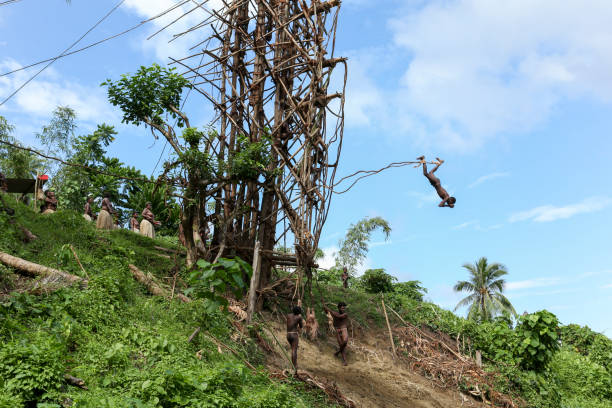
Local Land Diving Traditions: Witness or even participate in the ancient Naghol ceremony, considered a precursor to modern bungee jumping. Villagers dive from tall wooden towers with vines tied to their ankles, a rite of passage and a blessing for the yam harvest. The cultural depth adds meaning to the modern adrenaline experience.
Workshops and Training Sessions: For newcomers, certified instructors provide safety briefings, jump technique tutorials, and mental preparation workshops. These sessions ensure participants of all skill levels feel confident and safe before taking the plunge.
Music and Cultural Performances: The festival blends extreme sports with island culture. Traditional dances, drumming, and singing accompany the daily jumps, creating a lively atmosphere where thrill-seeking and heritage intertwine.
Photography and Videography: Capturing the jumps is a must. Drone footage, on-platform cameras, and professional photographers document each leap, allowing participants to relive the exhilarating moments and share them with friends and family.
Practical Tips: Wear comfortable, athletic clothing and ensure shoes are secure. Bring a change of clothes for post-jump adventures and waterproof bags for cameras and phones. Stay hydrated, and remember that the tropical sun can be intense—sunscreen and hats are essential.
Cost: Entry to the festival varies depending on the package. Day passes typically range from $50–$100 USD, while full-participation packages including multiple jumps, training, and cultural events can run $300–$500 USD. Accommodation on Pentecost Island ranges from basic guesthouses ($30–$50 USD per night) to boutique lodges ($150–$250 USD per night).
Iconic Photo Spot: The ultimate shot is captured mid-air, with the jumper framed against the lush forest, cascading waterfalls, or the sparkling blue ocean below. Another striking perspective is from the cliff edge before the jump, capturing the anticipation and sheer height of the platform.
Final Word: Vanuatu’s Bungee Jumping Festival is more than an extreme sport—it’s a celebration of courage, culture, and connection to the islands’ dramatic landscapes. Whether you’re jumping for the first time or watching from the sidelines, the festival offers an unforgettable blend of adrenaline, heritage, and tropical beauty, leaving every participant with a story worth telling for a lifetime.
8.) Marine Trilogy: Dolphin Play, Whale Watching, and Swimming with Whale Sharks on Australia’s East Coast
Overview: Australia’s East Coast offers a trifecta of marine adventures that bring travelers face-to-fin with some of the ocean’s most majestic creatures. From playful dolphins dancing alongside boats to massive humpback whales breaching in turquoise waters, and the gentle giants of the sea—whale sharks—gliding past snorkelers, this stretch of coastline is a living aquarium. These encounters combine wonder, education, and adrenaline, making them an unmissable part of any Australian adventure.
Beyond the thrill, these experiences provide insight into the marine ecosystem, conservation efforts, and the incredible diversity of life thriving along the Coral Sea and Great Barrier Reef. Whether aboard a small vessel, snorkeling among reef fish, or diving with whale sharks, the East Coast offers unforgettable marine immersion.
Where: The key hubs for these experiences are the Sunshine Coast, Hervey Bay, the Whitsunday Islands, and Cairns in Queensland. Each location offers unique opportunities: dolphin tours are common in coastal bays, whale watching peaks during migration seasons, and whale shark excursions center around Ningaloo Reef and the Great Barrier Reef.
Top Highlights
Dolphin Play: Start your marine journey with a dolphin cruise or kayak excursion. Bottlenose and common dolphins frequently swim alongside boats, leaping and spinning in coordinated displays. These intelligent creatures are not only captivating to watch but provide a playful introduction to Australia’s oceanic wonders.
Humpback Whale Watching: From June to November, humpback whales migrate along the East Coast, offering spectacular shows of breaching, tail slaps, and spy-hopping. Guided tours from Hervey Bay or the Whitsundays allow close yet safe observation, often accompanied by expert commentary on behavior, breeding, and conservation.
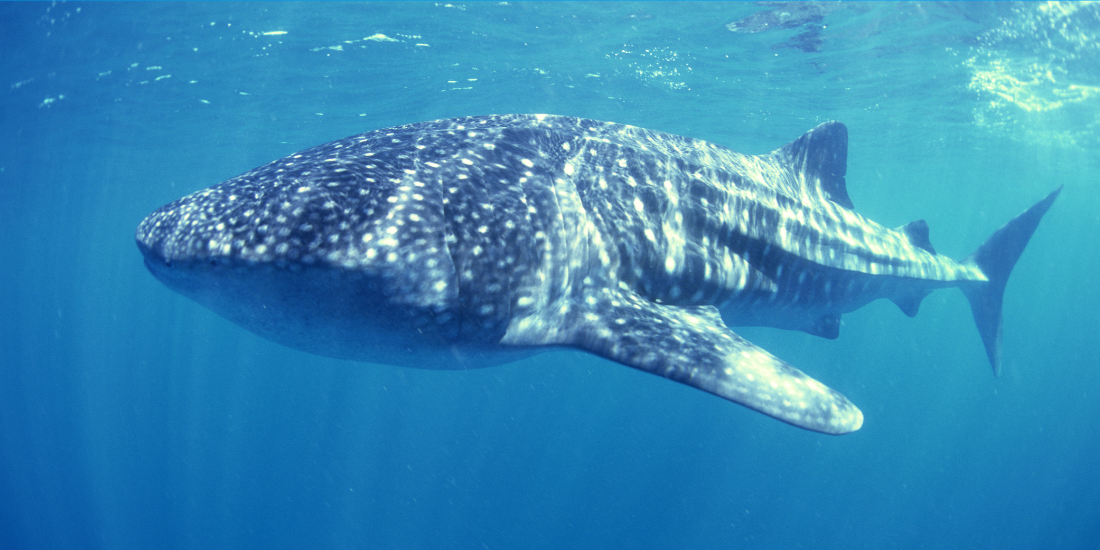
Swimming with Whale Sharks: For a deeper dive into marine life, Ningaloo Reef and select spots along the Great Barrier Reef host seasonal whale shark interactions. These gentle giants can reach lengths of over 12 meters, and swimming alongside them is both humbling and exhilarating. Snorkeling excursions include safety briefings and guides who ensure respectful, non-intrusive encounters.
Marine Conservation Insights: Many tours emphasize responsible wildlife interaction. Guides educate travelers about marine ecology, the impacts of climate change, and conservation initiatives that protect these creatures and their habitats. These encounters leave lasting impressions far beyond the thrill of observation.
Photography and Videography: Capture the perfect shot of dolphins riding bow waves, whales breaching against the horizon, or the whale shark’s patterned back gliding past. Waterproof cameras and drones can enhance the documentation of these marine marvels, creating memories that last a lifetime.
Practical Tips: Bring reef-safe sunscreen, swimwear, and waterproof gear. Motion sickness tablets may help on longer whale-watching trips. Respect all guidelines regarding proximity to wildlife, and listen closely to guides to ensure safe and ethical interactions.
Cost: Dolphin tours typically start around $50–$100 USD per person, whale-watching excursions range from $120–$200 USD, and swimming with whale sharks can cost $150–$250 USD depending on the provider and duration. Multi-day trips that combine all three experiences are also available for $400–$600 USD.
Iconic Photo Spot: Capture the dolphins bow-riding at sunrise or the moment a humpback whale’s tail splashes against the morning light. Underwater shots of whale sharks gliding past coral formations offer dramatic and unforgettable images.
Final Word: Australia’s East Coast marine trilogy is an extraordinary invitation to witness the majesty of ocean life up close. Each encounter—whether with playful dolphins, colossal whales, or gentle whale sharks—offers awe, inspiration, and a profound connection to one of the world’s richest marine ecosystems. It’s a journey that leaves hearts racing, cameras full, and memories anchored forever in the vast blue.
9.) Paradise Found: Discovering Island Bliss in Fiji
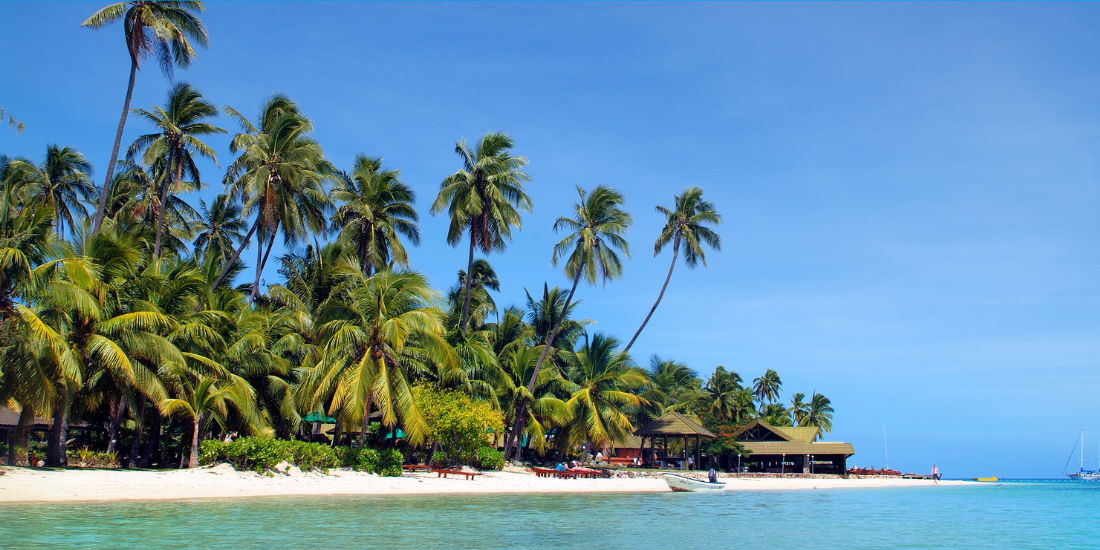
Overview: Fiji is the very definition of island paradise—an archipelago of over 300 islands scattered across the South Pacific, where turquoise waters meet lush green mountains and soft white sands. Beyond its postcard-perfect beaches, Fiji offers a rich tapestry of culture, adventure, and relaxation. From vibrant coral reefs teeming with life to traditional Fijian villages brimming with warmth and ceremony, the islands invite travelers to slow down, immerse themselves, and soak in the magic of tropical living.
Fiji isn’t just a destination for sun-seekers—it’s a full sensory experience. The gentle lapping of waves, the scent of frangipani in the air, the rhythmic sounds of traditional meke dances, and the taste of fresh seafood all come together to craft an unforgettable escape. Whether you’re diving beneath the waves, trekking through rainforest trails, or simply swinging in a hammock over crystal-clear lagoons, Fiji embodies the ultimate island bliss.
Where: While the islands are spread across a wide area, the main hubs for visitors are Viti Levu (home to the capital, Suva, and the international airport in Nadi), Vanua Levu, and the Mamanuca and Yasawa island groups. Each offers a unique mix of resorts, cultural experiences, and natural beauty.
Top Highlights
Coral Gardens and Diving: Fiji is often called the “Soft Coral Capital of the World.” Snorkelers and divers can explore vibrant coral gardens, encounter manta rays, reef sharks, and countless tropical fish species. Popular dive spots include the Rainbow Reef in Vanua Levu and the Great Astrolabe Reef near Kadavu.
Island Hopping Adventures: Explore secluded beaches, hidden lagoons, and untouched islets with boat trips around the Mamanuca and Yasawa islands. Kayaking, paddleboarding, or simply sunbathing on pristine shores are all part of the blissful experience.
Cultural Immersion: Visit traditional Fijian villages to witness kava ceremonies, participate in meke dances, and learn about local crafts. Friendly villagers share stories of their heritage, offering an authentic connection to Fiji beyond the resorts.
Waterfalls and Rainforest Treks: Inland adventures reveal lush landscapes dotted with waterfalls and tropical forests. The Bouma Falls on Taveuni Island or the Sabeto Hot Springs and Garden on Viti Levu provide refreshing escapes from the sun-drenched beaches.
Sunset Serenity: Fijian sunsets are a daily spectacle, with golden skies reflecting on calm lagoons. Take a catamaran cruise or relax on the beach with a cocktail in hand, watching the sun dip beneath the horizon—a perfect end to a day in paradise.
Practical Tips: Bring reef-safe sunscreen, light breathable clothing, and sturdy sandals for village visits or hikes. Respect local customs, especially when visiting villages—covering shoulders and knees is appreciated. Hydrate frequently and be prepared for tropical rain showers, which are brief but intense.
Cost: Fiji offers options for every budget. Mid-range resorts typically start around $100–$200 USD per night, while luxury resorts on private islands can exceed $1,000 USD per night. Diving excursions range from $50–$150 USD per trip, and cultural tours often cost $30–$70 USD per person.
Iconic Photo Spot: Capture the vibrant coral reefs while diving or snorkeling, photograph traditional Fijian canoes gliding across a serene lagoon, or frame a sunset over a palm-lined beach. The Mamanuca islands at sunrise or sunset provide especially breathtaking compositions.
Final Word: Fiji is more than a tropical getaway—it’s a harmonious blend of natural beauty, cultural richness, and pure relaxation. Each island offers its own slice of paradise, inviting travelers to disconnect, explore, and indulge in the South Pacific’s serene wonders. In Fiji, the world slows down, and every moment feels like a dream realized.
10.) Ocean’s Majesty: Diving with Great White Sharks in Port Lincoln, Australia
Overview: For thrill-seekers and marine enthusiasts alike, Port Lincoln offers one of the most electrifying wildlife encounters on the planet: diving with great white sharks. Situated on Australia’s southern coast in South Australia’s Eyre Peninsula, Port Lincoln is renowned for its crystal-clear waters, abundant marine life, and as the gateway to one of the ocean’s most awe-inspiring predators. Here, divers and adventurers have the rare opportunity to witness these apex predators up close, safely encased in specialized cages, creating a heart-pounding yet deeply respectful connection with nature.
The experience is more than adrenaline—it’s a masterclass in marine biology and conservation. Observing great white sharks in their natural habitat highlights their grace, power, and role in the ocean’s delicate ecosystem. Each dive leaves participants with both exhilaration and a profound appreciation for these iconic animals, challenging myths and fostering a sense of stewardship for the oceans.
Where: Port Lincoln sits on the eastern side of the Eyre Peninsula in South Australia, roughly 650 kilometers west of Adelaide. Local operators run daily shark cage diving trips from the Port Lincoln marina, providing all equipment and safety guidance. The surrounding Spencer Gulf offers ideal conditions for observing great whites, especially from April to October when visibility is highest and sharks are most active.
Top Highlights
Cage Diving Thrill: The central attraction is entering a secure cage suspended in open water while great whites patrol around. Watching these magnificent predators glide effortlessly, circle, and occasionally investigate the cage delivers an unparalleled adrenaline rush. Guides ensure the experience is both safe and informative.
Marine Wildlife Abundance: Beyond great whites, divers may encounter a variety of marine life, including sea lions, rays, and schools of tuna. Sea lions are especially playful and curious, often swimming alongside the cages, creating an unforgettable aquatic ballet.
Expert Briefings: Before diving, knowledgeable guides provide safety instructions, shark biology insights, and ethical guidelines for interacting with wildlife. These sessions enrich the experience, offering understanding of shark behavior, conservation challenges, and the ecological importance of apex predators.
Photography Opportunities: Whether above water or from inside the cage, the crystal-clear Australian waters create perfect conditions for underwater photography. Capturing a great white mid-swim or a sea lion gliding through sun-dappled water ensures memories that last a lifetime.
Optional Boat Excursions: Many operators offer extended boat tours, including seal island visits and pelagic wildlife watching. These excursions complement cage diving, allowing visitors to explore the rich marine environment and witness the ocean’s broader ecosystem.
Practical Tips: Wear appropriate thermal protection—wetsuits are provided but bring additional layers if sensitive to cold. Motion sickness medication can help on choppy days. Follow all safety instructions strictly and remain calm in the water; the sharks are curious but controlled interactions are paramount.
Cost: Shark cage diving experiences typically range from $350 to $450 AUD per person for a full-day adventure, which usually includes gear, meals, transport, and expert guidance. Multi-dive packages or premium trips with enhanced photography options may cost more.
Iconic Photo Spot: Capture a shark’s dorsal fin slicing through the water from the cage, or shoot a sunlit silhouette of a great white against the blue depths. Above water, the boat deck offers dramatic perspectives as sharks breach or circle near the vessel.
Final Word: Diving with great white sharks in Port Lincoln is more than an adventure—it’s a profound encounter with one of nature’s most iconic predators. The experience combines thrill, education, and conservation awareness, leaving participants exhilarated, humbled, and inspired. For those seeking a unique marine adventure, few experiences rival the majesty of the great whites in their Australian home.
11.) Nature’s Grand Stage: Hiking the Milford Track in New Zealand
Overview: The Milford Track is often hailed as the “finest walk in the world,” and for good reason. Stretching through Fiordland National Park on New Zealand’s South Island, this 53.5‑kilometer trail winds through lush rainforests, past tumbling waterfalls, along glacially carved valleys, and across serene rivers, culminating at the dramatic Milford Sound. Hiking this track is not merely a trek—it’s an immersion into one of Earth’s most pristine and awe-inspiring landscapes, where every step offers a new perspective on nature’s grandeur.
As you traverse the track, you encounter a diversity of ecosystems—from moss-covered beech forests to alpine tussocks—and witness wildlife including kea, New Zealand’s mischievous alpine parrot, and the occasional fur seal along riverbanks. The Milford Track is a showcase of Fiordland’s raw beauty, challenging hikers physically while rewarding them with vistas that linger in memory long after the journey ends.
Where: The Milford Track begins at Glade Wharf on the northern edge of Lake Te Anau and concludes at Sandfly Point near Milford Sound. The trail lies entirely within Fiordland National Park, a UNESCO World Heritage Site renowned for its dramatic fjords, towering cliffs, and pristine wilderness. Access is typically via guided or independently organized walks, with boats ferrying hikers to the trailhead and from the terminus.
Top Highlights
Routeburn Flats and Clinton Valley: The trail opens into the lush Clinton Valley, with its cascading rivers, giant beech trees, and hanging valleys. Walking along these early stretches, hikers are enveloped in the forest’s green canopy, punctuated by small waterfalls and crystal-clear streams. The serenity of this section sets the tone for the adventure ahead.
Sutherland Falls: One of the world’s tallest waterfalls, Sutherland Falls plunges 580 meters into the valley below. Stopping at the base offers a chance to marvel at the sheer power of the cascading water while the mist cools your face—a dramatic reminder of nature’s raw energy.
McKinnon Pass: The highlight of the Milford Track, McKinnon Pass sits at 1,154 meters and offers panoramic views of alpine ridges, snow-capped peaks, and distant fjords. The climb is challenging but immensely rewarding, with the surrounding landscape evoking the scale and majesty of Fiordland.
Diverse Flora and Fauna: Along the route, hikers encounter a variety of plant life, including ferns, mountain daisies, and alpine shrubs. Birdlife is abundant, with kea, tui, and fantail adding color and sound to the trails. Spotting a rare endemic species is a highlight for nature enthusiasts and photographers alike.
Milford Sound Terminus: The track concludes at the edge of Milford Sound, where dramatic cliffs rise from the water and cascading waterfalls tumble into the fiord. Many hikers choose to extend the adventure with a scenic cruise, offering a final perspective on the breathtaking landscapes traversed on foot.
Practical Tips: The Milford Track is typically hiked in four days, with huts managed by the Department of Conservation. Bookings are essential during peak season (October–April). Pack waterproof gear, sturdy hiking boots, and layered clothing to adapt to rapidly changing weather. Bring a refillable water bottle and be prepared for river crossings and steep ascents.
Cost: Guided four-day hikes typically range from $1,200 to $2,000 NZD per person, including accommodation, meals, and transport. Independent hikers pay hut fees and boat transfers, with total costs around $400–$600 NZD.
Iconic Photo Spot: McKinnon Pass offers the quintessential Milford Track photograph, with sweeping valleys, rugged peaks, and clouds drifting below. Sutherland Falls, framed by lush greenery, provides another striking image, particularly when sunlight catches the cascading water.
Final Word: Hiking the Milford Track is a journey into the heart of New Zealand’s wild soul. It combines physical challenge, breathtaking scenery, and encounters with pristine wilderness. Every step along this trail is a testament to the power and beauty of nature, making it an unforgettable experience for anyone seeking to connect deeply with the planet’s most magnificent landscapes.
12.) Immersed in Wonder: Palau’s Jellyfish Lake Spectacle
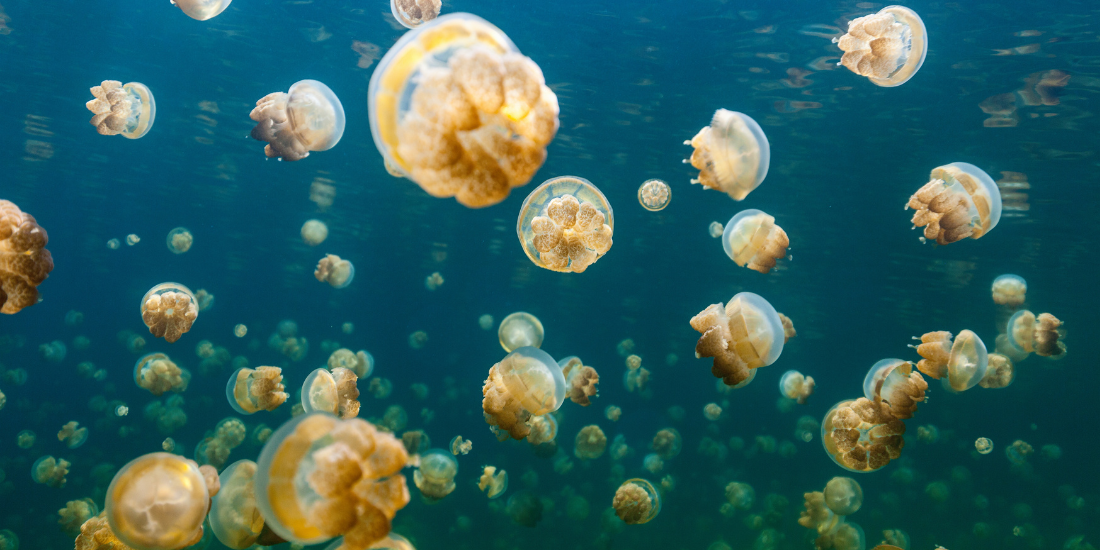
Overview: Tucked away in the rock islands of Palau lies one of the planet’s most extraordinary natural phenomena: Jellyfish Lake. This marine lake, separated from the ocean yet home to millions of golden jellyfish, offers a rare opportunity to swim among these gentle creatures in a setting of unparalleled beauty. Unlike traditional scuba or snorkeling spots, the lake’s unique ecosystem allows visitors to float, glide, and observe the jellyfish up close without fear, as their sting is barely perceptible.
The lake is a testament to the ingenuity of nature, evolving over thousands of years into a delicate balance of species and light. Its calm, emerald waters are surrounded by limestone cliffs and lush foliage, creating a surreal and almost otherworldly environment. Swimming here feels like entering a living, breathing art installation, where sunlight filters through the water and jellyfish drift gracefully around you.
Where: Jellyfish Lake is located on Eil Malk Island, one of Palau’s Rock Islands, in the Micronesian region of the western Pacific Ocean. Access typically involves a short boat ride from Palau’s main island of Koror, followed by a brief hike through tropical forest to reach the lake’s shores.
Top Highlights
The Golden Jellyfish Migration: Millions of golden jellyfish move in slow, rhythmic loops across the lake, following the sun’s path. Observing this daily migration is mesmerizing, as the creatures’ gentle pulses create a living choreography that has fascinated scientists and travelers alike.
Swimming Among the Jellyfish: The lake’s warm, calm waters allow visitors to float alongside these ethereal animals. The absence of strong currents means you can take your time, gliding through swarms of translucent jellyfish and capturing unforgettable photographs in an almost dreamlike setting.
Sunlight and Reflections: Depending on the time of day, sunlight penetrates the lake at different angles, illuminating the jellyfish and casting rippling patterns on the water. Early morning and late afternoon offer the most spectacular lighting for both observation and photography.
Lake Ecology: Jellyfish Lake is home to a complex, self-contained ecosystem. While golden jellyfish dominate, other species of plankton and microorganisms thrive, supporting the lake’s delicate balance. Guides often provide fascinating insights into the lake’s evolution, the jellyfish lifecycle, and ongoing conservation efforts.
Hiking to the Lake: The trail to Jellyfish Lake winds through dense tropical forest, offering glimpses of endemic birds, vibrant plants, and occasional rock island viewpoints. The hike itself sets the stage for the ethereal experience that awaits at the water’s edge.
Practical Tips: Visit during the dry season (typically December–April) for calmer water and clearer skies. Wear a mask and snorkel to fully immerse yourself in the experience, and avoid sunscreen or lotions that could harm the lake’s fragile ecosystem. Bring water shoes for comfort along rocky shores and be prepared for a short forest trek to reach the lake.
Cost: Entry fees for the Rock Islands and Jellyfish Lake typically range from $50–$70 USD per person, including guided access. Some tours include transportation, park permits, and snorkeling gear. Private guided excursions can cost more, depending on duration and inclusions.
Iconic Photo Spot: Capture the lake from a high vantage point along the trail for a sweeping view of its emerald waters dotted with golden jellyfish. Underwater shots while floating among the jellyfish are equally magical, creating the illusion of swimming in a living, luminous galaxy.
Final Word: Jellyfish Lake is more than a snorkeling destination—it’s an encounter with one of nature’s most delicate and enchanting wonders. Floating amidst millions of pulsating golden jellyfish, surrounded by towering limestone cliffs and crystal-clear waters, is a humbling and unforgettable experience. For anyone seeking a surreal, serene, and utterly unique adventure, Palau’s Jellyfish Lake is a place where wonder truly takes form.
13.) Coastal Symphony: Driving the Great Ocean Road, Australia
Overview: Stretching along Victoria’s rugged southern coastline, the Great Ocean Road is more than a scenic drive—it’s a journey through some of Australia’s most dramatic coastal landscapes. Carved into cliffs, winding past windswept beaches, and framed by the roar of the Southern Ocean, this iconic route is a living postcard of turquoise waters, golden sands, and untamed wilderness. Whether you’re in it for the thrill of the curves, the epic views, or the wildlife encounters, the Great Ocean Road delivers a cinematic adventure at every turn.
The road itself is a feat of engineering and history, built by returned soldiers after World War I as a memorial to those who served. Today, it remains both a tribute and a tourist mecca, drawing visitors from across the globe to experience its coastal majesty, quaint towns, and world-renowned natural landmarks. Driving this route is not just about getting from point A to B—it’s about savoring the journey, absorbing the atmosphere, and stopping often to drink in the scenery.
Where: The Great Ocean Road spans approximately 243 kilometers (151 miles), running from the city of Torquay near Geelong to Allansford, just outside Warrnambool in Victoria, Australia. Key towns along the route include Lorne, Apollo Bay, and Port Campbell, providing convenient bases for exploring the highlights.
Top Highlights
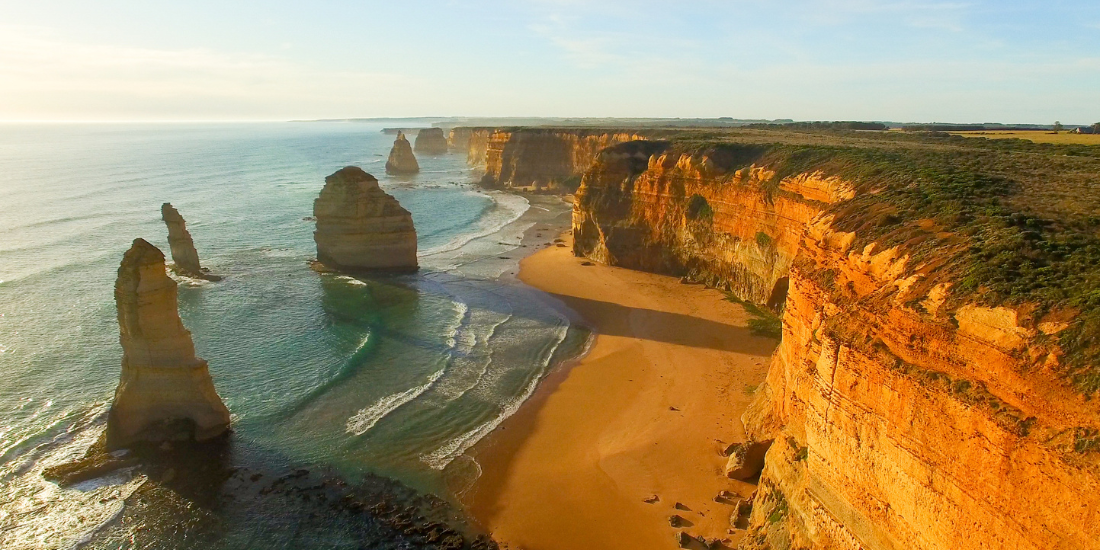
Twelve Apostles: Perhaps the most famous landmarks along the road, these limestone stacks rise dramatically from the Southern Ocean. The views from the cliffs at sunrise or sunset are unforgettable, with waves crashing against the rugged formations and golden light painting the rocks.
Loch Ard Gorge: Named after the shipwreck of the Loch Ard, this gorge tells a story of survival, maritime history, and natural beauty. Walk along the beach, explore the cliffs, and take in the turquoise waters framed by towering limestone walls.
Great Otway National Park: Inland from the coast, this lush rainforest is a haven of waterfalls, fern gullies, and towering eucalyptus trees. Hiking trails lead to scenic lookouts, cascading waterfalls, and native wildlife encounters, offering a serene contrast to the coastal wind and waves.
Lorne and Apollo Bay: Charming seaside towns perfect for stretching your legs. Lorne offers cafés, galleries, and beaches, while Apollo Bay is a gateway to the Otways and a spot to enjoy fresh seafood and panoramic ocean views.
Bells Beach: Renowned globally as a surfing mecca, Bells Beach draws thrill-seekers to its legendary waves. Even if you’re not surfing, watching the pros ride giant swells against the backdrop of rugged cliffs is a spectacle in itself.
London Arch and Other Coastal Formations: Along the Port Campbell coastline, discover rock formations like London Arch (formerly London Bridge), The Grotto, and the Bay of Islands. Each offers unique photographic opportunities and the chance to witness the ocean’s sculpting power up close.
Practical Tips: Plan for multiple days to fully enjoy the route and its detours. Start early to catch the sunrise at the Twelve Apostles or avoid crowds at popular stops. Wear comfortable shoes for walking along cliffs and beaches, and bring layered clothing, as coastal weather can change quickly. Driving is on the left-hand side, and allow extra time for stops at lookouts and local eateries.
Cost: Driving the Great Ocean Road itself is free, though entry fees apply for some attractions and parking at popular viewpoints (typically $5–$10 AUD). Accommodation ranges from budget hostels and motels to luxury coastal retreats, with options in Lorne, Apollo Bay, and Port Campbell. Guided tours can cost between $100–$250 AUD per person, depending on duration and inclusions.
Iconic Photo Spot: The best-known shots are from the boardwalks and viewing platforms overlooking the Twelve Apostles, particularly at sunrise when the limestone stacks glow. Loch Ard Gorge, with its turquoise waters and rugged cliffs, also makes for a dramatic photo. For sweeping coastal panoramas, the Great Ocean Road itself provides pull-offs with perfect vistas of the Southern Ocean.
Final Word: The Great Ocean Road is more than a drive—it’s an immersive journey along one of the world’s most spectacular coastlines. From towering limestone formations and hidden coves to rainforest waterfalls and charming seaside towns, every turn offers a new perspective. Whether you’re chasing sunsets, photographing rugged beauty, or simply breathing in the salty ocean air, this legendary route promises an adventure that lingers long after the journey ends.
14.) Rainforest Rhapsody: Exploring the Daintree, Where the Forest Meets the Beach
Overview: Nestled in far north Queensland, Australia, the Daintree Rainforest is a living tapestry of ancient flora, winding rivers, and rugged coastline where verdant forest meets pristine beaches. Recognized as part of the Wet Tropics World Heritage Area, the Daintree is not just a rainforest—it’s one of the oldest surviving ecosystems on Earth, over 135 million years in the making. Here, the harmony of towering trees, cascading streams, and the distant roar of the Coral Sea creates a symphony of sights, sounds, and sensations unlike anywhere else in the world.
Walking through the Daintree, you are immersed in a world where the lines between forest and ocean blur. Rare wildlife peers from the shadows, tropical birds sing from the canopy, and the air carries the rich scent of damp earth and salt spray. Whether you’re exploring its hidden creeks, hiking its elevated boardwalks, or relaxing on its secluded beaches, the Daintree offers a multi-sensory journey into nature at its most primal and beautiful.
Where: The Daintree Rainforest is located in far north Queensland, roughly two hours’ drive from Cairns. It stretches from the Mossman Gorge in the south to Cape Tribulation in the north, where the rainforest meets the Coral Sea. Access points include Mossman Gorge, Daintree Village, and Cape Tribulation, each serving as a gateway to different experiences in the forest.
Top Highlights
Mossman Gorge: Begin your exploration at Mossman Gorge, where crystal-clear waters meander through towering rainforest. Walk along elevated boardwalks that minimize impact on the delicate ecosystem while providing stunning views of ancient trees and lush vegetation. Guided walks offer insight into Aboriginal culture and the rainforest’s unique biodiversity.
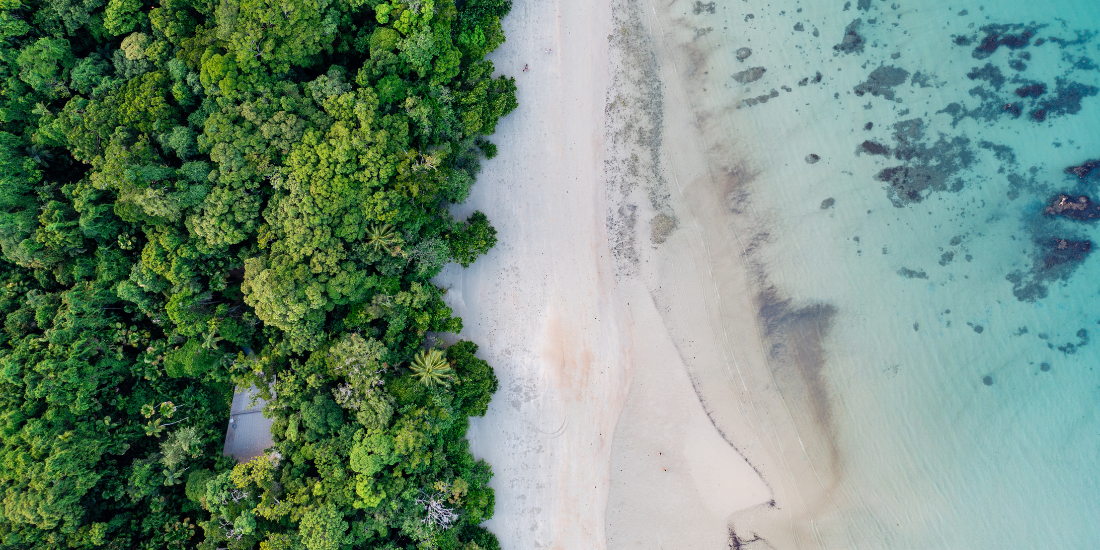
Cape Tribulation: Where the rainforest meets the reef, Cape Tribulation is a dramatic junction of ecosystems. White-sand beaches backed by dense jungle offer a rare opportunity to experience two World Heritage sites simultaneously. The striking contrast between the green canopy and azure waters is nothing short of breathtaking.
Daintree River Cruises: Navigate the winding Daintree River on a guided cruise to spot saltwater crocodiles, kingfishers, and other native wildlife. Dawn or dusk trips offer the best lighting for photography, with mist rising from the river and birds calling across the water—a magical rainforest awakening.
Jindalba Boardwalks and Trails: Explore quieter sections of the forest along elevated boardwalks and walking trails. Here, you can discover giant ferns, rare orchids, and ancient trees, all while listening to the rainforest’s subtle sounds—the hum of insects, calls of birds, and rustle of leaves.
Wildlife Encounters: The Daintree is home to rare and endemic species including the cassowary, tree-kangaroo, and Boyd’s forest dragon. Birdwatchers will delight in spotting rainbow bee-eaters, riflebirds, and bowerbirds, while night walks reveal a hidden world of nocturnal creatures.
Aboriginal Culture: Engage with the local Kuku Yalanji people through cultural tours. Learn about traditional bush foods, medicinal plants, and Dreamtime stories that connect the land, sea, and people, providing a deeper understanding of the rainforest’s significance.
Practical Tips: Bring sturdy walking shoes, sun protection, insect repellent, and a waterproof jacket. Guided tours enhance both safety and educational value. Start early to enjoy wildlife at its most active and avoid midday heat. If self-driving, allow extra time for slow-moving wildlife and unpaved roads in remote areas.
Cost: Entry to most Daintree attractions, such as Mossman Gorge, ranges from $15–$30 AUD per person. River cruises typically cost $50–$100 AUD depending on duration. Guided cultural experiences or multi-activity tours may range from $100–$200 AUD per person. Accommodation options vary from eco-lodges and rainforest retreats to budget hostels and beachfront cabins.
Iconic Photo Spot: Capture the rainforest-meets-beach contrast at Cape Tribulation, with waves lapping against white sand fringed by dense jungle. Mossman Gorge’s boardwalks provide iconic frames of ancient trees reflected in tranquil waters. Early morning light enhances both landscapes and wildlife photography.
Final Word: The Daintree Rainforest is an unparalleled natural wonder where ancient forests and tropical seas converge in harmonious splendor. Every step reveals layers of history, life, and natural beauty. From crocodile-laden rivers to misty canopies and pristine beaches, the Daintree invites exploration, reflection, and awe—an immersive rainforest experience that lingers in the senses long after you leave.
15.)Capital Charisma: Exploring Wellington, New Zealand’s Vibrant Harbor City
Overview: Perched at the southwestern tip of New Zealand’s North Island, Wellington is a compact city brimming with culture, creativity, and natural beauty. Nicknamed “Windy Welly” for its breezy harbor location, the city seamlessly blends urban sophistication with rugged coastal landscapes. From boutique cafes and world-class museums to dramatic hilltop views and vibrant street art, Wellington is a destination where culture, cuisine, and scenic splendor intersect.
Walking through the city, you feel its unique energy—a mix of cosmopolitan flair and laid-back Kiwi charm. Cafes hum with conversation, the harbor sparkles under sunlight, and the hillsides offer sweeping views that change with every turn. Whether you’re exploring its artistic quarters, sampling local wines, or strolling along the waterfront, Wellington engages all the senses.
Where: Wellington is situated at the southern tip of New Zealand’s North Island, overlooking a deep natural harbor. It is accessible by road, rail, or a short flight from major New Zealand cities such as Auckland and Christchurch. The compact central business district, the harborfront, and surrounding hills provide easy access to the city’s highlights.
Top Highlights
Te Papa Tongarewa (Museum of New Zealand): Begin your exploration at the nation’s premier museum, where interactive exhibits cover Maori culture, New Zealand history, and natural sciences. The museum’s dynamic displays and immersive storytelling make it a must-visit for travelers of all ages.
Wellington Cable Car: Climb from Lambton Quay up to the Botanic Garden aboard the historic red cable car. The ride provides panoramic views of the city, harbor, and surrounding hills. At the top, explore lush gardens, walking paths, and the Cable Car Museum.
Cuba Street: Wellington’s bohemian heart, Cuba Street is lined with eclectic shops, galleries, and eateries. Street performers and vibrant murals add to the lively atmosphere. It’s the perfect spot to sample artisanal coffee, craft beer, or locally made chocolate.
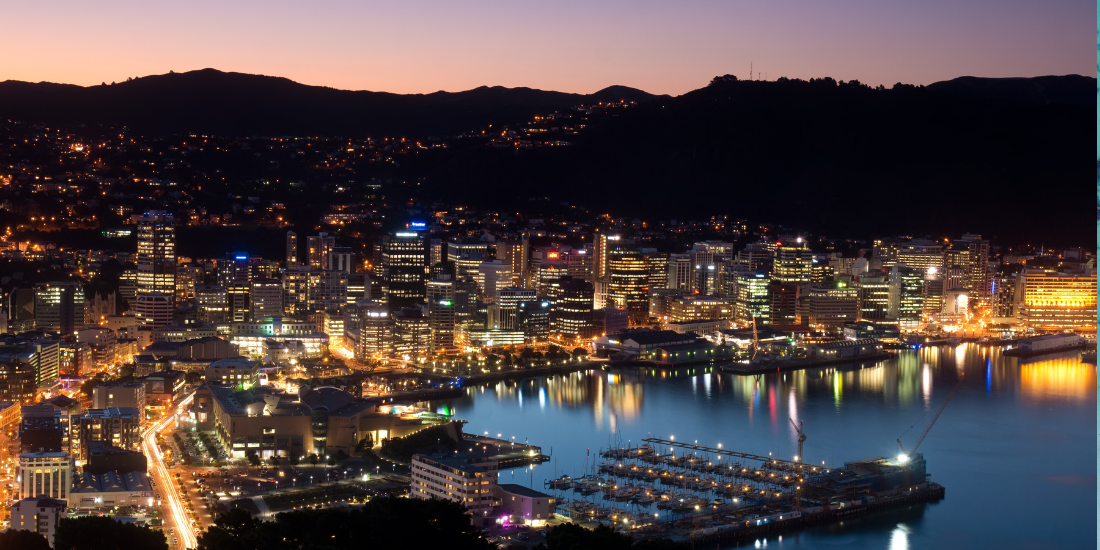
Mount Victoria Lookout: A short hike or drive up Mount Victoria rewards visitors with sweeping vistas of the city and harbor. Sunrise and sunset offer especially breathtaking perspectives, making it an ideal location for photography and reflection.
Weta Workshop: Dive into the creative world behind blockbuster films like The Lord of the Rings and Avatar at Weta Workshop. Guided tours showcase movie props, special effects, and behind-the-scenes craftsmanship that highlight Wellington’s reputation as a filmmaking hub.
Harborfront and Oriental Bay: Stroll along the Wellington waterfront, where cafes, public art, and the sparkling harbor converge. Take a dip at Oriental Bay beach, rent a kayak, or simply enjoy the lively promenades filled with locals and tourists alike.
Zealandia Ecosanctuary: Just outside the city, Zealandia offers a chance to immerse yourself in New Zealand’s native flora and fauna. Spot rare birds such as tui and kaka, walk through forest trails, and learn about conservation efforts in a protected ecological haven.
Practical Tips: Wellington’s weather can be unpredictable, so layers and a windproof jacket are essential. Comfortable walking shoes are recommended for the city’s hills and waterfront. Weekends bring vibrant markets and festivals—check local listings to enhance your visit.
Cost: Museum entry fees range from free to around NZD $25, with guided tours at Weta Workshop costing approximately NZD $65–$100. Cable car rides are about NZD $9 one way, and eco-sanctuary tours vary from NZD $25–$50. Dining and accommodation options cover a wide range, from boutique hostels to luxury waterfront hotels.
Iconic Photo Spot: Capture the cityscape from Mount Victoria Lookout, framing the harbor, hills, and coastline. Waterfront shots along Oriental Bay with yachts and modern architecture make for another quintessential Wellington image.
Final Word: Wellington is a city where natural beauty meets creative energy. Its vibrant harbor, rich culture, and accessible attractions make it a destination that’s both invigorating and intimate. From urban explorations to coastal escapes, the capital offers experiences that linger in memory and inspire return visits.
16.)Whitsunday Wonders: Exploring the Enchanting Isles and Azure Waters
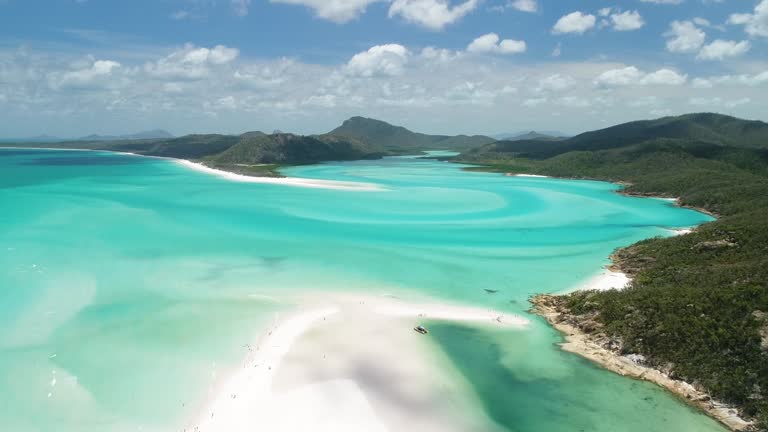
Aerial of the beautiful Whitsunday Islands, Australia
Overview: Nestled in the heart of Australia’s Great Barrier Reef, the Whitsunday Islands are a tropical paradise where turquoise waters, white-sand beaches, and lush greenery converge. Comprising 74 islands, this archipelago offers both adventure and relaxation, making it a must-visit for sailors, divers, and beach lovers alike. From secluded coves to vibrant coral reefs, the Whitsundays are a living postcard of Australia’s coastal beauty.
Sailing between the islands, visitors are captivated by the contrasts of sparkling lagoons, rugged cliffs, and pristine beaches. Each island has its own character—from the famous white sands of Whitehaven Beach to the vibrant marine life surrounding smaller, lesser-known isles. Whether exploring underwater wonders or soaking up sun on a remote shore, the Whitsundays immerse travelers in nature’s finest palette.
Where: The Whitsunday Islands are located off the central coast of Queensland, Australia. Airlie Beach is the main gateway, with ferry services, boat charters, and seaplane tours providing access to the various islands. Most trips focus on popular spots like Hamilton Island, Daydream Island, and Whitehaven Beach, while more adventurous excursions explore smaller, uninhabited islands.
Top Highlights
Whitehaven Beach: Often hailed as one of the world’s most beautiful beaches, Whitehaven is renowned for its soft silica sand and striking azure waters. Walking along the seven-kilometer stretch, or taking a scenic flight for a bird’s‑eye view of the swirling sands and reefs, is a quintessential Whitsunday experience.
Island Hopping Adventures: Hop between islands by ferry, private yacht, or chartered boat. Each island offers unique experiences—Hamilton Island for luxury and activities, Daydream Island for eco-resorts and marine encounters, and the smaller, secluded islands for quiet exploration and snorkeling.
Snorkeling and Diving: Beneath the surface, the Whitsundays reveal vibrant coral gardens, colorful reef fish, and majestic sea turtles. Guided snorkeling tours or dive expeditions bring travelers face-to-face with the living reef, offering a glimpse into the biodiversity of the Great Barrier Reef ecosystem.
Sailing the Whitsundays: Glide across calm, turquoise waters aboard a catamaran or sailing yacht. Whether joining a day tour or an overnight cruise, sailing allows for intimate encounters with hidden coves, secluded beaches, and spectacular sunsets over the Coral Sea.
Hill Inlet Lookout: This iconic viewpoint provides panoramic vistas of Whitehaven Beach and the swirling sands of Hill Inlet. A short climb rewards visitors with one of the most photographed perspectives in Australia—a kaleidoscope of blues and whites that shifts with the tide.
Wildlife Encounters: Keep an eye out for dolphins, reef sharks, and a variety of seabirds during island excursions. Turtles often glide gracefully through the clear waters, and on land, native birds and lizards add life to the tropical environment.
Practical Tips: Pack light, breathable clothing and swimwear, along with sun protection, a hat, and sturdy sandals for walking on beaches and trails. Bring waterproof gear for electronics if sailing or kayaking. Early morning departures are ideal to avoid crowds and catch the best lighting for photography.
Cost: Day tours and sailing trips vary between AUD $100–$250 per person, depending on duration and inclusions. Scenic flights over the islands can cost AUD $150–$350. Accommodation ranges from budget hostels and camping options to luxury resorts on Hamilton and Daydream Islands, with nightly rates from AUD $100 to over $1,000.
Iconic Photo Spot: Capture the swirling sands of Hill Inlet from the lookout above Whitehaven Beach—the view of the turquoise waters blending with pure white sand is iconic. Sunset shots from a sailing catamaran, framed by the archipelago’s islands, create unforgettable images.
Final Word: The Whitsunday Islands are a tropical symphony of color, serenity, and adventure. Whether you sail through hidden coves, dive among vibrant coral reefs, or simply relax on soft white sands, the Whitsundays offer a magical escape into one of the world’s most stunning coastal landscapes.
17.) Gold Coast Surf Safari: Riding the Waves in Australia’s Ultimate Surfer’s Paradise
Overview: The Gold Coast, a sun-soaked stretch of Queensland’s eastern coastline, is synonymous with surf culture, golden beaches, and endless ocean adventures. Known for its consistent breaks, warm waters, and vibrant beach towns, the Gold Coast is a mecca for surfers of all levels. From world-class professional competitions to casual beachside lessons, the region offers a wave for everyone, making it the ultimate Australian surfing playground.
Beyond the surf, the Gold Coast dazzles with a mix of natural beauty and urban excitement. Rolling hinterland hills, lush national parks, and vibrant nightlife blend seamlessly with iconic beaches like Surfers Paradise, Burleigh Heads, and Snapper Rocks. Here, the rhythm of the waves sets the pace for adventure, relaxation, and culture alike.
Where: Stretching over 70 kilometers from Coolangatta in the south to Southport in the north, the Gold Coast is easily accessible from Brisbane, which is about an hour’s drive away. Key surf hotspots include Surfers Paradise, Burleigh Heads, Kirra, and Snapper Rocks, each offering unique breaks and experiences.
Top Highlights
Surfers Paradise Beach: The iconic heart of the Gold Coast, Surfers Paradise Beach combines golden sands with rolling surf perfect for beginners and seasoned surfers alike. The bustling esplanade offers surf schools, rental shops, and vibrant cafés, making it both a surfing and lifestyle destination.
Burleigh Heads: Known for its consistent point break, Burleigh Heads is ideal for intermediate and advanced surfers. The backdrop of rainforest-clad headlands provides a scenic contrast to the pounding waves, and the nearby national park trails offer a quick escape from the beach.
Snapper Rocks and Kirra: World-renowned for their perfect barrels and professional competitions, these breaks attract elite surfers from around the globe. Watching the pros carve waves here is as exhilarating as riding them yourself, and lessons or guided sessions allow enthusiastic amateurs to test their skills.
Surf Schools and Lessons: The Gold Coast is packed with surf schools catering to all abilities. Experienced instructors teach beginners how to paddle, pop up, and ride waves safely, while advanced coaching helps refine techniques. Many programs include beach briefings, equipment hire, and one-on-one guidance.
Beach Culture and Coastal Trails: Explore the vibrant beachside communities, beachfront cafés, and coastal walking paths that connect the Gold Coast’s highlights. From oceanfront markets to art installations and live music, the local scene enhances every surf excursion.
Tweed and Hinterland Excursions: For a break from the waves, venture inland to the Gold Coast hinterland. Rainforests, waterfalls, and hiking trails offer a lush contrast to the beach and provide opportunities for photography, wildlife spotting, and nature immersion.
Practical Tips: Surf early in the morning to catch smaller crowds and calmer conditions. Wear sun protection, including a rash guard or wetsuit depending on the season. Always check local surf conditions and tides before heading out, and if you’re a beginner, choose beaches with lifeguards on duty.
Cost: Surfboard rentals typically range from AUD $20–$40 per day, while private lessons start around AUD $50–$100. Guided surf tours or multi-day surf camps can cost between AUD $200–$600 depending on inclusions. Accommodation options span budget hostels to luxury beachfront resorts, with nightly rates from AUD $100 to over $500.
Iconic Photo Spot: Capture the classic Gold Coast surf scene at Burleigh Heads lookout, where waves break against the headland with the skyline in the background. Early morning or sunset shots at Snapper Rocks provide dramatic light on the perfect barrels, ideal for both photography and memory-making.
Final Word: The Gold Coast is more than a surfing destination—it’s a lifestyle of sun, sea, and adventure. Whether carving waves at world-famous breaks, learning to stand up on your first board, or simply soaking up the vibrant coastal energy, the Gold Coast delivers a quintessential Australian surf experience that will leave both beginners and seasoned wave riders craving more.
Overview: Nestled on the shores of Lake Wakatipu and framed by the dramatic Southern Alps, Queenstown is often hailed as the adventure capital of New Zealand. This compact town pulses with adrenaline, offering an array of heart-pounding activities set against one of the most stunning natural backdrops on Earth. From soaring through the sky to plunging down rapids, Queenstown is a playground for thrill-seekers and nature lovers alike.
Beyond its adrenaline attractions, Queenstown charms with its vibrant town center, lakeside strolls, and gourmet dining. It’s a place where the rugged wilderness meets luxury and leisure, creating a destination that caters to both adventure enthusiasts and those seeking breathtaking landscapes at a more relaxed pace.
Where: Located in New Zealand’s South Island, Queenstown sits on the western shores of Lake Wakatipu and is surrounded by the Remarkables mountain range. It’s accessible via Queenstown Airport, with regular domestic and international flights.
Top Highlights
Bungee Jumping: Queenstown is the birthplace of commercial bungee jumping, and the Kawarau Bridge remains an iconic spot to leap into the void. For added thrills, try the Nevis Bungy, one of the highest jumps in the Southern Hemisphere, offering an unforgettable rush of adrenaline.
Skydiving: Take in panoramic views of lakes, mountains, and valleys as you freefall from up to 15,000 feet. Skydiving in Queenstown combines the ultimate adrenaline fix with some of the most spectacular scenery on the planet.
Jet Boating: Skim across the Shotover and Kawarau Rivers at high speeds, twisting and turning through narrow canyons. Jet boating is a uniquely Kiwi experience, offering a thrilling mix of power, water, and sharp turns that keeps your heart racing.
White-Water Rafting: Navigate the rapids of the Shotover or Kawarau Rivers, where Class III–V rapids promise excitement and challenge. Guided rafting trips offer both adrenaline and safety, with stunning river canyon scenery enhancing the experience.
Hiking and Scenic Trails: For those seeking adventure on foot, Queenstown’s surrounding hills and mountains feature trails ranging from short lakeside walks to multi-day alpine treks. The Ben Lomond Track and Routeburn Track provide breathtaking vistas and immersive nature experiences.
Skiing and Snowboarding: In winter, Queenstown transforms into a snow sports haven. Nearby Remarkables and Coronet Peak offer slopes suitable for beginners to experts, complete with ski schools and stunning alpine views.
Wine Tours and Lake Cruises: After a day of adventure, relax on Lake Wakatipu or explore Central Otago’s renowned vineyards. Wine tasting tours and serene lake cruises offer a balance of thrill and tranquility, showcasing the region’s natural and cultural richness.
Practical Tips: Book high-demand activities in advance, especially during peak summer and winter seasons. Dress in layers to accommodate variable alpine weather and always bring sturdy footwear for hiking. Safety gear and expert guidance are provided for adventure activities, but following instructions is crucial for a secure experience.
Cost: Adventure experiences range widely: bungee jumps typically start at NZD $180–$350, skydives at NZD $300–$500, jet boating around NZD $100–$150, and white-water rafting at NZD $120–$200 per trip. Multi-activity packages or adventure passes may offer cost savings for avid thrill-seekers. Accommodation options range from budget hostels to luxury lodges, with nightly rates from NZD $100 to $600+.
Iconic Photo Spot: Capture Queenstown’s essence from Bob’s Peak, accessed via the Skyline Gondola. The lookout offers sweeping views over Lake Wakatipu, the town, and the Remarkables, with perfect light at sunrise or sunset. Action shots from bungee bridges or jet boats also make for iconic adventure memories.
Final Word: Queenstown is a destination where adrenaline, scenery, and culture converge. Whether you’re leaping from bridges, hurtling down rivers, hiking alpine trails, or simply soaking in the views, this adventure capital offers an unforgettable blend of excitement and natural beauty. For thrill-seekers and explorers alike, Queenstown delivers experiences that leave the heart racing and the soul soaring.
19.) Fraser Island Expedition: Discovering Nature’s Tapestry in the World’s Largest Sand Island
Overview: Stretching over 120 kilometers along Australia’s eastern coast, Fraser Island is the world’s largest sand island and a living testament to nature’s resilience and beauty. A UNESCO World Heritage Site, it combines pristine beaches, ancient rainforests, freshwater lakes, and rugged sand dunes into a landscape unlike anywhere else on Earth. Exploring Fraser Island is more than a trip—it’s an immersion into a diverse ecosystem where wildlife, waterways, and wilderness coexist in extraordinary harmony.
The island’s dramatic contrasts—from crystal-clear freshwater lakes nestled among rainforest trees to windswept beaches lined with towering sand cliffs—offer experiences for every kind of nature lover. Adventure meets tranquility here, whether you’re four-wheel driving along the beach, hiking through dense forest, or simply soaking in the island’s spectacular vistas.
Where: Fraser Island lies off the coast of Queensland, near the town of Hervey Bay. Access is typically via ferry or barge from Hervey Bay or Rainbow Beach, and the island’s expansive interior is navigable primarily by 4WD vehicles.
Top Highlights
75 Mile Beach: This iconic stretch of sand serves as both a highway and a destination. Drive along the golden coastline, admire the shipwreck of the S.S. Maheno, and watch for humpback whales during their migration season. The beach is a natural runway for adventure, offering stunning vistas at sunrise and sunset.
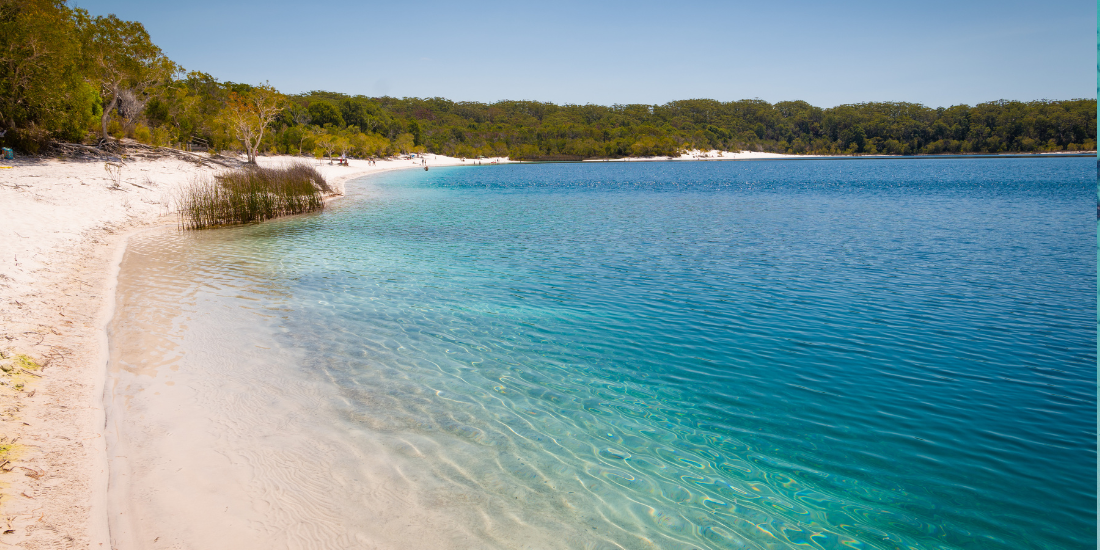
Lake McKenzie: One of Fraser Island’s most famous freshwater lakes, McKenzie features pristine white silica sand and sparkling turquoise water. Perfect for a refreshing swim or a peaceful lakeside picnic, it exemplifies the island’s serene beauty.
Eli Creek: Follow the gentle flow of this freshwater stream as it winds to the ocean. Visitors can wade, float, or simply observe the creek’s crystalline waters, enjoying a natural experience that blends relaxation and fun.
Central Rainforest Trails: Fraser Island isn’t just sand. Ancient rainforests thrive in pockets of nutrient-rich soil. Walk the shaded trails of the Central Station area, marveling at towering trees, ferns, and the symphony of birdlife. This is a glimpse of a subtropical paradise hidden within a sandy landscape.
Indian Head Lookout: For panoramic coastal views, hike to Indian Head, a rocky headland on the island’s eastern tip. From here, you can spot dolphins, turtles, manta rays, and even passing whales, all framed by the endless Pacific horizon.
Wildlife Encounters: The island is home to diverse fauna, from dingoes and echidnas to a variety of birds and reptiles. Fraser Island’s dingoes are particularly famous—observe them from a safe distance and respect local guidelines to ensure both your safety and theirs.
Champagne Pools: Natural rock pools along the eastern coast offer a unique swimming experience. Ocean waves crash over volcanic rock formations, creating bubbling, naturally filtered pools perfect for cooling off and enjoying the rugged coastline.
Four-Wheel Drive Adventures: A 4WD vehicle is essential for exploring Fraser Island’s interior and beaches. Navigate sand tracks, climb dunes, and discover hidden lakes and streams. Experienced guides offer tours that combine adrenaline with insight into the island’s ecology and history.
Practical Tips: Always follow safety guidelines, especially when driving on sand or swimming in natural waterways. Bring sun protection, insect repellent, and plenty of water. Respect wildlife and stay on designated tracks to preserve the fragile ecosystem. Guided tours provide valuable local knowledge and enhance the experience.
Cost: Access to Fraser Island requires ferry or barge transport, typically around AUD $50–$100 per person round-trip. Guided tours range from AUD $150–$350 depending on duration and inclusions. Accommodation varies from camping and eco-lodges to resort-style stays, with nightly rates from AUD $50 to $300+.
Iconic Photo Spot: Capture the contrast of white sand against turquoise waters at Lake McKenzie or frame the rugged coastline and ocean horizon from Indian Head. A 4WD shot along 75 Mile Beach, with waves crashing beside your vehicle, also makes for a classic Fraser Island memory.
Final Word: Fraser Island is a rare blend of adventure, beauty, and ecological wonder. Its sandy expanses, freshwater lakes, ancient rainforests, and wildlife encounters create an experience that feels both wild and intimate. Whether exploring by foot, vehicle, or boat, a journey to Fraser Island immerses travelers in a natural tapestry unlike anywhere else in the world.
20.) Sydney Sojourn: Unveiling the Allure of Australia’s Harbor City
Overview: Sydney, Australia’s sparkling harbor city, is a vibrant blend of iconic landmarks, cosmopolitan energy, and natural beauty. From the soaring sails of the Sydney Opera House to the expansive views atop the Harbor Bridge, Sydney offers a dynamic mix of culture, adventure, and relaxation. Whether wandering through historic streets, soaking up the sun on golden beaches, or dining at world-class restaurants, Sydney captivates the senses at every turn.
The city’s charm lies in its contrasts: historic sandstone architecture meets modern skyscrapers; bustling markets coexist with serene botanical gardens; and urban life flows seamlessly into coastal adventures. For first-time visitors and returning travelers alike, Sydney provides a quintessential Australian experience wrapped in breathtaking scenery and lively culture.
Where: Sydney is located on the southeastern coast of Australia, in the state of New South Wales. The city’s central business district sits on the shores of Sydney Harbour, with iconic beaches such as Bondi and Manly within easy reach.
Top Highlights
Sydney Opera House: The crown jewel of Sydney, this architectural marvel hosts performances ranging from opera and ballet to contemporary music. Beyond its cultural offerings, the Opera House is a photographer’s dream, with its sail-like design framed against the harbor’s sparkling waters. Guided tours provide insight into the building’s history and engineering genius.
Harbour Bridge Climb: For breathtaking panoramic views, the Harbour Bridge climb is an unforgettable experience. Ascend the steel arches with expert guides, and marvel at Sydney’s skyline, the harbor, and beyond. Daytime, twilight, or night climbs offer unique perspectives and photo opportunities.
Circular Quay & The Rocks: Stroll along Circular Quay to experience the city’s heart, where ferries, street performers, and bustling cafes converge. Nearby, The Rocks historic precinct invites exploration of cobblestone streets, heritage architecture, boutique shops, and artisanal markets that echo Sydney’s colonial past.
Bondi Beach & Coastal Walks: Bondi’s golden sands and surf culture are quintessentially Sydney. Take a surf lesson, relax on the beach, or embark on the Bondi to Coogee coastal walk, a scenic trail offering cliffs, bays, and ocean vistas that highlight the city’s coastal charm.
Darling Harbour & Barangaroo: These waterfront districts combine dining, entertainment, and culture. Visit the SEA LIFE Sydney Aquarium, WILD LIFE Sydney Zoo, or simply enjoy waterside bars and restaurants while watching the sunset over the harbor. Barangaroo offers a modern edge with public art, shopping, and sustainable urban design.
Royal Botanic Garden: Nestled along the harbor, these gardens provide a peaceful escape from city life. Wander winding paths lined with native and exotic flora, relax with a picnic, or join a guided tour to learn about the plant life and history of the gardens.
Ferry Rides & Harbour Exploration: Hop on a ferry to Manly, Taronga Zoo, or Watsons Bay. The ride itself offers spectacular views of the Opera House, Harbour Bridge, and waterfront mansions, providing a sense of Sydney’s scale and natural beauty.
Practical Tips: Sydney’s weather can vary; bring sun protection, comfortable walking shoes, and layered clothing for coastal breezes. Use public transport or ferries for easy access to major sights. Advance booking is recommended for the Opera House tours and Harbour Bridge climb, especially during peak tourist seasons.
Cost: Many of Sydney’s highlights, such as the Royal Botanic Garden and ferry rides, are low-cost or free. Opera House tours start around AUD $40–$50, while Harbour Bridge climbs typically range from AUD $150–$300 depending on the time of day and climb type. Museum and zoo admissions vary from AUD $20–$50.
Iconic Photo Spot: Capture the Opera House sails with the Harbour Bridge in the background from Mrs Macquarie’s Chair, or frame the city skyline from a ferry crossing the harbor at sunset. Bondi Beach sunrise shots are also a must for beach and surf photography enthusiasts.
Final Word: Sydney is a city where natural beauty, architectural brilliance, and cultural vitality converge. From iconic landmarks to hidden coastal gems, every corner offers something to inspire and delight. Whether scaling heights, strolling historic streets, or basking in the sun, Sydney immerses visitors in the quintessential Australian harbor experience.
21.) First Light of New Beginnings: Welcoming the New Year in Christmas Island, Sydney, or Auckland
Overview: Ringing in the New Year in the Southern Hemisphere offers a unique twist on celebration. From the remote tropical paradise of Christmas Island to the cosmopolitan sparkle of Sydney and the vibrant harbors of Auckland, each destination delivers a spectacular start to the year. Whether it’s fireworks over iconic skylines, beachside festivities, or intimate island gatherings, welcoming the new year in these locales combines natural beauty, cultural richness, and a festive spirit that lingers long after the clock strikes midnight.
Where:
- Christmas Island: Located in the Indian Ocean, this remote Australian territory is renowned for its lush rainforests, abundant wildlife, and pristine beaches.
- Sydney, Australia: Southeastern Australia’s sparkling harbor city is famed for its Opera House, Harbour Bridge, and world-class fireworks display.
- Auckland, New Zealand: The “City of Sails” sits on a stunning harbor, blending urban sophistication with access to volcanic landscapes and coastal beauty.
Top Highlights
Christmas Island Fireworks and Island Festivities: On Christmas Island, the New Year is celebrated with intimate beach parties, bonfires, and community gatherings. Visitors can watch fireworks reflect on turquoise waters while listening to the ocean’s rhythm. The island’s secluded coves offer perfect vantage points for a quiet, reflective start to the year.
Sydney Harbour Spectacle: Sydney’s New Year’s Eve is legendary. Two synchronized fireworks displays—the family-friendly 9 pm show and the iconic midnight pyrotechnics—illuminate the harbor, framed by the Opera House and Harbour Bridge. Take a harbor cruise, find a rooftop vantage point, or join the throngs at Circular Quay for an unforgettable spectacle.
Auckland Sky Tower Celebration: Auckland’s New Year is equally dazzling, with the Sky Tower serving as the centerpiece for a citywide fireworks display. Waterfront areas, Viaduct Harbour, and nearby beaches offer prime viewing spots. Street parties, live music, and cultural performances complement the visual extravaganza.
Beach and Coastal Gatherings: In both Christmas Island and Auckland, smaller-scale coastal celebrations provide a more intimate experience. Gatherings on golden sands, with music, food, and lantern releases, offer a magical counterpoint to large city fireworks.
Cultural Insights and Local Traditions: Each destination offers unique cultural flavors. Christmas Island combines Australian and Southeast Asian influences, with locals embracing music, food, and dance. Sydney and Auckland infuse urban energy with indigenous Maori and Aboriginal customs, blending contemporary celebrations with deep-rooted traditions.
Practical Tips: Arrive early for prime viewing spots—especially in Sydney, where crowds are massive. Bring layered clothing for coastal breezes, a blanket or beach mat, and water. In Christmas Island, consider guided tours or local advice for accessing secluded viewing locations. For Auckland, public transport or ferries are the easiest ways to reach waterfront celebrations.
Cost: Christmas Island celebrations are generally low-cost, with most activities free or supported by local community events. Sydney’s fireworks are free to watch from public areas, though private harbor cruises can range from AUD $150–$400 per person. Auckland’s fireworks are free in public spaces, while organized parties and VIP viewing may cost NZD $50–$150.
Iconic Photo Spot: Capture the reflection of Sydney’s fireworks on the harbor from Mrs Macquarie’s Chair, frame Auckland’s Sky Tower bursting in color against the city skyline, or photograph a serene Christmas Island beach illuminated by fireworks or lanterns.
Final Word: Welcoming the New Year in Christmas Island, Sydney, or Auckland offers a spectrum of experiences—from serene tropical beginnings to world-famous urban spectacles. Each destination provides a unique vantage point for marking a fresh start, blending nature, culture, and celebration into a memory that will set the tone for the year ahead.
22.) Wilderness Thrills: Exploring Kakadu National Park and Diving into the Cage of Death
Overview: Northern Australia’s Kakadu National Park is a land of raw contrasts, where ancient landscapes meet vibrant ecosystems and untamed adventure. From sweeping wetlands to sandstone escarpments, Kakadu is a living tapestry of wildlife, culture, and natural wonder. For thrill-seekers, the park offers more than scenic hikes and wildlife spotting—the chance to dive into the legendary “Cage of Death” for a close encounter with one of the ocean’s most formidable predators adds an adrenaline-fueled chapter to the Kakadu experience.
Where: Kakadu National Park spans over 19,000 square kilometers of the Northern Territory, approximately three hours east of Darwin. The park is accessible by road, with numerous visitor centers, guided tours, and accommodations ranging from campgrounds to eco-lodges. The “Cage of Death” experience is typically based in nearby coastal waters, where guided tours operate under strict safety protocols.
Top Highlights
Ancient Landscapes and Rock Art: Kakadu is home to some of the oldest living cultures in the world. Visit Ubirr and Nourlangie to see Aboriginal rock art dating back tens of thousands of years. These intricate carvings and paintings depict ancestral stories, wildlife, and traditional ceremonies, offering a profound glimpse into the region’s cultural heritage.
Wetlands and Wildlife: Cruise the Yellow Water Billabong or explore the park’s myriad wetlands to spot saltwater crocodiles, wallabies, and an array of birdlife. The dawn and dusk hours are particularly magical, with mist rising from the wetlands and the calls of native birds creating an almost mystical atmosphere.
Escarpments and Lookouts: Hiking the stone escarpments of Kakadu provides panoramic vistas over floodplains, rivers, and wetlands. Lookouts such as Gunlom Falls offer dramatic views and natural swimming pools perfect for cooling off after a trek.
Cage of Death Diving: For adrenaline junkies, the “Cage of Death” provides an unparalleled close encounter with saltwater crocodiles or, depending on the tour, large marine sharks. Fully enclosed cages, expert guides, and stringent safety measures ensure the experience is thrilling yet secure. Peering into the jaws of these apex predators, with the water swirling around, delivers an unmatched sense of respect for these magnificent creatures.
Bushwalks and River Adventures: Guided hikes and boat tours let visitors explore Kakadu’s diverse habitats, from billabongs and rivers to sandstone gorges. Interpretive guides share insights on ecology, Indigenous traditions, and survival skills honed over millennia.
Birdwatching and Photography: With hundreds of bird species calling Kakadu home, photography enthusiasts have endless opportunities to capture striking images. Sunrises over the wetlands or swooping flights of jabirus and kingfishers create perfect moments for framing the park’s natural beauty.
Practical Tips: Visit during the dry season (May to October) for accessible roads, comfortable temperatures, and abundant wildlife viewing. Bring sturdy walking shoes, sun protection, insect repellent, and a waterproof camera bag. For cage diving, follow all safety instructions carefully and book with reputable operators.
Cost: Entry to Kakadu National Park is AUD $40 per vehicle for a three-day pass, with longer passes available. Guided tours, boat cruises, and cultural experiences typically range from AUD $50–$200 per person. Cage diving experiences start around AUD $350–$500 depending on duration and proximity to wildlife. Accommodation varies from AUD $30 per night at campgrounds to AUD $400+ per night at premium lodges.
Iconic Photo Spot: Capture sunrise over the Yellow Water Billabong, frame the Ubirr rock art against the backdrop of escarpments, or photograph the tense, thrilling moment of a crocodile gliding beneath the Cage of Death.
Final Word: Kakadu National Park is an extraordinary blend of cultural depth, natural grandeur, and untamed adventure. From ancient rock art and serene wetlands to the heart-pounding thrill of cage diving with apex predators, this is a destination that delivers both awe and adrenaline. Whether you’re exploring sacred landscapes or facing the raw power of nature, Kakadu promises experiences that stay etched in memory long after the journey ends.
23.) Tasmania’s Splendors: Chasing the Southern Lights and Embracing Natural Wonders
Overview: Tasmania, Australia’s island state at the edge of the Southern Ocean, is a land of rugged coastlines, ancient forests, and crystalline lakes. Beyond its natural beauty, Tasmania offers a celestial spectacle that draws travelers from across the globe—the Southern Lights, or Aurora Australis. Watching the night sky dance with ethereal colors over mountains and bays is an experience that blends awe, serenity, and a hint of magic. But the island’s allure doesn’t stop there; its national parks, wildlife sanctuaries, and coastal trails provide endless opportunities for exploration and adventure.
Where: Tasmania lies approximately 240 kilometers south of mainland Australia. Major access points include Hobart, Launceston, and Devonport, with ferries and flights connecting the island to Melbourne and Sydney. Key locations for viewing the Southern Lights include Mount Wellington, Bruny Island, and the southern coastline, while the island’s natural wonders are spread across national parks such as Freycinet, Cradle Mountain-Lake St Clair, and Southwest National Park.
Top Highlights
Chasing the Southern Lights: Tasmania’s southern latitude and minimal light pollution make it one of the best places in the world to witness the Aurora Australis. On clear nights, the sky may ignite in vivid greens, purples, and reds, reflecting off water and snow-capped peaks. Guided tours can enhance the experience, providing local insights, photography tips, and the perfect vantage points for capturing this elusive phenomenon.
Cradle Mountain-Lake St Clair National Park: Home to iconic peaks, glacial lakes, and ancient alpine landscapes, this park offers hiking trails for all levels. Whether you’re walking the Overland Track or enjoying shorter day walks, the park’s serene lakes, misty valleys, and endemic wildlife create a quintessential Tasmanian wilderness experience.
Freycinet National Park and Wineglass Bay: Pink granite peaks and white sand beaches define this coastal paradise. Hiking to the Wineglass Bay lookout provides panoramic views of the crescent-shaped beach and turquoise waters below, while sea kayaking, snorkeling, and guided eco-tours reveal hidden coves and wildlife along the coast.
Tasmanian Wilderness and Wildlife: Tasmania is home to unique species such as the Tasmanian devil, eastern quoll, and wombat. Wildlife spotting is best at dawn or dusk, whether in the wild or at dedicated sanctuaries like Bonorong Wildlife Sanctuary near Hobart. Birdwatchers will also delight in endemic species such as the forty-spotted pardalote.
Bay of Fires: Renowned for its fiery orange granite rocks and pristine beaches, the Bay of Fires offers both relaxation and adventure. Walk along coastal trails, photograph dramatic rock formations, or enjoy a guided tour highlighting Indigenous culture and ecological conservation efforts.
Bruny Island: This island gem combines stunning landscapes with gourmet experiences. Explore dramatic cliffs, secluded beaches, and forests, then savor local produce, including cheese, oysters, and wines. Bruny Island is also an excellent location for spotting the Southern Lights on clear nights.
Tasman Peninsula and Port Arthur: Rich in history and natural beauty, this region offers rugged coastlines, towering sea cliffs, and the UNESCO-listed Port Arthur Historic Site. Walk the cliff-top trails, kayak through hidden bays, and immerse yourself in Tasmania’s maritime and penal history.
Practical Tips: The best time to see the Southern Lights is during the winter months (May–August) when nights are longest and skies darkest. Dress warmly in layers, and bring a tripod and camera with manual settings for night photography. Tasmania’s weather is variable—pack rain gear and sturdy footwear for hiking. Renting a car is recommended for exploring remote areas and accessing prime Aurora viewing locations.
Cost: Flights from mainland Australia start around AUD $150–$300 each way. National park entry is generally free, though some guided walks and tours cost between AUD $50–$200 per person. Accommodation ranges from budget hostels at AUD $30–$50 per night to luxury lodges exceeding AUD $400 per night. Specialized Aurora tours may cost AUD $100–$250 per person.
Iconic Photo Spot: Capture the Southern Lights reflected over Lake St Clair or on the coast of Bruny Island. Wineglass Bay’s lookout provides an unforgettable perspective for daytime photography, while the Bay of Fires’ orange rocks against turquoise waters make a striking composition.
Final Word: Tasmania combines raw natural beauty, unique wildlife, and a touch of cosmic wonder. Whether you’re chasing the ephemeral Southern Lights, hiking through ancient forests, or exploring pristine coastlines, the island offers experiences that resonate deeply with both adventurers and those seeking tranquility. From sky to shore, Tasmania is a place where every moment feels extraordinary.
24.) Oceanic Odyssey: Scuba Diving in Micronesia Islands
Overview: The Micronesia Islands, scattered across the western Pacific Ocean, are a diver’s paradise where vibrant coral reefs, dramatic underwater landscapes, and rare marine life converge in crystal-clear waters. These islands, often off the beaten path, offer pristine diving experiences far from the crowds, making every descent a journey into a vivid and largely untouched aquatic world. From exploring World War II shipwrecks to drifting over teeming coral gardens, scuba diving in Micronesia is both an adventure and an intimate encounter with some of the Pacific’s most spectacular marine ecosystems.
Where: Micronesia is a vast region comprising hundreds of islands, with popular diving destinations including Palau, Chuuk (Truk Lagoon), Yap, and Pohnpei. Palau, in particular, is famous for its Blue Corner and German Channel dives, while Chuuk Lagoon offers extraordinary wreck diving opportunities. Most international travelers arrive via Koror in Palau, Weno in Chuuk, or Yap International Airport, with local operators providing access to dive sites scattered across the islands.
Top Highlights
Blue Corner, Palau: Often regarded as one of the top dive sites in the world, Blue Corner is a thrilling drift dive where strong currents sweep divers along steep walls teeming with sharks, barracudas, jacks, and giant groupers. The exhilarating pace, combined with kaleidoscopic reef life, creates an unforgettable adrenaline-fueled experience.
Chuuk Lagoon Wrecks: For history enthusiasts and advanced divers, Chuuk Lagoon’s sunken fleet from World War II offers eerie yet captivating exploration. Battleships, cargo vessels, and fighter planes lie preserved beneath the surface, often encrusted with corals and hosting schools of tropical fish, giant trevally, and colorful nudibranchs. Each wreck tells a story, blending history with marine biodiversity.
Yap’s Manta Ray Cleaning Stations: Yap is renowned for its resident manta ray populations. Divers can witness these majestic creatures gliding gracefully through the water, stopping at cleaning stations where smaller fish remove parasites. Observing these gentle giants up close is a humbling and awe-inspiring encounter.
Pohnpei’s Coral Gardens: Pohnpei offers sprawling coral gardens rich with hard and soft corals, anemones, and a profusion of reef fish. Drift dives along the outer slopes allow divers to experience the vivid colors and textures of Micronesia’s thriving reef ecosystems, where every turn reveals new species and vibrant underwater scenery.
Blue Holes and Caverns: Micronesia is dotted with underwater sinkholes and caves, including the famous Blue Holes of Palau and Pohnpei. These vertical shafts and submerged caverns provide dramatic diving terrain, with shafts of sunlight piercing the deep blue, creating mesmerizing visual effects.
Shark and Pelagic Encounters: Many dive sites across Micronesia host apex predators and pelagic species, from reef and grey reef sharks to eagle rays and large schools of tuna. These encounters are often complemented by sightings of turtles, dolphins, and colorful macro life, providing a diverse and dynamic diving experience.
Practical Tips: Diving in Micronesia requires careful planning. Most operators cater to certified divers, and some sites—like the Chuuk Lagoon wrecks or Blue Corner—are best suited for advanced divers due to depth and current. Bring a well-maintained dive computer, and consider nitrox for extended dives. Weather and currents can vary seasonally, so check conditions before booking. Many islands require dive permits for certain protected areas.
Cost: Dive packages vary by island and operator. Expect daily guided dives to range from $100–$150 USD per person, with multi-day liveaboard trips in Palau or Chuuk reaching $1,500–$3,000 USD for premium experiences. Equipment rental, park fees, and permits may be additional. Accommodation options range from simple beachfront guesthouses ($50–$100 USD per night) to luxury resorts ($300+ USD per night).
Iconic Photo Spot: Blue Corner in Palau provides breathtaking underwater vistas with sharks and swaying soft corals in the frame. Chuuk Lagoon wrecks offer haunting yet photogenic compositions, capturing rusting ships adorned with vibrant marine life. For macro photography, Pohnpei’s coral gardens teem with vividly colored fish and invertebrates perfect for close-up shots.
Final Word: Micronesia’s islands deliver some of the most diverse and spectacular diving in the Pacific. Whether exploring WWII wrecks, drifting through shark-filled channels, or hovering above kaleidoscopic reefs, each dive immerses you in a realm where history, marine life, and natural beauty intersect. For divers seeking adventure, tranquility, and the thrill of discovery, Micronesia is an oceanic odyssey not to be missed.
25.) Horizon Harmony: Chasing the Sun at Uluru and Admiring the Olga’s Majesty
Overview: Rising from the heart of Australia’s Red Centre, Uluru and the nearby Kata Tjuta (The Olgas) are more than geological formations—they are living cultural landscapes imbued with the spirituality of the Anangu people, the region’s traditional custodians. Uluru’s vast, rust-hued monolith dominates the flat desert plains, while the Olgas’ cluster of domed rock formations provides a striking contrast with jagged ridges and hidden valleys. Experiencing sunrise or sunset over these iconic landmarks is a journey into both natural grandeur and cultural depth, where light, shadow, and earth converge in awe-inspiring harmony.
Where: Uluru and Kata Tjuta are located in the southern part of the Northern Territory, within Uluru-Kata Tjuta National Park. The park is approximately 450 kilometers southwest of Alice Springs, accessible by road or via flights to Ayers Rock Airport near the park. The park’s entry and visitor facilities are managed by Parks Australia in collaboration with the Anangu traditional owners.
Top Highlights
Uluru Sunrise: Witnessing the first light of day cast across Uluru is a spiritual and visual feast. The rock’s color seems to shift from deep purple to fiery orange as the sun rises, reflected in the surrounding desert sands. Early morning silence, broken only by birdsong and desert breezes, adds to the almost otherworldly experience.
Base Walk of Uluru: The 10.6‑kilometer circuit around Uluru allows visitors to explore waterholes, rock art sites, and unique flora. Each angle reveals different facets of the monolith’s surface, from sheer rock faces to hidden caves adorned with ancient Aboriginal paintings. Guides often share stories of the Anangu’s Dreamtime legends, connecting visitors to the spiritual significance of the landscape.
Sunset Over Uluru: As the sun dips below the horizon, Uluru transforms once again, glowing deep red before fading into dusk. Viewing platforms, or even a quiet spot on the sand, allow travelers to absorb the shifting light and shadow—a moment that invites reflection and reverence.
Kata Tjuta (The Olgas) Valley of the Winds: Just 50 kilometers from Uluru, the Olgas offer rugged hiking trails that traverse domed rock formations and valleys. The Valley of the Winds walk rewards adventurers with panoramic views, encounters with native plants, and the sense of walking amidst geological formations shaped over millions of years.
Walpa Gorge Walk: This shorter walk among the Olgas leads through a narrow gorge, with walls that tower overhead and open onto striking desert vistas. The contrast of shade and sunlight, coupled with the silence of the desert, creates a serene and contemplative atmosphere.
Cultural Experiences: The park provides opportunities to engage with the Anangu people through cultural tours, storytelling sessions, and demonstrations of traditional crafts. Learning about Tjukurpa—the spiritual law and lore guiding the Anangu—adds depth to the experience, emphasizing that these lands are sacred and alive with ancestral presence.
Field of Stars: The Red Centre’s clear desert skies offer spectacular stargazing. As night falls, constellations emerge vividly, and the Milky Way stretches across the horizon. Special guided astronomy tours explain the celestial stories embedded in Aboriginal traditions, linking sky and land in timeless wonder.
Practical Tips: Respecting cultural protocols is essential—Uluru is no longer open for climbing, so focus on walking the base and visiting viewing areas. Bring plenty of water, sun protection, sturdy shoes, and a camera with spare batteries. Early morning and late afternoon are best for light and temperature. Guided tours enrich understanding of both natural and cultural elements.
Cost: Entry to Uluru-Kata Tjuta National Park is approximately $38 AUD per adult for a three-day pass. Guided tours, cultural experiences, and specialized hikes are additional costs. Accommodation ranges from campgrounds and budget lodges to luxury resorts near the park, with prices from $50 to over $500 AUD per night depending on comfort level.
Iconic Photo Spot: For the classic Uluru shot, head to the sunrise or sunset viewing platforms where the monolith dominates the frame against colorful skies. The Olgas’ Valley of the Winds offers dramatic compositions with domed rock formations stretching into the horizon, perfect for wide-angle photography.
Final Word: Uluru and the Olgas are more than iconic landmarks—they are a convergence of natural grandeur, cultural richness, and spiritual resonance. Watching the sun chase shadows across these ancient rocks, wandering through gorges and valleys, and connecting with the living traditions of the Anangu creates a profound journey into the heart of Australia’s Red Centre, leaving travelers inspired, humbled, and in awe.