
The 25 Best Things to do in North America
1.) Grand Canyon Odyssey: Hiking the Majestic Rim-to-Rim Trail

Overview: The Grand Canyon, one of the world’s most awe-inspiring natural wonders, stretches over 446 kilometers across northern Arizona, carving a dramatic landscape that showcases eons of geological history. Its towering cliffs, layered rock formations, and the winding Colorado River below create a palette of colors and textures that change with the light—from the golden glow of dawn to the fiery reds of sunset. Hiking the Grand Canyon offers an unparalleled way to experience its immensity, allowing adventurers to witness firsthand the interplay between the canyon’s rugged terrain, the shifting sunlight, and the ever-present whisper of the wind through the cliffs.
The Rim-to-Rim Trail is the ultimate Grand Canyon adventure. This journey spans the canyon from its North Rim to the South Rim (or vice versa), crossing nearly every type of terrain the canyon has to offer—from forested plateaus and steep switchbacks to arid desert slopes and riverbanks carved by centuries of erosion. Along the way, hikers encounter isolated viewpoints, hidden alcoves, and the opportunity to experience solitude amidst one of Earth’s most iconic landscapes. It’s a trek that challenges the body, sharpens the senses, and rewards explorers with a perspective of the canyon that few visitors ever attain—a full immersion into its vastness and grandeur.
Where: The North Rim of the Grand Canyon sits at an elevation of 8,000 feet, accessible by Highway 67 from Jacob Lake, Arizona. The South Rim, more developed and visited by the majority of tourists, is near Grand Canyon Village and accessible via U.S. Highway 180 and 64. Rim-to-Rim hikes typically cover around 42 kilometers, depending on chosen trails, with multiple access points along the way.
Top Highlights
North Rim Viewpoints: Before descending into the canyon, take in expansive vistas from Cape Royal and Point Imperial. The North Rim’s higher elevation provides a cooler, forested environment and perspectives of the canyon’s vast expanse that feel entirely untouched and remote.
Bright Angel Trail: This iconic trail descends from the South Rim to the Colorado River. Its carefully maintained switchbacks provide panoramic views and rest points, showcasing the canyon’s layered geology and contrasting shadows.
Colorado River Crossing: At the heart of the canyon, the river offers a dramatic shift in perspective. Its turquoise waters carve a deep gorge through ancient rock, providing both a refreshing visual contrast and a sense of the immense forces that shaped the canyon over millions of years. Many hikers rest here, take in the sound of rushing rapids, and marvel at the canyon walls towering above.
Phantom Ranch: Nestled near the river, this historic lodge offers a rare chance to rest or even stay overnight. Built in the 1920s, it provides a unique canyon experience, blending rustic comfort with the grandeur of the surrounding cliffs.
South Rim Vistas: After the climb from the inner canyon, the South Rim rewards hikers with dramatic overlooks like Mather Point, Yavapai Point, and Hopi Point. Each offers sweeping views where the canyon’s full majesty unfolds, capturing its scale, colors, and layered textures in a single glance.
Practical Tips: Rim-to-Rim hiking is physically demanding, requiring careful preparation. Hikers should carry sufficient water, high-energy snacks, sun protection, and layered clothing to accommodate temperature swings. Start early to avoid midday heat and plan for acclimatization, especially if tackling the North Rim first due to its higher elevation. Permits may be required for overnight stays and Phantom Ranch bookings.
Cost: Entrance to the Grand Canyon National Park is $35 USD per vehicle for a seven-day pass. Guided Rim-to-Rim treks, including meals and support, can range from $600–$1,500 USD per person, depending on duration and services. Budget hikers can self-guide, but should be prepared with maps, water, and emergency plans.
Iconic Photo Spot: The view from Desert View Watchtower at sunrise, where the Colorado River snakes through the canyon’s depths, is breathtaking. Other legendary shots include the North Rim’s Point Imperial at golden hour or the South Rim’s Hopi Point during sunset, capturing the canyon’s famed colors.
Final Word: Hiking the Grand Canyon Rim-to-Rim is more than a trek—it’s a transformative journey through time, geology, and landscape. From the forested heights of the North Rim down to the river-carved depths and back up to the South Rim, every step immerses you in the scale and beauty of one of the planet’s most celebrated natural wonders. It’s a challenge for the body, a feast for the senses, and an experience that leaves an indelible mark on every adventurer lucky enough to traverse it.
2.) New York City Expedition: Unveiling the Urban Majesty of the Big Apple

Overview: New York City, often called the Big Apple, is a metropolis that pulses with energy, creativity, and culture unlike any other city in the world. Its skyline, dominated by towering skyscrapers like the Empire State Building and One World Trade Center, tells a story of ambition and innovation, while its neighborhoods reflect centuries of immigration, artistry, and enterprise. From the bustling streets of Manhattan to the leafy avenues of Brooklyn and the cultural enclaves of Queens and the Bronx, the city is a mosaic of experiences, offering everything from world-class museums and historic landmarks to eclectic food, cutting-edge theater, and vibrant street life.
Beyond its iconic sights, New York City is a place of discovery around every corner. Strolling through Central Park, wandering the cobblestone streets of SoHo, or exploring the art galleries of Chelsea offers a more intimate perspective of the city’s heartbeat. The convergence of historic architecture and contemporary design, along with the constant hum of taxis, pedestrians, and subway trains, creates a dynamic rhythm unique to the city. Every visit is an immersion into a metropolis that has inspired countless stories, films, and cultural movements, revealing the complexity and vibrancy that make New York a global capital of creativity and ambition.
Where: New York City spans five boroughs: Manhattan, Brooklyn, Queens, the Bronx, and Staten Island. Manhattan serves as the primary hub for iconic sights, while the other boroughs offer cultural, culinary, and recreational highlights. Major airports include JFK, LaGuardia, and Newark, all well-connected to the city center by public transport, taxis, and ride-sharing services.
Top Highlights
Times Square: Often called “The Crossroads of the World,” Times Square is a dazzling spectacle of neon lights, massive billboards, and ceaseless energy. Day or night, the square is a hub of activity, featuring street performers, shopping, theaters, and the famous New Year’s Eve ball drop.
Central Park: A verdant oasis amid Manhattan’s skyscrapers, Central Park stretches over 843 acres and offers walking paths, lakes, and iconic landmarks such as Bethesda Terrace, Bow Bridge, and Strawberry Fields. Visitors can rent bikes, take guided tours, or simply wander to soak in the natural beauty and city views.
Statue of Liberty and Ellis Island: These enduring symbols of freedom and immigration are essential stops. A ferry ride offers stunning views of the Manhattan skyline, while exploring Liberty Island and Ellis Island provides historical context on the waves of immigrants who shaped the nation.
Empire State Building: Ascending to its observation decks provides panoramic views of the city’s sprawling streets and towering skyscrapers. Sunset and night visits are particularly magical, when the city lights shimmer like a sea of stars below.
The Metropolitan Museum of Art: One of the world’s largest and most renowned art museums, the Met houses over two million works spanning 5,000 years. From ancient Egyptian artifacts to European masterpieces and contemporary installations, it offers endless opportunities for exploration.
Broadway Theater District: Experiencing a Broadway show is a quintessential NYC experience. From musicals to dramatic performances, the theaters bring world-class storytelling to life, immersing visitors in the city’s vibrant cultural scene.
Brooklyn Bridge: Walking or cycling across this historic bridge provides incredible views of Manhattan and Brooklyn, offering a blend of engineering marvel and photographic opportunity. Sunset is an especially captivating time to traverse the span.
High Line and Chelsea Market: The High Line, an elevated park built on a former railway, provides a unique perspective of the city’s architecture and gardens, while nearby Chelsea Market offers artisanal foods, local crafts, and a taste of the city’s eclectic culinary scene.
Practical Tips: NYC is best explored on foot, by subway, or with ride-sharing services. Comfortable walking shoes are essential. For popular attractions, booking tickets in advance can save time. Be mindful of safety in crowded areas, and plan itineraries to balance iconic sights with neighborhoods off the beaten path. Weather varies dramatically by season, so dress accordingly.
Cost: New York City is generally expensive, though budgets can be managed. Admission to major attractions ranges from $25–$40 USD, Broadway shows $70–$200 USD+, and meals vary widely from street food to fine dining. A mid-range daily budget including lodging, food, and attractions is typically $200–$400 USD per person. City passes for multiple attractions can provide savings.
Iconic Photo Spot: Capture the city from the Brooklyn Bridge at sunrise, the Top of the Rock observation deck with the Empire State Building in view, Times Square at night with its neon brilliance, or Central Park framed by skyscrapers in autumn. The city offers endless photographic opportunities at every corner.
Final Word: New York City is a metropolis of contrasts and possibilities, where history, culture, and innovation collide at every street corner. From the soaring heights of skyscrapers to the intimate charm of neighborhood streets, the Big Apple invites exploration, discovery, and inspiration. Every step through its bustling avenues and iconic landmarks reveals a city that never sleeps, yet never ceases to amaze, offering an urban adventure that lingers in memory long after the journey ends.
3.) Alaska Expedition: Exploring the Last Frontier’s Untamed Wilderness
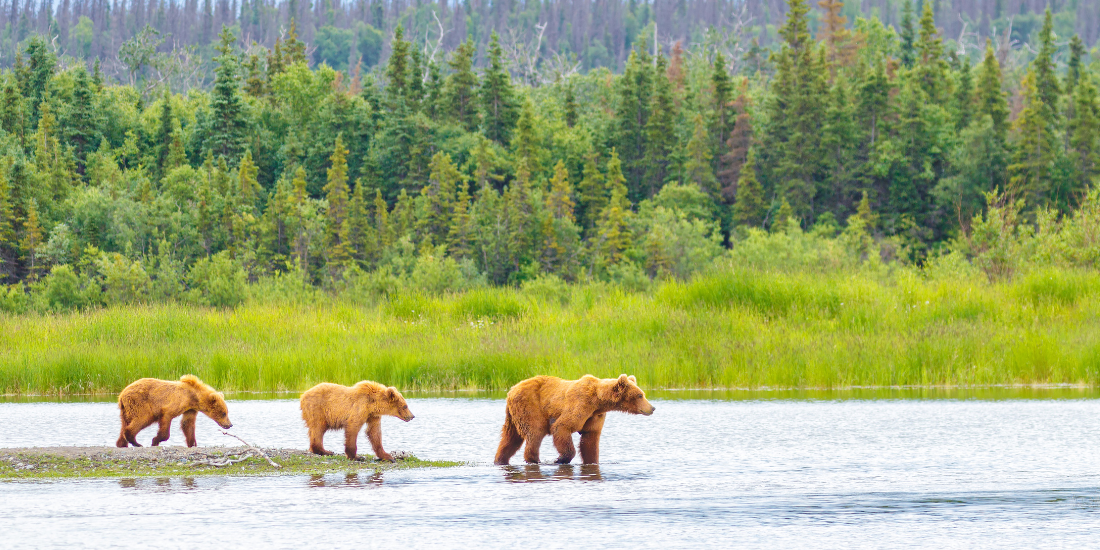
Overview: Alaska, the Last Frontier, is a land where raw nature reigns supreme and human influence feels minimal against the backdrop of towering mountains, expansive glaciers, and vast tundras. From the moment you enter this northern wilderness, the sense of scale is overwhelming—massive icefields stretch to the horizon, fjords carve through rugged coastlines, and wildlife roams freely across forests and river valleys. This is a place where adventure and tranquility coexist, offering a profound connection to the natural world and a chance to witness landscapes largely untouched by modern life.
Beyond its dramatic scenery, Alaska’s wilderness tells stories of resilience and exploration. Native cultures, frontier history, and the legacy of gold rush towns are embedded in the land alongside glaciers and pristine waters. Whether cruising through the Inside Passage, trekking remote trails, or observing wildlife in their natural habitats, visitors encounter an environment that challenges the senses and sparks awe. Alaska offers more than sightseeing—it is an immersive experience, a journey into a place where the wild remains untamed, and every vista feels like a revelation.
Where: Alaska is the largest U.S. state, spanning nearly 663,000 square miles. Key hubs include Anchorage, Juneau, and Fairbanks, with access points for cruises, flights, and overland adventures. The state’s varied regions—from coastal fjords and rainforests to Arctic tundra and interior mountains—provide distinct ecosystems and experiences for travelers seeking wilderness immersion.
Top Highlights
Denali National Park: Home to North America’s highest peak, Denali, this park offers hiking, wildlife spotting, and stunning vistas. Grizzly bears, moose, caribou, and wolves roam the park, while guided bus tours or trekking adventures provide up-close encounters with the rugged terrain.
Glacier Bay National Park: A paradise for ice enthusiasts, Glacier Bay features massive tidewater glaciers, calving icebergs, and pristine waterways. Cruises through the bay offer unparalleled opportunities to witness glaciers in motion and observe humpback whales, sea otters, and puffins in their natural habitat.
Inside Passage Cruise: This iconic route along Alaska’s southeastern coast navigates fjords, rainforests, and quaint towns such as Ketchikan and Sitka. Scenic cruising offers wildlife sightings, including eagles, seals, and orcas, alongside glimpses of indigenous culture and local history.
Northern Lights in Fairbanks: In winter months, Fairbanks provides some of the best opportunities to witness the Aurora Borealis. The colorful lights dancing across snow-covered landscapes create an ethereal spectacle that is nothing short of magical.
Kenai Fjords National Park: Kayaking, boat tours, and glacier trekking allow exploration of dramatic fjords and ice-laden inlets. The park is renowned for its tidewater glaciers and abundant marine life, including whales, seals, and seabirds.
Wildlife Safaris: From river rafting trips to remote hiking trails, Alaska offers countless ways to observe wildlife. Bears fishing for salmon in clear streams, moose wandering through forests, and bald eagles perched on cliffs provide a glimpse into the state’s diverse ecosystems.
Practical Tips: Travel in Alaska requires preparation—weather can be unpredictable, and distances are vast. Dress in layers with waterproof gear, bring binoculars for wildlife spotting, and plan activities with seasonal variations in mind. Guided tours are highly recommended for remote areas to ensure safety and enhance the experience.
Cost: Alaska can be expensive due to its remote location and logistical requirements. Cruises range from $2,000–$7,000 USD per person depending on length and cabin class. Lodging and tours vary widely, with a mid-range daily budget of $150–$300 USD per person for land-based adventures. Flights, guided excursions, and equipment rentals are additional considerations.
Iconic Photo Spot: Capture the grandeur of Denali from a distance, ice calving at Glacier Bay, or orcas leaping in the waters of the Inside Passage. Sunset over the Kenai Fjords, or the Northern Lights shimmering above snow-laden forests, creates some of the most unforgettable imagery in the natural world.
Final Word: Alaska is more than a destination—it is an odyssey into one of Earth’s last truly wild frontiers. Its towering mountains, glacial rivers, and diverse wildlife immerse travelers in a realm where nature dominates and adventure awaits at every turn. Whether witnessing the sheer power of glaciers, the grace of untamed animals, or the magic of auroras, an expedition through Alaska leaves a lasting impression of awe, humility, and connection to the natural world.
4.) Banff National Park Expedition: Discovering Alpine Wonders and Canada’s Majestic Lakes
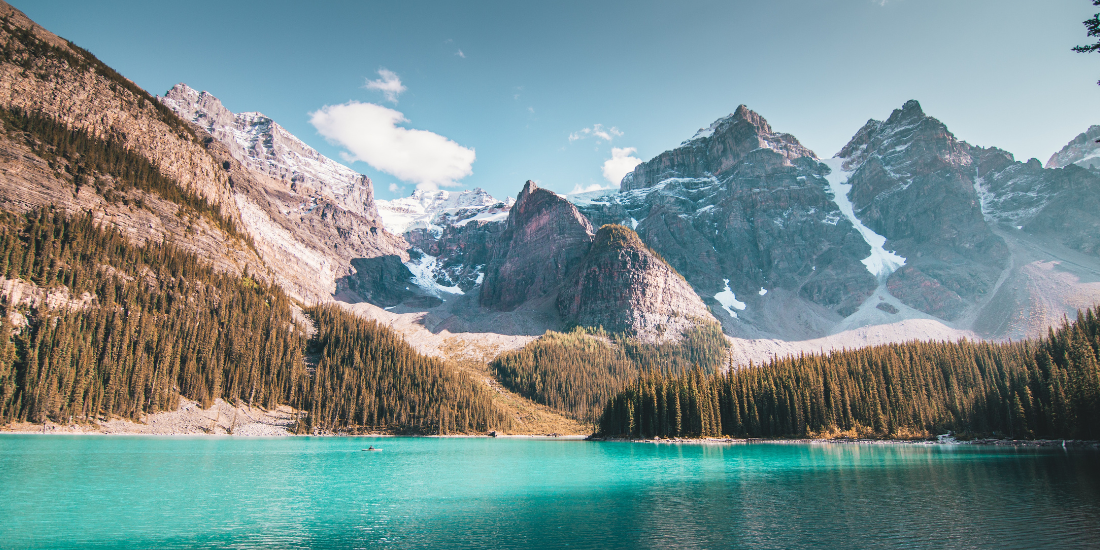
Overview: Banff National Park, the first and most famous of Canada’s national parks, is a sprawling 6,641-square-kilometer expanse of rugged wilderness in the heart of the Canadian Rockies. Since its establishment in 1885, Banff has captivated travelers with its dramatic contrasts—towering peaks dusted with snow year-round, turquoise glacial lakes that look almost unreal in their brilliance, and dense pine forests where the scent of fresh mountain air lingers with every breath. In summer, alpine meadows explode into color with wildflowers, while crystal-clear rivers snake through deep valleys. Autumn brings golden larch trees and crisp, cool days perfect for hiking. In winter, Banff transforms into a snowy wonderland, with ski resorts and frozen lakes offering a completely different but equally magical experience.
This is a place where nature takes center stage, but the human touch—through conservation, outdoor culture, and the charming Banff townsite—makes it all the more welcoming. Visitors can paddle across mirror-like waters at sunrise, spot wildlife such as grizzlies, elk, and mountain goats, or hike into the backcountry for complete solitude. Evenings can be spent soaking in the Banff Upper Hot Springs, dining on locally inspired cuisine, or stargazing under some of the clearest skies in North America. The park’s accessibility, combined with its sheer natural beauty, makes it ideal for both first-time visitors to the Rockies and seasoned adventurers seeking new alpine challenges.
Where: Banff National Park lies in Alberta, Canada, about 90 minutes west of Calgary via the Trans-Canada Highway. It stretches from the town of Canmore up through the Icefields Parkway toward Jasper, encompassing some of the most famous scenery in North America.
Top Highlights
Lake Louise: Renowned worldwide for its vivid turquoise hue caused by rock flour from surrounding glaciers, Lake Louise is flanked by Victoria Glacier and surrounded by rugged peaks. Canoe across the still waters in summer or skate on the frozen surface in winter while surrounded by towering mountains.
Moraine Lake: Located in the Valley of the Ten Peaks, Moraine Lake is arguably even more photogenic than Lake Louise. Its intense blue color, framed by jagged summits, is best viewed from the short Rockpile Trail—especially at sunrise, when the first light ignites the peaks.
Icefields Parkway: One of the most spectacular drives in the world, this 230-kilometer route between Banff and Jasper National Parks passes glaciers, thundering waterfalls, and sweeping valleys. Must-stops include Peyto Lake, Sunwapta Falls, and the Columbia Icefield, where visitors can step onto ancient ice.
Sulphur Mountain: Take the Banff Gondola to a summit boardwalk offering panoramic views over the Bow Valley and surrounding peaks, or hike the 5.5‑kilometer trail to earn your views the adventurous way.
Banff Upper Hot Springs: End a day of exploration with a soak in naturally heated mineral waters that have been a draw for over a century, offering a perfect combination of relaxation and mountain scenery.
Practical Tips: The park experiences heavy visitation from June to September, so start your days early to enjoy popular spots before crowds arrive. A Parks Canada pass is required for all visitors, available online or at entry points. Weather changes rapidly in the mountains—always bring layers and be prepared for sudden shifts, even in summer. In winter, road conditions can be icy, and some areas become inaccessible without snow tires or chains.
Cost: Banff can be tailored to a variety of budgets. Mid-range hotels start around $200–$300 CAD per night in high season, with luxury lodges exceeding $600. Dining ranges from casual cafés to fine alpine cuisine. Activities like the Banff Gondola cost about $60 CAD, while canoe rentals at Lake Louise run around $145 CAD per hour. Budget travelers can stay in campgrounds or hostels, many of which offer stunning views for a fraction of the price.
Iconic Photo Spot: The Rockpile at Moraine Lake at dawn is unbeatable, with the Valley of the Ten Peaks glowing orange and the lake’s waters reflecting the spectacle. In winter, Lake Louise’s frozen expanse framed by snowy mountains offers a completely different but equally breathtaking shot.
Final Word: Banff National Park is more than a destination—it’s an immersive encounter with the raw beauty of the Canadian Rockies. From iconic lakes and glacier-carved valleys to cozy mountain towns and thrilling high-altitude adventures, every moment here feels cinematic. Whether you’re summiting peaks, gliding across turquoise waters, or simply breathing in crisp alpine air, Banff delivers experiences that stay with you for a lifetime. This is wilderness at its most accessible, and its most awe-inspiring.
For a full guide on visiting Banff National Park Click Here.
5.) Chichen Itza Expedition: Tracing the Footsteps of Incan History

Overview: Chichen Itza, one of the New Seven Wonders of the World, stands as a testament to the ingenuity, astronomy, and architectural mastery of the ancient Maya civilization. Located in Mexico’s Yucatán Peninsula, this sprawling archaeological site captures the imagination with its iconic pyramids, ceremonial platforms, and intricate carvings. Walking among the ruins, visitors are transported back over a millennium, encountering a culture that was deeply attuned to celestial events, mathematics, and ritual.
Beyond its monumental structures, Chichen Itza offers insight into the social, political, and spiritual life of the Maya. Temples, ball courts, and observatories reveal a society with complex hierarchies, sophisticated engineering, and profound astronomical knowledge. Every step through the site unveils stories of kings, priests, and artisans who shaped one of the most remarkable civilizations in the pre-Columbian Americas. The combination of history, architecture, and natural beauty makes Chichen Itza an unforgettable journey into the past.
Where: Chichen Itza is located in the eastern part of Mexico’s Yucatán Peninsula, approximately 120 kilometers east of Mérida and 200 kilometers west of Cancún. The site is accessible by car, guided tour, or public transport from nearby cities, making it a popular day-trip destination.
Top Highlights
El Castillo (Temple of Kukulcán): The most iconic structure at Chichen Itza, this step pyramid dominates the central plaza. Designed with precise astronomical alignment, its 365 steps represent the days of the year, and during equinoxes, the interplay of sunlight and shadow creates the illusion of a serpent descending the staircase—a marvel of Mayan engineering and symbolism.
Temple of the Warriors: Adorned with carved columns and reliefs of warriors, this temple complex demonstrates the military and ceremonial importance of the site. Visitors can explore the impressive colonnaded hallways and envision the grandeur of Mayan religious ceremonies.
Great Ball Court: The largest ball court in Mesoamerica, measuring 168 by 70 meters, showcases the Maya’s ritual sport. Stone rings mounted high on the walls and carved friezes illustrate scenes of games and sacrificial ceremonies, offering a glimpse into the intersection of sport, politics, and religion.
El Caracol (Observatory): This circular tower atop a large platform served as an astronomical observatory. The building’s windows and alignments allowed the Maya to track celestial events, such as solstices and planetary movements, highlighting their advanced understanding of the cosmos.
Sacred Cenote: A natural sinkhole used for ritual offerings and ceremonies, the Sacred Cenote provides insight into the spiritual practices of the Maya. Archaeological excavations have revealed artifacts and human remains, underscoring its significance in religious observances.
Platform of the Eagles and Jaguars: This ceremonial platform is adorned with intricate carvings of eagles and jaguars, symbolizing power, warfare, and cosmology. The reliefs provide a vivid glimpse into Mayan artistry and symbolic representation.
Practical Tips: Visit early in the morning to avoid crowds and the midday heat, and wear comfortable walking shoes. Sun protection, water, and a hat are essential. Hiring a knowledgeable guide can greatly enhance understanding of the site’s complex history, architecture, and symbolism. Photography is permitted, but drones are restricted.
Cost: Entrance fees are approximately 480 MXN (about $25 USD) per adult. Guided tours, transportation, and optional excursions to nearby cenotes or other Mayan sites may add to the cost. Multi-day itineraries exploring the Yucatán Peninsula provide additional context and experiences.
Iconic Photo Spot: Capture the Temple of Kukulcán with the serpent shadow during the equinox, the panoramic view from the Temple of the Warriors, or reflections of the pyramids and platforms in the surrounding plaza after morning dew or rainfall. These moments encapsulate the grandeur and mystique of Chichen Itza.
Final Word: Chichen Itza is more than an archaeological site—it is a window into the sophistication, spirituality, and brilliance of the Maya civilization. Exploring its temples, ball courts, and observatories offers a profound connection to a culture that mastered astronomy, engineering, and artistry. A journey to Chichen Itza is a journey through time, revealing the enduring legacy of one of the Americas’ greatest ancient civilizations.
For a full guide on visiting Chichen Itza Click Here.
6.) Hawaii Islands Exploration: Paradise Unveiled
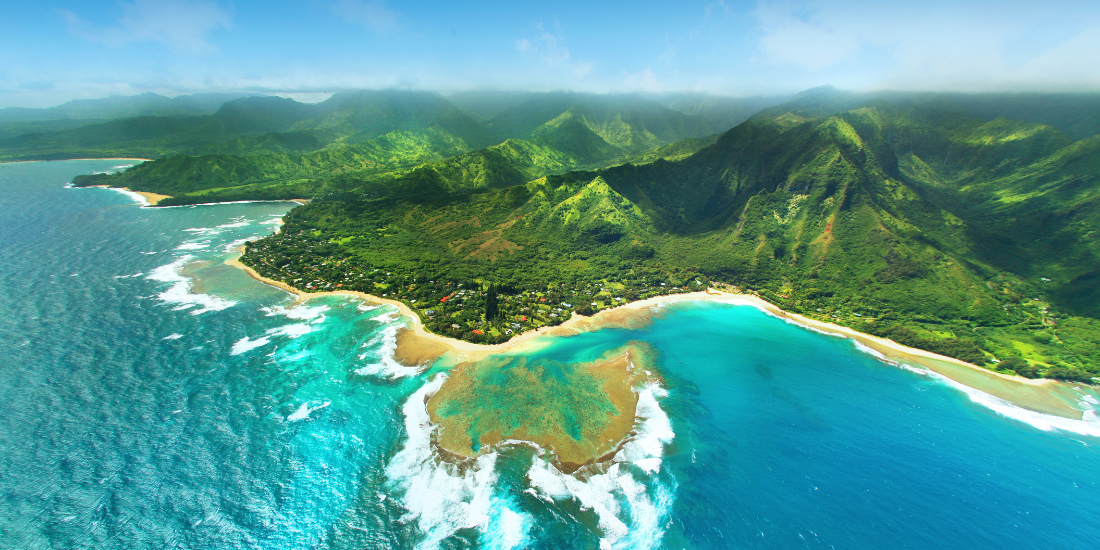
Overview: The Hawaiian Islands are a tapestry of volcanic peaks, lush rainforests, pristine beaches, and vibrant culture, offering a unique blend of adventure, relaxation, and natural beauty. From the world-famous surf of Oahu’s North Shore to the otherworldly landscapes of the Big Island’s volcanic parks, Hawaii invites travelers to explore its diverse environments and rich traditions. Each island offers a distinct personality, from the cosmopolitan energy of Honolulu to the tranquil seclusion of Lanai, making the archipelago an unparalleled destination for discovery.
Beyond the breathtaking scenery, Hawaii is a living cultural mosaic shaped by centuries of Polynesian heritage, immigrant influences, and modern innovation. Traditional hula, chanting, and lei-making coexist with contemporary cuisine, music, and art, giving visitors an immersive experience of island life. Whether hiking through tropical valleys, snorkeling in crystal-clear waters, or attending a luau, every moment in Hawaii is infused with a sense of wonder and aloha spirit.
Where: Hawaii consists of eight main islands, with Oahu, Maui, the Big Island (Hawai’i), Kauai, Molokai, Lanai, Niihau, and Kahoolawe forming the archipelago. Honolulu on Oahu is the primary entry point via Daniel K. Inouye International Airport, and inter-island flights and ferries facilitate exploration of the diverse islands.
Top Highlights
Waikiki Beach, Oahu: Iconic and lively, Waikiki offers golden sands, world-class surf, and stunning views of Diamond Head. Surf lessons, beachfront dining, and sunset strolls make it a quintessential Hawaiian experience.
Haleakalā National Park, Maui: Witness the sun rise above the summit of the dormant Haleakalā volcano, where craters and valleys stretch endlessly. Hike through the park’s alien-like landscapes, home to rare flora and the endemic silversword plant.
Hawai’i Volcanoes National Park, Big Island: Explore Kīlauea and Mauna Loa, two of the world’s most active volcanoes. Walk through lava tubes, witness hardened lava flows, and learn about ongoing geothermal activity shaping the island’s dramatic terrain.
Nā Pali Coast, Kauai: This rugged coastline offers towering cliffs, emerald valleys, and hidden beaches accessible by boat, helicopter, or challenging hikes. Kayaking along the coastline provides an up-close encounter with its breathtaking beauty.
Molokai and Lanai: For off-the-beaten-path exploration, these islands provide quiet beaches, secluded hiking trails, and authentic Hawaiian culture. Lanai’s luxury resorts contrast with Molokai’s preserved traditional lifestyle, highlighting the archipelago’s diversity.
Snorkeling and Diving: Hawaii’s coral reefs teem with colorful fish, sea turtles, and manta rays. Hanauma Bay on Oahu, Molokini Crater off Maui, and Kealakekua Bay on the Big Island are prime locations for immersive underwater adventures.
Luau and Cultural Experiences: Attend a traditional luau featuring hula dancing, fire performances, and local cuisine. Engage with Hawaiian history, music, and storytelling for a deeper appreciation of island traditions.
Practical Tips: Inter-island travel is best arranged in advance, and a rental car is essential on most islands for flexibility. Pack lightweight clothing, swimwear, sunscreen, and hiking shoes. Respect local customs and environmental guidelines to preserve the islands’ delicate ecosystems.
Cost: Hawaii can range from moderate to luxury depending on accommodation and activities. Daily budgets for mid-range travelers typically range from $150–$300 USD per person, with excursions, guided tours, and island-hopping adding to the overall cost.
Iconic Photo Spot: Capture Waikiki Beach with Diamond Head in the background at sunrise, Haleakalā’s crater bathed in early light, lava fields at Hawai’i Volcanoes National Park, or the Nā Pali Coast cliffs from a helicopter for a truly awe-inspiring perspective.
Final Word: The Hawaiian Islands are a paradise of contrasts—volcanic peaks and sandy shores, urban hubs and untouched wilderness, tradition and modernity. Exploring these islands offers a profound connection to nature, culture, and adventure, leaving travelers with memories of a tropical wonderland that is both dynamic and timeless.
For a full guide on visiting Hawaii Click Here.
7.) Churchill Polar Bear Expedition: Encountering Arctic Majesty in Canada’s North

Overview: Journeying to Churchill, Manitoba, is an immersion into one of the most extraordinary wildlife spectacles on Earth. Known as the “Polar Bear Capital of the World,” this remote Arctic town sits on the shores of Hudson Bay, where massive polar bears gather each autumn waiting for the sea ice to form. The expedition offers travelers a rare opportunity to witness these apex predators in their natural environment, framed by the stark, icy beauty of the sub-Arctic landscape. It’s a journey that combines adventure, wildlife observation, and a profound appreciation for the fragility and majesty of the Arctic.
Beyond polar bears, the Churchill region is a haven for Arctic ecosystems and northern wildlife, including Arctic foxes, snowy owls, and beluga whales in the summer months. The area also provides insight into Inuit culture and northern Canadian life, with local guides sharing traditional knowledge and stories of survival in this extreme climate. Traveling to Churchill is not merely a wildlife expedition—it’s an intimate encounter with the rhythms of the Arctic and the awe-inspiring creatures that call it home.
Where: Churchill is located on the western shore of Hudson Bay in northern Manitoba, Canada. Accessible by flight from Winnipeg or by train via the Hudson Bay Railway, the town serves as the base for polar bear and beluga whale viewing expeditions.
Top Highlights
Tundra Buggy Excursions: The signature experience of Churchill, tundra buggies are specially designed vehicles that allow travelers to safely observe polar bears up close in their natural habitat. Guides provide fascinating insights into bear behavior, ecology, and the challenges of Arctic survival.
Polar Bear Viewing: Autumn brings the arrival of polar bears preparing for the winter hunt. From safe observation platforms and tundra buggies, visitors can witness bears roaming the tundra, interacting with one another, and occasionally catching a glimpse of their incredible swimming skills in nearby waterways.
Beluga Whale Watching: In summer, the waters near Churchill teem with beluga whales, which migrate to the warmer river mouths to feed and calve. Kayak or boat tours offer intimate encounters with these friendly and curious marine mammals.
Northern Lights Spectacle: From late August through October, the Aurora Borealis paints the northern sky with vivid colors. The dark Arctic nights provide a perfect backdrop for this celestial display, creating a magical contrast to the snowy tundra.
Arctic Wildlife Observation: Beyond polar bears and belugas, the region is home to Arctic foxes, lynx, snowy owls, and caribou. Birdwatchers can delight in spotting migrating species that utilize the tundra during seasonal shifts.
Inuit Culture and Local Insights: Engage with the community of Churchill to learn about Indigenous traditions, history, and contemporary life in the North. Local guides often share stories of adaptation, survival, and the intricate connection between humans and the Arctic environment.
Practical Tips: Dress in multiple layers and bring high-quality cold-weather gear; the Arctic can be extremely cold and windy, even in autumn. Binoculars and cameras with telephoto lenses are essential for wildlife photography. Book tundra buggy and Northern Lights excursions in advance to ensure availability.
Cost: Arctic expeditions to Churchill are premium experiences, typically ranging from $2,500 to $6,000 USD per person for multi-day tours including accommodations, guided wildlife viewing, and transportation from Winnipeg. Packages may include specialized activities like photography tours or kayak excursions.
Iconic Photo Spot: Capture polar bears framed against the vast tundra, beluga whales in crystal-clear rivers, and the Northern Lights dancing above snow-covered plains for images that convey the true majesty of the Arctic.
Final Word: A Churchill polar bear expedition is more than a wildlife trip—it’s a journey into the heart of the Arctic, offering unparalleled encounters with one of nature’s most iconic predators and a deeper understanding of life in extreme northern environments. The experience is thrilling, humbling, and unforgettable, leaving travelers with lifelong memories of Canada’s frozen wilderness.
8.) Canadian Railway Odyssey: Traversing the Vast Landscapes from Coast to Coast

Overview: Embarking on a Canadian railway journey is a voyage through some of the most breathtaking and diverse landscapes on Earth. Stretching from the Pacific coast of Vancouver to the Atlantic shores of Halifax, Canada’s rail network traverses towering mountains, expansive prairies, and serene forests, offering an intimate view of the country’s natural grandeur. The rhythm of the train, the changing scenery outside the window, and the historic significance of these routes combine to create an immersive travel experience that blends adventure, comfort, and a touch of nostalgia.
Beyond the sheer beauty of the landscapes, the Canadian railway provides a cultural tapestry of the nation itself. Passengers witness the contrast between modern cities and remote wilderness, encounter small towns that have preserved their heritage, and experience the hospitality and charm of Canada’s people. From wildlife sightings along the tracks to scenic vistas that span horizons, a cross-country train journey captures the essence of Canada in a way few other travel experiences can.
Where: Key routes include the Canadian (Vancouver to Toronto) and the Ocean (Montreal to Halifax), both operated by VIA Rail. Departures from major hubs such as Vancouver, Toronto, Montreal, and Halifax make it possible to craft itineraries spanning multiple days or even weeks, with stopovers in iconic cities and natural landmarks along the way.
Top Highlights
Rocky Mountain Majesty: Traveling through the Rockies, passengers are treated to panoramic views of snow-capped peaks, deep valleys, and glacial lakes. Lookouts along the route offer perfect photo opportunities, and wildlife sightings of bears, elk, and mountain goats are frequent.
Prairie Horizons: Crossing the expansive Canadian Prairies, the train glides past endless fields of wheat, barley, and canola. The vast skies, especially at sunrise and sunset, create a sense of openness and freedom that contrasts strikingly with the mountainous sections of the journey.
Coastal Beauty in Vancouver and Halifax: The journey begins or ends at Canada’s stunning coastal cities. In Vancouver, the backdrop of the Pacific Ocean and coastal mountains sets the tone, while Halifax offers historic harbors, maritime culture, and views of the Atlantic seaboard.
Historic Towns and Cultural Stops: Many rail itineraries include optional stops in charming towns and cities such as Jasper, Banff, Winnipeg, and Quebec City. These stops allow travelers to explore local culture, cuisine, and heritage before rejoining the train for the next leg of the journey.
Onboard Comfort and Luxury: Modern Canadian trains provide comfortable seating, panoramic windows, dining services, and sleeper cabins for multi-day journeys. The ambiance encourages relaxation while allowing passengers to soak in the scenery in comfort and style.
Wildlife Encounters: Keep watch for moose, deer, bears, and eagles along the tracks. The diversity of ecosystems along the route makes wildlife spotting an exciting and memorable aspect of the journey.
Practical Tips: Book tickets in advance, especially for sleeper cabins and scenic window seating. Bring layered clothing to accommodate varying temperatures and climates, from coastal humidity to alpine chill. Binoculars, cameras, and a journal enhance the experience. Consider planning stopovers to break the journey and explore cities or national parks along the route.
Cost: Cross-country train travel in Canada ranges widely depending on class of service and route, with economy fares starting around $300–$500 USD for shorter segments and luxury sleeper packages from $1,500–$5,000 USD for multi-day coast-to-coast itineraries. Meals, excursions, and special experiences may be additional.
Iconic Photo Spot: Capture the Rockies from the train’s panoramic windows, golden prairie sunsets, and the sparkling waters of the Pacific and Atlantic coasts. Don’t miss the chance to photograph wildlife against dramatic backdrops of mountains, forests, or open plains.
Final Word: A Canadian railway journey is more than transportation—it’s an immersive adventure through one of the world’s most diverse and awe-inspiring countries. From dramatic mountains to endless prairies, from bustling cities to remote wilderness, traveling by train offers a perspective on Canada that is both intimate and expansive. It’s a classic adventure reimagined for modern explorers, combining comfort, history, and the unparalleled beauty of the great Canadian landscape.
9.) La Paz Whale Watching: Embracing Marine Wonders in Baja California Sur
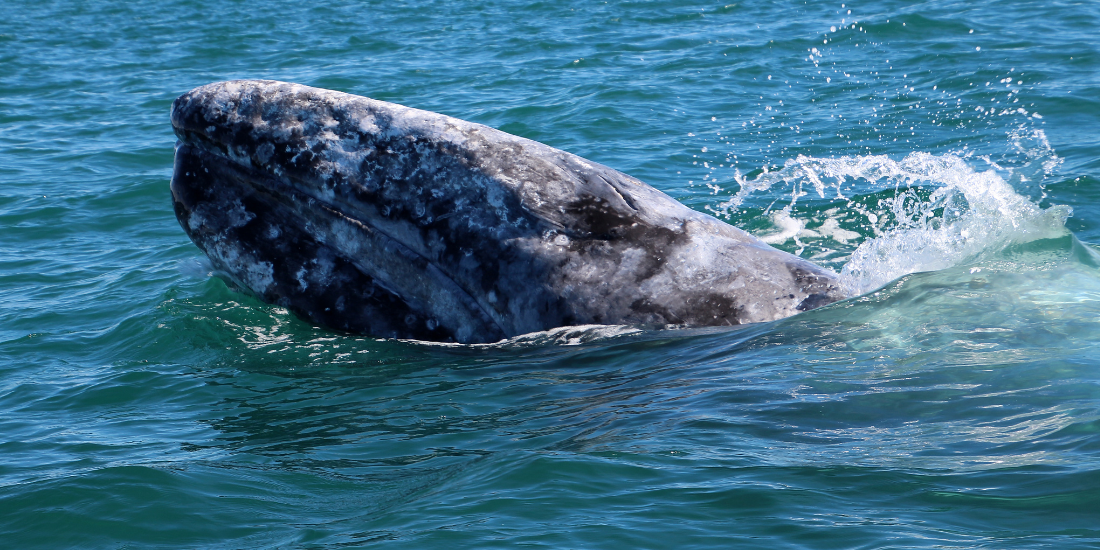
Overview: Whale watching in La Paz offers an extraordinary encounter with some of the ocean’s most magnificent creatures. Nestled on the eastern shores of the Baja California Peninsula, La Paz serves as a gateway to the Sea of Cortez, often called the “Aquarium of the World” for its rich marine biodiversity. From January through March, the waters teem with gray whales, humpbacks, and occasionally blue whales as they migrate from the frigid Arctic to the warmer calms of Baja California. Observing these giants up close, whether breaching, tail-slapping, or swimming alongside their calves, is both awe-inspiring and humbling, offering a deep connection to the rhythms of nature.
Beyond whales, La Paz’s waters are home to playful dolphins, sea lions, and a variety of seabirds, creating a marine symphony of life. Kayaking alongside gentle giants, snorkeling in crystal-clear coves, or cruising aboard a small vessel, travelers experience a blend of adventure, tranquility, and environmental awareness. This marine spectacle is a reminder of the richness and fragility of the ocean ecosystem and the importance of preserving it for generations to come.
Where: La Paz lies on the eastern coast of Baja California Sur, Mexico, accessible via La Paz International Airport or a drive from Cabo San Lucas. Whale watching excursions typically depart from the Malecón Marina, offering easy access to boats and tour operators specializing in eco-conscious marine experiences.
Top Highlights
Gray Whale Encounters: The iconic gray whales, traveling with their newborn calves, are the centerpiece of La Paz whale watching. Witness mothers nurturing their young, playful spy-hops, and breaches that send water cascading around them—moments that linger in memory long after the trip.
Humpback Whales: From late January to early April, humpbacks occasionally visit the region. Known for their acrobatic displays and haunting songs, these whales add an additional layer of wonder to the marine adventure.
Kayak with Gentle Giants: For a more intimate experience, guided kayak tours allow travelers to paddle alongside curious whales. Maintaining a safe distance, participants can observe behaviors and movements that are often missed from larger boats.
Dolphins and Sea Lions: The journey is often accompanied by pods of playful dolphins and colonies of sea lions lounging on rocky outcrops. Their presence adds joy and spontaneity to every excursion, creating perfect photo and wildlife-watching opportunities.
Eco-Friendly Cruises: Many tour operators emphasize sustainable practices, ensuring minimal disturbance to marine life. Learn from naturalist guides about whale biology, migration patterns, and conservation efforts while enjoying the serenity of the Sea of Cortez.
Snorkeling and Marine Life Observation: After whale encounters, some excursions include stops at secluded coves and reefs for snorkeling. Swim with colorful fish, rays, and other marine species, witnessing firsthand the extraordinary biodiversity of the region.
Practical Tips: Book tours in advance during peak whale season (January–March). Dress in layers, wear a hat, sunscreen, and water-resistant clothing. Bring binoculars and waterproof cameras, and always follow guides’ instructions to ensure both safety and responsible wildlife viewing.
Cost: Whale watching excursions in La Paz range from $70–$200 USD per person depending on duration, vessel type, and inclusions like snorkeling or kayaking. Private tours or luxury catamaran experiences may cost more.
Iconic Photo Spot: Capture the dramatic breach of a gray whale framed against the Baja coastline, pods of dolphins arching through sparkling waters, or the serene panorama of La Paz Bay at sunset, where whales glide through golden light.
Final Word: Whale watching in La Paz is more than a wildlife excursion—it’s an immersive journey into the heart of the Sea of Cortez’s marine ecosystem. Each encounter with whales, dolphins, and sea lions reveals the grace, intelligence, and beauty of ocean life. From the thrill of breaching giants to tranquil moments on the water, La Paz offers a once-in-a-lifetime experience that resonates long after leaving the shore.
10.) Washington, D.C. Exploration: A Stroll Through the Heart of American Democracy

Overview: Washington, D.C., the capital of the United States, is a city where history, politics, and culture converge in a compelling urban landscape. From the iconic monuments that line the National Mall to the stately halls of government, the city offers visitors an immersive experience in American democracy, past and present. Walking through its streets, one feels the pulse of a nation—from solemn memorials honoring those who shaped history to the vibrant neighborhoods that reflect the country’s diversity and dynamism.
Beyond its political gravitas, Washington, D.C. boasts world-class museums, lush green spaces, and a lively arts scene. Smithsonian museums house priceless collections, from ancient artifacts to contemporary masterpieces, while local markets, galleries, and theaters offer a taste of modern city life. The city’s blend of grandeur and intimacy allows travelers to explore profound historical narratives while enjoying the charm of urban exploration, making it an essential destination for those curious about the American story.
Where: Washington, D.C. sits along the Potomac River on the East Coast of the United States, bordered by Maryland and Virginia. Its central location makes it accessible via three major airports—Reagan National, Dulles International, and Baltimore/Washington International—or by train and bus from surrounding cities along the Northeast Corridor.
Top Highlights
The National Mall: Stretching over two miles, the National Mall is home to many of Washington’s most famous monuments and memorials. From the towering Washington Monument to the reflective Lincoln Memorial, walking this open-air gallery offers a chronological journey through U.S. history.
The U.S. Capitol and Capitol Hill: The seat of the legislative branch of government, the Capitol building is a symbol of American democracy. Guided tours reveal the intricacies of Congress, the historic chambers, and the stunning architecture, while nearby streets showcase charming residential areas and local eateries.
The White House: No visit to D.C. is complete without viewing the President’s residence. While public tours require advance booking, the exterior can be admired from Lafayette Square, providing a photo opportunity steeped in political symbolism.
Smithsonian Museums: Free to the public, the Smithsonian Institution encompasses multiple museums along the National Mall. Highlights include the National Air and Space Museum, the National Museum of American History, and the National Museum of Natural History, each offering fascinating exhibits for all ages.
The Holocaust Memorial Museum and Martin Luther King Jr. Memorial: These poignant sites offer reflective spaces to engage with the nation’s history and civil rights journey. The narratives here provide depth to the American story and a solemn counterpoint to the city’s grandeur.
Georgetown: This historic neighborhood combines cobblestone streets, waterfront charm, and boutique shopping. Dining along the canals or wandering past the colonial-era architecture offers a more intimate, local experience within the capital.
Arlington National Cemetery: Across the Potomac in Virginia, this military cemetery honors the nation’s fallen heroes. The Tomb of the Unknown Soldier and the Kennedy gravesite are central points for visitors, and the daily changing of the guard is a moving spectacle.
Practical Tips: Washington, D.C. is best explored on foot or by using the efficient Metro system. Wear comfortable shoes for long walks along the Mall and throughout neighborhoods. Many museums require timed-entry passes, so plan ahead. Spring and fall offer pleasant weather and ideal conditions for sightseeing.
Cost: Most of Washington’s top attractions, including the Smithsonian museums and National Mall memorials, are free. Guided tours, special exhibitions, and certain White House tours may involve fees. Dining and accommodations vary widely, from budget-friendly options to high-end hotels, with a daily budget ranging from $120–$250 USD per person.
Iconic Photo Spot: Capture the Lincoln Memorial reflected in the Reflecting Pool with the Washington Monument in the background, stroll along the Cherry Blossom-lined Tidal Basin in spring, or photograph the Capitol dome from Pennsylvania Avenue for a quintessential D.C. image.
Final Word: Washington, D.C. is more than a political capital; it is a city where history, culture, and civic life intersect. Every monument, museum, and neighborhood tells a story of the nation’s past and present. Exploring D.C. offers travelers an opportunity to witness the ideals of democracy in action while soaking in the beauty and energy of a city that has shaped the American identity.
11.) Caribbean Island Hopping: Exploring Tropical Paradises
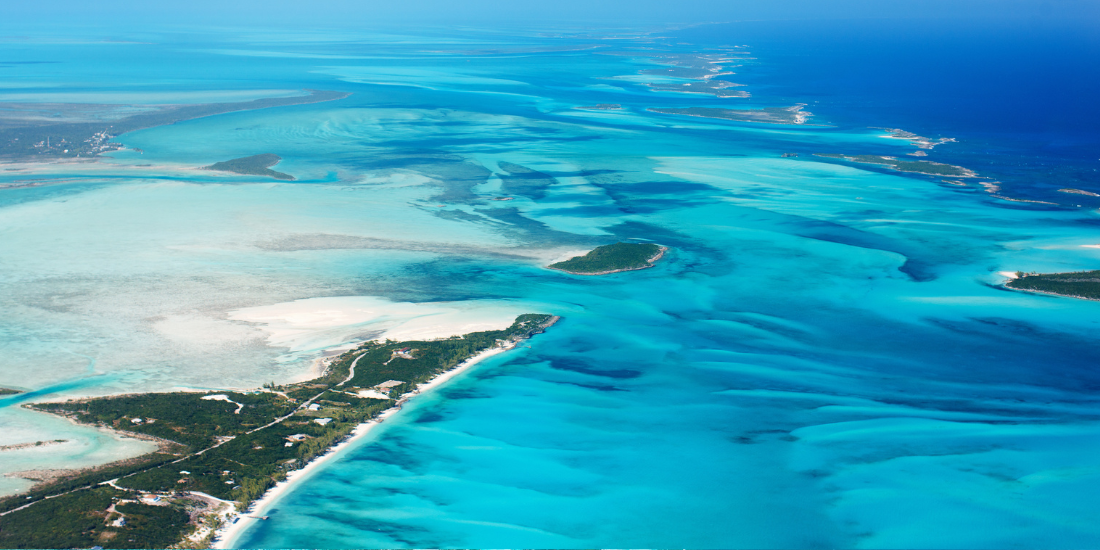
Overview: Island hopping in the Caribbean is a journey into a world of turquoise waters, powdery white sands, and vibrant cultures that pulse with life under the tropical sun. Each island offers its own unique charm—from the bustling markets of Jamaica to the serene beaches of St. Lucia and the colorful streets of Curaçao. Traveling between islands by ferry, small plane, or yacht allows visitors to experience a dynamic mix of landscapes, cuisines, and traditions while savoring the rhythm of island life.
Beyond sun-soaked beaches, the Caribbean is rich in history, music, and culinary delights. Colonial forts, plantation estates, and UNESCO World Heritage Sites reveal centuries of cultural fusion, while local festivals and music—reggae, soca, calypso, and salsa—bring the islands’ vibrant spirit to life. For travelers seeking adventure, relaxation, and cultural immersion, Caribbean island hopping offers an unparalleled tropical tapestry of experiences.
Where: The Caribbean stretches from the Bahamas in the north to Trinidad and Tobago in the south, encompassing hundreds of islands, cays, and atolls. Popular hopping routes include the Lesser Antilles chain, the Greater Antilles, and the Bahamas, with ferries and short flights connecting the main tourist hubs.
Top Highlights
Jamaica’s Negril and Seven Mile Beach: Known for its pristine sands and crystal-clear waters, Negril is perfect for sunbathing, snorkeling, and enjoying vibrant beachside bars. The nearby cliffs offer spectacular sunset views and cliff-diving experiences.
St. Lucia’s Pitons and Soufrière: This UNESCO World Heritage site is dominated by the dramatic Piton mountains. Adventurers can hike lush trails, explore volcanic beaches, or relax in natural hot springs and mineral baths.
Bahamas’ Exumas and Swimming Pigs: The Exumas are a paradise of turquoise lagoons and uninhabited cays. Visitors can swim with the famous pigs, snorkel over coral reefs, and cruise through secluded islands for a day of unforgettable adventure.
Barbados’ Oistins Fish Fry and Beaches: Combining culture with leisure, Oistins offers a lively Friday night fish fry with local music and cuisine. Relaxation awaits at nearby beaches like Crane Beach, famous for its pink-tinged sands.
Curaçao’s Colorful Willemstad: The Dutch-influenced capital is a feast for the eyes, with brightly painted colonial buildings, a floating market, and historic forts. Dive into underwater adventures at the island’s coral-rich shores.
Grenada’s Spice Plantations and Waterfalls: Known as the “Spice Island,” Grenada offers fragrant plantations, dramatic waterfalls like Seven Sisters Falls, and pristine beaches. Its blend of adventure and serenity makes it a hidden gem in the Caribbean.
Practical Tips: Island hopping is best planned with flights or ferries between key islands. Bring lightweight clothing, swimwear, sun protection, and comfortable shoes for hikes and village walks. Check local ferry schedules, and consider booking accommodations in advance, especially during peak season.
Cost: Prices vary depending on the islands and mode of travel. Budget travelers can explore hostels, local eateries, and public ferries for around $100–$150 USD per day, while luxury experiences, private charters, and upscale resorts can exceed $500 USD per day.
Iconic Photo Spot: Capture the vibrant pastel streets of Willemstad, the striking silhouette of the Pitons at sunrise, or the turquoise lagoons of the Exumas from a boat. Sunset beach shots on Negril or Barbados offer classic Caribbean imagery that will last a lifetime.
Final Word: Caribbean island hopping combines natural beauty, cultural richness, and adventurous exploration into a seamless tropical experience. Each island offers a unique story, a distinct flavor, and a slice of paradise, making this journey through the Caribbean an unforgettable mosaic of sun, sea, and soul.
12.) Route 66 Road Trip: Cruising the Main Street of America

Overview: Route 66, often called the “Main Street of America,” is a legendary journey across the heart of the United States, stretching from Chicago, Illinois, to Santa Monica, California. This historic highway weaves through vast plains, deserts, and bustling towns, capturing the spirit of Americana with neon signs, vintage motels, and classic diners. Driving Route 66 is more than a road trip—it’s a cultural odyssey, offering a glimpse into America’s mid-20th-century optimism, entrepreneurial spirit, and roadside charm.
Along the route, travelers experience the diversity of the country in both landscape and culture. From the jazz-filled streets of Chicago to the vast expanses of the Mojave Desert, the trip is punctuated by quirky roadside attractions, historic landmarks, and vibrant local communities. Each stop tells a story, making Route 66 a living museum of American history, pop culture, and small-town character—a journey that blends nostalgia with adventure.
Where: Route 66 spans approximately 2,448 miles (3,940 kilometers) across eight states: Illinois, Missouri, Kansas, Oklahoma, Texas, New Mexico, Arizona, and California. Travelers typically start in Chicago and end at the Santa Monica Pier, though segments can be driven individually.
Top Highlights
Chicago, Illinois: Begin your journey in the Windy City, where Route 66 officially starts. Explore iconic landmarks, deep-dish pizza joints, and historic architecture before hitting the open road.
St. Louis and the Gateway Arch: Drive through Missouri and stop in St. Louis to view the soaring Gateway Arch, a symbol of westward expansion. Nearby, diners and jazz clubs provide a taste of local culture.
Cadillac Ranch, Texas: In Amarillo, visit this eccentric public art installation featuring half-buried, graffiti-covered Cadillacs—a roadside icon and a must-visit for photographs and creative expression.
Petrified Forest and Painted Desert, Arizona: Witness geological marvels and colorful vistas in northeastern Arizona. The stark beauty of these landscapes contrasts with the kitschy Americana of the roadside, creating an unforgettable visual experience.
Santa Fe, New Mexico: Renowned for its adobe architecture, arts scene, and Southwestern cuisine, Santa Fe offers a cultural detour with galleries, markets, and historic sites that enrich the road trip.
Seligman and Route 66 Nostalgia: This Arizona town preserves the quirky spirit of Route 66 with vintage signage, classic diners, and souvenir shops that hark back to the golden age of American road travel.
Santa Monica, California: The official end of Route 66, where the highway meets the Pacific Ocean. Snap photos at the pier, enjoy ocean breezes, and reflect on the journey across the continent.
Practical Tips: Route 66 is best explored by car or motorcycle, allowing flexibility to stop at small towns and roadside attractions. Bring a detailed map or GPS for historic segments, as some stretches are no longer continuous. Carry cash for quirky roadside diners and attractions, and plan accommodations in advance during peak travel seasons.
Cost: Driving Route 66 can be done on a modest budget, with daily expenses around $100–$200 USD per person, covering fuel, meals, and mid-range lodging. Luxury travelers may opt for boutique motels, guided tours, or RV rentals, which can raise daily costs significantly.
Iconic Photo Spot: Capture the neon glow of vintage diners, the Cadillac Ranch, the Gateway Arch silhouetted at sunset, or the Pacific Ocean from Santa Monica Pier. Roadside signs, old motels, and desert landscapes create quintessential Route 66 imagery.
Final Word: A Route 66 road trip is a quintessential American adventure, blending history, culture, and scenic variety into an unforgettable journey. Traversing the Main Street of America connects travelers to the nation’s past and present, offering moments of nostalgia, discovery, and endless open-road freedom.
13.) Cuban Odyssey: Immersing in the Rich Tapestry of Cuba

Overview: Cuba is a vibrant mosaic of history, culture, and natural beauty, where the rhythms of life pulse through colorful streets, colonial architecture, and sun-soaked coastlines. From the bustling plazas of Havana to the tobacco fields of Viñales, the island offers a unique blend of old-world charm and Caribbean vitality. Every corner tells a story—from revolutionary heritage to musical traditions, and from classic cars cruising cobblestone avenues to artisanal markets brimming with local crafts. Exploring Cuba is an immersion in a society that has preserved its culture with remarkable resilience and creativity.
Beyond its cities, Cuba’s landscapes offer lush valleys, pristine beaches, and towering mountains that showcase the island’s ecological diversity. Travelers can wander through UNESCO World Heritage sites, sip rum in a seaside bar, dance to live son music, or kayak along mangrove-lined rivers. This blend of cultural depth and natural splendor ensures that a journey through Cuba is not just a visit—it is a full sensory experience, revealing a country that has inspired artists, writers, and explorers for generations.
Where: Cuba is the largest island in the Caribbean, situated south of Florida and east of Mexico’s Yucatán Peninsula. Key cities and regions for exploration include Havana, Trinidad, Viñales, Cienfuegos, Santiago de Cuba, and the pristine beaches of Varadero and Cayo Largo.
Top Highlights
Havana’s Old Town (Habana Vieja): Step into a living museum where Spanish colonial architecture, cobblestone streets, and historic plazas reflect centuries of Cuban history. Explore the Cathedral of Havana, Plaza Vieja, and iconic squares filled with music, art, and local life.
Classic Cars and Malecon Promenade: Cruise along Havana’s iconic Malecon in vintage 1950s American cars, taking in ocean views, colorful buildings, and the city’s lively street culture. This quintessential Cuban experience offers both nostalgia and a snapshot of contemporary life.
Viñales Valley: Discover the lush, rolling landscapes of Viñales, a UNESCO World Heritage site known for its tobacco farms and dramatic limestone mogotes. Guided tours and horseback rides provide insight into rural life and traditional farming practices.
Trinidad: Wander through this perfectly preserved colonial town, another UNESCO site, with pastel-colored buildings, cobblestone streets, and lively plazas. Music and dance fill the streets, offering an authentic taste of Cuban heritage.
Cienfuegos and the French Influence: Explore the elegant port city of Cienfuegos, often called the “Pearl of the South,” with French-inspired architecture, vibrant cultural venues, and a scenic bay ideal for sunset views.
Santiago de Cuba: Immerse yourself in Cuba’s Afro-Cuban culture in Santiago, the birthplace of son music and carnival traditions. Visit the Castillo del Morro and lively streets filled with percussion, salsa, and vibrant energy.
Varadero and the Caribbean Coast: Relax on Cuba’s sun-drenched beaches, swim in turquoise waters, and enjoy snorkeling or diving in coral reefs. Varadero offers a mix of leisure, water sports, and seaside dining for travelers seeking both adventure and relaxation.
Practical Tips: Cuba’s infrastructure can be limited, so plan travel between cities carefully—domestic flights, buses, and private taxis (colectivos) are common. Carry cash, as credit cards are not widely accepted, and bring a sense of flexibility for accommodations and schedules. Respect local customs and immerse yourself in Cuban music, dance, and cuisine.
Cost: A trip to Cuba can range widely depending on style. Budget travelers may spend around $60–$100 USD per day, mid-range around $150–$250, and luxury experiences $300+ per day. Costs include lodging, meals, transport, and guided tours.
Iconic Photo Spot: Capture Havana’s vibrant streets with classic cars in front of pastel buildings, the dramatic cliffs and tobacco fields of Viñales, or Trinidad’s colorful colonial facades against the backdrop of the Caribbean sun. The Malecon at sunset provides a particularly iconic visual.
Final Word: Cuba is a land where history, culture, and natural beauty converge in an intoxicating blend. From music-filled streets to tranquil valleys and sun-kissed beaches, the island invites travelers to slow down, explore deeply, and savor the rhythm of life. A journey through Cuba is both a feast for the senses and a rich cultural immersion, offering memories that linger long after departure.
14.) Old Quebec Expedition: A Stroll Through Time in Canada’s Historic Gem

Overview: Old Quebec is a captivating enclave where cobblestone streets, fortified walls, and centuries-old architecture transport visitors back to the days of New France. As one of North America’s oldest European settlements and a UNESCO World Heritage Site, the city exudes a romantic charm that blends history, culture, and modern vibrancy. Wandering through its narrow lanes, travelers encounter a living tableau of history—bustling cafés, artisan shops, and historic landmarks that tell the story of Quebec’s French colonial past.
Beyond its historic streets, Old Quebec is a cultural hub where music, cuisine, and festivals breathe life into the city. From the iconic Château Frontenac perched above the St. Lawrence River to the lively Quartier Petit Champlain, every corner reveals layers of heritage, artistry, and urban charm. Exploring Old Quebec is not just a visit—it’s a journey through time, where the echoes of centuries past harmonize with the pulse of contemporary Canadian life.
Where: Old Quebec is located in the heart of Quebec City, in the province of Quebec, Canada. The historic district is divided into Upper Town (Haute-Ville), home to the Château Frontenac and Citadel, and Lower Town (Basse-Ville), featuring the charming Quartier Petit Champlain and bustling Port area.
Top Highlights
Château Frontenac: Dominating the city skyline, this iconic hotel is more than a luxury destination—it’s a symbol of Quebec itself. Explore its grand lobby, enjoy panoramic views from Terrasse Dufferin, and photograph its striking architecture against the St. Lawrence River backdrop.
Quartier Petit Champlain: Meander through North America’s oldest commercial street, lined with boutiques, galleries, and cafés. The charming pedestrian lanes are perfect for shopping, people-watching, and savoring local treats like maple taffy.
Place Royale: Step into the birthplace of French America at this historic square, surrounded by beautifully preserved stone buildings and the Notre-Dame-des-Victoires Church. Place Royale’s cobbled streets and period architecture evoke the essence of 17th-century life.
Citadel of Quebec: Visit this star-shaped fortress atop Cap Diamant, a working military installation and museum. Learn about Quebec’s strategic importance in history and enjoy sweeping views of the river and city below.
Ramparts and City Walls: Walk along the fortified walls that encircle Old Quebec, offering both historical context and scenic viewpoints. These ramparts are among the only remaining fortified city walls north of Mexico and provide a tangible link to the past.
Old Port of Quebec: Stroll along the riverfront to experience the vibrant Old Port area, with markets, ferries, and cultural events. It’s an ideal spot to relax, enjoy local cuisine, or capture reflections of the city on the water.
Practical Tips: Old Quebec is best explored on foot, as its winding streets and pedestrian zones reveal hidden gems. Dress in layers, especially in winter, as temperatures can drop sharply. Take time to enjoy local cuisine, attend seasonal festivals, and consider guided walking tours to uncover historical anecdotes and architectural insights.
Cost: Exploring Old Quebec is largely accessible, with walking and sightseeing free of charge. Entry to museums, guided tours, or historic sites such as the Citadel may range from $10–$25 USD. Dining and accommodations vary widely, from casual bistros to luxury hotels like Château Frontenac.
Iconic Photo Spot: Capture the grandeur of Château Frontenac from Terrasse Dufferin, the colorful streets of Quartier Petit Champlain, or the historic Place Royale with its charming stone buildings. Winter shots of snow-dusted rooftops and river views are particularly magical.
Final Word: Old Quebec is a living history book, where every street and building tells a story. Its blend of French heritage, scenic vistas, and vibrant cultural life makes it a must-visit for anyone seeking to experience the charm of Canada’s past while enjoying the comforts and energy of the present. Exploring Old Quebec is a journey through time that delights the senses and leaves a lasting impression.
15.) Sloth Safari: Spotting Sloths Across the Rich Biodiversity of Costa Rica

Overview: Costa Rica is a haven for wildlife enthusiasts, and few creatures capture the imagination quite like the sloth. This Central American paradise, known for its lush rainforests, winding rivers, and vibrant ecosystems, offers visitors the rare chance to observe these gentle, slow-moving mammals in their natural habitat. Spotting a sloth high in the treetops, often accompanied by colorful birds, monkeys, and other rainforest inhabitants, is both a serene and captivating experience, connecting travelers directly to the rhythms of the tropical forest.
Beyond the sloths themselves, Costa Rica’s rainforests are a living mosaic of biodiversity. Towering trees, tangled vines, and a rich understory provide refuge for countless species, making each sloth sighting part of a larger ecological narrative. From the misty cloud forests of Monteverde to the mangroves and riverbanks of Tortuguero, a sloth safari immerses visitors in the sights, sounds, and smells of a world where nature thrives in abundance and harmony.
Where: Sloths can be spotted in various regions across Costa Rica, including Tortuguero National Park, Manuel Antonio National Park, Monteverde Cloud Forest, and the Osa Peninsula. Guided tours often focus on wildlife-rich reserves and protected areas to increase the chances of encounters while ensuring sustainable practices.
Top Highlights
Tortuguero Canals: Paddle through the winding canals of Tortuguero, a UNESCO-protected region, to spot sloths clinging to cecropia trees. The serene waterways, often lined with dense vegetation and flocks of birds, create an intimate and immersive wildlife experience.
Monteverde Cloud Forest: Trek along the elevated trails and hanging bridges of Monteverde’s cloud forest, where three-toed and two-toed sloths can be observed amidst a verdant canopy. Mist, moss, and the hum of insects add to the ethereal atmosphere.
Manuel Antonio National Park: Explore this coastal rainforest sanctuary, where sloths are often found in the trees along hiking paths and near the pristine beaches. Combine wildlife spotting with panoramic ocean views and a chance to see monkeys, iguanas, and exotic birds.
Osa Peninsula: Venture into the biodiverse Osa Peninsula, home to dense jungles and remote rivers. Here, sloth sightings are complemented by the chance to encounter jaguars, tapirs, and scarlet macaws, making every safari a multi-sensory adventure.
Nighttime Wildlife Tours: Some guided excursions offer night hikes, revealing the nocturnal habits of wildlife. While sloths are primarily diurnal, these tours highlight the rich diversity of the rainforest ecosystem, from amphibians and reptiles to owls and bats.
Practical Tips: Sloths move slowly and are often well-camouflaged, so patience and a keen eye are essential. Binoculars and a zoom lens for photography are recommended. Wear breathable, long-sleeved clothing to protect against insects, and bring water and snacks for longer treks. Guided tours increase both safety and the likelihood of sightings.
Cost: Guided sloth safaris vary depending on location and duration, typically ranging from $40–$120 USD per person. Private tours or multi-day packages in remote regions like Osa Peninsula can cost more. Entry fees to national parks such as Manuel Antonio and Monteverde range from $15–$25 USD.
Iconic Photo Spot: Capture a sloth lounging on a high branch against a backdrop of vibrant green canopy or framed by the misty cloud forests of Monteverde. Early morning or late afternoon light enhances the rainforest’s textures and colors.
Final Word: A sloth safari in Costa Rica is more than just wildlife watching—it’s an invitation to slow down and connect with one of nature’s most serene creatures. Amidst the biodiversity of tropical forests, visitors gain a profound appreciation for the delicate balance of ecosystems, making every encounter with a sloth a memorable, contemplative, and joyous moment.
16.) Las Vegas Sojourn: Reveling in the Glittering Tapestry of the Entertainment Capital

Overview: Las Vegas, Nevada, is a city that captivates the senses with its dazzling lights, larger-than-life attractions, and relentless energy. Set in the stark expanse of the Mojave Desert, the city has evolved from a modest desert settlement into the world’s ultimate entertainment hub. Visitors are drawn not only to the famed casinos but also to a cityscape brimming with extraordinary shows, themed resorts, fine dining, nightlife, and immersive experiences that redefine the possibilities of urban adventure. Each corner of Las Vegas tells a story, blending theatrical flair with cutting-edge luxury and unforgettable spectacle.
Beyond the neon and high-stakes gaming, Las Vegas is a destination of contrasts. The sleek grandeur of the Strip contrasts with the vintage charm of downtown, while the surrounding desert and mountains offer opportunities for outdoor exploration. From celebrity chef restaurants to world-class performances, from vibrant nightclubs to serene spa retreats, Las Vegas caters to every interest. A visit to the city is not merely a trip—it is a full-bodied experience where indulgence, creativity, and excitement meet against a desert backdrop.
Where: Las Vegas is located in southern Nevada, easily accessible via McCarran International Airport. Its primary attractions are concentrated along the Las Vegas Strip, while downtown Las Vegas and nearby natural wonders like Red Rock Canyon and the Hoover Dam offer additional exploration.
Top Highlights
The Las Vegas Strip: Walk the world-famous Strip, home to iconic hotels and resorts such as the Bellagio, Caesars Palace, and The Venetian. Witness the choreographed Bellagio Fountains, explore extravagant interiors, and experience the themed attractions that transform the boulevard into a spectacle of imagination and luxury.
Casino Experiences: Las Vegas is synonymous with gambling. From elegant poker rooms and classic blackjack tables to modern slot machines, each casino offers a unique atmosphere. High-stakes gaming, world-class service, and architectural grandeur combine to create an experience that is both thrilling and immersive.
Cirque du Soleil and Live Shows: The city is renowned for its entertainment offerings, with Cirque du Soleil’s acrobatic spectacles, magic shows, comedy performances, and headline concerts delivering unforgettable experiences. Each show exemplifies creativity, artistry, and Las Vegas’ commitment to world-class entertainment.
Downtown and Fremont Street: Venture beyond the Strip to discover downtown Las Vegas, where historic architecture and neon lights merge. Fremont Street’s vibrant canopy, street performers, and retro casinos create an atmosphere that is both nostalgic and electrifying, offering a different, more intimate side of the city.
Culinary Delights: Las Vegas is a global culinary destination. From Michelin-starred restaurants helmed by celebrity chefs to hidden local gems, visitors can savor an array of international cuisines. Food festivals, tasting menus, and specialty dining experiences highlight the city’s innovation and gastronomic diversity.
Nightlife and Clubs: As evening falls, Las Vegas pulses with energy. World-renowned nightclubs, rooftop bars, and themed lounges provide endless opportunities for dancing, cocktails, and entertainment. Each venue offers a unique vibe, ensuring every night is unforgettable.
Nearby Natural Wonders: Just outside the city, natural beauty awaits. Red Rock Canyon, the Hoover Dam, and the Valley of Fire provide hiking trails, scenic drives, and breathtaking landscapes. These excursions offer a stark yet refreshing contrast to the city’s neon spectacle.
Practical Tips: Comfortable footwear is essential for exploring the Strip and downtown. Dress in layers for both indoor and outdoor experiences, particularly in summer when temperatures soar. Reserve show tickets and restaurant bookings in advance, and carry water and sun protection during daytime explorations.
Cost: Las Vegas offers experiences for a wide range of budgets. Hotels range from budget-friendly off-Strip properties to luxurious suites exceeding $500 USD per night. Dining and entertainment costs vary, with casual meals and attractions available for under $50 USD, while VIP experiences, shows, and fine dining can reach several hundred dollars per person.
Iconic Photo Spot: Capture the iconic Bellagio Fountains, the pyramid-shaped Luxor, or Fremont Street’s colorful canopy. Nighttime photography along the Strip, with its glowing lights and bustling crowds, offers quintessential Las Vegas imagery.
Final Word: Las Vegas is an urban playground where spectacle, indulgence, and entertainment converge. Every visit immerses travelers in a world of limitless possibilities, where creativity, energy, and luxury intertwine to produce experiences that are as memorable as they are extraordinary.
17.) Bryce Canyon and Zion National Park Expedition: A Majestic Journey Through Nature’s Masterpieces
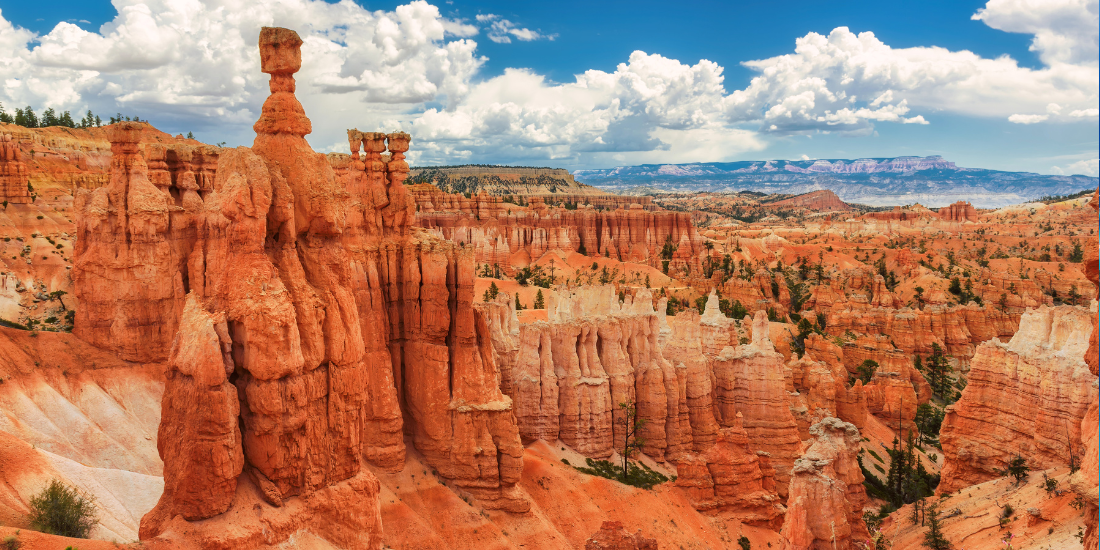
Overview: Exploring Bryce Canyon and Zion National Park is an immersive journey into some of the American Southwest’s most awe-inspiring landscapes. Bryce Canyon, with its otherworldly hoodoos and intricate amphitheaters, feels almost surreal, as though nature itself sculpted a city of stone in vivid reds, oranges, and whites. Zion National Park complements this spectacle with its towering sandstone cliffs, lush canyons, and verdant river valleys, offering dramatic contrasts of color, texture, and scale. Together, these parks present a comprehensive picture of the region’s geological splendor and natural diversity, inviting visitors to engage deeply with the land.
Beyond their striking visuals, both parks provide opportunities for adventure, reflection, and exploration. From the breathtaking overlooks of Bryce’s Sunset Point to the exhilarating hikes along Zion’s Angel’s Landing or The Narrows, visitors encounter landscapes that inspire both awe and wonder. The interplay of light and shadow across Bryce’s hoodoos at sunrise or the serene flow of the Virgin River carving Zion’s canyons demonstrates nature’s artistry in motion. This journey is both a visual feast and a physical challenge, rewarding those who venture through its rugged trails with unforgettable vistas and a profound connection to the natural world.
Where: Bryce Canyon National Park is located in southern Utah, about a four-hour drive from Las Vegas, while Zion National Park lies nearby, just an hour and a half west of Bryce. Both parks are accessible by car, and nearby towns like Springdale (for Zion) and Bryce Canyon City provide accommodations and visitor services.
Top Highlights
Bryce Amphitheater and Hoodoos: The centerpiece of Bryce Canyon, the amphitheater is a vast natural amphitheater filled with hoodoos—tall, thin spires of rock formed through millennia of erosion. Sunrise and sunset transform these formations into a kaleidoscope of color, creating iconic vistas that draw photographers and nature lovers alike.
Sunrise and Sunset Points: These overlooks offer panoramic views of Bryce’s hoodoos and valleys. Sunrise casts a warm glow over the spires, highlighting their intricate details, while sunset paints the amphitheater in deep reds and purples, emphasizing the park’s dramatic geology.
Queen’s Garden and Navajo Loop Trails: These interconnected trails provide some of the most immersive hiking experiences in Bryce Canyon. Winding among hoodoos, through narrow slot canyons, and past natural arches, these hikes allow visitors to witness the park’s geological wonders up close.
Zion Canyon Scenic Drive: A must for first-time visitors, this drive offers access to many of Zion’s famed landmarks, including towering cliffs, waterfalls, and the Virgin River. Shuttle services in the park make exploring convenient while minimizing traffic congestion.
Angel’s Landing: One of the most iconic and thrilling hikes in the United States, Angel’s Landing ascends via switchbacks and exposed ridges to provide panoramic views of Zion Canyon. The trail requires courage and fitness but rewards hikers with an unparalleled perspective of the park’s grandeur.
The Narrows: Hiking through the Virgin River in this narrow canyon is a quintessential Zion adventure. Wading through crystal-clear waters flanked by soaring canyon walls provides a unique way to experience the park’s geological formations and natural serenity.
Observation Point: Offering one of the highest overlooks in Zion, this vantage point provides sweeping views of the entire canyon. The hike to Observation Point is challenging but offers rewarding panoramas that capture the park’s scale and diversity.
Practical Tips: Hikes can be strenuous and involve exposure, especially Angel’s Landing. Bring sturdy footwear, layered clothing, plenty of water, and sun protection. Check trail conditions and shuttle schedules, and plan for early arrivals at popular viewpoints to avoid crowds.
Cost: Entrance fees are $35 USD per vehicle for Bryce Canyon (valid for seven days) and $35 USD per vehicle for Zion National Park. Guided tours, specialized hikes, and ranger-led programs are available at additional cost, enhancing the educational and experiential value of the visit.
Iconic Photo Spot: Capture Bryce’s hoodoos from Sunrise or Sunset Point for classic images, or photograph the towering cliffs of Angel’s Landing or the narrow corridors of The Narrows in Zion for dramatic, perspective-rich shots.
Final Word: Visiting Bryce Canyon and Zion National Park is an extraordinary immersion into the artistry of the natural world. From Bryce’s whimsical hoodoos to Zion’s soaring cliffs and flowing rivers, every trail, overlook, and river bend tells a story of geological time and natural beauty. This expedition is both a feast for the eyes and a journey for the spirit, leaving travelers with memories of landscapes unlike anywhere else on Earth.
For a full guide on visiting the Zion National Park and Bryce Canyon Click Here.
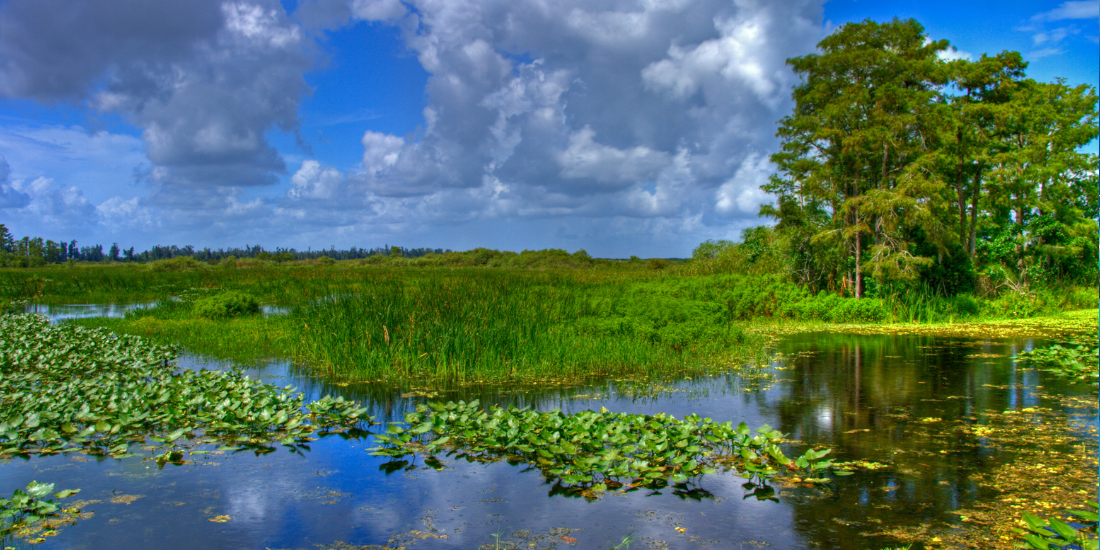
Overview: Exploring the Florida Everglades is an immersion into one of North America’s most unique and fragile ecosystems. This vast subtropical wilderness, spanning over 1.5 million acres, is a complex network of slow-moving rivers, sawgrass marshes, mangrove forests, and cypress swamps. The Everglades is a living laboratory, home to a dazzling array of wildlife, including alligators, manatees, wading birds, and elusive panthers. Traveling through this watery labyrinth offers both adventure and a profound appreciation for the delicate balance of nature in a region shaped by water and climate.
Beyond its natural wonders, the Everglades is a place where culture and history intertwine with ecology. Indigenous communities, early explorers, and pioneering conservationists have left their mark on this landscape, creating a story as rich and layered as the marshes themselves. From gliding silently in an airboat over sawgrass prairies to paddling through serene mangrove tunnels, each encounter provides insight into the park’s extraordinary biodiversity and the ongoing efforts to preserve it for future generations.
Where: The Everglades National Park covers the southern tip of Florida, stretching from near Miami to the Gulf Coast. Access points include Shark Valley, Homestead, and Everglades City, each providing gateways for airboat tours, kayaking, hiking, and wildlife observation.
Top Highlights
Shark Valley Tram Tour: A guided tram tour along the 15-mile loop in Shark Valley provides an introduction to the Everglades’ landscapes and wildlife. Elevated observation towers allow visitors to see alligators, turtles, and wading birds from above while learning about the ecosystem from knowledgeable guides.
Airboat Adventures: Airboat tours offer an exhilarating way to traverse the shallow waters and winding channels of the Everglades. Skimming over sawgrass and around mangrove islands, travelers encounter wildlife in their natural habitats and experience the thrill of this unique ecosystem.
Wildlife Watching: The Everglades is renowned for its biodiversity. Look for alligators sunning on riverbanks, manatees in freshwater canals, and the spectacular flights of herons, egrets, and roseate spoonbills. Early morning and late afternoon provide the best opportunities for animal sightings.
Canoeing and Kayaking: Paddle through serene mangrove tunnels, shallow marshes, and quiet rivers to explore the Everglades at a slower pace. This intimate experience allows visitors to observe aquatic plants, fish, and birds up close, often in locations inaccessible by larger boats.
Anhinga Trail: This short, accessible boardwalk trail is ideal for spotting wildlife. Named for the “snakebird” anhinga, the trail features views of alligators, turtles, and diverse bird species, making it perfect for photographers and nature enthusiasts alike.
Big Cypress National Preserve: Adjacent to the Everglades, Big Cypress offers opportunities to explore cypress swamps, prairies, and hardwood hammocks. Hiking trails and scenic drives provide further insight into the region’s unique ecosystems and conservation efforts.
Practical Tips: Florida’s subtropical climate can be hot and humid, so dress in lightweight, breathable clothing and wear sun protection. Bug repellent is essential, particularly in summer months. Carry water, a camera, and binoculars for wildlife viewing, and be prepared for wet conditions when kayaking or taking airboat tours.
Cost: Entrance to Everglades National Park is $30 USD per vehicle for seven days. Airboat tours and guided excursions vary from $25 to $100 USD per person, depending on duration and level of exclusivity.
Iconic Photo Spot: Capture panoramic views from the Shark Valley observation tower, photograph alligators along the Anhinga Trail, or frame the reflective waters and mangrove tunnels from a kayak for quintessential Everglades imagery.
Final Word: Navigating the Everglades is an encounter with one of North America’s most extraordinary ecosystems. The intertwining waterways, diverse wildlife, and serene beauty offer both adventure and reflection, providing a journey into a wilderness that feels both primeval and intimate. Every paddle stroke, tram ride, and airboat turn immerses travelers in the rhythms of water, life, and nature’s artistry in Florida’s unique marshland.
For a full guide on visiting the Everglades Click Here.
19.) San Francisco Exploration: Unveiling the City by the Bay

Overview: San Francisco is a city of contrasts and charm, where iconic landmarks meet vibrant neighborhoods, and natural beauty blends seamlessly with urban sophistication. From the undulating streets lined with colorful Victorian houses to the misty vistas of the Pacific Ocean and San Francisco Bay, the city is a feast for the senses. Its history as a Gold Rush hub, a countercultural center, and a tech innovation hotspot has left a layered identity that is both fascinating and endlessly explorable. Walking or biking through San Francisco reveals a city alive with creativity, culture, and the subtle rhythm of coastal life.
Beyond its landmarks, San Francisco offers immersive experiences in food, art, and innovation. The neighborhoods—Chinatown, North Beach, the Mission District—each tell stories of immigration, resilience, and cultural fusion. The city’s cable cars, steep hills, and waterfronts are more than just tourist attractions—they are integral to its character and charm. From sunrise over the Golden Gate to sunset at Ocean Beach, San Francisco invites visitors to explore, savor, and connect with its dynamic spirit.
Where: San Francisco sits on a peninsula between the Pacific Ocean and San Francisco Bay in Northern California. Its compact layout makes many neighborhoods walkable, while public transport and bike paths provide convenient access to iconic sites and hidden gems throughout the city.
Top Highlights
Golden Gate Bridge: No visit is complete without walking, biking, or photographing the world-famous Golden Gate Bridge. Its striking orange towers rise above the bay, offering panoramic views of the city skyline, Alcatraz Island, and the Marin Headlands. Sunrise and foggy mornings create especially dramatic vistas.
Alcatraz Island: Explore the former federal penitentiary on Alcatraz Island, accessible by ferry from Pier 33. Guided tours reveal the history of notorious inmates, daring escapes, and the island’s transformation into a historic landmark with stunning views back to the city.
Fisherman’s Wharf and Pier 39: This bustling waterfront area offers seafood eateries, quirky shops, and street performers. Seal colonies lounge near Pier 39, adding a natural spectacle to the energetic human activity. The area is also a departure point for bay cruises and boat tours.
Chinatown: One of the largest and oldest Chinatowns in the U.S., this neighborhood is a labyrinth of shops, markets, temples, and restaurants. Vibrant street murals, traditional gates, and authentic dim sum experiences immerse visitors in Chinese culture and history.
Cable Cars and Painted Ladies: Ride the historic cable cars over San Francisco’s hilly streets and enjoy views of the iconic Painted Ladies, the colorful Victorian houses famously framed against the city skyline at Alamo Square.
Mission District Murals: The Mission District showcases the city’s artistic soul through vibrant murals and street art that reflect history, social commentary, and community identity. Explore on foot for a visual journey through creativity and culture.
Exploratorium: Engage with science and art at this interactive museum along the waterfront. The hands-on exhibits, live demonstrations, and innovative installations make it a captivating experience for visitors of all ages.
Practical Tips: San Francisco’s microclimates mean layers are essential; mornings and evenings can be chilly, even in summer. Comfortable shoes are recommended for navigating steep streets. Public transport, including MUNI buses and cable cars, is convenient for getting around, though walking allows a deeper appreciation of the city’s neighborhoods.
Cost: City attractions vary in price. Alcatraz tours are approximately $45 USD per adult, cable car rides around $9 USD per trip, and museums generally range from $15–$30 USD. Dining, accommodations, and shopping can vary widely depending on location and style of experience.
Iconic Photo Spot: Capture the Golden Gate Bridge from Baker Beach or Marin Headlands, photograph the Painted Ladies with the skyline at Alamo Square, and frame Chinatown’s Dragon Gate for quintessential San Francisco imagery.
Final Word: San Francisco is a city of endless discovery, where natural beauty, historic landmarks, and vibrant neighborhoods intertwine. From its fog-kissed bridges to the lively streets of Chinatown and the serenity of the bay, the city offers a rich tapestry of experiences that enchant, inspire, and linger long after departure. Exploring San Francisco is not just sightseeing—it’s stepping into a story that continues to evolve with every street corner and waterfront breeze.
20.) CN Tower Edgewalk: Sky-High Adventure in Toronto

Overview: The CN Tower Edgewalk in Toronto offers one of the most exhilarating urban experiences in the world, blending breathtaking heights with heart-pounding adventure. Perched atop the CN Tower’s main pod, the Edgewalk allows thrill-seekers to walk hands-free along a 1.5‑meter-wide ledge, 356 meters above the bustling city streets below. The experience is as much about confronting personal limits as it is about absorbing panoramic views, providing a unique perspective on Toronto’s skyline, Lake Ontario, and the surrounding landscapes. Every step along the ledge is a mix of adrenaline and awe, offering a visceral connection to one of Canada’s most iconic landmarks.
Beyond the immediate thrill, the Edgewalk is an opportunity to appreciate the engineering marvel that is the CN Tower, a structure that has dominated Toronto’s skyline since 1976. The guided walk is meticulously designed with safety harnesses and expert instructors, allowing participants to focus on the sensation of floating above the city and the unparalleled views that stretch for miles. Whether the sun glints off the skyscrapers or the city is shrouded in mist, the Edgewalk transforms an ordinary day in Toronto into a memorable adventure that fuses courage, scenery, and spectacle.
Where: The CN Tower is located in downtown Toronto, Ontario, within walking distance of major attractions like Ripley’s Aquarium, Rogers Centre, and the Harbourfront. The Edgewalk takes place on the main observation pod’s exterior, high above the city streets and Lake Ontario.
Top Highlights
Walking the Ledge: The primary thrill is the Edgewalk itself—hands-free and tethered, participants traverse the tower’s outer rim, feeling the wind and the city sprawling below. Each step is punctuated by the dramatic vistas of downtown Toronto and the distant shores of Lake Ontario.
360-Degree Skyline Views: From the ledge, the city opens up in every direction. Skyscrapers, waterfronts, islands, and green spaces are visible as far as the eye can see, providing spectacular photographic opportunities for adventurers seeking both beauty and bragging rights.
Safety and Instruction: Before stepping onto the ledge, participants receive a detailed safety briefing and are fitted with harnesses connected to overhead rails. Knowledgeable guides accompany each group, ensuring confidence and comfort while emphasizing the unique thrill of the walk.
Sunrise and Sunset Edgewalks: Timing the Edgewalk for sunrise or sunset amplifies the experience. The city bathed in golden light, reflections on Lake Ontario, and long shadows cast by towering skyscrapers create an ethereal backdrop for the adventure.
Photography and Memory: Instructors assist with capturing photos and videos, preserving the moment of courage and awe. These images allow adventurers to relive the sensation of walking in the sky long after descending to solid ground.
Practical Tips: Participants must be at least 13 years old, meet minimum height and weight requirements, and wear closed-toe shoes. Comfortable, weather-appropriate clothing is essential, as winds and temperatures can vary. Booking in advance is strongly recommended, especially for peak seasons or sunset Edgewalks.
Cost: The Edgewalk experience typically starts at around CAD $225 per person, with prices varying slightly depending on the season and time of day. The cost includes the guided experience, safety equipment, and professional instruction.
Iconic Photo Spot: Capture the CN Tower from ground level to highlight the scale before ascending, and don’t miss panoramic shots from the ledge, framing Toronto’s skyline, Lake Ontario, and the distant horizon. Sunrise or sunset provides especially dramatic lighting for unforgettable images.
Final Word: The CN Tower Edgewalk is more than an adrenaline rush—it’s a celebration of human daring, engineering, and the sheer spectacle of urban landscapes. Walking along one of the world’s tallest structures offers both a physical and visual thrill, leaving participants with memories of Toronto that are literally sky-high. It’s an experience that challenges, exhilarates, and transforms the familiar skyline into a playground of awe and adventure.
21.) Yellowstone National Park Expedition: Unveiling Nature’s Wonderland
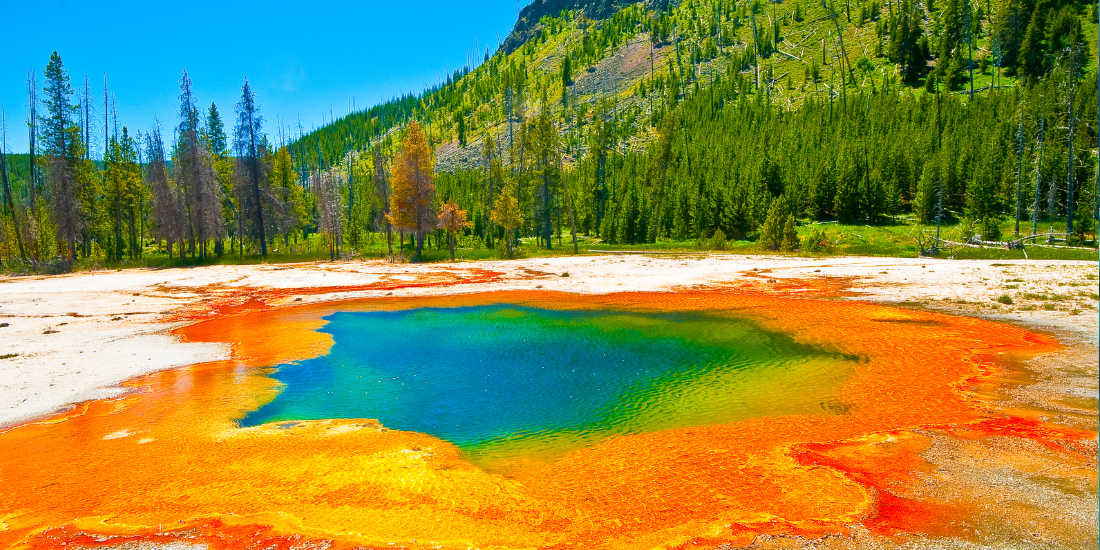
Overview: Yellowstone National Park, the first national park in the world, is a sprawling canvas of geothermal marvels, rugged mountains, and untamed wilderness. Spanning over 8,900 square kilometers across Wyoming, Montana, and Idaho, Yellowstone offers visitors an immersive journey into landscapes sculpted by fire, ice, and time. From erupting geysers to crystal-clear lakes and roaring waterfalls, every corner of the park reveals a new facet of natural grandeur. Wildlife roams freely here—bison graze the plains, grizzly bears roam the forests, and wolves navigate the valleys—making each encounter a chance to witness the raw beauty of North America’s ecosystems.
Beyond its striking landscapes, Yellowstone is a place where geology and ecology converge in spectacular fashion. The park sits atop a massive volcanic hotspot, fueling iconic geothermal features like Old Faithful and the Grand Prismatic Spring. Hike through colorful canyons, wander alongside bubbling mud pots, or explore serene meadows dotted with wildflowers; every step is an opportunity to engage with nature’s artistry and resilience. Yellowstone’s vast wilderness invites both adventure and reflection, offering a chance to disconnect from modern life and reconnect with the planet’s primal rhythms.
Where: Yellowstone National Park primarily lies in northwestern Wyoming, with smaller sections extending into Montana and Idaho. The park is accessible via several entrances, including the North, West, South, and East Gates, each offering access to distinct landscapes and trail networks.
Top Highlights
Old Faithful Geyser: The park’s most famous geothermal feature, Old Faithful erupts approximately every 90 minutes. Witnessing the towering plume of water and steam framed by surrounding forests is a quintessential Yellowstone experience.
Grand Prismatic Spring: A dazzling display of color and heat, the Grand Prismatic Spring is the largest hot spring in the United States. Its vivid blues, oranges, and yellows create an otherworldly spectacle that captivates visitors from observation boardwalks above.
Yellowstone Lake: Spanning over 350 square kilometers, Yellowstone Lake is the largest high-altitude lake in North America. Canoeing, kayaking, or simply walking along its shores offers peaceful vistas and opportunities for wildlife spotting.
Mammoth Hot Springs: This unique formation showcases terraces of travertine created by geothermal activity. The stark white and creamy formations contrast with the surrounding forest, creating an almost lunar landscape.
Wildlife Viewing: Yellowstone is home to abundant wildlife, including bison, elk, grizzly bears, wolves, and bald eagles. Lamar Valley, often called “America’s Serengeti,” provides prime opportunities for spotting predators and observing natural behaviors in open grasslands.
Yellowstone Canyon and Waterfalls: The Grand Canyon of the Yellowstone offers dramatic vistas, with the Yellowstone River plunging over Upper and Lower Falls. Scenic viewpoints like Artist Point provide breathtaking panoramas of colorful canyon walls and cascading water.
Practical Tips: Explore the park with a mix of driving and hiking, as distances between attractions can be significant. Arrive early for wildlife sightings, carry bear spray in areas where predators are active, and dress in layers to accommodate variable mountain weather. Reservations for accommodations inside or near the park are recommended, especially during peak summer months.
Cost: Park entrance fees are approximately $35 per vehicle for a seven-day pass, with discounts for motorcycles, pedestrians, and annual passes. Guided tours, rafting, or specialized wildlife excursions may involve additional costs.
Iconic Photo Spot: Capture Old Faithful mid-eruption, the vibrant swirls of the Grand Prismatic Spring from the overlook, bison grazing in Lamar Valley, or the dramatic cascade of Lower Falls framed by the canyon’s colorful cliffs. Sunrise and sunset provide particularly magical lighting for photographs.
Final Word: Yellowstone National Park is a living laboratory of natural wonder, offering a fusion of geothermal spectacle, abundant wildlife, and awe-inspiring landscapes. Every visit is a chance to witness Earth’s raw power and fragile beauty in equal measure. From the thunder of geysers to the serenity of meadows, Yellowstone invites adventurers to step into a world where nature reigns supreme and every corner tells a story of life, resilience, and timeless splendor.
For a full guide on visiting the Yellowstone National Park Click Here.
22.) Yucatan’s Cenote Expedition: Descending into Nature’s Subterranean Wonders

Overview: The Yucatán Peninsula of Mexico is a land of sun-soaked beaches, ancient ruins, and a hidden underworld carved over millennia. Among its most enchanting features are the cenotes—natural sinkholes formed by collapsed limestone, revealing crystal-clear freshwater pools beneath the earth’s surface. These subterranean oases are not only geological marvels but also sacred sites that once played a central role in Mayan civilization. Descending into a cenote is a journey into a realm where light, water, and stone converge, creating an ethereal world that feels both timeless and otherworldly.
Beyond their breathtaking beauty, cenotes offer adventure, exploration, and ecological discovery. Many are enclosed within caves, adorned with stalactites and stalagmites, while others open into sunlit pools surrounded by lush jungle. Swimming, snorkeling, and diving in these waters reveal intricate rock formations and abundant freshwater ecosystems teeming with life. A visit to the Yucatán’s cenotes is both a journey into the Earth’s geological past and an intimate encounter with nature’s quiet, subterranean majesty.
Where: The Yucatán Peninsula, encompassing parts of the Mexican states of Yucatán, Quintana Roo, and Campeche, is dotted with thousands of cenotes. Popular ones near tourist hubs include Cenote Ik Kil near Chichen Itza, Cenote Dos Ojos near Tulum, and Cenote Suytun near Valladolid. Access varies from open-air pools to caves requiring guided entry.
Top Highlights
Cenote Ik Kil: Just a few minutes from Chichen Itza, this iconic cenote offers a dramatic vertical drop into turquoise waters, surrounded by cascading vines and sunlight filtering through the opening above. Visitors can swim in the pool or simply marvel at the natural amphitheater formed by the walls.
Cenote Dos Ojos: Meaning “Two Eyes” in Spanish, this twin-cave system near Tulum is a paradise for snorkelers and divers. Its underwater passages connect vast chambers filled with stalactites, providing a mesmerizing experience for those exploring beneath the surface.
Cenote Suytun: Known for its ethereal light beams that pierce the cave ceiling, Cenote Suytun offers a perfect mix of photography and serene swimming. A platform in the center allows visitors to float in the clear waters while enjoying the dramatic natural lighting.
Cenote X’keken and Samula: Located near Valladolid, these neighboring caves feature dark, enclosed spaces with towering stalactites and tranquil pools. Their mysterious ambiance makes them feel like secret worlds waiting to be discovered.
Snorkeling and Diving Experiences: Several cenotes are connected to extensive underwater cave systems, ideal for certified divers seeking adventure. Clear water, rock formations, and freshwater fauna create a surreal diving experience unlike any ocean dive.
Cultural Connection: Cenotes were considered sacred by the Maya, often used for ritual offerings and ceremonies. Visiting these sites offers insight into ancient traditions, adding historical depth to the natural wonder.
Practical Tips: Wear sturdy water shoes for slippery cave floors, bring biodegradable sunscreen, and use a waterproof flashlight if exploring deeper caves. Many cenotes offer guided tours, which are recommended for safety and to enrich your understanding of their geology and history.
Cost: Entrance fees vary, typically ranging from $5–$15 USD per person, depending on location and whether guided tours or equipment rentals are included. Diving excursions may cost more, especially for multi-chamber explorations.
Iconic Photo Spot: Cenote Ik Kil’s dramatic vertical pool framed by cascading vines, the twin caves of Dos Ojos with sunlit water shimmering below, and the ethereal light beams of Cenote Suytun provide iconic imagery for capturing the magic of the Yucatán’s subterranean world.
Final Word: The Yucatán’s cenotes are portals to an extraordinary hidden world beneath the surface. Whether swimming, diving, or simply gazing into the turquoise depths, visitors experience a sense of awe and serenity. These natural wonders blend geological intrigue, ecological beauty, and cultural significance, offering a journey into a magical, subterranean realm that leaves a lasting impression on all who descend into their depths.
23.) Denali Summit Expedition: Conquering North America’s Tallest Peak
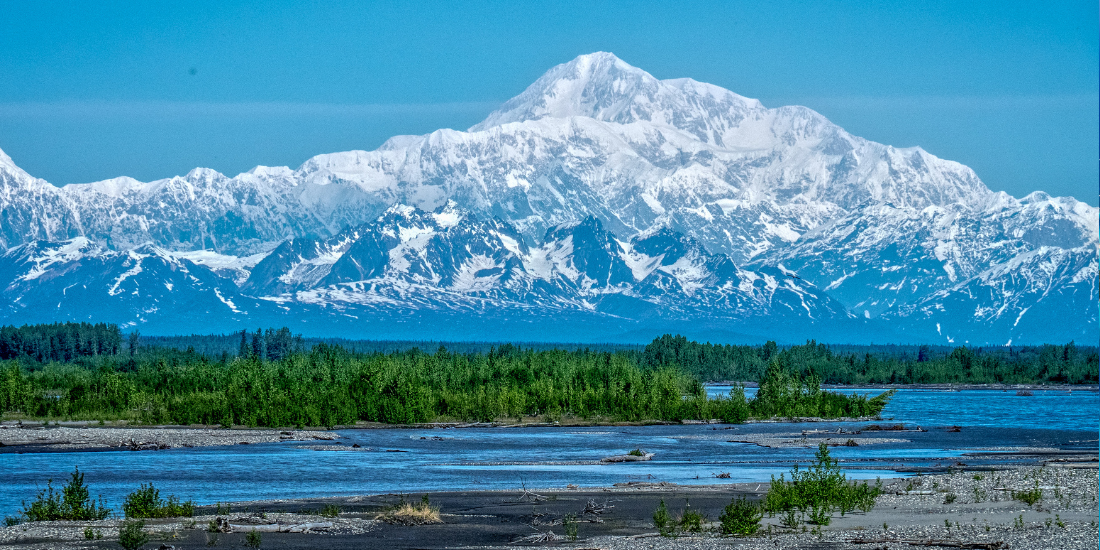
Overview: Denali, soaring to 20,310 feet (6,190 meters), stands as the highest peak in North America and one of the most formidable mountains on Earth. Located in Alaska’s Denali National Park, it challenges climbers with extreme cold, unpredictable weather, and rugged, glacier-covered terrain. Summiting Denali is not just a test of physical endurance but a profound journey of mental resilience, technical skill, and careful planning. Each step on its icy slopes demands respect for the mountain and the forces of nature that shape it. The expedition offers a unique blend of adventure, skill-building, and communion with the wild. Climbers experience sweeping views of the Alaska Range, navigate treacherous crevasses, and endure high-altitude conditions that push the limits of human endurance. Beyond the personal triumph of reaching the summit, Denali holds deep cultural significance for the native Koyukon people, who call it “The Great One,” reflecting its towering presence and spiritual resonance. The mountain’s legacy also includes historic achievements, such as the groundbreaking all-female expeditions that proved women could conquer its challenges, inspiring generations of adventurers.
Climbing the Mountain: The most popular route to Denali’s summit is the West Buttress, which balances technical difficulty with accessibility. Climbers traverse vast glaciers, ascend steep snow and ice slopes, and follow exposed ridgelines while acclimatizing to the high altitude. For those seeking greater challenges, routes like the Cassin Ridge present mixed climbing with technical rock and ice sections, offering an even more demanding ascent. Success depends on careful preparation, physical conditioning, and an intimate understanding of glacier travel and winter camping.
Guided Expeditions: Experienced guiding companies provide crucial support for summiting Denali. Mountain Trip is renowned for its near-perfect guide return rate and the deep experience of its staff, who average multiple Denali expeditions each year. The American Alpine Institute emphasizes comprehensive training, including glacier travel, high-altitude camping, and technical skill development. Alpine Ascents International offers a low climber-to-guide ratio, ensuring personalized attention and expert leadership. Choosing a reputable guiding service is essential to navigate the mountain safely and maximize the chances of success.
Training and Preparation: Aspiring summiteers must cultivate both physical strength and mental endurance. Climbers carry heavy loads over extended distances, endure extreme cold, and adapt to rapidly changing weather conditions. Training in technical snow and ice climbing, crevasse rescue, and winter camping is indispensable, as is experience in long-duration alpine expeditions. Mental resilience, careful planning, and the ability to make critical decisions under pressure are as crucial as physical readiness.
Weather and Conditions: Denali’s weather is notoriously unpredictable. Temperatures can plunge to ‑40°C (-40°F), while sudden storms can bring high winds, whiteout conditions, and deep snow. Visibility can deteriorate rapidly, and even short periods of poor weather can significantly impact progress. Climbers must remain flexible, patient, and prepared to adjust their schedules according to the mountain’s mood.
Cultural Significance: Denali’s name, “The Great One,” reflects its towering presence and spiritual importance to the Koyukon Athabascans. Beyond its natural majesty, the mountain has been a proving ground for pioneering climbers and historic expeditions. In 1970, an all-female team led by Grace Hoeman and Arlene Blum challenged societal norms and made their mark on the mountain, highlighting the enduring human drive to explore and achieve.
Conclusion: Summiting Denali is a milestone in the mountaineering world, demanding preparation, endurance, and unwavering respect for the mountain. Its icy peaks, vast glaciers, and relentless conditions provide an adventure unlike any other, where success is measured not just in reaching the summit but in the personal growth and resilience gained along the way. For those who dare, Denali offers an unparalleled encounter with the raw power and majesty of North America’s talle
24.) Yosemite National Park Expedition: Nature’s Symphony in the Sierra Nevada

Overview: Nestled in California’s Sierra Nevada, Yosemite National Park is a cathedral of natural grandeur, where soaring granite cliffs, cascading waterfalls, and ancient giant sequoias create a landscape of unmatched beauty. El Capitan rises majestically over Yosemite Valley, Half Dome gleams in the sunrise, and Bridalveil Fall sends its silvery veil tumbling to the valley floor. These iconic formations, shaped over millennia by glaciers and erosion, draw visitors from around the world to witness nature’s artistry firsthand. Hiking, photography, and simply soaking in the vistas provide an immersive connection to a wilderness that feels both timeless and awe-inspiring.
Beyond the towering cliffs, Yosemite is a sanctuary for wildlife and outdoor adventure. Mule deer graze in meadows, peregrine falcons patrol the cliffs, and black bears roam the forests, creating dynamic encounters for observant visitors. Trails and backcountry routes invite exploration, from gentle walks along the Merced River to strenuous climbs up granite faces. Seasonal shifts transform the park’s character: spring brings thundering waterfalls, summer offers verdant meadows, autumn bursts with color, and winter blankets the valley in serene snow. Each visit reveals a new facet of Yosemite’s enduring majesty, blending adventure, tranquility, and discovery.
Where: Yosemite National Park is located in California’s Sierra Nevada, spanning over 1,187 square miles. Yosemite Valley, the park’s centerpiece, lies roughly four hours from San Francisco or Sacramento, accessible by car or shuttle services. The park’s extensive network of trails, campgrounds, and visitor centers allows for exploration of both well-known landmarks and remote wilderness areas.
Top Highlights
Yosemite Valley: The park’s iconic valley is a glacially carved masterpiece framed by granite monoliths. Tunnel View and Glacier Point offer sweeping vistas of El Capitan, Half Dome, and Bridalveil Fall. Meandering along valley trails or biking beside the Merced River reveals wildflower-strewn meadows, reflective pools, and occasional wildlife encounters.
Mariposa Grove and Giant Sequoias: Home to ancient giant sequoias, Mariposa Grove is a testament to nature’s endurance. Walking among these towering trees, some over 2,000 years old, evokes awe and humility. Boardwalks and interpretive trails provide access to notable trees like Grizzly Giant and the California Tunnel Tree.
Waterfalls and River Walks: Yosemite’s waterfalls are a highlight, particularly in spring when runoff from melting snow swells the rivers. Yosemite Falls, one of North America’s tallest, thunders into the valley, while Vernal and Nevada Falls offer dramatic cascades along hiking routes. Gentle riverside walks allow for reflection and immersion in the sounds of rushing water.
Climbing and Adventure: Yosemite is a world-class climbing destination. El Capitan and Half Dome attract expert climbers, while guided courses offer novices a taste of vertical adventure. Hiking, rock scrambling, and backcountry camping create opportunities for deeper engagement with the park’s rugged terrain.
Glacier Point and Panorama Trails: Glacier Point provides breathtaking panoramic views of the valley and surrounding peaks. Trails leading to and from this vantage offer opportunities for wildlife sightings, forest walks, and dramatic viewpoints that capture the park’s diverse landscapes.
Practical Tips: Visit early to avoid crowds, particularly at Tunnel View and Glacier Point. Dress in layers to accommodate variable Sierra Nevada weather. Hiking requires sturdy footwear, and river or waterfall walks can be slippery. Guided tours, ranger programs, and maps enhance safety and enrich the Yosemite experience.
Cost: Entrance fees are $35 USD per vehicle for a seven-day pass. Guided tours, climbing courses, and specialized activities may have additional costs, ranging from $50–$200 USD depending on the program. Accommodation varies from campgrounds to lodges, with seasonal pricing adjustments.
Iconic Photo Spot: Capture El Capitan at sunrise from Tunnel View, Half Dome reflected in the Merced River, the cascading Bridalveil Fall framed by cliffs, and the ancient giant sequoias of Mariposa Grove. Each vantage point provides unforgettable imagery of Yosemite’s grandeur.
Final Word: Yosemite National Park is a living masterpiece of the Sierra Nevada, combining geological wonder, rich biodiversity, and boundless adventure. From towering cliffs and ancient forests to roaring waterfalls and serene valleys, Yosemite offers a sensory and emotional experience that connects visitors to the profound beauty of the natural world.
For a full guide on visiting Yosemite Click Here.
25.) Niagara Falls Expedition: Roaring Cascades and Majestic Horizons
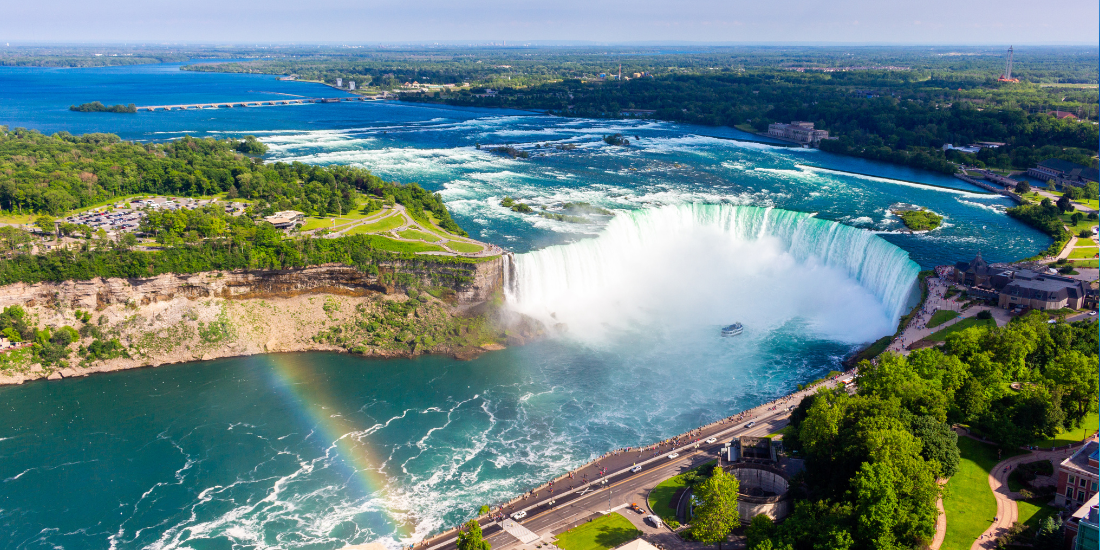
Overview: Straddling the border between the United States and Canada, Niagara Falls is a symphony of water, rock, and mist, where millions of gallons of water thunder over the precipice every minute. Comprising three distinct falls—the American Falls, Bridal Veil Falls, and the iconic Horseshoe Falls—this natural wonder captivates with its sheer power and breathtaking scale. Visitors are drawn not only to the visual spectacle but also to the palpable energy, where the roar of cascading water resonates through the surrounding cliffs and valleys, creating an unforgettable sensory experience.
Beyond its thunderous beauty, Niagara Falls is a hub of adventure, history, and exploration. Scenic viewpoints, boat tours, and walking paths allow travelers to witness the falls from every angle, while nearby parks, gardens, and historic sites provide context and contrast to the natural majesty. Seasonal shifts enhance its allure: summer brings lush greenery and rainbow-drenched mists, autumn fills the surroundings with fiery foliage, winter drapes the falls in a shimmering icy veil, and spring revives the rivers and surrounding landscapes. Niagara Falls offers both awe-inspiring vistas and intimate encounters with nature’s raw energy.
Where: Niagara Falls is located on the Niagara River, between the Canadian province of Ontario and the U.S. state of New York. The falls are easily accessible from the cities of Niagara Falls, Ontario, and Niagara Falls, New York, both of which provide accommodations, transportation, and visitor services.
Top Highlights
Horseshoe Falls: The largest and most powerful of the three falls, Horseshoe Falls is a sweeping curve of water on the Canadian side. Viewpoints along the Niagara Parkway and the Skylon Tower offer panoramic perspectives, while the mist rising from the falls creates a mystical and dynamic atmosphere that captivates photographers and sightseers alike.
Maid of the Mist Boat Tour: Board the legendary Maid of the Mist for an up-close encounter with the roaring waters. The boat takes passengers to the base of Horseshoe Falls, where the sheer force of the cascading water and the enveloping mist offer a thrilling and unforgettable perspective.
Cave of the Winds: Situated on the American side, this experience allows visitors to descend wooden walkways to the base of Bridal Veil Falls. Standing close enough to feel the spray and hear the falls’ thunder transforms appreciation into a visceral encounter with Niagara’s raw power.
Niagara Gorge and Hiking Trails: Explore the surrounding Niagara Gorge through a network of hiking trails and observation points. Walking along the river offers serene views contrasting with the dramatic intensity of the falls themselves, while highlighting the geological forces that shaped this remarkable landscape.
Niagara Parks Botanical Gardens and Butterfly Conservatory: Beyond the roaring waters, the Niagara Parks Botanical Gardens provide lush, cultivated landscapes for leisurely exploration. The adjoining Butterfly Conservatory offers a magical experience among thousands of vibrant butterflies, providing a peaceful counterpoint to the dramatic falls.
Journey Behind the Falls: Descend through tunnels behind Horseshoe Falls to witness the cascade from an extraordinary vantage point. The thunderous roar, the shimmering water curtains, and the cool mist create a unique and unforgettable experience that highlights the falls’ scale and energy.
Practical Tips: Wear waterproof clothing or ponchos when approaching the falls or taking boat tours. Summer and autumn are peak times for visitors, so arrive early for prime viewpoints. Sturdy walking shoes are recommended for trails and observation decks, and binoculars enhance wildlife and scenery viewing.
Cost: Entry to Niagara Falls State Park is free, though specific attractions like the Maid of the Mist, Journey Behind the Falls, and Cave of the Winds charge fees ranging from $20–$35 USD per experience. Parking, guided tours, and additional amenities are extra.
Iconic Photo Spot: Capture Horseshoe Falls from the Canadian viewpoint at dusk when the sunset illuminates the mist. For dynamic action shots, photograph the Maid of the Mist as it approaches the cascade, or frame Bridal Veil Falls from the Cave of the Winds for a close-up perspective.
Final Word: Niagara Falls is a celebration of natural power and beauty, where thunderous cascades, misty horizons, and dramatic landscapes converge. Whether admired from observation decks, embraced by the roar on a boat tour, or explored along hiking trails, Niagara offers an unforgettable journey into one of North America’s most iconic natural wonders.
For a full guide on visiting Niagara Falls Click Here.