
The 25 Best Things to do in Africa…
From the iconic plains of the Serengeti to the majestic pyramids of Egypt, Africa beckons with a tapestry of experiences that captivate the soul and ignite the spirit of adventure. Yet, narrowing down the very best of what this stunning continent offers can be a challenge, so to help ensure travelers get the very best out of the wonderful continent of Africa — and get a full glimpse into not only the breathtaking natural wonders but the tapestry of humanity that has thrived here for millennia — we’ve rounded out our top 25 adventures and sights within the cradle of life that is the stunning continent of Africa:
1.) Serengeti Safari, Tanzania
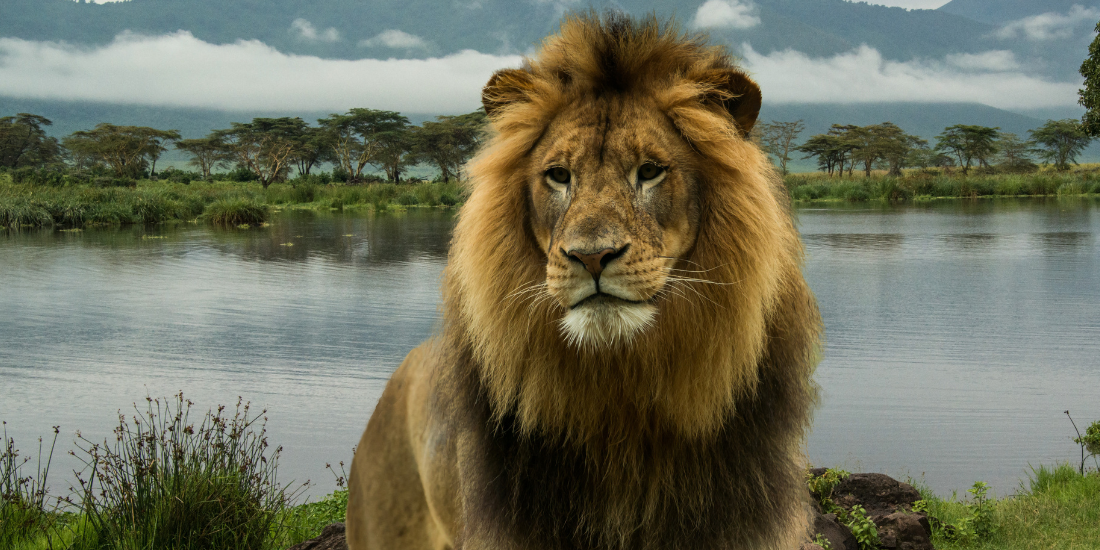
African Wilderness Unleashed: Serengeti’s Spectacle of Wildlife
Overview: Welcome to the Serengeti—where the word “safari” earns its full meaning. This iconic landscape in northern Tanzania is what most people dream of when they picture wild Africa: golden plains that stretch to the horizon, acacia trees silhouetted against endless skies, and herds of animals that move like rivers across the land. It’s here that nature puts on its most extravagant performance, with lions, elephants, and wildebeest taking center stage.
The Serengeti isn’t just famous—it’s legendary. This is the beating heart of African wildlife, the backdrop for countless documentaries, and the ultimate destination for anyone hoping to witness raw, untamed nature in action. From luxury lodges to rugged campsites, and from sunrise game drives to sunset cocktails on the savannah, this is where memories are made.
Whether you’re tracking a pride of lions, cruising past a giraffe at eye level, or watching the horizon turn gold as elephants graze in the distance, the Serengeti is not a place you visit—it’s a place you feel in your bones.
Where: The Serengeti National Park lies in northern Tanzania, part of the larger Serengeti ecosystem which stretches into Kenya’s Maasai Mara. It’s easiest to access via Arusha (a short flight or long but scenic drive), or by small charter flights that land directly in airstrips throughout the park. Most visitors combine it with a broader Northern Circuit itinerary, including Ngorongoro Crater and Lake Manyara.
Top Highlights:
The Great Migration is the Serengeti’s headliner, and for good reason. Imagine more than two million wildebeest, zebras, and gazelles surging across the plains in search of greener pastures. It’s a never-ending cycle of life, movement, and drama—with lions, cheetahs, and crocodiles adding teeth to the story. No nature documentary can truly prepare you for the thrill of watching this epic crossing unfold in real time.
Game Drives through the park are your front-row ticket to the wild. From the golden grasses of the plains to the shadowy corners of the woodlands, you’ll spot elephants lumbering across the horizon, lions lounging under acacias, and cheetahs scanning for prey. The Big Five are all here—though you’ll need a bit of patience and a good guide to tick off that elusive leopard and rhino.
Ngorongoro Crater, just next door, is a wildlife haven packed into the remnants of a collapsed volcano. It’s one of the most unique safari spots in the world, where the scenery feels almost prehistoric and the density of wildlife is unmatched. One moment you’re watching a herd of zebra in a misty basin; the next, you’re quietly observing a pride of lions lazing by a lake.
Balloon Safaris offer a completely different perspective—literally. Float above the Serengeti at sunrise, as soft light spills across the plains and herds move below like tiny specks in a giant nature painting. It’s silent, surreal, and hands-down one of the most unforgettable experiences you can have in Africa.
Maasai Cultural Encounters add depth to your trip, connecting you to the people who have lived in harmony with these landscapes for generations. Step into a traditional boma (homestead), learn about Maasai customs, beadwork, and dances, and gain insight into a culture that is as much a part of this region as the wildlife itself.
Sundowners on the Savannah turn golden hour into something otherworldly. After a long day of game drives, there’s nothing better than sipping a cold drink as the sky turns from blazing blue to molten gold, with silhouetted giraffes in the distance. It’s the kind of peace you don’t forget.
Luxury Tented Camps offer the perfect blend of adventure and comfort. You’ll fall asleep to the distant whoops of hyenas or the roar of a lion, all from the warmth of your plush bed under canvas. These camps are a quintessential part of the safari experience—close to nature, but never roughing it.
Photography Safaris are a dream come true for wildlife enthusiasts. Whether you’re a smartphone snapper or a full-on lens lugger, the Serengeti delivers with golden light, dramatic backdrops, and animals that always seem to know how to pose. Even beginners leave with frame-worthy shots.
Conservation Awareness is embedded in every visit. From guides trained in sustainable tourism to visitor fees that support wildlife protection and local communities, traveling here is also an act of preservation. Learning about conservation adds meaning to your adventure—you’re not just seeing the Serengeti, you’re helping protect it.
Cost: Safaris can range from relatively affordable to full-blown luxury, depending on how you travel. Budget camping safaris start from around $200–$300 USD per day, while mid-range lodge safaris sit between $500–$800. For high-end experiences in luxury tented camps or fly-in safaris, you’re looking at $1,000+ per person, per day.
Park entrance fees are roughly $70 per person, per day for non-residents, and balloon safaris add another $500–$600 to the budget. Most packages are inclusive of meals, guides, and accommodation.
Top Tip: Visit during the dry season (June to October) for the best wildlife viewing. The grasses are shorter, water sources are limited (which means animals gather in predictable places), and the roads are more navigable. If you’re specifically chasing the Great Migration river crossings, aim for July to September and base yourself near the Mara River.
Book well in advance—particularly if you’re traveling during migration season or planning to stay in the more exclusive camps. And if you can, do a multi-day safari—one game drive is never enough.
Iconic Photo Spot: Hands down: the Mara River crossing. If you catch the migration as herds plunge into the crocodile-infested waters, you’ll capture a once-in-a-lifetime shot. Second-best? A lone acacia tree against the sunrise with giraffes grazing nearby—quintessential Serengeti.
Good to Know: The Serengeti is malaria-prone, so bring mosquito repellent and talk to your doctor about prophylactics. Bring binoculars, a zoom lens if you’re into photography, and layers—mornings can be cold, even when the days are scorching.
Wi-Fi is scarce and patchy at best—this is your chance to disconnect and just be. Most lodges and guides are exceptionally knowledgeable and respectful of the wildlife. Stick to the vehicle, follow their advice, and remember: you’re a guest in the animals’ home.
Final Word:The Serengeti isn’t just a bucket-list safari—it’s a rite of passage for anyone dreaming of Africa. It’s where nature puts on a performance so grand, so primal, and so moving, you’ll never see the world the same way again.
For a full guide on visiting the Serengeti Click Here.
2.) Okavango Delta, Botswana
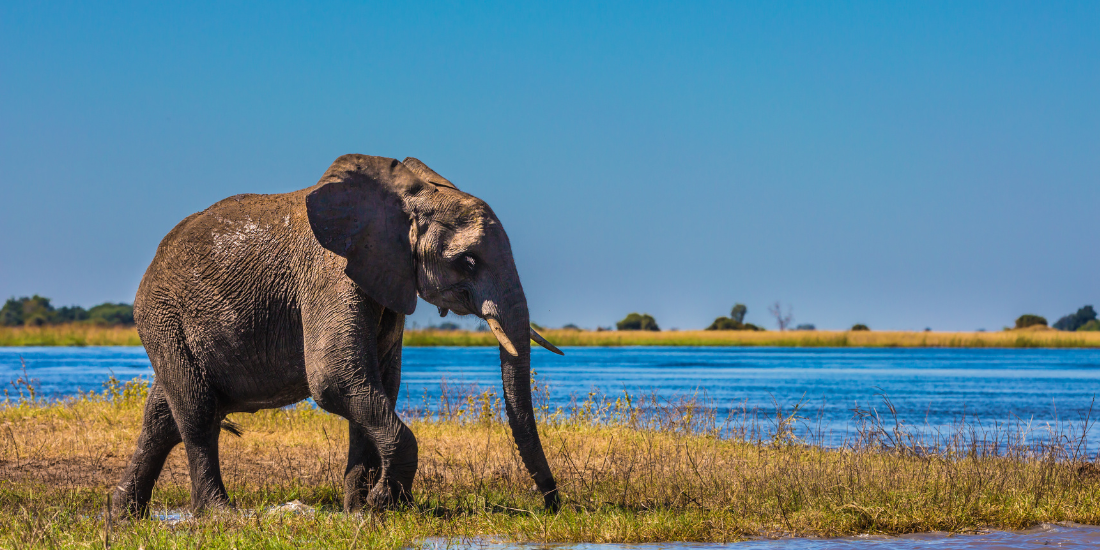
Aquatic Symphony Unleashed: Okavango Delta’s Surreal Wilderness
Overview: If the Serengeti is Africa’s grand stage, then the Okavango Delta is its dreamscape—a lush, labyrinthine paradise where rivers disappear into sand, hippos splash through papyrus-lined channels, and elephants cross waterlogged meadows as if straight out of a nature poem. Set in the northwest corner of Botswana, this UNESCO World Heritage Site is one of the most unique ecosystems on the planet. It’s a place where the desert floods, where the seasons rewrite the map, and where every turn of a reed-lined bend holds the promise of a surprise.
Known as the “Jewel of the Kalahari,” the Okavango Delta isn’t your typical safari destination. There are no dusty plains or distant animal sightings here—you’re right in the thick of it, gliding inches above the water, your heart pounding as a hippo surfaces nearby or a fish eagle calls overhead. From tranquil canoe rides to thrilling game drives, this is safari at its most magical and unexpected.
Part of what makes the Okavango so captivating is its rhythm. The floodwaters arrive in Botswana’s dry season, turning this patch of the Kalahari into a lush, green oasis. Life blooms here on nature’s terms, and lucky visitors are invited to witness the spectacle, camera in hand, eyes wide open.
Where: You’ll find the Okavango Delta in Botswana’s northwest corner, fed by the Okavango River from Angola. The main gateway is Maun, a charming frontier town with a small international airport. From there, you can catch a light aircraft flight over the delta (a jaw-dropping experience in itself) to reach remote camps and lodges scattered across this sprawling, trackless wilderness.
Top Highlights:
Guided Safari Tours are your passport into this watery Eden. Led by expert trackers and naturalists, tours take you deep into the heart of the delta by either land or water. In open 4x4 vehicles, you’ll drive through savannah islands and forested patches. Or, go aquatic with water-based safaris that navigate the winding channels for a totally different safari experience.
Mokoro Canoe Safaris are the Delta’s most iconic experience. Pushed along by a local guide using a long pole, these traditional dugout canoes offer a peaceful, intimate way to explore. As you glide inches above the waterline, you’ll see frogs clinging to reeds, lilies blooming at your fingertips, and maybe even a croc eyeing you from a safe distance. It’s the kind of silence that stays with you.
Island Exploration lets you stretch your legs and explore the dry patches of this otherwise water-bound world. Some islands are tiny and wild, others are big enough for walking safaris. These spots are home to antelope, giraffes, monkeys, and more—each island a micro-habitat with its own flavor and feel.
Wildlife Encounters in the Delta are legendary. You might see elephants wading through chest-deep water, lions lounging beneath a tree, or a dazzle of zebras darting across a floodplain. Leopards lurk in the forested patches, while elusive African wild dogs roam in packs. The mix of water and land means you’ll see animals behaving in ways you wouldn’t elsewhere—think lions that swim and buffalo that wade.
Birdwatching Paradise doesn’t even begin to describe it. With over 400 recorded species, the Okavango is a bird lover’s dream. Watch bee-eaters flit through the reeds, herons stalk the shallows, and African fish eagles soar overhead with that iconic cry. Bring binoculars—and maybe a second pair just in case you wear the first one out.
Moremi Game Reserve offers a more structured safari within the delta, with a mix of permanent water channels and dry areas that provide excellent game-viewing year-round. Moremi is considered one of the best wildlife destinations in Africa, and it’s the perfect extension to your Okavango adventure if you want to double down on sightings.
Sundowners in the Delta are a ritual. Whether you’re on the deck of a riverside lodge or balancing a gin and tonic in a mokoro, there’s nothing quite like watching the sun melt over the reeds, turning the water to liquid gold and the sky to a painter’s palette of orange, pink, and indigo.
Stargazing on the Delta is pure magic. With no light pollution for miles, the night sky lights up with constellations you’ve only ever seen in books. Stretch out under the Southern Cross and watch the Milky Way arc across the sky like a trail of stardust.
Luxury Camps and Lodges blend barefoot adventure with serious comfort. Think open-air bathrooms, candlelit dinners, and beds with views of grazing elephants. From eco-chic safari tents to five-star suites on stilts, you’ll be wrapped in the sounds of the wild without sacrificing the finer things in life.
Conservation and Sustainable Tourism is central to everything in the Okavango. The delta thrives because of strict environmental protections and low-impact tourism practices. When you visit, you’re contributing to its preservation—just another reason to feel good about that second sunset cocktail.
Cost: Exploring the Okavango Delta isn’t cheap—but it is priceless. Mid-range safaris start around $400–$600 USD per person per night, while luxury lodges and fly-in safaris can easily exceed $1,000 per night. Most packages are all-inclusive, covering transfers, guides, meals, and activities. Park fees and conservation levies are usually included, but check with your lodge.
Budget options do exist, especially in Maun, but getting into the heart of the delta typically involves charter flights or long boat rides, which add to the cost. Consider shoulder season (April or November) for better rates and fewer crowds.
Top Tip: Visit during the dry season from May to October when floodwaters are at their peak and wildlife congregates on the shrinking islands. Want a more exclusive feel? Opt for a lodge that’s water-based for mokoro access, or one on a private concession for off-road drives and night safaris.
Bring lightweight, neutral-colored clothing, waterproof bags for electronics, and extra memory cards—you’re going to need them. Also: don’t skip travel insurance. You’re heading off the grid, and it’s worth the peace of mind.
Iconic Photo Spot: The classic mokoro shot is unbeatable—your guide silhouetted at the front of the canoe, mirrored perfectly in the glassy water, with water lilies blooming all around. Add a golden-hour glow, and you’ve got a frame-worthy masterpiece.
Final Word: The Okavango Delta doesn’t just show you nature—it submerges you in it, quite literally. This is Africa’s safari experience with a twist: wetter, wilder, and infinitely more serene. From the hush of a canoe ride to the roar of a lion at dusk, every moment is steeped in beauty and wonder. Once you’ve been here, every other landscape feels just a little quieter.
For a full guide on visiting the Okavango Delta Click Here.
3.) Marrakesh, Morocco
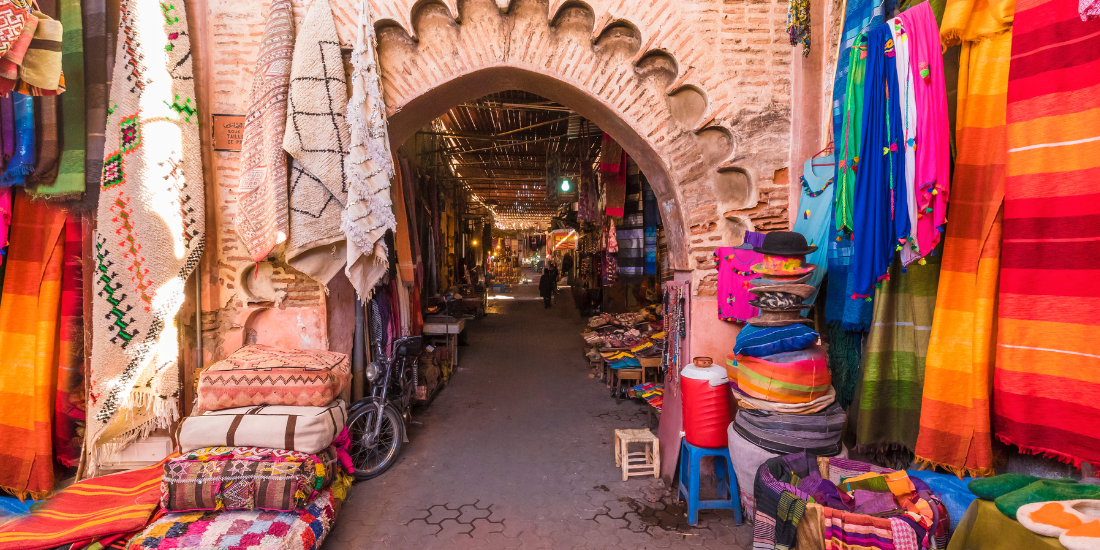
Exotic Melange: Marrakesh’s Kaleidoscopic Charms
Overview: Marrakesh is not just a city—it’s a sensory symphony. From the moment you arrive, you’re wrapped in the scent of spices, the shimmer of lantern light, the echo of the call to prayer, and the vivid palette of ancient pink-hued walls. Set at the foot of the Atlas Mountains, this legendary trading city feels like a dream woven from silk, smoke, and centuries of stories.
Known as the “Red City” thanks to its rose-colored ramparts, Marrakesh is where past and present dance in dusty alleyways and fragrant courtyards. Here, motorbikes swerve past donkey carts, rooftop cafes serve saffron-laced tagines under starlight, and every corner holds something unexpected—be it a palace, a hidden garden, or a wizened old man selling magic powders in a tiny bottle.
Love it or find it overwhelming (or both), Marrakesh is a city that demands your full attention—and rewards it tenfold. Whether you’re here for a whirlwind market crawl, a deep dive into Moroccan history, or just to sip mint tea in a courtyard while life unfolds around you, Marrakesh will leave an imprint.
Where: Marrakesh is located in central Morocco, about a 3‑hour drive inland from the Atlantic coast and just north of the soaring Atlas Mountains. The Marrakesh Menara Airport (RAK) is well connected to cities across Europe, North Africa, and the Middle East, making it one of Morocco’s most accessible entry points.
Top Highlights
Medina Exploration is where it all begins. The ancient walled city is a UNESCO World Heritage Site and a living, breathing maze of alleyways, courtyards, and caravanserais. Getting lost here isn’t just inevitable—it’s half the fun. Every twist reveals something new: a centuries-old mosque, a brightly painted doorway, or a stall stacked with saffron, slippers, or silver teapots.
Jemaa el-Fnaa Square is Marrakesh’s beating heart. Chaotic, colorful, and endlessly entertaining, it’s part open-air theatre, part market, part culinary fairground. By day, snake charmers and orange juice sellers take center stage; by night, it becomes a carnival of food stalls, storytellers, and hypnotic Gnawa musicians. It’s loud, wild, and unforgettable—like Marrakesh in miniature.
Majestic Palaces offer a moment of serenity (and some killer Instagram backdrops). The Bahia Palace dazzles with its zellige tilework and peaceful gardens, while El Badi Palace’s crumbling grandeur and sun-drenched courtyards feel like a Game of Thrones set left behind for the pigeons. Wander slowly—these places are soaked in stories.
Saadian Tombs are a hidden treasure. Rediscovered only in 1917, this royal burial site is a showcase of Hispano-Moorish architecture, ornate plasterwork, and quiet reverence. The contrast of intricate design and ghostly silence makes it one of the city’s more contemplative stops.
Koutoubia Mosque dominates the skyline with its elegant minaret, which towers over the city like a desert lighthouse. Non-Muslims can’t enter, but the surrounding gardens and square are perfect for people-watching and soaking in the architectural majesty.
Souks and Shopping are reason enough to visit Marrakesh. The souks (markets) unfurl across the Medina like a colorful net, each section specializing in something: carpets, leather, ceramics, lanterns, spices. Bargaining is part of the experience—so channel your inner negotiator and remember it’s all part of the show.
Majorelle Garden is your antidote to the sensory overload of the city. Once owned by Yves Saint Laurent, this botanical oasis explodes with cobalt blue, bamboo groves, and cactus-lined paths. It’s peaceful, photogenic, and proof that yes, even Marrakesh has quiet corners.
Traditional Moroccan Cuisine is a delight for food lovers. Tagines simmering with apricots and almonds, fluffy couscous topped with seven vegetables, flaky pastilla filled with pigeon and dusted with sugar—Marrakesh is a feast in every sense. Don’t leave without sipping mint tea so sweet it might as well be dessert.
Riad Stay is the Marrakesh travel secret that’s not-so-secret anymore. These traditional houses-turned-guesthouses are tucked behind unassuming doors in the Medina. Inside? Tilework, courtyards, rooftop terraces, and candlelit fountains. Stay in one and you’ll feel like you’re living in a Moroccan fairy tale.
Atlas Mountains Excursion offers a chance to swap city chaos for fresh mountain air. Day trips to Imlil or Ourika Valley take you through Berber villages, past waterfalls, and into the shadow of snow-capped peaks. It’s a breath of fresh air—literally and figuratively.
Cost: Marrakesh can be as budget or as luxe as you want it to be. You can spend $10 on a street food dinner or $100 on a five-course meal with a view. Riads range from $20 per night for a basic room to $300+ for full-blown Arabian Nights luxury. Guided tours of palaces and souks can cost anywhere from $15 to $50, while hammam spa experiences vary widely.
Most attractions cost just a few dollars to enter. Jemaa el-Fnaa is free, but you’ll probably spend a small fortune on fresh juice, street food, and trinkets you didn’t know you needed until someone shouted “good price for you, my friend!”
Top Tip: Be ready for sensory overload. Wear closed shoes (those cobblestones don’t mess around), carry small change for tips, and bring a scarf or shawl for visiting religious sites or covering up from the sun. Bargaining is expected, so have fun with it—and always keep an eye out for pickpockets in crowded areas.
Also: trust your gut, both metaphorically and literally. If a food stall looks popular with locals, it’s usually a safe bet. And if someone tells you the road is closed ahead and they’ll show you a “shortcut,” politely decline—it’s probably a sales pitch in disguise.
Iconic Photo Spot: The view from a rooftop terrace overlooking Jemaa el-Fnaa at sunset is hard to beat—think glowing lanterns, swirling smoke, minarets silhouetted against the sky, and a thousand stories unfolding below. For serenity, the blues of Majorelle Garden. For drama, the ruins of El Badi Palace at golden hour.
Final Word: Marrakesh is not a city you visit. It’s a city you feel—through the soles of your feet, the spice on your tongue, and the stories in the air. It’s dazzling, dizzying, and sometimes downright disorienting, but always unforgettable. Come ready to embrace the chaos, sip some mint tea, and fall under its ancient, hypnotic spell.
4.) Victoria Falls, Zambia & Zimbabwe
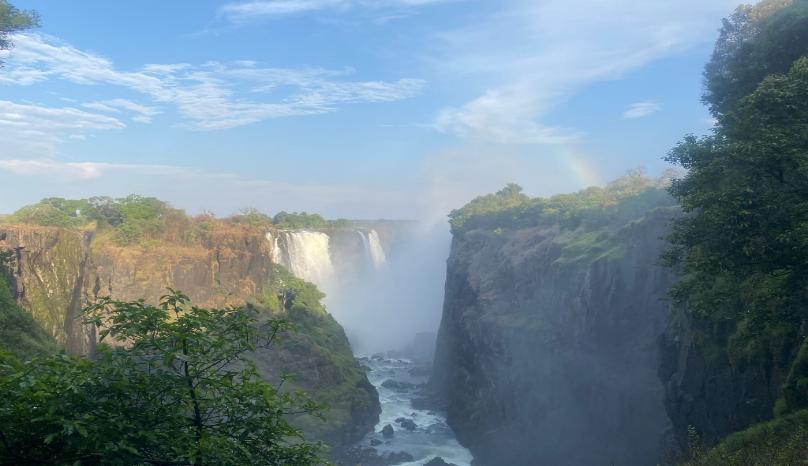
Nature’s Symphony: Victoria Falls’ Majestic Cascade
Overview: If you’ve ever wanted to witness the Earth roar, rumble, and mist you into a puddle of awe-struck silence, Victoria Falls is the place to do it. Straddling the border between Zambia and Zimbabwe, this UNESCO World Heritage site is one of the largest and most spectacular waterfalls in the world—known locally as Mosi-oa-Tunya, or “The Smoke That Thunders.” And thunder it does.
At over 1.7 kilometers wide and plunging more than 100 meters into the Zambezi Gorge, Victoria Falls is a symphony of water, rock, light, and sound. But it’s more than just a pretty waterfall—it’s also one of Africa’s most exciting adventure playgrounds. Think Devil’s Pool swims, helicopter flips, sunset cruises, bungee jumps, lunar rainbows, and riverside wildlife encounters that will make you question why you ever settled for hotel pool holidays.
Whether you’re standing on the edge soaked by the spray, flying above in a chopper, or sipping a sundowner while hippos grunt in the distance, a visit to Victoria Falls is as immersive as travel gets. This is not just a waterfall—it’s an experience that hits all five senses.
Where: Victoria Falls sits on the border between Zambia and Zimbabwe, with both countries offering access to the falls and surrounding experiences. The Zimbabwean side offers panoramic views of the widest part of the falls, while the Zambian side gets you up close and drenched (in the best possible way). The nearby towns of Victoria Falls (Zimbabwe) and Livingstone (Zambia) are the main bases for exploring the area.
Top Highlights
The Main Falls are your starting point. This is where the Zambezi River plunges dramatically into the gorge, generating towering columns of spray that can be seen from over 20 kilometers away. On the Zimbabwean side, a network of trails leads to epic viewpoints like Devil’s Cataract and Danger Point, each with their own wow factor. On the Zambian side, you can walk across the Knife-Edge Bridge, where the mist soaks you instantly and the views are just as dramatic—if not more intimate.
Devil’s Pool is not for the faint-hearted, but for adrenaline junkies, it’s the ultimate brag. Only accessible during the dry season (roughly August to December), this natural infinity pool perches right on the lip of the falls. You’ll literally swim up to the edge of a 100-meter drop, held back only by a slippery rock lip. Safety protocols are tight, guides are experienced, and the photos? Unreal.
Livingstone Island is the launch point for Devil’s Pool, but even if you’re not up for the swim, it’s still worth the trip. Named after Dr. David Livingstone—the first European to lay eyes on the falls—the island tour includes breakfast, epic views, and stories of early exploration that make you appreciate just how wild this corner of Africa really is.
Lunar Rainbow is the stuff of travel legend. Only during full moons and when conditions are just right, the mist rising from the falls refracts moonlight into a ghostly rainbow arch. It’s eerie, beautiful, and completely unlike anything you’ll experience in the daylight. The Zimbabwe side offers the best visibility for this after-dark phenomenon.
Helicopter Flights give you the full aerial perspective and a newfound respect for the sheer scale of this natural wonder. Often called the “Flight of Angels,” these tours soar above the falls and offer jaw-dropping views of the Zambezi River, surrounding national parks, and the deep-cut gorges downstream. It’s pricey—but if you’re going to splurge somewhere, this is the place.
River Cruises along the upper Zambezi offer a much more relaxed (and dry) view of the region. Sunset cruises are especially popular, with boats drifting gently past hippos, crocs, elephants, and dazzling birdlife. Throw in a gin and tonic and a glowing horizon, and you’ve got a slice of safari paradise.
Bridge Activities are perfect for thrill-seekers. The Victoria Falls Bridge, built in 1905, is more than a historic marvel—it’s a launching pad for bungee jumping, zip-lining, and gorge swings that send you soaring over the chasm with the thunder of the falls in your ears. Not for the faint of heart—but the adrenaline rush is unforgettable.
Cultural Experiences let you connect with the people who call this region home. Explore local craft markets, visit cultural villages, and watch traditional dance performances. Whether you’re shopping for handwoven baskets or sampling local cuisine like sadza and bream, these interactions offer a richer perspective of life around the falls.
Adventure Hub is not an exaggeration. White-water rafting on the Class IV and V rapids of the Zambezi is world-famous. You can also try abseiling, quad biking, microlight flights, horse riding, or even walking safaris in the nearby Mosi-oa-Tunya National Park. Whether you’re looking to be airborne, underwater, or somewhere in between, Victoria Falls delivers.
Cost: Visiting Victoria Falls is surprisingly flexible when it comes to budget, with options for everyone from budget backpackers to luxe-loving safari-goers. Entrance fees depend on which side you’re visiting and where you’re from. On the Zimbabwean side, international visitors can expect to pay around $30 USD to access the main viewing areas. The Zambian side charges slightly less, usually around $20 USD, and both countries use the funds to support conservation and park maintenance.
If you’re feeling adventurous, the iconic Devil’s Pool excursion—complete with a boat ride to Livingstone Island, a swim at the edge of the falls, and a hearty breakfast or lunch—runs between $100 and $130 USD, depending on the season. Helicopter flights start around $150 USD for shorter loops, but if you want the full cinematic sweep of the gorge and river, longer flights can go up to $300 USD.
Sunset cruises on the Zambezi are a gentler thrill and typically cost around $50 USD, which usually includes drinks and snacks. For white-water rafting down the raging rapids below the falls, a full-day adventure will set you back between $120 and $160 USD, depending on the outfitter and time of year.
Accommodation-wise, you can find everything from simple backpacker hostels for about $15 USD a night to high-end lodges costing $500 to $1,000 USD per night. Mid-range options with excellent comfort, pools, and safari-chic aesthetics are widely available in both Livingstone and Victoria Falls town. If you’re planning to visit both sides of the falls, consider purchasing a KAZA UniVisa—this allows multiple entries into Zambia and Zimbabwe for 30 days and usually costs around $50 USD, saving you the hassle (and expense) of buying multiple visas.
Top Tip: Bring a waterproof jacket, waterproof phone case, waterproof everything. The mist from the falls is not a gentle spray—it’s a full-body drenching in some viewpoints. Comfortable shoes, sunscreen, and bug spray are also a must. If you’re visiting both sides of the falls, the KAZA UniVisa (available at most entry points) is your golden ticket—it allows multiple entries into both countries for up to 30 days and costs around $50 USD.
Also: while guides and touts are common at the border and tourist-heavy areas, don’t be afraid to politely decline. Always book activities through your accommodation or a reputable operator, especially for adrenaline sports.
Iconic Photo Spot: One of the most dramatic photo ops is from the Knife-Edge Bridge on the Zambian side, where mist and light collide for that “epic explorer moment.” From the Zimbabwean side, Viewpoint 7 offers a full panoramic shot of the falls at their widest. For aerial drama, it’s hard to beat a shot from the chopper, but if that’s out of budget, try snapping a frame from the Victoria Falls Bridge looking upstream at sunrise.
Final Word: Victoria Falls is not just a destination—it’s a full-body immersion in nature at its most thunderous, dramatic, and exhilarating. Whether you come for the views, the adrenaline, the culture, or the sunsets, this is a place that reminds you how big and beautiful the world really is. Come for the waterfall. Leave with your heart racing, your memory card full, and your soul soaked in adventure.
For a full guide on visiting Victoria Falls Click Here.
5.) The Great Pyramids of Giza, Egypt
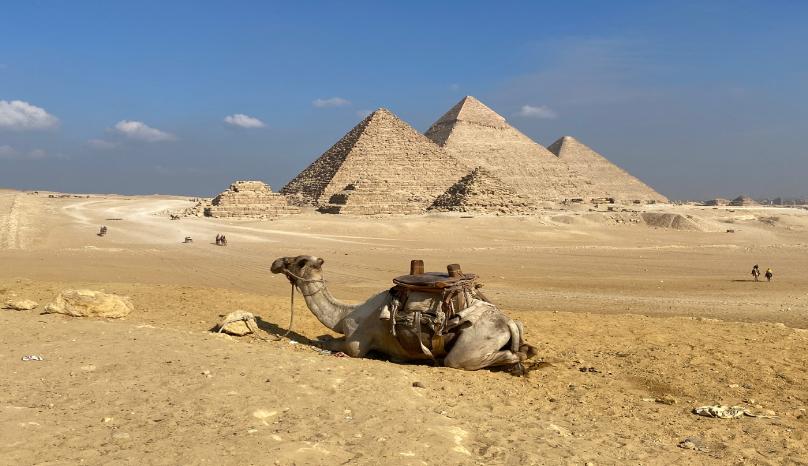
Monuments to Eternity: The Great Pyramids’ Timeless Legacy
Overview: There are few travel moments in life that hit you like your first glimpse of the Great Pyramids. Rising out of the desert sands on the edge of chaotic Cairo, the Giza Plateau feels less like a sightseeing stop and more like a time portal. These ancient marvels, built over 4,500 years ago, continue to stir awe with their scale, symmetry, and sheer endurance. Whether you’re a history buff, an architecture geek, or just someone who’s watched The Mummy one too many times, a visit to the pyramids is one of those bucket-list experiences that truly lives up to the hype.
This trio of giants—Khufu, Khafre, and Menkaure—was constructed as tombs for powerful pharaohs, using millions of limestone blocks and an astonishing degree of mathematical precision. No one’s entirely sure how they did it, and frankly, the mystery is part of the appeal. Add to that the presence of the Sphinx, the remnants of ancient temples, and sweeping views of the desert meeting the skyline of Cairo, and you’ve got a surreal, spine-tingling setting that fuses myth, history, and modern-day buzz.
The pyramids aren’t just something to see—they’re something to feel. Standing in their shadow, you can’t help but wonder about the minds and hands that built them. The energy of centuries lingers here, from the roar of ancient rituals to the soft shuffle of tourists today. It’s chaotic, yes. It’s overwhelming, definitely. But it’s also unforgettable.
Where: The Great Pyramids of Giza are located about 13 kilometers (8 miles) southwest of downtown Cairo, Egypt’s capital. The site is easy to reach via car, taxi, or even Uber, and there are plenty of tour companies offering guided visits as well. The plateau overlooks both desert dunes and the sprawling urban edges of the city, making the contrast between ancient and modern life impossible to ignore.
Top Highlights
The Pyramid of Khufu (Cheops) is the largest and oldest of the three and is considered the only surviving wonder of the original Seven Wonders of the Ancient World. Originally reaching 146.6 meters in height, it dominates the site and remains one of the most mind-bending feats of engineering ever pulled off by humankind. If you’re up for it, you can enter the interior via a narrow tunnel and climb hunched-over corridors to reach the King’s Chamber. It’s dark, it’s cramped, it’s humid—and it’s epic.
The Pyramid of Khafre might appear even taller than Khufu due to its higher elevation and the few remaining casing stones near its peak. It’s also the one directly connected to the Sphinx, making it one of the most visually iconic views in all of Egypt. Standing here, with the pyramid rising behind the Sphinx, you’ll feel like you’ve stepped straight into a history book.
The Pyramid of Menkaure is the smallest of the three but no less impressive. Its complex includes beautifully detailed temples and gives you a closer, quieter moment away from the crowds that tend to stick to Khufu and Khafre. The proportions feel more human-scale, making it easier to appreciate the intricate design and layout of the burial site.
The Sphinx is a mythical creature carved from a single limestone ridge—part lion, part pharaoh—that has guarded the plateau for millennia. Its face is believed to represent Khafre, and while erosion and damage have softened its features, the mystery still looms large. Is it a guardian? A warning? A royal flex? Whatever it is, it’s one of the most photographed faces in the world for a reason.
The Solar Boat Museum is nearby and houses a reconstructed ancient vessel believed to have been buried to transport Khufu’s spirit to the afterlife. It’s over 4,500 years old, intricately crafted, and an incredible example of ancient Egyptian woodworking and ritual.
The Sound and Light Show offers a fun and theatrical evening experience. With dramatic narration, projected lights, and plenty of flair, it’s a lively retelling of Egypt’s ancient history with the pyramids lit up under the stars.
Camel Rides around the Giza Plateau offer a classic experience. While very much geared toward tourists, riding across the sand with the pyramids in the background is undeniably iconic and gives you a whole new appreciation for the scale of the site.
Cost: A basic ticket to access the Giza Plateau generally costs around $10 to $15 USD for foreign visitors. This gives you access to the grounds and exterior views of all three pyramids, plus the Sphinx. If you want to go inside the pyramids themselves—yes, you can!—you’ll need to pay extra. Entry to the Pyramid of Khufu is the most expensive at around $20 to $25 USD, while tickets to enter Khafre or Menkaure are slightly less, around $5 to $10 USD each.
Additional experiences, like the Solar Boat Museum or the Sound and Light Show, come with their own separate ticket fees. Expect to pay another $10 to $15 USD for those. Camel rides on the plateau can range from $5 to $20 USD depending on your bartering skills and ride length.
Guided tours vary widely in price. Some budget options can be found for $25 to $40 USD for a group tour (excluding entrance fees), while private guides and full-day Cairo tours including transport and meals may cost $60 to $100 or more. It’s worth doing your homework, as quality varies.
Top Tip: We highly recommend skipping the guides who aggressively offer their services on the street or at the gate—some are legitimate, but many are not. In fact, unless you’re with a vetted operator or a local you trust, you might want to explore independently. The signage is decent, and there are plenty of audio guides and apps available.
Watch out for scammers. That “friendly” guy offering to take your photo or show you a secret spot? He’ll ask for money—sometimes aggressively—once you’ve taken the bait. Be polite, but firm. Don’t accept “free” gifts, and never hand your camera or phone to someone you don’t know. Ladies, it’s also best to visit with a group or guide, as solo female travelers report feeling unsafe or harassed here more often than in other parts of Egypt.
Wear closed shoes—there’s a surprising amount of climbing, sand, and occasional camel dung. Bring sunscreen, a hat, and plenty of water, especially if visiting in summer. And prepare for crowds—arrive early in the morning for cooler temperatures and fewer tour groups.
Iconic Photo Spot: Head to the panoramic viewpoint on the edge of the desert for that postcard-perfect angle of all three pyramids lined up in dramatic formation. This spot is best reached on foot, by camel, or with a local driver who knows the terrain. Early morning or golden hour in the late afternoon gives you the most flattering light. Bonus points if there’s a camel in the frame.
Final Thoughts: Yes, the pyramids can be hectic, touristy, and overwhelming—but they’re also utterly spectacular. Nowhere else in the world can you walk among such ancient, mysterious structures and feel so connected to the distant past. Go for the history, stay for the legends, and leave with a thousand stories (and probably twice as many photos). With the right preparation and a little patience, your visit to the Pyramids of Giza can be the stuff of legends—just don’t forget to bring your Indiana Jones hat.
For a full guide on visiting The Pyramids of Egypt Click Here.
6.) Rock-Hewn Churches of Lalibela, Ethiopia
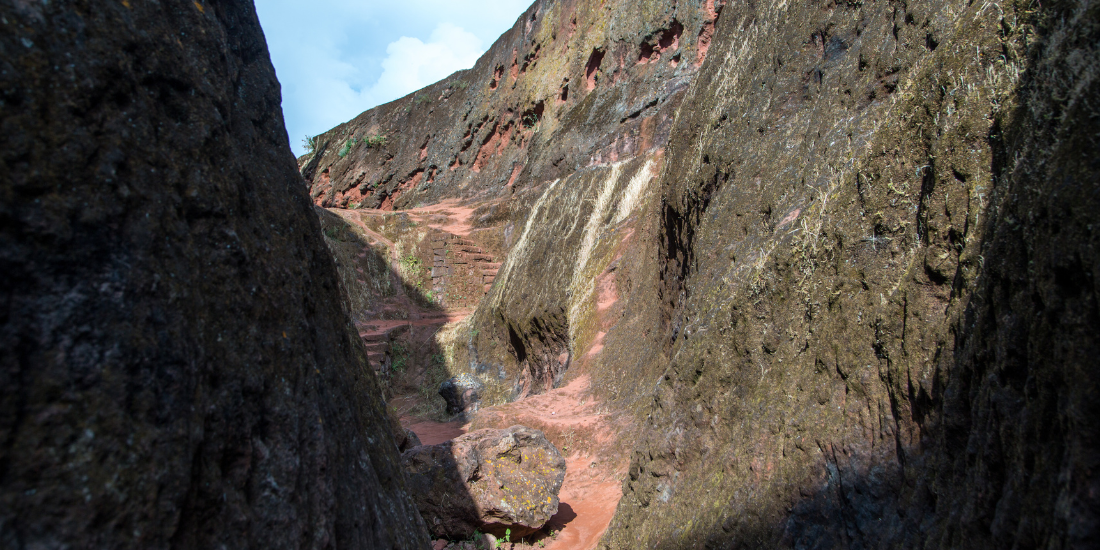
Sacred Stone Marvels: Lalibela’s Subterranean Sanctuaries
Overview: Carved directly into volcanic rock in the 12th century, the Rock-Hewn Churches of Lalibela represent one of Ethiopia’s most extraordinary architectural and spiritual achievements. These monolithic churches were created as a “New Jerusalem” for pilgrims, making Lalibela a significant center of Ethiopian Orthodox Christianity. Walking through these labyrinthine stone structures, you get a sense of timeless devotion and masterful craftsmanship.
Visiting Lalibela offers a glimpse into a world where faith and geology intertwine. The churches are interconnected by tunnels and trenches, each telling stories carved in stone, frescoes, and religious relics. The entire complex remains a living place of worship, with pilgrims and clergy maintaining ancient traditions that have survived for centuries.
This UNESCO World Heritage Site not only stuns visitors with its sheer scale and artistry but also invites reflection on the resilience of culture and spirituality. For many travelers, Lalibela is a profound encounter with history, faith, and the power of human ingenuity.
Location: Lalibela is located in the Amhara region of northern Ethiopia, perched high in the Ethiopian Highlands. The town sits approximately 645 kilometers north of the capital, Addis Ababa, surrounded by rugged mountains and dramatic landscapes that add to its mystique.
Accessing Lalibela typically involves a domestic flight from Addis Ababa to Lalibela Airport, which takes about an hour. The region’s remote setting preserves the town’s traditional atmosphere, but travelers should be prepared for the altitude and cooler temperatures, especially in the early morning and evening.
Because of its cultural importance and pilgrimage traffic, Lalibela sees a steady flow of visitors year-round, though it remains quieter outside of major religious holidays.
Top Highlights:
Church of St. George (Bete Giyorgis): The most famous and iconic church, shaped like a cross and carved entirely from a single block of granite. Its precise craftsmanship and dramatic setting make it a must-see and a favorite photo spot.
Other Rock-Hewn Churches: Lalibela hosts 11 medieval monolithic churches, each with its own architectural style and spiritual significance. Highlights include Bete Medhane Alem, one of the largest rock-hewn churches in the world, and Bete Maryam, known for its intricate frescoes.
Pilgrimage Experience: Throughout the year, especially during Ethiopian Orthodox festivals like Genna (Christmas) and Timkat (Epiphany), pilgrims flock to Lalibela to participate in vibrant ceremonies, traditional music, and prayer rituals that bring the ancient churches to life.
Underground Tunnels and Passages: Wander through the network of tunnels connecting the churches, offering a mysterious and intimate glimpse into how these sacred spaces were designed to be part of a unified spiritual complex.
Local Culture: Beyond the churches, Lalibela’s local markets and traditional homes provide insight into Ethiopian life. Interactions with locals and witnessing their deep religious devotion add layers of meaning to the visit.
Cost: Visitors pay an entrance fee to access the rock-hewn churches, which supports ongoing conservation and religious activities. The fee is roughly $50 USD for foreign tourists, with discounts available for students and children. Additional costs may include guided tours, which many travelers find invaluable for understanding the complex history and symbolism of the churches.
Accommodation and food in Lalibela are generally affordable, with options ranging from budget guesthouses to mid-range hotels. Hiring a local guide is recommended to enrich your experience, though this comes at an extra cost.
Top Tip: Wear comfortable walking shoes suitable for uneven stone surfaces and be prepared for some climbing. Respect local customs—modest dress is advised, and photography inside churches is often restricted. Visiting early in the morning or late afternoon helps avoid the midday heat and crowds.
If you want a truly immersive experience, try to time your visit during a religious festival when the town bursts with color, music, and spirituality, but be ready for larger crowds and more bustling streets.
Iconic Photo Spot: The view of the Church of St. George from the surrounding ridge offers one of the most famous and breathtaking photo opportunities in Ethiopia. Capturing the church’s cross shape carved into the red volcanic rock against the backdrop of the vast Ethiopian highlands is a photographer’s dream.
7.) Table Mountain, Cape Town, South Africa

Nature’s Fortress: Table Mountain’s Majestic Plateau
Overview: If you’ve ever wanted to stand on a mountain that feels like the world’s most spectacular rooftop, Table Mountain is the place to do it. Dominating Cape Town’s skyline with its iconic flat-topped summit, this UNESCO World Heritage site is one of the most recognizable natural landmarks on Earth. Known as the “Table” by locals, it offers panoramic views, dramatic weather shifts, and an unforgettable connection to nature.
At over 1,000 meters above sea level and stretching across a broad plateau, Table Mountain is a symphony of rock, fynbos, and sky. But it’s more than just a mountain—it’s an outdoor lover’s dreamland. Think cable car rides with panoramic views, hiking trails from beginner to expert, adrenaline-pumping abseils, sunrise and sunset spectacles, and botanical gardens bursting with endemic flora.
Whether you’re gliding up in a rotating cable car, scrambling along scenic hiking paths, or relaxing with a coffee at the summit café while gazing out over the Atlantic Ocean, a visit to Table Mountain is an experience that engages all your senses. This is not just a climb—it’s an adventure on nature’s grandest stage.
Where: Table Mountain rises just outside Cape Town’s city center in South Africa and forms part of the expansive Table Mountain National Park. The base of the mountain, accessible by car or public transport, hosts the cableway station and trailheads. The aerial cable car whisks visitors up from Tafelberg Road, offering an easy ascent, while multiple hiking trails start at various points around the mountain.
Top Highlights
The Cable Car Experience is often the first step for visitors, providing a smooth and scenic ride to the summit. The rotating cabins offer 360-degree views of Cape Town, Table Bay, Robben Island, and the surrounding coastline, making the ascent a stunning visual journey.
Hiking Trails give adventurers a chance to explore the mountain’s natural beauty on foot. The popular Platteklip Gorge trail offers a direct, steep climb to the top, while Skeleton Gorge provides a lush, shaded route starting from Kirstenbosch Botanical Gardens. Trails vary in length and difficulty, each rewarding hikers with breathtaking vistas.
Sunset and Sunrise Expeditions transform Table Mountain into a place of magic. Watching the city below bathed in warm golden light, or greeting the day from the summit as the sun rises over the ocean, creates memories that last a lifetime.
Abseiling Adventure is perfect for adrenaline seekers. Guided abseils off Table Mountain’s vertical cliffs offer a thrilling way to descend and see the mountain’s dramatic geology up close. Safety is paramount, and the experience is both exhilarating and unforgettable.
Floral Kingdom Exploration reveals the mountain’s botanical wonders. Table Mountain lies within the Cape Floristic Region, a UNESCO World Heritage Site, and hosts thousands of plant species, many endemic to the area. Colorful proteas, delicate orchids, and unique fynbos plants carpet the slopes.
Wildlife Encounters add life to the rocky landscape. Klipspringers (mountain antelopes), dassies (rock hyraxes), and an array of birdlife including sunbirds and sugarbirds inhabit the mountain, providing natural charm and intrigue.
Photography Hotspots such as Signal Hill and Lion’s Head frame Table Mountain beautifully against Cape Town’s urban and ocean backdrop. Sunrise and sunset are especially photogenic, offering spectacular lighting for unforgettable shots.
Historical Significance connects visitors with the mountain’s cultural and spiritual heritage. Learn about San rock art, early colonial exploration, and the mountain’s significance in local folklore and indigenous traditions.
Table Mountain Café at the summit offers a welcome spot to relax and refresh. With outdoor seating and panoramic views, it’s the perfect place to enjoy a meal or coffee after your ascent.
Sustainable Tourism efforts are crucial to preserving Table Mountain’s fragile ecosystem. Visitors are encouraged to stick to marked trails, respect wildlife, and practice Leave No Trace principles to protect this natural wonder for future generations.
Cost: Visiting Table Mountain offers options for all budgets. Cable car tickets cost around 350 South African Rand (approximately $20 USD) for a return trip. Hiking is free and offers a more physically challenging but rewarding experience. Guided hikes and abseiling tours range from $50 to $150 USD depending on duration and difficulty.
Accommodations in Cape Town range from budget hostels starting at $15 USD per night to luxury hotels and boutique lodges costing $200 to $500 USD per night, many with spectacular views of Table Mountain. Booking cable car tickets in advance, especially during peak seasons, is recommended to avoid queues.
Top Tip: Check weather conditions before visiting—Table Mountain’s summit is often shrouded in clouds, which can obscure views and affect cable car operations. Wear sturdy shoes and layered clothing, bring sunscreen and water, and book cable car tickets ahead for a smooth experience. For hikers, start early to beat the heat and crowds.
Also: While the cable car is the easiest ascent, don’t miss out on the hiking trails for a more intimate mountain experience. Abseiling requires booking with certified operators only. Respect local guidelines and conservation efforts to keep Table Mountain pristine.
Iconic Photo Spot: The cable car itself offers incredible photo opportunities during the ascent and descent. For panoramic shots, Signal Hill and Lion’s Head provide perfect vantage points framing Table Mountain against the city and ocean. Sunrise from the summit is a bucket-list moment for photographers and nature lovers alike.
Final Word: Table Mountain is not just a peak—it’s an epic encounter with nature, culture, and adventure all rolled into one. Whether you come for the views, the hikes, the adrenaline, or simply the awe of standing atop one of the world’s great natural icons, Table Mountain promises a visit that will stay with you forever. Come for the climb. Leave with your spirit lifted and your camera full.
For a full guide on visiting The Pyramids of Egypt Click Here.
8.) Avenue of the Baobabs, Madagascar
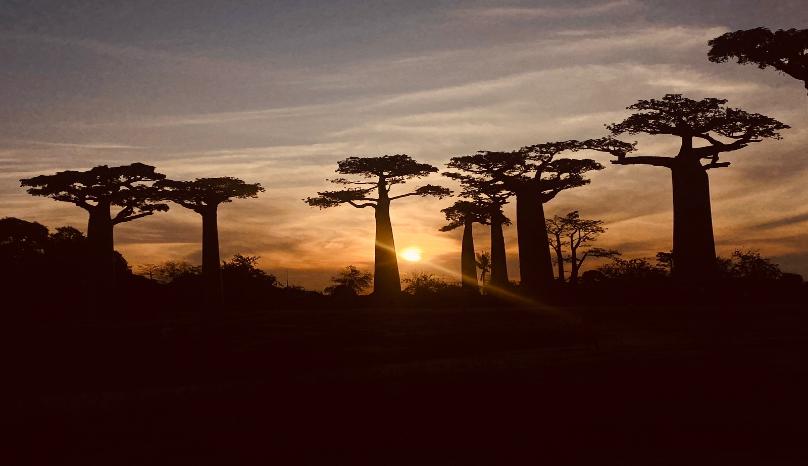
Ancient Giants: The Timeless Beauty of Avenue of the Baobabs
Overview: If you’ve ever dreamed of walking through a surreal forest of towering, ancient trees that look like they’ve come straight out of a fantasy novel, the Avenue of the Baobabs is your destination. Nestled in western Madagascar, this iconic stretch of dirt road is lined with massive baobab trees—some over 800 years old—that rise like natural skyscrapers against the skyline. Known locally as “Reniala,” or “Mother of the Forest,” this striking avenue is a symbol of Madagascar’s unique biodiversity and cultural heritage.
Stretching about 2 kilometers between Morondava and Belon’i Tsiribihina, the Avenue of the Baobabs is more than a scenic stop—it’s an immersive experience into a landscape shaped by time, culture, and nature. The trees’ thick, swollen trunks and bare branches silhouetted against vibrant sunrises and sunsets create one of the world’s most unforgettable photo ops.
Whether you’re wandering beneath these colossal sentinels in the golden light of dawn, snapping photos in the fiery hues of dusk, or simply soaking in the ancient atmosphere, the Avenue of the Baobabs offers a magical connection to the wild heart of Madagascar.
Where: The Avenue of the Baobabs lies near the small town of Morondava on Madagascar’s west coast. It’s easily accessible by car or guided tour from Morondava, which serves as the main base for visitors. The closest airport is Morondava Airport, with connections from Antananarivo, Madagascar’s capital.
Top Highlights
The Baobab Trees themselves are the stars of the show. Known as “the upside-down trees” for their peculiar shape—bare branches resembling roots—they can reach heights of 30 meters and trunk diameters up to 11 meters. These ancient giants dominate the landscape, offering a glimpse into Madagascar’s ecological wonder.
Sunrise and Sunset Views are truly spectacular. The soft morning light bathes the baobabs in warm hues, while the sunset transforms the sky into a canvas of fiery reds and oranges. Photographers flock here to capture the perfect silhouette shots against dramatic skies.
Local Culture adds depth to the visit. The baobabs are sacred to local Malagasy communities, who use the trees for traditional medicine and folklore. Nearby villages offer craft markets and opportunities to learn about Malagasy customs and lifestyle.
Guided Walks provide a richer experience. Knowledgeable local guides share stories about the baobabs’ ecological role, their resilience in harsh climates, and their significance in Malagasy culture. Walking beneath the towering trunks becomes a journey through time and tradition.
Nighttime Stargazing is a hidden gem. With little light pollution, the Avenue transforms into an astronomer’s paradise after dark. The clear skies reveal the Milky Way in vivid detail, making it a perfect spot for night photography or simply soaking in the cosmos.
Nearby Kirindy Forest Reserve is a worthwhile detour. Just a short drive away, this dry deciduous forest is home to endemic wildlife like the elusive fossa, various lemur species, and rare birds, adding a thrilling wildlife element to your Madagascar itinerary.
Photography Hotspots along the Avenue include the classic stretch near the main road, where symmetrical rows of baobabs line the horizon, and lesser-known trails that reveal more secluded and intimate views of these natural monuments.
Conservation Efforts are critical to protecting the baobabs and their habitat. Visitors are encouraged to respect the environment by staying on designated paths and supporting local initiatives aimed at preserving this unique ecosystem.
Accessibility is straightforward but requires planning. The best times to visit are during the dry season from April to November when roads are passable and the weather is clear. Renting a 4x4 or hiring a local driver is recommended for comfort and safety.
Cost: Visiting the Avenue of the Baobabs is budget-friendly, with no entrance fees to the site itself. Guided tours and transport from Morondava typically cost between $20 and $50 USD depending on the duration and inclusions. Kirindy Forest Reserve has an entrance fee around $10 USD.
Accommodations range from basic guesthouses in Morondava for as little as $15 USD per night to mid-range lodges costing $50 to $100 USD. For a more immersive experience, eco-lodges near the baobabs offer rustic charm amid nature.
Top Tip: Time your visit for sunrise or sunset to witness the baobabs in their most dramatic light. Bring a tripod for photography, insect repellent, water, and sturdy footwear. Respect the local customs and environment—avoid climbing the trees or disturbing wildlife. While exploring independently is possible, hiring a local guide enriches your understanding and supports the community. Road conditions can be rough, so allow extra travel time and be prepared for a bit of adventure.
Iconic Photo Spot: The classic shot is from the main dirt road stretch near the village of Belon’i Tsiribihina, where the baobabs stand tall in a perfect line, silhouetted against the vibrant sky. For unique angles, explore the quieter side paths and capture the towering trunks from below.
Final Word: The Avenue of the Baobabs is not just a scenic stop—it’s a journey into the soul of Madagascar’s landscape and culture. Towering trees, rich traditions, and breathtaking light combine to create a timeless experience. Whether you’re a nature lover, photographer, or curious traveler, this avenue will leave you awestruck and deeply connected to one of the planet’s most extraordinary places. Come for the trees. Leave with your spirit rooted in wonder.
For a full guide on visiting Madagascar Click Here.
9.) Mount Kilimanjaro, Tanzania

Roof of Africa: Conquering Kilimanjaro’s Summit
Overview: Mount Kilimanjaro, the tallest peak in Africa, stands as a towering challenge and a breathtaking spectacle for climbers from around the world. Rising 5,895 meters above sea level, this dormant volcano is famed not only for its impressive height but also for the remarkable variety of ecosystems climbers traverse—from lush rainforests to alpine deserts and icy glaciers at the summit.
Climbing Kilimanjaro is a unique blend of physical endurance, stunning natural beauty, and cultural immersion. Unlike many high-altitude climbs, Kilimanjaro does not require technical mountaineering skills, making it accessible to well-prepared trekkers who are ready to push their limits. Each route up the mountain offers different experiences, landscapes, and levels of difficulty, providing a memorable journey tailored to a range of adventurers.
Where: Located in northeastern Tanzania near the Kenyan border, Kilimanjaro is part of Kilimanjaro National Park, a UNESCO World Heritage Site. The two main towns serving as gateways to the climb are Moshi and Arusha, both offering necessary logistics, accommodations, and guided tours.
Top Highlights
Diverse Climate Zones: The climb takes you through five distinct climate zones, starting from tropical rainforest at the base, moving through heath and moorland, alpine desert, and finally to the arctic summit zone. This variety means trekkers experience an incredible range of flora, fauna, and weather conditions on a single ascent.
Multiple Routes: Kilimanjaro boasts several popular routes, including Marangu (the “Coca-Cola” route), Machame (“Whiskey” route), Lemosho, Rongai, and Shira. Each has its own character: Marangu is considered the easiest with hut accommodations, while Machame and Lemosho are favored for their scenic views and camping experiences. Choosing the right route depends on your fitness, time, and adventure preferences.
Summit Experience: Reaching Uhuru Peak at 5,895 meters is a moment of triumph and awe. The final ascent typically starts around midnight to catch the sunrise from the crater rim, bathing the vast African plains in golden light. The altitude challenge is significant, and acclimatization is key to success.
Wildlife and Flora: Along the way, climbers may spot unique wildlife such as colobus monkeys, bushbucks, and various bird species. The plant life changes dramatically as you ascend, from towering forests to giant lobelias and groundsels near the summit.
Cultural Encounters: The climb often involves interactions with local Chagga guides and porters, whose knowledge and support are invaluable. Visitors get a glimpse of local Tanzanian culture and the spirit of hospitality.
Physical and Mental Challenge: Kilimanjaro is as much a mental challenge as a physical one. Altitude sickness, changing weather, and the endurance needed to trek long days require preparation, determination, and resilience.
Conservation Efforts: Kilimanjaro National Park authorities and local organizations promote sustainable tourism to protect this iconic mountain’s fragile environment. Visitors are encouraged to minimize waste, respect wildlife, and support local communities.
Practical Tips: Proper gear is essential, including layered clothing, sturdy boots, sun protection, and a good sleeping bag. Allow extra days for acclimatization to increase summit success rates. Booking with reputable guides who adhere to safety and ethical standards enhances both your experience and the welfare of porters.
Cost: Kilimanjaro climbs vary widely in price depending on the route, length, and quality of services. Budget treks might start around $1,500 USD, while luxury options with fewer climbers, higher porter-to-client ratios, and premium accommodations can exceed $4,000 USD. This typically includes park fees, guides, porters, meals, and equipment rental.
Iconic Photo Spot: The summit itself offers unparalleled panoramic views and the chance to capture the famous sign marking Uhuru Peak. Along the way, the Shira Plateau and Lava Tower provide dramatic photo opportunities framed by Kilimanjaro’s volcanic landscape.
Final Word: Climbing Mount Kilimanjaro is a transformative journey, combining natural grandeur, personal achievement, and cultural connection. Whether you’re a seasoned trekker or a first-time high-altitude climber, the mountain’s majestic presence and the thrill of standing “on top of Africa” will stay with you long after the descent.
For a full guide on visiting Mount Kilimanjaro Click Here.
10.) Petra, Jordan
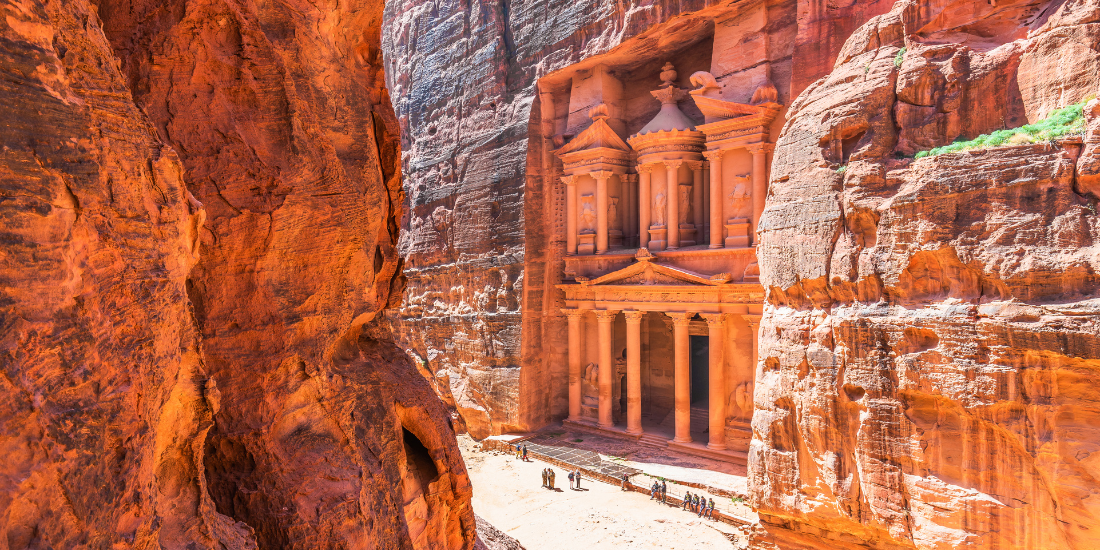
Rose-Red City: Unveiling the Wonders of Petra
Overview: Petra, often called the “Rose-Red City” for the warm hues of its rock-cut architecture, is one of the world’s most extraordinary archaeological sites. Nestled in a rugged desert canyon in southern Jordan, Petra was once the thriving capital of the Nabataean Kingdom and is now a UNESCO World Heritage Site drawing visitors eager to step back into ancient history and marvel at the ingenuity of this lost civilization.
Petra is famed for its stunning rock-carved façades, intricate water conduit systems, and labyrinthine passages. The city’s remarkable preservation and dramatic setting make it a must-visit for history buffs, adventure seekers, and culture lovers alike. Wandering through its narrow Siq gorge, visitors are transported into a world where nature and human craftsmanship blend seamlessly, revealing centuries of trade, religion, and life carved directly from sandstone.
Where: Located in southern Jordan, Petra is approximately 240 kilometers south of Amman, Jordan’s capital. The nearby town of Wadi Musa serves as the gateway to Petra, providing accommodations, restaurants, and tour services.
Top Highlights
The Siq: Your journey into Petra begins with the Siq, a narrow, winding gorge stretching about 1.2 kilometers. This natural passage, flanked by towering sandstone cliffs rising up to 80 meters, sets a dramatic stage. Walking through the Siq builds anticipation as light filters through the rocks, and ancient carvings and water channels reveal the ingenuity of the Nabataeans.
The Treasury (Al-Khazneh): Emerging suddenly at the end of the Siq, the Treasury is Petra’s most iconic monument. This elaborate façade carved out of pink sandstone stands nearly 40 meters high and is believed to have been a mausoleum or temple. Its intricate Corinthian columns, sculpted figures, and detailed friezes epitomize Nabataean artistry and engineering.
The Street of Facades: Beyond the Treasury lies the Street of Facades, a broad avenue lined with the remains of monumental Nabataean tombs and dwellings. These façades, carved directly into the rock, showcase a variety of architectural styles and offer insight into the city’s wealth and social structure.
The Royal Tombs: Situated higher up on the cliffs overlooking Petra, the Royal Tombs are a series of grandiose facades including the Urn Tomb, Silk Tomb, Corinthian Tomb, and Palace Tomb. Each is uniquely decorated and reveals the grandeur with which the Nabataean elite commemorated their dead.
The Monastery (Ad-Deir): A highlight of any Petra visit, the Monastery is a massive, nearly 50-meter-wide rock-cut structure that rivals the Treasury in scale and beauty. Reached via a steep climb of around 800 steps, the effort is rewarded with stunning views and a sense of serene isolation.
The Great Temple: This archaeological complex reveals Petra’s role as a political and religious center. Excavations have uncovered a large temple with impressive colonnades, altars, and open courtyards, illustrating the city’s sophisticated urban planning.
High Place of Sacrifice: For panoramic views and a spiritual connection, trek to the High Place of Sacrifice, an ancient ceremonial site atop a cliff. Here you’ll find carved altars, sacrificial vessels, and spectacular vistas of the Petra valley below.
Roman Theater: Reflecting Petra’s later integration into the Roman Empire, this well-preserved theater once seated thousands and hosted performances and gatherings. It is carved into the mountainside and exemplifies the blending of Nabataean and Roman culture.
Petra by Night: Experience Petra illuminated by candlelight during special evening tours. Walking through the Siq and sitting before the Treasury bathed in soft, flickering light creates a magical and mystical atmosphere unlike any daytime visit.
Local Culture and Bedouin Hospitality: Engage with the local Bedouin communities, who have lived in the region for centuries. Traditional music, tea, handicrafts, and storytelling add a rich cultural layer to your visit.
Adventure Trails: Beyond the main sights, Petra offers hiking opportunities to lesser-visited areas such as the Byzantine Church, the Garden Tomb, and various mountain trails. These paths reward explorers with solitude, wildlife sightings, and breathtaking vistas.
Practical Tips: Wear sturdy walking shoes—the terrain can be uneven and rocky. Bring plenty of water, sunscreen, and a hat, as the desert sun can be intense. Start early in the day to avoid crowds and heat. Guided tours can enhance your understanding of Petra’s rich history and ensure you don’t miss hidden gems.
Cost: Entry to Petra currently costs around 50 Jordanian Dinars (approx. $70 USD) for a one-day pass, with discounts for multi-day tickets. Additional costs apply for night tours, guided experiences, and horse or camel rides. Staying in nearby Wadi Musa can vary widely in price, from budget hostels to luxury hotels.
Iconic Photo Spot: The classic Petra photo is taken from the end of the Siq, capturing the Treasury’s magnificent façade framed by the narrow gorge. Another fantastic spot is from the Monastery’s high terrace, where you can photograph the sweeping valley below and the pink-hued cliffs glowing in the sunset.
Final Word: Petra is more than an archaeological site—it’s a living tapestry of history, nature, and culture carved in stone. Whether you’re mesmerized by its architectural wonders, challenged by its rugged trails, or moved by the stories etched in its walls, Petra offers an unforgettable journey into one of the world’s most captivating ancient cities.
For a full guide on visiting Petra Click Here.
11.) Gorilla Trekking in Africa
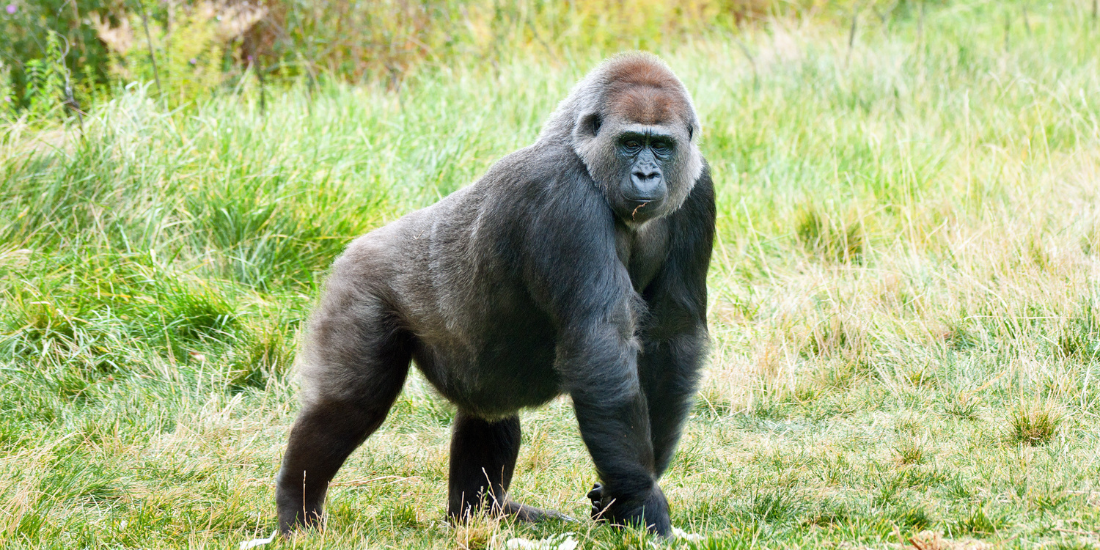
Into the Heart of the Jungle: Gorilla Trekking Adventure
Overview: Gorilla trekking in Africa is one of the most extraordinary wildlife experiences on the planet. Deep in the misty montane forests of countries like Uganda, Rwanda, and the Democratic Republic of Congo, mountain gorillas live in close-knit family groups, offering an awe-inspiring glimpse into the lives of our closest animal relatives. Trekking through lush jungles, guided by expert trackers, visitors are immersed in an unforgettable adventure that combines raw nature, conservation success, and profound connection.
Gorilla trekking is more than a safari—it’s a journey into the heart of wilderness where patience, respect, and wonder are rewarded with moments that stay with you forever. Witnessing these gentle giants in their natural habitat is not only a thrilling encounter but also a powerful reminder of the importance of preserving endangered species and fragile ecosystems.
Where: The primary gorilla trekking destinations are found in the Albertine Rift region of East and Central Africa. Uganda’s Bwindi Impenetrable Forest and Mgahinga Gorilla National Park, Rwanda’s Volcanoes National Park, and the Virunga National Park in the Democratic Republic of Congo are the main sanctuaries protecting mountain gorillas. Each location offers unique terrain, culture, and trekking experiences, with permits strictly regulated to limit human impact.
Top Highlights
Bwindi Impenetrable Forest: Located in southwest Uganda, Bwindi is a UNESCO World Heritage Site and one of the most biologically diverse places on Earth. Trekking here offers dense forest scenery and high chances of gorilla sightings. The forest is also home to other wildlife like chimpanzees, golden monkeys, and a rich bird population.
Volcanoes National Park: Situated in northwest Rwanda, this park is the historic heart of gorilla conservation, where famed researcher Dian Fossey worked tirelessly. The trekking routes vary in difficulty but offer spectacular views of volcanic peaks and opportunities to track multiple gorilla families.
Virunga National Park: Located in eastern DRC, Virunga is Africa’s oldest national park and a UNESCO World Heritage Site. Though currently more challenging to visit due to regional instability, it remains an essential stronghold for gorilla conservation with unmatched wilderness and biodiversity.
Gorilla Family Encounters: Trekking permits allow visitors to spend up to one hour with a single gorilla family. These encounters reveal the gorillas’ complex social behaviors, from gentle grooming and play to protective parenting. Watching silverbacks assert leadership or infants curiously inspect visitors is a humbling and joyous experience.
Guided Tracking Experience: Expert guides and trackers lead treks, using footprints, droppings, and sounds to locate gorilla groups. Treks can last from a few hours to a full day, requiring moderate fitness and patience, but the journey through the forest is rich with sights and sounds that enrich the adventure.
Cultural Interactions: Many gorilla trekking communities are home to indigenous groups like the Batwa pygmies or local farming villages. Cultural tours offer insights into traditional lifestyles, crafts, music, and conservation efforts that benefit both wildlife and people.
Conservation Education: Visits often include opportunities to learn about anti-poaching initiatives, veterinary interventions, and the delicate balance of eco-tourism. Understanding how gorilla trekking supports conservation helps deepen appreciation for these endangered animals and their habitats.
Other Wildlife and Flora: Beyond gorillas, the forests are alive with primates, birds, butterflies, and rare plants. Keep an eye out for golden monkeys, forest elephants, and colorful bird species that make the trek a broader wildlife experience.
Practical Tips: Wear sturdy hiking boots and comfortable, moisture-wicking clothing. Bring rain gear and insect repellent as weather can change quickly. Physical fitness is recommended, as trekking terrain is often steep and muddy. Respect park rules by maintaining distance, avoiding flash photography, and following guide instructions.
Cost: Gorilla trekking permits are tightly controlled and relatively expensive to support conservation. In Uganda, permits currently cost around $700 USD; in Rwanda, about $1,500 USD; and in the DRC, approximately $400 USD, though prices fluctuate due to political factors. Additional costs include park entry fees, guide gratuities, accommodation, and transport.
Iconic Photo Spot: While photography during the encounter is limited and should not disturb the gorillas, memorable shots are often captured when gorillas are at rest or playing. The dense forest and natural light create an atmospheric backdrop, especially when silverbacks or curious infants come close.
Final Word: Gorilla trekking in Africa is a life-changing adventure that combines thrilling wilderness exploration, intimate wildlife encounters, and vital conservation. It’s an experience that challenges and inspires, leaving visitors with a deep respect for these magnificent creatures and the forests they call home. More than a trek, it’s a journey into nature’s heart and a powerful reminder of our shared responsibility to protect it.
12.) Zanzibar, Tanzania
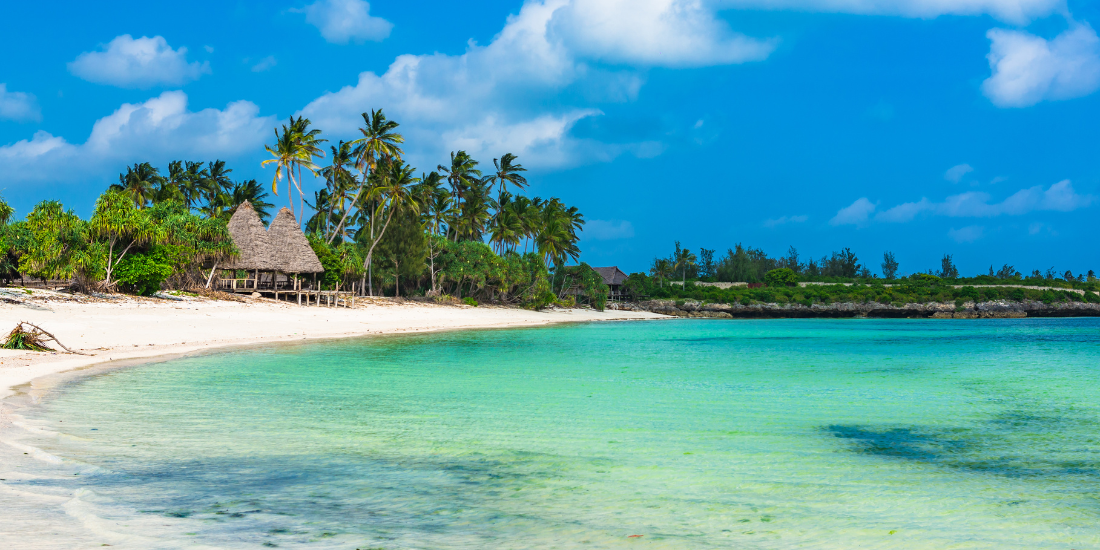
Spice Islands Paradise: Unveiling Zanzibar’s Charms
Overview: Zanzibar isn’t just a destination—it’s a sensory experience. Floating off the coast of Tanzania in the warm waters of the Indian Ocean, this tropical archipelago blends centuries of history, vibrant culture, and white-sand beaches into one unforgettable escape. Known as the “Spice Island” for its centuries-old trade in cloves, nutmeg, and cinnamon, Zanzibar offers a mix of ancient Swahili heritage, Omani influence, and barefoot-luxury tranquility.
Whether you’re wandering the maze-like alleys of Stone Town, diving among coral reefs, or sipping fresh coconut water under a palm tree, Zanzibar delivers on every tropical fantasy—while inviting you to dive deeper into its rich and storied soul.
Where: Zanzibar lies about 25–50 kilometers off mainland Tanzania in East Africa. The main island, Unguja (often referred to simply as Zanzibar), is where most visitors spend their time. It’s easily accessible via short flights or ferry rides from Dar es Salaam and Arusha. The smaller island of Pemba, to the north, offers a more off-the-beaten-path adventure.
Top Highlights
Stone Town: A UNESCO World Heritage Site, Stone Town is the historic heart of Zanzibar. With its maze of narrow streets, carved wooden doors, bustling bazaars, and crumbling coral-stone buildings, this old trading hub feels like stepping back in time. Highlights include the House of Wonders, the Old Fort, the Sultan’s Palace, and the Anglican Cathedral built atop the former slave market. Wandering its alleyways is a cultural adventure in itself.
The Beaches of Nungwi and Kendwa: On the northern tip of the island lie two of Zanzibar’s most celebrated beaches—Nungwi and Kendwa. Powdery white sand, turquoise waters, and a tide that doesn’t recede dramatically make this a perfect place for swimming and sunset strolls. Nungwi is more lively with beach bars and diving centers, while Kendwa offers a slightly quieter, romantic vibe.
Snorkeling and Diving: Zanzibar is a diver’s dream. The coral reefs surrounding the archipelago host a kaleidoscope of marine life—sea turtles, reef sharks, dolphins, and colorful fish species. Mnemba Atoll is especially renowned for its clear waters and excellent snorkeling and diving. Whether you’re a seasoned diver or a first-timer, the underwater world here is spellbinding.
Prison Island: Just a short boat ride from Stone Town, Prison Island (Changuu Island) is home to a population of giant Aldabra tortoises, some over 150 years old. Originally intended as a prison and later used as a quarantine station, the island is now a popular day-trip destination with turquoise water perfect for snorkeling and beach lounging.
Jozani Forest: Home to the rare and endemic Zanzibar red colobus monkey, Jozani Chwaka Bay National Park is the island’s only national park and a hotspot for biodiversity. Elevated boardwalks let you explore the mangroves and tropical forest while spotting monkeys, butterflies, and medicinal plants.
Spice Tours: Zanzibar’s spice farms are living time capsules that transport visitors into the island’s aromatic legacy. Guided spice tours let you smell, taste, and touch everything from vanilla vines to turmeric roots. It’s an immersive and delicious way to learn about the crops that made Zanzibar famous.
The Rock Restaurant: One of the world’s most photogenic dining spots, The Rock Restaurant sits perched on a coral rock in the Indian Ocean, accessible by foot during low tide or boat at high tide. Serving fresh seafood with panoramic views, it’s an iconic experience you won’t forget.
Dhow Sunset Cruise: Traditional wooden dhow boats sail into the golden horizon every evening, offering a magical way to close out a day on the island. These cruises often include music, snacks, and drinks—ideal for couples, photographers, or anyone looking to soak in the Indian Ocean magic.
Cultural Fusion and Swahili Heritage: Zanzibar’s position as a trading port brought together African, Arab, Indian, and European influences, creating a unique cultural tapestry. You’ll taste it in the food, hear it in the language, and see it in the architecture. Don’t miss the chance to try local Swahili dishes like octopus curry, urojo soup, and freshly grilled seafood at a beach BBQ.
Island Hopping and Pemba: For a quieter and more remote experience, head to Pemba Island or smaller sandbanks like Nakupenda and Bawe. These postcard-perfect locations offer luxury escapes, diving expeditions, and total tranquility, away from the crowds.
Practical Tips: Dress modestly when outside of beach areas, especially in Stone Town, as Zanzibar is predominantly Muslim. Pack reef-safe sunscreen, mosquito repellent, and lightweight clothing. Carry cash in Tanzanian shillings for smaller purchases. Respect the tide schedules if you’re planning boat trips or beach walks.
Cost: Zanzibar is accessible to a wide range of travelers. Budget guesthouses in Stone Town start at around $25 USD per night, while mid-range beach resorts typically range from $100–$250 USD. Luxury beachfront villas can cost upwards of $500 USD per night. Local meals can be as little as $2–5 USD, but expect to pay more at tourist-focused restaurants. Most cultural sites in Stone Town have small entrance fees, and spice tours or dhow cruises usually range from $15 to $50 USD.
Iconic Photo Spot: The classic postcard shot is of The Rock Restaurant perched in the sea at high tide. Other stunners include sunset on Nungwi Beach, the carved Zanzibari doors of Stone Town, or drone shots of sandbanks and dhows floating over shallow reef.
Final Word: Zanzibar is more than just beaches—it’s a fusion of cultures, a sensory awakening, and a place where time moves at the pace of the tide. Whether you’re seeking barefoot luxury, culinary adventure, or historical exploration, this island delivers with heart, soul, and spice. Come for the beaches. Stay for the stories.
13.) Sahara Desert
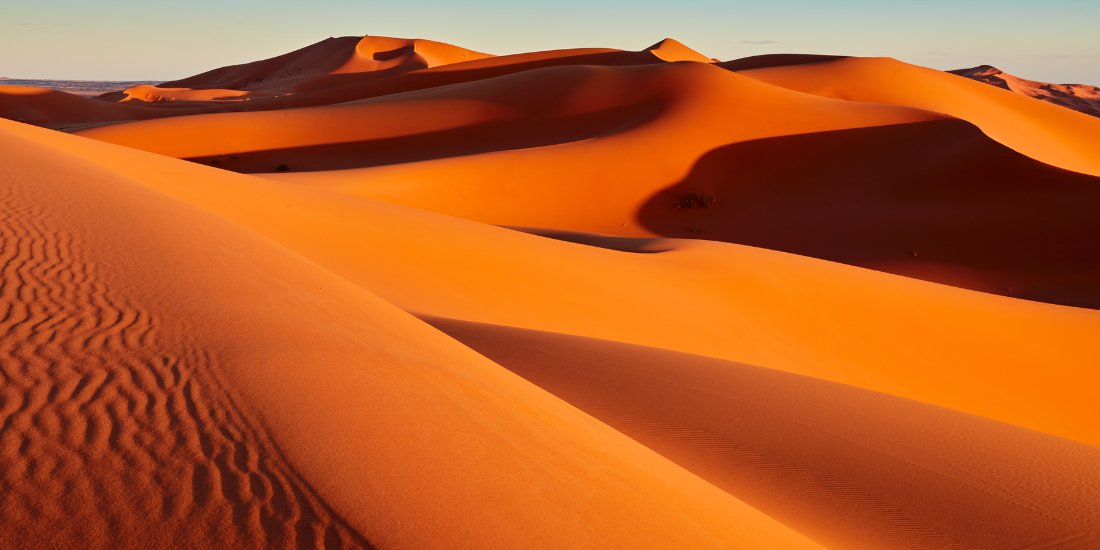
Desert Odyssey: Unveiling the Beauty of the Sahara
Overview: The Sahara Desert is more than just an expanse of sand—it’s a living, breathing epic of nature, silence, and starry skies. Spanning over 9 million square kilometers across North Africa, the Sahara is the largest hot desert in the world and a landscape that stirs the imagination with its towering dunes, ancient caravan routes, and nomadic cultures.
Here, time slows to the rhythm of the shifting sands. Days are painted in golden light and surreal silence, while nights reveal a canopy of stars so vast and unfiltered it feels like stepping into a planetarium. Whether you’re riding a camel into a sea of dunes, camping under Berber blankets by a fire, or watching the sunrise crest the Erg Chebbi dunes in Morocco, the Sahara is a place that offers stillness, wonder, and soul-shifting perspective.
Where: The Sahara stretches across eleven countries, including Morocco, Algeria, Tunisia, Egypt, Libya, Mauritania, Mali, Niger, Chad, Sudan, and Eritrea. For most travelers, the easiest access points are through Morocco (Merzouga and Zagora), Tunisia (Douz), and Egypt (Siwa Oasis or White Desert). Morocco’s Erg Chebbi and Erg Chigaga dunes are particularly popular and well-equipped for immersive desert experiences.
Top Highlights
Camel Trekking: One of the quintessential Sahara experiences, camel trekking lets you travel as desert nomads have for centuries. Swaying atop a camel’s back as you traverse undulating dunes feels timeless and surreal. Most treks are led by experienced Berber guides and last from a few hours to several days.
Erg Chebbi Dunes: Located near Merzouga in southeastern Morocco, these iconic orange dunes rise up to 150 meters high and stretch as far as the eye can see. Watching the sunrise or sunset here is nothing short of transcendent, as the colors shift from gold to fiery red to dusky pink.
Desert Camp Nights: Spend the night in a traditional Berber camp tucked into the dunes. Whether you’re glamping with plush tents and private bathrooms or opting for a more rustic setup, the experience includes traditional music, mint tea, and sleeping under one of the clearest night skies on Earth.
The Great Sand Sea: Near Siwa Oasis in Egypt and stretching into Libya, this area is home to vast dune fields, fossil beds, and magical landscapes. Sandboarding is a popular activity here, as is stargazing and hot spring soaking under moonlight.
The White Desert (Egypt): A surreal landscape of chalky white rock formations sculpted by wind and time, the White Desert (Sahara el Beyda) looks like something out of a dream. Camp among the alien-like shapes and witness the haunting beauty of sunrise or full moon nights over the limestone spires.
Berber and Tuareg Culture: Engage with the desert’s indigenous peoples, including the Berbers and Tuaregs. Their hospitality, music, cuisine, and oral traditions offer a rich cultural immersion. Learn how to tie a turban, bake bread in the sand, or play a traditional drum around a fire.
Ancient Caravan Routes and Fossils: Some tours trace the paths of old trans-Saharan trade routes or take you fossil hunting in places like Erfoud, Morocco, where remnants of prehistoric life are embedded in the desert rock. These routes once connected cities like Timbuktu, and their history adds depth to your journey.
Oasis Towns and Date Palms: Visit life-giving oases like Siwa in Egypt or M’Hamid in Morocco. These palm-fringed settlements are often surrounded by gardens, mudbrick buildings, and freshwater springs—offering welcome respite from the desert’s stark beauty.
Starry Nights: With no light pollution and endless open skies, the Sahara offers some of the best stargazing on the planet. Whether lying on a dune or sitting by a campfire, you’ll see the Milky Way stretch from horizon to horizon, shooting stars by the dozen, and a universe that humbles and inspires.
4x4 Adventures: For those craving speed and scale, 4WD desert safaris are an adrenaline-packed way to explore remote reaches of the Sahara. Bounce over dunes, stop at nomadic camps, and reach areas inaccessible by foot or camel.
Practical Tips: Dress in layers—the desert can be blistering hot by day and freezing at night. A scarf or turban helps protect against sun and sand. Bring sunglasses, sunscreen, lip balm, and a flashlight. Most desert treks require pre-arranged guides, and a strong travel insurance policy is recommended for remote travel.
Cost: Sahara experiences vary widely. A basic overnight camel trek with a camp meal in Morocco might cost $50–$100 USD per person. Luxury desert camps can cost $250–$500 USD per night, offering private tents, gourmet dining, and hot showers. Private 4x4 multi-day tours with guides often start at $400–$800 USD depending on group size and duration. Tipping your camel handlers and camp staff is customary.
Iconic Photo Spot: The crest of the Erg Chebbi dunes at sunrise is a bucket-list moment. Capture the long shadows, golden sand, and camels in silhouette. Other stunning spots include the surreal chalk sculptures in Egypt’s White Desert, the fossil-laced rock near Erfoud, and stargazing shots in a moonless Sahara night.
Final Word: The Sahara is not just a desert—it’s a feeling. A place where silence speaks, where landscapes stretch beyond imagination, and where human history and natural wonder intertwine. Whether you come for the adrenaline, the culture, or the quiet, the Sahara will shift something inside you. Come for the sand. Stay for the stars.
For a full guide on visiting The Sahara Desert Click Here.
14.) Skeleton Coast, Namibia
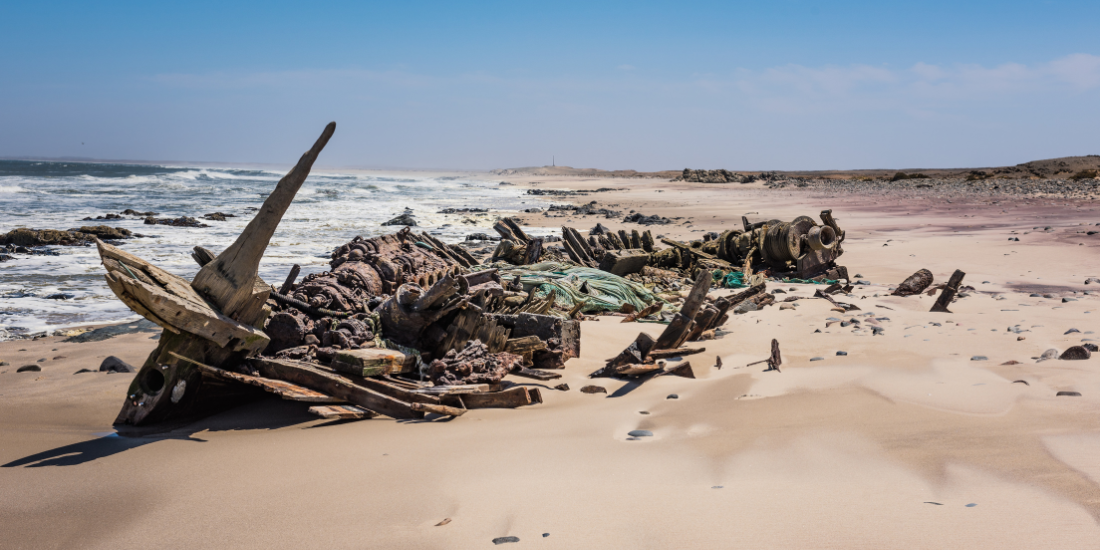
Desolation and Beauty: Unveiling the Enigma of the Skeleton Coast
Overview: The Skeleton Coast is one of the world’s most hauntingly beautiful places—a stark, surreal stretch of Atlantic coastline where sand dunes plunge into crashing surf, shipwrecks rust beneath salt-laced fog, and desert-adapted wildlife thrives against all odds. Remote and mysterious, it’s a place where nature feels raw and untamed, and where silence and scale leave an indelible impression.
Stretching along northern Namibia’s Atlantic edge, the Skeleton Coast earned its name from the countless whale bones, sun-bleached hulls, and mariner misfortunes that litter its shores. But beyond the eerie reputation lies a land of stunning contrasts—where elephants roam dunes, winds whisper through canyons, and otherworldly beauty awaits those willing to venture off the beaten path.
Where: Located in northwestern Namibia, the Skeleton Coast runs from the Kunene River in the north to the Ugab River in the south, encompassing a remote section of the Namib Desert. Access points include the coastal town of Swakopmund and the more rugged town of Terrace Bay. Much of the Skeleton Coast lies within the Skeleton Coast National Park, which requires permits for entry and is best explored with a guide or organized safari.
Top Highlights
Shipwrecks: The rusting remains of vessels scattered along the coastline are perhaps the Skeleton Coast’s most iconic feature. These ghostly hulks—like the Eduard Bohlen and Zeila—are haunting reminders of the Atlantic’s unforgiving power. Some can be seen up close on fly-in safaris, while others are stranded deep in the shifting dunes, unreachable by vehicle but dramatic from the air.
Cape Cross Seal Reserve: One of the largest colonies of Cape fur seals on the planet calls this stretch of coast home. Over 200,000 seals crowd the beach, barking, battling, and lounging amid powerful Atlantic surf. The smell is potent, but the spectacle is unforgettable, especially during pupping season when the beach teems with life.
Desert-Adapted Wildlife: Despite its harsh conditions, the Skeleton Coast hosts a surprising variety of wildlife. Desert-adapted elephants, lions, hyenas, oryx, jackals, and giraffes roam the dry riverbeds and gravel plains inland, often tracked by expert guides on fly-in safaris from lodges like Hoanib Skeleton Coast Camp.
The Roaring Dunes: Along sections of the coast, the massive dunes “roar” when disturbed—a deep, echoing sound created by millions of shifting grains of sand. This acoustic phenomenon adds to the alien ambiance of the landscape and is best experienced during dune climbs or sandboard outings.
Hoanib Valley: Deep inland from the coast, the Hoanib River cuts through an arid wilderness that supports surprising biodiversity. The valley offers opportunities for wildlife tracking, nature walks, and cultural encounters with the semi-nomadic Himba people who call this desolate region home.
Skeleton Coast Fly-In Safaris: The ultimate way to appreciate the region’s remoteness is by small aircraft. Fly-in safaris offer surreal aerial views of shipwrecks, dune seas, and fossil riverbeds, landing at exclusive camps unreachable by road. These trips combine scenic flights, expert guides, and all-inclusive luxury in one of Africa’s most pristine frontiers.
Clay Castles and Canyons: The dry Hoarusib and Hoanib rivers have carved striking geological formations like the “Clay Castles”—wind-sculpted formations of red rock and sand. Exploring these otherworldly landscapes on foot or by 4x4 reveals their hidden textures, fossils, and desert life.
Skeleton Coast National Park Gates: The southern entrance gate at Ugabmund is famously marked by a massive skull and crossbones sign, setting the tone for the eerie beauty beyond. The park’s gravel plains, shipwrecks, and restricted access make it feel like the edge of the world.
Practical Tips: Travel here requires preparation. Much of the Skeleton Coast is only accessible via guided overland tours or fly-in packages from safari operators. Permits are required for entry into Skeleton Coast National Park. Bring warm layers—coastal fog can make mornings chilly—and a good camera with a zoom lens for capturing wildlife and distant shipwrecks.
Cost: Overland tours along the Skeleton Coast typically cost $300–$600 USD per person per day, depending on group size, duration, and inclusions. Fly-in safaris—departing from Windhoek or Swakopmund and including luxury accommodation—can cost between $1,200 and $2,500 USD per person per night. These often include scenic flights, meals, park fees, and guided excursions. Basic self-drive access is limited and requires a 4x4, permits, and plenty of advance planning.
Iconic Photo Spot: Capture the surreal contrast where dunes meet ocean near Möwe Bay or frame a rusted shipwreck half-buried in sand. Aerial shots taken during fly-in safaris—especially of the Eduard Bohlen lying inland like a beached ghost ship—are especially dramatic. The foggy, wind-swept beaches at sunrise are haunting and atmospheric.
Final Word: The Skeleton Coast is not your typical safari destination—it’s a place of isolation, stark beauty, and whispered stories in the sand. Whether you’re gazing out at an endless horizon, marveling at a seal-covered beach, or flying over shipwrecks frozen in time, it’s a reminder that the wildest places are often the most unforgettable. Come for the edge-of-the-earth drama. Leave with a deeper sense of awe.
For a full guide on visiting The Skeleton Coast Click Here.
15.) Mauritius: Le Morne and Dolphin Delight
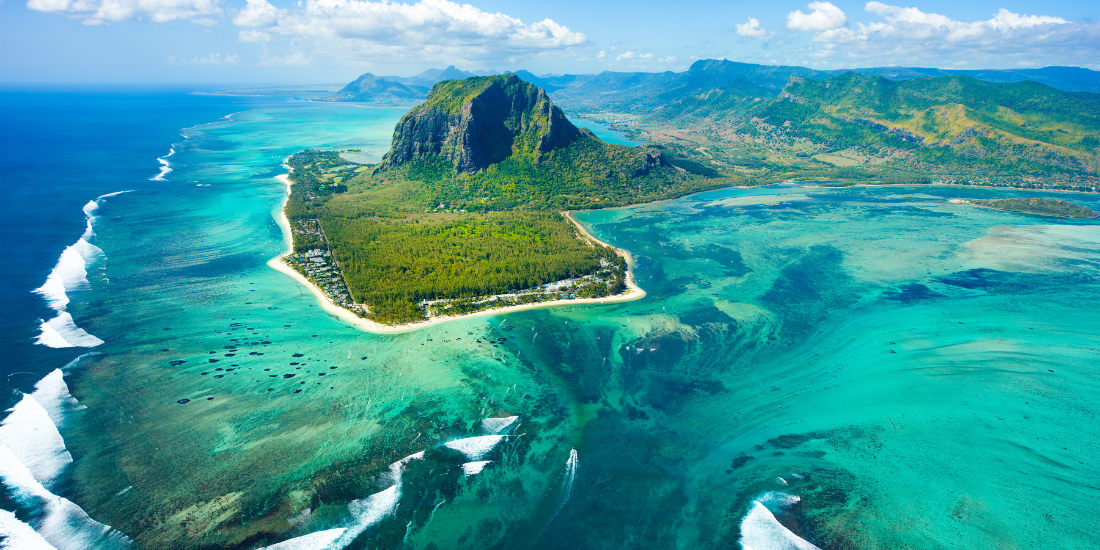
Tropical Elegance: Discovering Mauritius’ Beauty
Overview: Mauritius isn’t just another tropical island—it’s a living kaleidoscope of cultures, landscapes, and experiences. Rising from the turquoise waters of the Indian Ocean, this volcanic island dazzles with its white-sand beaches, dramatic mountain peaks, vibrant towns, and rich Creole-Indian-French heritage. It’s as much about lazy lagoon days and beachside luxury as it is about spicy street food, rainforest hikes, and colonial echoes.
From underwater waterfalls (yes, really) to Hindu temples and sugarcane fields that stretch to the sea, Mauritius feels both indulgently laid-back and endlessly adventurous. Whether you want to dive coral reefs, hike through rainforest, or sip rum with your toes in the sand, the island rewards every kind of traveler with warm hospitality and a sense of easy magic.
Where: Mauritius lies in the Indian Ocean about 2,000 km off the southeast coast of Africa, east of Madagascar. The island is well-connected via Sir Seewoosagur Ramgoolam International Airport (MRU), and most visitors base themselves along the coast, in resort towns like Grand Baie, Flic-en-Flac, or Belle Mare.
Top Highlights
Le Morne Brabant: This UNESCO World Heritage site is more than just a stunning mountain—it’s a symbol of freedom. Once a refuge for escaped slaves, Le Morne is now a hiking haven offering panoramic views of the surrounding lagoons and reef. The moderate-to-challenging climb is worth every step for the sweeping summit vistas and historical resonance.
Chamarel Seven-Coloured Earths: A surreal natural phenomenon, this series of sand dunes in red, purple, yellow, and blue hues appears almost painted. Caused by volcanic activity and mineral-rich soil, the dunes don’t mix despite rainfall—creating a layered rainbow ripple effect. While here, don’t miss the nearby Chamarel Waterfall, one of the island’s tallest and most dramatic.
Île aux Cerfs: A tropical postcard come to life, Île aux Cerfs is a private island off the east coast known for its powdery beaches and crystalline waters. Day trips include snorkeling, parasailing, or simply lounging with a cocktail in hand. It’s popular but rarely feels crowded thanks to its size and layout.
Port Louis: Mauritius’ capital city is a whirlwind of colors, cultures, and markets. Visit the Central Market for fresh fruit, spices, and souvenirs, then stroll to the Caudan Waterfront for waterfront shopping, museums, and views of the harbor. Don’t miss the Blue Penny Museum, home to one of the world’s rarest stamps.
Grand Bassin (Ganga Talao): A sacred crater lake nestled in the highlands, Grand Bassin is one of the most important Hindu pilgrimage sites outside India. Surrounded by statues of deities and home to a towering statue of Lord Shiva, it’s a peaceful, spiritual stop where monkeys mingle with devotees.
Black River Gorges National Park: For lovers of nature and hiking, this mountainous national park is a dream. Crisscrossed with trails through lush rainforest and home to endemic birds and waterfalls, it’s a breath of fresh, misty air away from the coast’s heat.
Underwater Waterfall Illusion: Off the coast of Le Morne, an optical illusion created by sand and current makes it look like the sea floor is plummeting into an abyss. Best seen from the air (via helicopter tours), it’s a bucket-list photo op that makes jaws drop.
Beaches and Lagoons: The entire coastline is fringed with beaches, but some standouts include the quiet crescent of Trou aux Biches, the party vibes of Grand Baie, the surf of Tamarin, and the long white sands of Belle Mare. Shallow lagoons protected by coral reef make for excellent swimming and snorkeling.
Local Food Culture: With Indian, Creole, French, and Chinese influences, Mauritian cuisine is bold and delicious. Sample street-side dholl puri (stuffed flatbread), rougaille (tomato-based stew), vindaye (curried fish), or octopus salad. Markets and roadside stalls are as rewarding as five-star restaurants.
Diving and Snorkeling: With colorful reefs, underwater caves, and healthy marine life, Mauritius is a diver’s paradise. Popular sites include Cathedral (a dramatic rock formation) and Coin de Mire, while snorkelers will love Blue Bay Marine Park with its shallow, fish-filled waters.
Rum Distilleries: Visit a local rum distillery—like Rhumerie de Chamarel or Saint Aubin—for a tour of sugarcane fields, tastings of spiced or aged rums, and a chance to understand the island’s colonial and agricultural past.
Practical Tips: Mauritius has a mild tropical climate, but cyclone season runs from January to March. English and French are widely spoken. Renting a car gives you freedom to explore inland, but drive on the left. Tap water is safe to drink in most areas, but bottled is readily available. Tipping is appreciated but not mandatory.
Cost: Mauritius offers something for every budget. Backpacker lodges and guesthouses start from $25–50 USD per night, while mid-range resorts range from $100–250 USD. Luxury beachfront hotels like The Oberoi or Constance Prince Maurice can run upwards of $500–800 USD per night. Island tours, rum tastings, and boat excursions usually cost between $30–120 USD per person, while scuba diving starts at around $60 USD per dive. Entry to national parks is free or low-cost.
Iconic Photo Spot: Le Morne Brabant at sunrise, captured from the beach with the mountain reflected in glassy water, is an iconic Mauritian image. Another stunner? The aerial view of the Underwater Waterfall illusion from a scenic flight, or drone shot if you’re licensed.
Final Word: Mauritius is more than just a beach destination—it’s a fusion of nature, culture, adventure, and laid-back luxury. Whether you’re diving coral reefs, trekking rainforest trails, or tasting Creole curries by the sea, the island is a vibrant, welcoming escape that leaves every traveler a little sun-kissed and a lot enchanted. Come for the beaches, stay for the blend of stories, spice, and soul.
16.) Safari at Kruger National Park, South Africa
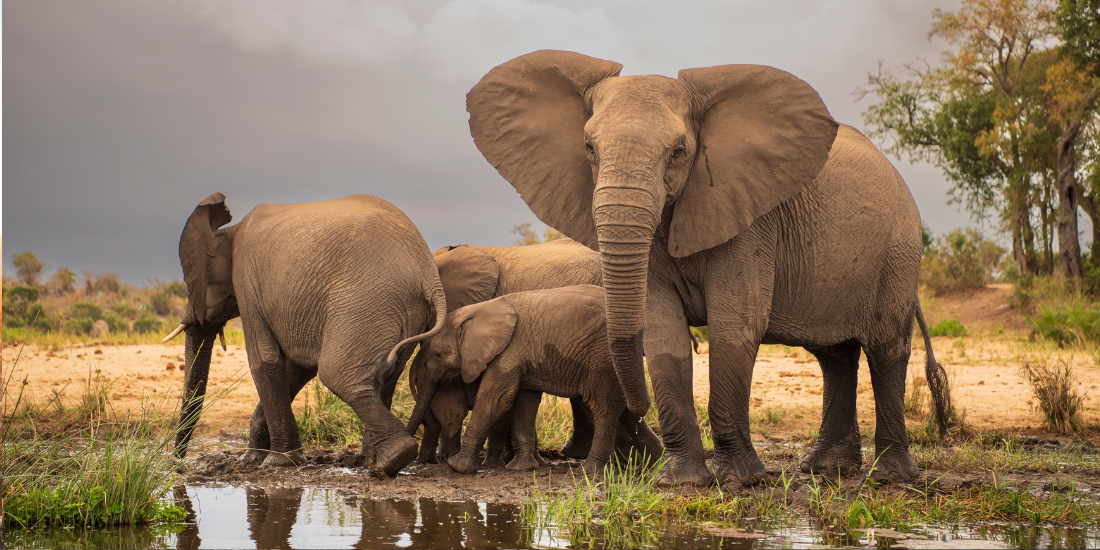
Wilderness Wonderland: Safari Adventures in Kruger National Park
Overview: Kruger National Park is not just a safari destination—it’s a full-on immersion into the beating heart of the African wild. Spanning nearly 20,000 square kilometers across the northeast of South Africa, Kruger is one of the largest and most diverse game reserves in Africa, home to the iconic Big Five (lion, leopard, elephant, rhino, and buffalo) and hundreds of other species. Whether you’re watching elephants bathe at sunrise, tracking lions on a game drive, or listening to a hyena cackle under the stars, Kruger offers a safari experience that feels raw, real, and unforgettable.
But it’s not all rugged wilderness—Kruger caters to every kind of traveler, from self-drivers and budget campers to luxury lodge lovers and photographic safari pros. Well-maintained roads, rest camps, and top-tier guides make this one of the most accessible and rewarding parks in Africa for first-timers and seasoned adventurers alike.
Where: Located in northeastern South Africa, Kruger stretches across the provinces of Limpopo and Mpumalanga, bordering Mozambique to the east and Zimbabwe to the north. The park can be accessed by road or via regional airports such as Skukuza, Hoedspruit, or Nelspruit (Mbombela). Johannesburg is about a 5- to 6‑hour drive away.
Top Highlights
The Big Five: Kruger is one of the best places in the world to see all five of Africa’s most iconic animals—lion, leopard, rhino, elephant, and buffalo—often within a single game drive. Sightings are common thanks to experienced guides and vast animal populations, especially in areas like the Sabi Sands and southern Kruger.
Private Game Reserves: Bordering the main park, private reserves like Sabi Sand, Timbavati, and Manyeleti offer some of the most exclusive safari experiences in Africa. With off-road driving, intimate lodges, and fewer vehicles per sighting, these areas deliver high-end, close-up wildlife encounters without the crowds.
Self-Drive Safaris: One of Kruger’s biggest draws is the ability to explore it on your own terms. The extensive road network and clear signage make self-driving safe and easy. Rent a car, grab a map, and create your own adventure—complete with picnic stops, hideouts, and surprise encounters around every corner.
Guided Game Drives: For expert insights and increased chances of sightings, guided drives are a must. Morning, sunset, and nighttime safaris offer different perspectives of the bush, each with their own rhythm and wildlife behavior. Night drives in particular reveal nocturnal predators and creatures seldom seen by day.
Birdwatching Paradise: With over 500 bird species, Kruger is a top-tier destination for birders. From colorful lilac-breasted rollers to martial eagles and saddle-billed storks, the park’s diverse habitats—from rivers to savannas to mopane forests—offer endless feathered treasures.
Bush Walks: For those craving connection with nature on foot, bush walks led by armed rangers offer a deep-dive into the subtleties of the wild. Learn about animal tracks, medicinal plants, and insect life, and feel your senses sharpen as you tune into the rhythm of the bush.
Rest Camps and Picnic Sites: Kruger’s network of well-equipped rest camps like Skukuza, Satara, and Lower Sabie offer accommodations, shops, fuel, and restaurants. Many have riverside viewpoints and hides perfect for lazy animal-watching. Designated picnic sites with braai (BBQ) facilities let you enjoy lunch with a view—and possibly some monkey company.
Panoramic Routes: Just outside the park, South Africa’s Panorama Route offers jaw-dropping views of canyons, waterfalls, and escarpments. Combine a few days of safari with a visit to sights like Blyde River Canyon, God’s Window, and Bourke’s Luck Potholes for a diverse and unforgettable trip.
Luxury Safari Lodges: For travelers seeking comfort in the wild, Kruger’s private concessions and adjacent reserves boast some of the continent’s finest lodges. Think plunge pools, gourmet meals, starlit bush dinners, and rooms with open-air views of watering holes. Standouts include Singita, Londolozi, and Royal Malewane.
Practical Tips: Kruger is malaria-prone, so consult your doctor about prophylaxis before visiting. Mornings and evenings can be chilly even in summer—pack layers. Stick to park rules (stay in your vehicle, no speeding, respect animals’ space), and always book your camps, drives, or lodges well in advance, especially in high season (June–September).
Cost: Kruger caters to a range of budgets. Daily conservation fees are around $25 USD (for international visitors). Self-catering chalets in rest camps start around $60–$100 USD per night, while luxury lodges can range from $500 to over $2,000 USD per person per night, all-inclusive. Game drives through SANParks typically cost $25–$35 USD per person, while private lodge packages include multiple daily drives, meals, and drinks.
Iconic Photo Spot: The H10 road between Lower Sabie and Tshokwane is famous for frequent big cat sightings and iconic “Kruger safari” backdrops. For classic photos, catch a herd of elephants crossing the Letaba River or frame a sunset over the savanna with a silhouetted acacia tree.
Final Word: Kruger National Park delivers the quintessential African safari—accessible, wild, and endlessly thrilling. Whether you’re tracking predators in the early morning mist, marveling at giraffes silhouetted at dusk, or just enjoying a quiet coffee while zebras pass your camp, Kruger is where the wild things are—and where you’ll feel most alive. Come for the animals, stay for the magic.
17.) Abu Simbel Temples, Egypt
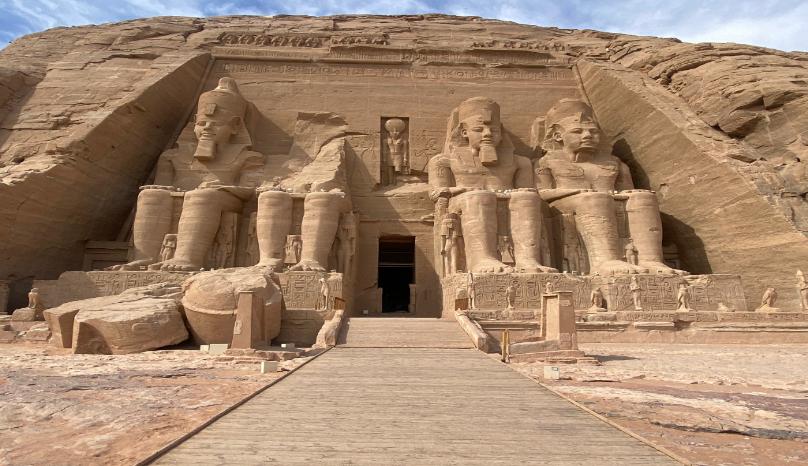
Monumental Marvels: Unveiling the Grandeur of Abu Simbel
18.) Island of Mozambique
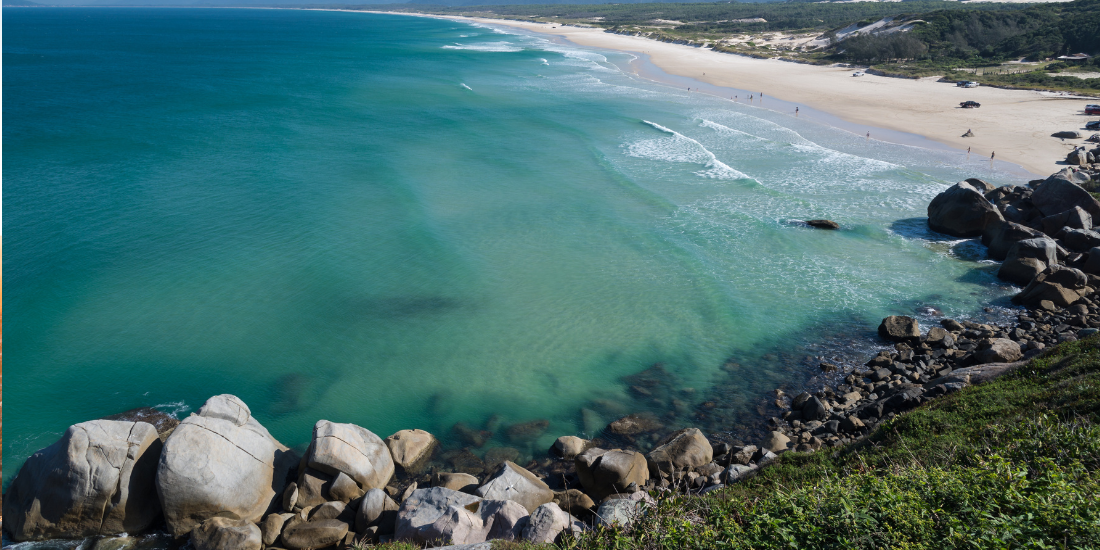
Overview: With over 2,500 kilometers of sparkling Indian Ocean coastline, Mozambique is one of Africa’s best-kept secrets. From palm-fringed beaches and coral islands to bustling markets and colonial-era towns, this vibrant destination offers an intoxicating blend of natural beauty, rich history, and laid-back charm. Whether you’re diving with whale sharks in turquoise waters, wandering through the faded grandeur of Ilha de Moçambique, or sipping coconut water beneath swaying palms, Mozambique is a place where time slows down and every day feels like a postcard.
What truly sets Mozambique apart is its untouched feel. Despite its world-class marine life, soulful music, and hospitable culture, much of the country remains blissfully under the radar—making it ideal for travelers seeking adventure, authenticity, and tropical tranquility without the crowds.
Where: Located on the southeastern coast of Africa, Mozambique borders Tanzania, Malawi, Zambia, Zimbabwe, South Africa, and Eswatini. Key destinations include the Quirimbas and Bazaruto archipelagos, the capital Maputo, and historic towns like Ilha de Moçambique. Most international travelers fly into Maputo or Vilankulo, with regional connections by plane or road.
Top Highlights
Bazaruto Archipelago: A cluster of five idyllic islands off the southern coast, Bazaruto is Mozambique’s premier beach destination. Expect dazzling white sands, crystal-clear waters, and a thriving underwater world. Snorkeling and scuba diving here reveal vibrant coral reefs, sea turtles, and dugongs, while dhow sailing trips add a dash of timeless coastal romance.
Ilha de Moçambique: Once the capital of Portuguese East Africa, this tiny island is now a UNESCO World Heritage Site and a living museum of colonial history, Swahili culture, and centuries of trade. Wander through faded stone buildings, visit the 16th-century Chapel of Nossa Senhora de Baluarte (one of the oldest European buildings in the Southern Hemisphere), and soak up the unique blend of African and Arab-Portuguese architecture.
Tofo Beach: A paradise for divers, surfers, and sunseekers, Tofo combines laid-back vibes with extraordinary marine encounters. This sleepy beach town on the Inhambane coast is one of the best places in the world to dive with whale sharks and manta rays, especially from October to March. It also boasts a lively backpacker scene, fresh seafood, and dreamy sunsets.
Gorongosa National Park: Mozambique isn’t just about the sea—head inland to explore one of Africa’s most inspiring wildlife recovery stories. Gorongosa, once decimated by civil war, is now thriving with elephants, lions, hippos, and rare birds. The park’s combination of wetlands, savannas, and forests makes it a biodiversity hotspot and a rising star in African ecotourism.
Quirimbas Archipelago: Remote and exclusive, the Quirimbas islands in northern Mozambique offer barefoot luxury, private beaches, and exceptional diving. Ibo Island, with its old forts and colonial buildings, is a cultural gem, while the surrounding marine park is perfect for kayaking through mangroves or spotting dolphins.
Maputo: Mozambique’s capital is a mix of Afro-Luso charm, gritty energy, and artistic flair. Stroll down jacaranda-lined avenues, visit vibrant markets like Mercado Central, admire the intricate ironwork of the Gustav Eiffel-designed train station, and feast on spicy peri-peri prawns at a seaside café.
Dhows and Local Life: Across the coast and islands, traditional wooden dhows are still used for fishing and transport. Join a dhow cruise to explore lagoons, picnic on sandbars, and witness timeless coastal life in action. Encounters with friendly locals—many of whom speak Portuguese, Makhuwa, or Swahili—add depth to the journey.
Cultural Rhythms: Mozambique pulses to the sound of marrabenta music, Mapiko mask dances, and the rhythm of drums echoing through villages. Cultural festivals and informal performances offer insight into the nation’s creative spirit, shaped by Bantu traditions, Arab trade, and Portuguese rule.
Practical Tips: Travel infrastructure in Mozambique can be basic, especially outside major towns—plan ahead for transport and be flexible. A visa is required for most visitors and should be arranged in advance. Portuguese is the official language. Malaria is present—bring prophylactics and insect repellent. ATMs can be unreliable in remote areas, so carry some cash. Best time to visit is during the dry season from May to November.
Cost: Mozambique offers a range of experiences for different budgets. Budget travelers can find basic accommodations for $20–$40 USD per night, while boutique beachfront lodges can range from $100 to $500+ USD per night. Diving trips typically cost $60–$100 USD per dive, and dhow excursions range from $30–$70 USD. Domestic flights can be pricey, so consider overland travel for lower-cost options.
Iconic Photo Spot: Capture the surreal beauty of Bazaruto’s sand dunes meeting the sea, or photograph Tofo’s golden beach with traditional fishing dhows silhouetted at sunset. On Ilha de Moçambique, the weathered doors and pastel-colored façades provide Instagram-worthy backdrops steeped in centuries of history.
Final Word: Mozambique is where tropical dreams meet soulful rhythms and wild adventures. Still flying under the radar, it’s a destination for those who seek both serenity and substance—where coral reefs sparkle, ancient ruins whisper, and the warmth of the people lingers long after the tides have rolled out.
19.) Lake Nakuru: A Rift Valley Gem of Flamingos and Wildlife
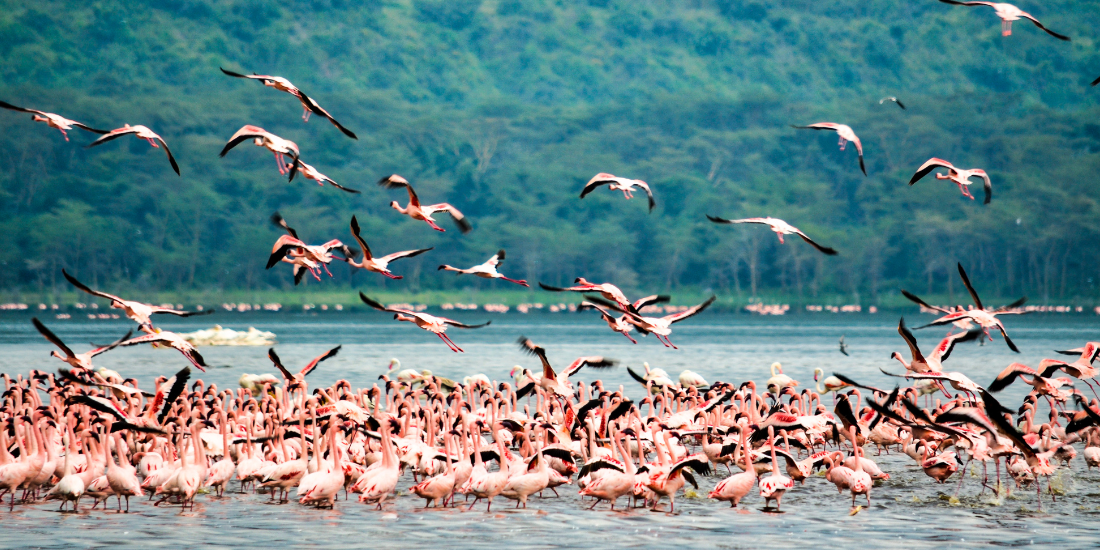
Wings of Pink Majesty: Exploring the Wonders of Lake Nakuru
20.) Valley of the Kings & Karnak Temple, Luxor, Egypt
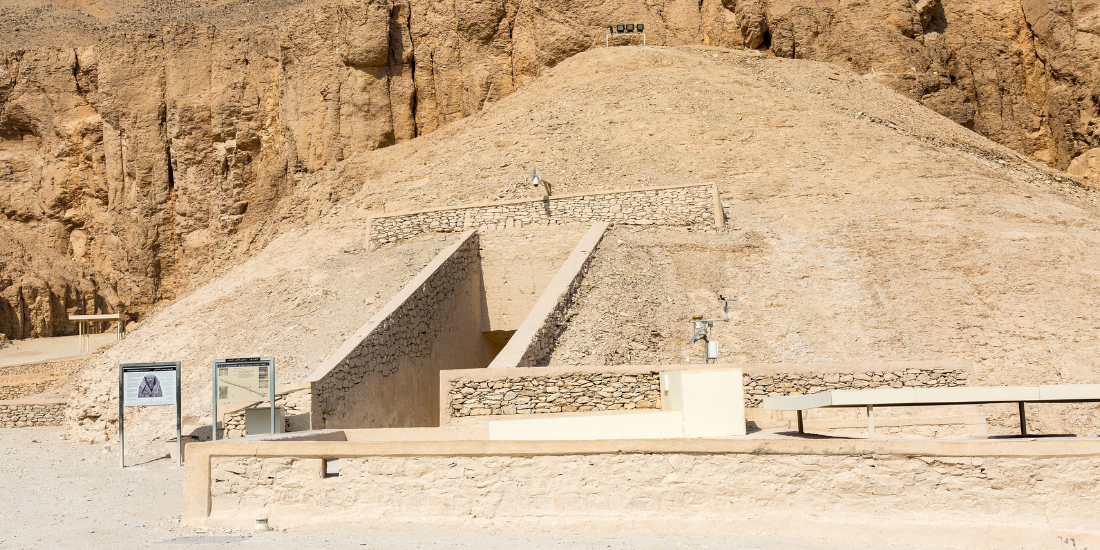
Pharaohs’ Necropolis: Valley of the Kings’ Royal Tombs
For a full guide on visiting Luxor Click Here.
21.) Robben Island, Cape Town, South Africa
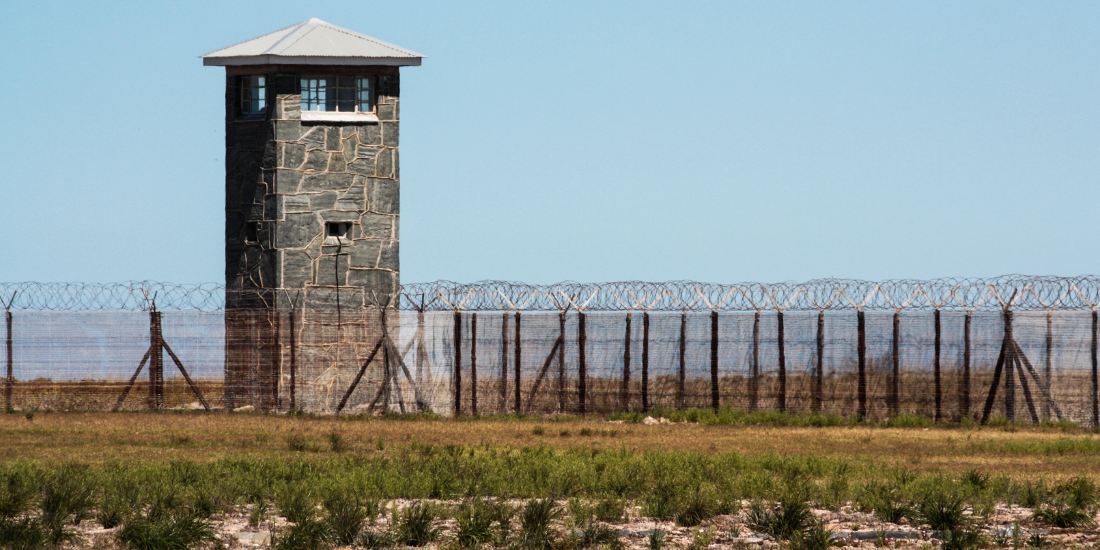
A Journey of Resilience: Robben Island’s Historic Odyssey
22.) Makgadikgadi Pans: Botswana’s Ethereal Salt Pans Wonderland
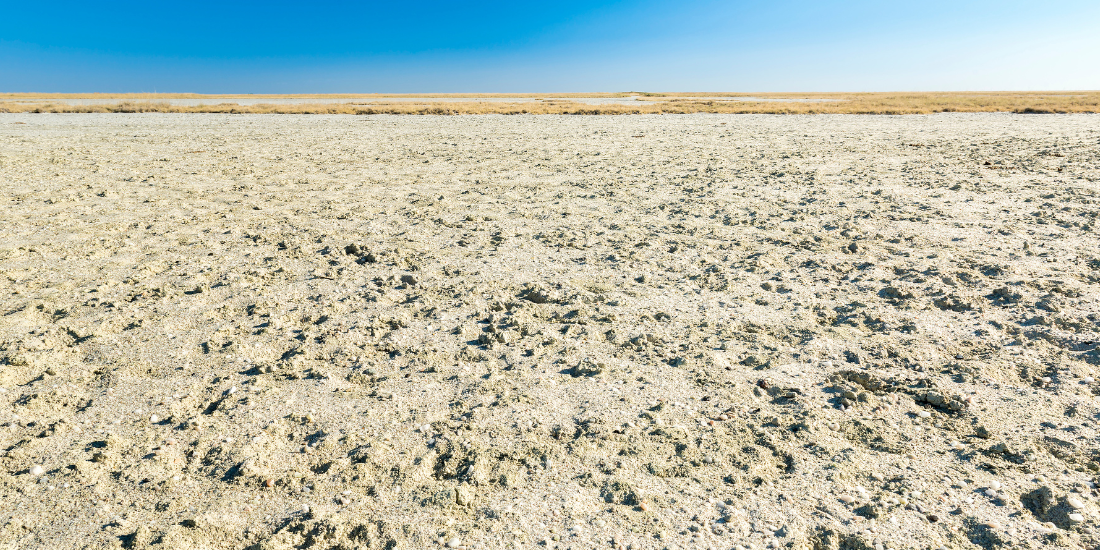
Beyond Horizon’s Edge: Unveiling the Mystique of Makgadikgadi Pans
Overview: The Makgadikgadi Pans in northeastern Botswana are among the largest salt flats on Earth—a vast, shimmering expanse that looks like a surreal white desert stretching to the horizon. These ancient lake beds are the remnants of a massive prehistoric superlake that once covered much of this region. Today, the Makgadikgadi Pans offer a striking landscape of endless horizons, unique wildlife, and a profound sense of solitude that enchants adventurers and nature lovers alike.
More than just salt and dust, the pans come alive seasonally with incredible natural phenomena. During the rainy season, the pans transform into temporary wetlands attracting vast herds of migrating zebras and wildebeest, as well as rare bird species. At other times, the stark beauty of the dry flats creates one of Africa’s most otherworldly backdrops—a place that feels truly off the beaten path.
Where: The Makgadikgadi Pans lie in northeastern Botswana, roughly a 3- to 4‑hour drive from Maun, the gateway town to the Okavango Delta. The pans cover a huge area, with notable spots including the Ntwetwe Pan, Nxai Pan, and the smaller Sua Pan.
Top Highlights
Salt Flats: The vast salt crusts of the pans spread for thousands of square kilometers, offering a mesmerizing white landscape that seems to stretch forever. Walking or driving across the pans at low water levels gives a surreal experience, with sparkling salt crystals underfoot and panoramic views in every direction.
Seasonal Wildlife Migration: During the rainy season (typically December to March), the pans flood and attract large herds of zebra, wildebeest, and other herbivores. Predators follow, making it a dynamic and exciting safari destination. The migration here is less famous than the Serengeti’s but no less spectacular and more intimate.
Nxai Pan National Park: Just north of the pans, this park features beautiful baobab trees and diverse wildlife. It’s a great place to spot elephants, lions, giraffes, and a variety of antelope species, all thriving in a more wooded savannah environment adjacent to the pans.
Baobab Trees: The famous Baines’ Baobabs—a cluster of giant, ancient trees—stand like sentinels on the edge of the pans. These magnificent trees are some of the oldest living organisms in Botswana and make for iconic photography and a peaceful spot to rest.
Birdlife: The Makgadikgadi Pans support diverse bird species, especially during the wet season. Flamingos, pelicans, storks, and various waterbirds flock here to breed and feed, offering fantastic birdwatching opportunities.
Night Skies: The remoteness and vast openness of the pans make it an exceptional place for stargazing. With minimal light pollution, the night sky dazzles with constellations, the Milky Way, and shooting stars in clear brilliance.
Cultural Encounters: The area is home to the San people, one of Africa’s oldest hunter-gatherer groups. Some tours include visits where you can learn about their traditional tracking, hunting techniques, and stories tied to the land.
Makgadikgadi Salt Festival: Held occasionally, this local festival celebrates the culture, wildlife, and environment of the pans with music, dance, and communal activities—a vibrant insight into Botswana’s cultural richness.
Practical Tips: Bring plenty of water, sunscreen, and sun protection—shade is scarce on the pans. Vehicles with good clearance are recommended for driving on the salt crust. The best time to visit for wildlife viewing is the wet season, but the dry season offers easier travel and unique landscapes.
Cost: Entry fees for Makgadikgadi Pans National Park and Nxai Pan National Park are modest, generally under $20 USD per day. Safari lodges and camps range from basic to luxury, with prices varying widely. Guided tours and 4x4 excursions are recommended to safely explore the pans.
Iconic Photo Spot: The Baines’ Baobabs at sunset provide a striking contrast of deep orange light against the pale salt flats and blue sky. Wide-angle shots capturing the endless pans under dramatic skies are a must for any photographer.
Final Word: The Makgadikgadi Pans are a place of stark beauty, ancient mysteries, and seasonal surprises. Whether you’re trekking the salt flats, watching migrating herds, or simply soaking in the vastness, the pans offer a rare blend of adventure and tranquility. It’s a destination that humbles and inspires—where the landscape seems infinite and nature’s rhythms unfold in epic scale.
23.) River Nile Journey, Egypt and Sudan
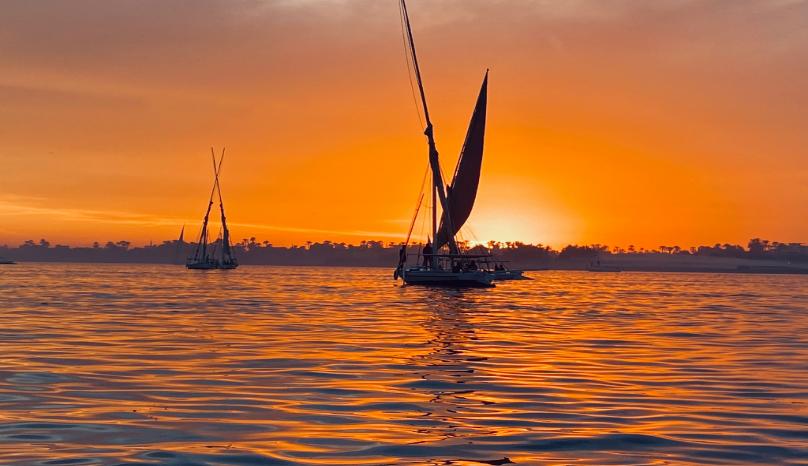
Overview: The River Nile, the world’s longest river, is a legendary waterway that has shaped the civilizations, cultures, and landscapes of northeastern Africa for millennia. Winding over 6,650 kilometers from its sources in East Africa to its delta in Egypt, the Nile is much more than a river—it is the pulse of a region, a cradle of ancient empires, and a vital artery sustaining millions of lives today.
Flowing through diverse environments—from tropical lakes and swamps to arid deserts and fertile floodplains—the Nile offers a captivating journey into history, nature, and culture. Its waters have witnessed the rise of the pharaohs, supported ancient agriculture, and continue to nourish modern cities and villages. Whether cruising its tranquil sections, exploring archaeological treasures along its banks, or experiencing its vibrant riverine communities, the Nile remains a timeless symbol of life and continuity.
Where: The Nile’s journey begins from two major tributaries—the White Nile, originating near Lake Victoria in Uganda and Tanzania, and the Blue Nile, emerging from Lake Tana in Ethiopia. It flows northwards through countries including Sudan and Egypt before emptying into the Mediterranean Sea via the Nile Delta.
Top Highlights
Source of the Nile: Explore the remote and scenic regions around Lake Victoria and Lake Tana, where the White and Blue Nile rivers begin. These areas feature lush landscapes, diverse wildlife, and vibrant local cultures.
Sudanese Nile: The stretch through Sudan showcases ancient archaeological sites like the pyramids of Meroë and the bustling capital Khartoum, where the Blue and White Nile converge. The Nile’s banks here are dotted with Nubian villages and rich cultural heritage.
Nile Cruises in Egypt: One of the most popular ways to experience the Nile is aboard a traditional felucca sailboat or a luxury cruise ship between Luxor and Aswan. This journey takes you past iconic monuments such as the temples of Karnak and Luxor, the Valley of the Kings, Philae Temple, and the majestic Aswan High Dam.
Aswan and the High Dam: Aswan is a vibrant riverside city known for its markets and the engineering marvel of the High Dam, which controls the Nile’s flow and has dramatically transformed agriculture and power generation in Egypt.
Ancient Temples and Tombs: The Nile Valley is a treasure trove of archaeological wonders, including the temples of Abu Simbel, the rock-cut tombs in the Valley of the Kings, and countless ruins that tell the story of Egypt’s pharaohs and Nubian kingdoms.
Nile Delta: The fertile delta region supports vast agricultural lands and is home to unique ecosystems. Explore the wetlands, traditional fishing villages, and historic cities like Alexandria, where the Nile meets the Mediterranean.
Wildlife and Nature: Along its length, the Nile sustains rich biodiversity, including Nile crocodiles, hippos, numerous bird species, and lush riverine vegetation. Boat safaris and nature reserves along the river offer opportunities to witness this vibrant life.
Cultural Connections: The Nile has been central to the cultures of numerous peoples—from ancient Egyptians to modern communities in Sudan and Uganda. Festivals, music, and river-based livelihoods continue to celebrate the enduring relationship between people and the river.
Practical Tips: Travel conditions along the Nile vary widely; it’s best to plan carefully depending on the country and region. Nile cruises typically operate between October and April to avoid extreme heat. Bring sun protection, insect repellent, and comfortable clothing. Hiring knowledgeable guides enriches the experience, especially at archaeological sites.
Cost: Nile cruise prices range from budget options on traditional feluccas to luxury vessels with all amenities included. Entry fees to archaeological sites vary, generally modest but worth budgeting for to access iconic monuments. Transportation and accommodation costs depend on the region and level of comfort desired.
Iconic Photo Spot: Capture the sunset over the Nile’s shimmering waters with silhouettes of feluccas drifting peacefully. The grand temples at Luxor and Abu Simbel framed by the river provide timeless, majestic images. Early morning mists rising from the Nile create magical photo opportunities.
Final Word: The River Nile is more than just a river—it is a living tapestry of history, culture, and nature that continues to inspire and sustain. Whether sailing its tranquil stretches, uncovering ancient mysteries along its banks, or simply watching its eternal flow, a journey on the Nile is an unforgettable immersion into the heart of Africa’s past and present.
For a full guide on visiting The River Nile Click Here.
24.) Seychelles: Paradise Unveiled in the Indian Ocean
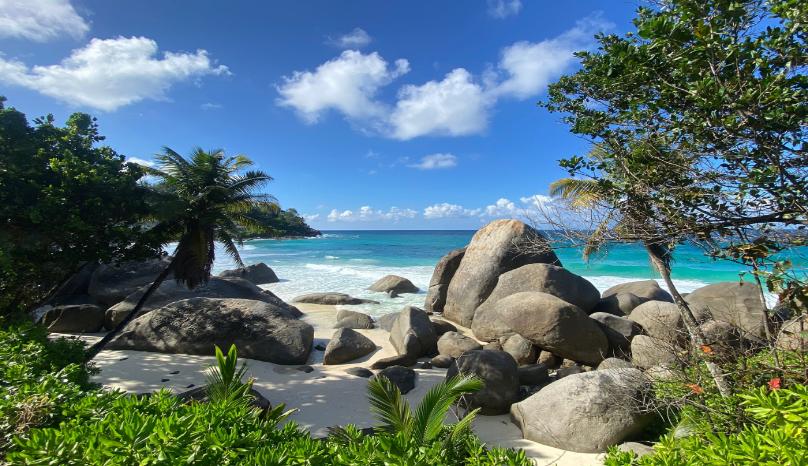
Tropical Oasis of Bliss: Discovering the Seychelles Archipelago
Overview: Seychelles is an idyllic archipelago of 115 islands scattered across the sparkling Indian Ocean, renowned for its pristine beaches, crystal-clear waters, and lush tropical landscapes. This island paradise offers a unique blend of unspoiled nature, vibrant marine life, and a rich cultural tapestry, making it a dream destination for beach lovers, adventure seekers, and nature enthusiasts alike.
From granite boulders framing powdery white sands to dense jungles teeming with endemic flora and fauna, Seychelles captivates visitors with its breathtaking scenery and tranquil ambiance. Whether snorkeling among vibrant coral reefs, hiking through verdant national parks, or simply relaxing in a hammock overlooking turquoise lagoons, Seychelles promises an unforgettable escape into nature’s most exquisite playground.
Where: Located off the east coast of Africa, northeast of Madagascar and about 1,600 kilometers from mainland Tanzania, Seychelles is divided mainly into the Inner Islands, characterized by granite formations, and the Outer Islands, more remote and coral-based. The capital, Victoria, is situated on Mahé Island—the largest and most developed island, which serves as the main gateway to the archipelago.
Top Highlights
Anse Lazio: Frequently ranked among the world’s most beautiful beaches, Anse Lazio on Praslin Island enchants with its soft white sands, turquoise waters, and iconic granite boulders. It’s perfect for swimming, snorkeling, and sunbathing in a picture-perfect setting.
Vallée de Mai Nature Reserve: A UNESCO World Heritage Site on Praslin Island, this ancient palm forest is home to the rare coco de mer palm, famous for producing the largest seed in the plant kingdom. Walking the shaded trails feels like stepping into a prehistoric world teeming with unique birds and plants.
Aldabra Atoll: One of the most remote and pristine atolls in the world, Aldabra is a UNESCO-listed site known for its giant tortoises, rich marine biodiversity, and untouched coral reefs. Access is limited and typically reserved for conservationists and eco-tourists.
Beau Vallon: Located on Mahé, Beau Vallon is the island’s liveliest beach with excellent snorkeling, calm waters, and a vibrant atmosphere. It’s also home to beachfront restaurants and lively markets, blending natural beauty with local culture.
Curieuse Island: Famous for its giant tortoise population and mangrove forests, Curieuse Island offers visitors an opportunity to encounter wildlife up close and explore hiking trails with spectacular views over the ocean.
Marine Parks and Diving: Seychelles boasts some of the Indian Ocean’s best dive sites, including Sainte Anne Marine National Park and Port Launay Marine Park. These protected areas feature vibrant coral gardens, tropical fish, and the chance to swim alongside sea turtles and reef sharks.
Victoria and Local Culture: The capital city of Victoria offers a charming blend of Creole culture, colonial architecture, and bustling markets. Visit the Sir Selwyn Selwyn-Clarke Market for fresh produce, spices, and local crafts, and don’t miss the clock tower, a mini replica of London’s Big Ben.
Island Hopping: With so many islands to explore, island hopping is a must-do. Ferries and charter boats connect Mahé, Praslin, La Digue, and other smaller islands, each offering distinct vibes—from luxury resorts to rustic villages and secluded beaches.
Hiking Trails: Mahé and Praslin feature several scenic hiking routes through lush rainforests and up granite peaks. Trails such as Morne Seychellois National Park on Mahé provide panoramic views and encounters with endemic wildlife.
Sustainable Tourism: Seychelles is committed to preserving its natural heritage. Visitors are encouraged to respect protected areas, participate in eco-friendly activities, and support local conservation projects that protect fragile ecosystems.
Practical Tips: Pack reef-safe sunscreen, swimwear, and lightweight clothing suitable for tropical weather. Mosquito repellent is recommended, especially in the evenings. Booking accommodations and inter-island transport well in advance is advised during peak season (May to September and December to January).
Cost: Seychelles tends toward the higher end of the travel budget spectrum, with luxury resorts and boutique hotels dominating the accommodation scene. Mid-range guesthouses and self-catering options exist but can be limited. Dining ranges from casual local eateries to fine dining. Island transfers and activities like diving and guided tours add to overall expenses but provide unforgettable experiences.
Iconic Photo Spot: Capture the breathtaking coastline framed by giant granite boulders at Anse Source d’Argent on La Digue Island—the quintessential Seychelles postcard image. Sunrise shots over the coral reefs and turquoise waters from Morne Blanc trail also offer stunning photographic opportunities.
Final Word: Seychelles is a dream woven from nature’s finest threads—a sanctuary where turquoise seas, pristine beaches, and vibrant cultures come together in perfect harmony. Whether you seek adventure beneath the waves, serenity among tropical palms, or a glimpse into island life, Seychelles welcomes you with open arms and endless beauty.
25.) Ride the Iron Ore Train, Mauritania

Adventure on the Rails: Riding the Iron Ore Train
Overview: The Iron Ore Train is one of the world’s most iconic freight trains, famed for its immense length, staggering cargo capacity, and the rugged landscapes it traverses. Primarily operating in Australia’s Pilbara region, this massive train hauls iron ore from remote mines to the coastal ports, powering global steel production. Riding alongside or witnessing this iron behemoth is a testament to human engineering and the scale of natural resource logistics.
Spanning up to several kilometers in length and often powered by multiple locomotives, the Iron Ore Train exemplifies industrial might and efficiency. It’s a critical link in the supply chain feeding the world’s infrastructure, construction, and manufacturing sectors. Beyond its industrial significance, the journey through the red earth of the outback offers stunning vistas of vast deserts, rugged ranges, and unique flora and fauna.
Where: The Iron Ore Train network operates primarily in the Pilbara region of Western Australia, connecting major iron ore mines such as those near Newman, Tom Price, and Mount Whaleback to export ports like Port Hedland and Dampier. The rail corridors cut through some of the most remote and arid landscapes on Earth.
Top Highlights
Record-Breaking Length: Some Iron Ore Trains stretch over 2.5 kilometers long, consisting of more than 200 ore cars and multiple powerful locomotives. These trains hold records as some of the longest and heaviest in the world, showcasing the capabilities of modern rail transport.
Locomotive Power: The trains are powered by high-horsepower diesel-electric locomotives, often running in tandem to handle the extreme loads and harsh terrain. Witnessing these engines in action, with their deep rumble and relentless pace, is awe-inspiring.
Stunning Pilbara Scenery: The route offers a unique window into Australia’s rugged outback, featuring red desert landscapes, spinifex grasses, ochre cliffs, and occasional sightings of native wildlife like kangaroos and emus. The contrast between the natural environment and the massive train is striking.
Port Operations: Watching the Iron Ore Train arrive at export terminals is a spectacle of logistics and engineering. Massive ship loaders transfer iron ore directly from railcars to bulk carriers, illustrating the seamless connection between land and sea freight.
Engineering Marvels: The rail infrastructure supporting these trains includes heavy-duty tracks, sophisticated signaling systems, and extensive maintenance facilities. The operation is a marvel of industrial planning and safety management in a remote setting.
Cultural Significance: The Iron Ore Train is more than an industrial tool; it symbolizes Australia’s role in the global mining sector and contributes significantly to the economy and employment in the Pilbara region.
Tourism and Viewing: While the trains themselves are freight-only and not open to public passenger service, nearby viewing points and mine tours offer opportunities to see the trains in action. Some companies provide guided experiences focused on mining operations and rail logistics.
Environmental Efforts: Mining and rail companies in the Pilbara increasingly adopt sustainability measures to minimize environmental impact, including dust suppression, noise reduction, and habitat conservation along the rail corridors.
Practical Tips: If planning to see the Iron Ore Train, check access regulations as much of the rail network runs through private mining land. Best viewing spots are often near public roads or designated lookout areas. Bring water, sun protection, and a camera with zoom for distant shots.
Cost: There is no passenger fare for riding the Iron Ore Train, as it is strictly a freight service. Costs for tours or mine visits vary widely depending on operator and itinerary, with some premium mining experience tours costing several hundred dollars.
Iconic Photo Spot: Capture the train against the vast Pilbara red dirt backdrops at locations like the Karijini National Park outskirts or near Port Hedland. The contrast of the long iron ore train against the ochre landscape is a photographer’s dream.
Final Word: The Iron Ore Train is a monumental feat of industrial prowess cutting through one of the world’s most unforgiving terrains. For those fascinated by engineering, mining, or Australia’s vast landscapes, witnessing this steel giant in motion offers a rare glimpse into the forces that build modern civilization. It’s a journey of power, scale, and the relentless rhythm of progress.
Safe travels and may your journey across Africa be as enriching, life-changing and enjoyable as possible!
