
Life Bucket List:
1.) Have a meaningful relationship with someone you love.

Details: What is life without love? — A meaningful relationship is one of life’s most rewarding experiences, offering a sense of connection, understanding, and belonging. Whether it’s a romantic partner, a close friend, or a family member, these relationships provide the foundation for personal growth and emotional fulfillment. It’s not just about finding someone to share life with but also about building a bond based on trust, respect, and love. Nurturing such a relationship requires time, patience, and vulnerability, but the rewards—feeling truly seen, supported, and cherished—are priceless.
At its core, a meaningful relationship is a partnership where both people inspire each other to be their best selves. It’s about creating memories, overcoming challenges together, and celebrating each other’s successes. Whether it’s exploring the world hand-in-hand, supporting one another through life’s ups and downs, or simply enjoying the comfort of shared silence, this type of connection enriches your life in ways that no material possession ever could. Making this a priority on your bucket list ensures you focus on what truly matters: the people who make your journey worthwhile.
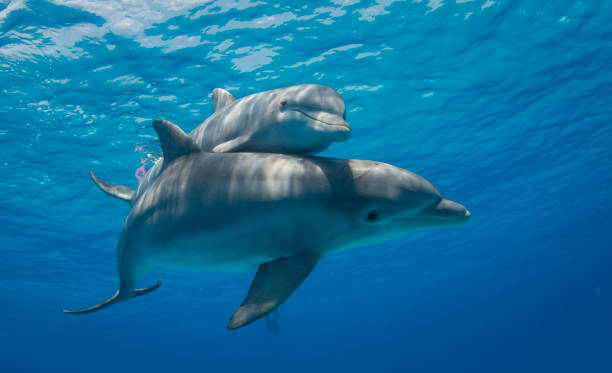
2.) Swim with dolphins
3) Find your dream job

Details: Discovering and pursuing your dream job is a transformative life goal that aligns your passions, skills, and values with meaningful work. A dream job isn’t just about financial security—it’s about finding fulfillment, purpose, and excitement in what you do every day. Whether it’s a creative pursuit, a role that makes a difference in the world, or simply a job that brings you happiness, achieving this milestone can elevate your entire life.
Finding your dream job requires self-reflection, persistence, and sometimes stepping outside your comfort zone. It’s about identifying what truly excites and motivates you, then taking actionable steps to make it a reality. From acquiring new skills to networking with like-minded individuals, the journey to your dream job is as rewarding as the destination itself. Once achieved, it’s not just a career—it’s a source of inspiration and a reflection of who you are, proving that you can turn your aspirations into reality.
4) Earn a PhD or Master a Field

Details: Achieving mastery in a field or earning a PhD represents a commitment to lifelong learning and intellectual growth. It’s a journey of deep exploration and expertise, where you delve into complex ideas, solve challenging problems, and contribute new knowledge to the world. Whether it’s academic, artistic, or technical, mastering a field is an accomplishment that reflects discipline, passion, and an unwavering pursuit of excellence.
Earning a PhD or mastering a field isn’t just about acquiring credentials—it’s about pushing the boundaries of your understanding and becoming a leader in your area of interest. The process hones critical thinking, resilience, and creativity, while also opening doors to new opportunities and networks. It’s a profound personal achievement that stands as a testament to your dedication and curiosity, proving that the pursuit of knowledge is one of life’s most fulfilling endeavors.
5.) Learn a New Language

Details: Learning a new language is a gateway to exploring new cultures, building connections, and expanding your worldview. It’s not just about words and grammar—it’s about unlocking the ability to communicate with people from diverse backgrounds and immersing yourself in their way of life. Whether for travel, work, or personal growth, mastering a new language is a fulfilling challenge that opens countless doors and enriches your experiences.
The process of learning a new language fosters patience, perseverance, and adaptability. It allows you to see the world through a different lens, deepening your understanding of other cultures and enhancing your appreciation for their history and traditions. From savoring foreign literature to having authentic conversations while traveling, the benefits are both practical and deeply rewarding. Making this a priority on your bucket list ensures you’ll gain a skill that stays with you for a lifetime, offering endless opportunities for connection and adventure.
6.) Travel to All Seven Continents
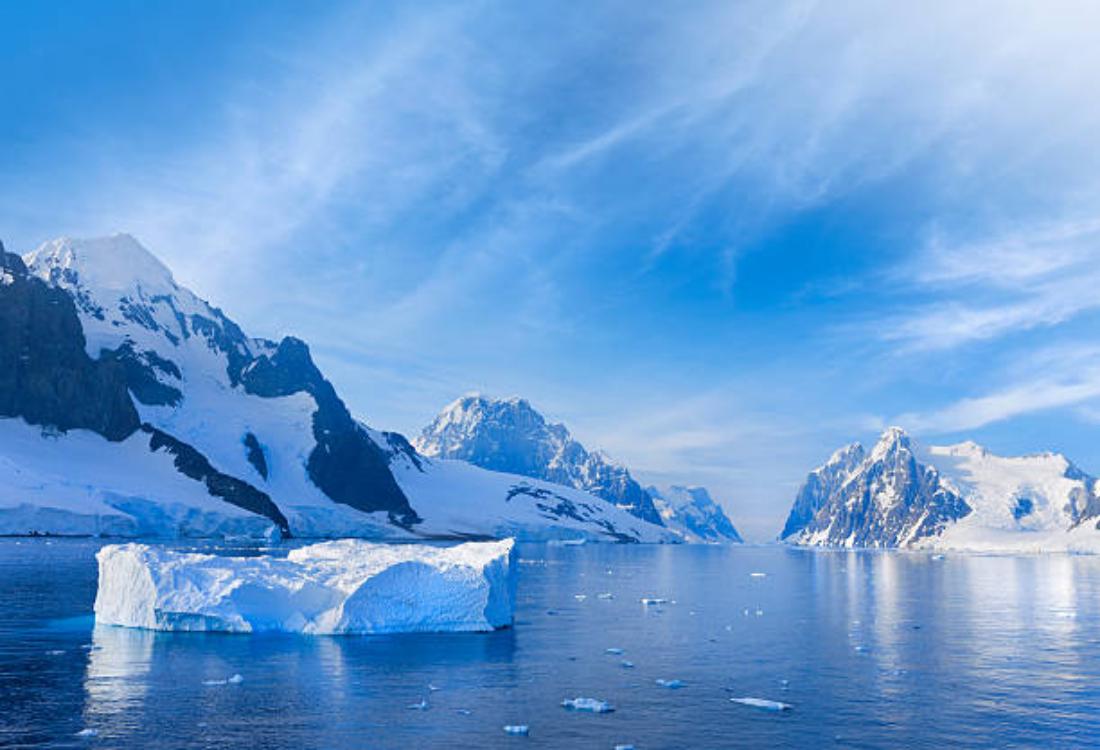
Details: Traveling to all seven continents is the ultimate adventure for those seeking to explore the diverse beauty of our planet. From the frozen wilderness of Antarctica to the vibrant cultures of Africa, this ambitious goal takes you through breathtaking landscapes, iconic landmarks, and unforgettable experiences. Each continent offers its own unique wonders, making this journey an unparalleled way to understand the world and its rich tapestry of life.
Achieving this milestone allows you to immerse yourself in a variety of cultures, climates, and ecosystems. Witnessing the Great Barrier Reef in Australia, marveling at the ancient ruins of Machu Picchu in South America, and experiencing the historic cities of Europe are just the beginning. Along the way, you’ll collect stories, broaden your perspective, and gain a profound appreciation for the planet’s diversity. This bucket list achievement isn’t just about travel—it’s about embracing the extraordinary and connecting with the world on a deeper level.
7.) Write a Book

Details: Writing a book is a deeply personal and creative journey that allows you to share your thoughts, stories, or expertise with the world. Whether it’s a novel, memoir, or guide, penning your own book is a chance to leave a lasting legacy and connect with readers in a meaningful way. It’s not just about the final product—it’s about the process of translating your ideas and experiences into words that inspire, entertain, or educate.
This endeavor challenges you to organize your thoughts, refine your voice, and push through moments of doubt, ultimately resulting in an achievement that reflects your dedication and creativity. A book is a tangible representation of your unique perspective and can open doors to new opportunities, whether through personal growth or professional recognition. Completing this bucket list goal is a testament to your commitment to storytelling and your willingness to share a piece of yourself with the world.
8.) Run a Marathon

9.) Learn to Play a Musical Instrument

Details: Learning to play a musical instrument is a journey into the world of creativity and self-expression. Whether it’s the soulful strum of a guitar, the elegance of a piano, or the rhythmic beats of drums, mastering an instrument allows you to communicate emotions, tell stories, and connect with others on a deeply artistic level. It’s a skill that enriches your life and provides a lifelong source of joy and relaxation.
The process of learning an instrument teaches patience, discipline, and perseverance. As you practice, you’ll experience the thrill of progress—from mastering your first song to performing for friends or even an audience. Music has the power to transcend language and culture, making this a bucket list goal that fosters connection and creativity. Whether you dream of composing your own pieces or simply playing for fun, this accomplishment is a beautiful way to expand your horizons.
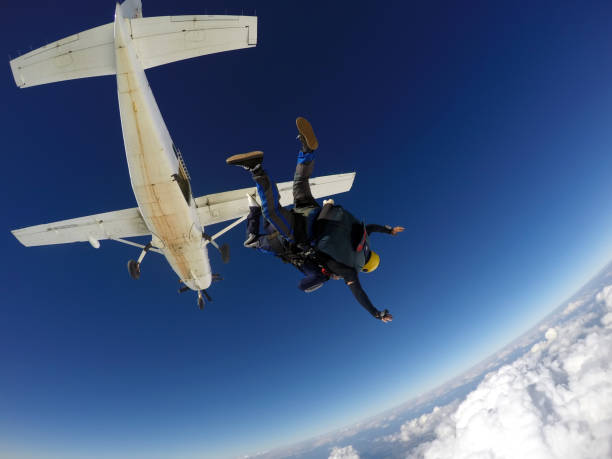
10.) Skydive
11.) Volunteer & help a stranger in need

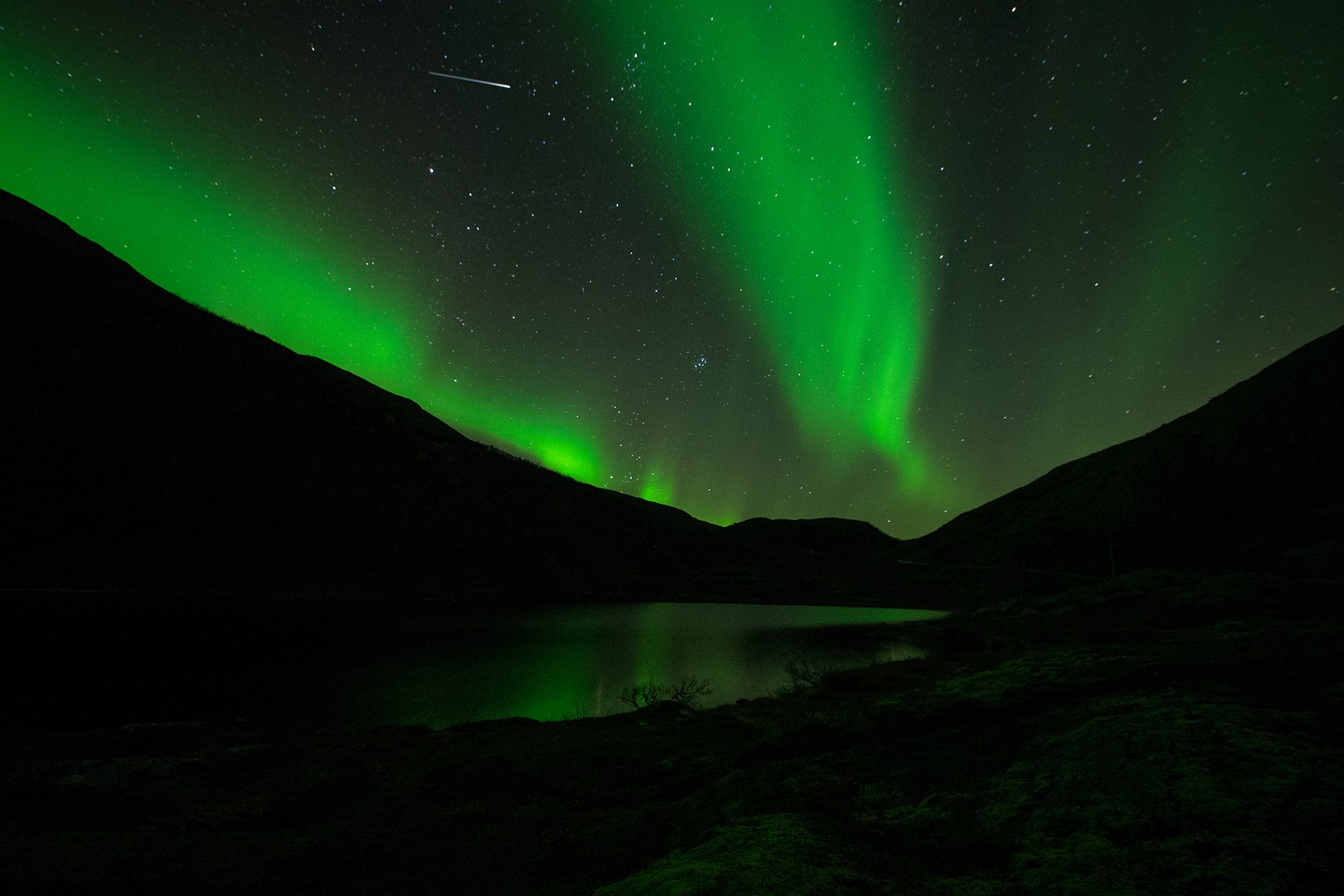
12.) See the Northern Lights
13.) Scuba Dive in Exotic Waters
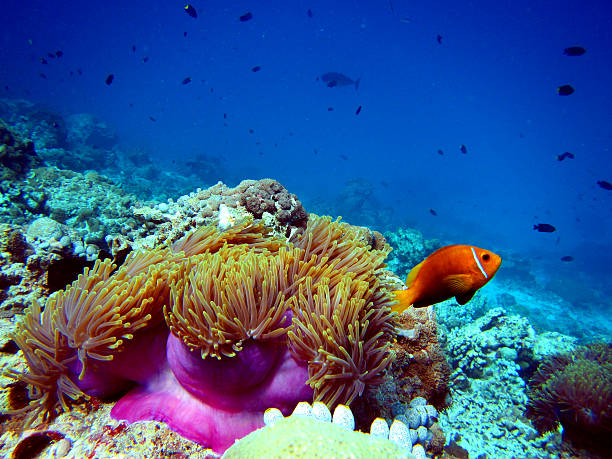
14.) Create your own art

Details: Creating your own art is a deeply personal and transformative experience. Whether through painting, sculpture, photography, writing, or any other form of expression, making art allows you to channel your emotions, thoughts, and creativity into something tangible. It’s an opportunity to explore your imagination, break free from constraints, and convey your unique perspective on the world. Art can be a form of self-expression, healing, or simply a way to capture the beauty around you.
By adding this to your bucket list, you’ll not only develop a new skill but also unlock a creative outlet that brings fulfillment and joy. It’s a way to express who you are and leave a lasting legacy of your work. Whether you’re creating for yourself or sharing your art with others, the process itself is as rewarding as the final product. Embrace your inner artist, and let the creative process shape and inspire you.
15.) Start a Business

Details: Starting a business is a powerful way to bring your ideas to life, create opportunities, and make a tangible impact in the world. Whether it’s a small local venture or an ambitious global startup, entrepreneurship allows you to pursue your passion, solve problems, and be your own boss. The journey to starting a business is filled with challenges, from market research and building a brand to managing finances and scaling operations, but the rewards—both personal and financial—can be immense.
Adding “start a business” to your bucket list is not just about financial success, but about creating something meaningful. It’s an opportunity to turn your vision into reality, impact your community, and gain invaluable skills along the way. Starting a business requires determination, resilience, and the willingness to learn from failure, but it’s also one of the most fulfilling and empowering experiences you can have. Take the leap and build something that reflects your passion and purpose.
16.) Take a Cross-Country Road Trip

17.) Try an Extreme Sport
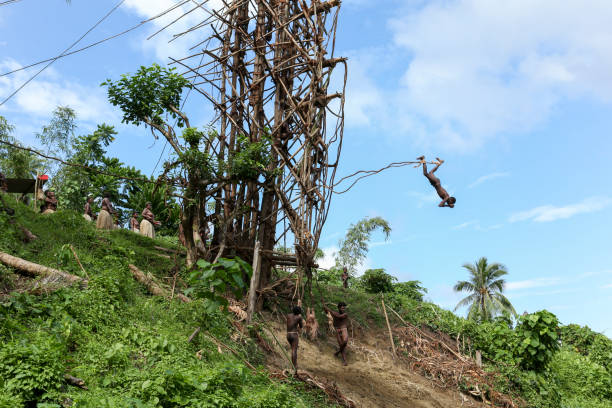
18.) Learn to Cook

19.) Attend a Major World Festival
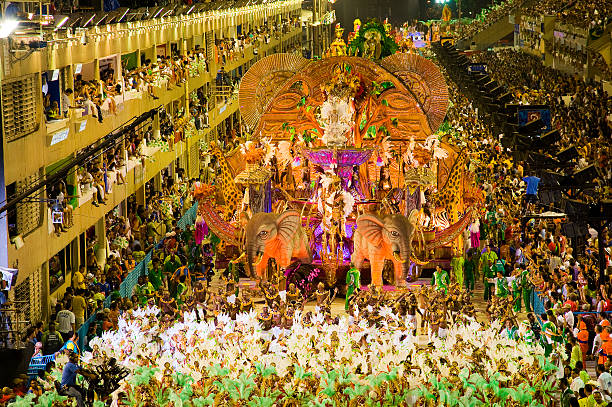
Details: Attending a major world festival is a chance to immerse yourself in the vibrant culture, traditions, and spirit of a community. Whether it’s dancing in the streets during Rio Carnival in Brazil, throwing colorful powder at Holi in India, or marveling at the artistry of the Venice Carnival, festivals are an explosion of life, joy, and celebration. These events bring people together from all over the world, offering unforgettable experiences filled with music, food, art, and cultural performances.
By attending a major festival, you not only witness the traditions of another culture but also become a part of its history and energy. It’s an opportunity to let loose, make new friends, and create lasting memories. Beyond the festivities, these gatherings often provide deeper insights into the beliefs and values of the people celebrating. It’s a unique way to explore the world and add a splash of excitement to your life bucket list.
20.) Adopt a Pet

Details: Adopting a pet is one of the most rewarding and life-changing experiences you can have. Bringing a furry, feathered, or scaly companion into your home means gaining a loyal friend who will love you unconditionally. Beyond companionship, pets teach us responsibility, patience, and empathy as we care for another living being. From shelter rescues to stray animals in need of a loving home, adoption gives animals a second chance at life and provides you with a bond that can be truly transformative.
When you adopt, you’re not just saving a life; you’re creating a lifelong connection filled with joy, laughter, and comfort. Whether it’s playing fetch with a dog, curling up with a cat, or watching fish peacefully swim in an aquarium, pets enrich your life in ways that words can’t fully capture. Plus, their unwavering loyalty and affection bring happiness and purpose to every day
21.) See Your Favorite Band Live

Details: Experiencing your favorite band live is a moment that stays with you forever. There’s something magical about the energy of a concert — the crowd singing along, the vibrations of the music, and seeing the artists you admire performing right in front of you. It’s not just about the songs; it’s about feeling the connection between you, the band, and the other fans who share your passion.
22.) Learn CPR

Details: Learning CPR (Cardiopulmonary Resuscitation) is a life skill that can empower you to save a life in an emergency. While it may seem like a simple set of techniques, knowing how to properly administer CPR can make a critical difference when someone is experiencing cardiac arrest. It’s an act of compassion and preparedness, equipping you with the confidence to step in and help during life-threatening moments.
This skill isn’t just about ticking off a bucket list item; it’s about being ready to give someone the greatest gift of all — a second chance at life. Whether it’s a loved one, a colleague, or a stranger, being trained in CPR means you’re prepared to make a meaningful impact in an urgent situation. It’s a life-changing accomplishment that reflects your commitment to care and responsibility.
23.) Take a Hot Air Balloon Ride
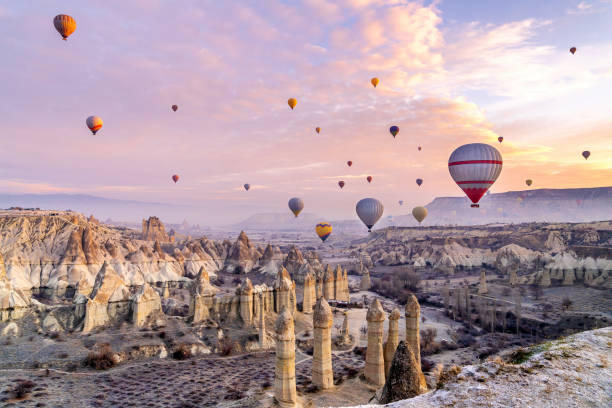
Details: Soaring high above the earth in a hot air balloon is a magical experience that offers a unique perspective on the world. Whether you’re gliding over serene landscapes, dramatic canyons, or colorful cityscapes, the peaceful silence and panoramic views make it unforgettable. As you float with the breeze, you’ll feel an unmatched sense of freedom, wonder, and awe.
From the iconic Cappadocia in Turkey to the vibrant deserts of New Mexico or the lush fields of the Loire Valley in France, a hot air balloon ride is a journey of beauty and tranquility. It’s not just about the flight but the serenity of disconnecting from the noise of everyday life and being present in the moment.
24.) Meditate Daily for a Month
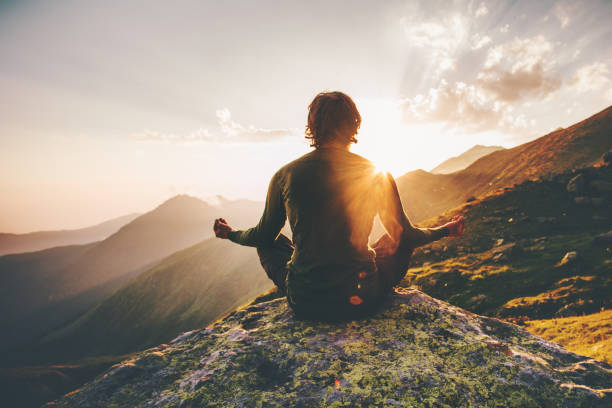
Details: Committing to a daily meditation practice for a month can be a transformative experience. It allows you to cultivate mindfulness, reduce stress, and enhance your emotional well-being. With just a few minutes each day, you’ll develop a deeper awareness of your thoughts and emotions, fostering a sense of inner peace and clarity.
Meditation doesn’t require a special setting; you can practice anywhere—whether it’s a quiet corner in your home, a serene spot in nature, or during a commute. Over the course of a month, you’ll likely notice improvements in focus, patience, and your overall outlook on life, making it a habit worth continuing well beyond the initial 30 days.
25.) Live in another country
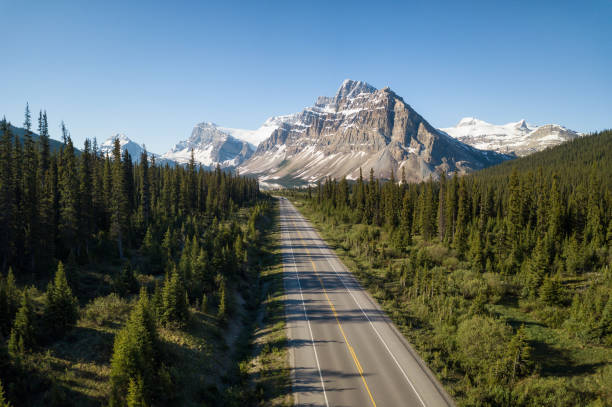
Details: Living in another country is more than just an adventure; it’s an opportunity to immerse yourself in a new culture, gain a fresh perspective on the world, and grow as a person. It allows you to experience daily life in a way that no vacation ever could—by learning local customs, trying authentic cuisine, and possibly even picking up a new language.
The challenges you’ll face, from navigating a new city to adapting to cultural differences, will push you out of your comfort zone and build resilience. Whether it’s for work, study, or simply exploration, living abroad fosters personal growth and helps you understand the world in a richer, more meaningful way.
26.) Camp Under the Stars
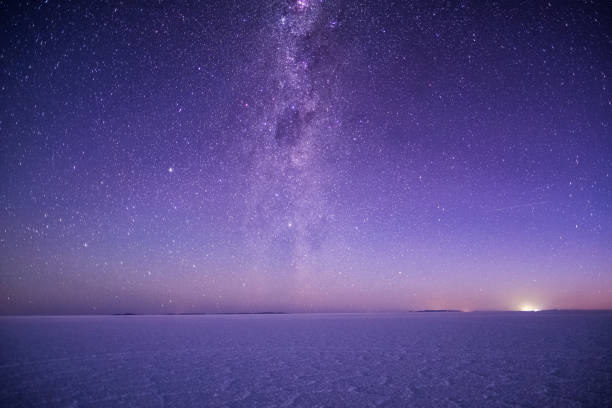
Details: Camping under the stars is a magical experience that reconnects you with nature and provides a sense of peace that’s hard to find in our busy lives. Away from the hustle and bustle of cities, you can gaze at the night sky in all its glory, spotting constellations, shooting stars, and maybe even the Milky Way.
Whether it’s in a national park, the desert, or a remote mountain range, camping allows you to immerse yourself in the natural world. The simplicity of a campfire, the sounds of wildlife, and the crisp night air create unforgettable memories and remind you of life’s simple joys.
27.) Climb a Mountain

Details: Climbing a mountain is more than just a physical challenge—it’s a journey of self-discovery and perseverance. Reaching the summit requires determination, planning, and often teamwork, but the reward of standing atop a peak and taking in the breathtaking views is unparalleled.
29.) Explore Your Family History

Details: Delve into your family’s history to uncover the stories, traditions, and cultures that shaped who you are today. Exploring your heritage can involve tracing your ancestry, visiting your family’s country of origin, or connecting with relatives to hear tales passed down through generations.
By piecing together your family’s past, you’ll gain a deeper sense of identity and belonging. Understanding where you come from can provide valuable insights into your values and strengths while fostering a sense of pride and appreciation for your roots.
30.) Look after your health with a health transformation

Details: Embark on a journey to improve your overall well-being by adopting healthier habits, prioritizing fitness, and embracing balanced nutrition. A health transformation isn’t just about physical appearance—it’s about building a sustainable lifestyle that enhances your energy, mood, and longevity. Whether it’s starting a fitness program, eating whole foods, or focusing on mental health, small steps can lead to big changes.
Taking control of your health allows you to live life to the fullest and pursue your dreams with vigor. It’s about feeling confident and capable in your own body, ensuring that you have the vitality to enjoy every adventure life throws your way.
31.) Reconnect with an Old Friend

Details: Reach out to someone from your past who once held a special place in your life. Whether it’s an old schoolmate, a former coworker, or a childhood friend, reconnecting can bring a sense of nostalgia, closure, or even rekindle a meaningful relationship.
Life often pulls people in different directions, but revisiting those bonds can remind you of shared memories and how far you’ve come. A simple message or a coffee catch-up might be all it takes to rebuild a connection that enriches both your lives.
32.) Watch a Sunrise and Sunset in the Same Day
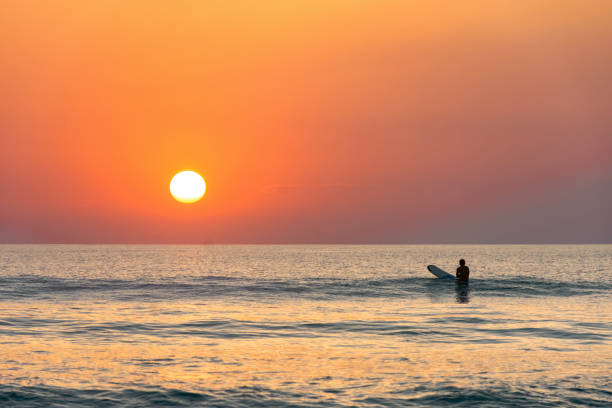
Details: Start your day with the gentle hues of dawn and end it with the fiery brilliance of sunset. Experiencing both in a single day reminds you of the beauty and fleeting nature of time.
Choose a serene location—a beach, a mountaintop, or even your own backyard—and immerse yourself in the moment. Watching the sun rise and set is a simple yet profound way to connect with the world, offering a sense of calm and gratitude.
33.) Take a Solo Trip

Details: Embark on a journey of self-discovery by traveling alone. A solo trip allows you to explore the world at your own pace, make decisions independently, and learn more about yourself in the process.
Whether it’s a weekend getaway or a long-term adventure, traveling solo helps build confidence, fosters personal growth, and opens doors to meaningful connections with others along the way. It’s an empowering experience that every traveler should try at least once.
34.) Celebrate New Year’s in a Foreign City

Details: Ring in the New Year with an unforgettable experience in a vibrant city abroad. Whether it’s watching fireworks light up Sydney’s iconic harbor, dancing the night away in Rio de Janeiro, or celebrating with lanterns in Tokyo, each destination offers a unique way to welcome the year ahead.
Immersing yourself in another culture’s traditions for New Year’s Eve is both exhilarating and enriching. It’s a chance to make memories, meet new people, and start the year with an adventure you’ll always remember.
35.) Take on a spiritual trek
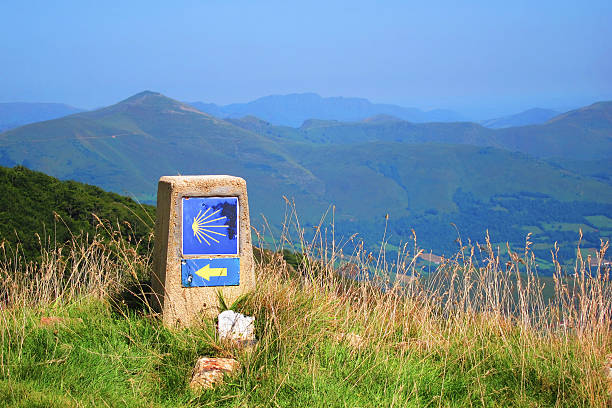
Details: Embark on a journey that nourishes your soul while challenging your body. Spiritual treks, such as the Camino de Santiago in Spain or the Annapurna Circuit in Nepal, blend physical endurance with moments of introspection, cultural immersion, and connection with nature.
Whether you’re seeking clarity, a sense of accomplishment, or simply the chance to disconnect, a spiritual trek offers a unique path to personal growth. Walking through breathtaking landscapes and ancient trails, you’ll gain perspective and leave with memories that linger long after the trek is complete.
36.) Take a Luxury Train Journey

Details: Step aboard a timeless adventure as you travel in style on some of the world’s most luxurious trains. From the opulent Orient Express in Europe to the majestic Maharajas’ Express in India, luxury train journeys offer a unique way to explore the world’s most stunning landscapes while indulging in first-class comfort.
The journey itself is as much of a destination as the places you visit, with gourmet meals, lavish cabins, and world-class service. A luxury train ride allows you to experience the romance and elegance of travel from a bygone era, making it a truly unforgettable experience.
37.) Eat at One of the World’s Best Restaurants

Details: Treat your taste buds to a culinary experience at one of the world’s top-rated restaurants. Whether it’s a Michelin-starred establishment in Paris, a unique fusion spot in Tokyo, or a renowned farm-to-table restaurant in New York, these dining destinations offer an unforgettable feast for the senses.
Eating at a world-renowned restaurant is more than just a meal—it’s an exploration of creativity, culture, and fine ingredients. With each bite, you’ll savor expertly crafted dishes that showcase the artistry of the world’s best chefs, making it a true bucket list experience for food lovers.
38.) Experience Zero Gravity

Details: Feel the thrill of weightlessness and experience space-like conditions on Earth by stepping into a zero-gravity environment. Whether it’s through a parabolic flight or a simulated space experience, this exhilarating adventure lets you float freely, defying gravity as astronauts do.
Zero gravity experiences provide an unmatched sense of freedom, where you can flip, float, and glide in a way that’s impossible on the ground. It’s a once-in-a-lifetime opportunity to feel what it’s like to be in space, even if just for a few moments, offering a unique perspective on movement and the human body’s relationship with gravity.
39.) Ride in a Helicopter

Details: Take your adventure to new heights with a thrilling helicopter ride. Whether you’re soaring over cityscapes, majestic mountains, or stunning coastlines, a helicopter ride offers a bird’s-eye view that is unmatched by any other form of travel.
This experience allows you to see the world from an entirely new perspective, capturing breathtaking vistas and landscapes that are impossible to appreciate from the ground. Whether it’s a scenic tour of iconic landmarks or a private flight over natural wonders, a helicopter ride is sure to leave you with lasting memories and stunning photos.
40.) Experience the best of travel

Details: Embark on a journey that encompasses the essence of exploration, adventure, and cultural immersion. “The best of travel” means seeing the world’s most iconic sights, discovering hidden gems, indulging in local cuisines, and connecting with people from diverse backgrounds. This experience offers the opportunity to check off major bucket list items while also embracing spontaneous moments of discovery along the way.
From wandering the streets of ancient cities to trekking through remote landscapes, the best of travel takes you beyond sightseeing. It’s about connecting with places, people, and cultures in ways that enrich your understanding of the world. Whether you’re relaxing on a tropical beach, hiking through rugged mountains, or exploring vibrant cities, this journey is all about capturing the essence of travel in its most rewarding form.
41.) Experience the best of adventure
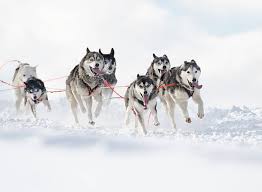
Details: Dive headfirst into a world of thrilling, adrenaline-pumping experiences that challenge your limits and ignite your spirit of exploration. Adventure is not just about physical challenges—it’s about embracing the unknown, pushing boundaries, and discovering your true potential. Whether it’s climbing towering peaks, diving into deep oceans, or traversing uncharted terrains, the best adventures make for unforgettable stories and transformative experiences.
From the exhilaration of skydiving from dizzying heights to the serenity of trekking remote wildernesses, adventure comes in many forms. It’s about the rush of conquering fears, the awe of nature’s raw beauty, and the joy of triumphing over challenges. If you’re seeking experiences that leave you breathless, both literally and figuratively, the best of adventure is waiting to be explored.
42.) Get involved in politics.

Details: Making a difference in your community or country starts with active participation in its political processes. Getting involved in politics is about contributing to meaningful change, understanding civic responsibilities, and playing your part in shaping the future. Whether it’s running for office, campaigning for causes close to your heart, or simply staying informed and voting, engaging in politics allows you to voice your beliefs and represent the change you want to see in the world.
This isn’t just about policies and debates—it’s about empowering yourself and others. By joining grassroots movements, supporting marginalized communities, or educating others about key issues, you become part of a collective effort to create a better society. Politics is a platform for transformation, and your involvement could inspire real progress.
43.) Try Meditation & Yoga.
Details: Discover the transformative power of mindfulness and movement through meditation and yoga. These practices help you cultivate inner peace, improve focus, and foster a deeper connection between your body and mind. Whether you’re seeking stress relief, physical flexibility, or spiritual growth, meditation and yoga can enhance your overall well-being and provide tools for navigating life’s challenges.
Embarking on this journey doesn’t require expertise—just a willingness to explore. Begin with simple breathing exercises, gentle stretches, or guided sessions, and gradually build your practice. Over time, you’ll find these activities not only enhance your physical health but also bring a sense of clarity and balance to your daily life.
44.) Take photos of your family and friends

Details: Capture the essence of your loved ones through the lens of a camera. Taking photos of your family and friends is more than just preserving memories; it’s a way to document the relationships and moments that shape your life. These images become cherished keepsakes that can be revisited and shared for generations to come.
Whether it’s a casual candid shot, a planned portrait session, or a snapshot of a meaningful occasion, every photograph tells a story. Make it a habit to take pictures regularly—celebrating not just milestones but also the ordinary, everyday moments that often hold the most meaning. These images will remind you of the joy, laughter, and love in your life.
45.) Plan for your financial future & become financially stable.

Details: Achieving financial stability is one of the most empowering steps you can take in life. By setting clear financial goals and creating a plan, you can gain control over your finances and secure your future. This might include building an emergency fund, investing for long-term growth, paying off debts, and ensuring you’re saving for major milestones like buying a home or retirement.
Financial stability isn’t just about wealth—it’s about freedom and peace of mind. Learning to manage money wisely allows you to focus on what truly matters in life without constant stress over finances. Seek advice from financial experts, create a budget, and stay disciplined in your approach. A secure financial foundation will give you the confidence to pursue your dreams and enjoy life to its fullest.
46.) Plant a tree and watch it grow

Details: Planting a tree is a simple yet profoundly impactful act that contributes to the health of our planet. By planting a tree, you’re helping to combat climate change, improve air quality, and provide shelter and food for countless species. It’s a small gesture that leaves a lasting legacy for generations to come.
Whether in your backyard, a community garden, or a reforestation project, the act of planting a tree connects you to nature and serves as a reminder of our responsibility to protect the environment. Watching a tree grow over time can be deeply rewarding, symbolizing growth, resilience, and life itself.
47.) Take singing lessons & overcome stage fright

Details: Singing lessons aren’t just about finding your pitch or perfecting your voice—they’re a journey of self-expression and confidence. Learning to sing allows you to connect with your emotions, develop a new skill, and discover a creative outlet that uplifts your spirit. Whether you dream of singing in a choir, performing on stage, or simply serenading loved ones, lessons can unlock your vocal potential.
Overcoming stage fright is an added triumph. It challenges you to face your fears and find confidence in front of an audience. By stepping out of your comfort zone, you’ll gain a sense of accomplishment and personal growth, making this experience a rewarding addition to your life bucket list.
48.) Build a library filled with your favourite books, films and music

Details: Imagine having a personal sanctuary that reflects your unique tastes and passions—a library brimming with the books that inspired you, films that moved you, and music that became the soundtrack of your life. Building such a collection allows you to preserve your cherished experiences and create a space where you can retreat to for inspiration, relaxation, and nostalgia.
This project isn’t just about accumulating media; it’s about curating a tangible archive of memories and stories that resonate with you. Whether it’s classics you adore, hidden gems you’ve discovered, or art that expands your horizons, your library becomes a mirror of your personal journey, ready to share with loved ones or enjoy in solitude.
49.) Learn to dance samba

Details: Embrace the rhythm and energy of samba, the vibrant dance that is synonymous with Brazilian culture. Learning to dance samba is not just about mastering the steps—it’s about immersing yourself in the infectious spirit of joy, passion, and freedom. Whether you’re preparing for a carnival, looking to improve your fitness, or simply eager to try something new, samba offers an exhilarating way to express yourself.
As you glide and sway to the pulsating beats, you’ll also gain a deeper appreciation for the rich history and traditions behind the dance. Whether in a studio, at a cultural event, or on the streets of Rio during Carnival, samba is a celebration of life that will leave you smiling, energized, and connected to a global community of dance enthusiasts.
50.) Reflect and Celebrate Your Life Journey

Best of luck on making your life as incredible and fulfilling as possible as your work your way through this list !
The Travel Experience Bucket List:
From marveling at Aurora Borealis to witnessing the great migration, and even understanding the legends behind the Seven Wonders of the World, traveling and experiencing the best of the planet is a journey and adventure like no other.
Yet planning where and when to go, what to experience and how to experience it can be daunting, especially with so much to see — and so little time to see and do it in. So, to make your travel journey and bucket list experience across the globe as enjoyable and easy as possible, we’ve rounded out the top 150 experiences – that are guaranteed to let you experience the absolute best of travel that this planet has to offer….
1.) Witness the Aurora Borealis: Nature’s Dazzling Light Show
Experience the magic of the Aurora Borealis, also known as the Northern Lights, as vibrant waves of green, purple, and pink light dance across the night sky. This natural phenomenon is one of the most awe-inspiring displays on Earth and a bucket-list experience for travelers seeking wonder and adventure.
Activity Type: Night sky observation, nature, and adventure travel.
Overview: The Aurora Borealis is a breathtaking natural light display caused by solar particles interacting with the Earth’s magnetic field. Witnessing this phenomenon in person is a surreal and humbling experience, often described as nature’s most spectacular light show. Best viewed in high-latitude destinations like Norway, Finland, Iceland, Canada, and Alaska, the Northern Lights illuminate the night sky in mesmerizing waves of color.
Where: Top viewing locations include Tromsø (Norway), Lapland (Finland), Reykjavik and the surrounding countryside (Iceland), Yellowknife (Canada), and Fairbanks (Alaska).
Duration of Activity: Aurora sightings can last anywhere from a few minutes to several hours. Plan multiple nights for the best chance of seeing the lights.
Best Time to Visit: The Northern Lights are best viewed from late autumn to early spring (September to March). The darkest months of December and January often provide the clearest skies.
Cost: Costs vary depending on your destination. Guided tours typically range from $50 to $200 USD per night, while luxury packages, including accommodations, can cost upwards of $3,000 USD for a multi-day trip.
Top Tips: For the best Northern Lights experience, choose a location with minimal light pollution and plan your trip during the optimal viewing months. Be sure to dress warmly in multiple layers, as temperatures in Aurora hotspots can plummet well below freezing. A good camera and tripod are essential for capturing the magic—use long exposure settings to bring out the vivid colors of the lights. Stay for at least three nights to improve your chances of seeing the Aurora, and check the aurora forecast regularly to track activity levels and clear skies.
2.) Then Go in Search of the Southern Lights: A Celestial Spectacle in the Southern Hemisphere
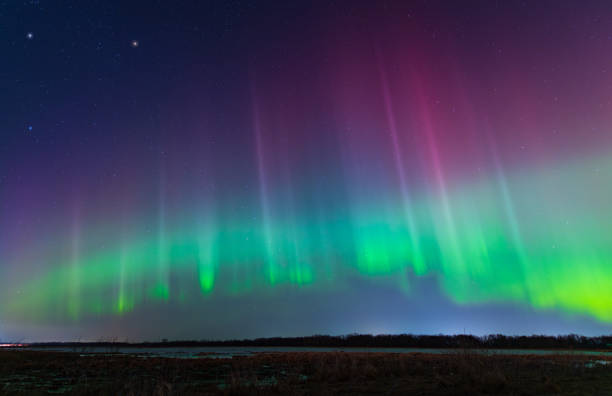
Discover the enchanting Aurora Australis, the Southern Hemisphere’s counterpart to the Northern Lights, as it paints the night sky with vibrant hues of green, purple, and pink. This elusive phenomenon offers a magical and lesser-known light show for adventurous travelers.
Activity Type: Night sky observation, nature, and adventure travel.
Overview: The Aurora Australis, or Southern Lights, is a stunning natural light display caused by solar particles colliding with Earth’s atmosphere near the magnetic South Pole. While less famous than the Aurora Borealis, the Southern Lights provide equally breathtaking views for those venturing to southern latitudes. This celestial spectacle is best observed in remote, dark-sky locations like Tasmania, New Zealand’s South Island, Antarctica, and parts of southern Argentina and Chile.
Where: Top viewing spots include Tasmania (Australia), Lake Tekapo and Stewart Island (New Zealand), Antarctica, and the southern tips of Argentina and Chile.
Duration of Activity: Southern Light displays can last from a few minutes to several hours. Visiting for multiple nights increases your chances of witnessing this elusive phenomenon.
Best Time to Visit: The best time to see the Southern Lights is during the winter months of the Southern Hemisphere (March to September), with the darkest skies in June and July offering optimal conditions.
Cost: Costs depend on the destination and mode of travel. Budget-friendly options in Tasmania or New Zealand can cost around $100 to $300 USD per night for guided tours. Antarctica expeditions can range from $5,000 to $15,000 USD or more for a multi-day experience.
Top Tips: To maximize your chances of seeing the Southern Lights, choose locations with minimal light pollution and visit during the peak winter months. Keep an eye on aurora forecasts for real-time updates on activity levels. Dress warmly in insulated layers, as winter nights in these regions can be extremely cold. Bring a camera with long-exposure settings and a sturdy tripod to capture the vivid colors of the Aurora Australis. If possible, plan your trip to include other attractions in the region, such as star-gazing at Lake Tekapo or wildlife tours in Tasmania, to make the most of your adventure.
3.) Scuba Dive the Great Barrier Reef, Australia: A Colorful Underwater World Awaits
Explore the world’s largest coral reef system and one of the most biodiverse ecosystems on Earth, where vibrant coral gardens, playful fish, and fascinating marine life create an unforgettable diving experience.
Activity Type: Scuba diving, marine life exploration, underwater adventure.
Overview: The Great Barrier Reef, located off the coast of Queensland, Australia, is a UNESCO World Heritage site and a diver’s paradise. Spanning over 2,300 kilometers and encompassing thousands of individual reefs and islands, this living wonder offers an unparalleled underwater adventure. As you descend into its warm waters, you’ll be surrounded by a kaleidoscope of colorful coral formations, swaying sea fans, and schools of tropical fish. Iconic species such as the majestic manta ray, sea turtles, and the endangered dugong also inhabit this diverse ecosystem. With numerous dive sites to choose from, ranging from shallow coral gardens to deep-water walls, the Great Barrier Reef caters to divers of all levels.
Where: The Great Barrier Reef can be accessed from various coastal towns, including Cairns, Port Douglas, and Airlie Beach, which offer numerous dive shops and tour operators.
Duration of Activity: Scuba diving trips typically range from half-day to full-day excursions, with multiple dives at different locations. Each dive typically lasts between 30 to 60 minutes, depending on air supply and conditions.
Best Time to Visit: The best time to dive the Great Barrier Reef is during the Australian winter months (May to October) when visibility is highest and the weather is cooler. The warmer summer months (November to April) are still great for diving, but visibility can be slightly reduced due to plankton blooms.
Cost: Prices for scuba diving on the Great Barrier Reef typically range from $100 to $200 USD per dive, with full-day tours including multiple dives ranging from $250 to $400 USD. Additional costs may include equipment rental, dive certification fees, and transportation to and from the reef.
Top Tips: To maximize your dive experience, consider booking a liveaboard trip to explore remote reef locations far from the crowds. Bring an underwater camera or GoPro to capture the colorful marine life. It’s also a good idea to complete your dive certification before your trip to ensure you’re comfortable with diving in the open water. Respect the reef by adhering to eco-friendly diving practices and avoid touching or disturbing marine life. Lastly, check the weather and ocean conditions before your dive to ensure the best visibility and safety.
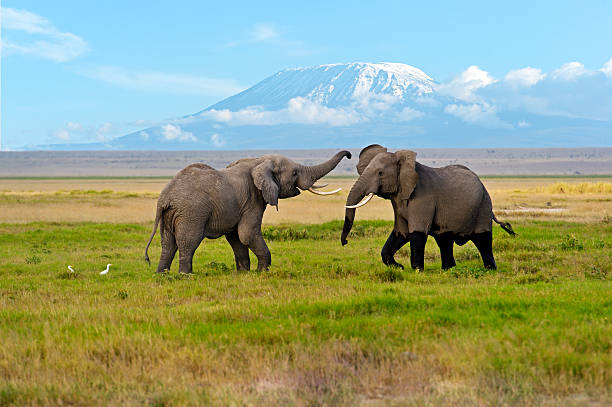
4.) Take a Safari in the Serengeti or Maasai Mara to See the Great Migration: A Spectacle of Nature’s Power
5.)Explore Machu Picchu via the Inca Trail, Peru.
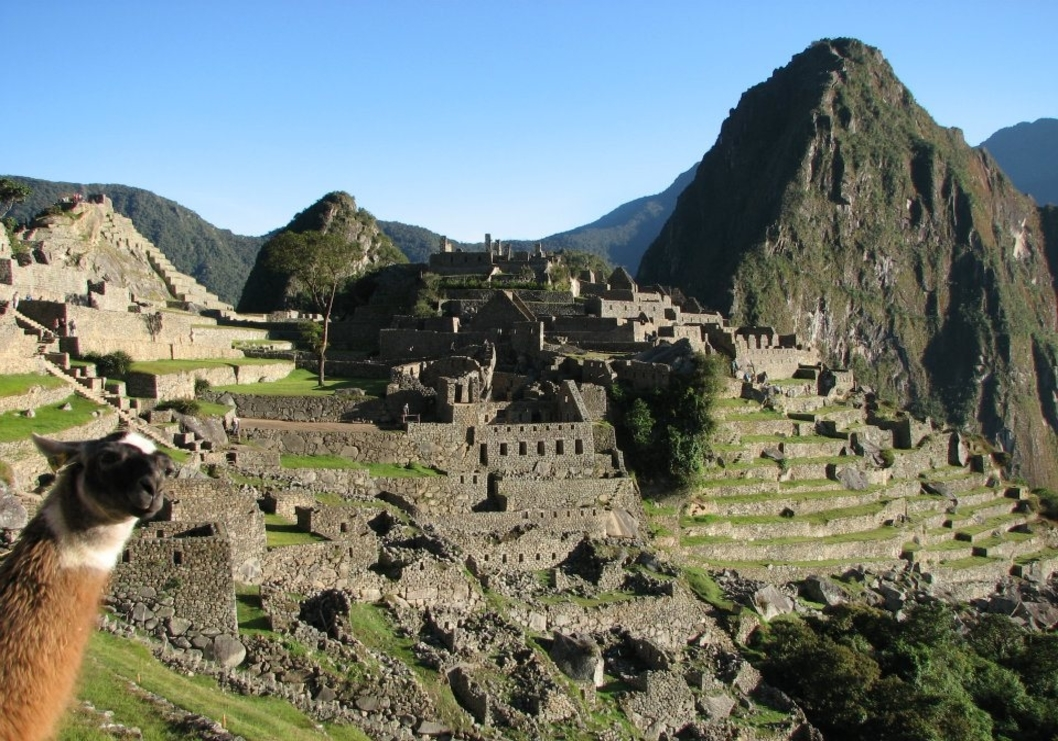
Embark on a thrilling adventure through the Peruvian Andes, following the ancient path of the Incas and culminating in a visit to one of the world’s most mysterious and iconic archaeological sites.
Activity Type: Hiking, cultural exploration, historical sightseeing.
Overview: The Inca Trail to Machu Picchu is one of the most famous and sought-after treks in the world. Winding through cloud forests, alpine tundras, and steep mountain passes, this trail leads trekkers through breathtaking landscapes, ancient ruins, and diverse ecosystems. Along the way, hikers encounter Inca archaeological sites, including the impressive ruins of Wiñay Wayna and the archaeological complex of Phuyupatamarca. Reaching Machu Picchu itself, perched high in the Andes with panoramic views of the surrounding mountains and valleys, is an unforgettable moment. As the morning mist lifts, the sight of this ancient “Lost City” is nothing short of awe-inspiring. The trek takes four days to complete, and the final destination, Machu Picchu, is a testament to the architectural genius of the Incas. This adventure offers a rare opportunity to experience history, culture, and nature all in one remarkable journey.
Where: The Inca Trail is located in the Sacred Valley of the Incas in southern Peru, leading from the town of Ollantaytambo to Machu Picchu. The trek starts at an elevation of around 2,700 meters (8,858 feet) and reaches the highest point at Dead Woman’s Pass at 4,215 meters (13,829 feet).
Duration of Activity: The Inca Trail trek typically takes four days and three nights, with the final leg of the journey bringing trekkers to Machu Picchu early on the fourth day to catch the sunrise over the iconic site.
Best Time to Visit: The best time to trek the Inca Trail is during the dry season, which runs from May to September. These months offer clearer skies and better conditions for hiking. However, it’s also the most popular time, so early booking is essential. The rainy season, from November to March, sees fewer tourists, but trail conditions can be challenging due to mud and slippery paths.
Cost: The cost for trekking the Inca Trail varies, but permits for the trail itself typically cost between $50 to $100 USD. However, most trekking tours (which include guides, permits, transportation, and food) range from $500 to $1,200 USD for a four-day trek. Luxury treks with higher-end accommodations and extra services can cost upwards of $1,500 to $2,000 USD. It’s recommended to book through a certified tour operator, as permits for the Inca Trail are limited and often sell out months in advance.
Top Tips: Be sure to book your trek as early as possible, as permits for the Inca Trail are limited to 500 people per day, including guides and porters. Prepare for the altitude by spending a few days in Cusco or the Sacred Valley to acclimatize before starting the trek. Wear sturdy, comfortable footwear, and pack lightweight, moisture-wicking clothing, as temperatures can fluctuate dramatically throughout the day. Don’t forget a camera to capture the stunning scenery and panoramic views of Machu Picchu. And most importantly, enjoy the journey – it’s as much about the experience of hiking through the beautiful landscapes and historical sites as it is about reaching the ultimate destination!
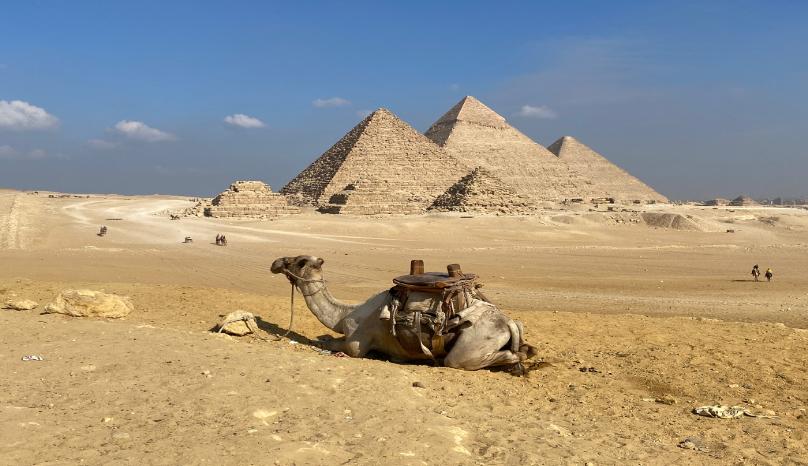
6.)Visit the Pyramids of Giza, Egypt.
7.)Hike to the Tiger’s Nest Monastery, Bhutan.
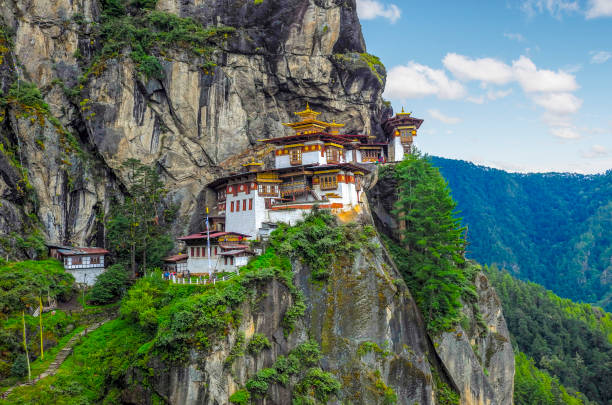
Embark on a spiritual and physically rewarding adventure as you hike to the iconic Tiger’s Nest Monastery, one of Bhutan’s most revered landmarks, perched high on a cliffside overlooking the Paro Valley.
Activity Type: Trekking, cultural exploration, spiritual journey.
Overview: The Tiger’s Nest Monastery, also known as Paro Taktsang, is a Buddhist monastery that clings to a dramatic cliffside at an elevation of 10,200 feet (3,120 meters) above sea level. It is one of Bhutan’s most iconic and sacred sites, attracting both spiritual pilgrims and adventurous hikers. According to legend, Guru Rinpoche, the founder of Tibetan Buddhism, flew to the site on the back of a tiger to meditate and establish the monastery. Reaching the monastery requires a moderate-to-challenging hike through pine forests, steep trails, and breathtaking views of the valley below. Along the way, visitors will pass by prayer flags fluttering in the wind and enjoy panoramic vistas of the surrounding mountains. At the top, the monastery’s whitewashed walls, intricate architecture, and tranquil surroundings offer a serene atmosphere for reflection and meditation. The trek to Tiger’s Nest Monastery is not only a physical challenge but a deeply spiritual experience, making it a bucket-list destination for travelers seeking both adventure and inner peace.
Where: Tiger’s Nest Monastery is located in the Paro Valley, Bhutan, approximately 10 km (6 miles) from the town of Paro. The nearest airport is Paro International Airport, which is the only international gateway to Bhutan.
Duration of Activity: The hike to Tiger’s Nest takes around 4 to 6 hours, with the return journey typically taking 3 to 4 hours. The duration depends on individual fitness levels and how much time is spent at the monastery.
Best Time to Visit: The best time to visit Bhutan for hiking to Tiger’s Nest is during the spring (March to May) or autumn (September to November) months, when the weather is generally clear, dry, and pleasant. The summer months can be rainy, while the winter months can be cold, especially at higher altitudes.
Cost: The cost of visiting Tiger’s Nest Monastery itself is minimal, with a small entry fee of around $5 USD. However, since Bhutan operates on a unique tourism policy, visitors are required to book their trip through a licensed Bhutanese tour operator, which includes a daily tariff that covers accommodation, meals, and a guide. The daily tariff for budget travelers is around $200 to $250 USD per person, with higher costs for luxury packages.
Top Tips: Wear sturdy, comfortable hiking shoes, as the trail can be steep and uneven, especially in the higher sections. Bring plenty of water, snacks, and sunscreen, as the hike can be physically demanding. Although the hike to the monastery is challenging, the sense of accomplishment upon reaching the top is truly rewarding. The monastery itself is a serene and peaceful place, so take time to appreciate the spiritual energy of the site. Be respectful of local customs and traditions, and dress modestly when visiting the monastery. Finally, consider visiting during early morning or late afternoon for a more peaceful experience, as the trail can get crowded during midday.
8.)Experience the Rio Carnival, Brazil.
9.) Walk the Historic Camino de Santiago, Spain: A Spiritual and Cultural Journey
10.)Ride a camel in the Sahara Desert, Morocco.
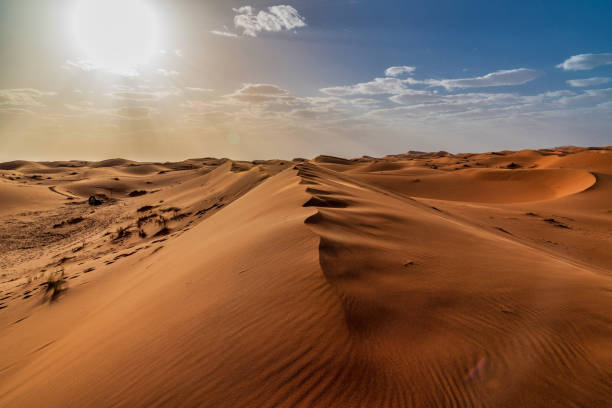
Experience the magic of Morocco’s vast Sahara Desert as you ride a camel through its sweeping dunes, witness the awe-inspiring desert landscape, and immerse yourself in the ancient traditions of nomadic life.
Activity Type: Camel trekking, cultural exploration, desert adventure.
Overview: The Sahara Desert, one of the world’s most iconic and largest deserts, offers a once-in-a-lifetime adventure that takes you into the heart of Morocco’s natural beauty and ancient traditions. A camel ride through the golden sand dunes is a quintessential desert experience, offering a glimpse into a way of life that has remained unchanged for centuries. The camel, known as the “ship of the desert,” will carry you over the undulating dunes, offering stunning views of the endless desert horizon. You’ll ride under the scorching sun by day, experiencing the stark beauty of the desert’s vastness, and under the star-filled skies at night, where the lack of light pollution reveals a breathtaking celestial display. Most camel treks in Morocco take place near the town of Merzouga, a popular gateway to the Sahara. Here, you’ll explore the dunes of Erg Chebbi, some of the tallest sand dunes in the country, as well as camp under the stars in traditional Berber tents. This unique experience provides a deeper connection to the desert’s raw beauty and a sense of tranquility that’s hard to replicate anywhere else in the world.
Where: The Sahara Desert stretches across several countries, but the most popular location for camel treks is near Merzouga, Morocco. The Erg Chebbi dunes, located on the edge of the desert, offer some of the most stunning landscapes for camel trekking.
Duration of Activity: Camel treks in the Sahara can range from a short half-day ride to multi-day expeditions. A typical trek lasts 1 to 3 days, depending on your preferences, with an overnight stop in a desert camp to experience the tranquility of the desert night.
Best Time to Visit: The best time to visit the Sahara Desert is during the cooler months, from October to April. During this period, temperatures are more manageable, ranging from 50°F (10°C) in the evenings to 70–80°F (21–27°C) during the day. Summer months (June to August) can be extremely hot, with daytime temperatures often exceeding 100°F (38°C), making it less comfortable for trekking.
Cost: The cost of a camel trek in the Sahara can vary depending on the length of the trek, the level of comfort, and whether it’s a private or group tour. A one-night trek with transportation and a desert camp typically costs between $80 to $200 USD per person. Longer treks or luxury desert tours, which may include more extensive services, higher-end accommodations, and meals, can range from $250 to $500 USD or more.
Top Tips: When preparing for your camel ride, make sure to wear loose, comfortable clothing that will keep you cool during the day and warm at night. A wide-brimmed hat and sunglasses are essential to protect you from the sun, and don’t forget sunscreen. You should also bring plenty of water, as dehydration can be a concern in the desert. Although camels are generally gentle, they are large animals, so be cautious when mounting and dismounting. Make sure to secure your belongings in a waterproof bag, as sand can easily get into everything. Lastly, take time to savor the experience and appreciate the quiet beauty of the desert—this is a moment to disconnect from the world and immerse yourself in the serenity of one of the most remote places on Earth.
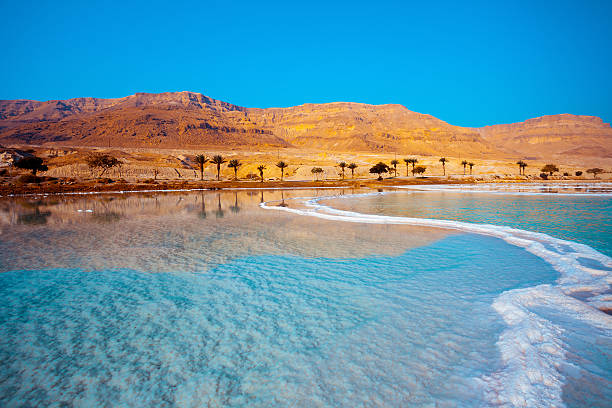
11.) Float in the Dead Sea, Jordan/Israel.
12.)Visit the Taj Mahal, India.

13.)Watch the sunrise at Angkor Wat, Cambodia.
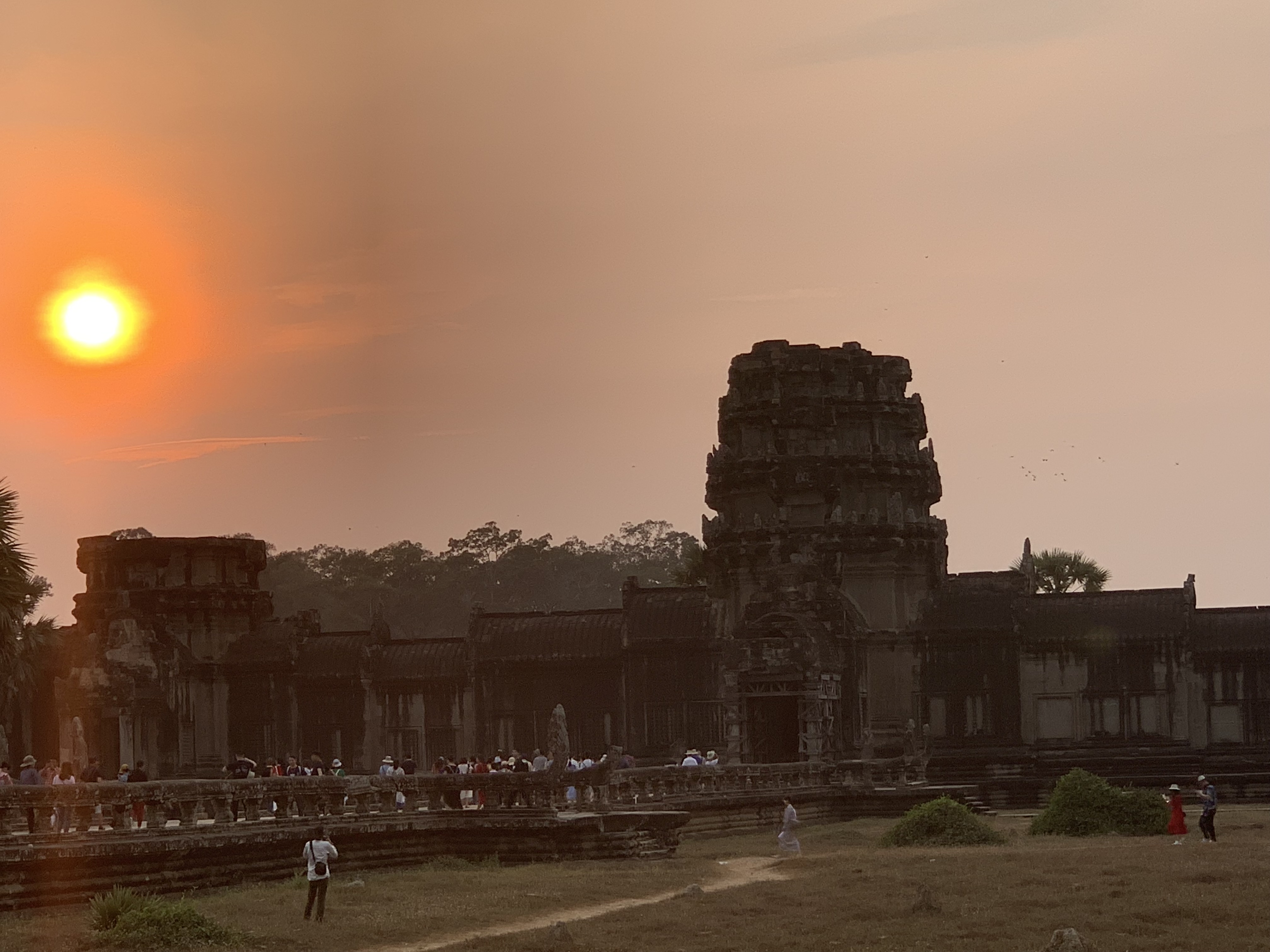
Experience the ethereal beauty of one of the world’s most iconic temples as the first light of day reveals its ancient grandeur.
Activity Type: Cultural exploration, historical sightseeing, and photography.
Overview: Angkor Wat, located in Siem Reap, Cambodia, is the largest religious monument in the world and a symbol of Cambodia’s rich cultural heritage. Built in the 12th century as a Hindu temple dedicated to Vishnu, it later became a Buddhist temple, blending both traditions in its intricate carvings and design. Watching the sunrise at Angkor Wat is a mesmerizing experience, as the temple’s iconic silhouette is illuminated against the vibrant hues of dawn. The reflection of the temple in the surrounding lotus ponds adds to the magic, making it a bucket-list moment for travelers. This sacred site not only showcases Khmer architectural brilliance but also offers a glimpse into Cambodia’s spiritual and historical roots.
Where: Angkor Wat is located near Siem Reap, Cambodia, and is part of the larger Angkor Archaeological Park. It’s a short tuk-tuk or car ride from the town center.
Duration of Activity: To catch the sunrise, plan to arrive at the temple around 5:00 AM. You’ll need around 2–3 hours to watch the sunrise and explore the temple grounds.
Best Time to Visit: The dry season, from November to March, offers the clearest skies for viewing the sunrise. Aim for the early morning hours to beat the crowds and experience the temple in its most tranquil state.
Cost: Entry to the Angkor Archaeological Park costs $37 USD for a one-day pass, $62 USD for a three-day pass, and $72 USD for a seven-day pass. These fees include access to Angkor Wat and other temples in the park.
Top Tips: Arrive early to secure a good spot near the reflection pond for the best sunrise views and photos. Bring a flashlight, as it will still be dark when you arrive. Wear comfortable clothing and sturdy shoes, as you’ll likely be exploring the temple grounds after sunrise. Consider hiring a local guide to delve deeper into the history and significance of Angkor Wat. Finally, stay hydrated and bring a hat, as the Cambodian sun can be intense later in the day.
14.) Take a road trip along Route 66, USA.
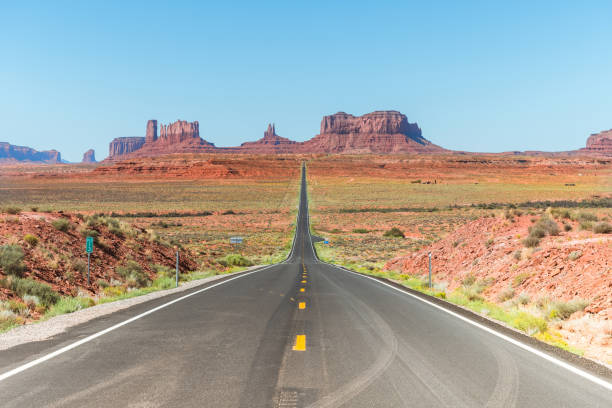
Embark on the ultimate American road trip, traveling along Route 66 to discover historic towns, roadside attractions, and a slice of classic Americana.
Activity Type: Road trip, cultural exploration, and scenic travel.
Overview: Route 66, often referred to as the “Main Street of America,” spans over 2,400 miles from Chicago, Illinois, to Santa Monica, California. This legendary highway offers a nostalgic journey through the heart of the United States, passing through eight states and showcasing diverse landscapes, from the flat plains of the Midwest to the deserts of the Southwest. Along the way, travelers can explore charming small towns, quirky roadside attractions like the Cadillac Ranch and the Blue Whale of Catoosa, and historic diners serving up classic American comfort food. A Route 66 road trip is more than just a drive; it’s a journey through time, celebrating the golden age of American road travel.
Where: Route 66 starts in Chicago, Illinois, and ends at Santa Monica Pier in California, passing through Missouri, Kansas, Oklahoma, Texas, New Mexico, and Arizona along the way.
Duration of Activity: Driving the full length of Route 66 typically takes about two to three weeks, depending on stops and side trips. Shorter sections can be explored in a few days.
Best Time to Visit: The best time for a Route 66 road trip is during the spring (April to June) or autumn (September to October) when the weather is mild, and the landscapes are at their most picturesque. Summer can be busy, and winter may bring challenging weather conditions in some areas.
Cost: Costs will vary based on the length of your trip and travel style. Budget around $100 to $150 USD per day for gas, accommodations, and meals, but costs can increase for more luxurious stays or guided tours.
Top Tips: Before setting out, plan your itinerary to include iconic stops like the Gateway Arch in St. Louis, the Wigwam Motel in Arizona, and the Santa Monica Pier. Make sure to download a detailed Route 66 map or guidebook, as some portions of the original route are no longer in use. Keep your camera handy for the many photo-worthy landmarks, and don’t forget to savor the local specialties at roadside diners along the way. Above all, take your time to enjoy the journey—Route 66 is about the adventure, not just the destination.
15.)Explore the Galápagos Islands, Ecuador.
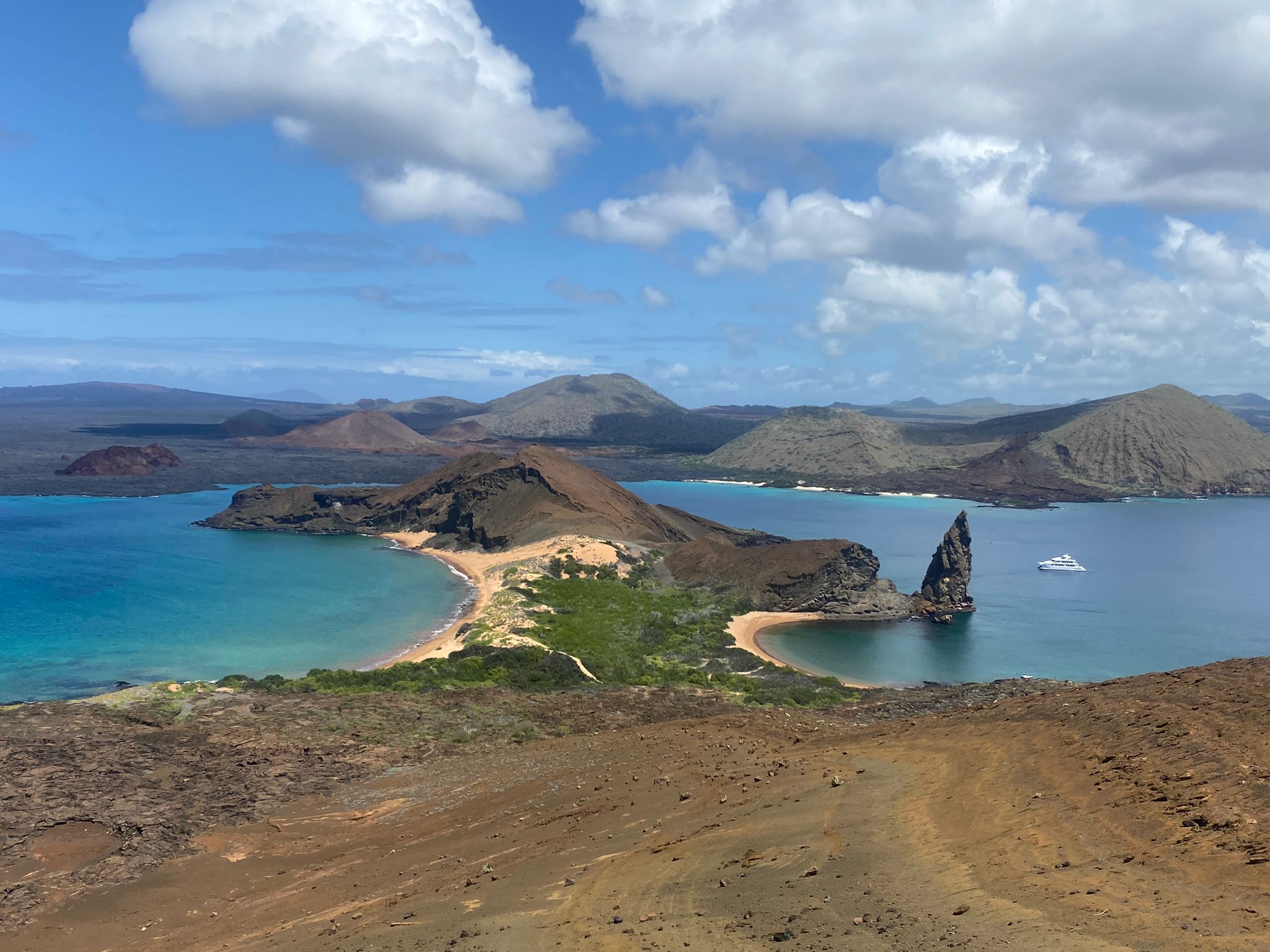
Discover a living laboratory of evolution as you explore the unique landscapes and wildlife of the Galápagos Islands, one of the world’s most biodiverse destinations.
Activity Type: Wildlife exploration, eco-tourism, and island adventure.
Overview: The Galápagos Islands, located 600 miles off the coast of Ecuador, are a UNESCO World Heritage Site and a haven for wildlife enthusiasts. Known for their role in inspiring Charles Darwin’s theory of evolution, the islands offer unparalleled opportunities to encounter species found nowhere else on Earth. From giant tortoises and marine iguanas to playful sea lions and blue-footed boobies, the Galápagos Islands provide close-up experiences with animals that are unafraid of humans. Explore volcanic landscapes, snorkel among vibrant coral reefs, and take guided tours led by naturalists to learn about the fragile ecosystems that make this archipelago so extraordinary.
Where: The Galápagos Islands are a group of volcanic islands in the Pacific Ocean, located off the coast of Ecuador. Popular islands to visit include Santa Cruz, Isabela, San Cristóbal, and Floreana.
Duration of Activity: Most tours last between 5 to 10 days, offering a mix of land and sea excursions. Longer trips allow for a more in-depth exploration of the islands.
Best Time to Visit: The Galápagos Islands can be visited year-round, but December to May offers warmer waters and calmer seas, while June to November brings cooler temperatures and better opportunities to see marine life, such as whales and sharks.
Cost: A trip to the Galápagos can be expensive, with costs ranging from $2,000 to $7,000 USD or more per person, depending on the length of stay, type of accommodations, and whether you choose a land-based tour or a liveaboard cruise.
Top Tips: Book your trip with an eco-friendly tour operator to ensure minimal impact on the delicate environment. Pack essentials like sunscreen, a hat, sturdy walking shoes, and waterproof bags to protect your gear. Don’t miss the chance to snorkel with sea turtles, reef sharks, and schools of colorful fish. Finally, respect the strict rules in place to preserve the islands—stay on designated paths, avoid disturbing wildlife, and never leave behind litter. This is a once-in-a-lifetime destination, so take your time to absorb its unique beauty.
16.)Ride the Trans-Siberian Railway across Russia to explore Moscow, Beijing & the Naddam festival

Embark on one of the world’s most iconic rail journeys, crossing continents and experiencing diverse cultures, landscapes, and traditions.
Activity Type: Train travel, cultural exploration, and adventure.
Overview: The Trans-Siberian Railway is a legendary travel experience, connecting Moscow in Russia to Beijing in China via vast stretches of Siberia and Mongolia. Spanning over 9,000 kilometers, this epic journey offers a glimpse into the heart of Eurasia. Pass through breathtaking landscapes, from dense Russian forests and the serene shores of Lake Baikal to the rolling steppes of Mongolia. Along the way, immerse yourself in vibrant cultures: explore Moscow’s Red Square, experience the nomadic traditions of Mongolia during the Naadam Festival, and marvel at Beijing’s Forbidden City and Great Wall. Whether traveling in luxury or on a budget, this railway adventure is a bucket-list-worthy way to connect iconic destinations.
Where: The Trans-Siberian Railway begins in Moscow, Russia, and ends in Beijing, China, passing through Siberia and Mongolia. Highlights include Lake Baikal, Ulaanbaatar (capital of Mongolia), and Beijing.
Duration of Activity: The direct journey takes around 6–7 days of nonstop travel, but most travelers spend 2–3 weeks or more stopping at key destinations along the route.
Best Time to Visit: June to September is the best time to embark on this journey. The summer months offer warmer weather and coincide with the Naadam Festival in Mongolia, held in July, featuring traditional sports like wrestling, horse racing, and archery.
Cost: Prices vary greatly depending on the class of service and itinerary. Budget travelers can spend around $1,000–$2,000 USD for train tickets and accommodations, while luxury experiences like the Golden Eagle or Tsar’s Gold trains can exceed $10,000 USD.
Top Tips: Plan your stops carefully to make the most of the journey, especially at must-see locations like Lake Baikal and Ulaanbaatar. Bring essentials for long train rides, such as snacks, comfortable clothing, and entertainment. Consider adding a local guide for city tours in Moscow, Ulaanbaatar, and Beijing to deepen your experience. Don’t miss the Naadam Festival in Mongolia if your trip aligns—it’s a cultural highlight that showcases the country’s rich heritage.
17.) Trek to Everest Base Camp, Nepal

18.) Sail through Halong Bay, Vietnam
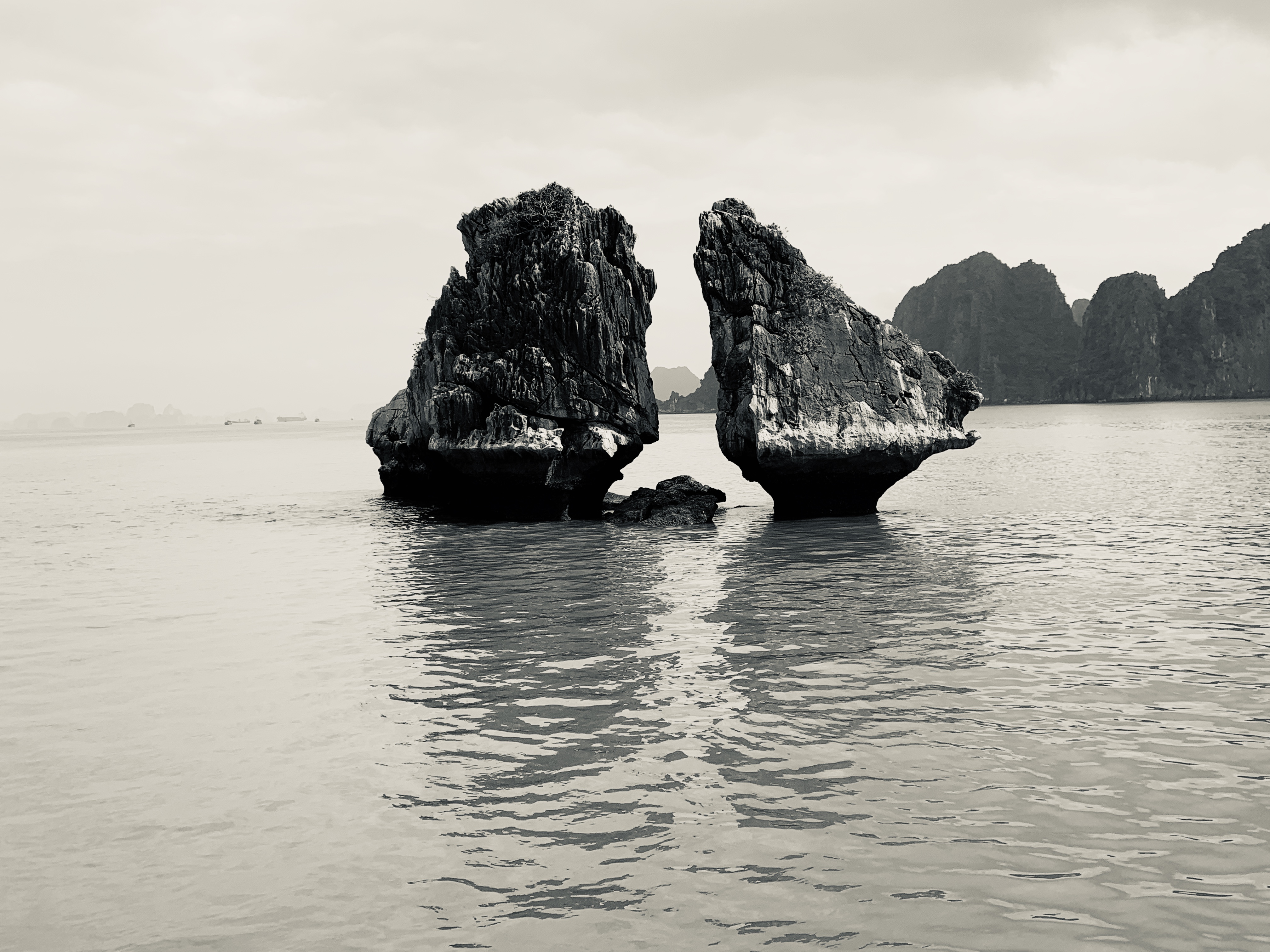
Glide through emerald waters surrounded by towering limestone karsts in one of the most stunning seascapes on Earth.
Activity Type: Scenic cruising, nature exploration, and cultural experience.
Overview: Halong Bay, a UNESCO World Heritage Site in Vietnam, is renowned for its breathtaking beauty. Sailing through the bay, you’ll witness over 1,600 limestone islands and islets rising dramatically from jade-green waters. These formations, sculpted by millions of years of natural erosion, create an otherworldly landscape. A boat cruise offers the chance to explore hidden caves, swim in secluded lagoons, and visit floating fishing villages. Whether on a traditional wooden junk boat or a modern luxury cruise, this experience combines serenity, adventure, and cultural discovery.
Where: Halong Bay is located in northern Vietnam, around 170 km (105 miles) east of Hanoi.
Duration of Activity: Cruises range from day trips to multi-day adventures, with 2‑day/1‑night cruises being the most popular option for an immersive experience.
Best Time to Visit: The best time to visit Halong Bay is from October to April when the weather is cooler, and skies are clear. Avoid the rainy season (June to September) for a better chance of smooth sailing and uninterrupted views.
Cost: Prices for Halong Bay cruises vary widely depending on the type of boat and amenities. Budget cruises start at $50–$100 USD for a day trip, while mid-range to luxury overnight cruises can range from $150 to $500 USD per person.
Top Tips: Book your cruise in advance, especially during peak travel seasons, to secure the best deals and ensure availability. Choose a reputable tour operator to guarantee a safe and enjoyable experience. Pack light but don’t forget essentials like sunscreen, a swimsuit, and a camera to capture the stunning vistas. For an enhanced experience, opt for an itinerary that includes kayaking or visits to lesser-known areas of the bay.
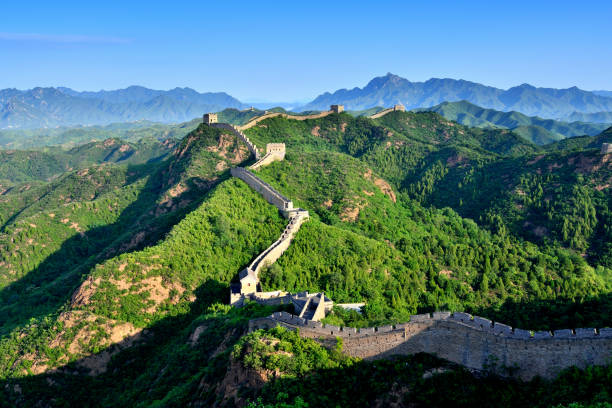
19.)Wander the Great Wall of China
20.) Go hot-air ballooning over Cappadocia, Turkey
Experience a magical sunrise as you float above Cappadocia’s otherworldly landscapes in a hot-air balloon.
Activity Type: Adventure, scenic flight, and photography.
Overview: Cappadocia, Turkey, is world-renowned for its surreal landscapes of unique rock formations, fairy chimneys, and ancient cave dwellings. There’s no better way to take in the region’s ethereal beauty than from the skies in a hot-air balloon. As you rise with the sun, hundreds of colorful balloons dot the horizon, creating a breathtaking spectacle. From above, you’ll witness panoramic views of valleys, vineyards, and the quaint towns of Göreme and Ürgüp, all bathed in the golden hues of dawn. This bucket-list experience offers a sense of serenity and wonder as you drift peacefully through the skies.
Where: Cappadocia, Turkey, with launches primarily from Göreme.
Duration of Activity: Hot-air balloon rides typically last 45 minutes to 1.5 hours, depending on the package you choose.
Best Time to Visit: The best time for hot-air ballooning is from April to October, when weather conditions are optimal. Flights operate year-round, but winter offers a unique experience with snow-dusted landscapes.
Cost: Prices for a hot-air balloon ride range from $150 to $300 USD per person, depending on the operator and duration of the flight.
Top Tips: Book your balloon ride in advance, as it’s a highly sought-after activity. Wear layered clothing, as it can be chilly in the early morning but warms up as the sun rises. Have your camera ready to capture stunning views, but don’t forget to take a moment to soak it all in without the lens. If you’re traveling during peak season, consider a weekday flight to avoid larger crowds.
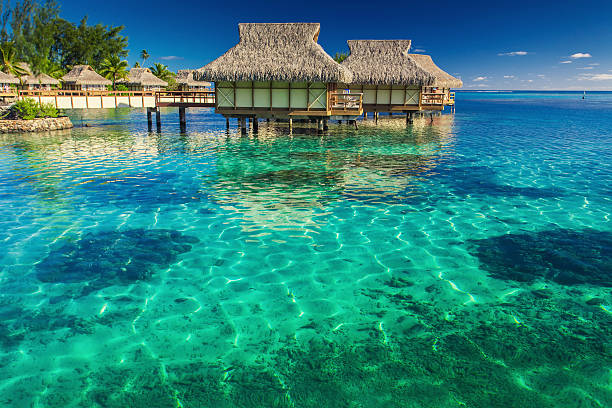
21.) Stay in an overwater bungalow in Bora Bora, French Polynesia
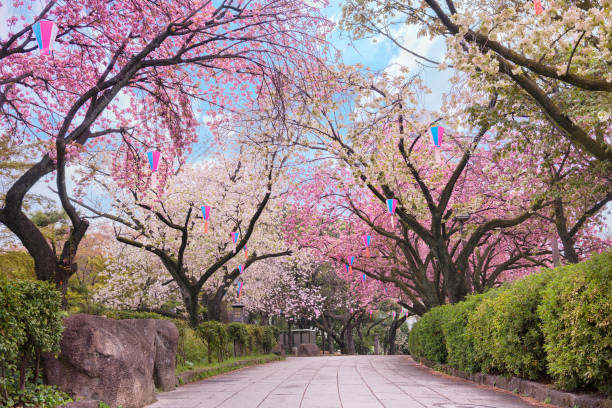
22) See cherry blossoms in Japan during spring
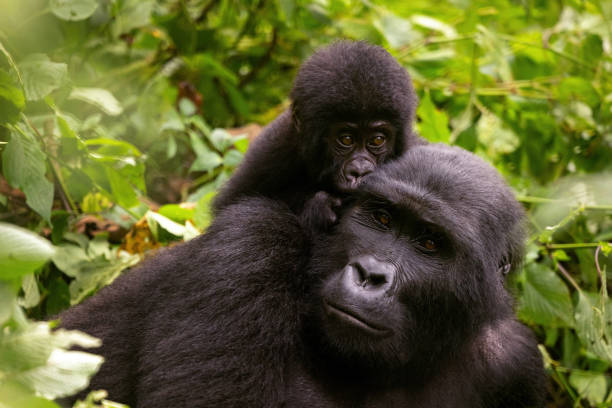
23.) Spot gorillas on a trek in Uganda or Rwanda
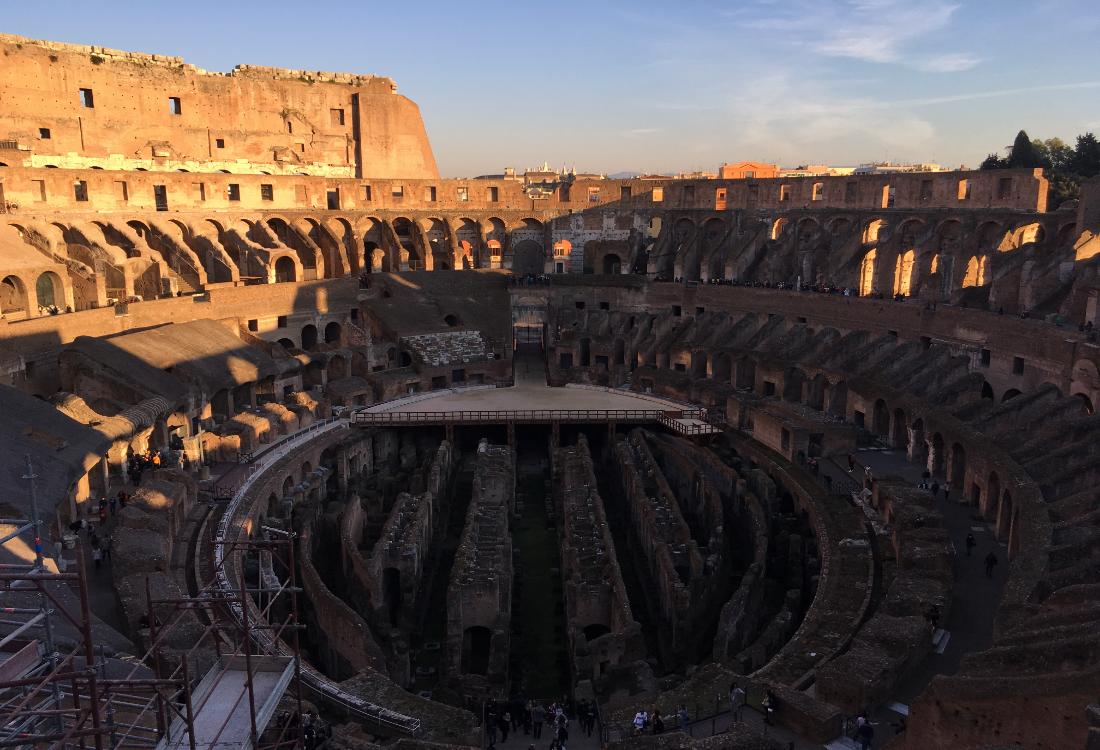
24) Visit the Colosseum, Italy
25.)Explore the Grand Canyon, USA
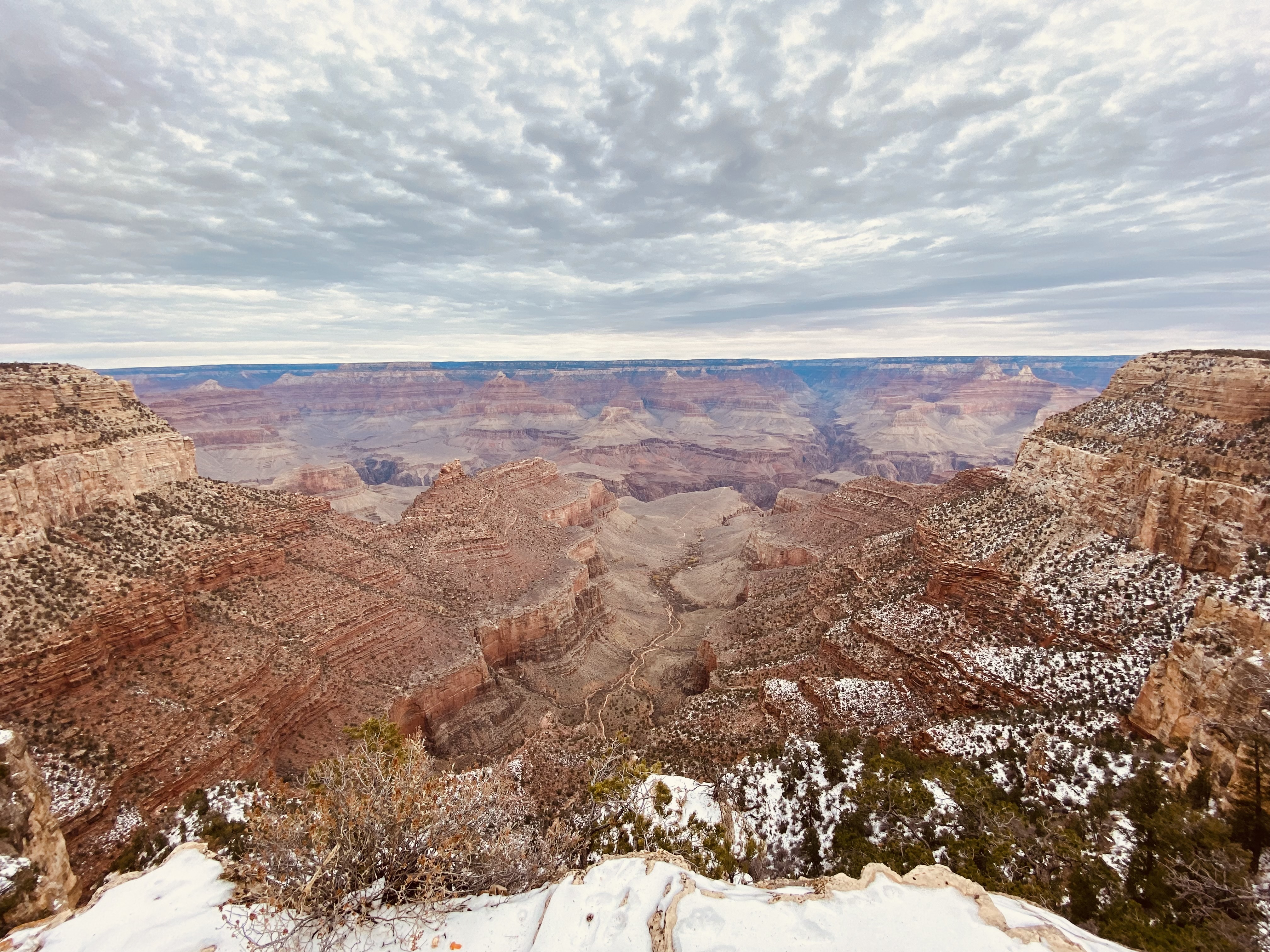
Experience the awe-inspiring beauty of one of the world’s most iconic landscapes, where time and nature have carved out an epic geological masterpiece.
Activity Type: Hiking, sightseeing, adventure, and photography.
Overview: The Grand Canyon, located in Arizona, USA, is a world-renowned natural wonder that showcases the power of erosion and the passage of time. Spanning 277 miles long, up to 18 miles wide, and over a mile deep, the canyon’s dramatic vistas offer a glimpse into Earth’s geological history, with rock layers dating back millions of years. Visitors can explore the South Rim for stunning viewpoints, or hike the challenging trails that descend into the canyon’s depths. For those looking for adventure, activities such as rafting along the Colorado River or taking a helicopter tour offer a thrilling perspective of this monumental landscape. The sheer scale and beauty of the Grand Canyon are truly awe-inspiring, and it’s a must-see for any nature lover.
Where: The Grand Canyon National Park, Arizona, USA.
Duration of Activity: A visit can range from a few hours for a quick stop at the viewpoints to several days for hiking, rafting, or camping within the park. Popular hiking trails, like the Bright Angel Trail, can take 4–8 hours to descend, with the option to camp overnight.
Best Time to Visit: The best time to visit the Grand Canyon is during the spring (March to May) and fall (September to November) when temperatures are mild, and the park is less crowded. Summer (June to August) can be extremely hot, especially at the bottom of the canyon, and attracts larger crowds. Winter (December to February) offers a quiet and serene atmosphere, but the weather can be cold and snowy, especially on the North Rim.
Cost: The entrance fee to the Grand Canyon National Park is $35 per vehicle for a 7‑day pass. Additional costs may include guided tours, rafting experiences, helicopter rides, or accommodations in and around the park, which range from budget-friendly campsites to luxury lodges.
Top Tips: For the best experience, plan ahead and reserve accommodations or permits if you intend to hike or camp in the park. Be sure to bring plenty of water and snacks, as temperatures can fluctuate greatly throughout the day, particularly in the summer months. Wear sturdy hiking boots if you plan to explore the trails, and always check the weather forecast before venturing into the canyon, especially if you plan to hike down. Consider visiting both the South Rim and the less crowded North Rim for different perspectives of this vast landscape.
26.) Celebrate New Year’s Eve in Times Square, New York City
Ring in the New Year with one of the world’s most iconic celebrations in the heart of New York City, where the ball drop marks the start of a fresh year.
Activity Type: Festival, celebration, cultural event, and sightseeing.
Overview: Times Square in New York City is world-famous for hosting one of the most anticipated New Year’s Eve celebrations in the world. Each year, thousands of people from around the globe gather in this neon-lit, bustling area to witness the legendary ball drop at midnight. The atmosphere is electric, filled with live music, performances, and excitement. While the event is free to attend, it requires early arrival and patience to secure a good viewing spot. Beyond the ball drop, Times Square offers an unforgettable setting for celebration, with crowds counting down the seconds to midnight. If you’re looking for a more comfortable experience, nearby venues host exclusive parties, but nothing beats the energy of being among the masses in Times Square on this historic night.
Where: Times Square, New York City, USA.
Duration of Activity: The New Year’s Eve festivities in Times Square typically begin in the late afternoon or early evening, with the ball drop occurring at midnight. Expect to spend several hours in the area, as it can take time to enter and exit the event zone.
Best Time to Visit: The New Year’s Eve celebration takes place annually on December 31st. However, the best time to visit is well before the event, as large crowds begin to gather early in the day. It’s also a good idea to plan for a longer stay in New York City to fully enjoy the holiday season, with the city’s festive decorations, holiday markets, and iconic landmarks all on display.
Cost: While the event itself is free to attend, securing a spot near the ball drop can be difficult due to the large crowds. Some private parties and events offer access to more comfortable viewing spots and amenities, ranging from $200 to $1,000 or more, depending on the venue. Food, drinks, and travel expenses will also contribute to your overall budget.
Top Tips: Prepare for cold weather and large crowds—New York City winters can be freezing, so layer up and wear comfortable clothing. Arrive early to secure a good viewing spot, and be prepared for long waits as access to Times Square is restricted to certain points. Food and bathrooms are limited, so consider bringing snacks and water, and be sure to plan your transportation in advance. Be patient and enjoy the electrifying atmosphere, as Times Square is truly a unique place to witness the world’s most famous New Year’s Eve celebration!
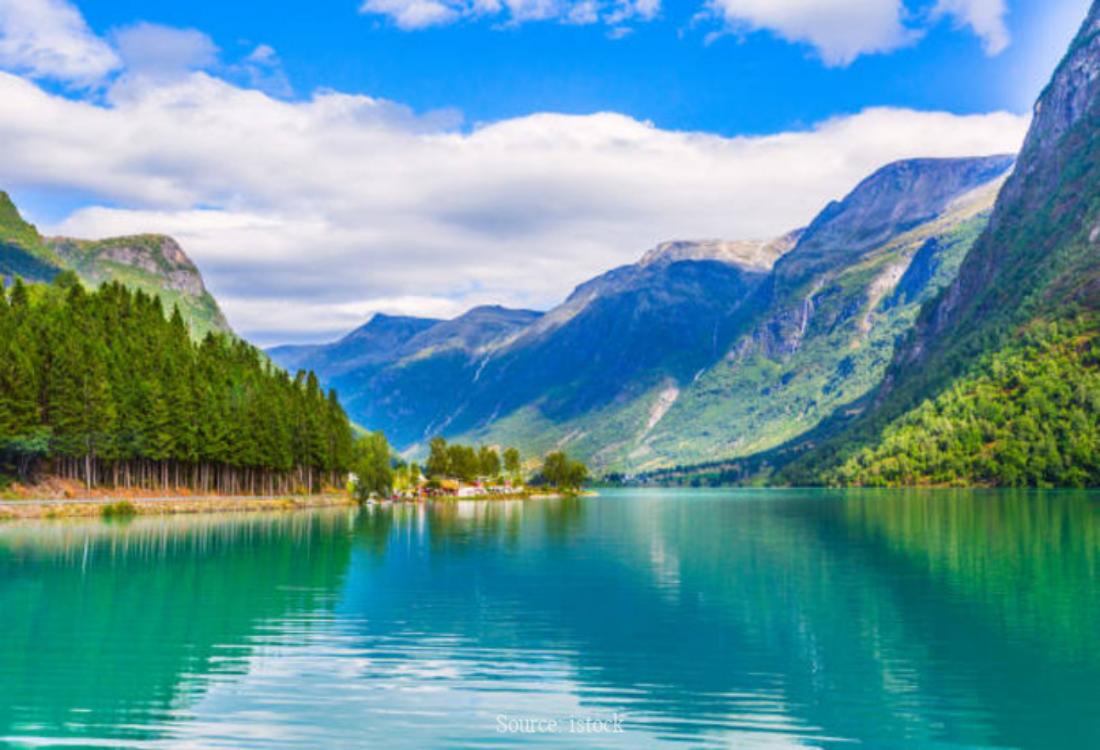
27.) Cruise the Norwegian fjords
28.) Dive into the cenotes of the Yucatán, Mexico

Dive into the Cenotes of the Yucatán, Mexico: A Subterranean Adventure Like No Other
Activity Type: Scuba diving, cave exploration, and natural wonders.
Overview: The Yucatán Peninsula in Mexico is home to a vast network of cenotes, hidden underground caverns and sinkholes that provide an otherworldly diving experience. These freshwater wells, often surrounded by lush jungle, offer unparalleled visibility and access to ancient stalactites, stalagmites, and underground rivers. The cenotes were formed millions of years ago when the surface of the earth collapsed into the subterranean river systems, creating magical, crystal-clear pools. Some cenotes are open to the sky, while others are completely enclosed, creating a surreal atmosphere as you dive through their cool, turquoise waters. Whether you’re an experienced diver or a beginner, the cenotes offer a variety of dive sites to explore, from shallow caverns to deeper, more advanced cave systems. Many cenotes also feature stalactite and stalagmite formations that make the dive feel like an adventure through an ancient, submerged world.
Where: The cenotes are primarily located in the Yucatán Peninsula, with some of the most famous cenotes near the cities of Tulum, Playa del Carmen, and Valladolid. Popular cenotes include Dos Ojos, Gran Cenote, and Cenote Ik Kil.
Duration of Activity: Cenote dives typically last between 30 minutes to an hour, depending on your experience level and the dive site. A day of cenote diving might include multiple dives across different cenotes.
Best Time to Visit: The best time to dive the cenotes is during the dry season, from November to April, when the weather is sunny, and the water visibility is at its peak. However, cenotes are open year-round, and even in the rainy season, diving is still possible, though visibility may be reduced.
Cost: The cost of a cenote diving tour generally ranges from $80 to $150 USD per dive, with some packages offering multi-dive discounts. Full-day diving tours can cost upwards of $250 to $350 USD, depending on the number of cenotes visited and whether transportation is included.
Top Tips: Many cenotes are located in remote areas, so it’s best to book a guided dive tour, especially if you’re unfamiliar with the region. Ensure you have proper diving certification, as some cenotes require advanced cave diving skills for deeper explorations. Bring biodegradable sunscreen to protect the delicate ecosystem of the cenotes. Also, remember to stay hydrated, as the tropical heat can be intense, and the diving conditions inside the cenotes can vary, with some being cooler than others.
29.)Hike the Milford Track, New Zealand

30.)Watch a Broadway show in New York City.

31.)Witness the Iguazu Falls, Argentina/Brazil
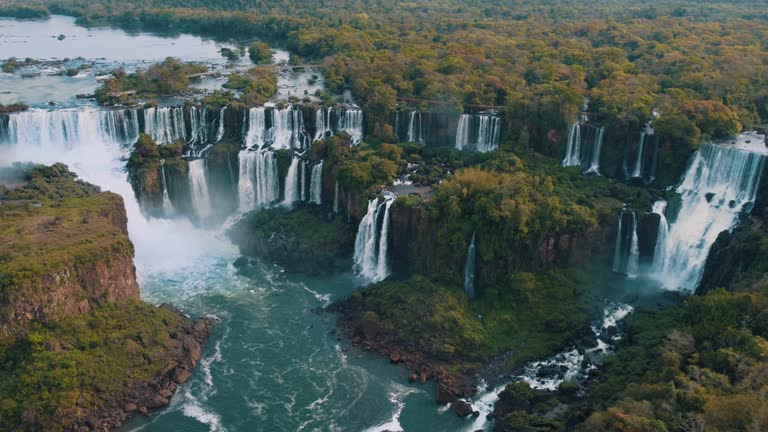
Marvel at one of the most awe-inspiring natural landscapes in the world, where thundering waterfalls cascade over the cliffs between Argentina and Brazil.
Activity Type: Nature sightseeing, adventure, wildlife, photography.
Overview: Iguazu Falls, located on the border between Argentina and Brazil, is one of the most breathtaking natural wonders in the world. The falls, which stretch over 1.7 miles (2.7 kilometers) and consist of 275 individual waterfalls, are taller and wider than Niagara Falls, making them a spectacle that’s truly awe-inspiring. The roaring water plunges into the deep gorge below, creating a misty veil that shrouds the surrounding rainforest, offering one of the most dramatic displays of nature’s raw power. Visitors can explore both the Argentine and Brazilian sides of the falls, with each offering unique perspectives. The Argentine side provides intimate views from elevated walkways that bring you up close to the falls, while the Brazilian side offers panoramic views that allow you to take in the entire cascade from a distance. Surrounded by lush tropical rainforest, the falls are also a haven for wildlife, with sightings of toucans, capuchin monkeys, and coatis adding to the experience. Whether you’re trekking through the jungle trails or enjoying a boat ride beneath the falls, witnessing Iguazu Falls is a humbling reminder of the grandeur of the natural world.
Where: Iguazu Falls straddles the border of Argentina and Brazil, with two major access points: Iguazu National Park in Argentina and Iguaçu National Park in Brazil. The falls are located near the town of Puerto Iguazu (Argentina) and Foz do Iguaçu (Brazil).
Duration of Activity: Visiting Iguazu Falls typically takes 1–2 days to fully explore both sides of the falls, including trails, boat tours, and sightseeing viewpoints.
Best Time to Visit: The best time to visit is during the spring (September to November) and fall (March to May), when the weather is mild and the crowds are smaller. The wet season (December to February) brings higher water levels, making the falls even more impressive, but it can also be crowded. The dry season (June to August) is a good time for those looking to avoid the heavy rains, though the falls may be less dramatic.
Cost: The entrance fee to Iguazu National Park (Argentina) is approximately $20 to $30 USD, while entry to Iguaçu National Park (Brazil) is around $15 to $25 USD. Boat tours and additional activities, such as helicopter rides, can range from $40 to $150 USD, depending on the experience chosen.
Top Tips: Wear comfortable, waterproof clothing and shoes, as the trails can be slippery and you’ll likely get wet from the mist of the falls. Bring a waterproof camera or phone case to capture the views without risking damage. If you want to get even closer to the falls, consider booking a boat tour that takes you right into the spray. Be sure to bring sunscreen, a hat, and insect repellent, as the climate can be hot and humid, especially during the summer months. If you’re visiting from both Argentina and Brazil, be prepared for some border-crossing logistics, and make sure you have the proper documentation for the trip.
32.)Kayak with orcas in British Columbia, Canada
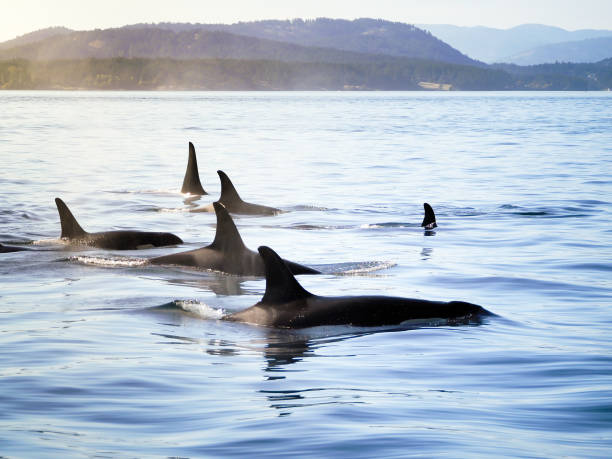
Paddle through the pristine waters of British Columbia and experience the thrill of kayaking alongside orcas in their natural habitat.
Activity Type: Wildlife viewing, kayaking, adventure, nature photography.
Overview: British Columbia’s coastal waters are a world-renowned destination for experiencing one of nature’s most awe-inspiring spectacles—kayaking with orcas. Known as “killer whales,” these majestic creatures are a symbol of the wild and untamed beauty of the Pacific Northwest. The waters off Vancouver Island and the surrounding Gulf Islands are prime locations to witness orcas in the wild, particularly during the summer months when they gather in the area to hunt for salmon. A kayaking trip here allows you to get up close to these magnificent creatures while maintaining a respectful distance. As you paddle quietly through the calm, glassy waters, you’ll be able to hear the faint sounds of the orcas’ breaths and watch as they swim gracefully through the water. Along with orcas, you might also spot humpback whales, seals, otters, and sea lions, making this an unforgettable wildlife experience. Kayak tours are often led by knowledgeable guides who are experts in marine life and ensure that the experience is both safe and educational.
Where: British Columbia’s coastal regions, particularly around Vancouver Island, the Gulf Islands, and the San Juan Islands in Washington State, USA. Specific kayaking tours depart from places like Victoria, Tofino, or the town of Telegraph Cove.
Duration of Activity: Kayak tours typically last between 3 to 5 hours, depending on the location and tour provider. Some multi-day expeditions are available for those looking to explore the coastline and see a wider range of wildlife.
Best Time to Visit: The best time to kayak with orcas in British Columbia is during the summer and early fall months (June to September), when the whales are most abundant in the region. Whale-watching season can extend into the fall depending on the migration patterns and food availability.
Cost: The cost of a guided kayaking tour in British Columbia typically ranges from $100 to $200 USD per person for a half-day trip. Multi-day tours or private excursions can cost significantly more, ranging from $500 to $1,000 USD or more.
Top Tips: Always go with a licensed and eco-conscious tour operator to ensure the safety of both you and the orcas. Wear layers of lightweight, moisture-wicking clothing, as temperatures on the water can change rapidly. A dry bag for your personal items and a waterproof camera are highly recommended for keeping your belongings safe while capturing photos of the orcas. Be sure to follow all wildlife viewing guidelines to maintain a respectful distance from the whales and minimize your impact on their environment. If you’re new to kayaking, consider taking a lesson or joining a tandem kayak tour to build confidence before venturing out on your own.
33.) Tour the Vatican in Rome
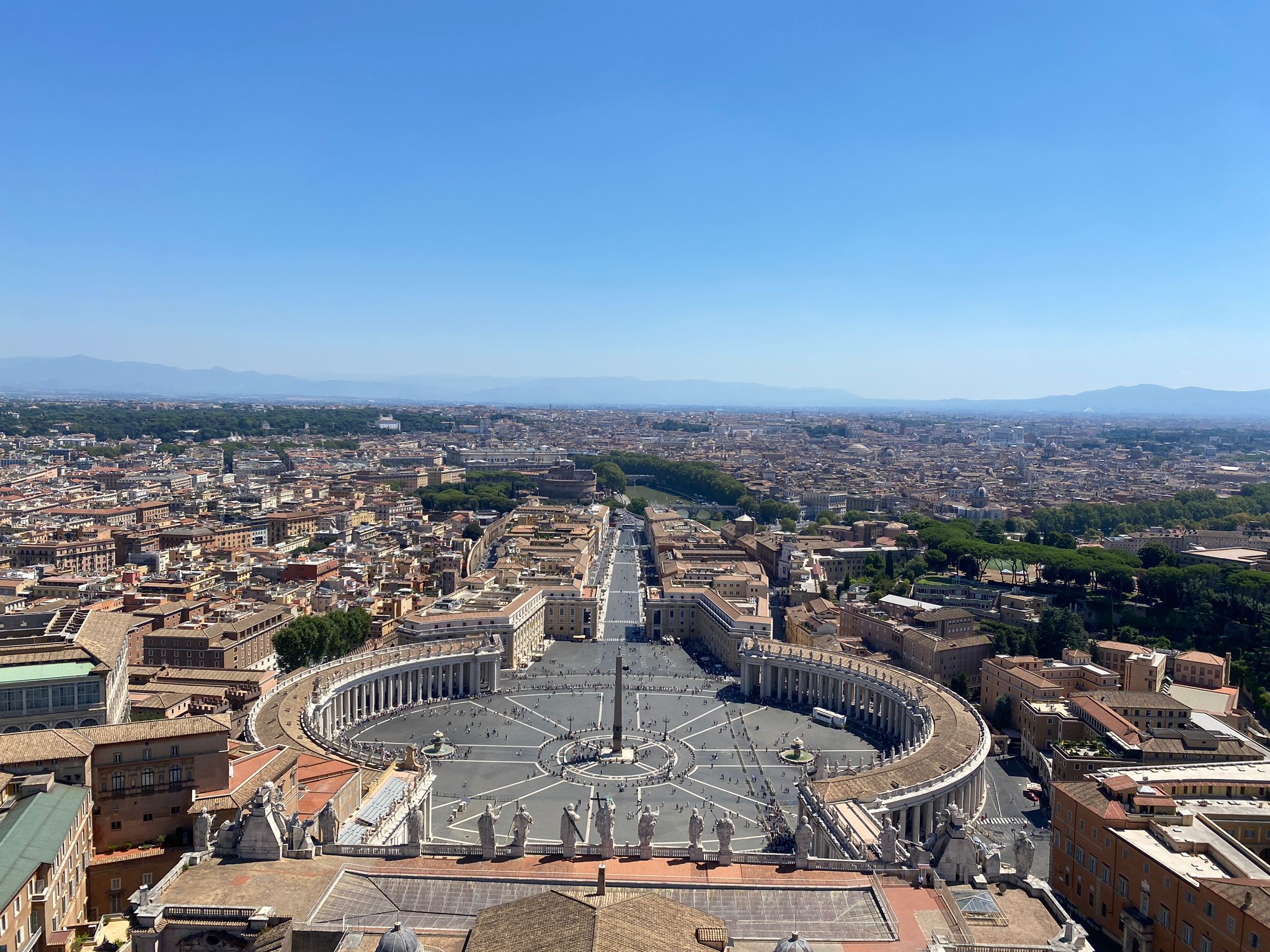
Step into the heart of Catholicism and witness the treasures of history and art at the Vatican, an iconic destination that inspires awe and reverence.
Activity Type: Cultural exploration, historical sightseeing, art appreciation, religious pilgrimage.
Overview: The Vatican, a sovereign city-state located entirely within Rome, is home to some of the world’s most renowned art, architecture, and religious significance. As the spiritual center for Catholics around the world, it also serves as a must-visit cultural hub for travelers and history enthusiasts. The Vatican Museum, one of the largest and most impressive collections of art in the world, features masterpieces by Michelangelo, Raphael, and Leonardo da Vinci, as well as treasures from ancient Egypt, Rome, and the Renaissance. A highlight of any visit is the Sistine Chapel, where Michelangelo’s iconic frescoes, including “The Creation of Adam,” adorn the ceiling, drawing millions of visitors each year. The grandeur of St. Peter’s Basilica, with its awe-inspiring dome designed by Michelangelo, is another must-see, where you can also find the tomb of St. Peter and countless other masterpieces by renowned artists. Whether you are visiting for its artistic treasures, historical significance, or religious importance, the Vatican offers a deep, meaningful experience.
Where: Vatican City, Rome, Italy. The Vatican is easily accessible from central Rome, and many tours are available to help navigate the complex and its many attractions.
Duration of Activity: A typical visit to the Vatican can range from a few hours to a full day, depending on how much time you wish to spend exploring. A guided tour of the Vatican Museums and St. Peter’s Basilica usually lasts between 2 to 3 hours.
Best Time to Visit: The best time to visit the Vatican is during the shoulder seasons in the spring (April to June) and fall (September to November) when the weather is pleasant and the crowds are thinner. Avoid peak tourist seasons like Christmas and Easter if you prefer a quieter experience. The Vatican can be quite busy, especially in summer.
Cost: Admission to the Vatican Museums and the Sistine Chapel typically costs around €17-€20 (approximately $20-$24 USD) per person. There are often additional fees for guided tours or skip-the-line tickets, which can cost €30-€50 (approximately $35-$60 USD). Admission to St. Peter’s Basilica is free, but you may wish to pay for access to the dome, which costs around €8-€10 (approximately $9-$12 USD).
Top Tips: Due to the Vatican’s religious and historical significance, it’s important to dress modestly when visiting, with shoulders and knees covered. If you’re planning to visit the Vatican Museums, it’s highly recommended to book tickets in advance to avoid long lines, especially during the peak tourist season. Consider taking a guided tour to gain a deeper understanding of the artwork and history. Be prepared for crowds, particularly around major events like Papal audiences, and try to visit early in the morning to avoid the busiest times. If you are visiting on a Sunday, don’t miss the chance to attend the Pope’s weekly Mass or a papal audience if you’re there at the right time.
34.)Take a gondola ride in Venice, Italy
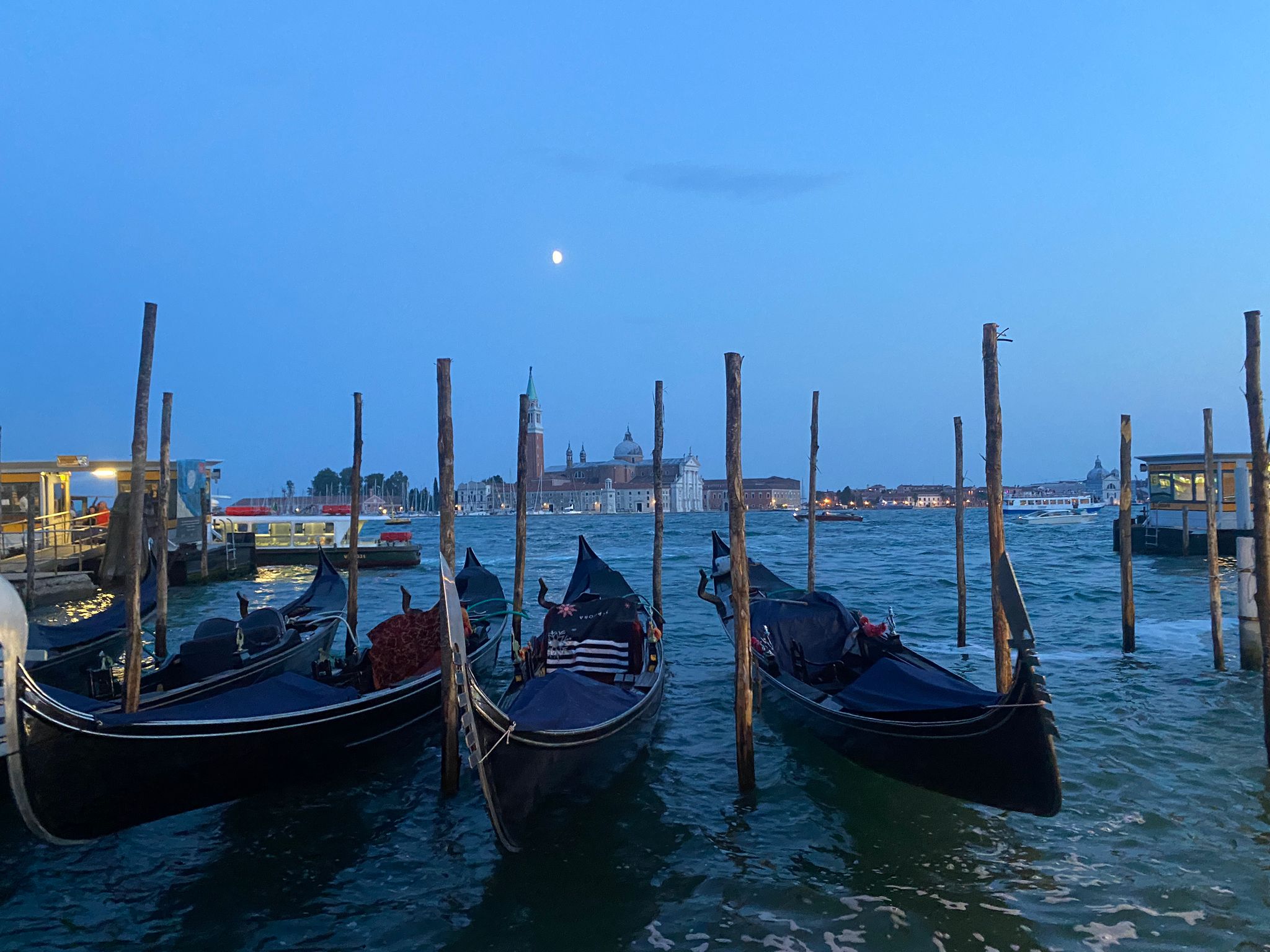
Experience the charm of Venice from the water on a gondola ride, a timeless adventure that captures the essence of this unique city.
Activity Type: Scenic boat ride, cultural experience, romantic excursion.
Overview: A gondola ride in Venice is one of the most iconic and romantic experiences you can have in Italy. Gliding through the serene canals, passing under historic bridges and alongside grand palaces, you’ll have the opportunity to see Venice from a completely different perspective. The gondola, a centuries-old boat traditionally used for navigating the canals, is manned by an experienced gondolier who will skillfully row you through Venice’s winding waterways. During your ride, you’ll float past landmarks like the Rialto Bridge, the Bridge of Sighs, and the grand facades of Venice’s historic buildings. The ride is not only about sightseeing but also about soaking in the enchanting atmosphere of Venice, with the soft lapping of the water and the quiet hum of the city in the background. Gondola rides are especially magical at sunset, when the warm golden light casts a romantic glow over the canals, making for an unforgettable experience.
Where: Venice, Italy. Gondola rides are available throughout the city, with popular starting points around the Grand Canal, near St. Mark’s Square, or along quieter canals.
Duration of Activity: A typical gondola ride lasts between 30 minutes to 1 hour, depending on the route and package selected. Private, longer rides may be available for those seeking a more intimate experience.
Best Time to Visit: The best time for a gondola ride is in the early morning or late afternoon when the canals are less crowded. For a truly romantic atmosphere, a gondola ride at sunset or in the evening when the city is illuminated is ideal. Venice is a popular destination year-round, but visiting in the spring or fall avoids the peak summer crowds.
Cost: A standard 30-minute gondola ride costs around €80-€100 (approximately $90-$110 USD) for up to 6 people. Evening rides or private gondola tours may cost more. Additional fees may apply for services like live music or custom routes.
Top Tips: Gondola rides in Venice can be pricey, so it’s a good idea to agree on the price and the duration of the ride with the gondolier beforehand. Be sure to check whether the ride includes a specific route or if you’ll have a custom tour through the quieter canals. To get a more affordable experience, consider sharing a gondola with other passengers rather than opting for a private ride. If you’re traveling during peak tourist seasons, it’s recommended to book your ride in advance to avoid long waits. Lastly, while the gondola ride itself is magical, remember to take in the surrounding beauty of Venice, and bring a camera to capture the moment!
35.) Camp under the stars in Wadi Rum, Jordan
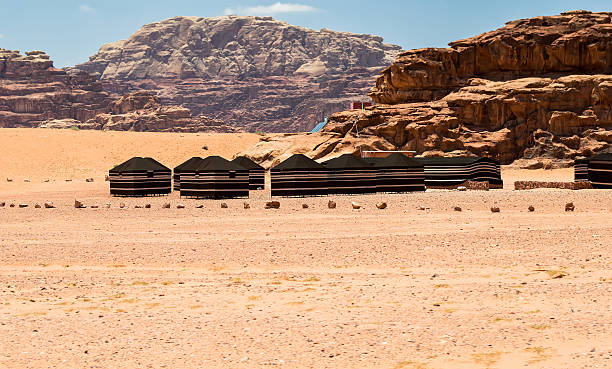
Experience the vastness and tranquility of the desert by spending a night camping under the stars in Wadi Rum, one of the most breathtaking natural landscapes in the world.
Activity Type: Desert camping, stargazing, cultural immersion.
Overview: Wadi Rum, often referred to as the “Valley of the Moon,” is a stunning desert valley in southern Jordan known for its towering sandstone mountains, narrow canyons, and vast, arid landscapes. Spending a night camping under the stars in Wadi Rum is an otherworldly experience that connects you to the desert in a way few can imagine. As the sun sets, the golden sands and rocky formations take on a rich, red hue, and the night sky fills with countless stars. Many local Bedouins offer camping experiences, where you can stay in traditional tents, enjoy delicious Jordanian meals, and learn about the culture and history of the Bedouin people. The silence of the desert, combined with the cool desert breeze, creates the perfect environment for stargazing. As night falls, the Milky Way and constellations come alive, offering one of the clearest and most awe-inspiring night skies in the world.
Where: Wadi Rum, Jordan. The area is accessible by car from the nearby city of Aqaba or Petra, followed by a 4x4 ride to the desert camps.
Duration of Activity: Most desert camps offer an overnight stay, allowing you to experience both the sunset and sunrise in Wadi Rum. Longer stays are possible for those who want to explore more of the desert and its surrounding landscapes.
Best Time to Visit: The best time to visit Wadi Rum for camping is during the cooler months of the year, from October to April. During these months, the weather is more comfortable, with daytime temperatures ranging from 15°C to 25°C (59°F to 77°F) and cooler nights, making for ideal camping conditions. Summer temperatures can soar, so it’s best to avoid visiting during the hottest months.
Cost: The cost for an overnight camping experience in Wadi Rum typically ranges from $50 to $100 USD per person, depending on the camp’s amenities, inclusions, and the duration of the stay. This often includes a traditional dinner, breakfast, and the rental of the tent. Additional activities like guided tours or camel rides may come at an extra cost.
Top Tips: To make the most of your desert camping experience in Wadi Rum, come prepared for both hot days and cold nights, as the desert temperatures can drop significantly after sunset. Bring a warm jacket, especially if you’re camping during the winter months. Be sure to pack comfortable shoes for walking or trekking, as there are many opportunities to explore the desert landscape on foot or by jeep. While stargazing is a highlight, don’t forget to appreciate the unique rock formations, ancient petroglyphs, and the peace of the desert during the day. If you’re interested in a truly immersive experience, consider a guided tour with a local Bedouin guide to learn more about the area’s history and culture. Finally, remember that Wadi Rum is a protected area, so always respect local guidelines and preserve the pristine beauty of this remarkable desert.
36.) Spot polar bears in Svalbard, Norway.
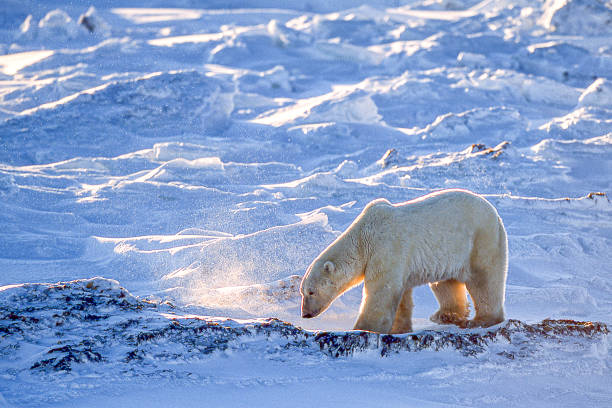
Embark on an unforgettable Arctic expedition to witness the majestic polar bear in its natural habitat in the remote wilderness of Svalbard.
Activity Type: Wildlife safari, Arctic exploration, photography.
Overview: Svalbard, an archipelago situated halfway between mainland Norway and the North Pole, is one of the best places on Earth to see polar bears in their natural habitat. Known as the “King of the Arctic,” polar bears roam the icy landscapes and frozen seas of this pristine region. Spotting one of these magnificent creatures in the wild is a once-in-a-lifetime experience, often combined with sightings of Arctic foxes, walruses, reindeer, and seals. Guided boat tours, often aboard expedition ships or zodiacs, take you through the dramatic fjords, glaciers, and pack ice where polar bears hunt and thrive. The untouched Arctic wilderness, with its snow-covered peaks and surreal light, provides the perfect backdrop for this awe-inspiring wildlife encounter.
Where: Svalbard Archipelago, Norway, with the main gateway being the town of Longyearbyen. Most expeditions set sail from Longyearbyen and explore the surrounding waters and ice fields.
Duration of Activity: Polar bear spotting tours usually last from a few days to two weeks, depending on the type of expedition. Day tours are available but offer fewer chances for wildlife sightings compared to longer voyages.
Best Time to Visit: The best time to visit Svalbard to see polar bears is during the summer months, from June to September, when the ice has melted enough for boats to navigate and access key wildlife areas. The long daylight hours of the Arctic summer also ensure optimal visibility for spotting polar bears.
Cost: A polar bear expedition can range from $3,000 to $15,000 USD per person, depending on the length of the trip, type of vessel, and level of luxury. This usually includes accommodations on the ship, meals, and guided tours. Budget travelers can opt for shorter tours starting at around $500 for a day trip.
Top Tips: To maximize your chances of seeing polar bears, join an experienced tour operator specializing in Arctic wildlife expeditions. Dress in layers and pack windproof, waterproof clothing, as Arctic weather can be unpredictable. Bring a high-quality camera with a zoom lens to capture these elusive animals from a safe distance. Always respect wildlife guidelines and maintain a safe distance from the bears to ensure both your safety and the well-being of the animals. Lastly, embrace the full Arctic experience by taking time to explore the stunning landscapes, glaciers, and other wildlife that make Svalbard a true bucket-list destination.
37.) Stand on the Equator, Ecuador
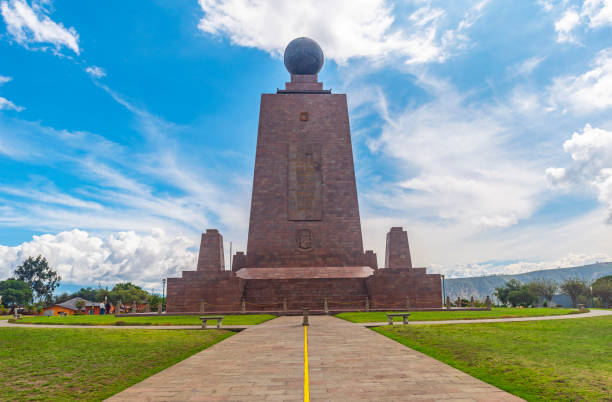
Straddle two hemispheres at once and experience the wonder of standing on the Earth’s equator in the heart of Ecuador.
Activity Type: Geographic exploration, cultural experience, photography.
Overview: Ecuador, named after the equator itself, offers the unique opportunity to stand with one foot in the Northern Hemisphere and the other in the Southern Hemisphere. The most popular spot for this experience is at the Mitad del Mundo (“Middle of the World”) monument near Quito, where visitors can take photos marking their position on the equator. For a more authentic experience, head to the Intiñan Solar Museum, where you’ll find interactive experiments demonstrating the forces at play along the equatorial line, including water swirling in opposite directions. This one-of-a-kind adventure combines geography, culture, and fun, creating a memorable moment that’s as educational as it is entertaining.
Where: The equatorial line can be visited at Mitad del Mundo or the nearby Intiñan Solar Museum, located about 30 minutes from Quito, Ecuador.
Duration of Activity: A visit to the equator typically lasts between 1–3 hours, depending on how much you explore the museums and surrounding attractions.
Best Time to Visit: The region around Quito can be visited year-round, as Ecuador’s equatorial climate provides relatively stable temperatures. Dry season, from June to September, offers clearer skies, making it a preferred time for visitors.
Cost: Entry to Mitad del Mundo is approximately $5–$10 USD, while the Intiñan Solar Museum charges around $4–$5 USD. Additional costs may include transportation and souvenirs.
Top Tips: While the Mitad del Mundo monument is iconic, the actual GPS-measured equatorial line lies a short distance away at the Intiñan Solar Museum, making it worth visiting both sites. Wear comfortable shoes for walking around the attractions, and bring sunscreen, as the equatorial sun can be intense. Don’t miss the chance to take part in the quirky experiments at the museum, such as balancing an egg on a nail or observing how gravity behaves differently along the equator!
38.) Visit the Eiffel Tower, France
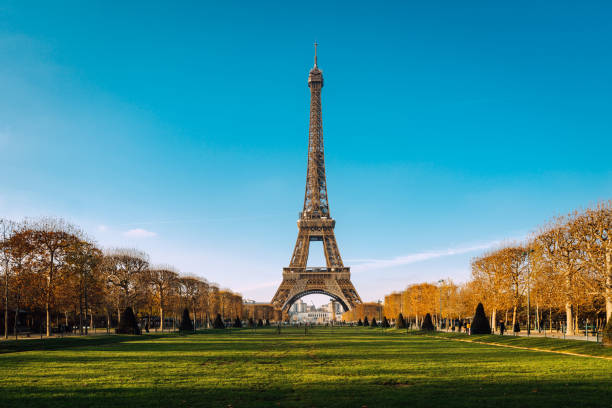
Marvel at the beauty of one of the world’s most famous landmarks, the Eiffel Tower, as it towers over the enchanting city of Paris.
Activity Type: Architectural sightseeing, cultural exploration, photography.
Overview: The Eiffel Tower, affectionately known as “La Dame de Fer” (The Iron Lady), is a symbol of France and one of the most visited landmarks in the world. Built for the 1889 World’s Fair, this architectural masterpiece stands 330 meters tall and offers breathtaking views of Paris from its observation decks. Visitors can take an elevator or climb the stairs to one of its three levels, each offering unique perspectives of the city. From enjoying fine dining at the Michelin-starred restaurant on the second floor to simply taking in the panoramic views from the summit, the Eiffel Tower offers a magical experience both day and night, when its lights sparkle every hour.
Where: The Eiffel Tower is located in the Champ de Mars, a sprawling park in the heart of Paris, France.
Duration of Activity: A visit typically lasts 1–3 hours, depending on the time spent exploring its levels and enjoying the surrounding area.
Best Time to Visit: Spring (April to June) and autumn (September to November) are ideal for fewer crowds and pleasant weather. Visiting early in the morning or late at night can also help avoid peak crowds.
Cost: Tickets range from $12–$30 USD, depending on the level of access (stairs or elevator to the summit). Skip-the-line tickets or guided tours may cost more.
Top Tips: Book tickets online in advance to save time and avoid long queues. Consider visiting at sunset for stunning views of the city transitioning into evening. Don’t forget to explore the nearby Champ de Mars and Trocadéro Gardens for some of the best photo opportunities of the Eiffel Tower. Lastly, stay for the evening light show, when the tower sparkles for five minutes every hour after sunset, creating a truly magical experience.
39.) Swim with pigs in Exuma, Bahamas

40.) Trek the Torres del Paine W Circuit, Chile.
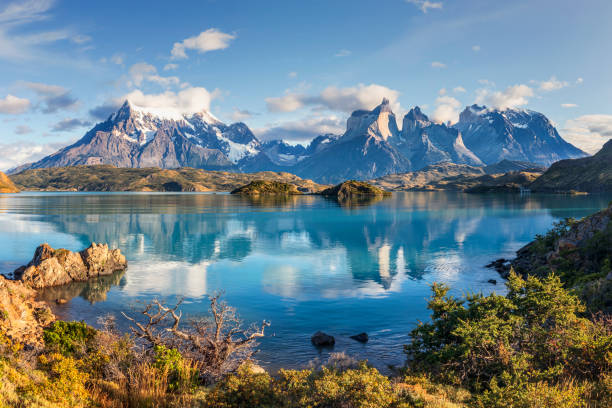
Discover the breathtaking landscapes of Patagonia on the famous W Circuit, a trek that showcases glaciers, mountains, and turquoise lakes.
Activity Type: Multi-day hiking, outdoor adventure, and nature exploration.
Overview: The W Circuit in Torres del Paine National Park is one of the world’s most renowned trekking routes, offering adventurers a chance to immerse themselves in the dramatic beauty of Chilean Patagonia. This iconic trail spans approximately 80 kilometers (50 miles) and takes 4–5 days to complete. Along the way, trekkers encounter some of Patagonia’s most striking landmarks, including the Grey Glacier, the French Valley, and the iconic granite towers that give the park its name. The scenery is otherworldly, with jagged peaks, sprawling ice fields, and vibrant blue lakes creating a backdrop that feels straight out of a postcard.
The trail is a perfect mix of challenging hikes and rewarding vistas, with well-marked paths and campsites. Whether you choose to camp or stay in refugios (basic lodges), the journey offers an unforgettable experience of connecting with nature in one of the most pristine corners of the world. Wildlife sightings, such as guanacos, condors, and foxes, add another layer of wonder to the adventure.
Where: Torres del Paine National Park, located in southern Chile’s Patagonia region. The trek typically starts from Puerto Natales, the gateway to the park.
Duration of Activity: 4–5 days for the full W Circuit, depending on your pace and itinerary.
Best Time to Visit: The best time to trek the W Circuit is during Patagonia’s summer, from November to March, when the weather is relatively mild, and the days are long.
Cost: Expect to spend around $500–$1,000 USD per person, including park entry fees, transportation, accommodations (refugios or campsites), and food. Guided tours can cost more but provide additional support and logistics.
Top Tips: Prepare for rapidly changing weather by packing layers, waterproof gear, and sturdy hiking boots. Book campsites or refugios well in advance, especially during peak season. Carry a reusable water bottle, as the park’s streams and rivers offer some of the purest drinking water in the world. Finally, take your time to savor the stunning vistas and immerse yourself in Patagonia’s untamed beauty.
41.) Down Steins at Oktoberfest

Raise a glass at the world’s largest beer festival, where Bavarian traditions, hearty cuisine, and lively festivities come together in Munich, Germany.
Activity Type: Cultural festival, beer tasting, and social celebration.
Overview: Oktoberfest, held annually in Munich, is a legendary celebration of Bavarian culture and the world’s most famous beer festival. Drawing millions of visitors from around the globe, this iconic event features massive beer tents hosted by Munich’s historic breweries, traditional Bavarian music, lively dancing, and an atmosphere brimming with camaraderie. Enjoy steins filled with world-class beer, served alongside Bavarian specialties like giant pretzels, bratwurst, roasted chicken, and schnitzel.
More than just a beer festival, Oktoberfest is a celebration of Bavarian heritage. Guests can dress in traditional lederhosen or dirndls, join in singing folk songs, and explore parades, carnival rides, and games. The festival grounds, known as Theresienwiese, transform into a vibrant, bustling party where locals and international visitors alike come together to celebrate life, culture, and community.
Where: Theresienwiese, Munich, Germany.
Duration of Activity: Oktoberfest runs for 16–18 days, starting in late September and ending on the first Sunday of October.
Best Time to Visit: Visit on a weekday to avoid the busiest crowds. Early afternoons are quieter, and you’ll have an easier time securing a spot in one of the popular beer tents.
Cost: Entry to Oktoberfest is free, but expect to spend €12–€14 for a liter of beer (Mass) and €10–€20 for a meal. Budget approximately €50–€100 per day for food, drinks, and activities.
Top Tips: Dress the part by wearing lederhosen or a dirndl to enhance the experience. Arrive early to grab a seat in your preferred beer tent, especially on weekends. Pace yourself, as the beer is stronger than usual, and be sure to try Bavarian dishes for an authentic taste of the culture. Don’t miss out on other activities like the traditional parades, folk music performances, and carnival rides to round out your Oktoberfest adventure.
42.) Go on a wildlife safari in Kruger National Park, South Africa
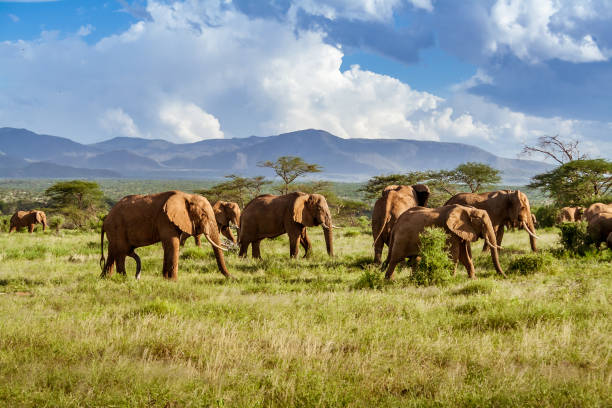
43.) Visit the Louvre Museum, France
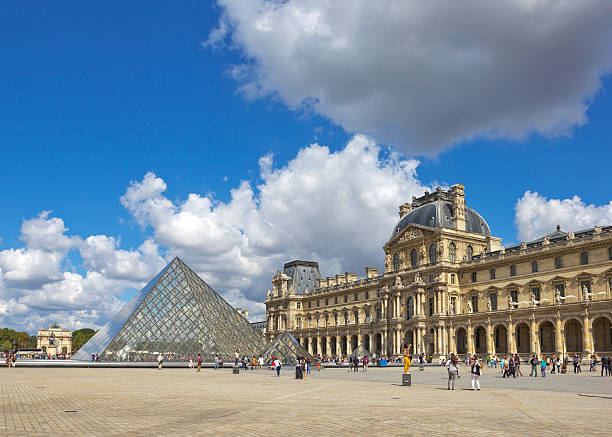
44.) Climb Mount Fuji
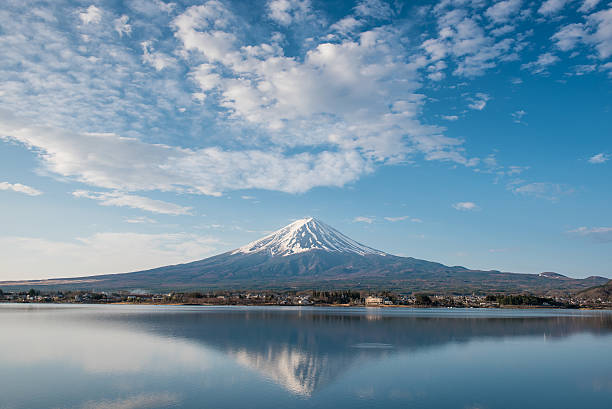
Embark on a spiritual and physical journey to the summit of Mount Fuji, Japan’s most revered and iconic mountain.
Activity Type: Hiking, cultural exploration, and adventure travel.
Overview: Standing at 3,776 meters (12,389 feet), Mount Fuji is Japan’s tallest and most iconic peak, a sacred symbol deeply rooted in Japanese culture and history. Climbing Mount Fuji, also known as “Fujisan,” is a once-in-a-lifetime experience, offering stunning views, spiritual reflection, and a sense of accomplishment. Most hikers aim to reach the summit to witness the breathtaking “Goraiko” (sunrise), a spectacle that illuminates the landscape with hues of gold and red.
The climb is challenging yet accessible, with multiple routes catering to different fitness levels. The Yoshida Trail is the most popular, featuring mountain huts and rest stops along the way. While the trek doesn’t require technical skills, it does demand preparation and determination, as weather conditions and altitude can pose challenges.
Where: Mount Fuji is located on Honshu Island, approximately 100 kilometers (62 miles) southwest of Tokyo.
Duration of Activity: Most climbers complete the trek over two days, beginning the hike in the afternoon, resting at a mountain hut, and reaching the summit early the next morning.
Best Time to Visit: The official climbing season is from early July to early September, when trails are open, and weather conditions are favorable. Outside of this period, climbing is dangerous and discouraged due to harsh weather.
Cost: The climbing fee (a voluntary environmental preservation donation) is about ¥1,000 ($7 USD). Additional costs include transportation, mountain hut stays (¥5,000–¥8,000 or $35–$55 USD), and gear rental if needed.
Top Tips: Pack warm layers, as temperatures at the summit can drop below freezing, even in summer. Bring a headlamp for the night hike, along with plenty of water and high-energy snacks. Acclimate to the altitude by climbing slowly and taking breaks to avoid altitude sickness. Lastly, book your mountain hut accommodation in advance, especially during peak season, and don’t forget to enjoy the local tradition of collecting stamps at each station along the trail.
45.) Experience the Holi Festival in India
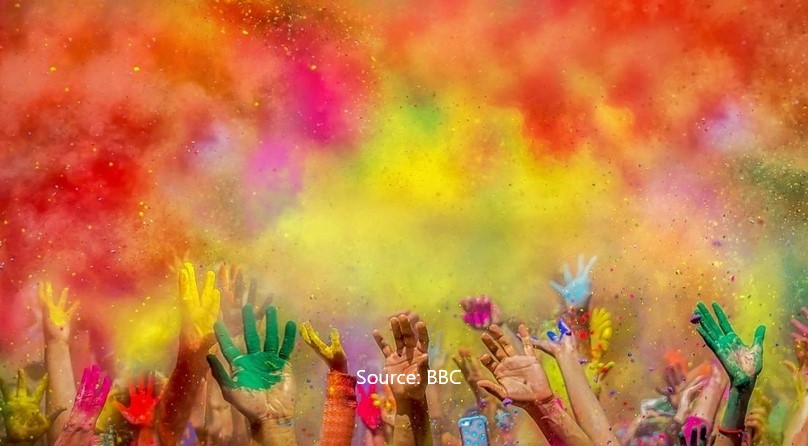
Celebrate the arrival of spring and the triumph of good over evil at the vibrant Holi Festival in India.
Activity Type: Cultural exploration, festival experience, and celebration.
Overview: Holi, also known as the Festival of Colors, is one of the most joyous and widely celebrated festivals in India. Held every year in March, Holi marks the arrival of spring and celebrates the victory of good over evil. The festival is famous for its exuberant displays of color, music, dance, and the lively spirit of unity and joy. People gather in streets, temples, and homes to throw brightly colored powders at each other, dance to traditional music, and share festive foods and sweets.
Whether you’re in the heart of Delhi, the spiritual city of Varanasi, or the cultural hub of Jaipur, the experience of being part of the Holi celebrations is truly unforgettable. Aside from the fun-filled color fights, Holi also has deep religious significance, linked to the story of the Hindu god Krishna and his beloved Radha. It’s a time for people to come together, forgive past grievances, and celebrate life and friendship. The atmosphere is full of energy, joy, and a deep sense of community, making it a truly transformative experience.
Where: Holi is celebrated all over India, but the biggest and most famous celebrations can be found in cities like Mathura, Vrindavan, Delhi, Jaipur, and Varanasi.
Duration of Activity: Holi celebrations typically last for a full day, starting in the morning and continuing into the evening. However, some regions extend the festivities for up to a week.
Best Time to Visit: The festival usually takes place in March, depending on the lunar calendar. It’s best to check the specific dates for the year you plan to attend.
Cost: The cost of attending Holi celebrations can vary depending on where you’re located. The festival itself is free, but you may need to budget for travel, accommodation, food, and purchasing colored powders (typically around ₹100–₹300 or $1–$4 USD). If you plan to join a special Holi event or party, ticket prices may range from ₹500–₹2,000 ($7–$30 USD) or more.
Top Tips: Wear old, comfortable clothes you don’t mind getting stained, as the powdered colors can be challenging to remove. Be mindful of the environment and choose non-toxic, eco-friendly colors. It’s important to protect your eyes and skin—wear sunglasses and use sunscreen to avoid irritation from the powders. If you’re in a crowded area, stay alert and respect local customs, as the exuberance of the festival can be overwhelming. Don’t forget to join in the dancing, singing, and spreading happiness with others!
46.) See the Rocky Mountains, Canada.
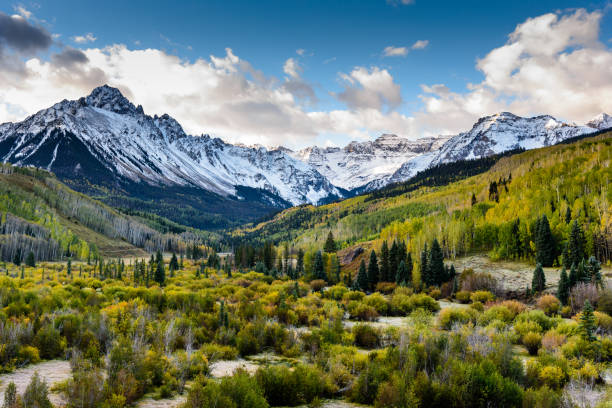
47.) Explore Petra’s Treasury in Jordan
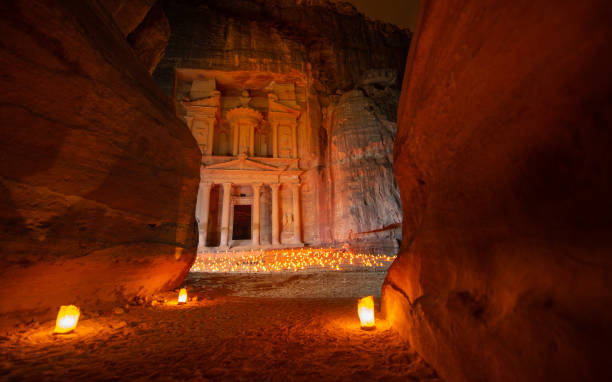
48.) Hike the Appalachian Trail, USA.
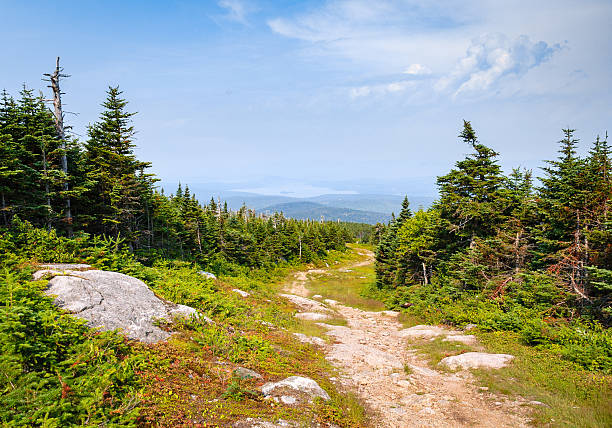
Embark on a life-changing adventure by hiking the Appalachian Trail, a legendary 2,190-mile trek that stretches from Georgia to Maine, offering an immersive experience into the heart of America’s wilderness.
Activity Type: Long-distance hiking, nature exploration, adventure travel.
Overview: The Appalachian Trail (AT) is one of the most famous and challenging hiking trails in the world, attracting adventurers from around the globe who seek to experience the raw beauty of the American East Coast. Spanning through 14 states, the trail offers diverse landscapes, including dense forests, rolling hills, rugged mountains, and serene rivers. As you hike, you’ll encounter spectacular views, remote wilderness, and a range of wildlife such as deer, black bears, and various bird species.
For many, hiking the Appalachian Trail is a once-in-a-lifetime challenge that can take anywhere from a few months to a year to complete. However, it’s also a popular destination for shorter sections, allowing those who cannot commit to a full thru-hike to experience parts of the trail, like the Great Smoky Mountains, Shenandoah National Park, or the White Mountains. Whether you’re a seasoned hiker or a first-timer, the AT offers a variety of experiences and difficulty levels, making it an ideal adventure for those looking to connect with nature and push their physical and mental limits.
Where: The Appalachian Trail runs from Springer Mountain in Georgia to Mount Katahdin in Maine, crossing through 14 states: Georgia, North Carolina, Tennessee, Virginia, West Virginia, Maryland, Pennsylvania, New Jersey, New York, Connecticut, Massachusetts, Vermont, New Hampshire, and Maine.
Duration of Activity: Thru-hiking the entire Appalachian Trail typically takes 5 to 7 months, but you can also hike shorter sections as day trips or weekend excursions.
Best Time to Visit: The best time to hike the Appalachian Trail is in spring (March-May) and fall (September-November), when the weather is mild, and the scenery is especially beautiful—spring with blooming wildflowers and fall with vibrant foliage. Summer can be hot and humid in certain areas, while winter brings cold temperatures, snow, and trail closures.
Cost: The cost of hiking the Appalachian Trail is relatively low, especially compared to international travel. Basic expenses include gear (backpack, tent, sleeping bag, food, etc.), which can range from $300 to $2,000 USD depending on your preferences. On average, thru-hikers spend around $3,000 to $6,000 USD over the course of their journey for food, accommodations, and other necessities.
Top Tips: Be prepared for varying weather conditions and rough terrain—pack for both cold and hot weather and invest in high-quality, lightweight gear. Start with a day hike or a short section to get a feel for the trail before committing to a long-distance trek. Make sure to carry enough food and water, and plan for regular resupply stops. Finally, be mindful of the Leave No Trace principles to minimize your environmental impact and help preserve the beauty of the trail for future hikers.
49.) Witness a total solar eclipse

50.) Take a cruise through Antarctica.
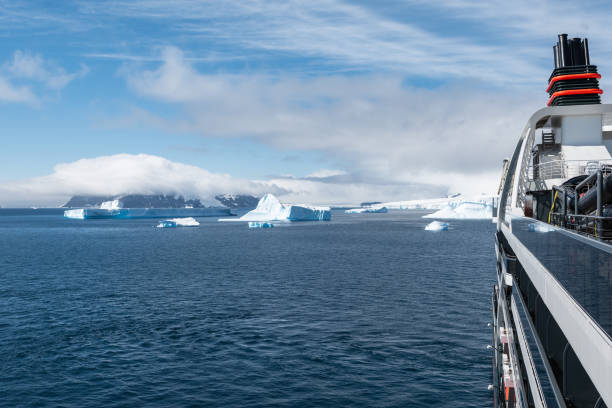
51.) Explore the Amazon Rainforest, Brazil/Peru/Ecuador
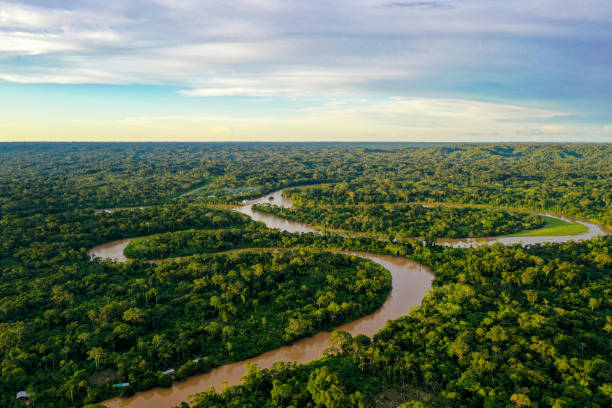
Immerse yourself in the world’s largest tropical rainforest, teeming with diverse wildlife, ancient cultures, and unparalleled natural beauty.
Activity Type: Wildlife exploration, eco-tourism, guided jungle tours.
Overview: The Amazon Rainforest, spanning across multiple countries in South America, is a natural wonder of immense biodiversity and unmatched ecological importance. Exploring the Amazon allows travelers to venture deep into a world of towering trees, winding rivers, and vibrant ecosystems. Guided tours and eco-lodges in Brazil or Peru provide opportunities to discover the hidden gems of this vast jungle, from spotting rare pink river dolphins and colorful macaws to hiking through dense foliage alive with the sounds of nature. The Amazon is not only a haven for wildlife but also a place to connect with indigenous communities, learning about their sustainable way of life and ancient traditions.
Whether you choose to cruise along the Amazon River, trek through jungle trails, or climb canopy walkways for a bird’s‑eye view, every moment in the Amazon is an adventure. With its dense greenery, mysterious waterways, and symphony of sounds, the rainforest offers an unforgettable sensory experience that fosters a deep appreciation for nature’s complexity and resilience.
Where: The Amazon Rainforest spans nine countries, but the most accessible regions for exploration are in Brazil (Manaus is a popular entry point) and Peru (from Iquitos or Puerto Maldonado).
Duration of Activity: Amazon excursions can last from 3 to 14 days, depending on the depth of exploration and type of activities.
Best Time to Visit: The dry season, from June to November, offers easier access to jungle trails and wildlife viewing. However, the wet season (December to May) provides better opportunities for river cruises and exploring flooded forests.
Cost: Depending on the duration and level of luxury, costs for Amazon tours range from $500 to $5,000 USD. Budget travelers can find basic jungle lodges and tours, while luxury cruises and eco-lodges come with premium price tags.
Top Tips: Pack lightweight, breathable clothing, and don’t forget essentials like insect repellent, sunscreen, and waterproof gear. Binoculars are a must for birdwatching and spotting wildlife in the dense foliage. Choose a reputable guide or tour operator who prioritizes environmental conservation and supports local communities. Finally, embrace the unpredictable nature of the jungle—weather, wildlife sightings, and terrain can vary, but that’s part of the Amazon’s charm.
52.) Surf the waves of Bali, Indonesia
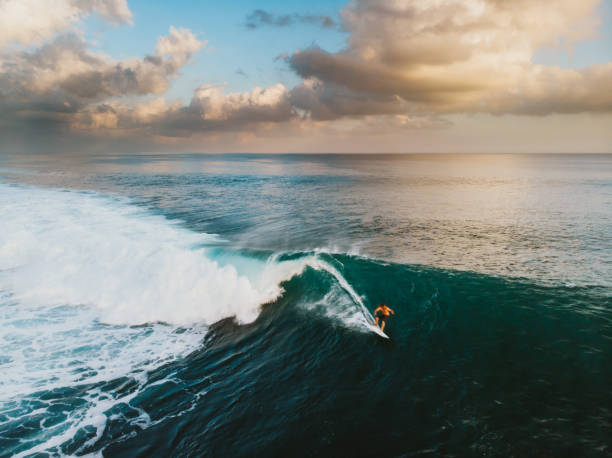
Discover why Bali is a surfer’s paradise, offering perfect waves, stunning beaches, and a vibrant surf culture.
Activity Type: Surfing, beach adventure, water sports.
Overview: Bali, often referred to as the Island of the Gods, is a dream destination for surfers from all corners of the globe. With its diverse surf spots catering to all skill levels, Bali is perfect for beginners learning to ride their first wave and seasoned surfers chasing the thrill of barrel waves. Iconic beaches like Uluwatu, Padang Padang, and Canggu are known for their consistent swells, warm waters, and breathtaking sunsets. For beginners, Kuta Beach offers a safe and welcoming environment to master the basics, while advanced surfers can challenge themselves at the reef breaks of Uluwatu or Padang Padang.
Beyond the waves, Bali’s surf culture is a vibrant blend of relaxed beach vibes, bustling surf towns, and stunning coastal beauty. Whether you’re soaking in the sun after a morning surf session or enjoying a beachfront barbecue with fellow surfers, Bali offers a lifestyle as rewarding as its world-class waves.
Where: Bali, Indonesia, with top surfing spots including Uluwatu, Kuta, Padang Padang, Canggu, and Seminyak.
Duration of Activity: Surfing lessons or sessions can range from 2–3 hours, while extended surf camps or retreats often last 5–10 days.
Best Time to Visit: Bali’s dry season (April to October) is ideal for surfing, with consistent swells and offshore winds on the west coast. During the wet season (November to March), head to the east coast beaches for better conditions.
Cost: Surf lessons for beginners typically cost around $25 to $50 USD per session, while board rentals range from $5 to $15 USD per day. Surf camps or retreats offering accommodation and guided surfing can cost $500 to $2,000 USD depending on the duration and amenities.
Top Tips: Beginners should start with lessons from local instructors to learn proper techniques and safety. Always check the tides and wave conditions before heading out, as Bali’s reef breaks can be challenging for inexperienced surfers. Protect your skin with reef-safe sunscreen, and consider wearing a rash guard to avoid sunburn and board rash. After your surf sessions, explore Bali’s vibrant beach towns and indulge in local dishes like nasi goreng and fresh seafood.
53.) Visit the Sydney Opera House, Australia

54.) Climb Mount Kilimanjaro, Tanzania
Embark on the adventure of a lifetime and ascend the iconic “Roof of Africa.”
Activity Type: Mountain climbing, trekking, and outdoor adventure.
Overview: Mount Kilimanjaro, standing at 5,895 meters (19,341 feet), is the highest mountain in Africa and one of the most sought-after summits for adventurers worldwide. Unlike many of the world’s tallest peaks, Kilimanjaro is a non-technical climb, making it accessible to trekkers with determination, preparation, and a love for adventure. The journey to the top takes you through five distinct ecological zones, from lush rainforests to alpine deserts, culminating in the icy glaciers of Uhuru Peak.
The climb is as much about the journey as it is the destination. Each step offers breathtaking views, unique flora and fauna, and the opportunity to connect with climbers from around the globe. Standing atop Uhuru Peak at sunrise, with the world stretching out beneath you, is a moment of unparalleled accomplishment and awe.
Where: Mount Kilimanjaro, located in Kilimanjaro National Park, Tanzania.
Duration of Activity: Most routes take 5 to 9 days, depending on the chosen trail and acclimatization needs.
Best Time to Visit: The best months for climbing are during the dry seasons—January to March and June to October—when conditions are more stable.
Cost: Climbing Mount Kilimanjaro typically costs between $2,000 and $6,000 USD, depending on the route, tour operator, and additional services like gear rental and porters.
Top Tips: Prepare well in advance by building your fitness level and acclimating to altitude where possible. Choose a reputable tour operator with a strong focus on safety and sustainable tourism. Pack for varying climates—layers are essential to stay comfortable as temperatures can range from hot at the base to freezing at the summit. Take your time to acclimate to the altitude and drink plenty of water to reduce the risk of altitude sickness. Reaching the summit is tough but immensely rewarding—don’t forget to savor the experience.
55.) Watch penguins in South Georgia Island

Marvel at the sight of thousands of penguins in one of the most remote and pristine corners of the world.
Activity Type: Wildlife watching, polar expedition, and nature photography.
Overview: South Georgia Island, often referred to as the “Serengeti of the Southern Ocean,” is a haven for wildlife enthusiasts. Home to vast colonies of king penguins, the island offers a chance to observe these charming birds in their natural habitat, surrounded by dramatic glaciers, rugged mountains, and icy waters. The king penguin colonies are mesmerizing, with tens of thousands of birds huddled together, their vibrant orange and black markings creating a stunning visual display.
In addition to penguins, South Georgia teems with wildlife, including seals, albatrosses, and other seabirds, making it a dream destination for nature lovers and photographers alike. Accessible only by ship, the journey to South Georgia is an adventure in itself, taking travelers through the untamed beauty of the Southern Ocean.
Where: South Georgia Island, located in the South Atlantic Ocean, southeast of the Falkland Islands.
Duration of Activity: A visit to South Georgia is typically part of a multi-week expedition cruise that includes the Falkland Islands and Antarctica, lasting 14–21 days.
Best Time to Visit: The best time to visit is during the austral summer, from November to February, when the weather is milder, and penguin chicks are hatching and maturing.
Cost: Expedition cruises to South Georgia usually cost between $8,000 and $15,000 USD, depending on the itinerary, length of the trip, and level of luxury.
Top Tips: Bring high-quality binoculars and a good camera with a zoom lens to capture the incredible wildlife. Layered clothing and waterproof gear are essential to stay warm and dry in the island’s unpredictable weather. Book your expedition well in advance, as spaces on ships fill up quickly. Finally, embrace the journey—the shipboard experience and fellow adventurers make the trip as memorable as the destination itself.
56.) Road trip through Botswana & explore the Okavango Delta, Botswana
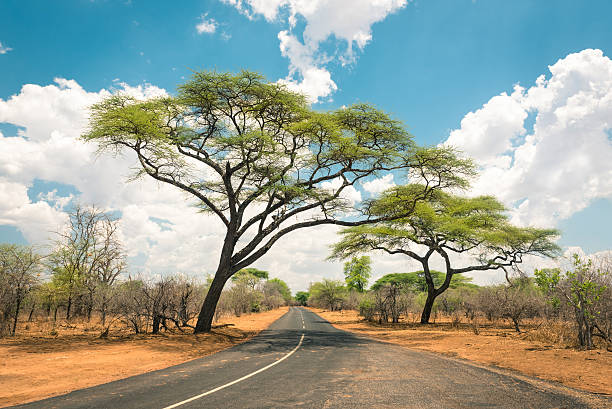
Embark on a road trip through Botswana’s wilderness, culminating in an unforgettable safari through the lush, wildlife-rich Okavango Delta.
Activity Type: Self-drive safari, wildlife exploration, and adventure travel.
Overview: Botswana’s Okavango Delta is a UNESCO World Heritage Site and one of the most extraordinary ecosystems on the planet. Driving through Botswana, from its arid landscapes to the watery wonderland of the delta, offers a chance to witness incredible biodiversity. The delta is home to elephants, lions, hippos, leopards, and an array of bird species, making it a dream destination for wildlife enthusiasts.
Your journey might begin in Maun, the gateway to the delta, where you’ll embark on self-guided drives or guided safaris through Moremi Game Reserve. Explore the delta’s intricate network of waterways on a traditional mokoro (dugout canoe), and experience the beauty of its untouched wilderness. Whether you’re camping under the African sky or staying in luxurious lodges, a road trip through Botswana and the Okavango Delta is an unforgettable journey into the heart of Africa’s wild.
Where: The Okavango Delta is located in northwestern Botswana, with Maun as the primary access point.
Duration of Activity: A road trip through Botswana and exploration of the delta typically takes 7–14 days, depending on your itinerary.
Best Time to Visit: The best time to visit the Okavango Delta is during the dry season (May to October), when wildlife congregates around water sources, and the delta is in full flood, offering the best safari experiences.
Cost: A road trip and safari in Botswana can range from $2,500 to $10,000 USD, depending on accommodations (self-camping vs. luxury lodges) and activities (self-drive vs. guided safaris).
Top Tips: Ensure you have a 4x4 vehicle and a well-planned route, as some areas of Botswana’s wilderness can be challenging to navigate. Book campsites or lodges in advance, especially during peak safari season. Don’t forget essentials like binoculars, a good camera, and sufficient water and fuel supplies. Consider hiring a local guide for an enhanced experience and deeper knowledge of the region’s wildlife and culture.
57.) Cruise the Nile River, Egypt
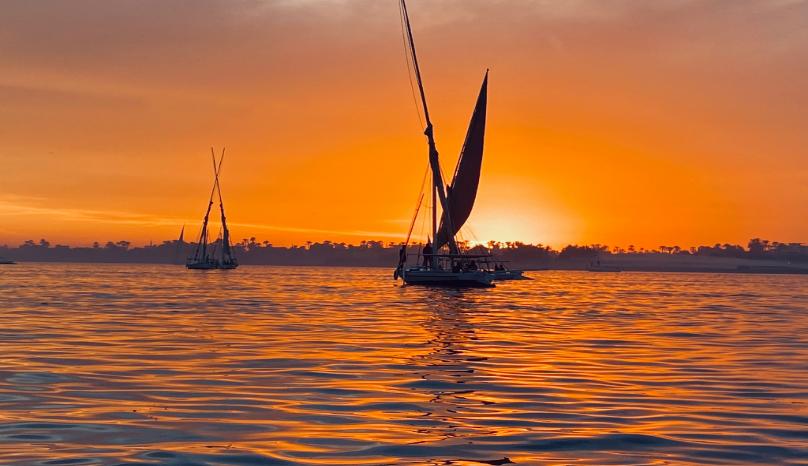
Drift along the Nile River, discovering ancient wonders, stunning landscapes, and Egypt’s timeless culture as you cruise through this iconic waterway.
Activity Type: River cruise, historical sightseeing, cultural exploration.
Overview: A cruise on the Nile River is a journey back in time, offering the perfect blend of relaxation and adventure. Stretching over 4,000 miles, the Nile has been the lifeblood of Egypt for millennia. As you sail between Luxor and Aswan, you’ll encounter some of the world’s most famous archaeological sites, including the Valley of the Kings, Karnak Temple, and the Temple of Philae. Many Nile cruises feature guided excursions to these historic landmarks, allowing travelers to immerse themselves in the ancient stories and grandeur of Egypt.
Beyond its historic treasures, the Nile offers a chance to experience the serene beauty of rural Egypt. Watch as lush green fields and traditional villages pass by, set against the backdrop of golden desert landscapes. Whether aboard a luxury cruise ship or a traditional felucca, this unforgettable journey combines the magic of ancient history with the tranquility of life on the river.
Where: The most popular stretch for a Nile cruise is between Luxor and Aswan, two cities steeped in ancient Egyptian history.
Duration of Activity: Nile cruises typically last 3–7 days, depending on the itinerary and the number of stops at archaeological sites.
Best Time to Visit: The best time to cruise the Nile is from October to April, when temperatures are cooler, making sightseeing more comfortable.
Cost: Nile cruises range from $500 to $5,000 USD, depending on the level of luxury, duration, and inclusions like guided tours and meals.
Top Tips: Choose a cruise that includes guided tours to maximize your understanding of Egypt’s historical sites. Pack lightweight, breathable clothing and sunscreen for the warm days, but bring a light jacket for cooler evenings on the river. Don’t forget to carry comfortable shoes for walking tours of temples and tombs. Lastly, take the time to relax on the deck and soak in the river’s timeless beauty.
58.)Walk the streets of Havana, Cuba.

Stroll through the vibrant streets of Havana, where colonial architecture, classic cars, and pulsating music paint a vivid picture of Cuban culture.
Activity Type: Urban exploration, cultural immersion, and historical sightseeing.
Overview: Walking through Havana is like stepping into a living museum, where the past and present coexist in a kaleidoscope of sights and sounds. The city’s heart, Old Havana (La Habana Vieja), is a UNESCO World Heritage Site brimming with colonial-era buildings, cobblestone streets, and bustling plazas like Plaza Vieja and Plaza de la Catedral. As you explore, you’ll encounter street performers, local artisans, and the irresistible rhythms of salsa music spilling out from cafes and bars.
Havana’s streets are also a showcase of Cuba’s resilience and creativity. The iconic vintage cars cruising along the Malecón, the city’s famous seaside promenade, are a testament to its history. Beyond the postcard-perfect landmarks, Havana offers a chance to connect with its warm and welcoming locals, sip on mojitos at Hemingway’s haunts, and immerse yourself in the city’s dynamic culture.
Where: Havana, Cuba’s capital city, is located on the island’s northern coast.
Duration of Activity: A full day or more to explore Old Havana, the Malecón, and other neighborhoods like Vedado and Centro Habana.
Best Time to Visit: November to April is the dry season, offering the best weather for exploring the city.
Cost: Walking tours are often free or range from $10 to $50 USD if guided. Other expenses like meals, drinks, and transportation will depend on your preferences, but Havana can be explored on a modest budget.
Top Tips: Wear comfortable walking shoes for navigating cobblestone streets. Take a guided walking tour to learn about Havana’s history and culture from a local perspective. Don’t miss the chance to try local street food like churros or a refreshing Cuban coffee. Be sure to carry cash, as card payments are not widely accepted, and enjoy wandering without a set plan—some of the city’s best moments are found in its quiet corners.
59.) Swim in bioluminescent waters in Puerto Rico

60.) Admire the Golden Gate Bridge, USA.

61.)Explore the Acropolis, Greece
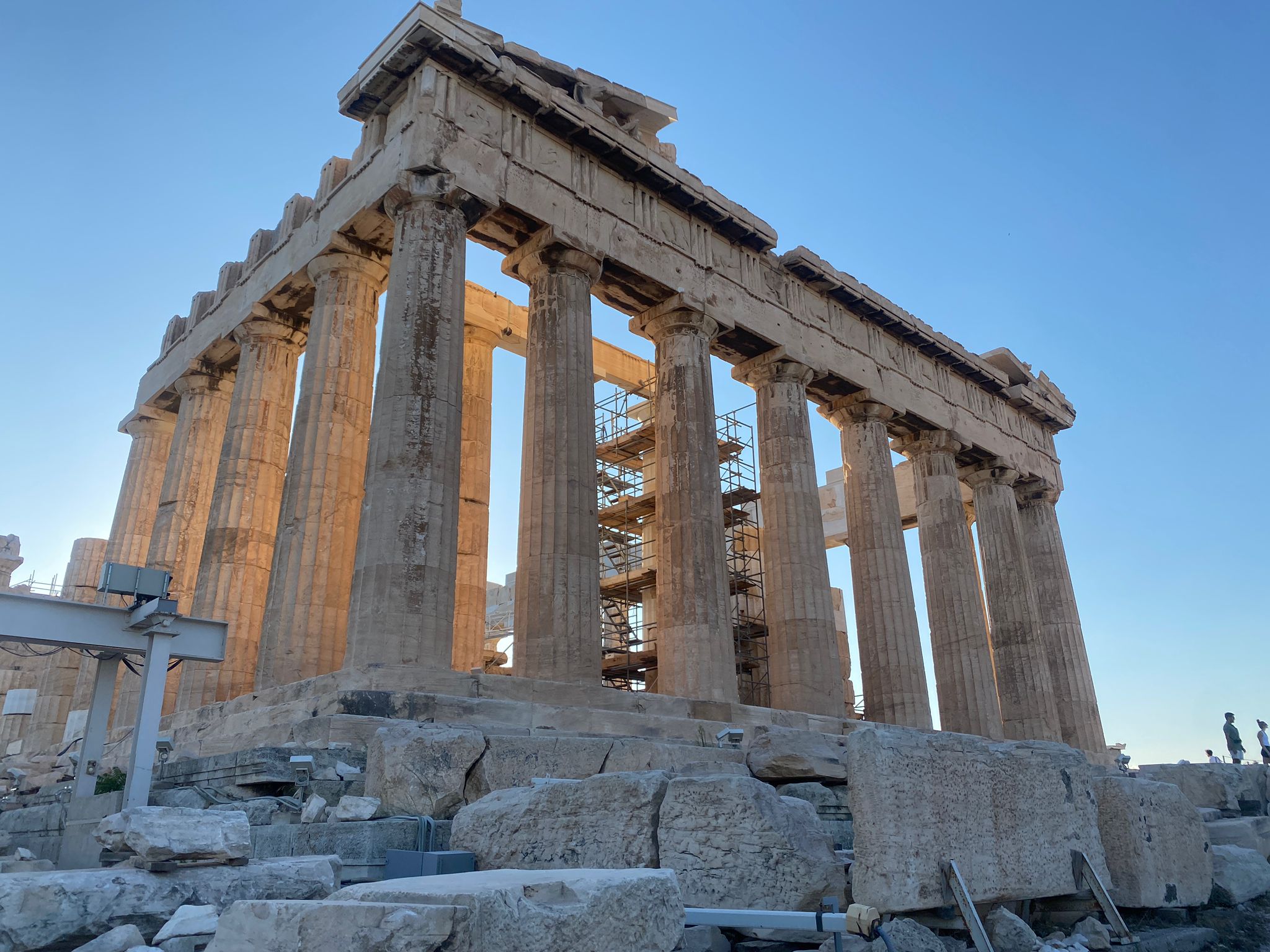
Step back in time and discover the heart of ancient Greek civilization at the Acropolis in Athens, home to monumental ruins that continue to awe visitors.
Activity Type: Historical sightseeing, cultural exploration, archaeological discovery.
Overview: The Acropolis of Athens is one of the most iconic and historically significant landmarks in the world. Perched atop a rocky hill, the Acropolis is home to a collection of ancient structures, with the Parthenon being the most famous. Dedicated to the goddess Athena, the Parthenon’s majestic columns stand as a symbol of ancient Greece’s power, art, and innovation. Visitors can explore not only the Parthenon but also the Temple of Athena Nike, the Erechtheion, and the iconic Propylaea, which serve as testaments to Greek architecture and religion.
A visit to the Acropolis offers a unique opportunity to learn about Greek mythology, philosophy, and the cultural advancements that shaped Western civilization. The panoramic views of Athens from the top are stunning, offering a contrast between the ancient world and the modern city. The Acropolis Museum, located nearby, houses artifacts and sculptures that once adorned the site, allowing visitors to gain a deeper understanding of its history.
Where: Athens, Greece, on the Acropolis hill.
Duration of Activity: Visiting the Acropolis typically takes 2 to 3 hours, depending on your level of interest in the ruins and the museum.
Best Time to Visit: Spring (April to June) and autumn (September to November) offer mild weather and fewer crowds. Summer can be very hot, and the site is crowded with tourists.
Cost: Entry to the Acropolis is around €20 per person, with discounts for students and seniors. Combined tickets that include access to other archaeological sites in Athens are also available.
Top Tips: Wear comfortable shoes, as the rocky terrain can be uneven and steep. Bring water and sunscreen, especially during the hotter months. Arrive early in the morning or later in the afternoon to avoid crowds and the midday heat. To make the most of your visit, consider hiring a guide or using an audio guide to learn about the rich history and mythology behind the monuments.
62.) Go wine-tasting in Tuscany, Italy.

Indulge in the timeless tradition of wine-tasting in the rolling hills of Tuscany, where you’ll savor some of the finest wines amidst a landscape steeped in history and natural beauty.
Activity Type: Wine tasting, culinary experience, cultural exploration.
Overview: Tuscany is world-renowned for its rich viticulture, picturesque vineyards, and rolling hills that seem to stretch endlessly under the golden Italian sun. Embark on a wine-tasting adventure through the region’s famous wine-producing areas like Chianti, Montalcino, and Montepulciano, where you’ll visit charming estates and vineyards to sample exquisite local wines such as Chianti Classico, Brunello di Montalcino, and Vino Nobile di Montepulciano. Each tasting is an exploration of the region’s deep-rooted winemaking traditions, with expert sommeliers guiding you through the subtleties of each wine, its history, and the flavors that make it unique.
Beyond just wine, Tuscany offers a sensory experience with its captivating landscapes, medieval towns, and warm hospitality. The serene countryside provides the perfect backdrop to a leisurely stroll through vineyards, while small family-owned wineries offer a more intimate setting for wine lovers. You’ll also have the chance to indulge in traditional Tuscan cuisine, pairing your wine with local delicacies such as pecorino cheese, truffles, and handmade pasta, creating a culinary journey that complements every sip.
Where: Tuscany, Italy, with key wine-producing areas including Chianti, Montalcino, Montepulciano, and San Gimignano.
Duration of Activity: Wine-tasting tours typically last between 3 to 6 hours, with full-day tours often including visits to multiple wineries.
Best Time to Visit: The best time for wine tasting in Tuscany is during the harvest season in late September to early October, when the vineyards are vibrant and the wine-making process is in full swing. Spring (April to June) and early autumn (September) are also great times to visit, as the weather is mild and the crowds are thinner.
Cost: Wine-tasting tours in Tuscany range from €30 to €100+ per person, depending on the winery, the type of experience, and the number of wines included. Private tours and multi-day packages are also available at higher prices.
Top Tips: To make the most of your wine-tasting experience, book your tours in advance, especially during the peak seasons. Wear comfortable shoes, as many wineries involve walking through vineyards or cellars. Take time to savor the wine, and don’t hesitate to ask questions to the sommeliers—they’ll love sharing their knowledge and passion for local wines. If you can, visit during harvest time, as it provides a unique opportunity to witness the winemaking process firsthand. Lastly, consider renting a car or joining a guided tour to safely explore the scenic Tuscan countryside.
63.) Trek the Overland Track, Tasmania.
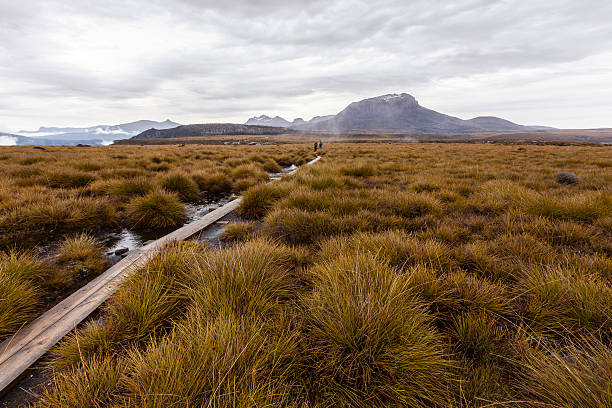
Embark on an unforgettable adventure through Tasmania’s wild landscapes, hiking the world-renowned Overland Track, one of the most scenic and pristine trekking routes in Australia.
Activity Type: Hiking, trekking, nature exploration.
Overview: The Overland Track is an iconic six-day trekking route that traverses the heart of Tasmania’s wilderness, showcasing the stunning diversity of the island’s landscapes. Starting from Cradle Mountain in the north and ending at Lake St Clair in the south, the trail takes hikers through alpine meadows, ancient forests, and across shimmering lakes. The journey offers awe-inspiring views of towering peaks, cascading waterfalls, and untouched wilderness, making it a haven for nature lovers and avid trekkers alike.
The track is considered a challenging yet rewarding experience, with varying terrain that includes rugged mountains, temperate rainforests, and unique wildlife. Along the way, hikers may encounter friendly wallabies, vibrant birdlife, and the occasional wombat. For those who love both physical challenge and the serenity of nature, the Overland Track offers an unparalleled wilderness experience. Camping and hut accommodations are available along the trail, making it possible to immerse oneself fully in Tasmania’s pristine environment.
Where: The Overland Track is located in Cradle Mountain-Lake St Clair National Park, Tasmania, Australia.
Duration of Activity: The full trek takes approximately 6 days, covering 65 kilometers (40 miles).
Best Time to Visit: The Overland Track is open year-round, but the best time to visit is during the summer months (December to February) when the weather is milder. Spring and autumn are also beautiful, though the weather can be unpredictable. Winter trekkers should be well-prepared for cold conditions.
Cost: The cost for the trek is approximately AUD $200 to $250 for a basic permit, plus additional costs for accommodation if staying in huts. Costs for gear, food, and transport to the trailhead may vary.
Top Tips: Prepare well in advance for the trek, as the weather can be unpredictable and conditions can change quickly, even in the summer. Make sure to pack layers for warmth, waterproof gear, and sturdy hiking boots. While the track is clearly marked, it’s advisable to carry a map and compass or GPS, especially if hiking during the off-peak season. Booking permits early is essential, as the track can be quite busy during peak periods.
64.) Witness Blue Lava at Ijen Volcano, Indonesia.

65.) Explore the ruins of Pompeii, Italy.
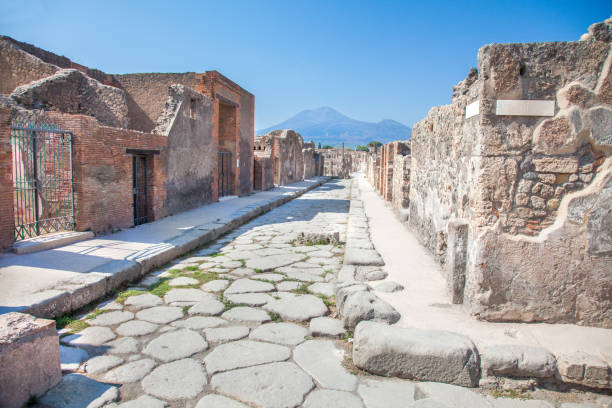
66.) Take part in the Mongol Rally

Embark on a wild and unforgettable journey across diverse landscapes, cultures, and challenges in the legendary Mongol Rally, a thrilling expedition from Europe to the heart of Mongolia.
Activity Type: Road trip, adventure challenge, cross-country driving.
Overview: The Mongol Rally is not your average road trip; it’s an epic adventure that pits participants against vast stretches of rugged terrain, unpredictable weather, and cultural diversity as they drive across Europe and Asia to Mongolia. Starting in the UK (though the starting point can vary), this rally spans over 10,000 miles, passing through countries such as Russia, Kazakhstan, and the steppes of Mongolia. The rally is more about the experience than the destination – participants are encouraged to use small, unmodified cars or vehicles, often challenging their mechanical skills and patience along the way.
While the goal is to reach Ulaanbaatar, Mongolia, the journey itself is filled with unexpected detours, interactions with locals, and unforgettable adventures. Participants must rely on their wits, team spirit, and sheer determination to overcome obstacles like border crossings, language barriers, and the unpredictable road conditions of Central Asia. The rally has gained a reputation as one of the most challenging yet exhilarating adventures, offering an opportunity to push the limits of endurance, creativity, and camaraderie. With no fixed route, the Mongol Rally encourages teams to take their own path, forging a journey full of unique stories and experiences.
Where: The Mongol Rally starts from various European cities, often London, and ends in Ulaanbaatar, Mongolia, passing through numerous countries including Russia, Kazakhstan, and other Central Asian nations.
Duration of Activity: The rally typically takes between 4 to 6 weeks, depending on the route chosen and how much time is spent on detours and exploration along the way.
Best Time to Visit: The Mongol Rally generally takes place in the summer months, from July to September, when weather conditions are more favorable for long-distance driving. However, this is also the busiest time of year, so be prepared for potential crowds and the heat of Central Asia.
Cost: The entry fee for the rally can range from $1,500 to $2,500 USD per team, but this is only the beginning. Costs for the vehicle, insurance, fuel, visas, accommodations, and repairs can increase the total price of the adventure, often bringing the total cost to $5,000 USD or more. Teams are encouraged to fundraise for charity, making the rally not only a personal adventure but also a meaningful cause.
Top Tips: Prepare for the unexpected – the Mongol Rally is notorious for testing both mental and physical endurance. Make sure your vehicle is up for the challenge, and consider a pre-rally tune-up or modifications. Pack smartly, with plenty of supplies like spare tires, tools, and emergency kits. Remember that navigation can be tricky, so having a reliable GPS and offline maps can be lifesaving. Take time to immerse yourself in the cultures along the way – the Mongol Rally isn’t just about the finish line, it’s about the people you meet and the places you explore. Also, make sure to arrange your visas in advance and research border regulations, as crossings can sometimes be complicated.
67.) Explore the temples of Bagan, Myanmar
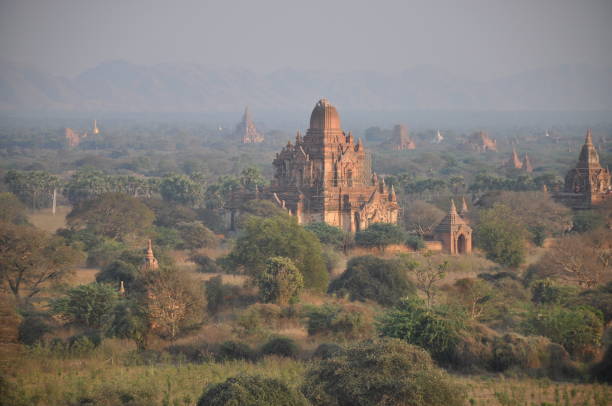
68.) See sloths in Costa Rica
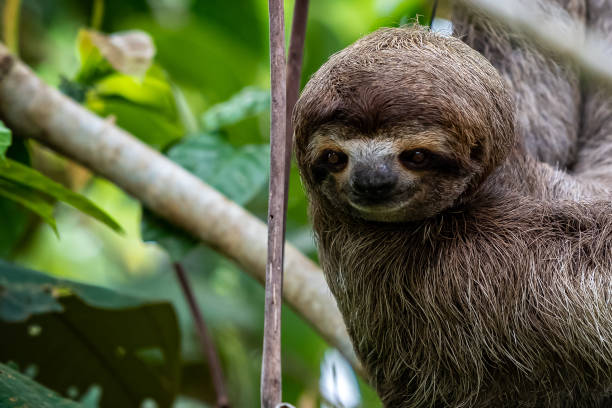
69.) Drive through the Scottish Highlands, UK.

Embark on a scenic road trip through the rugged and dramatic beauty of the Scottish Highlands, where stunning landscapes, castles, and charming villages await.
Activity Type: Road trip, scenic driving, cultural exploration.
Overview: A drive through the Scottish Highlands offers a journey into one of the most beautiful and remote areas of the UK. The rugged mountains, deep glens, pristine lochs, and vast, sweeping moors create a landscape that is both awe-inspiring and tranquil. Starting from the vibrant city of Edinburgh or the coastal city of Inverness, you’ll travel through some of Scotland’s most iconic and diverse scenery. The North Coast 500, a famous driving route, takes you along a circular route that encompasses everything from secluded beaches to towering peaks, all while passing ancient castles, whisky distilleries, and historic sites. Along the way, you can visit the famous Loch Ness, climb the towering Ben Nevis, or stop by the striking Eilean Donan Castle.
The roads in the Highlands are narrow and winding, which adds to the sense of adventure and isolation, but the breathtaking vistas are well worth the drive. You’ll have the chance to experience the slow, peaceful pace of life in remote villages, sample traditional Scottish cuisine, and perhaps even spot some local wildlife, including red deer and golden eagles. This road trip is a perfect blend of natural beauty and cultural exploration, making it one of the most unforgettable ways to experience Scotland.
Where: The Scottish Highlands, with popular routes including the North Coast 500, the Isle of Skye, and Glencoe, as well as locations like Loch Ness, Ben Nevis, and Eilean Donan Castle.
Duration of Activity: A road trip through the Scottish Highlands typically takes 4 to 7 days, depending on the route you choose, the number of stops, and how much time you spend exploring.
Best Time to Visit: The best time to visit the Scottish Highlands for a road trip is during the spring (April to June) and autumn (September to October) when the weather is more temperate, and the landscapes are at their most vibrant. Summer months (July to August) can be busy, but still offer great weather for driving. Winter months (November to March) can be challenging due to snow and ice, but for those seeking a quiet, serene experience, it’s a magical time.
Cost: Costs for a road trip through the Scottish Highlands can vary. On average, a self-drive tour may cost between £50 to £100 (approximately $60 to $120) per day for car rental, plus fuel and accommodation costs. Budget options such as hostels or campsites will lower the overall cost, while staying in hotels or B&Bs can be more expensive.
Top Tips: When driving in the Scottish Highlands, be prepared for narrow, winding roads and unpredictable weather. Make sure to rent a car with good handling and plenty of space for luggage. Keep an eye on your fuel levels, as gas stations can be few and far between in more remote areas. Don’t rush – take your time to stop at the scenic viewpoints, villages, and castles along the way. Pack layers of clothing and waterproofs, as the weather can change quickly, even in the summer. Finally, if you’re interested in Scottish whisky, consider visiting a distillery to sample some of the country’s finest spirits while exploring this iconic region.
70.) Explore the Skeleton Coast, Namibia.
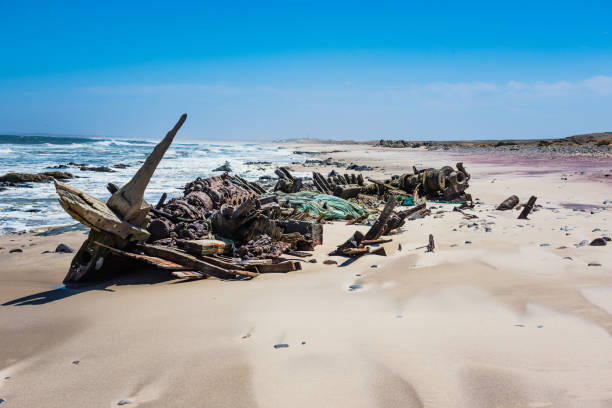
71.) Unravel the mystery of the Nazca lines
72.) Watching colours at rainbow mountain
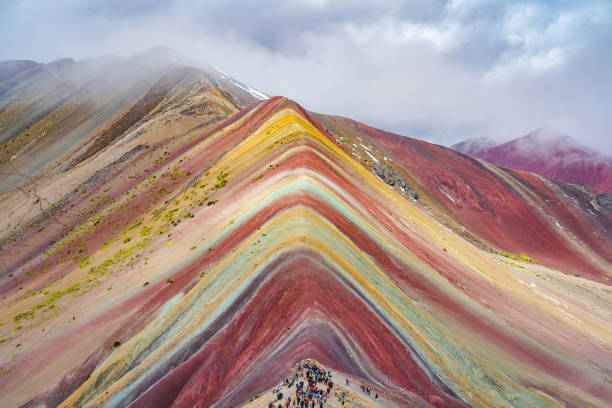
Marvel at the stunning hues of Rainbow Mountain, where the earth itself paints a vivid masterpiece of reds, pinks, and greens.
Activity Type: Hiking, nature exploration, photography.
Overview: Located in the Peruvian Andes, Rainbow Mountain (also known as Vinicunca) is one of the world’s most visually striking natural wonders. The mountain is famous for its vibrant colors, created by the mineral-rich soil that has formed the peaks over millennia. Shades of red, pink, yellow, and green streak across the landscape, offering a surreal and mesmerizing sight that looks almost too colorful to be real. The hike to the summit is a challenging but rewarding experience, taking visitors through high-altitude terrain while offering sweeping views of the Andes and surrounding valleys. As you approach the summit, the mountain reveals its full spectrum of colors, a testament to the power and beauty of nature’s geological processes.
Though the hike to Rainbow Mountain is physically demanding, it’s well worth the effort. Along the way, you’ll pass through traditional Peruvian villages, get a glimpse of the high-altitude wildlife, such as llamas and alpacas, and witness the spectacular rainbow-colored landscape. The mountain’s colors are most vivid under the clear skies of the dry season, making it the perfect destination for outdoor enthusiasts and photography lovers alike. Whether you’re an experienced hiker or a first-timer, witnessing Rainbow Mountain’s awe-inspiring beauty is an unforgettable experience.
Where: Rainbow Mountain (Vinicunca) is located in the Cusco region of Peru, approximately 100 miles southeast of the city of Cusco, at an elevation of about 16,400 feet (5,020 meters).
Duration of Activity: The hike to Rainbow Mountain typically takes about 4 to 6 hours, with most day trips from Cusco including transportation to and from the site.
Best Time to Visit: The dry season, from April to October, is the best time to visit Rainbow Mountain, as the clear skies allow for the best views of the colorful peaks. The rainy season (November to March) can obscure the view and make hiking more difficult.
Cost: A guided day trip from Cusco to Rainbow Mountain usually costs between $40 to $80 USD, depending on the tour operator. Additional costs may include entrance fees, meals, and personal gear.
Top Tips: Due to the high altitude of Rainbow Mountain, it’s important to acclimatize in Cusco for a few days before attempting the hike to avoid altitude sickness. Bring warm clothing, as temperatures can be cold even in the dry season. Wear sturdy hiking boots and bring plenty of water and snacks for the journey. Prepare for the physical demands of the hike, as it can be strenuous, especially at high altitudes. Be sure to bring a camera to capture the mountain’s incredible colors, and take your time at the summit to fully appreciate the view.
73.) Go husky sledding in Lapland, Finland.
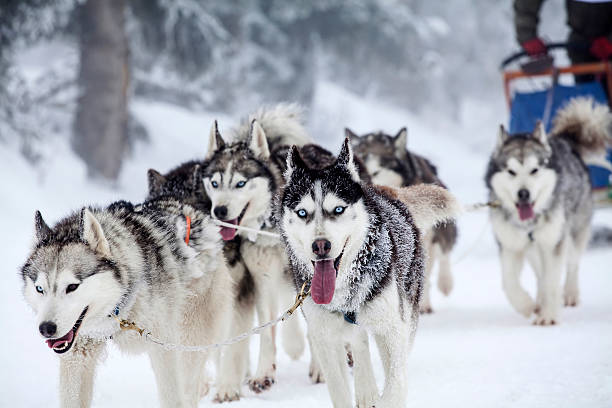
74.) Camp in the Sahara Desert, Morocco.
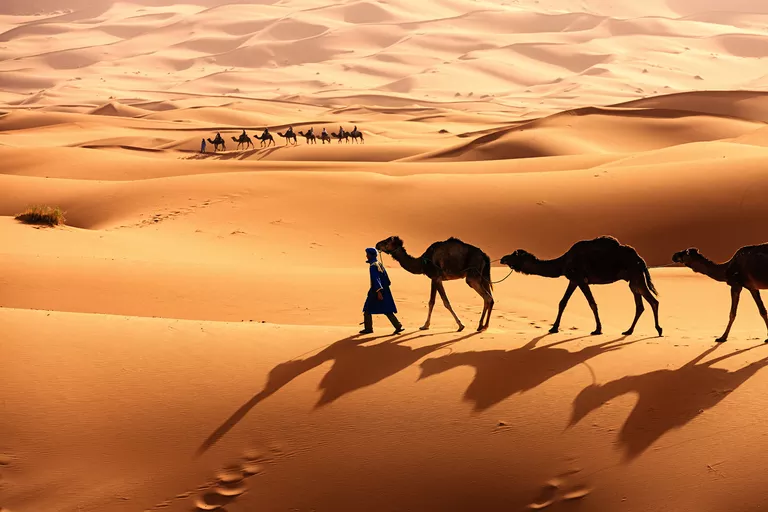
Activity Type: Desert adventure, camping, stargazing.
Overview: The Sahara Desert, one of the most iconic and awe-inspiring landscapes in the world, offers a unique opportunity to immerse yourself in the silence and beauty of the desert. Camping in the Sahara provides a once-in-a-lifetime experience, where you can sleep beneath a canopy of stars and wake up to the vast expanse of golden sand dunes stretching as far as the eye can see. Most desert tours begin with a camel ride, taking you across the rolling dunes to a remote desert camp, where traditional Berber tents await, complete with cozy blankets and meals under the stars. As night falls, the desert comes alive with sounds of the wind, and the lack of light pollution creates the perfect environment for stargazing.
During your stay, you’ll have the chance to experience the rhythm of desert life, from a warm cup of traditional mint tea to the hypnotic experience of watching the sunset over the dunes. The early morning sunrise is another magical moment, as the first light of the day casts long shadows across the desert, turning the sand into a beautiful array of oranges and reds. Whether you choose a one-night experience or a longer journey, camping in the Sahara is an unforgettable way to connect with nature and reflect on the vastness of the world around you.
Where: The Sahara Desert, Morocco, with popular entry points from cities like Marrakech, Merzouga, and Zagora. Camel treks typically start from these towns and lead you deep into the desert.
Duration of Activity: Sahara Desert camping tours generally last between 1 to 3 nights, depending on the tour package and the distance traveled into the desert.
Best Time to Visit: The best time to visit the Sahara Desert is during the cooler months, from October to April. Summer temperatures can soar well above 100°F (38°C), making it much more comfortable to visit during the autumn, winter, or early spring months.
Cost: A 1–2 night desert camping tour typically costs between $100 and $300 USD per person, including transportation, camel trekking, food, and accommodation. Longer tours or luxury glamping experiences can cost more.
Top Tips: Be prepared for both hot days and cold nights. The temperature can vary greatly in the desert, so pack lightweight clothing for the day, along with a warm jacket and layers for the chilly nights. Camel rides can be a little uncomfortable for some, so be sure to wear comfortable clothing and bring a scarf or hat to protect yourself from the sun and sand. If stargazing is on your agenda, bring a camera with a manual setting for the best results. And most importantly, bring a sense of adventure—it’s an experience like no other!
75.) Explore Santorini, Greece.
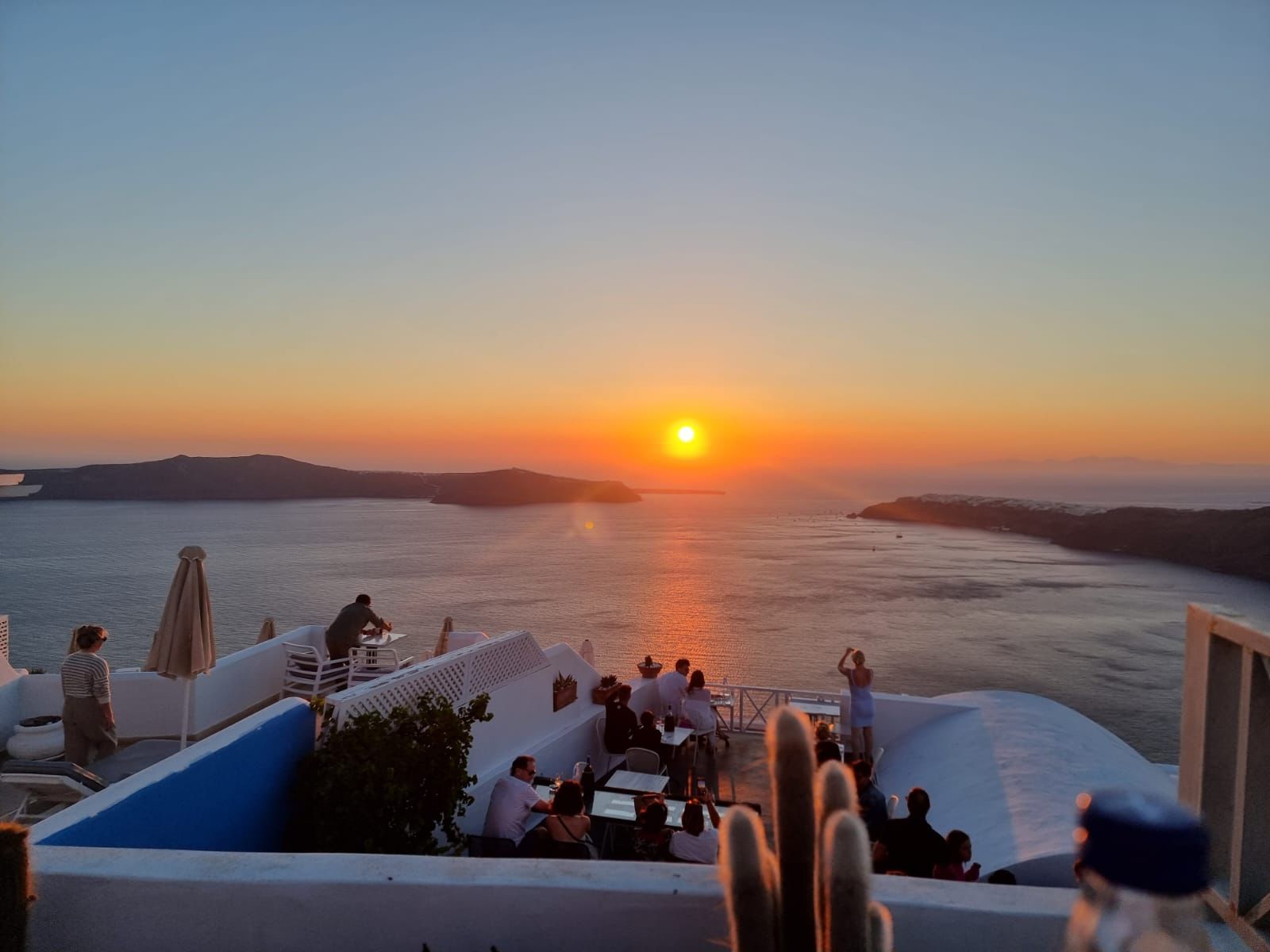
Discover the beauty of Santorini, a Greek island famous for its white-washed buildings, blue-domed churches, and stunning sunsets over the Aegean Sea.
Activity Type: Sightseeing, cultural exploration, photography, beach relaxation.
Overview: Santorini, one of Greece’s most popular and picturesque islands, is a dream destination for travelers seeking breathtaking views, rich history, and vibrant culture. Known for its iconic cliffside villages, crystal-clear waters, and dramatic volcanic landscape, Santorini offers a mix of exploration and relaxation. Wander through the charming streets of Oia and Fira, where you can shop for local crafts, enjoy delicious Greek cuisine, and marvel at the stunning architecture that clings to the edge of the caldera.
A visit to Santorini isn’t complete without experiencing its world-famous sunsets, often regarded as some of the best in the world. As the sun dips below the horizon, the sky comes alive with hues of orange, pink, and purple, creating an unforgettable scene. For those who enjoy history, the ancient ruins of Akrotiri, an archaeological site of a Minoan Bronze Age settlement, offer a glimpse into the island’s rich past. Whether you’re relaxing on the volcanic beaches, sipping local wine, or taking in the views from a luxurious hotel terrace, Santorini promises to be a memorable and romantic getaway.
Where: Santorini is part of the Cyclades group of islands in Greece, located in the Aegean Sea. The island is accessible by ferry from mainland Greece or nearby islands, and it also has an international airport.
Duration of Activity: Most visitors spend 3 to 5 days exploring Santorini, with time to explore its towns, beaches, and historical sites.
Best Time to Visit: The best time to visit Santorini is from late spring to early autumn (May to October), when the weather is warm, the sea is inviting, and the island is bustling with activity. However, for a more peaceful experience, visiting in the shoulder seasons of May or September is recommended.
Cost: The cost of visiting Santorini varies greatly depending on the season and your preferences. Budget travelers can expect to spend around $100 to $150 USD per day, while mid-range travelers may spend $150 to $300 USD per day. Luxury accommodations, private tours, and fine dining can raise the cost to $500+ per day.
Top Tips: Santorini’s narrow streets can get crowded, especially during the high summer months, so it’s best to explore early in the morning or during the evening to avoid the crowds. Wear comfortable shoes, as many of the streets are cobblestone and can be slippery. Don’t miss the chance to visit the island’s famous beaches, such as Red Beach and Kamari Beach, and make sure to take a boat tour to see the volcanic island and hot springs. Lastly, book your accommodations and tours in advance, especially during the peak travel season.
76.) Spot snow leopards in Ladakh, India.
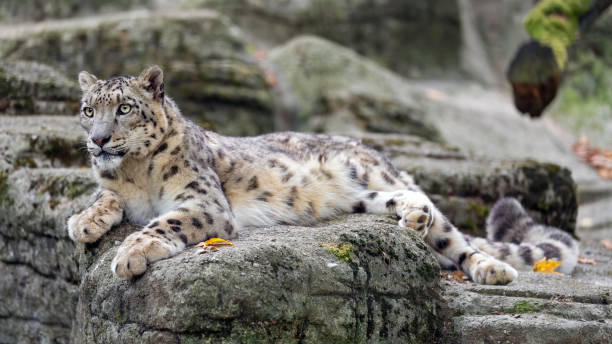
Embark on an extraordinary wildlife adventure in the rugged mountains of Ladakh, India, to spot the elusive and endangered snow leopard in its natural habitat.
Activity Type: Wildlife spotting, trekking, nature exploration.
Overview: Ladakh, a remote region in northern India, is renowned for its stunning landscapes and unique wildlife, including the elusive snow leopard. Known as the “ghost of the mountains,” snow leopards are notoriously difficult to spot due to their camouflage in the rocky terrain and solitary nature. However, Ladakh offers a rare opportunity to encounter these majestic creatures in the wild, particularly in the Hemis National Park and the surrounding areas of the Trans-Himalayas. With the snow-capped peaks of the Himalayas as a backdrop and the vast, barren landscape, a snow leopard sighting is a true wildlife lover’s dream.
The trek to spot snow leopards often requires patience, persistence, and expert local guides, as these big cats roam in the remote, rugged regions of Ladakh. The best time to embark on this thrilling adventure is during the winter months (November to March), when the snow leopards descend to lower altitudes in search of prey. Beyond the snow leopards, Ladakh is home to a wide variety of other wildlife species, including Tibetan wild ass, ibex, and bharal (Himalayan blue sheep), making it a must-visit destination for wildlife enthusiasts. The journey also provides a deep cultural experience as Ladakh’s Buddhist monasteries, traditional villages, and local culture add an enriching layer to your adventure.
Where: Ladakh is located in the northernmost part of India, in the state of Jammu and Kashmir, surrounded by the majestic Himalayas. The main hub for wildlife safaris and trekking is Leh, the capital of Ladakh.
Duration of Activity: Snow leopard treks typically last 7 to 14 days, depending on the route, weather conditions, and how long it takes to spot the elusive big cat.
Best Time to Visit: The ideal time to spot snow leopards is between November and March, when the leopards descend to lower altitudes. However, trekking in Ladakh can be done year-round, with summer offering a chance to explore other wildlife and natural beauty.
Cost: The cost of a snow leopard trekking expedition varies greatly depending on the duration, guide services, and accommodations. A guided trek may cost anywhere between $2,000 to $3,500 USD per person for a 7 to 10-day trip, which typically includes permits, transportation, and meals.
Top Tips: Due to the remote and harsh conditions of Ladakh, it’s essential to be well-prepared. Bring warm clothing, as temperatures can drop well below freezing, especially at night. Be prepared for long treks in challenging terrains, and make sure to have a camera with a good zoom lens to capture the elusive snow leopard from a distance. It’s also highly recommended to hire a local guide with experience in wildlife tracking to improve your chances of spotting the snow leopards. Don’t forget to bring plenty of water, snacks, and sun protection for the long days in the mountains.
77.) Visit the Church of the Savior on Spilled Blood, Russia.
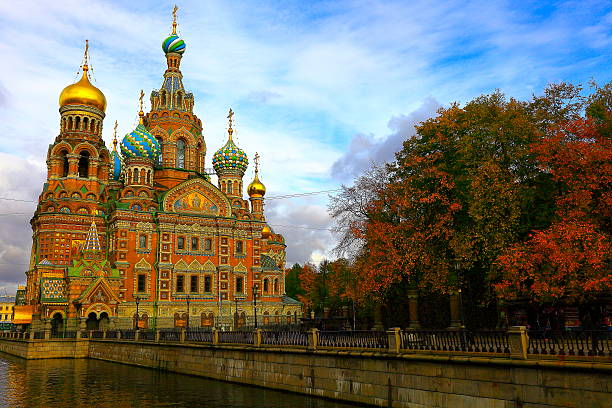
Step into one of Russia’s most iconic landmarks, the Church of the Savior on Spilled Blood, and marvel at its colorful, intricate design and profound historical significance.
Activity Type: Cultural exploration, historical sightseeing, architecture appreciation.
Overview: Located in the heart of St. Petersburg, Russia, the Church of the Savior on Spilled Blood is one of the most remarkable examples of Russian architecture and history. Built on the site where Emperor Alexander II was fatally wounded in 1881, the church stands as a tribute to his legacy and a symbol of the country’s complex past. Its vibrant, onion-shaped domes and ornate mosaics are a striking visual feature against the backdrop of St. Petersburg’s canals. The church is a stunning example of Russian Revivalist architecture, with an exterior adorned with bright colors, gold accents, and intricate designs, while the interior features one of the world’s largest collections of mosaics, covering over 7,500 square meters.
Visitors to the Church of the Savior on Spilled Blood will be captivated not only by its unique architectural beauty but also by its historical significance. The church’s colorful, otherworldly design contrasts with the somber event that took place there, as it was constructed as a memorial to the assassination of Alexander II. Inside, the mosaics depict scenes from Russian history and Orthodox religious icons, bringing an air of spiritual reverence to the experience. Strolling through the church’s serene halls, you’ll gain a deep appreciation for the artistry and craftsmanship that went into creating such a monument, making it a must-see destination for culture and history enthusiasts visiting St. Petersburg.
Where: The Church of the Savior on Spilled Blood is located in the center of St. Petersburg, Russia, near the Griboedov Canal. It is one of the city’s most visited landmarks, easily accessible from major attractions.
Duration of Activity: A visit to the church typically takes around 1 to 2 hours, depending on the time spent admiring the mosaics and the detailed architecture.
Best Time to Visit: The best time to visit the church is during the spring and summer months (May to September), when the weather in St. Petersburg is mild and conducive to sightseeing. However, the church is open year-round, with fewer tourists during the winter months.
Cost: The entrance fee to the Church of the Savior on Spilled Blood is typically around $10 to $15 USD. Audio guides and special tours may cost additional fees, depending on the services offered.
Top Tips: To fully appreciate the intricate mosaics and historic significance of the church, consider hiring a local guide or using an audio guide to provide context on the history of the church and the events surrounding the assassination of Alexander II. The church’s interior can be quite crowded, so visiting early in the day or later in the afternoon may offer a quieter experience. Be mindful of the church’s sacred status, as it is still an active place of worship, and dress respectfully when entering.
78.) Dive the Blue Hole, Belize.
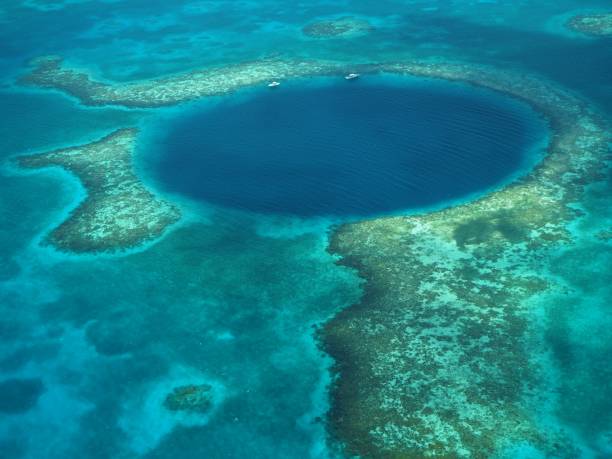
79.) Witness Day of the Dead celebrations, Mexico

80.) Stand on the Cliffs of Moher, Ireland
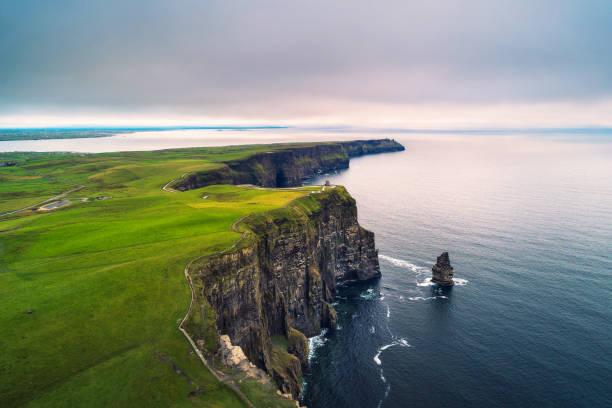
81.) Watch the Argentine derby at La Bombonera, Argentina

82.) Experience whale watching in Baja California

Witness the awe-inspiring sight of whales breaching, spouting, and swimming in the pristine waters of Baja California, Mexico.
Activity Type: Wildlife observation, marine adventure, and eco-tourism.
Overview: Baja California is one of the best places in the world to experience whale watching. Every year, gray whales, humpbacks, and even blue whales migrate to these warm Pacific and Sea of Cortez waters, creating a spectacular natural show. Between January and April, gray whales use the shallow lagoons of Baja California Sur, such as Magdalena Bay, San Ignacio Lagoon, and Guerrero Negro, as breeding and birthing grounds. This provides visitors with an incredible opportunity to observe these gentle giants up close.
Humpback whales, known for their acrobatics and mesmerizing songs, are also frequent visitors to the region. Whether you’re on a small boat or a larger tour vessel, you’ll marvel at these magnificent creatures swimming alongside, breaching out of the water, or playfully slapping their tails. Baja California is more than a whale-watching destination—it’s a journey into a thriving marine ecosystem, rich with dolphins, sea lions, and diverse birdlife.
Where: Baja California Peninsula, Mexico. Key whale-watching hotspots include Magdalena Bay, San Ignacio Lagoon, and Guerrero Negro in Baja California Sur.
Duration of Activity: Whale-watching tours typically last 2 to 4 hours. Some eco-tour packages offer multi-day experiences, including accommodation and additional activities.
Best Time to Visit: The prime whale-watching season in Baja California is from January to April, during the annual migration and calving period.
Cost: Prices for whale-watching tours range from $50 to $150 USD per person for half-day tours. Multi-day eco-tours or private charters can cost $500 to $2,000 USD, depending on the level of service and accommodations.
Top Tips: Book your tour with a reputable operator to ensure an ethical and eco-friendly experience. Dress warmly, as the ocean breeze can be chilly even on sunny days. Bring a waterproof camera or a secure phone case to capture these magical moments. Consider taking motion sickness medication if you’re prone to seasickness. Above all, listen to the guides’ instructions to ensure a safe and respectful encounter with these majestic marine creatures. This is an unforgettable chance to connect with nature!
83.) Swim with dolphins
84.) Ride horses through the Gobi Desert, Mongolia.

85.) Dive with humpback whales in Tonga.
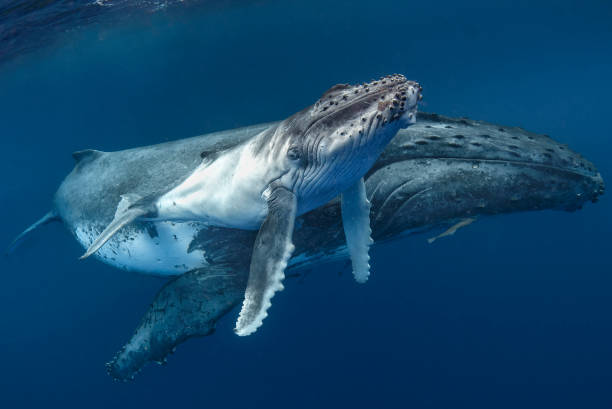
Swim alongside majestic humpback whales in the pristine, turquoise waters of Tonga, experiencing one of the most extraordinary wildlife interactions on Earth.
Activity Type: Snorkeling, marine wildlife encounter, and ocean exploration.
Overview: Diving with humpback whales in Tonga offers a once-in-a-lifetime opportunity to witness these gentle giants up close in their natural habitat. Every year, from July to October, humpback whales migrate from the Antarctic to Tonga’s warm waters to breed, calve, and nurse their young. The Kingdom of Tonga is one of the few places in the world where swimming with humpback whales is allowed, making it a dream destination for marine enthusiasts.
Guided by experienced operators, you’ll venture out to the open ocean for a snorkeling experience unlike any other. You’ll hear the haunting songs of male whales, watch playful calves frolic beside their mothers, and marvel at the sheer size and grace of these marine mammals. The crystal-clear waters of Tonga allow for incredible visibility, making the experience even more awe-inspiring.
Where: The islands of Vava’u and Ha’apai in Tonga are the main hubs for humpback whale diving.
Duration of Activity: Whale dives typically last a few hours per session, with many tours offering full-day or multi-day packages to maximize your chances of encounters.
Best Time to Visit: The prime season for swimming with humpback whales in Tonga is from July to October, during their annual migration to the region.
Cost: Whale diving tours range from $200 to $400 USD per day. Multi-day packages, including accommodation, meals, and guided tours, can cost between $1,500 and $4,000 USD.
Top Tips: Ensure you’re a confident swimmer and comfortable snorkeling in open water, as whale encounters often happen far from shore. Bring a wetsuit, as the water can be cool, and an underwater camera to capture these magical moments. Choose eco-certified tour operators who prioritize the whales’ welfare and follow strict interaction guidelines. Lastly, book your trip well in advance, as spots during peak whale season fill up quickly.
86.) Hike the Haute Route, France/Switzerland
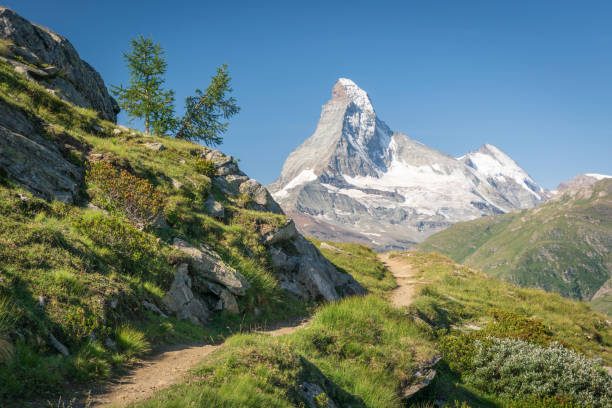
Embark on a stunning high-altitude adventure through the French and Swiss Alps, trekking one of the world’s most iconic long-distance trails.
Activity Type: Long-distance hiking, mountain trekking, and outdoor adventure.
Overview: The Haute Route is a legendary trek that connects the charming mountain town of Chamonix, France, to Zermatt, Switzerland. Spanning approximately 200 kilometers, this breathtaking trail takes hikers through a variety of alpine landscapes, from towering peaks and shimmering glaciers to verdant meadows and quaint villages. The route offers unparalleled views of iconic mountains, including Mont Blanc, the Matterhorn, and the Dent Blanche.
Hiking the Haute Route is both a physical challenge and a spiritual journey, immersing travelers in the unspoiled beauty of the Alps. Along the way, you’ll stay in mountain huts, cozy chalets, and alpine lodges, experiencing the rich culture and hospitality of the region. Whether you’re captivated by dramatic mountain scenery or the peaceful rhythm of a long trek, the Haute Route offers an unforgettable adventure.
Where: The trail starts in Chamonix, France, and ends in Zermatt, Switzerland, passing through several mountain passes and alpine towns.
Duration of Activity: The full trek typically takes 10–14 days, depending on your pace and the chosen route (classic hiking route or high-altitude mountaineering route).
Best Time to Visit: The ideal time for hiking the Haute Route is from mid-June to mid-September, when the trails are free of snow, and the weather is favorable.
Cost: Costs can vary widely depending on your accommodations, guide services, and meals. Budget travelers can expect to spend around $1,000–$2,000 USD, while those opting for guided treks and premium lodging may spend $3,000–$5,000 USD or more.
Top Tips: Prepare for diverse weather conditions, as alpine weather can be unpredictable even in summer. Invest in high-quality hiking boots and gear, as the trail includes steep ascents and rocky paths. If you’re new to long-distance trekking, consider hiring a guide or joining a group for safety and navigation. Make sure to book accommodations along the route in advance, as mountain huts can fill up quickly during peak season. Finally, train for the hike by building stamina and strength to handle the daily distances and altitude changes.
87.) Visit Chichen Itza, Mexico
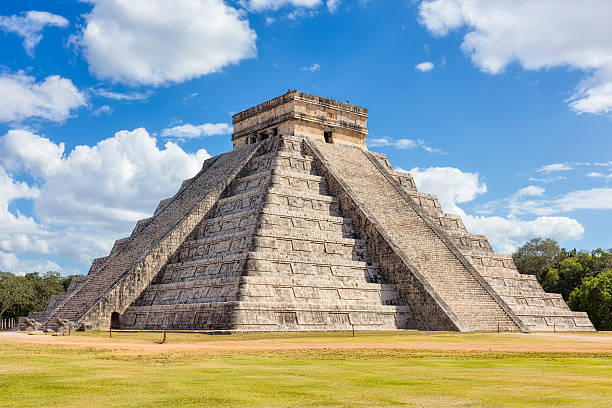
88.) Watch geysers erupt in Yellowstone, USA
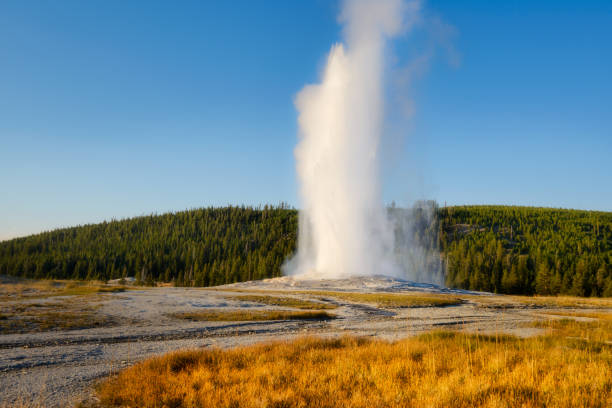
89.) See the Moai statues on Easter Island
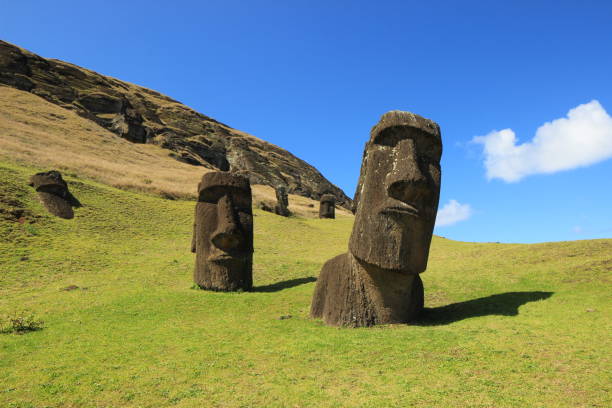
90.) Drive the Karakoram Highway, Pakistan/China
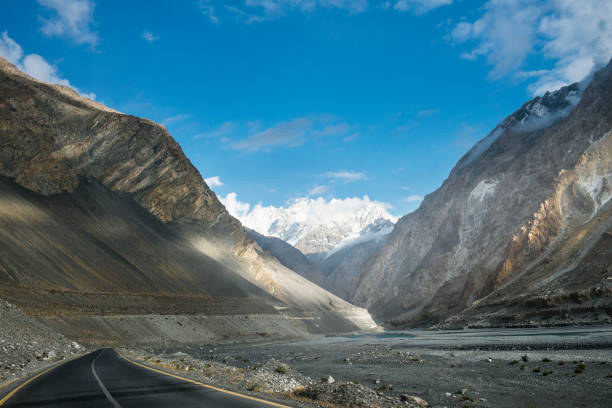
91.) Dance tango in Argentina

Immerse yourself in the rhythmic heart of Buenos Aires and experience the passionate world of tango.
Activity Type: Cultural immersion, dance, and local experience.
Overview: Tango, the sultry and dramatic dance born in the streets of Buenos Aires, is one of the most iconic cultural experiences in Argentina. To truly understand Argentina’s soul, there’s no better way than to step onto the dance floor and sway to the rhythm of this seductive dance style. Tango is an intricate blend of sharp movements, emotional connection, and graceful footwork, and learning or watching it unfold in Argentina adds a layer of authenticity that cannot be replicated anywhere else.
Buenos Aires is the birthplace of tango, and the city offers countless tango shows, classes, and milongas (dance halls) where locals and tourists come together to dance late into the night. Whether you’re a seasoned dancer or a complete beginner, Buenos Aires offers a variety of tango experiences, from intimate lessons with professional dancers to attending grand tango shows. Beyond the dance itself, you’ll also immerse yourself in the rich history and culture of tango, learning about its roots in Argentina’s immigrant communities and its transformation into an international symbol of passion and expression.
Where: Buenos Aires, Argentina, especially in areas like San Telmo and La Boca, which are famous for their tango culture.
Duration of Activity: Tango lessons typically last 1–2 hours, while tango shows can range from 2 to 3 hours. You can spend several days or even weeks immersing yourself in the tango culture if you desire.
Best Time to Visit: Tango can be enjoyed year-round, but the best time to experience the city’s vibrant tango scene is during the Buenos Aires Tango Festival, held annually in August.
Cost: Tango lessons typically range from $20 to $40 USD per class, depending on the duration and the level of the class. Tango shows cost between $50 to $150 USD per ticket, depending on the venue and performance quality.
Top Tips: If you’re new to tango, start with a beginner’s class to get familiar with the basic steps and the Argentine style of dancing. Tango is not just about the steps but also about connecting with your partner, so don’t be shy to ask for guidance from local dancers. For the full experience, take time to explore the tango history at the Museo del Tango or enjoy an authentic milonga night where locals dance passionately. Lastly, be prepared to move beyond the basics; tango is a dance of improvisation and emotion, and there’s always more to learn!
92.) Ride the rails on Rocky Mountaineer, Canada
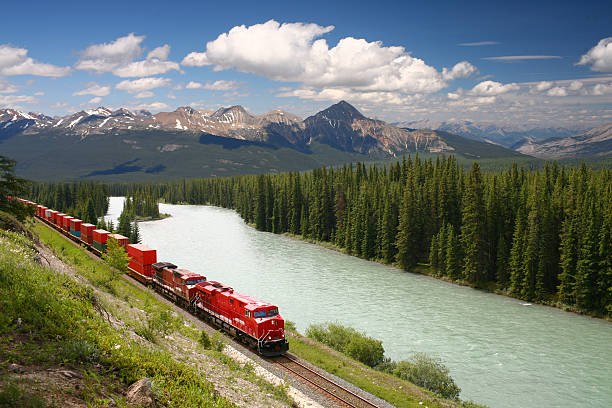
Embark on a luxurious and scenic train journey through Canada’s breathtaking Rocky Mountains aboard the iconic Rocky Mountaineer.
Activity Type: Scenic train ride, luxury travel, nature exploration.
Overview: The Rocky Mountaineer offers one of the most spectacular train journeys in the world, where travelers can relax in comfort while being immersed in the stunning landscapes of the Canadian Rockies. This luxury train experience takes you through some of the most awe-inspiring scenery, including vast forests, snow-capped peaks, glacial lakes, and pristine rivers. The journey is designed to provide panoramic views from the large windows, offering an up-close view of Canada’s rugged beauty.
The train features elegantly appointed cars with all-inclusive service, making it more than just a ride—it’s a luxury travel experience. Passengers are treated to gourmet meals, exceptional service, and informative commentary as they journey from Vancouver to the majestic Banff and Jasper National Parks, or in reverse. The rail journey also offers the opportunity to spot wildlife such as bears, elk, and eagles, all while gliding through some of the most dramatic landscapes on Earth. For a truly unforgettable experience, consider upgrading to GoldLeaf Service for panoramic windows and access to an exclusive dining room with breathtaking views.
Where: The Rocky Mountaineer operates several routes, but the most popular is the Vancouver to Banff or Jasper route, which crosses through British Columbia and Alberta, Canada.
Duration of Activity: Depending on the route chosen, the trip can range from 2 to 3 days, with overnight stops in cities like Kamloops, Banff, and Jasper.
Best Time to Visit: The best time to travel aboard the Rocky Mountaineer is during the summer months, from May to October, when the weather is warm, and the mountain scenery is at its most stunning.
Cost: Prices for a Rocky Mountaineer journey typically start at around $1,000 USD for a 2‑day journey in SilverLeaf Service, and can rise significantly for GoldLeaf Service or longer routes, ranging up to $3,000 USD or more per person.
Top Tips: The Rocky Mountaineer is a bucket-list experience, so be sure to book your journey well in advance, especially if you want to travel during peak seasons. While the ride is luxurious, make sure to dress comfortably, as you’ll want to enjoy the fresh mountain air during stops and scenic moments. Also, bring a camera or binoculars to capture the incredible views and wildlife sightings along the way. If you have time, extend your journey with additional stays in Banff or Jasper National Parks, where you can explore Canada’s natural wonders further.
93.) See the Bears of Churchill, Canada
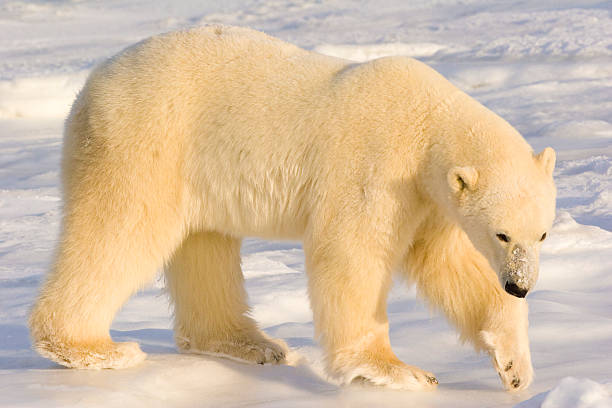
Embark on an unforgettable adventure to Churchill, Manitoba, one of the best places in the world to witness polar bears in their natural environment.
Activity Type: Wildlife viewing, nature exploration, eco-tourism.
Overview: Churchill, known as the “Polar Bear Capital of the World,” offers a once-in-a-lifetime opportunity to witness polar bears in their natural habitat. Located on the edge of the Hudson Bay, this remote town draws visitors from around the world, especially during the autumn months when polar bears migrate along the shores, waiting for the sea ice to form. The bears gather near the town, providing an unparalleled chance to observe them in the wild.
Tour operators in the area offer guided “polar bear safari” tours, where visitors travel in specialized tundra vehicles, designed to safely get close to these magnificent creatures while ensuring both human and bear safety. These tours often come with expert naturalists who provide insights into the bears’ behavior, conservation efforts, and the challenges they face due to climate change. Aside from polar bears, Churchill is also home to other wildlife, including beluga whales, arctic foxes, and a variety of bird species. The surrounding tundra landscape is equally captivating, with vast stretches of ice and snow creating a breathtaking backdrop for your wildlife adventure.
Where: Churchill, Manitoba, Canada, located on the shores of Hudson Bay.
Duration of Activity: Polar bear viewing tours typically last 3 to 5 days, with various tour operators offering packages that include wildlife viewing, transportation, and accommodation.
Best Time to Visit: The prime time for polar bear viewing in Churchill is from October to November, as this is when the bears migrate through the area in anticipation of the sea ice. However, Churchill also offers excellent opportunities to see beluga whales in the summer (July to August).
Cost: Prices for a polar bear safari typically range from $3,000 to $6,000 USD per person for a 3 to 5‑day tour, depending on the package and accommodation options chosen.
Top Tips: When planning your trip to Churchill, make sure to book well in advance, as the polar bear viewing season is short and tours can fill up quickly. Be prepared for cold temperatures, even in late autumn, as you’ll be spending time outside in potentially sub-zero conditions. Dress in layers and bring thermal clothing, as well as binoculars and a camera to capture the stunning wildlife. While you’ll be in close proximity to the bears, always follow the guidance of your expert guides to ensure both your safety and the bears’ well-being. Keep in mind that sightings of polar bears can never be guaranteed, as they are wild animals, but the chances are high, especially during peak season.
94.) Explore the Darien Gap, Panama/Colombia
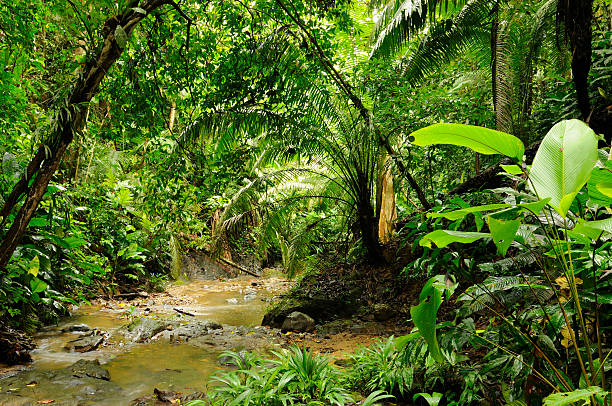
95.) Dive the Silfra Crack, Iceland

96.) Witness Blue Ice Caves, Iceland
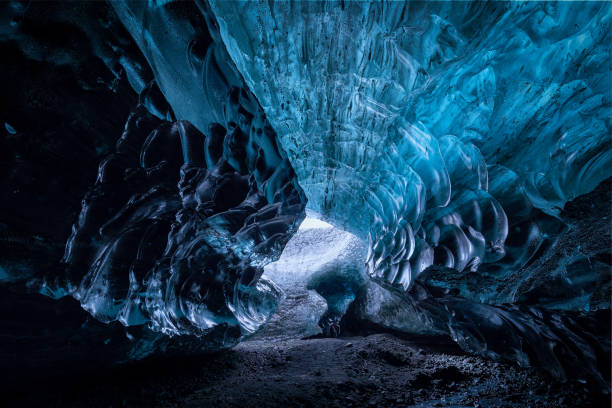
Experience the awe-inspiring beauty of Iceland’s Blue Ice Caves, where you can explore an ethereal world of frozen blue hues and ancient glaciers.
Activity Type: Glacier exploration, ice caving, adventure travel.
Overview: Iceland’s Blue Ice Caves are an incredible natural wonder that can be explored during the winter months. These caves, formed in glaciers, offer an unforgettable experience of exploring inside ice tunnels and chambers filled with radiant blue light. The ice appears blue due to the way light interacts with dense, compacted glacier ice, creating a surreal and stunning glow that’s unlike anything else on Earth.
The ice caves are located primarily in Vatnajökull, Europe’s largest glacier, and other smaller glaciers across Iceland. These caves are constantly changing, shaped by the forces of nature, so every visit offers a different experience. The caves are often accessible only during winter when the ice is stable enough for safe exploration, and the surroundings are covered in fresh snow, adding to the magical atmosphere.
Inside the caves, you’ll find mesmerizing blue hues that shift and change with the light, sparkling ice formations, and intricate textures that have formed over centuries. The caves can vary in size, from small tunnels to vast chambers, some large enough to fit entire groups of adventurers. Guided tours are available to ensure safety while navigating these fragile environments, and local guides will share fascinating insights about glaciers, ice formations, and Iceland’s natural wonders.
For photography enthusiasts, the Blue Ice Caves are a dream come true, offering unique opportunities to capture the ethereal glow of the ice, and the interplay of light and shadow. The stillness and beauty of the ice caves make for an unforgettable experience.
Where: The Blue Ice Caves are primarily located in Vatnajökull Glacier, in southeastern Iceland, but they can also be found in other glaciers, such as Svínafellsjökull, Langjökull, and Mýrdalsjökull.
Duration of Activity: Ice cave tours typically last around 3 to 5 hours, including transportation, safety briefings, and guided exploration inside the caves.
Best Time to Visit: The best time to visit the Blue Ice Caves is during the winter months (November to March) when the caves are accessible, and the ice is stable enough to explore. The summer months (May to October) are generally too warm for the caves to form and be safe for exploration.
Cost: The cost of guided ice cave tours ranges from $150 to $300 USD per person, depending on the duration of the tour, the glacier visited, and the tour operator. Some tours also include additional activities like glacier hiking or snowmobiling.
Top Tips: Ice caves are unstable and can change rapidly, so always take a guided tour to ensure your safety and get the most out of the experience. Wear warm clothing, including thermal layers, as temperatures inside the caves can be freezing, even in the winter months. Sturdy waterproof boots are also necessary to keep your feet dry as you walk on slippery, icy surfaces. If you plan on photographing inside the caves, be sure to bring a camera with a good lens to capture the stunning blue ice formations. Keep in mind that the caves are delicate environments, so follow the guide’s instructions carefully to avoid damaging the ice. Additionally, booking your tour in advance is essential, especially during peak winter months, as spaces tend to fill up quickly.
97.) Let Lanterns go at the Lantern Festival, Taiwan
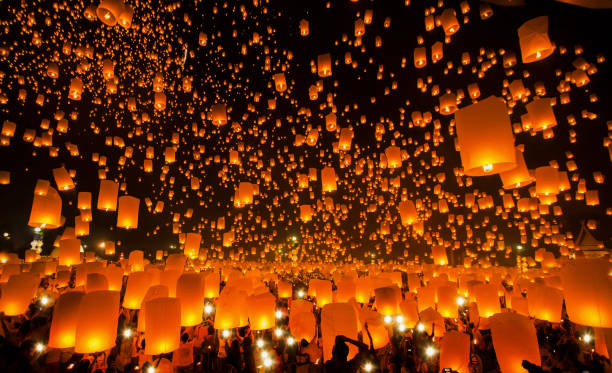
98.) Hike Trolltunga in Norway
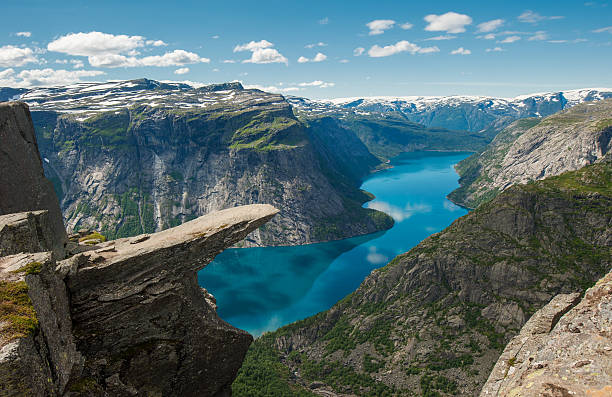
99.) Spot Komodo dragons, Indonesia
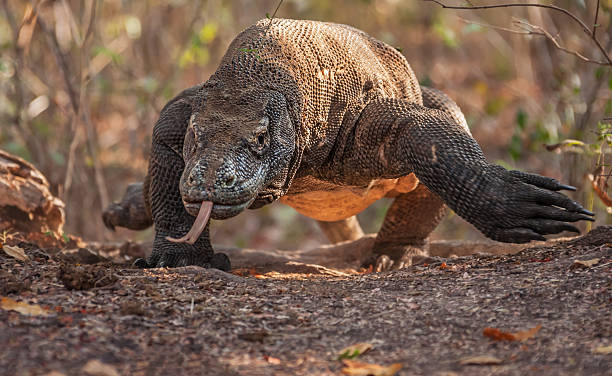
100.) Drive the Icefields Parkway, Canada
101.) Explore the Uyuni Salt Flats, Bolivia
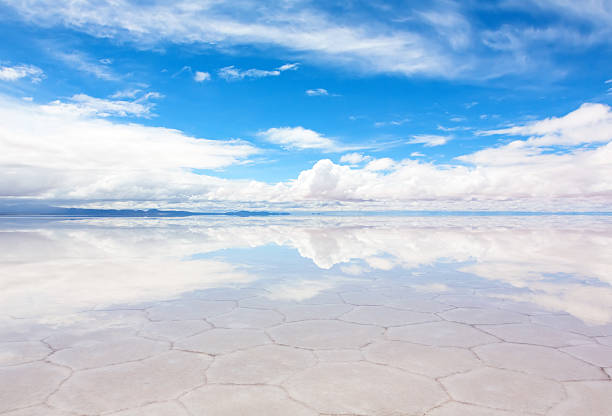
Venture into the world’s largest salt flat and experience an awe-inspiring landscape that feels like stepping into another world.
Activity Type: Adventure travel, nature exploration, photography.
Overview: The Salar de Uyuni, located in southwest Bolivia, is the largest salt flat in the world, stretching over 10,000 square kilometers (3,900 square miles). This vast, blindingly white landscape, covered in a thick layer of salt, is one of the most surreal and otherworldly places on Earth. Created by prehistoric lakes that evaporated millions of years ago, the salt flat is not just a stunning natural wonder but also an incredibly unique travel experience.
During the dry season (May to October), the Uyuni Salt Flats resemble a vast, cracked desert floor, offering opportunities for epic photos with seemingly endless horizons. In the rainy season (November to March), the flats transform into a giant mirror, reflecting the sky in perfect symmetry, creating an optical illusion of endless space where the ground and sky merge. A visit here offers a surreal opportunity to take photographs that appear to defy the laws of perspective—such as having people appear small enough to fit in the palm of your hand when held close to the camera lens.
Aside from the salt flats themselves, visitors can explore nearby natural wonders such as the Eduardo Avaroa National Park, home to colorful lagoons, active volcanoes, and unique wildlife like flamingos. Tour companies offer guided excursions to Uyuni, with multi-day tours taking travelers through the salt flats, surrounding deserts, and even to remote hot springs. For those seeking even more adventure, staying in a hotel made entirely of salt provides a truly authentic experience.
Where: Uyuni, located in the southwest of Bolivia, is the gateway to the Salar de Uyuni. The flats are situated at an altitude of over 3,600 meters (12,000 feet), making for breathtaking views of the surrounding landscape.
Duration of Activity: A visit to the Uyuni Salt Flats typically lasts 1 to 3 days, depending on whether you choose a short tour or a longer excursion into the surrounding areas, such as Eduardo Avaroa National Park and the Eduardo Avaroa Lagunas.
Best Time to Visit: The best time to visit the Uyuni Salt Flats is during the dry season (May to October), when the flats are cracked and offer the iconic endless horizon photo opportunities. However, visiting during the rainy season (November to March) offers the chance to see the stunning mirror effect, creating a surreal, reflective landscape.
Cost: A typical 1–3 day Uyuni Salt Flats tour costs between $100 and $300 USD, depending on the length of the tour, the type of accommodation, and the tour operator. Additional costs may include transportation from nearby cities, like Uyuni itself or the capital, La Paz, as well as optional activities such as visiting hot springs or staying in the salt hotels.
Top Tips: Be prepared for high-altitude travel, as Uyuni sits at over 3,600 meters (12,000 feet) above sea level, which may cause altitude sickness. Drink plenty of water, take it easy for the first day, and avoid alcohol. The sun can be extremely intense at the salt flats, so it’s important to wear sunscreen, sunglasses, and a hat. Ensure that your camera is well-protected from the salt, which can damage equipment. To get the most out of your visit, hire a local guide familiar with the region to navigate the vast salt flats, provide insights into the area’s history, and help you capture the most unique photographic angles. If you’re visiting during the rainy season, be aware that access to some areas may be limited due to water levels, so check with tour operators for updated information.
102.) Float through Fiordland, New Zealand

103.) Surf Australia’s Gold Coast
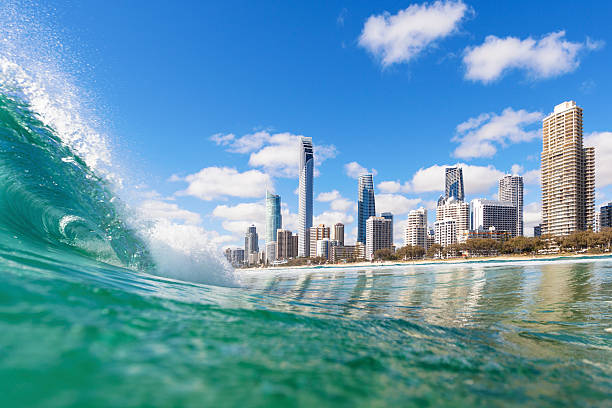
104.) Cruise the Mekong Delta, Vietnam
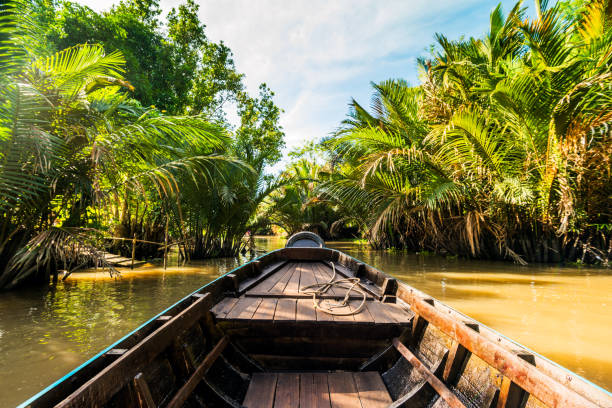
105.) Conquering Mount Doom
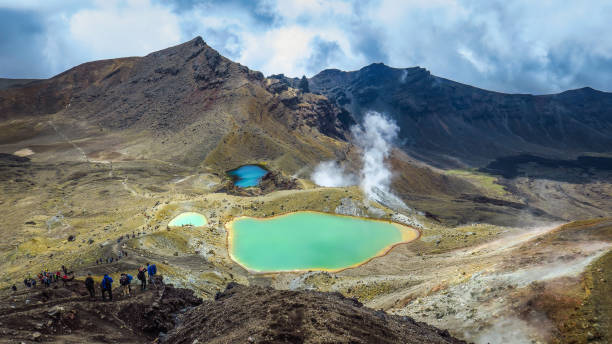
106.) Sleep under the stars in NamibRand, Namibia
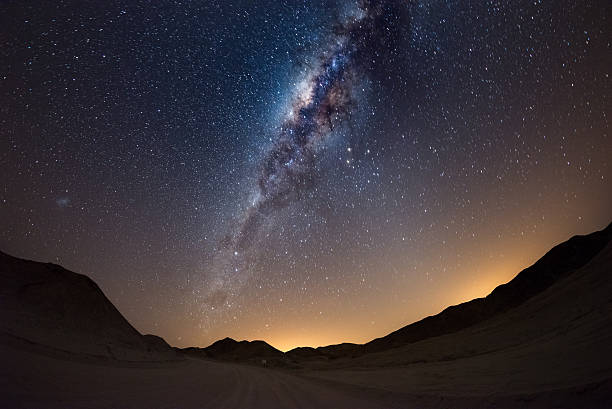
Experience the tranquility of Namibia’s vast desert as you sleep under the stars in one of the most breathtaking and remote locations on Earth.
Activity Type: Stargazing, desert camping, adventure travel.
Overview: NamibRand Nature Reserve, located in the heart of the Namib Desert in Namibia, is a haven for stargazing and outdoor lovers alike. The reserve’s vast, arid landscape is famous for its towering dunes, rugged mountains, and deep red sand, creating a surreal backdrop for a truly immersive desert experience. What sets NamibRand apart is its status as a Dark Sky Reserve, meaning that it offers some of the clearest night skies in the world, free from light pollution.
Sleeping under the stars in this remote location is a magical experience. Visitors can camp out at designated spots within the reserve or enjoy the luxury of eco-friendly lodges that offer open-air tents with views of the desert and sky. Whether you choose to sleep in a luxurious tented camp or opt for a more rugged camping experience, the night sky here is something truly special. Without artificial light, the stars are so vivid that the Milky Way seems to stretch from horizon to horizon, offering a perfect setting for stargazing and reflection.
In addition to stargazing, NamibRand offers a variety of daytime activities such as guided desert walks, nature drives, and visits to the famous Sossusvlei dunes. If you’re feeling adventurous, you can even take a hot air balloon ride to get an aerial view of the vast, ever-changing landscape.
Where: NamibRand Nature Reserve is located in southern Namibia, approximately 4 to 5 hours by car from the capital city of Windhoek. The reserve is near the iconic Sossusvlei dunes in the Namib Desert.
Duration of Activity: The typical stay in NamibRand lasts between one to three days, depending on the tour package or your preference. This allows enough time for stargazing, outdoor activities, and exploring the desert’s natural beauty.
Best Time to Visit: The best time to visit NamibRand is during the dry season, from May to October, when the weather is cooler and more comfortable for outdoor activities. The nights can get quite chilly, so it’s important to pack warm clothing. The summer months (November to April) are warmer, but they can also bring the chance of rain, making the desert less accessible.
Cost: Prices for staying in NamibRand can vary widely depending on the type of accommodation you choose. Budget-friendly camping options start around $50 to $100 USD per person per night. Luxury lodges and eco-friendly camps can range from $200 to $500+ USD per person per night, including meals and activities.
Top Tips: Ensure that you bring warm layers for the cool desert nights, as temperatures can drop significantly after sunset. A good pair of binoculars is essential for stargazing, but be mindful of the desert’s remote nature—always travel with a guide if you’re unfamiliar with the area. Bring a flashlight or headlamp with a red light setting to avoid disturbing the natural surroundings and wildlife. It’s also important to bring sun protection for daytime activities, as the desert sun can be intense. Finally, be prepared to disconnect from technology—NamibRand’s remote location provides a perfect opportunity to immerse yourself in nature and unplug from the modern world.
107.) Stargaze in the Atacama Desert, Chile
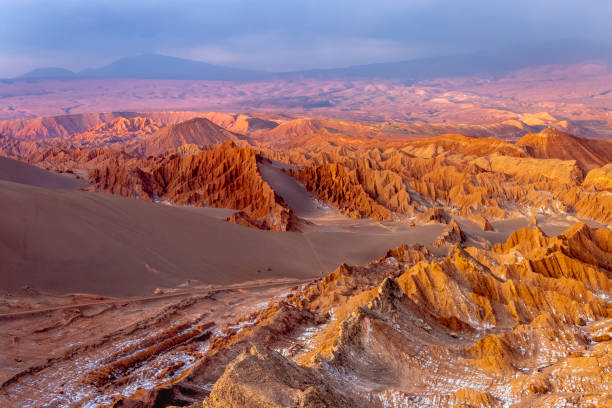
108.) Explore Greenland’s Ice Fjords
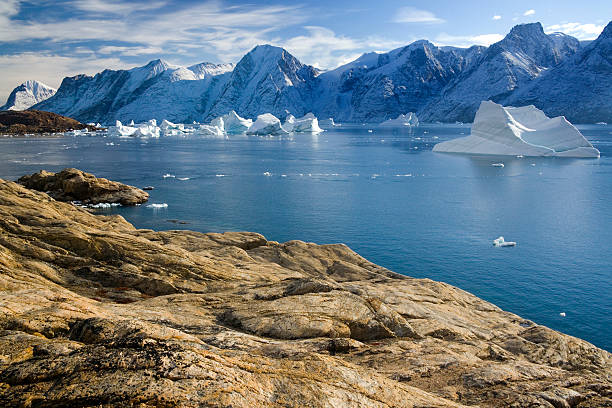
109.) Tour Transylvania’s castles, Romania
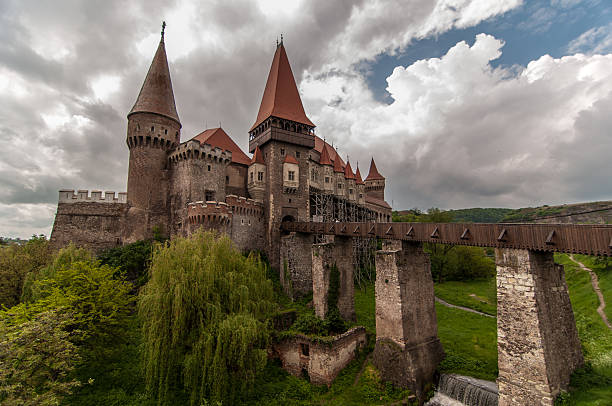
110.) Explore Palau’s Jellyfish Lake
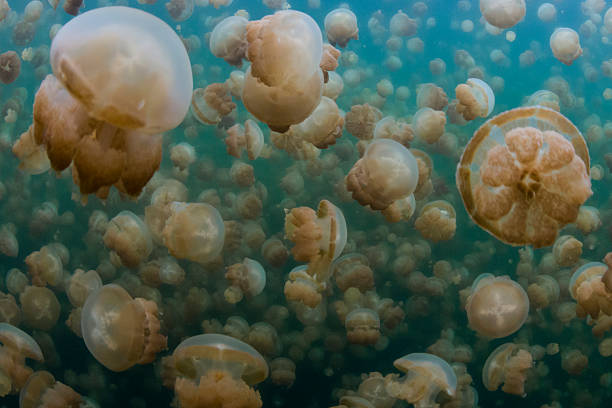
111.) Go bungee jumping in Queenstown, New Zealand
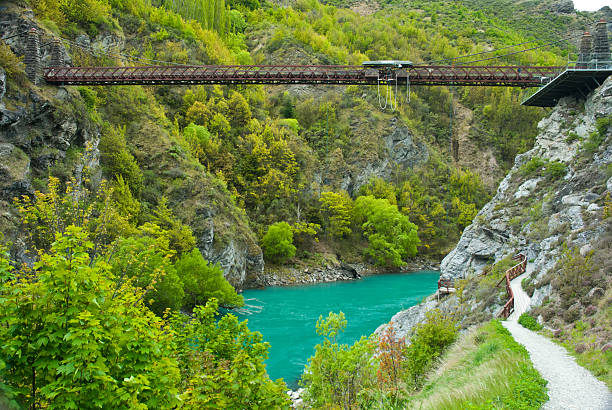
Leap into adventure in Queenstown, the birthplace of commercial bungee jumping and the ultimate destination for adrenaline junkies.
Activity Type: Adventure sports, extreme thrill, bungee jumping.
Overview: Queenstown, nestled on the shores of Lake Wakatipu and surrounded by the majestic Southern Alps, is often called the “Adventure Capital of the World.” Among its many heart-pounding activities, bungee jumping reigns supreme. This thrilling sport was commercialized right here, and it continues to draw adventurers from around the globe. Whether you’re a seasoned adrenaline junkie or a first-time daredevil, Queenstown offers several world-class bungee sites, each with its own unique charm.
The Kawarau Bridge Bungy, the world’s first commercial bungee jump, offers a 43-meter leap above the crystal-clear Kawarau River. For those seeking an even greater rush, the Nevis Bungy, New Zealand’s highest, features a jaw-dropping 134-meter drop into a dramatic canyon. Both locations offer spectacular views, expert safety procedures, and an experience you’ll never forget.
Jumping off a platform into the void with only a bungee cord to catch you is a test of nerves, courage, and trust. The rush of freefalling, followed by the exhilarating rebound, is unmatched. Even if you don’t jump, watching others take the plunge is an experience in itself.
Where: Queenstown, South Island, New Zealand. Bungee jumping sites include the Kawarau Bridge, Nevis Bungy, and the Ledge Bungy overlooking the town.
Duration of Activity: Each jump typically takes about 1–2 hours, including preparation, instructions, and the jump itself.
Best Time to Visit: Bungee jumping is available year-round in Queenstown, but the summer months (December to February) offer warmer weather and clear skies. Winter (June to August) adds the bonus of snow-capped mountain views.
Cost: Prices vary depending on the jump site. The Kawarau Bridge Bungy costs around $205 NZD, the Nevis Bungy about $275 NZD, and the Ledge Bungy approximately $205 NZD. Combo deals or packages with other activities can offer discounts.
Top Tips: Bungee jumping is as much a mental challenge as it is a physical thrill. Take a deep breath and trust the experienced staff, who prioritize safety above all. Wear comfortable clothing and avoid loose items that could fall during the jump. Capture the moment by purchasing a photo or video package—it’s worth it to relive the experience. Book your jump in advance, especially during peak tourist seasons, to secure your preferred time slot. And most importantly, embrace the fear and enjoy the unparalleled rush of one of the most iconic activities in Queenstown.
112.) Walk through the Redwood Forests, California
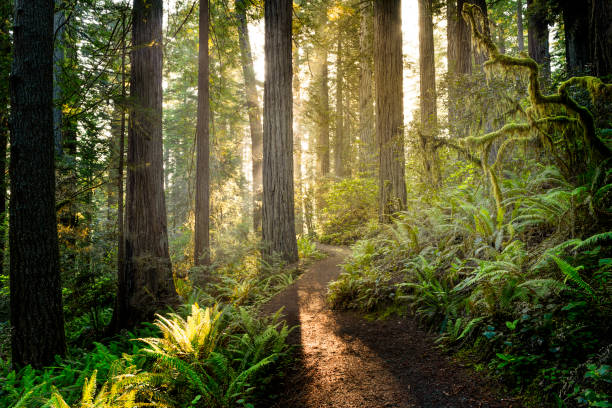
113.) Ride the Big Dipper in Patagonia
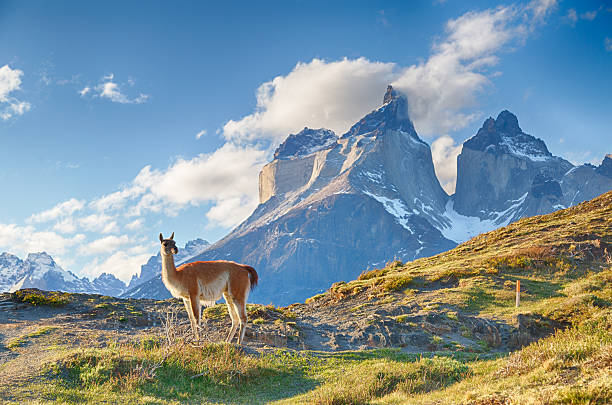
114.) Swim in the devils pool, Zambia

Take a heart-pounding dip at the edge of Victoria Falls, one of the world’s largest waterfalls, for a once-in-a-lifetime adventure.
Activity Type: Swimming, adventure, natural wonder exploration.
Overview: The Devil’s Pool, located on Livingstone Island at the top of Victoria Falls, offers adrenaline seekers an unparalleled swimming experience. Known as the “world’s ultimate infinity pool,” this natural rock pool forms during the dry season when water levels drop, allowing brave visitors to swim safely near the very edge of the 108-meter (354-foot) waterfall.
Guided tours take you to this iconic spot, where you can wade through calm waters before gazing over the roaring cascade below. The thrill of leaning over the edge, with the powerful Zambezi River rushing just inches away, is balanced by the safety provided by experienced guides and the natural rock barrier. After your swim, enjoy incredible views of Victoria Falls and the surrounding rainforest, making for an unforgettable adventure.
Where: Devil’s Pool is located on the Zambian side of Victoria Falls, accessible from Livingstone Island.
Duration of Activity: Tours typically last 1.5 to 2 hours, including a short boat ride, swimming time, and a guided experience.
Best Time to Visit: The best time to swim in the Devil’s Pool is during the dry season, from mid-August to early January, when water levels are low, and the pool is safe for swimming.
Cost: Guided tours to the Devil’s Pool generally cost between $100–$150 USD per person, which often includes breakfast or high tea on Livingstone Island.
Top Tips: Wear a swimsuit and water shoes for grip on slippery rocks, and follow your guide’s safety instructions carefully. Bring a waterproof camera or phone case to capture the breathtaking views, but ensure it’s securely attached to avoid losing it in the river. If you’re afraid of heights, take your time to adjust—it’s worth it for the views! Finally, book in advance, as tours fill up quickly, especially during peak travel seasons.
115.) Experiencing freedom in Vietnam motorbike journey

116.) Venture beneath the earth at Hang Son Doong Cave, Vietnam
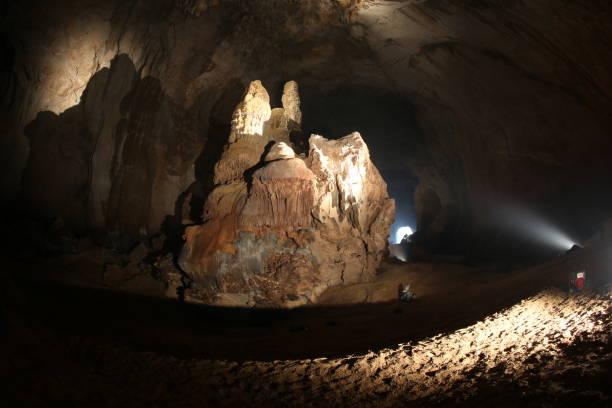
Discover the awe-inspiring depths of Hang Son Doong Cave, a hidden world of colossal chambers, lush jungles, and underground rivers.
Activity Type: Caving, adventure exploration, nature experience.
Overview: Hidden within the Phong Nha-Ke Bang National Park in central Vietnam, Hang Son Doong is the largest cave in the world by volume. This natural wonder is a mesmerizing underground realm with ceilings over 200 meters high, vast caverns, and unique ecosystems that include misty jungles and underground rivers.
Embarking on an expedition to Hang Son Doong is a once-in-a-lifetime adventure. Visitors traverse otherworldly landscapes, marvel at ancient stalactites, and witness the “Great Wall of Vietnam,” a 90-meter-high calcite barrier inside the cave. The journey also includes camping within the cave, providing the rare chance to sleep under an eerie, surreal glow caused by natural skylights. With its scale and beauty, Hang Son Doong is an unparalleled destination for adventurers and nature lovers alike.
Where: Hang Son Doong Cave is located in Phong Nha-Ke Bang National Park, Quang Binh Province, Vietnam.
Duration of Activity: The standard guided expedition lasts 4–5 days, including trekking through the surrounding jungle to reach the cave.
Best Time to Visit: The ideal time to visit is between February and August when the weather is dry. The cave is closed from September to January due to heavy rains and flooding.
Cost: A guided expedition to Hang Son Doong costs approximately $3,000–$4,000 USD. This includes permits, guides, equipment, meals, and accommodations.
Top Tips: Prepare for a physically demanding adventure that involves trekking through dense jungles, wading through rivers, and navigating uneven terrain. Ensure you have proper hiking boots and comfortable, moisture-wicking clothing. Since tours are limited and highly sought after, book well in advance—permits are capped to preserve the cave’s pristine environment. Lastly, bring a sense of wonder as you explore one of the planet’s most extraordinary natural marvels.
117.) Hang Glide Over Rio de Janeiro
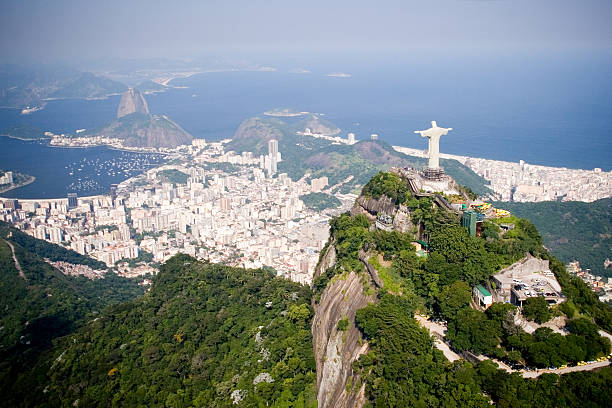
Soar like a bird over Rio de Janeiro’s breathtaking landscapes, from lush mountains to golden beaches.
Activity Type: Hang gliding, adventure sports, scenic exploration.
Overview: Hang gliding over Rio de Janeiro offers an unforgettable way to see one of the world’s most beautiful cities from above. Launching from Pedra Bonita in the Tijuca Forest National Park, you’ll glide smoothly over verdant mountains, dramatic cliffs, and sparkling ocean waters. Iconic landmarks like Sugarloaf Mountain, Christ the Redeemer, and the famous Copacabana and Ipanema beaches create a stunning backdrop for this exhilarating adventure.
This tandem flight, guided by an experienced instructor, ensures that even first-time gliders can enjoy the thrill of flying. The moment of liftoff, as you run toward the edge of the platform and suddenly find yourself airborne, is pure adrenaline. As you glide peacefully through the air, the city of Rio unfolds beneath you like a vibrant patchwork, combining urban life, natural beauty, and cultural landmarks.
Where: Hang gliding in Rio de Janeiro takes place at Pedra Bonita in the Tijuca Forest National Park. Flights typically end on the sands of São Conrado Beach.
Duration of Activity: The entire experience, including preparation, lasts about 2–3 hours. The flight itself is usually 10–20 minutes, depending on wind conditions.
Best Time to Visit: The best time for hang gliding in Rio is between May and September when skies are clear and conditions are calm. However, flights operate year-round as long as weather permits.
Cost: A tandem hang gliding flight in Rio costs around $150–$200 USD, including equipment, pilot guidance, and transportation to the launch site.
Top Tips: Wear comfortable clothes and secure footwear, such as sneakers, that won’t slip off during the flight. Bring a camera or opt for a package that includes photos and videos to capture this once-in-a-lifetime adventure. Always choose a licensed and reputable operator for a safe and memorable experience. Finally, don’t forget to relax, take in the views, and let the wind take you over this incredible city.
118.) See wild orangutans, Borneo
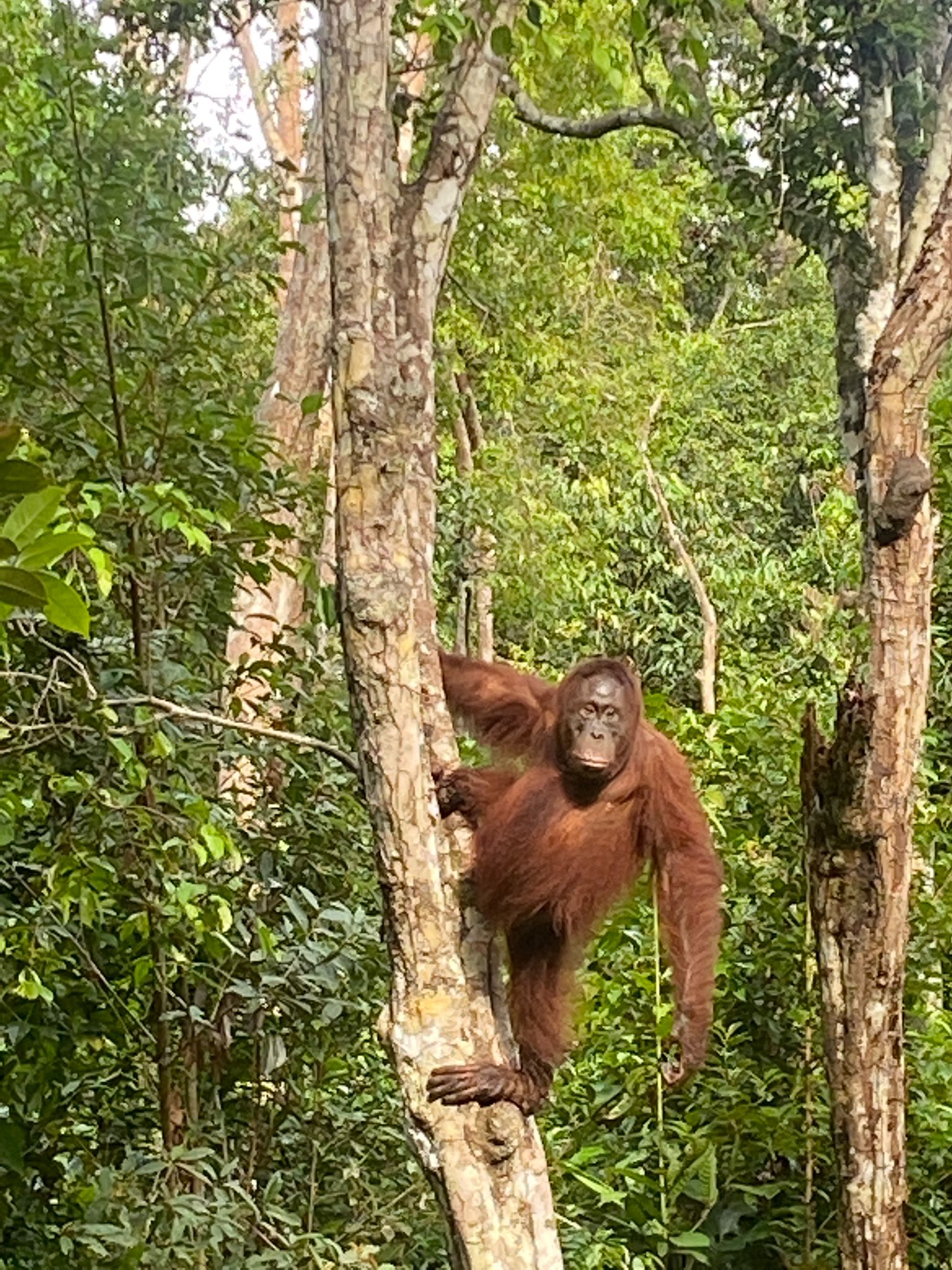
119.) Finding spirituality in Tibet
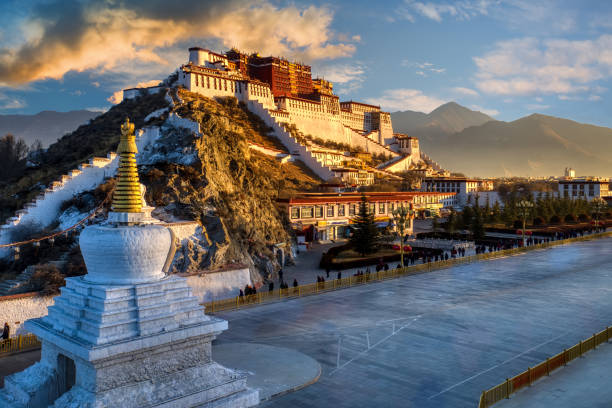
Immerse yourself in the serene landscapes and ancient traditions of Tibet, the spiritual heartland of Buddhism.
Activity Type: Spiritual exploration, cultural immersion, high-altitude trekking.
Overview: Tibet, often referred to as the “Roof of the World,” offers an unparalleled spiritual experience amidst breathtaking Himalayan landscapes. Home to sacred monasteries, prayer flags fluttering in the wind, and devout Buddhist culture, Tibet invites travelers seeking peace, mindfulness, and a connection to something greater.
A visit to the iconic Potala Palace in Lhasa, the former residence of the Dalai Lama, is a highlight for many, as is meditating in the revered Jokhang Temple, considered the spiritual heart of Tibet. Trekking around Mount Kailash, regarded as sacred by multiple religions, offers both a physical challenge and a deeply spiritual journey.
As you explore Tibet, you’ll encounter monks chanting prayers, butter lamps glowing in temples, and pilgrims prostrating themselves in devotion—scenes that inspire awe and reflection. The serene beauty of Tibetan landscapes, from turquoise lakes to snow-capped peaks, further enhances the sense of tranquility and spirituality.
Where: Key spiritual and cultural sites in Tibet include Lhasa (Potala Palace, Jokhang Temple), Shigatse (Tashilhunpo Monastery), and Mount Kailash for those seeking a deeper pilgrimage experience.
Duration of Activity: A visit to Tibet can range from a few days exploring Lhasa to several weeks for a comprehensive journey, including treks and pilgrimages.
Best Time to Visit: The best time to visit Tibet is from May to October, when the weather is milder, and the high-altitude landscapes are most accessible. Avoid winter months, as extreme cold can make travel challenging.
Cost: Traveling to Tibet requires permits, guides, and tours, with prices ranging from $1,000 to $5,000 USD depending on the duration and type of experience.
Top Tips: Acclimatize to the high altitude by spending a day or two in Lhasa before venturing further. Dress in layers to adapt to fluctuating temperatures, and stay hydrated to combat altitude sickness. Engage respectfully with local customs—observe temple etiquette, avoid stepping over prayer flags, and always ask for permission before taking photos of locals or sacred sites. Consider hiring a knowledgeable guide to gain deeper insight into Tibetan Buddhism and its cultural significance.
120.) Go Tiger and Rhino watching in nepal

121.) Descend into a volcano, Iceland
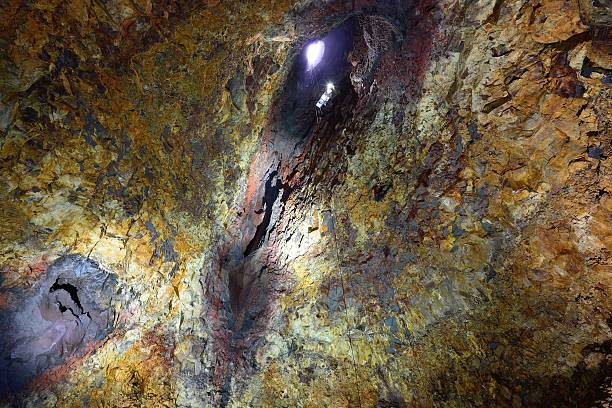
Venture deep below the surface of Iceland’s active volcanoes to uncover the mystical subterranean world inside these fiery giants.
Activity Type: Adventure exploration, geological discovery, eco-tourism.
Overview: Iceland is a land of fire and ice, with volcanoes that are both awe-inspiring and intimidating. One of the most unique experiences in Iceland is the opportunity to descend into the heart of a volcano, a journey that takes you deep within a dormant volcanic crater. The Þríhnúkagígur Volcano, located just outside Reykjavik, offers a once-in-a-lifetime opportunity to travel 120 meters down into its vibrant, colorful magma chamber.
During the descent, visitors are outfitted with safety gear and lowered by a special lift, where they can marvel at the vast, multicolored walls of the volcanic chamber. The experience offers an intimate look at the geological forces that shape the island, giving you a chance to walk around the crater floor and view the glowing mineral deposits, cooling lava formations, and the surreal rock structures formed by ancient eruptions.
Where: Þríhnúkagígur Volcano (a 30-minute drive from Reykjavik).
Duration of Activity: The entire experience, including the hike to the volcano and the descent, typically lasts 3–5 hours.
Best Time to Visit: The best time to visit is during the summer months (May to September), when the weather is warmer and the tours are operational. The weather conditions during winter can be challenging for such an adventure, so it’s recommended to plan your visit during the warmer season.
Cost: A guided tour of the volcano typically costs between $350 and $500 USD, depending on the tour package, inclusions, and season.
Top Tips: Ensure you’re physically fit for the hike to the volcano, as it involves a moderate walk through lava fields. Bring warm, layered clothing, as temperatures can vary even in summer. Closed-toe shoes with good grip are a must, and a camera is highly recommended to capture the surreal beauty of the volcanic chamber. Pre-book your tour in advance, as this unique experience is popular and often sells out during peak tourist seasons.
122.) A Dance with Angels — blown away by Angel Falls
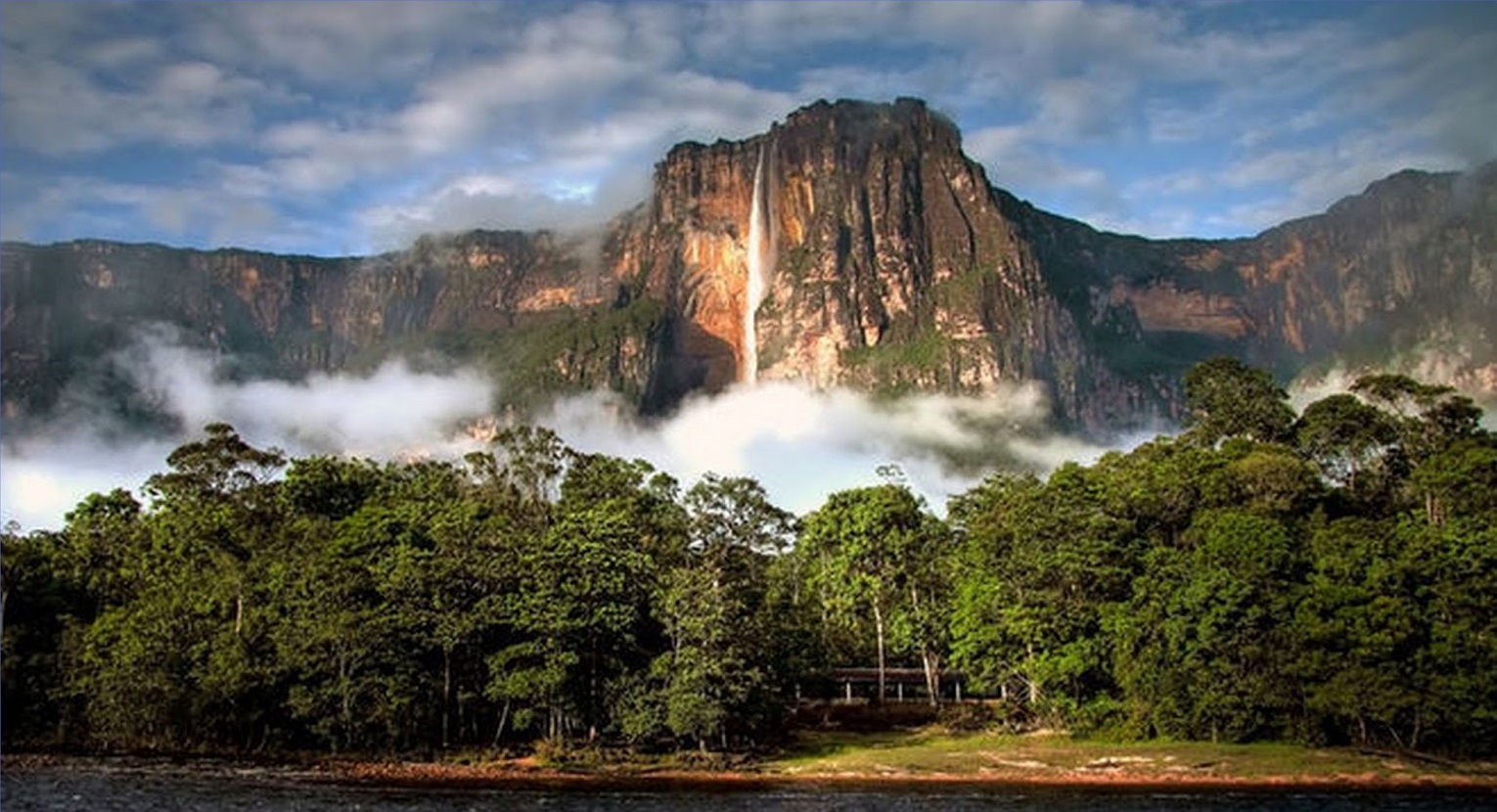
123.) The worlds greatest food fight — throwing tomatoes at la Tomatina

124.) Exploring Madagascar
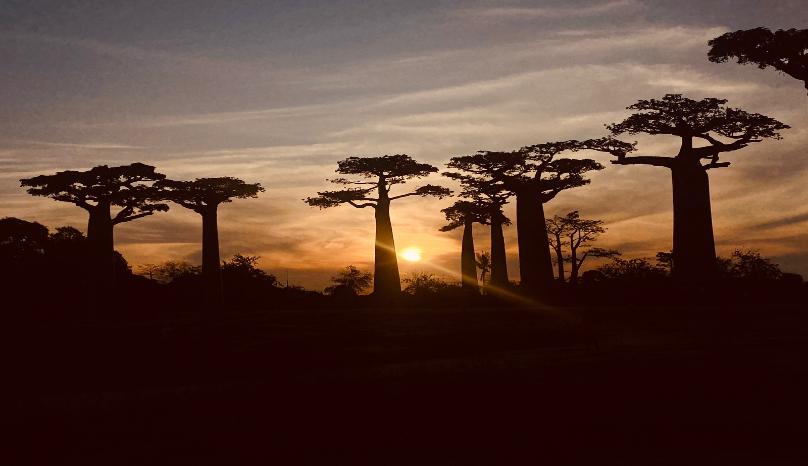
Embark on a once-in-a-lifetime journey to Madagascar, an island teeming with unique wildlife, diverse landscapes, and rich cultural heritage.
Activity Type: Nature exploration, wildlife discovery, cultural immersion, and adventure travel.
Overview: Madagascar, the world’s fourth-largest island, is a destination like no other, brimming with rare wildlife, stunning landscapes, and a vibrant mix of cultures. Over 90% of the flora and fauna found on the island are unique to Madagascar, making it a haven for nature enthusiasts. From the famous lemurs to chameleons, geckos, and baobab trees, the island offers a range of unforgettable experiences for wildlife lovers.
In the Avenue of the Baobabs, you can stand beneath towering trees that are often described as “upside-down” due to their unusual shape. Explore the otherworldly Tsingy de Bemaraha, a UNESCO World Heritage site, known for its jagged limestone formations and rich biodiversity. Andasibe-Mantadia National Park offers some of the best opportunities for wildlife spotting, including the critically endangered Indri lemur.
Madagascar’s beaches are pristine, with turquoise waters and white sand, especially in places like Nosy Be, Île Sainte-Marie, and Ifaty, which are perfect for relaxation, snorkeling, and diving.
Culturally, Madagascar is diverse with more than 18 different ethnic groups, each with their own traditions and language. The Malagasy people have a strong connection to their land and ancestors, making cultural tours to places like Antananarivo (the capital) and Ambalavao a fascinating addition to your adventure.
Where: Madagascar, located in the Indian Ocean off the southeastern coast of Africa. Popular regions to explore include Antananarivo (capital), Nosy Be, Avenue of the Baobabs, Tsingy de Bemaraha, Andasibe-Mantadia National Park, and Île Sainte-Marie.
Duration of Activity: Madagascar is a large island, so a trip to fully explore the highlights can take anywhere from 10 to 14 days, depending on the activities and regions you wish to visit.
Best Time to Visit: The best time to visit Madagascar is from April to November, when the weather is dry and ideal for exploring the parks and beaches. The rainy season (December to March) can make travel more challenging due to muddy roads and heavy rainfall, though it is still possible to visit some areas during this time.
Cost: A trip to Madagascar can vary in price depending on the type of travel experience. Budget travelers may spend around $1,000 to $1,500 USD for a two-week trip (excluding flights), while luxury travelers might spend $3,000 to $5,000 USD or more for a more exclusive experience with guided tours and upscale accommodations.
Top Tips: Traveling in Madagascar can require some flexibility due to limited infrastructure, so be prepared for long drives and occasional flight delays. If you plan on exploring the national parks, hiring a local guide is recommended for the best experience, especially for wildlife spotting. Bring insect repellent and sunscreen, as the tropical climate can be hot and humid, with mosquitoes being a concern. Don’t forget your camera—Madagascar’s unique wildlife and dramatic landscapes are perfect for capturing stunning photographs! Always check with local guides and communities for updates on road conditions and travel advisories.
125.) Journey across the silk road
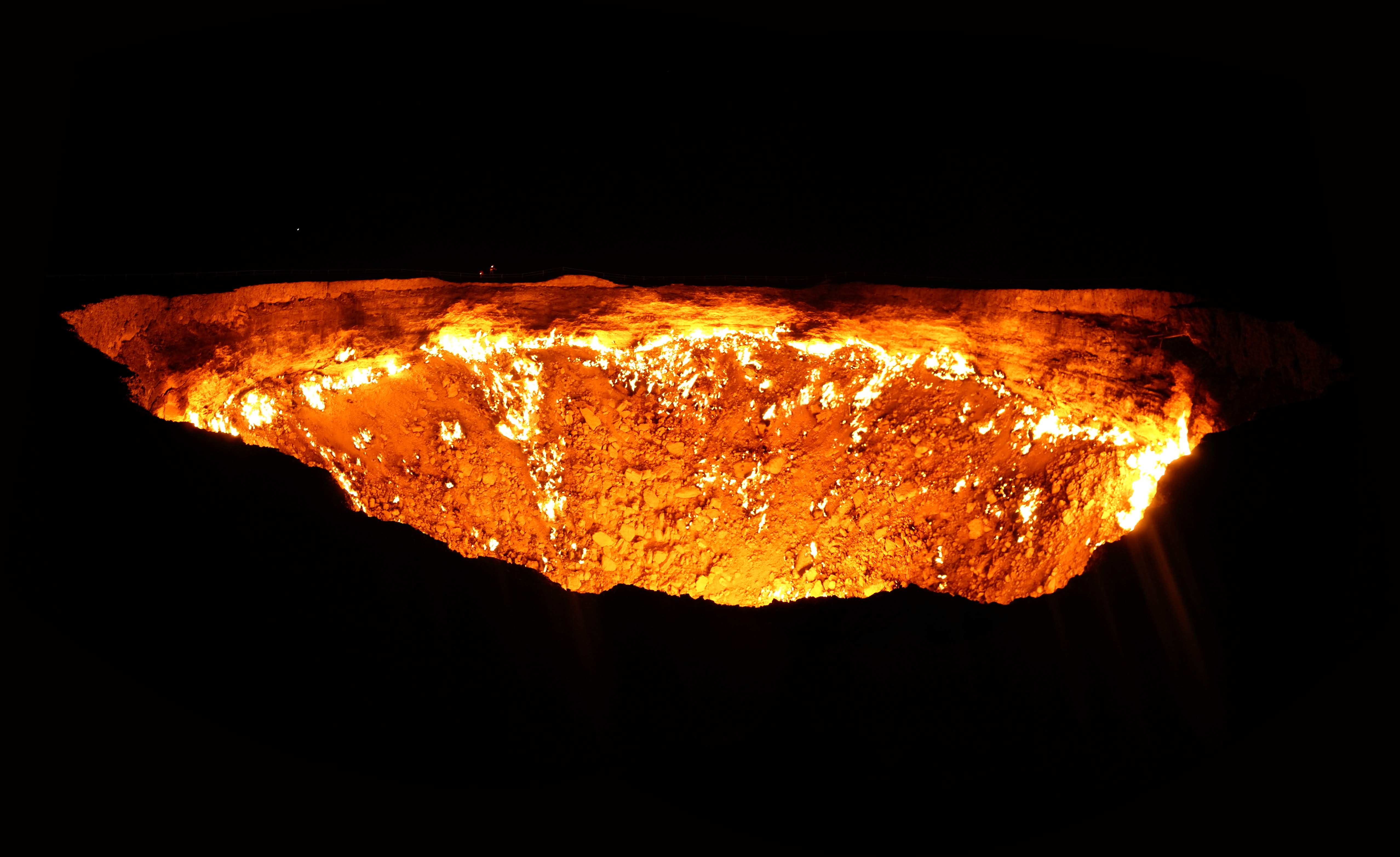
126.) Exploring the last frontier in Alaska

127.) Swim with Turtles and Sharks at Ningaloo Reef

128.) Tour the Neuschwanstein Castle
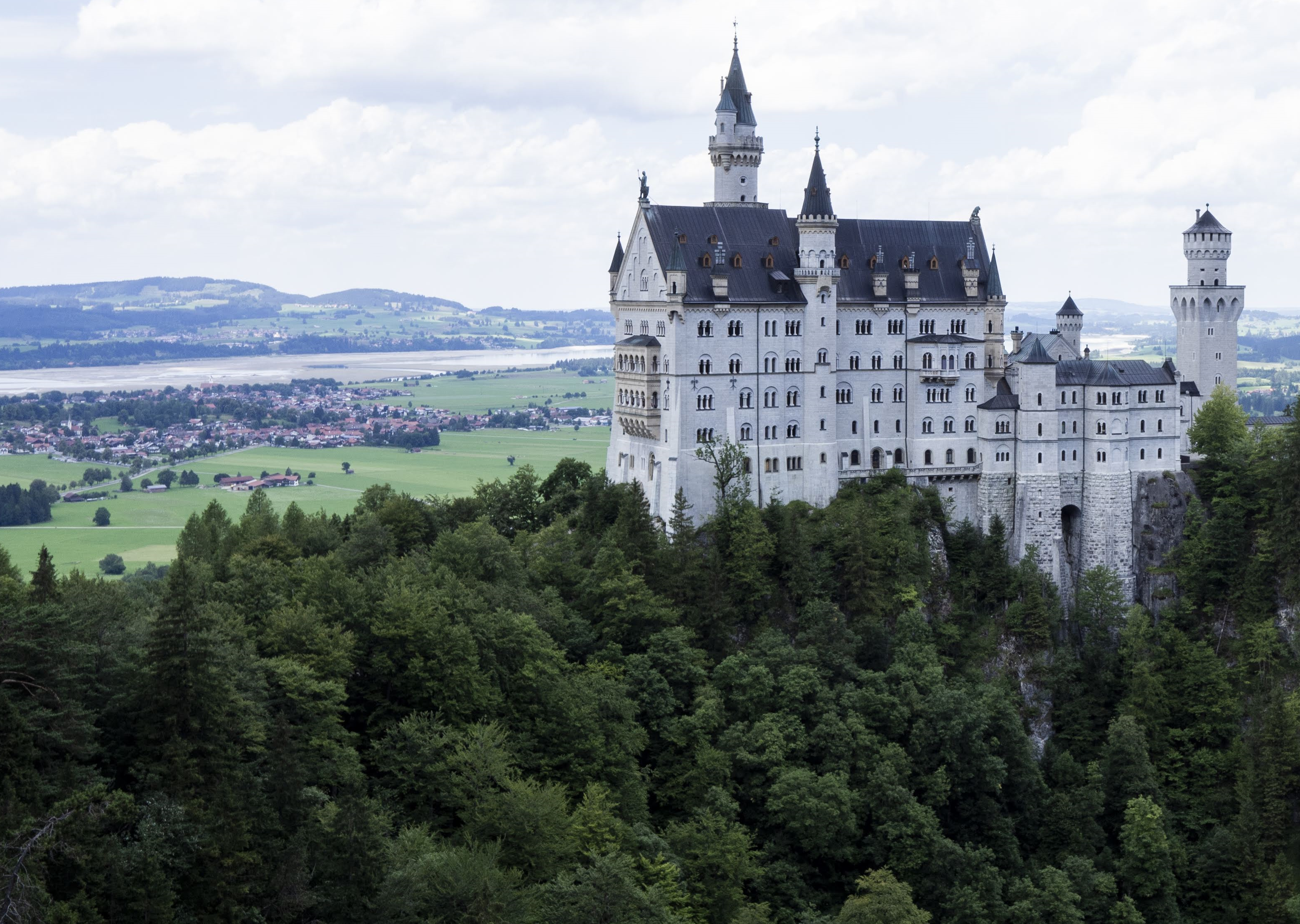
129.) Cage-Dive with Crocodiles & Explore Kakadu

Get your adrenaline pumping with an unforgettable cage dive alongside Australia’s largest and most powerful reptiles, crocodiles, and immerse yourself in the natural beauty of Kakadu National Park, a UNESCO World Heritage site.
Activity Type: Wildlife adventure, cage diving, eco-tourism, cultural exploration.
Overview: Kakadu National Park, located in the Northern Territory of Australia, offers one of the most unique and thrilling wildlife experiences on the planet: cage diving with saltwater crocodiles. These apex predators, known for their sheer size and strength, are a mainstay of the region’s wetland ecosystems. The chance to enter a cage and come face-to-face with a saltwater crocodile in their natural habitat is a once-in-a-lifetime opportunity that draws adrenaline junkies and wildlife enthusiasts alike.
The cage dive typically takes place in the Adelaide River, a waterway famous for its large crocodile population. Equipped with a secure cage, you’ll be submerged in the water, offering a close-up view of these majestic yet fearsome creatures. You’ll also learn about their behavior, biology, and the efforts to conserve their population, as guided tours include informative talks about the region’s wildlife. For the brave, you’ll witness the crocodiles leaping to snatch bait – an experience that’s thrilling and awe-inspiring.
While crocodile cage diving is the highlight, Kakadu National Park offers an abundance of other activities. Kakadu is an ecological treasure trove, home to more than 2,000 plant species, 280 bird species, and countless reptiles and mammals. You can explore the park’s dramatic landscapes through guided walks, scenic flights, or boat cruises, discovering ancient Aboriginal rock art, waterfalls, and billabongs. The park spans over 7,000 square miles, so there’s plenty to discover in terms of wildlife, wilderness, and indigenous culture.
Kakadu is also known for its diverse ecosystems, from the expansive wetlands that teem with life to the rugged Arnhem Land escarpment. Visitors can enjoy the park’s vast network of walking trails, swim in crystal-clear natural plunge pools, or take part in cultural experiences, where you’ll learn about the history and traditions of the local Aboriginal people who have inhabited the region for over 65,000 years.
Where: Kakadu National Park, Northern Territory, Australia, and Adelaide River for crocodile cage diving.
Duration of Activity: Cage diving trips typically last around 30–60 minutes in the water. Exploring Kakadu National Park can take a full day or more, depending on the activities and trails you choose.
Best Time to Visit: The ideal time to visit Kakadu for both crocodile diving and exploring the park is during the dry season (May to October), when the weather is cooler, and the region’s wildlife is more active. The wet season (November to April) can be hot and humid, with some areas inaccessible due to flooding.
Cost: Cage diving with crocodiles in the Adelaide River typically costs around AUD $150 — $250 per person, depending on the operator and the type of experience. Tours that combine crocodile encounters with other Kakadu experiences (e.g., scenic flights, boat cruises, or cultural tours) may range from AUD $250 to $500 per person. Admission to Kakadu National Park costs AUD $25 per person per day or can be included in multi-day passes.
Top Tips: To make the most of your crocodile cage dive experience, ensure you book well in advance, especially during peak seasons. It’s essential to follow the safety instructions given by the tour guides, as these animals are wild and unpredictable. Don’t forget to bring a waterproof camera to capture the unforgettable moment, but ensure your gear is secured tightly. In Kakadu, be prepared for the heat – wear comfortable clothing, bring sunscreen, and stay hydrated. The park is vast, so be sure to plan your route and activities in advance to make the most of your time. Lastly, respect the local Aboriginal culture and heritage when visiting sacred sites or engaging in cultural experiences.
130.) Visit Jerusalem’s Old City

Step into the heart of history and spirituality as you explore the ancient streets of Jerusalem’s Old City, a place sacred to Judaism, Christianity, and Islam, where thousands of years of culture, religion, and heritage converge.
Activity Type: Cultural exploration, religious tourism, historical sightseeing.
Overview: Jerusalem’s Old City is a mesmerizing destination that holds deep significance for three of the world’s major religions: Judaism, Christianity, and Islam. Located within a small, enclosed area, the Old City is home to some of the most important religious sites on Earth, such as the Western Wall, the Church of the Holy Sepulchre, and the Dome of the Rock. Walking through its narrow, winding streets, you’ll discover centuries of history and the layers of diverse cultures that have shaped this ancient city.
The Old City is divided into four quarters: the Jewish Quarter, Christian Quarter, Muslim Quarter, and Armenian Quarter, each offering its own unique attractions and spiritual experiences. In the Jewish Quarter, you can visit the Western Wall, one of the holiest sites in Judaism, where people from around the world gather to pray. Nearby, you’ll find the Cardo, an ancient Roman road, and the Hurva Synagogue, a beautiful and historic place of worship.
In the Christian Quarter, the highlight is the Church of the Holy Sepulchre, believed to be the site of Jesus’ crucifixion, burial, and resurrection. Pilgrims and tourists alike visit this church to witness the religious rituals and to reflect on the profound history it represents.
The Muslim Quarter is home to the Dome of the Rock, an iconic symbol of Islamic architecture. This sacred mosque is situated on the Temple Mount and is one of the oldest and most beautiful examples of Islamic architecture in the world. Visitors can marvel at its stunning golden dome and intricate tilework.
In addition to these religious landmarks, the Old City offers a wealth of historical sites, including the Tower of David, which houses a museum detailing Jerusalem’s rich past, and the bustling bazaars where you can shop for everything from spices and textiles to religious relics.
For those interested in a deeper understanding of Jerusalem’s significance, guided tours are available to help connect the dots between the historical, spiritual, and cultural layers of the city.
Where: Jerusalem, Israel. The Old City is located in the eastern part of the city and is surrounded by a historic wall.
Duration of Activity: Exploring the Old City of Jerusalem can take anywhere from a few hours to a full day, depending on the number of sites you wish to visit and how deeply you wish to immerse yourself in the history and spirituality of the place.
Best Time to Visit: The best time to visit Jerusalem is during the spring (March to May) and fall (September to November) when the weather is pleasant and mild. The summer months (June to August) can be very hot, especially during the day, while the winter (December to February) may be rainy and cool. However, visiting during major religious festivals such as Passover, Easter, or Ramadan can be a particularly special experience, though it will also mean larger crowds.
Cost: There is no general entrance fee to the Old City itself, but many religious and historical sites charge an admission fee. For example, the Church of the Holy Sepulchre is free to visit, but some museums or attractions may charge between USD $5 to $15. Guided tours of the Old City typically cost around USD $30 to $50 per person, depending on the tour length and inclusions.
Top Tips: Jerusalem’s Old City can get crowded, especially around religious holidays, so it’s best to visit early in the morning to avoid the peak crowds. Dress modestly, particularly when visiting religious sites, as it is a city of deep spiritual significance for many. Be prepared for a lot of walking, as the cobblestone streets and stairways can be challenging, especially in the summer heat. Don’t forget to bring a hat, sunscreen, and comfortable shoes. If you’re interested in learning more about the city’s rich history, consider hiring a local guide who can provide in-depth knowledge about the sites you visit. Finally, be respectful of the local customs, as Jerusalem is a place of deep religious significance for many people.
131.) Visit Auschwitz

132.) Cage dive with great white sharks in Port Lincoln
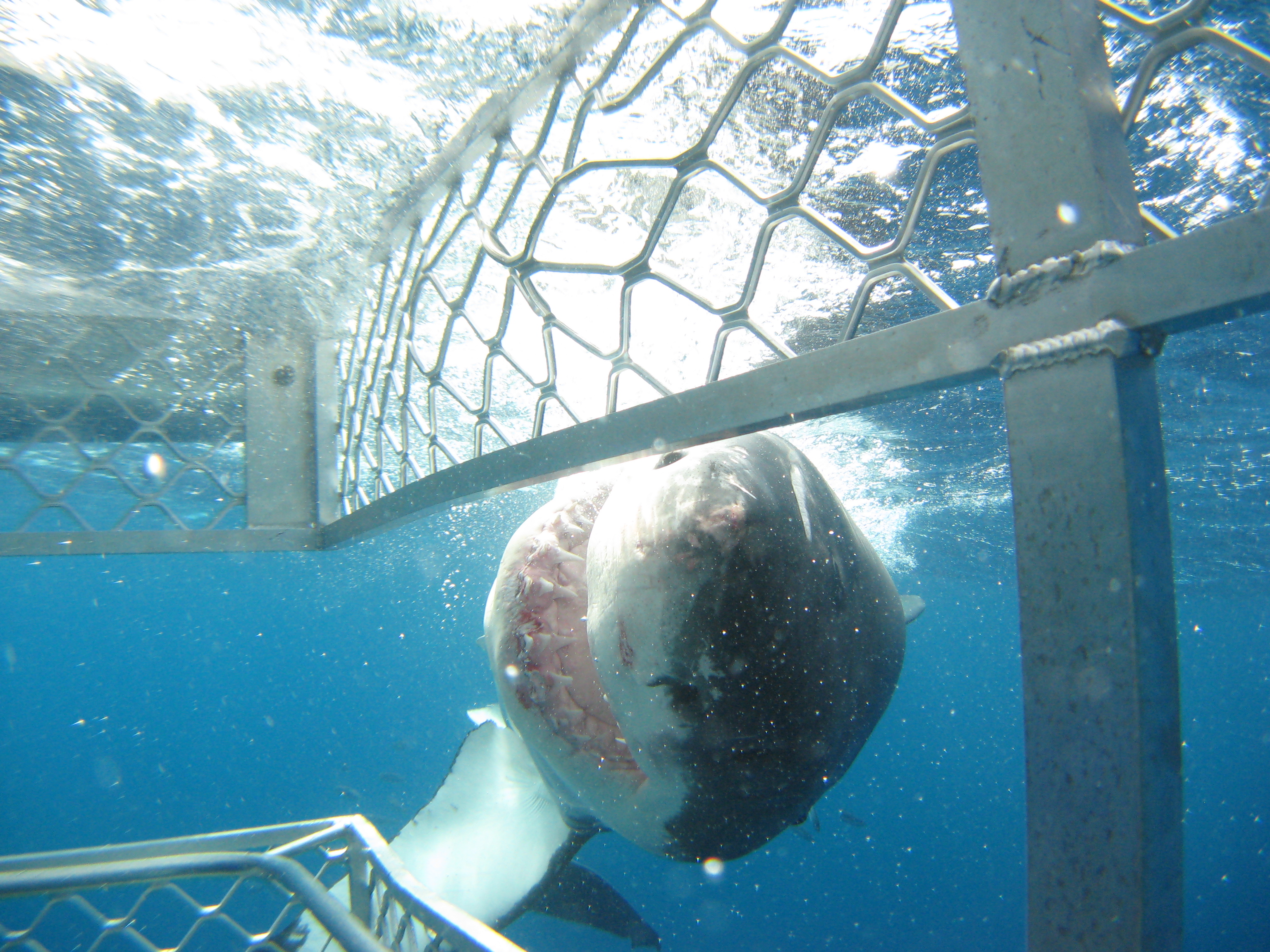
Experience the thrilling and heart-pounding adventure of cage diving with great white sharks in the waters of Port Lincoln, South Australia.
Activity Type: Wildlife adventure, adrenaline experience, marine life interaction.
Overview: Port Lincoln, located on the southern tip of the Eyre Peninsula, is renowned as one of the best places in the world for cage diving with great white sharks. These apex predators, known for their power and grace, can be seen in their natural habitat during a thrilling cage dive experience.
The adventure begins with a boat ride out to the Neptune Islands, a remote archipelago known for its vibrant marine ecosystem and home to a significant population of great white sharks. Once you arrive at the dive site, you will be fitted with safety gear and lowered into a specially designed cage submerged in the clear, cool waters. The cage is positioned just below the surface, offering you an up-close and personal view of these majestic creatures as they swim by, often just inches away.
With the guidance of experienced dive operators, you’ll have the opportunity to observe the sharks’ natural behaviors as they glide through the water, hunting for food and occasionally coming close to the cage. The entire experience is safe, with professional shark handlers ensuring that both participants and sharks are treated with care and respect.
Cage diving in Port Lincoln offers a once-in-a-lifetime opportunity to witness great white sharks in their natural environment, without the risks associated with free diving or snorkeling. It’s a thrilling experience for adrenaline junkies and animal lovers alike, offering an unparalleled perspective on one of the ocean’s most iconic creatures.
Where: Port Lincoln, South Australia, on the Eyre Peninsula. The Neptune Islands are the primary dive site for great white shark cage diving.
Duration of Activity: The total duration of a cage diving trip, including the boat ride and diving experience, typically lasts between 4 to 6 hours. Cage time in the water generally lasts around 20–30 minutes, though some operators may offer longer dives depending on the package.
Best Time to Visit: The best time for cage diving with great white sharks in Port Lincoln is during the Australian winter months, from May to October, when shark activity is at its peak. The weather is cooler during this time, and water visibility is generally excellent. Keep in mind that the shark season can vary slightly depending on local conditions, so it’s a good idea to check with the tour operator in advance.
Cost: The cost of a cage diving experience with great white sharks in Port Lincoln typically ranges from $400 to $600 USD per person, depending on the tour operator and the duration of the dive. Some operators offer full-day packages that include meals and additional activities, which can increase the cost. It’s advisable to book your tour in advance, as spots can fill up quickly, especially during peak shark season.
Top Tips: Cage diving with great white sharks is a thrilling yet safe experience, but it’s essential to follow all instructions from your guides and stay calm during the encounter. Wear appropriate clothing, such as a wetsuit, which will be provided by the tour operator. Make sure to bring motion sickness tablets if you’re prone to seasickness, as the boat ride can be a bit bumpy, especially in rough weather. Bring a camera or GoPro (if allowed) to capture the moment, but be sure to securely fasten it to avoid losing it in the water. Lastly, prepare yourself for an unforgettable, adrenaline-pumping adventure, and always remember to approach this wild encounter with respect for the sharks and their environment.
133.) Chase a Tornado
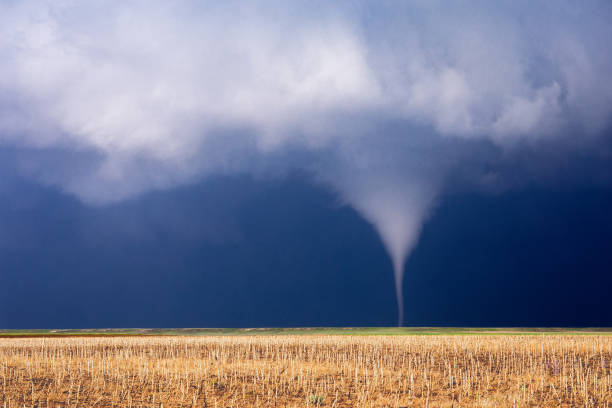
Feel the rush of adrenaline as you chase a tornado across the plains in one of the most thrilling weather experiences you can have.
Activity Type: Adventure, storm chasing, extreme weather experience.
Overview: For those seeking adventure beyond the ordinary, chasing a tornado offers a chance to witness nature’s raw power up close. Tornado chasing takes place primarily in “Tornado Alley,” a region in the central United States, known for its frequent and intense tornado activity. This extraordinary experience allows you to be a part of a team that actively tracks, monitors, and, when safe, positions itself near these natural wonders.
Your adventure begins with a storm chasing tour, typically led by experienced meteorologists and professional storm chasers, who know how to track the formation of tornadoes and safely position their vehicles. These experts use sophisticated radar and weather forecasting tools to predict where a tornado may form, and you’ll follow along in a specially outfitted vehicle designed for storm chasing.
Along the way, you’ll learn about tornado formation, severe weather patterns, and the science behind these mighty storms. While it’s not always guaranteed that you’ll see a tornado up close, being in the right location at the right time gives you an opportunity to witness one of nature’s most awe-inspiring phenomena. The experience offers an unparalleled rush as you watch the sky darken and the winds pick up, all while staying safely in the hands of professionals.
Chasing tornadoes is not for the faint of heart, but for those who thrive on adrenaline and are fascinated by severe weather, it’s a once-in-a-lifetime experience to be on the front lines of a storm.
Where: Tornado Alley, primarily located in the central United States, including parts of Oklahoma, Kansas, Nebraska, Texas, and South Dakota. These areas are most active during tornado season, which spans from late spring to early summer.
Duration of Activity: Storm chasing tours typically last 5 to 7 days, with most of the time spent driving through Tornado Alley, monitoring conditions, and positioning the team to chase storms. Daily outings can last 8 to 12 hours depending on the intensity of the storm systems being tracked.
Best Time to Visit: The best time for tornado chasing is during the peak tornado season in the United States, typically from May to June. This is when the conditions are most favorable for tornado formation. However, chasing tornadoes requires flexibility, as the weather is unpredictable, and conditions can change rapidly.
Cost: The cost of a guided tornado chasing tour generally ranges from $1,000 to $3,500 USD per person, depending on the tour length, experience level of the guides, and the region being explored. Some tours include educational components, such as meteorology lectures and storm photography, which can increase the price. It’s recommended to book these tours well in advance, as they can fill up quickly during peak storm season.
Top Tips: Tornado chasing is an exhilarating and safe experience when done with an experienced guide, but it requires a level of preparedness and respect for the dangers of severe weather. Always wear sturdy clothing, such as durable pants and shoes, as you may be outside for extended periods in unpredictable conditions. Be prepared for long hours in a vehicle and a lot of time spent observing the sky. Be sure to bring along snacks, plenty of water, and essential items like sunscreen and a hat for sun protection. If you’re prone to motion sickness, consider bringing anti-nausea medication, as the long drives through bumpy terrain can be challenging for some. Finally, remember that tornadoes can be dangerous, so it’s essential to stay in constant communication with your professional guides and follow their instructions at all times to ensure safety.
134.) Feel the splash at Niagara falls

Experience the power and majesty of one of the world’s most iconic natural wonders up close with a thrilling journey to Niagara Falls.
Activity Type: Adventure, sightseeing, boat tour, nature experience.
Overview: Niagara Falls, straddling the border between the United States and Canada, is a breathtaking display of nature’s raw power. The falls are made up of three massive waterfalls—the American Falls, Bridal Veil Falls, and the Canadian (Horseshoe) Falls—and create one of the most iconic and awe-inspiring sights in the world.
To truly experience the falls, the best way is to get as close as possible. One of the most famous ways to do this is by boarding the Maid of the Mist boat tour (U.S. side) or the Hornblower Niagara Cruises (Canadian side), which takes you right to the base of the falls. As the boat approaches the falls, you will feel the thunderous roar and experience the powerful mist and spray coming off the falls—an exhilarating, sensory-packed adventure! The sensation of standing at the foot of this massive natural wonder is unmatched, as you feel the full force of the water crashing down from hundreds of feet above.
Beyond the boat ride, there are plenty of other ways to enjoy the falls. You can walk along the observation decks that offer panoramic views, or get an even more thrilling view from the Cave of the Winds (U.S. side), where you’ll walk up wooden platforms that lead you right to the base of the Bridal Veil Falls. The mist from the falls often drenches you, so be prepared to get wet! Additionally, there are helicopter tours that offer a bird’s‑eye view of the falls, providing a stunning perspective from above.
Niagara Falls is not just about the falls themselves; the surrounding area is also full of attractions, including parks, hiking trails, vineyards, and even casinos. Whether you choose to admire the falls from the observation points or dive right into the action, it’s a truly unforgettable experience.
Where: Niagara Falls, located on the border of Ontario, Canada, and New York, United States. The falls can be visited from either the U.S. or Canadian side, with both offering different experiences and views.
Duration of Activity: The boat tours typically last about 20 to 30 minutes, but you can easily spend several hours exploring the falls, walking along observation decks, or taking in the surrounding area. Helicopter tours are usually around 10 to 15 minutes, depending on the type of tour you choose.
Best Time to Visit: The best time to visit Niagara Falls is during the late spring through early autumn months (May to October), when the weather is pleasant and all attractions are open. While winter visits offer fewer crowds and the possibility of seeing the falls surrounded by ice, many of the outdoor activities are closed or limited during the colder months.
Cost: The cost of visiting Niagara Falls can vary depending on the activities you choose. The Maid of the Mist or Hornblower Niagara Cruises boat tours generally cost between $20 and $30 USD per person. Other activities, such as the Cave of the Winds tour, can range from $20 to $40 USD. Helicopter rides can cost around $100 USD per person for a short tour. Many attractions in the area, such as observation decks and parks, are free to access.
Top Tips: Be prepared to get wet! The boat tours and the Cave of the Winds experience involve being very close to the falls, and the mist can soak you completely. It’s recommended to wear waterproof clothing or bring a rain poncho, which is often provided. Also, if you want to get a better view of the falls, arrive early or later in the day to avoid peak crowds. The falls are illuminated at night, creating a beautiful and magical atmosphere, so be sure to stay for the light show if you’re visiting in the evening. Finally, check the weather before your trip, as it can get very windy and chilly near the falls, even in summer months.
135.) Cross multiple countries On a Bicycle
Embark on the ultimate adventure as you ride your bicycle through multiple countries, exploring diverse landscapes, cultures, and traditions along the way.
Activity Type: Adventure, cycling, multi-country exploration, cultural immersion.
Overview: Cycling through multiple countries is one of the most immersive and rewarding travel experiences you can have. From the challenge of navigating varied terrains to the thrill of crossing borders, this journey offers a unique blend of physical endurance and cultural discovery. Whether you’re cycling through Europe, Asia, Africa, or the Americas, each country you pass through offers its own landscape, cuisine, and way of life.
One of the most popular cycling routes for crossing countries is the EuroVelo network in Europe, where you can pedal across diverse regions, from the lush countryside of France to the alpine landscapes of Switzerland. For those seeking more adventurous routes, the Pan-American Highway spans the Americas from Alaska to Argentina, allowing cyclists to experience both North and South American landscapes, from deserts and mountains to tropical forests. The Great Divide Mountain Bike Route in the U.S. is another favorite for avid cyclists, covering rugged terrain across North America.
The experience of crossing borders by bike is unlike any other. You’ll have the opportunity to interact with locals, taste regional foods, and immerse yourself in the unique atmosphere of each new place you visit. The physical challenge of cycling long distances each day, often with your gear in tow, will push your limits while offering a sense of accomplishment that few other activities can provide.
Where: Routes can span multiple countries and continents, with some of the most famous cycling routes being in Europe, South America, North America, and Asia. Popular multi-country cycling routes include the EuroVelo network, Pan-American Highway, and Trans-Siberian Bicycle Route in Russia.
Duration of Activity: A multi-country bicycle journey can range from a few weeks to several months, depending on the route, pace, and number of countries you cross. Longer trips like cycling the Pan-American Highway may take a year or more to complete.
Best Time to Visit: The best time for cycling depends on the region you’re traveling through. In Europe, spring (May to June) and autumn (September to October) are ideal for comfortable cycling weather, while summer (June to August) can be crowded. For routes in tropical regions, such as Southeast Asia or South America, the dry season is the best time to cycle (usually November to March). Always check the weather in the specific areas you plan to cycle to ensure safe and enjoyable riding conditions.
Cost: The cost of cycling across multiple countries can vary widely based on the countries you pass through, the type of accommodations you choose, and your personal cycling needs. On average, you can expect to spend $20–$50 USD per day on food, accommodation, and basic supplies. For longer trips, costs can add up, especially for equipment, visas, and transport (such as shipping your bike between countries). Many long-distance cyclists fund their journeys through sponsorships, crowdfunding, or by finding ways to supplement their income along the way.
Top Tips: Planning is essential for a multi-country cycling journey, so research the countries, routes, and local conditions you’ll encounter. Bring the right gear—cycling-specific clothing, reliable bike repair tools, and a sturdy touring bike—and make sure to train for the physical demands of long-distance cycling. Staying hydrated and eating properly is key, as cycling for hours each day can be taxing. Consider staying in hostels or camping to keep accommodation costs down, and always have a plan for emergencies, whether it’s knowing where the nearest hospital is or having a map of available bike repair shops along the route. Lastly, be prepared for border crossings and visa requirements, and make sure you have proper documentation before starting your journey.
136.) Visit an active volcano at Volcan Pacaya, Guatemala.
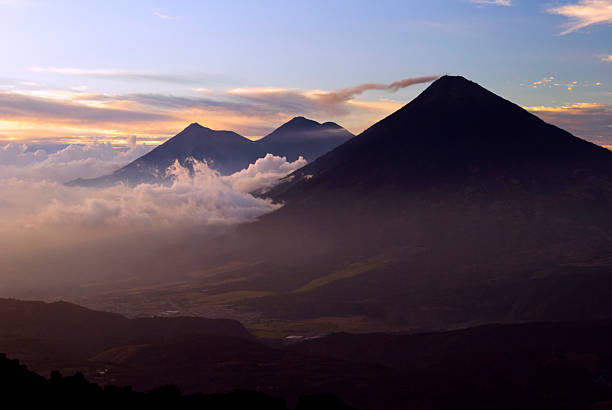
137.) Finding the mummy at Abu Simbel temple

138.) Raft the Zambezi river
Embark on an adrenaline-pumping adventure by rafting the mighty Zambezi River, one of the most exhilarating white-water experiences in the world.
Activity Type: White-water rafting, adventure sports, river exploration.
Overview: The Zambezi River, flowing through Zambia, Zimbabwe, and Mozambique, is famous for its powerful rapids, breathtaking scenery, and proximity to the iconic Victoria Falls. Rafting the Zambezi offers one of the world’s most challenging and thrilling river adventures, with rapids that are classified as class IV and V, making it ideal for experienced rafters seeking a serious challenge.
The Zambezi is known for its deep gorges, lush landscapes, and the roar of Victoria Falls in the distance. As you navigate through the rapids, you’ll experience heart-racing drops, massive waves, and sudden twists and turns, all while being surrounded by a wild landscape of untamed beauty. The river is also home to abundant wildlife, and on occasion, rafters may spot elephants, crocodiles, or even hippos along the riverbanks.
Most rafting trips on the Zambezi take place downstream from Victoria Falls, where the river flows through a series of thrilling rapids and lush gorges. Professional guides accompany you throughout the journey, ensuring your safety while sharing their knowledge of the river and surrounding environment. These rafting tours typically last from half a day to a full day, and include time for both heart-pounding adventure and moments of tranquil calm, as you float through scenic stretches of the river.
Rafting the Zambezi is not just about conquering rapids—it’s about embracing the power of nature and experiencing the river’s raw beauty from a perspective that few get to witness. Whether you’re an experienced rafter or a first-timer, this adventure will leave you with lasting memories of one of the world’s most famous rivers.
Where: The Zambezi River flows through Zambia, Zimbabwe, and Mozambique. Rafting trips typically begin near the base of Victoria Falls, where you can take advantage of nearby accommodations and access points in Livingstone (Zambia) or Victoria Falls (Zimbabwe).
Duration of Activity: White-water rafting trips on the Zambezi usually last between 3 to 6 hours, with full-day trips available for those who want to experience more of the river’s rapids.
Best Time to Visit: The best time for rafting on the Zambezi is during the dry season, from April to November, when the water levels are lower, and the rapids are more challenging. During the rainy season (December to March), water levels rise significantly, which can make the river less predictable and dangerous for rafting.
Cost: The cost of rafting the Zambezi generally ranges from $100 to $150 USD per person, depending on the tour provider, the duration of the trip, and the inclusion of additional services such as transportation, meals, or a guide.
Top Tips: Rafting on the Zambezi River is a physically demanding activity, so it’s important to be prepared. If you’re a first-time rafter, it’s advisable to go with a guided tour. Ensure you’re in good physical condition and comfortable with water sports. Wear a swimsuit, secure shoes (like water shoes or sandals), and bring a change of dry clothes for after your adventure. Don’t forget sunscreen and a hat, as you’ll be exposed to the sun for several hours. Be prepared for an intense, action-packed experience—there will be moments of calm where you can relax, but much of the journey will involve navigating rapids. Be sure to follow all safety instructions given by your guide, as the Zambezi’s rapids can be formidable. For an added thrill, consider booking a trip that includes bungee jumping or scenic helicopter tours of the area as well.
139.) Witness sunrise at Tikal
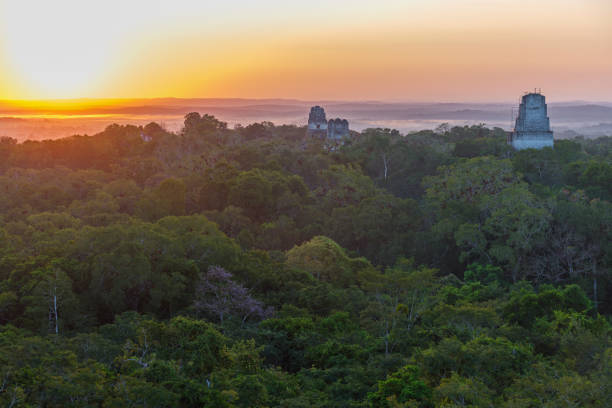
140.) Finding romance with sunrise and sunset at Uluru
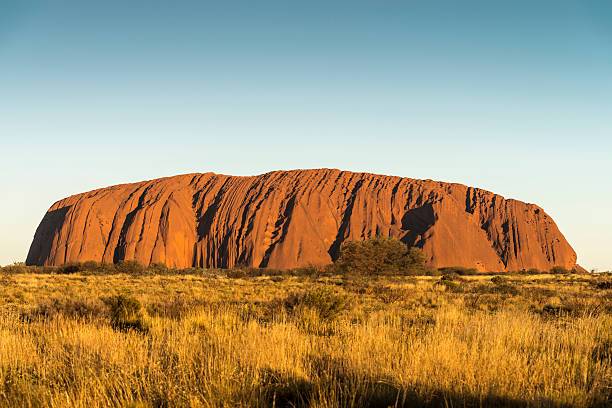
141.) Trek in the mountains of Kyrgyzstan
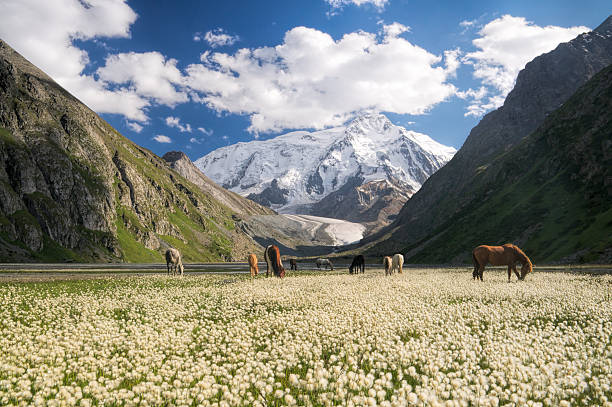
142.) Bungee and skydive at Interlaken
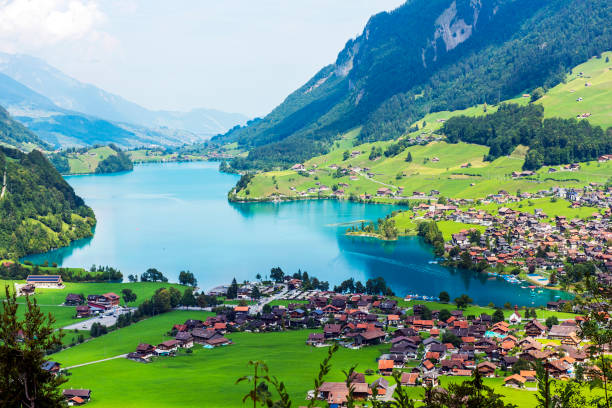
143.) Explore the antelope canyon

144.) Explore the steppes of Mongolia
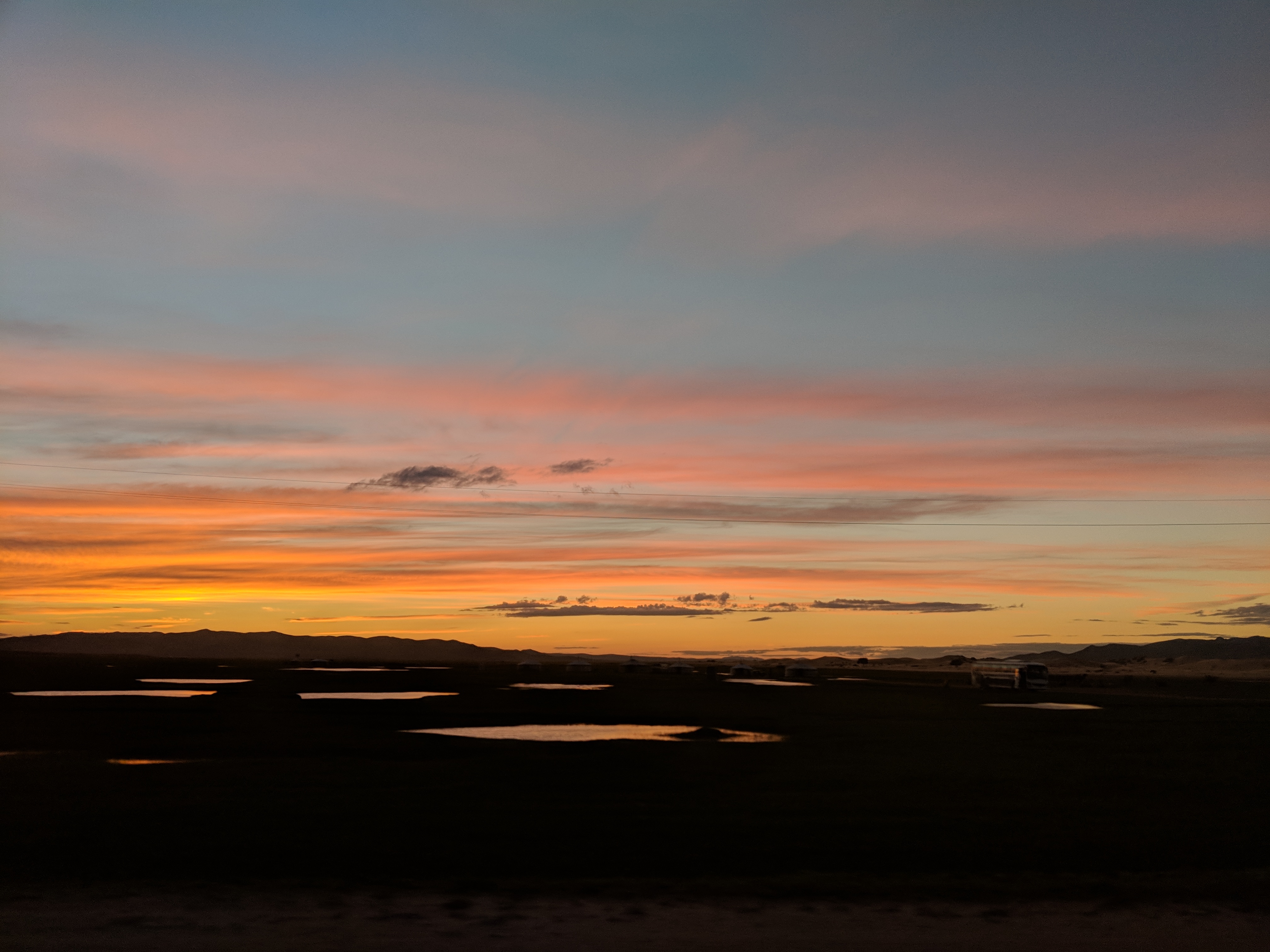
Venture into the vast, rugged wilderness of Mongolia’s steppes, a land of stunning beauty, nomadic culture, and unique wildlife.
Activity Type: Adventure, cultural exploration, outdoor activities.
Overview: The Mongolian steppes are a vast, treeless expanse that stretches across much of the country, offering travelers a chance to experience one of the most remote and pristine landscapes in the world. The steppes are home to a rich nomadic culture that has remained largely unchanged for centuries, providing an opportunity to witness traditional ways of life while exploring the stunning natural beauty of the region.
The journey through Mongolia’s steppes takes you through a varied landscape of rolling hills, deep valleys, and windswept plains, with little sign of human habitation. This is the land of the legendary Mongol Empire, where Genghis Khan once roamed and where you can still see remnants of ancient history scattered throughout the landscape, including stone markers and ruins of old forts.
One of the highlights of exploring the steppes is the chance to visit a traditional nomadic family. The Mongolian people have a deep connection to the land, and many still live in traditional yurts (ger) and follow a semi-nomadic lifestyle, moving with the seasons to find the best grazing grounds for their livestock. Staying with a nomadic family offers a rare glimpse into their way of life, including opportunities to learn about herding, traditional cooking, and the art of horsemanship.
For those seeking adventure, the steppes offer plenty of outdoor activities, such as horseback riding, hiking, and camping. The landscape is perfect for horseback riding, as Mongolian horses are known for their strength and endurance. Whether you’re galloping across the open plains or trekking through the rugged mountains, you’ll experience the vastness of the Mongolian wilderness like never before.
Mongolia’s steppes are also home to unique wildlife, including wild horses, antelope, and the elusive snow leopard. Birdwatchers can spot a variety of species, including eagles and vultures, while the more adventurous might even have the rare opportunity to observe herders working with their animals or watch the famous annual Naadam Festival, which celebrates Mongolia’s traditional sports of wrestling, horse racing, and archery.
Where: The Mongolian steppes cover a vast region of the country, including areas around Ulaanbaatar, the Gobi Desert, and the Altai Mountains.
Duration of Activity: Exploring the steppes can be a multi-day or week-long adventure, depending on your itinerary. Horseback riding and trekking expeditions typically last from 3 to 7 days.
Best Time to Visit: The best time to visit Mongolia’s steppes is during the summer months (June to September) when the weather is warmer and the landscape is lush and green. Spring and fall can be beautiful, but temperatures can be cold, particularly in the evenings. Winter is extremely harsh, with freezing temperatures and heavy snow, making it less ideal for travel.
Cost:
- Guided tours to the Mongolian steppes generally cost between $100 to $300 USD per day, depending on the tour provider and the length of the tour.
- Homestays with nomadic families can range from $30 to $50 USD per night, including meals.
Top Tips:
Mongolia is a remote country with limited infrastructure, so it’s essential to plan your trip carefully. Make sure to book your tours and homestays in advance, as certain areas may have limited availability, especially in the more remote parts of the steppes. Be prepared for a lack of modern amenities, and pack accordingly with essentials like a good sleeping bag, sturdy shoes, and clothing for both hot days and cold nights. Also, keep in mind that many of the steppes can be quite isolated, so traveling with a guide or as part of a group is advisable. If you’re planning to ride horses, consider your level of experience, as horseback riding is a common mode of transportation for locals, but it can be challenging for beginners. Lastly, don’t forget to bring a camera to capture the breathtaking views and the stunning encounters with nomadic life and wildlife.
145.) Letting the sun beat upon your face in Kashmir
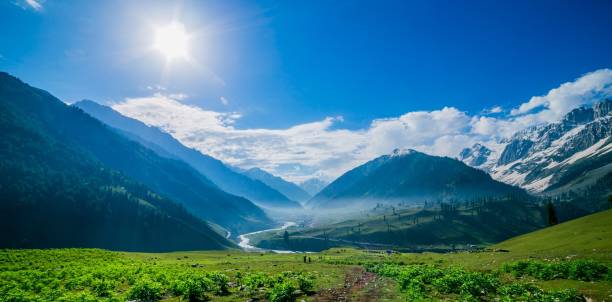
146.) In awe at idyllic lakes at Banff
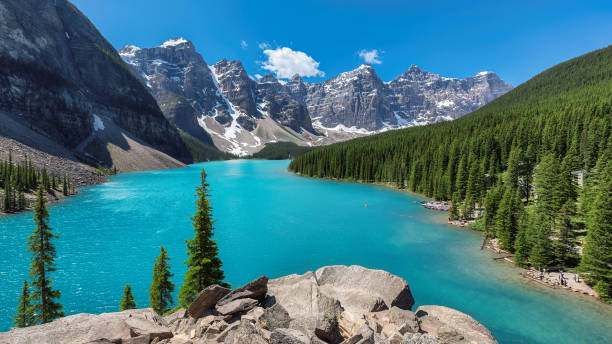
147.) Exploring Europe on the interrail
Embark on a rail adventure through Europe, where the iconic Interrail pass opens up a world of culture, history, and breathtaking landscapes across multiple countries.
Activity Type: Train travel, sightseeing, cultural exploration, history, adventure.
Overview: The Interrail pass is a legendary way to explore Europe by train, offering unlimited travel across the continent’s vast network of rail routes. Whether you’re a seasoned traveler or a first-timer, the Interrail experience is one of the most flexible and immersive ways to discover Europe’s diverse cultures, landscapes, and cities.
With your pass in hand, you can hop on and off trains to visit iconic destinations like Paris, Rome, Amsterdam, Prague, and Barcelona, or venture off the beaten path to explore smaller towns, alpine villages, and hidden gems. From the snow-capped Alps of Switzerland to the sun-soaked beaches of Spain, each journey offers a new adventure. The scenic train rides alone are worth the trip, as many routes pass through picturesque countryside, rolling hills, and beautiful coastlines.
The Interrail pass allows you to travel in comfort and at your own pace, with the flexibility to change your itinerary on a whim. The trains are well-equipped with amenities like Wi-Fi, dining cars, and panoramic windows that make long journeys enjoyable. And with the option to stay in city hostels or boutique hotels along the way, you’ll have plenty of opportunities to immerse yourself in local cultures and savor regional delicacies. Whether you’re traveling solo, with friends, or as part of a group, the Interrail pass offers a unique and cost-effective way to experience Europe.
Where: The Interrail pass is valid for travel across 33 countries in Europe, from the UK and Ireland to Greece, Turkey, and Scandinavia. The most popular starting points include cities like London, Berlin, Paris, and Amsterdam, but you can tailor your journey to include any destination that piques your interest.
Duration of Activity: Interrail trips can be as short as a few days or span several weeks. The flexibility of the pass allows you to plan your journey based on your available time and the destinations you wish to visit. A 10-day pass over a two-week period is a popular choice, allowing travelers to visit multiple countries and cities.
Best Time to Visit: The best time to travel on the Interrail pass is during spring (April to June) and autumn (September to October) when the weather is pleasant and the crowds are fewer. Summer (July to August) is peak season, which means more tourists and higher prices, but it’s also the ideal time for festival-goers. Winter is quieter, but colder weather can make some regions less accessible.
Cost:
- The Interrail pass starts at around €200 for a 5 days of travel within a month (for 2nd class) and can go up to €500 or more for a pass with more travel days or first-class options.
- Accommodation varies widely depending on your choice of lodging, ranging from budget hostels (around €20-€50 per night) to mid-range hotels (€80-€150 per night) or even luxurious stays (€200+ per night).
- Additional costs for food, attractions, and activities depend on the cities you visit, but it’s generally affordable to travel through Europe with careful budgeting.
Top Tips:
When traveling with the Interrail pass, plan ahead for train schedules and route options. While the trains are convenient, it’s a good idea to book popular routes in advance, especially during peak travel seasons, to secure your seat. Download a rail app or use the Interrail website for real-time timetables and updates on train connections. Pack light, as you’ll be hopping on and off trains frequently. For an added experience, take night trains between cities to save on accommodation and wake up in a new destination. Finally, don’t forget to immerse yourself in the local culture wherever you stop—whether that means trying local foods, visiting museums, or exploring historic sites. The joy of Interrailing is not just about the destinations, but also the journey itself.
148.) Jaguar-spot in the Pantanal wetlands
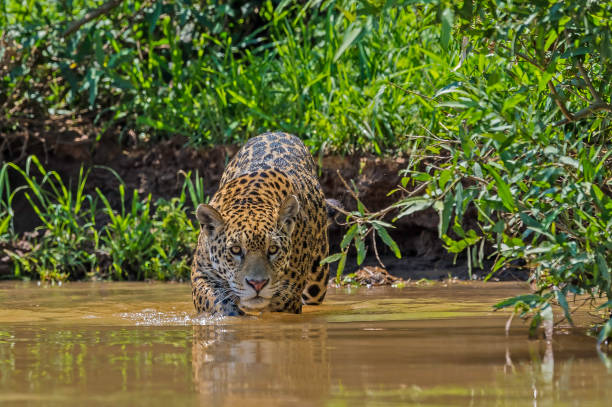
149.) A meeting with the captain at Yosemite National Park
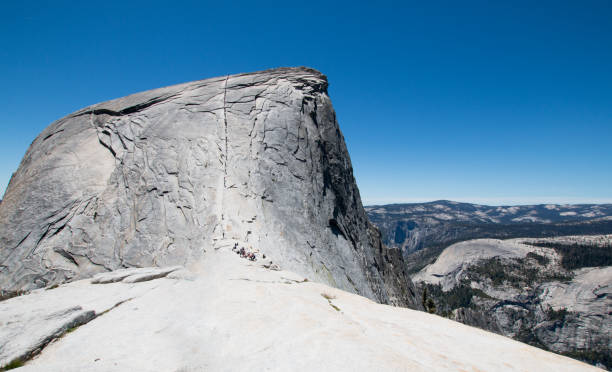
Experience the awe-inspiring beauty of Yosemite National Park and get up close to one of its most iconic landmarks, El Capitan, on a guided rock climbing adventure with expert guides.
Activity Type: Rock climbing, nature exploration, adventure, photography.
Overview: Yosemite National Park in California is renowned for its towering granite cliffs, waterfalls, and stunning natural beauty. Among its most famous features is El Capitan, the massive rock formation that rises over 3,000 feet above the Yosemite Valley floor. El Capitan is one of the most iconic climbs in the world, drawing seasoned climbers from all over to test their skills and conquer its sheer vertical face.
A “meeting with the captain” refers to the opportunity to climb or witness the ascent of El Capitan, either as a climber yourself or by watching world-class climbers tackle the iconic route. If you’re not an experienced climber, many tour companies offer guided climbs, where expert guides will lead you up the rock face. For those interested in seeing El Capitan from a different perspective, the park also offers scenic viewpoints and opportunities to watch climbers from below, giving visitors a thrilling front-row seat to the action.
In addition to El Capitan, Yosemite offers numerous other climbing opportunities, with routes suitable for all levels. Whether you’re scaling the granite walls, exploring the park’s lush meadows, or simply soaking in the grandeur of the landscape, a visit to Yosemite National Park is sure to leave you in awe.
Where: Yosemite National Park, located in California’s Sierra Nevada Mountains, is easily accessible from the town of Mariposa and about a four-hour drive from San Francisco.
Duration of Activity: Rock climbing expeditions on El Capitan usually take several days, as climbers ascend the various routes in stages. For those wishing to watch climbers, a day trip to Yosemite can offer breathtaking views from the valley floor.
Best Time to Visit: The best time to visit Yosemite for rock climbing and other outdoor activities is during the warmer months, from late spring to early autumn (May to October). Winter months can bring snow, making some routes inaccessible, though the park’s iconic views of snow-covered cliffs are equally stunning.
Cost:
- Guided rock climbing tours to El Capitan range from $400 to $700 per day, depending on the guide and the level of experience required.
- For those looking to simply visit and explore the park, the entrance fee to Yosemite National Park is $35 per vehicle for a 7‑day pass.
- Camping fees within the park typically range from $20 to $35 per night.
Top Tips:
When planning a visit to Yosemite, make sure to book your climbing tours well in advance, as spots with expert guides can fill up quickly, especially during peak seasons. If you’re a beginner or intermediate climber, make sure to choose a route that suits your experience level—El Capitan has routes for both experts and more novice climbers, but it’s always important to know your limits. If you’re watching the action from below, make sure to bring binoculars to get a closer look at the climbers scaling the rock face. Additionally, pack plenty of water, sunscreen, and snacks for long days of outdoor exploration. Yosemite’s beauty is as much about its natural wonders as it is about its breathtaking, adrenaline-pumping adventures.
150.) Uncover Kyoto & partake in a traditional tea ceremony

Safe Travels — and may your travel experiences be filled with wonder, excitment and leave you with ever life lasting memories !
The Adventurers Bucket List:
From Scaling the seven summits to reaching the top of the world, Life should be a compilation of heart-pounding, awe-inspiring adventures that leaves you on the edge of your seat.
So, whether you’re an adrenaline junk looking for the next big wave, an avid hiker looking for the best trail, or keen to get your motor running on the best road trips on the planet – we’ve rounded out the top 100 Adventure Bucket list experiences – that are guaranteed to ignite your wanderlust and ensure your time on earth is a true exhilarating adventure….
1.) Crossing the Antarctic Circle (To visit the Seven continents)
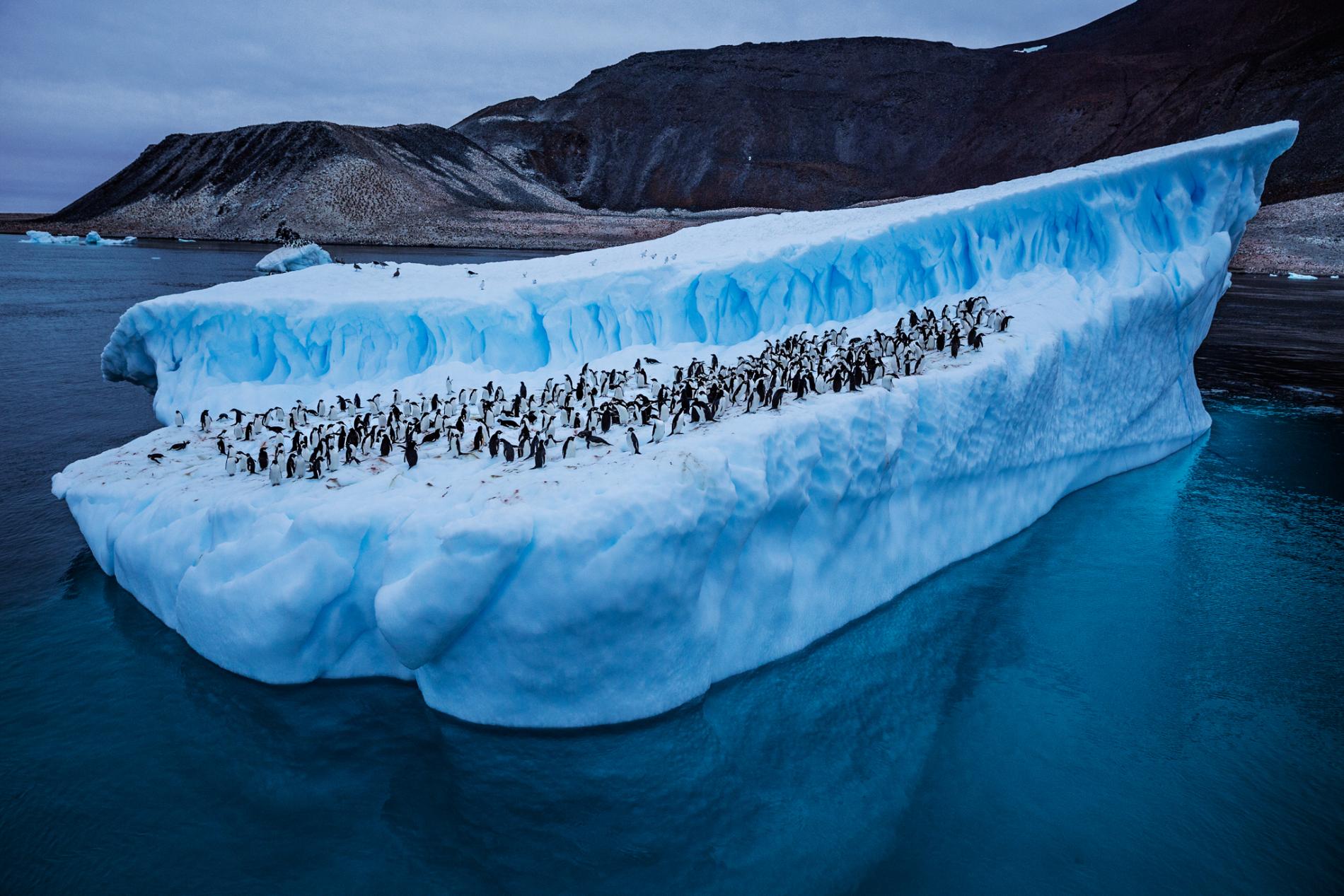
Embark on an awe-inspiring journey to one of Earth’s most remote and pristine destinations, where icebergs tower and wildlife thrives in a frozen paradise, as you tick off the seven continents from your bucket list.
Activity Type: Adventure Travel / Sightseeing.
Overview: The requirement of adventure travel for any explorer — the almost mandatory completion of stepping foot on each continent will bring explorers from the Great Migration in Africa, to the art of Europe and to the heights of the Himalayas in Asia. Yet it is crossing the Antarctic Circle, where this adventure bucket list reaches its pinnacle — with the infamous crossing across the Drake passage leading you to the beauty of Antarctica — where a surreal landscape of towering glaciers, expansive ice fields, and a diverse array of wildlife, including penguins, seals, and whales — await you.
A journey that will see you at sea for at least 10 days, and require some savings and logistical planning, heading to Antarctica is not just a journey to the ends of the earth, but a chance to see the earth and nature in its most untouched form — while crossing off adventures from your bucket list you won’t encounter anywhere else. Whether that be trekking across icy terrains, kayaking through serene, iceberg-dotted waters, or simply standing in awe of the breathtaking scenery, Antarctica promises an unparalleled adventure that marks the pinnacle of both global exploration — and the greatest way to complete your journey across the Seven Summits of the world.
Where: Global — Visit all Seven continents. For the the Antarctic Circle, located south of the Antarctic Peninsula. Most expeditions start from Ushuaia, Argentina, the world’s southernmost city.
Best time to Visit: Africa (April — October) Asia (February — June), Antarctica (November — March), Australiasia (September — April), Europe (March — October), North America (May — October), South America (September — December).
Duration of Adventure: Most cruises last 10 to 23 days, depending on the specific itinerary and cruise chosen.
Estimated Cost: Prices for an Antarctic Circle expedition can range from $8,000 to $25,000 USD or more, depending on the luxury of the cruise, duration, and included activities. Budget options can be found, but premium experiences with more comprehensive exploration will be at the higher end of the scale.
Top Tip: Book your trip well in advance, as spots on Antarctic expeditions fill quickly. Layer up with proper thermal clothing and bring high-quality photography gear to capture the stunning landscapes and wildlife. Consider choosing a cruise that includes activities such as kayaking or guided hikes for an even more immersive experience.
2.) Explore the Seven wonders of the world
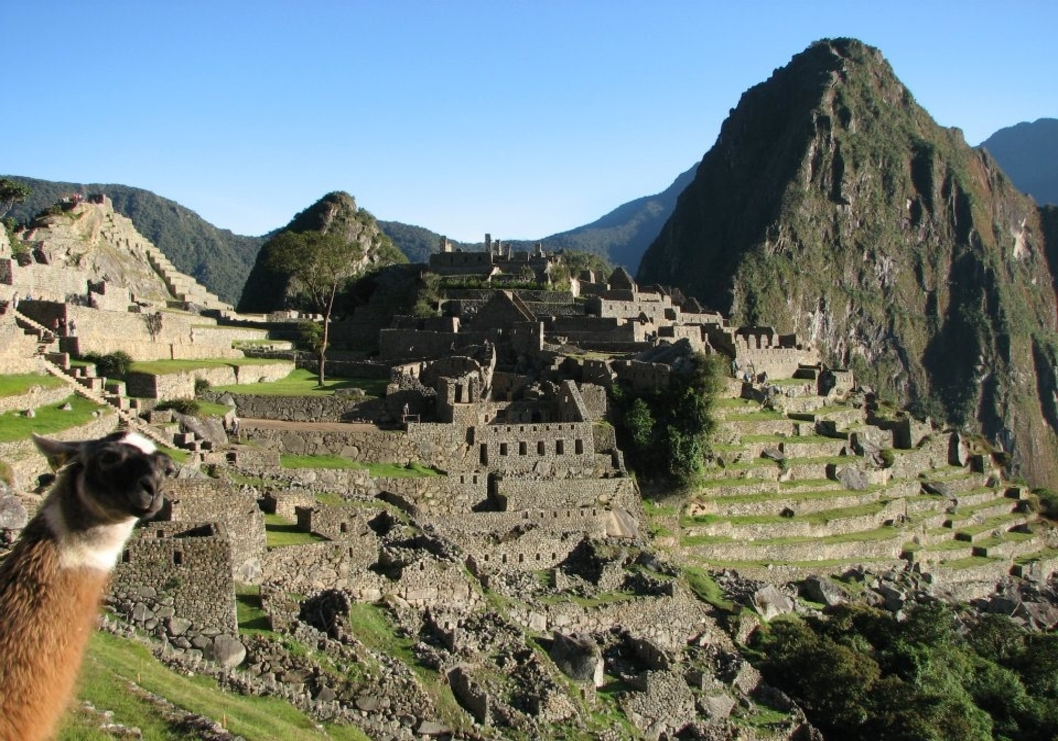
Embark on an epic journey to marvel at the world’s most breathtaking and historically significant landmarks that span centuries and continents.
Activity Type: Cultural exploration, historical sightseeing, and travel adventure.
Overview: Exploring the Seven Wonders of the World is the ultimate travel adventure, taking travelers on a journey through history, culture, and human ingenuity. These iconic sites, each with its unique story and significance, showcase the diversity of human achievement. From the architectural brilliance of the Great Wall of China, which winds over 13,000 miles across rugged landscapes, to the ancient city of Petra in Jordan, carved intricately into rose-red cliffs, each wonder invites awe and reflection. Standing before these marvels, one can appreciate not only their beauty but also the rich histories that have shaped civilizations for millennia.
The journey continues with other mesmerizing wonders: Machu Picchu in Peru, perched high in the Andes and shrouded in mist; Christ the Redeemer in Brazil, offering panoramic views of Rio de Janeiro; Chichen Itza in Mexico, echoing with the stories of the ancient Maya; The Colosseum in Rome, which stands as a testament to the grandeur and resilience of the Roman Empire; and The Taj Mahal in India, a masterpiece of love and architectural artistry. Each site offers a unique blend of history, culture, and natural beauty, creating memories that resonate long after the journey is complete.
Where: The Seven Wonders are spread across different countries: The Great Wall of China (China), Petra (Jordan), Machu Picchu (Peru), Christ the Redeemer (Brazil), Chichen Itza (Mexico), The Colosseum (Italy), and The Taj Mahal (India). Exploring all Seven Wonders can take several months to a year, depending on travel plans, distances, and time spent at each location.
Best Time to Visit: The best time to visit each wonder varies: the Great Wall of China is best visited in spring or autumn for cooler weather; Petra is most pleasant in spring or autumn; Machu Picchu’s dry season from May to September offers ideal conditions; Christ the Redeemer sees warm weather from December to March; Chichen Itza is best from November to April; The Colosseum shines in April to June or September to October; and the Taj Mahal is most comfortable between October and March.
Cost: The cost of visiting the Seven Wonders varies widely depending on airfare, accommodations, tour guides, and entry fees. Budget travelers might spend around $15,000 to $30,000 USD, while those seeking luxury accommodations and guided tours can expect to pay significantly more.
Top Tips: Plan each visit around peak and off-peak seasons to avoid heavy crowds and high prices. Hire local guides to gain deeper insight into the history and significance of each site. Ensure you’re equipped with travel essentials like comfortable walking shoes, weather-appropriate clothing, and a camera to capture these awe-inspiring moments.
3.) Summit Mount Everest, Nepal.
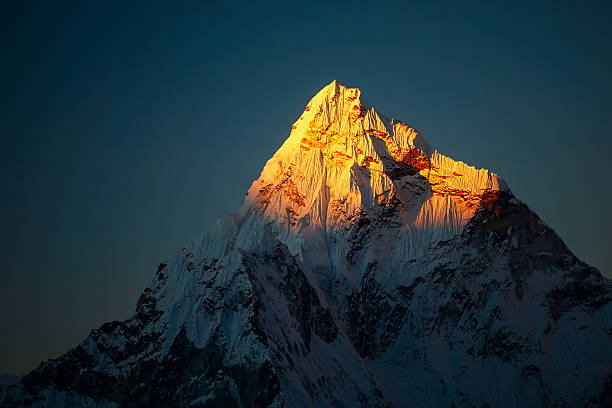
Experience the ultimate mountaineering adventure by summiting the world’s tallest peak, where the journey is as monumental as the destination.
Activity Type: Extreme mountaineering and high-altitude trekking.
Overview: Climbing Mount Everest is considered the pinnacle of mountaineering achievements and represents the ultimate test of endurance, resilience, and determination. Situated in the Himalayas on the border of Nepal and Tibet, Everest stands at 8,848 meters (29,029 feet), drawing climbers from around the world who seek the challenge and prestige of conquering its peak. The trek begins with a journey to the base camp, where climbers acclimate to the altitude and prepare for the demanding ascent. The adventure is fraught with challenges including severe weather conditions, thin air, and the physical and mental demands of climbing to such heights.
Reaching the summit of Mount Everest offers unmatched views and an unparalleled sense of accomplishment, with breathtaking vistas of snow-capped peaks stretching endlessly into the horizon. However, the journey itself is as significant as reaching the top. Climbers experience the profound beauty of Nepal’s landscapes, Sherpa culture, and the camaraderie that comes from tackling one of the world’s most formidable feats together. The sheer magnitude of the climb ensures that it remains a once-in-a-lifetime experience for those who dare to attempt it.
Where: Mount Everest is located in the Himalayas on the border between Nepal and the Tibet Autonomous Region of China. Most expeditions start from the Nepalese side, beginning at the village of Lukla and progressing through the Khumbu Valley to Everest Base Camp.
Duration of Activity: Climbing Everest typically takes around 60–75 days from arrival in Nepal to reaching the summit and returning. This period includes acclimatization, training, and waiting for optimal weather conditions.
Best Time to Visit: The best time to attempt the climb is during the pre-monsoon (late April to early June) or post-monsoon (late September to early November) seasons, when weather conditions are most stable.
Cost: The cost of a Mount Everest expedition can vary widely, typically ranging from $30,000 to over $100,000 USD. This includes permits, guides, oxygen supplies, gear, and logistical support.
Top Tips: Prepare extensively, both physically and mentally, before attempting the climb. Hiring a reputable guide company is essential for safety and support. Invest in high-quality gear to withstand extreme conditions. Ensure you have comprehensive insurance that covers high-altitude climbing. Lastly, respect local customs and practice sustainable, eco-friendly trekking to preserve the natural beauty and cultural integrity of the region.
4.) Conquering the rest of the Seven Summits
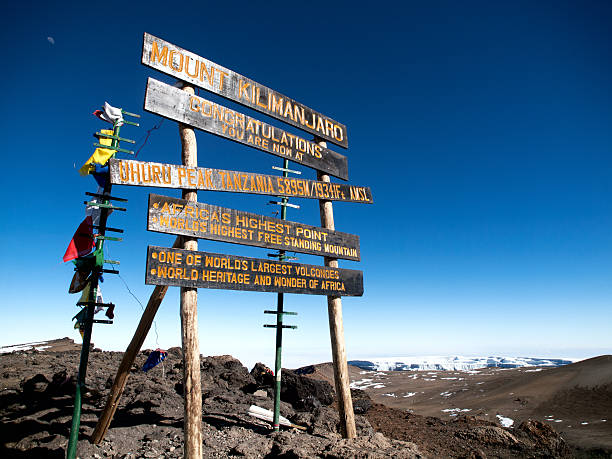
Push beyond Everest to complete the ultimate mountaineering challenge, experiencing the highest peak on each remaining continent.
Activity Type: High-altitude mountaineering and global trekking.
Overview: For those who have taken on Everest, conquering the rest of the Seven Summits represents the next level of achievement in mountaineering. Each of these peaks poses its unique challenges, from the icy wilderness of Antarctica’s Mount Vinson to the high altitudes of Aconcagua in Argentina. Completing the Seven Summits requires not just technical skill but a strong commitment to global adventure and resilience. These climbs test the mettle of even the most seasoned mountaineers, offering dramatic and diverse landscapes: the vast tundras of Denali in Alaska, the volcanic slopes of Kilimanjaro in Africa, and the rugged Caucasus mountains that host Mount Elbrus in Europe.
What sets the Seven Summits apart from other climbing achievements is the sheer range of conditions and terrains they encompass. The humid jungles leading to Carstensz Pyramid (or the more accessible Mount Kosciuszko for those choosing an alternative), the relentless wind of Denali, and the ice-clad slopes of Vinson provide a stark contrast to Everest’s high-altitude grandeur. Conquering these peaks not only completes an extraordinary personal journey but also brings insight into the diverse environments and cultures of the world.
Where: The Seven Summits (excluding Everest) are found across different continents:
- Aconcagua (South America) – Argentina
- Denali (North America) – Alaska, USA
- Mount Kilimanjaro (Africa) – Tanzania
- Mount Elbrus (Europe) – Russia
- Mount Vinson (Antarctica) – Ellsworth Mountains
- Mount Kosciuszko/Carstensz Pyramid (Oceania) – Australia/Indonesia
Duration of Activity: Depending on the peak, climbs can range from a few days (Mount Kosciuszko) to several weeks (Denali and Vinson). Completing all six remaining climbs may span several years based on logistics, availability, and training schedules.
Best Time to Visit:
- Aconcagua: December to March
- Denali: May to early July
- Mount Kilimanjaro: June to October, December to March
- Mount Elbrus: June to September
- Mount Vinson: November to January
- Kosciuszko/Carstensz Pyramid: Year-round for Kosciuszko; April to November for Carstensz Pyramid
Cost: The total cost varies significantly based on travel, guides, permits, and gear, ranging from $100,000 to $200,000 USD for completing all six. Denali and Vinson are among the more costly due to their remote locations and logistics.
Top Tips: Preparation and adaptability are crucial for success. Tailor your training for each mountain’s specific demands, building strength and stamina for extreme cold, high altitudes, or long treks. Hire reputable guides who know the terrain and ensure safety, particularly on more technical routes like Carstensz Pyramid and Denali. Acclimatize appropriately, especially for Aconcagua and Elbrus. Lastly, respect environmental guidelines and local customs to preserve these magnificent landscapes for future climbers.
5.) Great White Shark Cage Diving, Port Lincoln

Experience the thrill of facing the ocean’s most formidable predator in the safety of a submerged cage.
Activity Type: Adventure, marine wildlife encounter, and cage diving.
Overview: Great White Shark cage diving in Port Lincoln, Australia, is one of the most heart-pounding experiences for adrenaline seekers and marine life enthusiasts. Nestled on the southern coast of Australia, Port Lincoln is known as the “Great White Capital of the World,” offering one of the best opportunities to observe these majestic apex predators up close. The diving experience involves descending into the crystal-clear waters in a reinforced cage, where you’ll come face-to-face with Great Whites as they glide powerfully past, revealing their immense size and grace. The thrill of seeing these sharks in their natural habitat is an unforgettable moment that combines excitement and awe.
Unlike conventional diving, shark cage diving is accessible even to non-divers, making it an inclusive adventure for anyone seeking an extraordinary wildlife encounter. Port Lincoln’s tours are conducted with a strong emphasis on safety and environmental responsibility, allowing participants to appreciate the importance of shark conservation while experiencing an unmatched rush of excitement. The sight of a Great White emerging from the deep is a testament to nature’s power and beauty, providing a unique blend of fear, fascination, and respect.
Where: Port Lincoln is located on the Eyre Peninsula in South Australia. Tours depart from the marina, and most operators provide transport to prime shark-spotting locations in the Neptune Islands.
Duration of Activity: A typical shark diving tour lasts one full day, with options for multi-day excursions to increase the chance of shark sightings.
Best Time to Visit: The best time for Great White Shark cage diving in Port Lincoln is between May and October, when sightings are most frequent due to the cooler water temperatures.
Cost: Expect to pay around $350 to $600 USD for a single-day tour, depending on the operator and package. Multi-day tours and private charters may cost significantly more.
Top Tips: Book your tour in advance, especially during peak seasons. Bring a waterproof camera or GoPro to capture the sharks in action, but be prepared for splashes and quick movements. If you’re prone to seasickness, take preventative medication as the boat ride can be choppy. Listen carefully to safety briefings and trust your guides to ensure a memorable and safe encounter.
6.) Base Jumping off Angel Falls, Venezuela
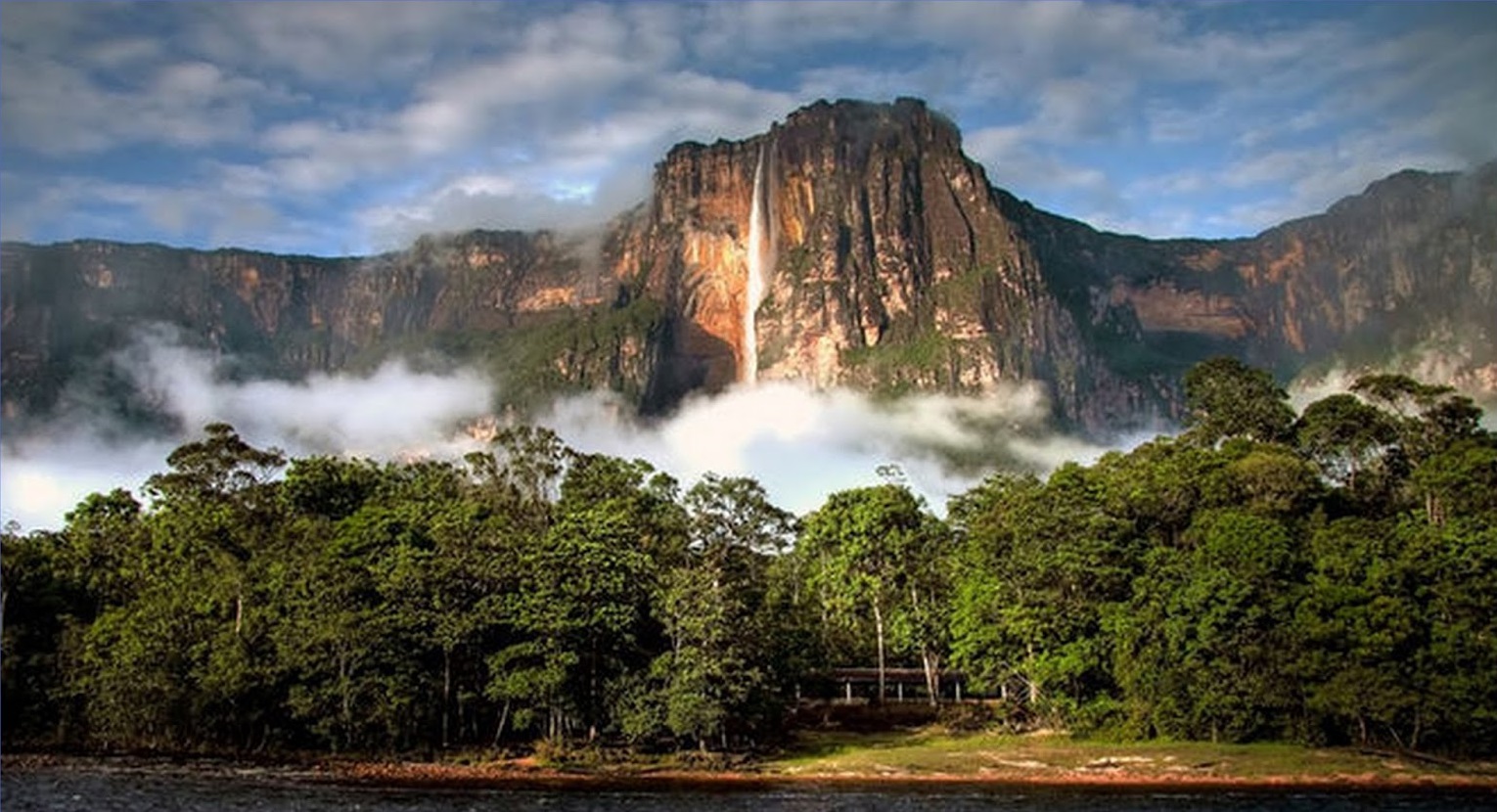
Soar through the sky from the world’s tallest uninterrupted waterfall in an adrenaline-fueled leap of a lifetime.
Activity Type: Extreme sports, base jumping, and aerial adventure.
Overview: Base jumping off Angel Falls in Venezuela is considered one of the most daring and exhilarating adventures on the planet. Angel Falls, known locally as Salto Ángel, plummets nearly 3,212 feet (979 meters) from a tabletop mountain, making it the tallest uninterrupted waterfall in the world. The setting is dramatic, with the falls surrounded by dense tropical rainforest and remote wilderness in Canaima National Park. For base jumpers, leaping from the edge of this natural wonder combines breathtaking views with a surge of pure adrenaline as they freefall and deploy their parachutes amidst the roar of cascading water and mist.
This adventure is not for the faint-hearted; it’s a challenge that requires skill, courage, and expert preparation. The journey to Angel Falls itself is an adventure involving flights, boat rides, and jungle treks, which adds to the sense of accomplishment for those who make the leap. The thrill of soaring through the air, with the spray of the falls around you and the rainforest stretching out below, makes base jumping here a unique and awe-inspiring experience.
Where: Angel Falls is located in Canaima National Park in the Gran Sabana region of southeastern Venezuela. The remote location requires careful logistical planning, including travel by plane and boat, often starting from the town of Ciudad Bolívar or Puerto Ordaz.
Duration of Activity: The entire adventure, including the journey to the falls and the jump itself, typically takes several days to a week, factoring in travel, weather conditions, and preparation time.
Best Time to Visit: The best time for base jumping at Angel Falls is during the rainy season (May to November), when the waterfall is at its fullest and most spectacular. However, this is also when the weather can be unpredictable, so flexibility is essential.
Cost: Costs vary widely depending on permits, travel expenses, guides, and gear. Expect to budget $3,000 to $7,000 USD or more, including transport to the remote site and arrangements with professional base jumping operators.
Top Tips: Only experienced base jumpers should attempt this jump, and it’s critical to coordinate with a licensed operator familiar with the area. Ensure all gear, including parachutes and backup systems, is in top condition. Arrive early to acclimate to the environment and practice jumps if possible. Respect local regulations and environmental guidelines to minimize your impact on the fragile ecosystem of Canaima National Park.
7.) Conquering Death Road

Conquer one of the most dangerous roads in the world on an exhilarating downhill bike ride through stunning Andean landscapes.
Activity Type: Adventure biking and extreme sports.
Overview: Biking Death Road, known as El Camino de la Muerte, is an adrenaline-pumping experience that draws thrill-seekers from around the globe. This notorious road, which stretches about 43 kilometers (27 miles) from La Paz to Coroico, was once considered the most dangerous road in the world due to its steep drops, narrow paths, and unpredictable weather conditions. However, today it has become a popular attraction for mountain bikers looking to test their limits against a backdrop of breathtaking scenery, including lush valleys, waterfalls, and snow-capped peaks.
Riding down Death Road provides a unique blend of fear and excitement, as bikers navigate through hairpin turns and past sheer cliffs with spectacular views. The ride begins in the high-altitude capital of La Paz and descends over 3,600 meters (11,800 feet) to the subtropical region of Coroico. Along the way, riders encounter diverse ecosystems and rich wildlife, making this not just a thrilling descent, but also a journey through Bolivia’s remarkable natural beauty. The sense of accomplishment and exhilaration upon reaching the bottom is an unforgettable highlight for any adventure enthusiast.
Where: Death Road is located in the Yungas region of Bolivia, starting near La Paz and ending in the town of Coroico. Most tours include transportation to the starting point and back from Coroico.
Duration of Activity: The biking adventure typically lasts a full day, including transportation, safety briefings, and the ride itself, which usually takes around 3 to 4 hours.
Best Time to Visit: The ideal time to bike Death Road is during the dry season from May to October, when the weather is more stable and the road conditions are safer.
Cost: Expect to pay between $50 and $150 USD for a guided biking tour, which generally includes bike rental, safety gear, and transportation. Prices can vary based on the tour operator and additional amenities.
Top Tips: Wear appropriate gear, including a good helmet, gloves, and padded clothing for comfort during the ride. Listen carefully to your guide’s safety instructions and familiarize yourself with your bike before starting the descent. It’s also wise to stay hydrated and wear sunscreen, as the sun can be intense in the high altitudes. Lastly, take your time and enjoy the ride; the breathtaking views along the way are just as rewarding as the thrill of the descent.
8.) Exploring the Amazon Rainforest
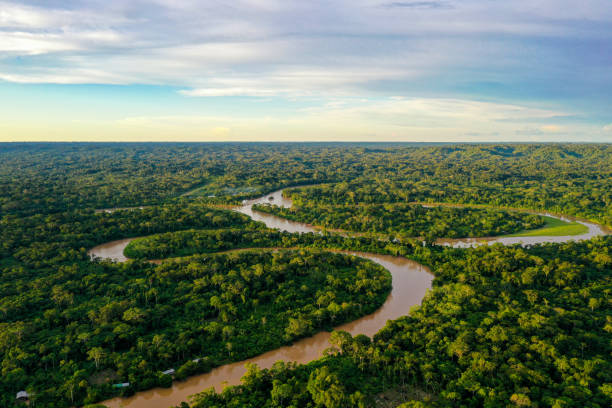
Immerse yourself in the world’s largest tropical rainforest and discover its incredible biodiversity through guided expeditions and eco-adventures.
Activity Type: Eco-tourism, wildlife exploration, and adventure travel.
Overview: Exploring the Amazon Rainforest is an extraordinary journey into one of the most biodiverse ecosystems on the planet. Spanning across Brazil and Peru, the Amazon is home to millions of species, many of which cannot be found anywhere else on Earth. Travelers can embark on guided tours that range from river cruises to deep jungle treks, offering a unique opportunity to witness the vibrant flora and fauna of the rainforest firsthand. The experience can include everything from spotting exotic wildlife, such as pink river dolphins and sloths, to navigating through lush canopies and interacting with local indigenous communities who call this vast wilderness home.
The Amazon’s rich tapestry of life and breathtaking landscapes provide endless opportunities for adventure. Kayaking down winding rivers, trekking through dense foliage, and spending nights in eco-lodges allow for a deep connection with nature and a chance to learn about conservation efforts aimed at preserving this vital environment. The sounds of the jungle—chirping insects, distant howls, and rustling leaves—create an immersive backdrop for exploration, making every moment in the Amazon a memorable experience.
Where: The Amazon Rainforest stretches across several countries, with significant portions in Brazil and Peru. Popular entry points for exploration include Manaus in Brazil and Iquitos in Peru, where numerous tour operators offer packages to various jungle lodges and riverboat excursions.
Duration of Activity: Amazon exploration trips can vary greatly in length, ranging from short 3‑day excursions to extended 10-day journeys or longer, depending on the itinerary and the areas covered.
Best Time to Visit: The dry season, from June to November, is generally considered the best time to visit the Amazon, as conditions are more favorable for wildlife viewing and trekking. However, the wet season (December to May) also has its charm, with lush greenery and active wildlife.
Cost: Prices for Amazon rainforest exploration can range from $300 to $2,000 USD or more, depending on the type of tour, duration, and level of luxury. Budget options are available, but comprehensive packages that include accommodations, meals, and guided activities tend to be more expensive.
Top Tips: Prioritize packing lightweight, breathable clothing suitable for humidity, along with waterproof gear to protect against rain. Insect repellent is essential to ward off mosquitoes, and sturdy shoes are necessary for trekking through the jungle. Be open to learning from local guides, who can offer invaluable insights into the ecosystem and the cultural significance of the rainforest. Lastly, engage in sustainable travel practices to minimize your environmental impact and help preserve this precious habitat for future generations.
9.) Rim to Rim on the Grand Canyon
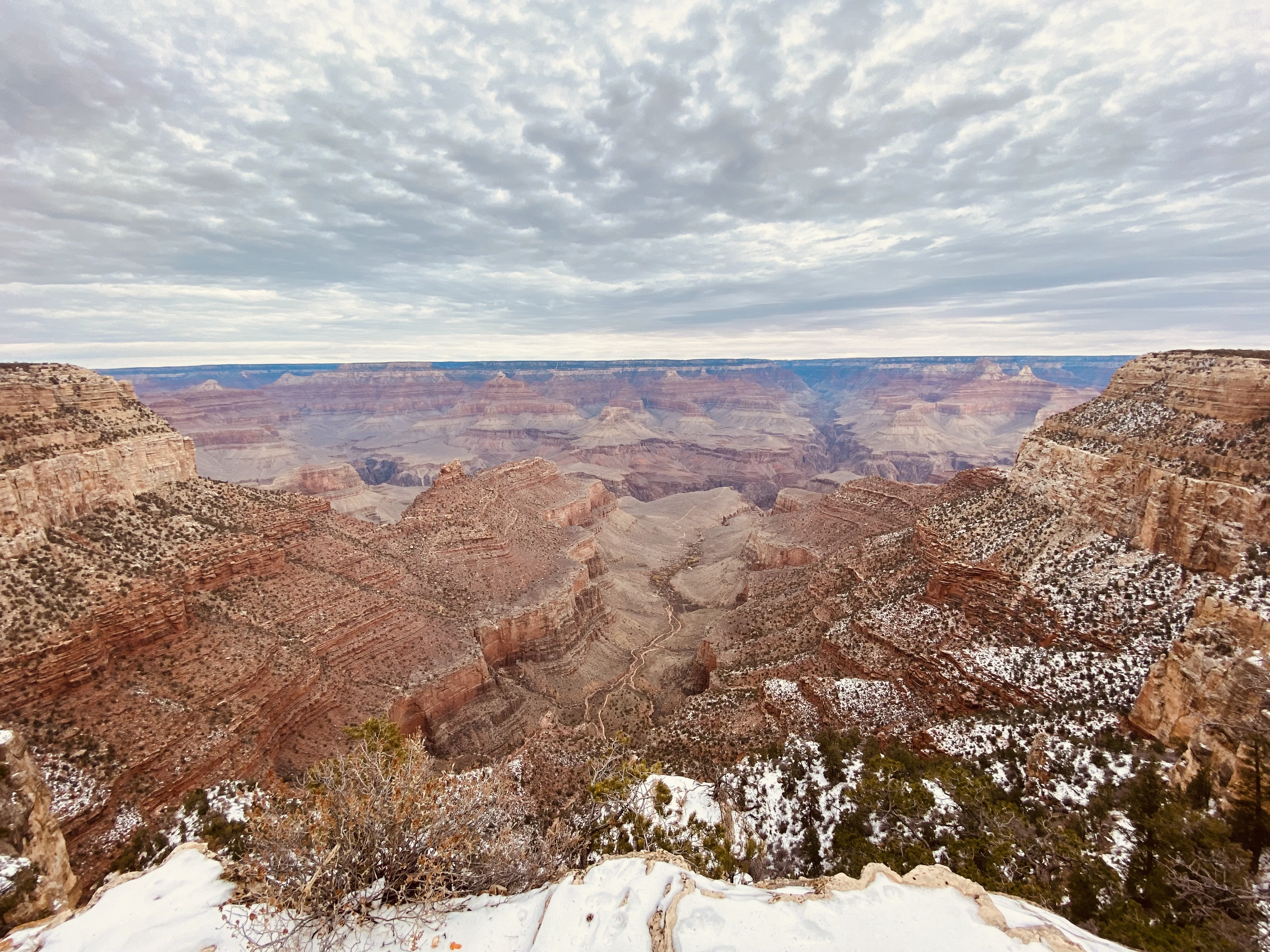
Embark on an unforgettable adventure traversing one of nature’s most iconic landscapes, experiencing the breathtaking beauty of the Grand Canyon from rim to rim.
Activity Type: Hiking, adventure trekking, and nature exploration.
Overview: Exploring the Grand Canyon from rim to rim is an extraordinary hiking experience that takes you deep into one of the world’s most awe-inspiring natural wonders. The Grand Canyon, carved over millions of years by the Colorado River, offers dramatic vistas, unique rock formations, and a diverse range of ecosystems. The journey from the North Rim to the South Rim—or vice versa—spans approximately 24 miles (39 kilometers) and involves steep descents, challenging climbs, and breathtaking views at every turn. This hike allows adventurers to witness the canyon’s grandeur up close, from the colorful layers of rock that tell the Earth’s geological history to the serene flow of the Colorado River below.
The trek can take anywhere from two to five days, depending on your pace and the route chosen. As you traverse the canyon, you will encounter various environments, from lush forests on the rims to arid desert landscapes in the canyon’s depths. Campgrounds and hiking trails provide opportunities to experience the canyon’s beauty intimately, while guided tours can enhance your understanding of the region’s ecology and history. Whether you’re an experienced hiker or a novice adventurer, the rim-to-rim experience offers an unforgettable connection with nature and the chance to challenge yourself physically.
Where: The Grand Canyon National Park is located in Arizona, USA. Hikers can start their journey from either the North Rim or the South Rim, with the South Rim being more accessible and popular among visitors.
Duration of Activity: The rim-to-rim hike typically takes between two to five days, depending on your fitness level, chosen trails, and overnight camping arrangements.
Best Time to Visit: The best times to hike the Grand Canyon are during the spring (March to May) and fall (September to November) when temperatures are milder. The summer months can be extremely hot, especially in the inner canyon, while winter conditions can make the North Rim inaccessible.
Cost: A permit for backcountry camping in the Grand Canyon costs around $10, with additional fees for camping sites, which range from $18 to $25 per night. Day hikers must pay a park entrance fee of approximately $35 per vehicle.
Top Tips: Prepare thoroughly by checking trail conditions and weather forecasts. Hydration is crucial; carry plenty of water and consider using a hydration system for convenience. Layer your clothing to adapt to changing temperatures throughout the day, as conditions can vary significantly between the rim and the canyon floor. Plan your itinerary carefully, factoring in rest days and recovery time, especially if you’re unfamiliar with long-distance hiking. Lastly, respect the environment by following Leave No Trace principles, ensuring this natural wonder remains pristine for future explorers.
10.) Ice picking your way through the W Trek
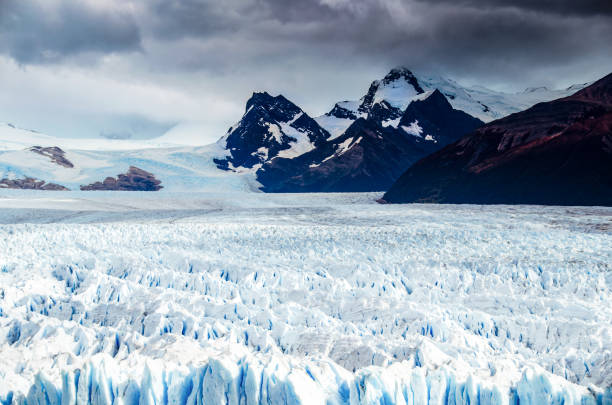
Challenge yourself with thrilling ice climbing and breathtaking treks through one of the world’s most stunning national parks.
Activity Type: Ice climbing, trekking, and adventure travel.
Overview: The W Trek in Torres del Paine National Park, located in the breathtaking landscapes of Patagonia, Chile, is a renowned hiking route that showcases the region’s dramatic scenery, including towering granite peaks, turquoise lakes, and sprawling glaciers. This multi-day trek typically spans about 50 miles (80 kilometers) and allows adventurers to experience the natural beauty of the park while encountering unique wildlife, including guanacos, condors, and even the elusive puma. The iconic backdrop of the Torres del Paine, three granite spires that rise dramatically above the landscape, provides a stunning setting for trekking enthusiasts and nature lovers alike.
For those looking to enhance their adventure, ice climbing on the nearby glaciers adds an exhilarating dimension to the experience. Guided ice climbing tours are available, where participants can learn the fundamentals of the sport while ascending frozen waterfalls and crevasses. The combination of trekking and ice climbing offers a comprehensive Patagonia experience, allowing explorers to witness the grandeur of the landscape from both ground and ice, creating memories that last a lifetime.
Where: Torres del Paine National Park is located in southern Chilean Patagonia. The W Trek begins at the park entrance, typically at either the Torres del Paine Refugio or the Hostería Lago Pehoé.
Duration of Activity: The W Trek generally takes four to five days to complete, while ice climbing excursions can be arranged as half-day or full-day activities in conjunction with the trek.
Best Time to Visit: The best time for trekking in Torres del Paine is during the summer months (November to March), when the weather is milder and the trails are accessible. Ice climbing is typically best from late spring to early summer.
Cost: Trekking permits for Torres del Paine National Park cost approximately $35 USD, while guided trekking packages can range from $300 to $1,500 USD, depending on the level of service, accommodation options, and duration. Ice climbing excursions usually cost between $150 to $300 USD per person, depending on the tour provider.
Top Tips: Plan your trek in advance, as accommodations and guided tours can fill up quickly during peak season. Bring layered clothing to adapt to changing weather conditions, and ensure you have waterproof gear for protection against rain and snow. Staying hydrated is essential, so carry a refillable water bottle or a hydration system. Consider hiring a knowledgeable guide, especially for ice climbing, to ensure safety and gain valuable insights into the region’s unique ecology and geography. Lastly, embrace the remote beauty of Patagonia and take time to soak in the awe-inspiring landscapes along your journey.
11.) White-Water Rafting on the Zambezi River, Zambia/Zimbabwe
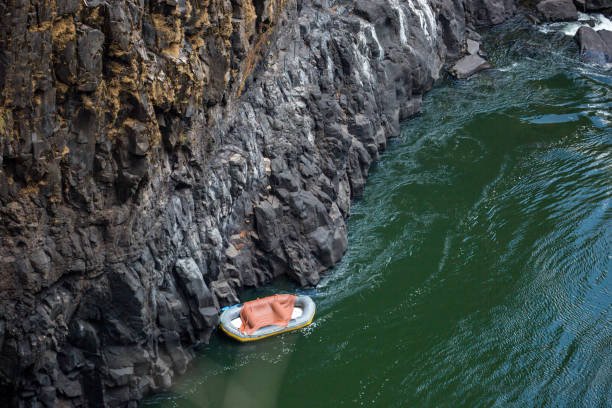
Experience the exhilarating rush of navigating one of the world’s most thrilling rivers while surrounded by breathtaking landscapes.
Activity Type: Adventure sports, white-water rafting, and eco-tourism.
Overview: White-water rafting on the Zambezi River, which forms the border between Zambia and Zimbabwe, is a must-do for adventure enthusiasts seeking an adrenaline-filled experience. This iconic river is renowned for its challenging rapids, particularly those found below the majestic Victoria Falls. The Zambezi offers some of the best white-water rafting in the world, with grades ranging from 3 to 5, providing both exciting challenges for experienced rafters and manageable rapids for beginners. The stunning scenery along the river, characterized by lush gorges and dramatic cliffs, enhances the thrill of navigating the turbulent waters.
Rafting on the Zambezi is not just about the adrenaline; it’s also an opportunity to connect with nature. As you paddle through the river’s rapids, you may spot wildlife such as elephants, hippos, and crocodiles along the banks. The experience is often complemented by the beauty of the surrounding national parks and the chance to explore the vibrant local culture. After a day of thrilling rafting, participants can relax and enjoy stunning sunsets over the river, making it an unforgettable adventure.
Where: The Zambezi River runs through several countries in Southern Africa, with the most popular rafting section located near Victoria Falls, accessible from both Zambia and Zimbabwe. Rafting tours typically start from the town of Livingstone in Zambia or Victoria Falls in Zimbabwe.
Duration of Activity: A typical rafting trip lasts a full day, with pre-trip briefings and post-raft celebrations included. Multi-day rafting adventures are also available, combining rafting with camping and other activities.
Best Time to Visit: The best time for white-water rafting on the Zambezi is during the low-water season, from June to early February, when the rapids are at their most thrilling and the river levels are safer for rafting.
Cost: Day rafting trips on the Zambezi typically range from $120 to $250 USD, including equipment, safety gear, and a guide. Multi-day packages may cost between $500 and $1,500 USD, depending on inclusions such as accommodation and meals.
Top Tips: Ensure you choose a reputable rafting company with experienced guides to guarantee safety and maximize your experience. Wear a secure life jacket, and consider using a helmet for added protection. Bring quick-drying clothing, as you’re likely to get wet, and waterproof bags for your belongings. Hydration is key, so drink plenty of water throughout the day. Finally, be prepared for an adventure filled with excitement, laughter, and unforgettable memories as you conquer the Zambezi’s wild waters!
12.) Gorilla trekking in the heart of Africa
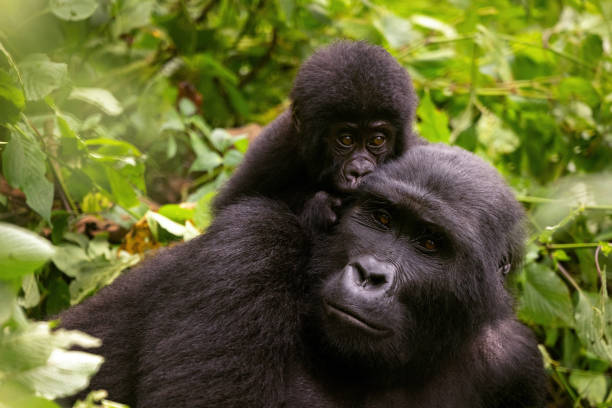
Embark on a once-in-a-lifetime journey to encounter majestic mountain gorillas in their natural habitat, a profound experience that fosters conservation awareness.
Activity Type: Wildlife trekking and eco-tourism.
Overview: Gorilla trekking in the heart of Africa offers a unique and intimate experience with one of the world’s most endangered species. The trek typically takes place in the mountainous regions of Uganda, Rwanda, and the Democratic Republic of the Congo, where mountain gorillas roam freely in lush forests. This adventure allows visitors to observe these magnificent creatures up close in their natural environment, witnessing their social behaviors, interactions, and playful antics. The trek can be both exhilarating and challenging, as it often involves hiking through dense vegetation and steep terrain to locate the gorilla families, sometimes requiring several hours of trekking.
Aside from the thrill of seeing gorillas in the wild, the experience is deeply rewarding, as it contributes to wildlife conservation efforts and local community support. Engaging with local guides provides insights into the gorillas’ habitat, behaviors, and the ongoing efforts to protect these gentle giants from poaching and habitat loss. The overall journey through the stunning landscapes of the African highlands is also breathtaking, filled with opportunities to appreciate the region’s rich biodiversity and scenic beauty.
Where: Gorilla trekking can be experienced in several national parks, including Bwindi Impenetrable National Park and Mgahinga Gorilla National Park in Uganda, Volcanoes National Park in Rwanda, and Virunga National Park in the Democratic Republic of the Congo.
Duration of Activity: Gorilla trekking trips typically last one day for the actual trek, but most visitors spend several days in the region to accommodate travel and acclimatization. Many tour packages include additional activities, such as cultural visits or wildlife safaris.
Best Time to Visit: The best times for gorilla trekking are during the dry seasons from June to September and December to February, when trails are less muddy, and visibility is better.
Cost: Gorilla trekking permits range from $400 to $1,500 USD per person, depending on the country and park regulations. This fee typically includes park entrance and a guided trek. Additional costs for accommodations, transportation, and other activities should also be considered.
Top Tips: Secure your gorilla trekking permit well in advance, as they are limited and in high demand. Wear sturdy hiking boots and dress in layers, as temperatures can vary significantly. Bring a rain jacket, as sudden rain showers are common in the rainforest. Follow your guide’s instructions closely for safety and to minimize stress on the gorillas. Finally, keep your distance, remain quiet, and enjoy the incredible opportunity to observe these remarkable animals in their natural habitat.
13.) Trekking to the North Pole
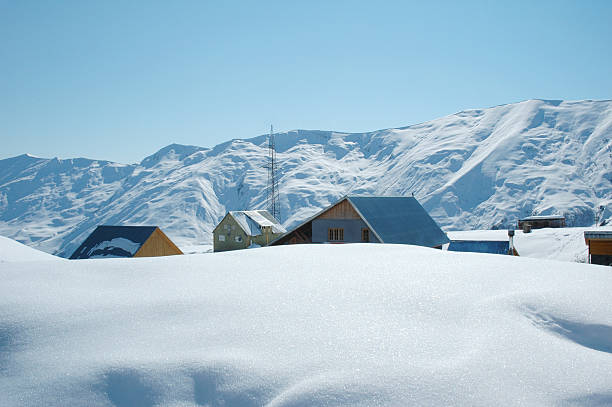
Embark on an extraordinary adventure to the top of the world, where the land meets the Arctic Ocean and the spirit of exploration thrives.
Activity Type: Extreme trekking and polar expedition.
Overview: Trekking to the North Pole is one of the most ambitious and thrilling adventures on the planet, offering intrepid explorers the chance to stand at the northernmost point on Earth. This unique journey involves traversing the Arctic ice cap, where you will encounter breathtaking landscapes of frozen seas, shifting ice floes, and the stark beauty of the polar environment. The trek typically begins in Longyearbyen, Svalbard, Norway, where you will board an icebreaker or small aircraft to reach the starting point on the ice. From there, you’ll embark on a guided expedition, often lasting about 10 to 14 days, depending on weather conditions and the chosen route.
During the trek, you will navigate through a pristine wilderness filled with challenges and surprises, including navigating crevasses and changing ice conditions. The North Pole is not only about the destination; it’s a journey that fosters a deep connection to nature and the forces of the Arctic. Participants often have the opportunity to witness stunning wildlife, including seals, polar bears, and a variety of seabirds, while learning about the fragile ecosystem and the impacts of climate change on the polar region.
Where: The journey to the North Pole typically begins in Longyearbyen, Svalbard, Norway, with expeditions traveling across the Arctic Ocean ice cap to reach the geographic North Pole.
Duration of Activity: The entire expedition usually lasts between 10 to 14 days, including travel to and from Svalbard and time spent trekking on the ice.
Best Time to Visit: The prime window for trekking to the North Pole is during the Arctic spring, typically from late March to early May, when conditions are more stable and temperatures are milder.
Cost: Trekking to the North Pole is a luxury adventure, with costs ranging from $20,000 to $30,000 USD per person, covering expedition fees, equipment, guides, and logistical support. Prices can vary based on the expedition company and included amenities.
Top Tips: Prepare physically and mentally for the demands of Arctic trekking, as it requires stamina and resilience. Invest in high-quality gear, including insulated clothing, waterproof boots, and appropriate camping equipment. Familiarize yourself with polar survival skills, as conditions can change rapidly. Follow your guide’s instructions closely for safety and navigation, and respect the fragile Arctic environment. Finally, embrace the unique experience of standing at the top of the world, taking in the pristine beauty and vastness of the Arctic landscape.
14.) Kayaking with Orcas in British Columbia, Canada
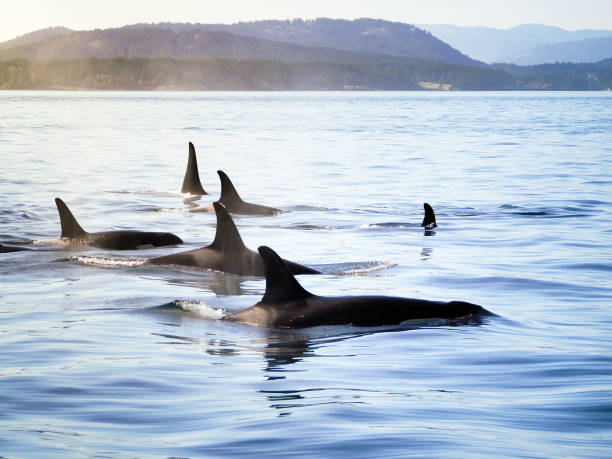
Experience the thrill of paddling alongside majestic orcas in the stunning waters of British Columbia, where adventure meets marine wildlife.
Activity Type: Wildlife kayaking and eco-tourism.
Overview: Kayaking with orcas in British Columbia offers a unique opportunity to connect with these magnificent marine mammals in their natural habitat. The coastal waters surrounding Vancouver Island, particularly in the Johnstone Strait and the waters of the Gulf Islands, are renowned for their vibrant ecosystems and rich marine life, making it one of the best places in the world to witness orcas in the wild. Guided kayaking tours allow adventurers to explore this breathtaking region while keeping a respectful distance from the whales, ensuring a safe and responsible encounter with these intelligent creatures.
Paddling alongside orcas is an exhilarating experience, as these striking black-and-white whales breach, slap their tails, and create an unforgettable spectacle in the waters. Kayaking also offers the chance to observe other wildlife, including seals, sea lions, and a variety of seabirds, all set against the backdrop of rugged coastlines and lush forests. The combination of adventure, breathtaking scenery, and the chance to witness orcas in their natural environment makes this an unforgettable experience for nature lovers and adventure seekers alike.
Where: The best locations for kayaking with orcas in British Columbia include the Johnstone Strait, near Campbell River, and the waters surrounding the Gulf Islands, particularly in the area of Victoria and the San Juan Islands.
Duration of Activity: Kayaking tours typically last from half a day to multi-day adventures, with options for guided trips ranging from four hours to several days of camping and exploration.
Best Time to Visit: The prime time for orca sightings in British Columbia is from May to September, with peak months in June and July when the whales are most active and visible.
Cost: Prices for guided kayaking tours with orcas vary based on duration and inclusions, typically ranging from $100 to $300 USD per person for half-day tours. Multi-day expeditions may cost between $600 and $1,500 USD, depending on accommodation and meals.
Top Tips: Book your kayaking tour in advance, especially during the peak summer season, to secure your spot. Dress in layers to accommodate changing weather conditions, and bring a waterproof bag for your belongings. A drysuit or wetsuit can enhance comfort during your trip. Listen closely to your guide’s instructions, both for safety and to ensure a responsible approach to wildlife encounters. Lastly, be prepared to be amazed as you glide through the waters, listening to the sounds of the ocean and witnessing the awe-inspiring beauty of orcas in their natural environment.
15.) Exploring the Darien Gap, Panama/Colombia
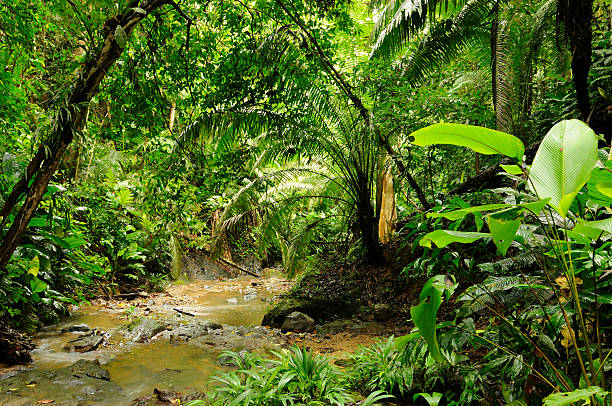
Venture into one of the world’s last great wildernesses, where adventure awaits in the untamed beauty of the Darien Gap.
Activity Type: Jungle trekking, eco-tourism, and cultural exploration.
Overview: The Darien Gap is a mysterious and largely uncharted region that serves as a natural barrier between Panama and Colombia, characterized by dense rainforests, swamps, and rugged mountains. This unique area is known for its rich biodiversity and the indigenous communities that call it home, making it an extraordinary destination for adventurous travelers. Exploring the Darien Gap involves navigating through lush jungles, crossing rivers, and encountering diverse wildlife, including monkeys, sloths, and exotic birds. The remote nature of the region offers an unparalleled opportunity to immerse yourself in one of the planet’s most pristine ecosystems.
While the journey can be physically demanding, it is also rewarding, providing insights into the rich cultures of the Emberá and Wounaan indigenous peoples. Guided tours often include visits to local communities, where travelers can learn about traditional customs, crafts, and the daily lives of the people who inhabit this beautiful yet challenging landscape. The Darien Gap offers a unique blend of adventure, culture, and stunning natural beauty that is not easily found elsewhere.
Where: The Darien Gap stretches across the border between Panama and Colombia, with various entry points depending on the chosen trekking route. Most travelers begin their journey in the Panamanian town of Metetí or the Colombian town of Turbo.
Duration of Activity: Exploring the Darien Gap typically takes between five to ten days, depending on the chosen itinerary, trekking routes, and activities included in the tour.
Best Time to Visit: The best time to explore the Darien Gap is during the dry season, from December to April, when conditions are more favorable for trekking and wildlife observation. The rainy season can make travel more difficult due to muddy trails and swollen rivers.
Cost: Guided tours to the Darien Gap can range from $500 to $2,000 USD per person, depending on the duration, level of comfort, and inclusions such as meals and accommodations.
Top Tips: Choose a reputable guide or tour company that specializes in the Darien region for a safe and enriching experience. Prepare for challenging conditions by bringing proper gear, including sturdy hiking boots, lightweight clothing, and insect repellent. It’s essential to stay hydrated, so carry enough water or a purification system. Embrace the local culture by engaging with indigenous communities respectfully and learning about their traditions. Lastly, be ready for an adventure of a lifetime as you navigate the untamed beauty and rich biodiversity of the Darien Gap.
16.) Diving the Blue Hole, Belize
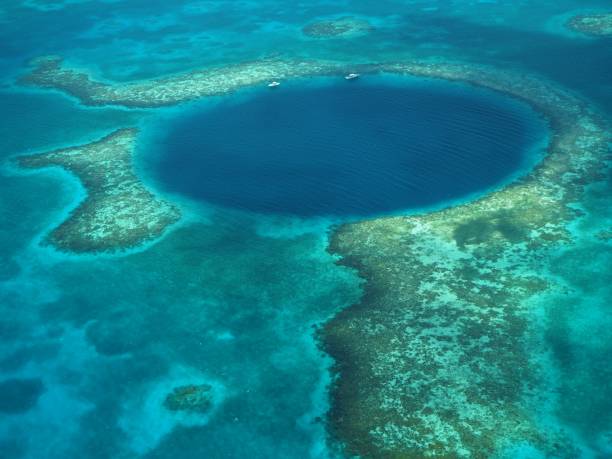
Immerse yourself in the breathtaking underwater world of the Blue Hole, a UNESCO World Heritage Site renowned for its stunning marine biodiversity and dramatic geological formations.
Activity Type: Scuba diving and eco-tourism.
Overview: The Great Blue Hole is one of the most famous diving destinations in the world, located just off the coast of Belize in the Belize Barrier Reef Reserve System. This massive underwater sinkhole is approximately 1,000 feet (300 meters) across and 410 feet (125 meters) deep, offering divers a unique opportunity to explore its stunning vertical walls adorned with stalactites and limestone formations. The crystal-clear waters provide exceptional visibility, allowing divers to appreciate the striking colors and intricate textures of the marine life that inhabit the area.
The dive site is home to a variety of species, including reef sharks, nurse sharks, and a plethora of tropical fish, making it a thrilling experience for both novice and experienced divers. The surrounding reef, part of the larger Belize Barrier Reef, is teeming with life, offering opportunities to encounter turtles, rays, and vibrant coral formations. The Blue Hole is not only a diver’s paradise but also a location of significant geological and ecological importance, drawing divers and nature enthusiasts from around the globe.
Where: The Great Blue Hole is located approximately 60 miles (97 kilometers) from the coast of Belize, within the Belize Barrier Reef, and is accessible by boat from various dive operators in Belize City or the nearby islands of Caye Caulker and Ambergris Caye.
Duration of Activity: Diving trips to the Blue Hole are typically half-day to full-day excursions, with most operators offering two or three dives, including other nearby sites in a single trip.
Best Time to Visit: The best time for diving the Blue Hole is during the dry season from April to June and in October, when conditions are most favorable for diving. However, it is a popular year-round destination.
Cost: Prices for diving trips to the Blue Hole generally range from $150 to $300 USD per person, depending on the operator, inclusions (such as equipment rental and meals), and the number of dives.
Top Tips: Ensure you are certified for deep diving, as the Blue Hole involves depths that require appropriate training. Arrive well-rested and consider doing a dive or two at shallower sites beforehand to acclimate. Bring an underwater camera to capture the incredible underwater scenery and marine life. Always follow your dive guide’s instructions for safety, and be respectful of the fragile ecosystem. Lastly, take a moment to appreciate the unique beauty of the Blue Hole as you descend into its depths, creating memories that will last a lifetime.
17.) Take on the Greatest American Road Trip: Route 66 & the Pacific Coast Highway

Embark on a classic journey across America, exploring iconic landscapes and vibrant towns along the legendary Route 66 and the breathtaking Pacific Coast Highway.
Activity Type: Road trip and scenic travel.
Overview: Taking on the greatest American road trip is a dream for many travelers, offering an unforgettable experience filled with adventure, stunning scenery, and a rich tapestry of culture and history. Route 66, often referred to as the “Main Street of America,” stretches over 2,400 miles from Chicago, Illinois, to Santa Monica, California. This historic highway is dotted with charming diners, quirky roadside attractions, and nostalgic motels that evoke the spirit of the American road trip. As you traverse this iconic route, you’ll encounter the vibrant culture of small towns, the vastness of the Midwest, and the unique landscapes of the Southwest, making each mile a new discovery.
Transitioning from Route 66 to the Pacific Coast Highway (California State Route 1) offers a spectacular change of scenery, as you journey along the stunning coastline of California. This scenic drive features dramatic cliffs, sweeping ocean views, and picturesque beaches. Highlights along the Pacific Coast Highway include the charming town of Carmel-by-the-Sea, the breathtaking vistas of Big Sur, and the vibrant city of San Francisco. Along the way, travelers can stop for outdoor adventures, indulge in local cuisine, and explore the rich history and culture of California’s coastal communities.
Where: The road trip begins in Chicago, Illinois, on Route 66, and concludes in Santa Monica, California. The Pacific Coast Highway can be accessed along the California coast, starting from San Luis Obispo and running north to San Francisco and beyond.
Duration of Activity: A comprehensive road trip covering both Route 66 and the Pacific Coast Highway typically takes about 2 to 4 weeks, depending on how many stops you make and how long you spend in each location.
Best Time to Visit: The best time for this road trip is during the spring (April to June) and fall (September to October) when the weather is mild, and crowds are fewer. Summer can be busy, especially along the Pacific Coast Highway.
Cost: The cost of the road trip will vary significantly based on factors such as accommodation choices, dining, fuel, and activities. A budget of $1,500 to $3,000 USD per person is a reasonable estimate for a two-week trip, including a mix of budget and mid-range accommodations.
Top Tips: Plan your route in advance, but also leave room for spontaneity and unexpected detours. Invest in a good map or GPS system, as some areas may have limited cell service. Be sure to try local diners and roadside attractions along Route 66 for an authentic experience. When driving the Pacific Coast Highway, allocate extra time for stops to enjoy the views and take photos. Finally, embrace the journey and the stories that unfold along the way, as this iconic road trip is as much about the experience as it is about the destination.
18.) Exploring the Skeleton Coast, Namibia
Venture into one of Africa’s most desolate yet striking landscapes, where the haunting beauty of the Skeleton Coast awaits your exploration.
Activity Type: Wilderness adventure and eco-tourism.
Overview: The Skeleton Coast in Namibia is an otherworldly destination known for its dramatic coastline, shipwrecks, and arid landscapes that evoke a sense of adventure and mystery. Stretching along the Atlantic Ocean, this remote area is characterized by towering sand dunes, rugged cliffs, and vast stretches of desolate beach. Named for the bones of stranded whales and shipwrecks that litter its shores, the Skeleton Coast is a unique ecosystem home to an array of wildlife, including seals, desert-adapted elephants, and the elusive brown hyena. Exploring this remote coastline offers a glimpse into the raw and untamed beauty of Namibia’s wilderness.
Visitors can engage in a variety of activities, from scenic flights over the coast to guided tours of its most iconic shipwrecks. The Skeleton Coast National Park provides access to pristine wilderness areas, where travelers can hike, explore sand dunes, and enjoy the stark contrast of the Namib Desert meeting the Atlantic Ocean. The experience is both exhilarating and humbling, as the rugged landscapes and vast emptiness invite introspection and appreciation for nature’s power.
Where: The Skeleton Coast is located along the northwest coast of Namibia, extending from the Swakopmund area in the south to the Angolan border in the north. Key access points include Skeleton Coast National Park and the nearby towns of Swakopmund and Henties Bay.
Duration of Activity: Exploring the Skeleton Coast typically takes between 3 to 7 days, depending on the chosen itinerary and activities, with options for guided tours, self-drive adventures, or fly-in safaris.
Best Time to Visit: The best time to explore the Skeleton Coast is during the dry season from May to October, when temperatures are cooler and wildlife is more active. However, each season offers its unique charm, including the lush vegetation during the brief rainy season from January to March.
Cost: Costs for exploring the Skeleton Coast can vary widely, depending on the type of accommodation, transportation, and activities. A budget of $1,500 to $3,000 USD per person for a week-long trip is a reasonable estimate, including a mix of budget and mid-range options.
Top Tips: Book your accommodations and guided tours in advance, as options can be limited in this remote region. Ensure you have a reliable vehicle if self-driving, and consider renting a 4x4 for better access to rougher terrain. Bring plenty of water, sun protection, and a good camera to capture the breathtaking landscapes. Respect the fragile environment and follow guidelines for wildlife interactions. Lastly, take the time to soak in the solitude and beauty of the Skeleton Coast, as it offers a unique adventure that is both awe-inspiring and transformative.
19.) Run the Marathon des Sables
Challenge your endurance and push your limits in one of the toughest footraces on the planet, the Marathon des Sables, set against the breathtaking backdrop of the Sahara Desert.
Activity Type: Endurance running and adventure racing.
Overview: The Marathon des Sables (Marathon of the Sands) is a grueling multi-day ultramarathon that takes place annually in the Moroccan Sahara Desert. Covering approximately 156 miles (251 kilometers) over the course of six days, this legendary race tests the limits of physical and mental endurance. Participants carry their own food and gear, making strategic planning and preparation essential for success in this harsh environment. The race consists of various stages, with distances ranging from 20 to 50 miles (32 to 80 kilometers) per day, all while navigating sand dunes, rocky terrains, and extreme temperatures.
Beyond the physical challenge, the Marathon des Sables offers participants an unparalleled experience in one of the world’s most beautiful and remote locations. Runners are greeted with stunning desert landscapes, the camaraderie of fellow athletes, and the spirit of adventure that defines this iconic race. From the adrenaline of the starting line to the moment of crossing the finish, the Marathon des Sables is an unforgettable journey that inspires personal growth and achievement.
Where: The Marathon des Sables takes place in the Sahara Desert, primarily in southern Morocco, with the race usually starting in the town of Ouarzazate and winding through remote desert landscapes.
Duration of Activity: The race spans six days, with each stage varying in distance, culminating in the final marathon stage.
Best Time to Visit: The Marathon des Sables typically occurs in April, when temperatures are cooler compared to the extreme summer heat of the Sahara, making it more manageable for runners.
Cost: Entry fees for the Marathon des Sables generally range from €1,000 to €2,000 (approximately $1,200 to $2,400 USD), which includes race registration, accommodations in tents during the event, and logistical support. Additional expenses for travel, gear, and training can add to the overall cost.
Top Tips: Prepare thoroughly with a training regimen that includes long runs in challenging conditions. Familiarize yourself with desert running techniques, including hydration strategies and foot care to prevent blisters. Invest in high-quality gear designed for ultramarathons, such as lightweight shoes and moisture-wicking clothing. Familiarize yourself with the race rules and logistics, as each participant must be self-sufficient. Finally, embrace the experience, as the Marathon des Sables is not just a race, but a journey that will test your limits and create lasting memories.
20.) Camp under the Northern Lights

Experience the magic of the Arctic as you camp under the ethereal glow of the Northern Lights, a breathtaking natural phenomenon that captivates the soul.
Activity Type: Camping and nature observation.
Overview: Camping under the Northern Lights is a truly enchanting adventure that offers a unique opportunity to witness one of nature’s most spectacular displays. Known as the Aurora Borealis, the Northern Lights paint the night sky with vibrant colors, from greens to purples and reds, creating a stunning visual experience. Popular destinations for this magical experience include the remote wilderness of Lapland in Finland, the Canadian Arctic, and the rugged landscapes of Iceland and Norway. Each location offers its own unique setting, whether it’s the tranquility of a frozen lake, the silhouette of snow-covered mountains, or the vast expanse of a starry sky.
Camping experiences can vary from traditional tents to cozy cabins or even luxurious igloos, allowing travelers to immerse themselves in the serene beauty of the Arctic environment. Many tour operators provide guided trips that include snowshoeing, dog sledding, and photography workshops, enhancing the overall experience. As you sit by the warmth of a campfire, sipping hot cocoa and sharing stories with fellow adventurers, the anticipation of the Northern Lights dancing across the sky creates an unforgettable atmosphere that lingers long after the last flicker fades.
Where: Popular locations for camping under the Northern Lights include Lapland in Finland, Tromsø in Norway, the Yukon Territory in Canada, and various spots in Iceland, such as Thingvellir National Park and near Reykjavik.
Duration of Activity: Camping trips typically last between 3 to 7 days, depending on the itinerary and desired experiences, such as guided tours and excursions.
Best Time to Visit: The best time to view the Northern Lights is during the winter months, from late September to early April, when nights are longest and skies are darkest. The peak viewing months are usually from November to March.
Cost: Prices for camping under the Northern Lights can vary widely based on the type of accommodation and guided services. A budget of $1,000 to $2,500 USD per person is reasonable for a 3- to 7‑day trip, including accommodation, meals, and guided activities.
Top Tips: Dress in layers and prepare for cold temperatures, as nights can be frigid. Opt for thermal clothing and waterproof gear to ensure comfort. Choose a location with minimal light pollution for the best viewing conditions and consider using an app to track aurora forecasts. Bring a good camera with a tripod to capture the stunning visuals of the Northern Lights. Lastly, be patient and stay alert; the Aurora Borealis can be unpredictable, but the wait is often worth it when the sky comes alive with color.
21.) Walking or skiing the Skiing the Haute Route, France/Switzerland

Embark on an unforgettable journey through the majestic Alps, traversing the legendary Haute Route, a classic trek that promises stunning landscapes and a true sense of adventure.
Activity Type: Hiking or skiing adventure.
Overview: The Haute Route, or High Route, is one of the most famous and breathtaking trekking and skiing routes in the world, connecting Chamonix in France to Zermatt in Switzerland. Spanning approximately 180 kilometers (111 miles) and crossing multiple mountain passes, this iconic route takes adventurers through some of the most stunning alpine scenery imaginable. Hikers and skiers will be treated to panoramic views of snow-capped peaks, glistening glaciers, and charming mountain villages, making every step a feast for the eyes.
The Haute Route can be completed as a multi-day trek in the summer months, ideal for walkers, or as a ski tour during the winter, offering a different perspective of the stunning terrain. Along the way, trekkers and skiers will experience the rich culture of the region, enjoying delicious alpine cuisine and the warmth of traditional mountain huts. This journey is not only a physical challenge but also a chance to immerse oneself in the beauty and tranquility of the Alps.
Where: The Haute Route begins in Chamonix, France, and ends in Zermatt, Switzerland, traversing the border of the two countries and passing through the Mont Blanc region and the Pennine Alps.
Duration of Activity: The trek typically takes about 10 to 12 days, depending on the chosen itinerary and pace, while skiing the route can take approximately 7 to 9 days.
Best Time to Visit: The best time for hiking the Haute Route is from late June to mid-September when the trails are clear of snow. For skiing, the optimal time is from mid-January to early April, when snow conditions are at their best.
Cost: The cost of completing the Haute Route can vary greatly based on the choice of accommodations, guided services, and meals. A budget of $1,500 to $3,500 USD per person is typical for a fully supported trek or ski tour, including lodging, meals, and guide fees.
Top Tips: If you choose to go independently, ensure you have good navigation skills, as some sections can be challenging to find. Consider hiring a local guide, especially for skiing, to navigate the more technical terrain and to enhance your experience with local knowledge. Pack appropriately for changing weather conditions, and invest in quality hiking or skiing gear. Staying hydrated and well-nourished during the trek is crucial, so carry energy-rich snacks and ample water. Finally, take the time to pause and soak in the breathtaking views; the Haute Route offers some of the most spectacular scenery in the Alps, making every moment worthwhile.
22) Dive the Great Barrier Reef in Queensland, Australia

Discover the underwater paradise of the Great Barrier Reef, where vibrant coral reefs and diverse marine life create an unforgettable diving experience.
Activity Type: Scuba diving and snorkeling adventure.
Overview: The Great Barrier Reef is one of the world’s most iconic natural wonders and the largest coral reef system, stretching over 2,300 kilometers (1,430 miles) along the coast of Queensland, Australia. A UNESCO World Heritage site, the reef is home to an astonishing diversity of marine life, including over 1,500 species of fish, 400 species of coral, and numerous sea turtles and dolphins. Divers and snorkelers can explore colorful coral gardens, vibrant fish communities, and stunning underwater topographies, making each dive a new adventure filled with breathtaking sights.
Diving in the Great Barrier Reef can be tailored to suit all experience levels, from beginners to seasoned divers. Numerous dive operators offer day trips and liveaboard experiences, allowing for deeper exploration of remote sites. Popular diving spots include the Cod Hole, known for its friendly potato cod, and the famous Osprey Reef, which boasts stunning walls and abundant pelagic species. With crystal-clear waters and a vibrant underwater ecosystem, the Great Barrier Reef is a must-visit destination for anyone looking to experience the beauty of the ocean.
Where: The Great Barrier Reef is located off the coast of Queensland, Australia, with major access points from towns like Cairns, Port Douglas, and the Whitsunday Islands.
Duration of Activity: A typical diving trip can range from half-day excursions to multi-day liveaboard trips, with durations varying from a few hours to a week, depending on the desired experience.
Best Time To Visit: The best time to dive the Great Barrier Reef is from June to October during the dry season, when the weather is more stable, and visibility is at its peak. However, diving is possible year-round.
Cost: Costs for diving the Great Barrier Reef can vary widely based on the type of trip chosen. Day trips typically range from $100 to $250 USD per person, while liveaboard experiences can cost between $500 to $1,500 USD for several days, depending on the level of comfort and inclusions.
Top Tip:: Ensure you book your diving trips in advance, especially during peak season, to secure your spot with reputable operators. Don’t forget to check the current health of the coral and marine life in the area, as environmental factors can impact diving conditions. Bring your own dive gear if possible, as many operators charge extra for rentals. Additionally, consider taking a course to enhance your diving skills or to become certified if you are a beginner. Finally, take the time to learn about the reef’s ecosystem and the importance of its conservation to ensure that this natural wonder can be enjoyed for generations to come.
23.) Wildlife Safari in the Okavango Delta, Botswana
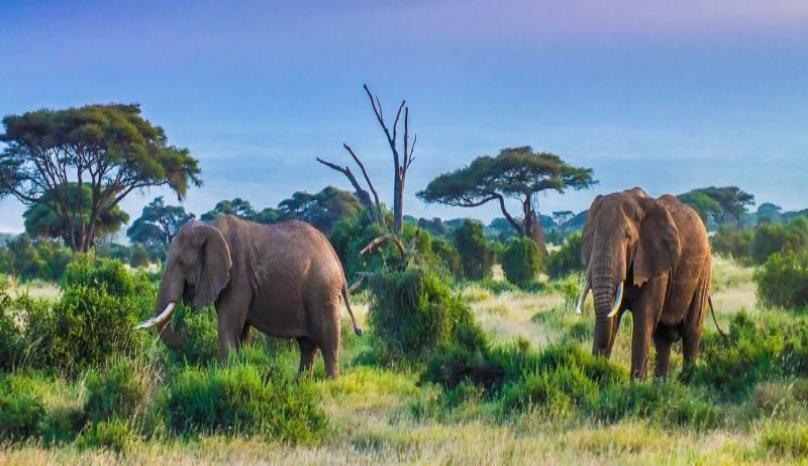
Embark on an unforgettable wildlife safari in the stunning Okavango Delta, where diverse ecosystems teem with life and offer a true African adventure.
Activity Type: Wildlife safari and eco-tourism.
Overview: The Okavango Delta is a UNESCO World Heritage site and one of the most unique inland deltas in the world, located in northern Botswana. This vast network of lagoons, islands, and floodplains creates a rich habitat for an incredible array of wildlife. As the waters of the Okavango River flood the area seasonally, the delta transforms into a lush paradise that attracts elephants, lions, hippos, crocodiles, and numerous bird species. A wildlife safari in the Okavango is not just about observing animals; it’s an immersive experience that connects you to nature and the vibrant cultures of the region.
Visitors can explore the delta in various ways, including traditional mokoro (dugout canoe) excursions, guided walking safaris, and game drives. Each method offers a unique perspective on the landscape and its inhabitants. The interaction between land and water creates a dynamic ecosystem, making every safari adventure a chance to witness the natural rhythms of life in the African wilderness. Whether you’re watching elephants bathing in the waterways or listening to the calls of the wild at sunset, a safari in the Okavango Delta is a breathtaking experience that captivates the heart and soul.
Where: The Okavango Delta is located in northern Botswana, with access points typically from Maun, the nearest major town, or via charter flights to various camps and lodges within the delta.
Duration of Activity: A typical wildlife safari in the Okavango Delta lasts from 3 to 7 days, depending on your chosen itinerary and accommodation style.
Best Time to Visit: The best time for wildlife safaris in the Okavango Delta is during the dry season, from May to October. This period coincides with the flooding of the delta, attracting wildlife to the water sources and enhancing visibility for game viewing.
Cost: The cost of a wildlife safari in the Okavango Delta can vary significantly depending on accommodation choices and activities. Budget travelers might find options starting at $150 per day, while luxury safaris can cost upwards of $1,000 per day per person, including all meals and activities.
Top Tips: Book your safari well in advance, especially for peak season, as accommodations can fill quickly. Consider staying in a variety of camps to experience different aspects of the delta. A guided walking safari can provide a deeper understanding of the ecosystem, while a mokoro trip allows for a unique, tranquil perspective of the wildlife. Pack binoculars for birdwatching, and bring a good camera with a zoom lens to capture the incredible wildlife moments. Lastly, respect the local cultures and wildlife, ensuring that your visit contributes to the conservation of this stunning natural environment.
24) Ice Diving in White Sea, Russia

Dive into a surreal underwater world with ice diving in the White Sea, where pristine waters and unique marine life create an unforgettable experience.
Activity Type: Ice diving adventure.
Overview: The White Sea, located in northwestern Russia, is renowned for its stunning underwater landscapes and diverse marine ecosystems. Ice diving here is a unique experience, allowing divers to explore beneath the frozen surface of the sea during the winter months. The clear, cold waters provide exceptional visibility, revealing a mesmerizing world of colorful marine life, intricate underwater formations, and stunning ice sculptures. This region is home to a variety of species, including seals, flounder, and unique sea creatures, making every dive a thrilling exploration of the underwater environment.
Ice diving in the White Sea typically involves a guided experience, as the conditions can be challenging and require specialized training. Divers enter the water through holes cut in the ice, descending into a serene underwater realm filled with fascinating sights. The experience is not just about the dive itself; it also includes the exhilaration of being surrounded by ice and the thrill of exploring one of the most remote and beautiful parts of the world. After diving, participants can warm up in cozy lodges and enjoy the local culture and cuisine, adding to the overall adventure.
Where: The White Sea is located in northwestern Russia, with popular diving locations around the cities of Murmansk and Arkhangelsk.
Duration of Activity: Ice diving trips can vary in length, typically ranging from a weekend excursion to a full week of diving, depending on the tour package and diver experience level.
Best Time to Visit: The best time for ice diving in the White Sea is from late January to early March, when the ice cover is thickest, and the underwater visibility is optimal.
Cost: The cost for ice diving in the White Sea can vary significantly based on the package chosen. Expect to pay between $400 to $1,200 USD for a multi-day trip that includes guided dives, accommodations, and meals.
Top Tips: Ensure you have proper ice diving certification, as the conditions can be demanding and require specific skills. Dress in layers and invest in high-quality drysuits and thermal undergarments to keep warm in the frigid waters. Prioritize safety by diving with experienced guides who know the area well and can provide necessary support. Bring a camera designed for cold conditions to capture the breathtaking underwater scenery. Finally, embrace the entire experience, from the adventure of entering the icy waters to the serene beauty of the underwater landscape, making memories that will last a lifetime.
25.) Witness a Total Solar Eclipse

Experience the awe-inspiring phenomenon of a total solar eclipse, where day turns to night in a breathtaking celestial display.
Activity Type: Astronomical observation.
Overview: Witnessing a total solar eclipse is one of nature’s most extraordinary events, offering a rare opportunity to see the moon completely obscure the sun, casting a shadow on Earth and transforming the sky into a dramatic spectacle. During totality, the sun’s corona becomes visible, creating an ethereal glow that can leave onlookers speechless. Eclipses are not only visually stunning but also carry cultural significance across various civilizations, making the experience even more profound. People travel from all over the world to be in the path of totality, where the eclipse can be fully experienced for several minutes.
The path of totality changes with each eclipse, making planning essential for those who wish to see it. Locations may vary, and certain areas can experience a total eclipse only once every few decades. Events surrounding a total solar eclipse often include educational talks, festivals, and community gatherings, enhancing the overall experience. Whether you’re an astronomy enthusiast or simply seeking an unforgettable adventure, witnessing a total solar eclipse is an unparalleled experience that will resonate for years to come.
Where: The path of totality varies with each eclipse, and popular locations often include regions in the United States, South America, and parts of Europe and Asia, depending on the date of the event.
Duration of Activity: The total eclipse itself lasts only a few minutes, but the entire event, including the partial phases leading up to and following totality, can take several hours.
Best Time to Visit: Total solar eclipses occur approximately every 18 months somewhere on Earth, but specific locations may only see a total eclipse every 375 years. Check eclipse maps for upcoming dates and paths of totality, with the next total solar eclipse taking place on April 8, 2024, across parts of North America.
Cost: Costs can vary widely based on travel arrangements, accommodation, and any special events or tours. A budget of $500 to $2,000 USD is reasonable for a well-planned trip that includes lodging, meals, and transportation.
Top Tips: Always prioritize safety when viewing a solar eclipse—never look directly at the sun without proper eclipse glasses or solar filters. Plan your trip well in advance to secure accommodations in the path of totality, as they tend to book up quickly. Arrive at your viewing location early to avoid traffic and to enjoy the atmosphere leading up to the event. Consider joining organized events or groups to enhance your experience with educational resources and a sense of community. Finally, remember to capture the moment with a camera designed for astrophotography, but take the time to put it down and simply enjoy the magical experience of witnessing one of nature’s greatest spectacles.
26.) Bungee jump off the Kawarau Bridge in Queenstown, New Zealand.
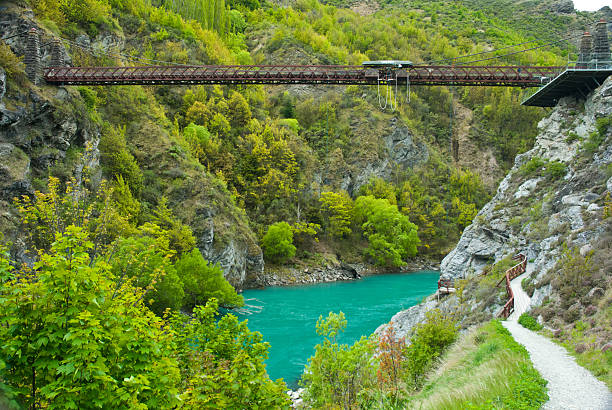
Experience the ultimate adrenaline rush as you bungee jump off the iconic Kawarau Bridge, the birthplace of commercial bungee jumping.
Activity Type: Adventure sport.
Overview: The Kawarau Bridge, located just outside Queenstown, is renowned as the world’s first commercial bungee jumping site, established in 1988. This breathtaking jump offers thrill-seekers a chance to leap 43 meters (141 feet) into the stunning Kawarau River gorge below, surrounded by spectacular scenery and the rugged landscape of the Southern Alps. As you take the plunge, you’ll experience a rush like no other, with the exhilaration of free-falling before the bungee cord pulls you back up. It’s not just a jump; it’s a leap into adventure and an unforgettable way to experience the natural beauty of New Zealand.
The Kawarau Bridge bungee jump is suitable for both first-timers and seasoned jumpers, with trained professionals ensuring safety and providing guidance throughout the experience. Participants are given the option to jump solo or with a buddy, and many choose to capture the moment with video or photo packages available for purchase. The surrounding area offers additional activities, such as scenic hikes and wine tours, making Queenstown a perfect destination for both adventure and relaxation.
Where: Kawarau Bridge is located approximately 25 minutes from Queenstown, New Zealand, in the Otago region.
Duration of Activity: The bungee jump experience, including preparation, jump, and post-jump activities, typically lasts around 1 to 2 hours.
Best Time to Visit: Bungee jumping at Kawarau Bridge is available year-round, though the best time to visit Queenstown for outdoor activities is during the spring (September to November) and autumn (March to May) when the weather is mild and the scenery is particularly beautiful.
Cost: The cost for a bungee jump off the Kawarau Bridge generally ranges from $200 to $300 NZD (approximately $130 to $200 USD), which may include options for video and photo packages at an additional cost.
Top Tips: Book your jump in advance, especially during peak tourist seasons, to secure your spot. Arrive early to allow time for check-in and safety briefings. Wear comfortable clothing and closed-toe shoes, and leave any loose items behind to ensure safety during your jump. If you’re feeling nervous, remember that it’s completely normal—trust the professionals and focus on the breathtaking views. Finally, embrace the experience fully; the moment you step off the platform is both exhilarating and liberating, providing memories that will last a lifetime.
27.) Hang out in the Devil’s pool

Take a daring dip in the Devil’s Pool, a natural infinity pool perched on the edge of Victoria Falls, offering breathtaking views and a thrilling experience.
Activity Type: Adventure swimming and sightseeing.
Overview: The Devil’s Pool is a world-renowned natural wonder located on the edge of Victoria Falls, straddling the border between Zambia and Zimbabwe. This unique swimming hole offers an exhilarating experience for adventurous travelers who want to take a dip in one of the most spectacular settings on Earth. During the dry season, when water levels are lower, visitors can safely swim to the edge of the falls and peer over the precipice, experiencing the thrill of being right at the edge of the mighty Victoria Falls without falling over. The pool is surrounded by breathtaking views of the cascading water and lush landscapes, creating an unforgettable backdrop for this exhilarating activity.
To access the Devil’s Pool, visitors typically take guided tours that include a short hike and a swim across the Zambezi River. Safety is a top priority, and experienced guides are on hand to ensure that participants navigate the area safely. The experience is not only about the thrill of swimming at the edge of the falls; it’s also about enjoying the natural beauty of one of the largest waterfalls in the world, with opportunities for stunning photography and unforgettable memories.
Where: The Devil’s Pool is located on the Zambian side of Victoria Falls, near Livingstone, Zambia, and is easily accessible from the Zimbabwean side as well.
Duration of Activity: The visit to the Devil’s Pool typically lasts around 1 to 2 hours, depending on the tour and conditions.
Best Time to Visit: The best time to swim in the Devil’s Pool is during the dry season, from late August to early January, when water levels are low, making it safe to enjoy the pool.
Cost: The cost for a guided tour to the Devil’s Pool can range from $100 to $150 USD per person, depending on the tour operator and inclusions, such as transport and refreshments.
Top Tips: Always book your tour in advance, especially during the high season, to secure your spot. Wear a swimsuit and water shoes, as the rocks can be slippery. Be prepared for a short hike and a swim across the river to reach the pool. Listen to your guide’s instructions carefully to ensure safety. Bring a waterproof camera or a GoPro to capture the incredible views without risking your gear. Lastly, take a moment to soak in the experience; the thrill of being at the edge of one of the world’s natural wonders is something you will remember for a lifetime.
28.) Scuba dive in the Silfra crack in Thingvellir lake Iceland
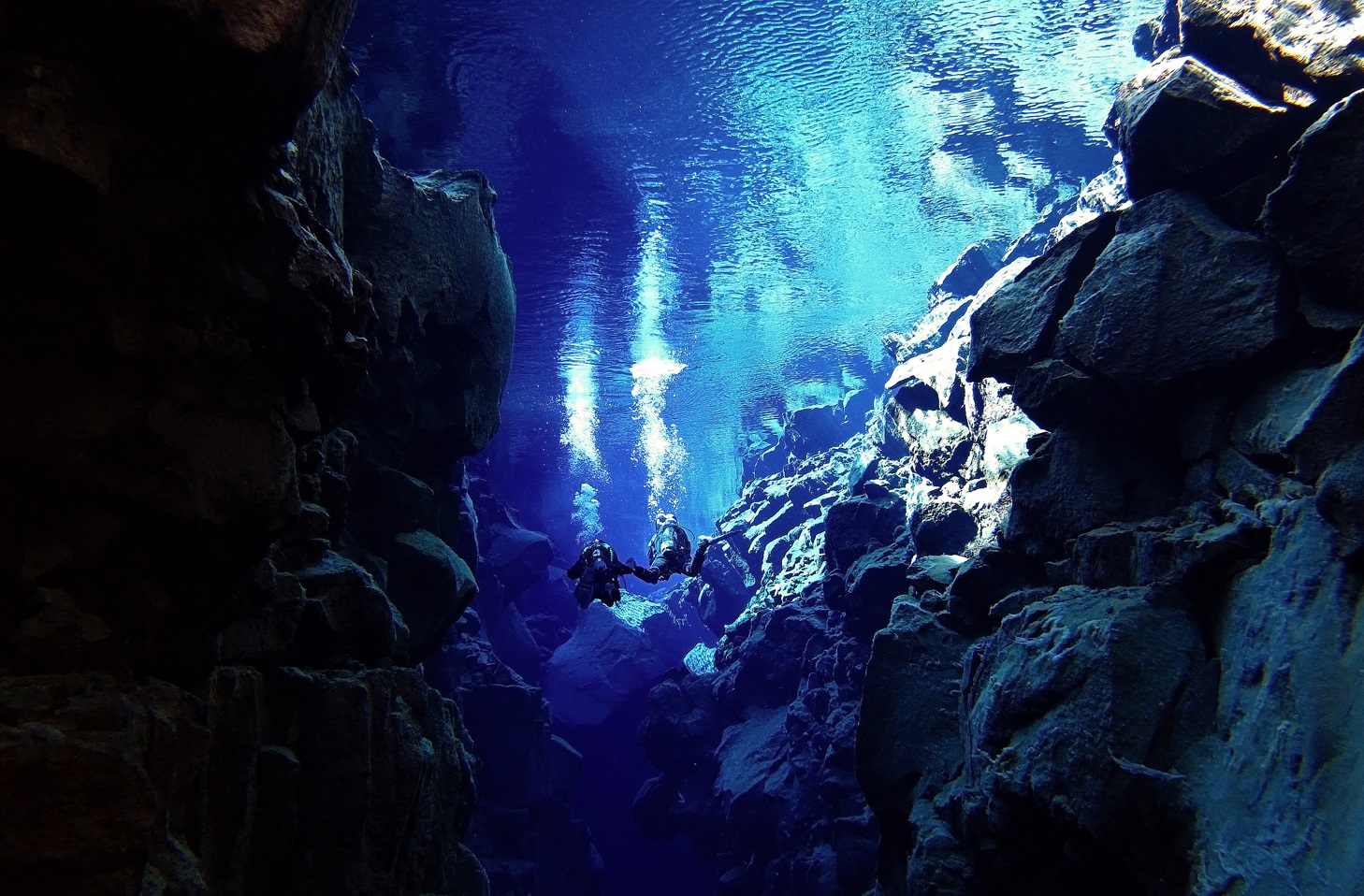
Immerse yourself in the crystal-clear waters of the Silfra Crack, where you can dive between two tectonic plates and explore one of the world’s most unique underwater environments.
Activity Type: Scuba diving and geological exploration.
Overview: The Silfra Crack is a stunning underwater fissure located within Þingvellir National Park in Iceland, recognized for its unparalleled clarity and remarkable geological features. This unique dive site is situated between the North American and Eurasian tectonic plates, making it one of the few places on Earth where divers can literally swim between two continental plates. The water in Silfra comes from melted glaciers and is filtered through volcanic rock, resulting in visibility that often exceeds 100 meters (328 feet). This crystal-clear environment allows divers to appreciate the vibrant colors of the underwater flora and the fascinating rock formations that create an ethereal landscape.
Diving in Silfra is not only about the experience of the dive itself; it’s also an opportunity to explore the geological history of the region. The dive typically includes various sections, such as the Silfra Hall, Silfra Cathedral, and the Lagoon, each offering different perspectives of this geological wonder. The unique combination of geology and marine life, along with the serene atmosphere, makes diving in Silfra an unforgettable experience for divers of all levels.
Where: Silfra is located within Þingvellir National Park, about 45 minutes from Reykjavik, Iceland’s capital.
Duration of Activity: A typical dive experience at Silfra lasts around 3 to 4 hours, including equipment setup, safety briefings, and the dive itself.
Best Time to Visit: Diving in Silfra is possible year-round, but the best time is from June to September when water temperatures are slightly warmer, ranging from 4°C to 10°C (39°F to 50°F). Winter diving offers a unique beauty with the chance to see ice formations.
Cost: The cost for a guided dive in Silfra typically ranges from $150 to $300 USD per person, depending on the tour operator, which often includes rental gear, guides, and transportation from Reykjavik.
Top Tips: Ensure you have a valid dry suit certification, as diving in Silfra requires dry suits due to the cold water temperatures. Dress warmly for the surface conditions, as it can be chilly, even in summer. Arrive prepared to experience rapid changes in weather and water conditions. Consider booking your dive in advance, especially during peak tourist seasons, as spots can fill up quickly. Bring a camera with an underwater housing to capture the stunning underwater scenery, and don’t forget to enjoy the mesmerizing experience of diving between two tectonic plates—it’s an adventure like no other!
29.) Exploring the lava lakes of Mount Nyiragongo, DRC
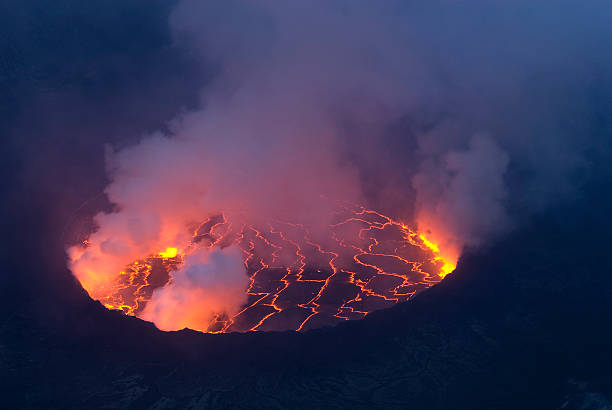
Embark on a thrilling expedition to the lava lakes of Mount Nyiragongo, where you can witness one of the most active volcanoes in the world and gaze into its fiery depths.
Activity Type: Volcanic trekking and adventure tourism.
Overview: Mount Nyiragongo, located in the Democratic Republic of the Congo, is famed for its stunning lava lakes, making it a bucket-list destination for adventurous travelers and volcanology enthusiasts alike. Standing at 3,470 meters (11,382 feet), Nyiragongo is one of the most active volcanoes on the planet, with its lava lake—often described as one of the largest and most accessible in the world—regularly bubbling and erupting. Trekking to the summit offers an exhilarating challenge, with lush landscapes and diverse wildlife providing a stunning backdrop as you ascend. The reward for your efforts is a breathtaking view of the glowing lava lake, where molten rock spills and bubbles, creating an awe-inspiring spectacle.
The trek to the summit typically takes about 4 to 6 hours, depending on your fitness level and the trail conditions. Guided tours are essential for safety and navigation, as the area is remote and can be unpredictable. The experience not only includes the thrill of reaching the summit but also the chance to learn about the geology and ecology of the region. Exploring the surrounding Virunga National Park, a UNESCO World Heritage Site, offers additional opportunities for wildlife viewing and immersion in the breathtaking African landscape.
Where: Mount Nyiragongo is located in the Virunga National Park in the eastern Democratic Republic of the Congo, near the town of Goma.
Duration of Activity: The complete trek to the summit and back typically takes about 2 days, with one night spent at a summit shelter to witness the lava lake during the night.
Best Time to Visit: The ideal time to explore Mount Nyiragongo is during the dry season, from December to February and June to September, when trails are more accessible and weather conditions are more stable.
Cost: The cost of a guided trek to Mount Nyiragongo typically ranges from $300 to $500 USD, including permits, guides, accommodations, and meals.
Top Tips: Ensure you are in good physical condition, as the trek can be strenuous. Wear sturdy hiking boots and dress in layers to accommodate changing temperatures. Booking your trek in advance is crucial, especially during peak tourist seasons, as permits are limited. Carry sufficient water and snacks to maintain energy during the hike. Lastly, don’t forget to bring a camera with a zoom lens to capture the mesmerizing views of the lava lake, but remember to keep a safe distance from the crater edge for safety. Embrace the adventure, and take time to appreciate the unique beauty and power of nature that Mount Nyiragongo embodies.
30.) Explore the mysteries of Easter island during the Tapati Rapa Nui Festival
Immerse yourself in the vibrant culture of Easter Island at the Tapati Rapa Nui Festival, where ancient traditions and modern festivities come together in a spectacular celebration.
Activity Type: Cultural festival and exploration.
Overview: Easter Island, or Rapa Nui, is famous for its enigmatic moai statues and rich Polynesian heritage. Each February, the island comes alive during the Tapati Rapa Nui Festival, a week-long celebration that showcases the island’s unique culture and traditions. Visitors have the rare opportunity to engage with the local community and participate in various activities that highlight Rapa Nui’s artistic expressions, music, dance, and culinary delights. The festival features traditional games, craft markets, and competitions that reflect the island’s history and heritage, including the iconic “Oro de Pahu” and “Haka Pei” events, which involve exciting races and challenges.
The festival is not only a time for celebration but also an opportunity for visitors to deepen their understanding of Rapa Nui’s history and its people’s resilience. The atmosphere is festive, with vibrant decorations, traditional music, and lively dance performances filling the streets. Exploring Easter Island during the Tapati Rapa Nui Festival allows travelers to connect with the island’s past while experiencing the warmth and hospitality of its residents. The combination of cultural immersion and the breathtaking landscape of the island, with its iconic moai and stunning coastlines, makes for an unforgettable experience.
Where: Easter Island (Rapa Nui) is located in the southeastern Pacific Ocean, approximately 2,200 miles (3,500 km) off the coast of Chile.
Duration of Activity: The Tapati Rapa Nui Festival lasts for about a week, typically in early February, offering a full schedule of events and activities.
Best Time to Visit: The best time to visit Easter Island is during the Tapati Rapa Nui Festival in February, but the island can be visited year-round for its stunning landscapes and archaeological sites.
Cost: Traveling to Easter Island can be relatively expensive due to its remote location, with flights from mainland Chile typically ranging from $500 to $1,000 USD round trip. Accommodations can vary, with budget options starting at $50 USD per night, while festival activities may incur additional costs, such as entrance fees and local tours.
Top Tips: Book your flights and accommodations well in advance, as the festival attracts many visitors and spaces fill up quickly. Engage with locals and participate in as many activities as possible to fully appreciate the cultural richness of the festival. Bring sun protection and stay hydrated, as the island’s climate can be hot and sunny. Consider renting a bicycle or a car to explore the island’s archaeological sites, including the famous moai, during your visit. Lastly, be open to learning and experiencing the vibrant traditions of Rapa Nui—each moment will deepen your appreciation for this remote and mysterious island.
31.) Horseback riding through the Gobi Desert, Mongolia
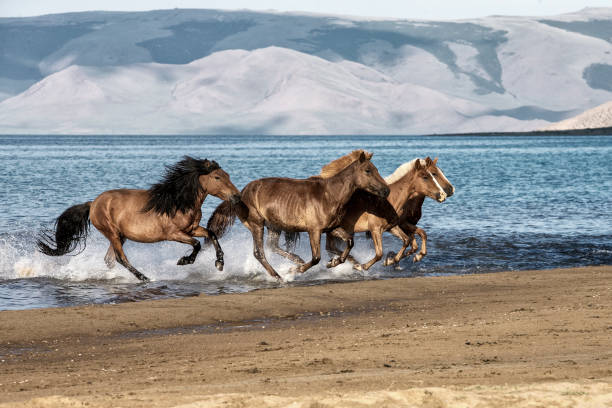
Experience the vastness and beauty of the Gobi Desert on horseback, traversing stunning landscapes and immersing yourself in the nomadic culture of Mongolia.
Activity Type: Adventure riding and cultural exploration.
Overview: The Gobi Desert, one of the largest deserts in the world, is a land of striking contrasts, characterized by its rolling sand dunes, rugged mountains, and expansive grasslands. Horseback riding in the Gobi offers a unique opportunity to explore this remote wilderness while following in the footsteps of Mongolia’s legendary horse riders. Riding through the desert, you’ll encounter breathtaking landscapes, from the stunning Khongoryn Els sand dunes to the dramatic Flaming Cliffs, where the remains of prehistoric creatures have been found. This adventure allows riders to experience the tranquility of the desert, connect with nature, and witness the incredible diversity of flora and fauna that thrive in this harsh environment.
The journey typically includes guided tours led by experienced horsemen who share their knowledge of Mongolian culture, traditions, and the unique ecosystems of the Gobi. Riders may stay in traditional ger (yurt) camps, enjoying local cuisine and warm hospitality from nomadic families. The experience not only showcases the natural beauty of the Gobi but also highlights the resilience and adaptability of the people who call this desert home.
Where: The Gobi Desert spans northern China and southern Mongolia, with popular starting points for horseback riding tours located in Mongolia, such as Ulaanbaatar and Dalanzadgad.
Duration of Activity: Horseback riding trips in the Gobi Desert typically range from a few days to several weeks, depending on the tour itinerary and the rider’s experience level.
Best Time to Visit: The best time for horseback riding in the Gobi Desert is during the warmer months, from late spring (May) to early autumn (September), when temperatures are milder and conditions are more favorable for riding.
Cost: The cost of a guided horseback riding tour in the Gobi Desert can vary significantly, typically ranging from $600 to $1,500 USD per person for multi-day trips, which often include accommodation, meals, and guides.
Top Tips: Prepare for a variety of weather conditions, as temperatures can fluctuate dramatically between day and night. Wear layers and choose comfortable riding gear. Familiarize yourself with horseback riding techniques, especially if you are not an experienced rider, as the terrain can be challenging. Bring essentials such as sunscreen, a hat, and insect repellent, and don’t forget to capture the breathtaking scenery with your camera. Embrace the nomadic lifestyle during your stay, and take the time to connect with your guides and the local culture for a truly enriching experience in the heart of the Gobi Desert.
32.) Finding freedom on the Trans Siberian express journey

Embark on an epic adventure across Russia on the Trans-Siberian Express, where you can experience the vastness of the Russian landscape and immerse yourself in the rich cultures along the route.
Activity Type: Train travel and cultural exploration.
Overview: The Trans-Siberian Express is one of the most iconic train journeys in the world, stretching over 9,000 kilometers (5,600 miles) from Moscow to Vladivostok. This legendary railway connects diverse landscapes, from the bustling streets of Moscow to the remote beauty of Siberia, offering travelers a unique opportunity to witness the incredible diversity of Russia’s natural beauty and cultural heritage. Along the way, passengers can experience the enchanting scenery of the Ural Mountains, pristine lakes, and endless taiga forests, all while enjoying the comfort and camaraderie of train travel. The journey is not just about the destination; it’s about the freedom of the open road (or rail) and the stories shared with fellow travelers.
The Trans-Siberian journey can be customized based on the traveler’s preferences, with options for shorter segments or the full journey. Highlights include stops in historical cities like Yekaterinburg, Irkutsk (near Lake Baikal), and Ulan-Ude, where travelers can explore local traditions, taste regional cuisine, and experience the warmth of Russian hospitality. The train itself offers various classes of service, from basic seating to luxurious cabins, allowing travelers to choose the experience that best suits their needs.
Where: The Trans-Siberian Express route begins in Moscow and ends in Vladivostok, traversing through several key cities and regions across Russia.
Duration of Activity: The entire journey from Moscow to Vladivostok typically takes about 7 days, but travelers can choose to break up the trip with stops along the way.
Best Time to Visit: The best time to embark on the Trans-Siberian Express journey is during the late spring to early autumn months (May to September) when temperatures are milder and the landscapes are vibrant.
Cost: Ticket prices for the Trans-Siberian Express vary widely depending on the class of service, route, and duration of travel, generally ranging from $200 to $1,500 USD for the full journey, including meals and accommodations.
Top Tips: Book your tickets well in advance, especially during peak travel seasons, as seats can fill up quickly. Bring along snacks, drinks, and entertainment to enjoy during the long stretches of travel. Familiarize yourself with the train schedule and stops to make the most of your journey. Engage with fellow travelers and locals to share stories and experiences, and don’t hesitate to explore the towns and cities along the way for a more immersive experience. Lastly, keep your camera handy to capture the breathtaking scenery and unforgettable moments on this incredible journey through the heart of Russia.
33.) Journey across the Silk Road
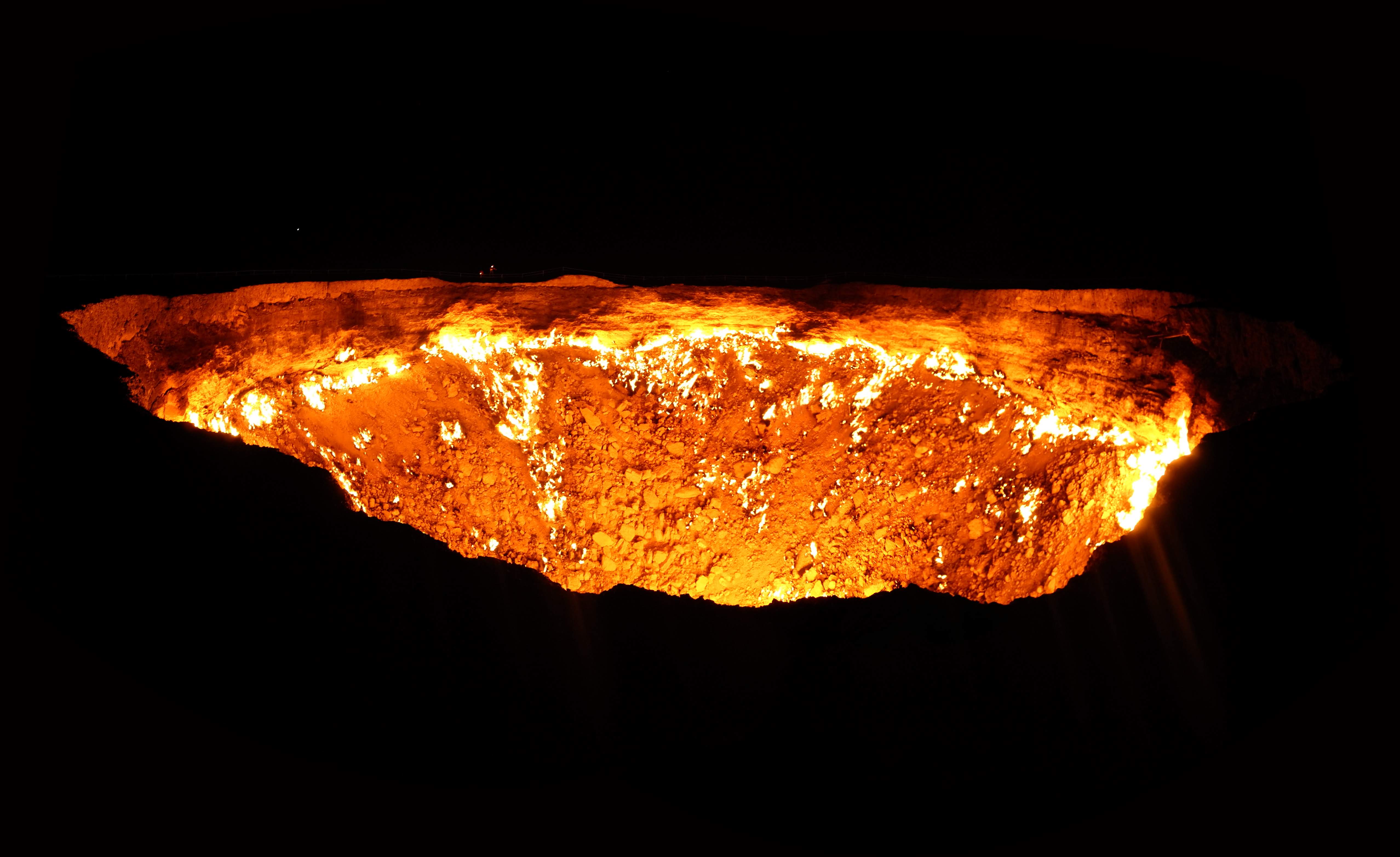
Embark on a historic adventure along the Silk Road, a legendary trade route that connects East and West, rich in culture, history, and breathtaking landscapes.
Activity Type: Cultural exploration and adventure travel.
Overview: The Silk Road, an ancient network of trade routes, stretches over 4,000 miles from China to Europe, traversing some of the most diverse and fascinating regions in the world. This historic route played a crucial role in the exchange of goods, ideas, and cultures, making it one of the most significant corridors in human history. Traveling along the Silk Road offers the chance to explore vibrant markets, taste exotic cuisines, and encounter the rich heritage of the numerous civilizations that flourished along its path. From the bustling cities of Xi’an and Samarkand to the stunning landscapes of the Taklamakan Desert and the Pamir Mountains, each stop along the journey unveils a tapestry of stories and experiences.
Modern travelers can embark on guided tours or create their own itineraries to explore the Silk Road, with highlights including the Terracotta Warriors in Xi’an, the stunning Registan in Samarkand, and the ancient city of Bukhara. Engaging with local communities, visiting ancient caravanserais, and exploring historical sites provides a deep understanding of the cultural significance of this route. Each region offers its own unique customs and traditions, making the journey an enriching experience for those seeking to understand the interconnectedness of civilizations.
Where: The Silk Road spans several countries, including China, Kazakhstan, Uzbekistan, Turkmenistan, Iran, and Turkey, with significant cities like Xi’an, Samarkand, Bukhara, and Istanbul along the way.
Duration of Activity: The duration of the journey can vary widely depending on the route taken and the number of stops, typically ranging from a couple of weeks to several months for a comprehensive experience.
Best Time to Visit: The best time to explore the Silk Road is during the spring (April to June) and autumn (September to October) when temperatures are mild and favorable for travel.
Cost: The cost of traveling the Silk Road can vary significantly based on the mode of travel, accommodations, and activities. Budget travelers can expect to spend around $50 to $100 USD per day, while more luxurious tours can range from $150 to $500 USD per day.
Top Tips: Plan your route in advance, as the Silk Road offers a vast array of options and experiences. Engage with local guides who can provide valuable insights and enrich your understanding of the history and culture. Bring a mix of cash and cards, as many remote areas may not accept cards. Learn a few basic phrases in the local languages to enhance your interactions with residents. Finally, be open to new experiences, and take the time to savor the diverse cultures, delicious foods, and breathtaking landscapes that make the Silk Road a truly remarkable journey through history.
34.) Trekking the Milford Trek
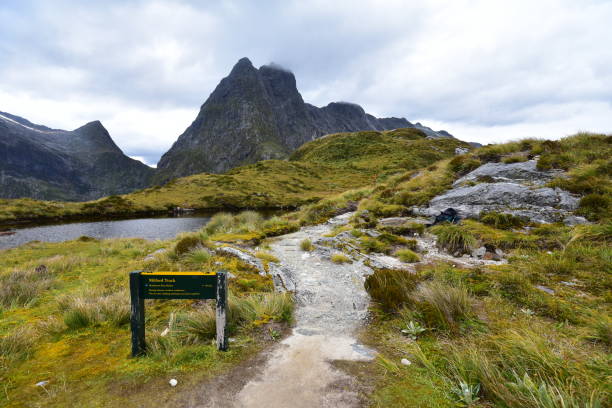
Discover the stunning natural beauty of New Zealand’s South Island on the Milford Track, a renowned hike that takes you through lush rainforests, majestic mountains, and breathtaking valleys.
Activity Type: Hiking and nature exploration.
Overview: The Milford Track is often referred to as one of the finest walks in the world, showcasing the incredible landscapes of Fiordland National Park. Spanning approximately 53.5 kilometers (33 miles), this multi-day trek takes hikers through diverse ecosystems, from ancient beech forests to alpine meadows, culminating at the iconic Milford Sound. The track is rich in wildlife, with opportunities to see unique flora and fauna, including native birds such as the kiwi and the kea. Along the way, trekkers will encounter stunning waterfalls, glacial rivers, and panoramic mountain views, making every step an awe-inspiring experience.
The journey typically takes four days, with accommodation provided in comfortable huts along the trail, allowing hikers to enjoy the tranquility of the wilderness. Each day offers its own challenges and rewards, including the climb to Mackinnon Pass, where breathtaking views await those who reach the summit. The Milford Track is not only a physical challenge but also an opportunity to connect with nature and experience the untouched beauty of New Zealand.
Where: The Milford Track is located in Fiordland National Park on New Zealand’s South Island, starting at Glade Wharf and ending at Milford Sound.
Duration of Activity: The trek typically takes four days, with approximately 10–12 kilometers (6–7.5 miles) of hiking each day.
Best Time to Visit: The best time to trek the Milford Track is during the Great Walks season, which runs from late October to late April, when the weather is generally milder and the track is more accessible.
Cost: The cost of trekking the Milford Track can vary, with prices for guided tours ranging from $500 to $1,200 USD per person, including accommodations, meals, and transportation to the trailhead.
Top Tips: Reserve your spot well in advance, especially during peak season, as the Milford Track is a popular destination. Prepare for changing weather conditions by bringing layered clothing and waterproof gear. Ensure you have a good pair of hiking boots and sufficient supplies, including food, water, and first aid kits. Take time to enjoy the scenery and capture photographs, but also remember to be present in the moment. Lastly, familiarize yourself with the Leave No Trace principles to help preserve the natural beauty of this incredible landscape for future generations.
35.) Ride the iron ore train in Mauritania
Embark on an extraordinary journey aboard the iron ore train in Mauritania, one of the longest and heaviest freight trains in the world, and experience the stark beauty of the Sahara Desert.
Activity Type: Train travel and adventure exploration.
Overview: The iron ore train in Mauritania is not just a means of transportation; it is an adventure that takes travelers through some of the most remote and breathtaking landscapes in the Sahara Desert. This train, operated by the Société Nationale Industrielle et Minière (SNIM), runs between the mining town of Zouérat and the port city of Nouadhibou, covering a distance of approximately 700 kilometers (435 miles). Passengers can hop aboard the open-air freight cars, which are used to transport iron ore from the mines to the coast, providing a unique opportunity to witness the vast, barren beauty of the desert. The train ride offers panoramic views of sand dunes, rocky plateaus, and occasional glimpses of local wildlife, creating an unforgettable experience.
Traveling on the iron ore train allows visitors to interact with fellow passengers, including locals and adventurous travelers. The journey can take around 15 to 20 hours, depending on various factors, and offers a glimpse into the daily life of those living in this harsh environment. The experience is enhanced by the sense of freedom and adventure that comes with traversing the Sahara, where the stark landscape can feel both isolating and awe-inspiring.
Where: The iron ore train travels between Zouérat, a mining town in northern Mauritania, and Nouadhibou, the country’s main port on the Atlantic coast.
Duration of Activity: The train ride typically takes about 15 to 20 hours, depending on stops and delays, making it an all-day and overnight adventure.
Best Time to Visit: The best time to ride the iron ore train is during the cooler months from November to February when temperatures are more manageable, and the harsh summer heat is avoided.
Cost: Riding the iron ore train is very affordable, with prices ranging from $5 to $20 USD, making it an excellent option for budget travelers. However, the cost of food and accommodations in nearby towns should be factored in.
Top Tips: Bring plenty of water and snacks for the journey, as facilities along the route are limited. Prepare for extreme temperature changes, especially if traveling overnight, by dressing in layers. Don’t forget sunscreen, a hat, and sunglasses to protect against the intense sun during the day. Arrive early to secure a good spot on the train, as seating can fill up quickly. Finally, be ready to embrace the adventure, connect with fellow travelers, and enjoy the breathtaking scenery that unfolds along this remarkable railway journey through the Sahara Desert.
36.) Skydiving over Mount Everest, Nepal

Experience the thrill of a lifetime as you skydive over the majestic peaks of the Himalayas, with Mount Everest as your breathtaking backdrop.
Activity Type: Adventure sports and extreme experiences.
Overview: Skydiving over Mount Everest offers an unparalleled adventure that combines the exhilaration of freefalling with the stunning beauty of the world’s highest mountain. The journey typically begins with a scenic helicopter ride that takes you to an altitude of around 11,000 feet above sea level, offering stunning views of the surrounding peaks and valleys. After a brief safety briefing and gear check, you’ll jump from the helicopter, plunging into the thin mountain air and experiencing the breathtaking scenery of Everest and the Khumbu region from an entirely new perspective. The adrenaline rush of freefalling, combined with the stunning Himalayan landscape, creates a once-in-a-lifetime experience that many adventure seekers dream of.
During your descent, you will have the opportunity to capture incredible aerial photos and videos, showcasing the dramatic contrasts of the rugged mountain terrain and the vibrant colors of the surrounding environment. As you float down under parachute, the views become even more spectacular, allowing you to take in the beauty of the Khumbu Icefall, the serene glacial lakes, and the remote Sherpa villages nestled in the valleys below. This skydiving experience not only offers an extreme adrenaline rush but also a unique chance to witness one of the most stunning landscapes on Earth.
Where: The skydiving experience takes place in the vicinity of Mount Everest, typically launching from locations in the Khumbu region, such as Lukla or directly from a helicopter near Everest Base Camp.
Duration of Activity: The entire experience, including the helicopter ride, briefing, jump, and landing, lasts approximately 2–3 hours, with the actual freefall lasting about 30–60 seconds.
Best Time to Visit: The best time for skydiving over Mount Everest is during the spring (March to May) and autumn (September to November) when weather conditions are most favorable, offering clear skies and stunning views.
Cost: The cost of skydiving over Mount Everest varies significantly based on the operator and package chosen, typically ranging from $2,500 to $4,000 USD, which may include the helicopter ride, equipment rental, and professional video footage.
Top Tips: Ensure you choose a reputable skydiving operator with experienced instructors, as safety is paramount in such extreme conditions. Dress in layers, as temperatures at altitude can be quite cold, even during the day. Bring a camera to capture your adventure, but also consider opting for the professional video and photo package offered by the operators for high-quality memories. Stay hydrated and acclimatize properly before your jump to reduce the risk of altitude sickness. Lastly, embrace the experience—take a moment to enjoy the breathtaking views before the jump and soak in the thrill of this extraordinary adventure above the highest point on Earth.
37.) Trekking to the Lost City, Colombia
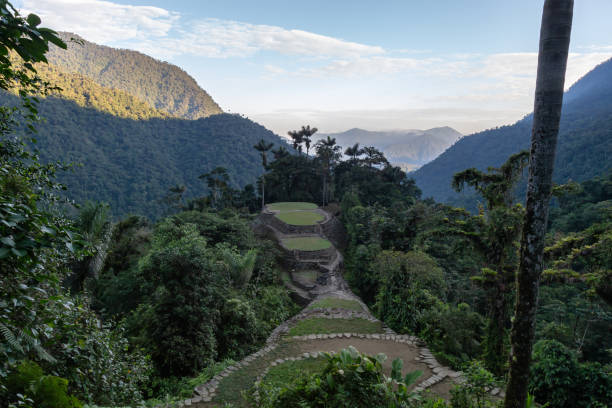
Embark on a thrilling expedition to the ancient archaeological wonder known as the Lost City (Ciudad Perdida), hidden deep within the Colombian jungle and steeped in rich history and vibrant culture.
Activity Type: Hiking and cultural exploration.
Overview: The Lost City, or Ciudad Perdida, is an ancient site dating back to the 9th century, built by the Tairona civilization and located in the Sierra Nevada mountains of Colombia. Trekking to this remarkable destination takes you through lush, tropical rainforests, rushing rivers, and steep hills, offering a unique opportunity to experience Colombia’s stunning biodiversity and indigenous cultures. The journey typically spans around six days and covers approximately 44 kilometers (27 miles) of rugged terrain. Along the way, trekkers will encounter diverse wildlife, cascading waterfalls, and local communities that have preserved their traditional ways of life.
The trek culminates in the awe-inspiring Lost City, where ancient stone terraces and pathways, long overtaken by jungle foliage, reveal the ingenuity of the Tairona people. This archaeological site consists of over 200 terraces and is believed to have been an important ceremonial center. Exploring the ruins allows visitors to connect with the rich history of the region while enjoying breathtaking views of the surrounding mountains and valleys. The trek is challenging yet immensely rewarding, making it a highlight for adventure seekers and history enthusiasts alike.
Where: The Lost City trek is located in the Sierra Nevada de Santa Marta region, about 42 kilometers (26 miles) from the town of Santa Marta, Colombia.
Duration of Activity: The trek typically lasts six days and five nights, with daily hiking sessions ranging from 4 to 8 hours.
Best Time to Visit: The ideal time to trek to the Lost City is during the dry seasons, which run from December to March and July to August, when the weather is more stable and less rainy.
Cost: Guided tours for the Lost City trek generally range from $300 to $600 USD, depending on the tour operator and the included amenities, such as meals, accommodations, and transportation.
Top Tips: Choose a reputable tour operator with experienced guides to ensure safety and a knowledgeable experience. Prepare for the trek by getting in shape, as it can be physically demanding. Bring lightweight, moisture-wicking clothing, sturdy hiking boots, and plenty of insect repellent to protect against bugs in the jungle. Pack a refillable water bottle and snacks to keep your energy up along the way. Lastly, take your time to enjoy the stunning natural beauty and cultural richness of the journey—it’s not just about reaching the Lost City but also about experiencing the incredible landscapes and local cultures along the way.
38.) Face to Face with prehistoric predators in Kakadu
Experience the thrill of coming face-to-face with Australia’s ancient saltwater crocodiles while kayaking through the breathtaking landscapes of Kakadu National Park, one of the world’s most extraordinary natural wonders.
Activity Type: Adventure sports and wildlife exploration.
Overview: Kakadu National Park, a UNESCO World Heritage site, is renowned for its stunning wetlands, diverse ecosystems, and rich Aboriginal cultural heritage. One of the most thrilling ways to explore this vast wilderness is by braving the Cage of Death, an exhilarating experience that allows participants to dive with saltwater crocodiles in a protective cage. This unique encounter offers a rare opportunity to observe these prehistoric predators up close, providing insight into their behavior and ecology while you’re safely submerged in their habitat. The Cage of Death experience typically takes place in the Adelaide River, where participants can witness the impressive size and agility of these magnificent creatures as they leap out of the water to snatch bait.
After your heart-pounding adventure in the cage, you can continue to explore the wonders of Kakadu by kayaking through its serene waterways. Paddle along the lush floodplains and tranquil rivers, surrounded by stunning scenery, and keep an eye out for an array of wildlife, including birds, wallabies, and more crocodiles basking on the banks. The combination of adrenaline and tranquility makes this dual adventure in Kakadu an unforgettable experience, offering the perfect balance between thrilling encounters and the peaceful exploration of one of Australia’s most iconic landscapes.
Where: Kakadu National Park, located in the Northern Territory of Australia, approximately 171 kilometers (106 miles) southeast of Darwin.
Duration of Activity: The Cage of Death experience lasts about 30 minutes for the dive, while kayaking trips can range from half a day to multiple days, depending on the chosen tour and route.
Best Time to Visit: The best time for these activities is during the dry season, from May to October, when the weather is milder and wildlife is more active.
Cost: The Cage of Death experience typically costs around $200 to $300 AUD per person, while kayaking tours can range from $100 to $300 AUD, depending on the duration and inclusions.
Top Tips: Book your Cage of Death experience in advance, as it can be quite popular and spots may fill up quickly. Wear comfortable clothing and closed-toed shoes, and bring a change of clothes for after the dive. For kayaking, pack sunscreen, a hat, and plenty of water, as well as snacks to keep your energy up. If you’re kayaking, consider bringing a camera to capture the stunning scenery and wildlife encounters, but be cautious about protecting it from water damage. Embrace the adventure and take your time to soak in the unique beauty of Kakadu—whether you’re in the cage or on the water, this experience will be one for the books!
39.) Riding the waves of Hawaii, USA

Immerse yourself in the thrill of surfing in Hawaii, the birthplace of the sport, where you can catch some of the most iconic waves in the world against a backdrop of stunning landscapes.
Activity Type: Surfing and beach activities.
Overview: Hawaii is renowned as the ultimate surfing destination, attracting wave riders from around the globe. With its diverse array of surf breaks, from the beginner-friendly shores of Waikiki Beach to the challenging swells of the North Shore on Oahu, Hawaii offers something for surfers of all skill levels. The warm waters, consistent waves, and breathtaking scenery make this island paradise a mecca for surf enthusiasts. Not only do surfers get to ride some of the most famous waves, but they also experience the rich cultural history of surfing that is deeply embedded in Hawaiian tradition.
Surfing in Hawaii is not just about catching waves; it’s also about connecting with the ocean and the local culture. The islands are home to numerous surf schools and rental shops that cater to both novices and experienced surfers, offering lessons, board rentals, and guided surf trips. Beyond the thrill of riding the waves, visitors can explore the vibrant marine life, enjoy the sun on pristine beaches, and experience the unique Aloha spirit that makes Hawaii a truly special place for any adventurer.
Where: Various locations across the Hawaiian Islands, with notable spots including Waikiki Beach on Oahu, Banzai Pipeline on Oahu’s North Shore, Hanalei Bay on Kauai, and Sunset Beach on the Big Island.
Duration of Activity: Surfing sessions can last anywhere from 1.5 to 3 hours, depending on whether you’re taking a lesson, renting equipment, or joining a guided surf tour.
Best Time to Visit: The best time for surfing in Hawaii is during the winter months (November to March) when the North Shore swells are at their peak, although summer months (May to September) also offer great conditions, especially for beginners.
Cost: Surf lessons typically range from $80 to $150 USD per person, while board rentals can cost between $20 to $60 USD for a half-day or full day, depending on the type of board.
Top Tips: If you’re new to surfing, consider booking a lesson with a qualified instructor who can guide you through the basics and ensure your safety. Always check the local surf conditions and be aware of your skill level when choosing a surf spot. Don’t forget to wear sunscreen, as the sun can be intense, and bring a hat and sunglasses for protection. Hydrate before and after your surfing sessions, and take time to relax and enjoy the beach environment. Finally, embrace the spirit of Aloha—respect the ocean, fellow surfers, and the local culture for a truly enriching experience in paradise.
40.) Hiking the Pacific Crest Trail, USA
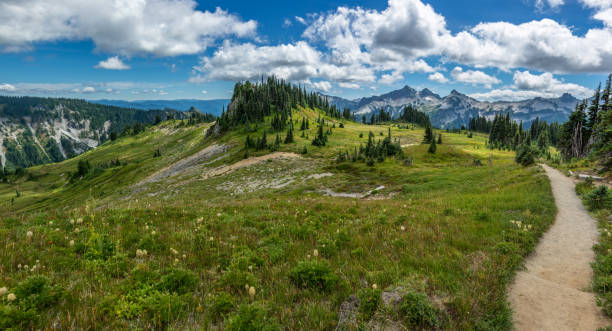
Embark on an unforgettable adventure along the Pacific Crest Trail, a stunning long-distance hiking route that spans over 2,650 miles from Mexico to Canada, showcasing some of the most breathtaking landscapes in the Western United States.
Activity Type: Hiking and outdoor exploration.
Overview: The Pacific Crest Trail (PCT) is one of the most iconic hiking trails in the United States, traversing diverse ecosystems, including deserts, mountains, and forests. Spanning from the arid landscapes of Southern California to the lush wilderness of the Pacific Northwest, the PCT offers hikers a chance to experience the incredible natural beauty of the West. Along the way, trekkers encounter a variety of terrains, including the Sierra Nevada mountain range, the volcanic peaks of Oregon, and the scenic Cascade Range in Washington. This incredible journey allows hikers to witness diverse wildlife, stunning vistas, and an array of unique flora and fauna.
Completing the entire trail can take several months, with hikers often opting for a “thru-hike” experience, starting in the spring and finishing by fall. The trail is well-marked and maintained, offering a mix of challenging sections and more accessible parts, making it suitable for both experienced hikers and those looking for shorter, section hikes. Whether you’re seeking solitude in the wilderness or the camaraderie of fellow hikers, the PCT provides a remarkable opportunity to connect with nature and explore some of America’s most stunning landscapes.
Where: The Pacific Crest Trail stretches from the southern border of California at the Mexican border to the northern border of Washington at the Canadian border.
Duration of Activity: A full thru-hike typically takes about 4 to 6 months, while shorter section hikes can range from a few days to several weeks, depending on the chosen segment.
Best Time to Visit: The best time to hike the PCT is generally from late April to early October, with specific timing varying based on the segment and elevation. Spring is ideal for the southern section, while late summer and early fall are best for the northern parts.
Cost: Costs can vary significantly based on gear, permits, food, and accommodations. A typical budget for a thru-hike can range from $3,000 to $6,000 USD, depending on personal spending habits and preparation.
Top Tips: Research and prepare thoroughly before embarking on the hike. Proper gear is essential; invest in a quality backpack, tent, and hiking shoes, and ensure you have a reliable navigation system. Familiarize yourself with the trail regulations and obtain necessary permits for specific sections. Stay hydrated and practice Leave No Trace principles to preserve the beauty of the trail. Finally, listen to your body and pace yourself—hiking the PCT is as much about the journey as it is about the destination, so take the time to enjoy the breathtaking landscapes and connect with fellow hikers along the way.
41.) Complete the Dakar Rally
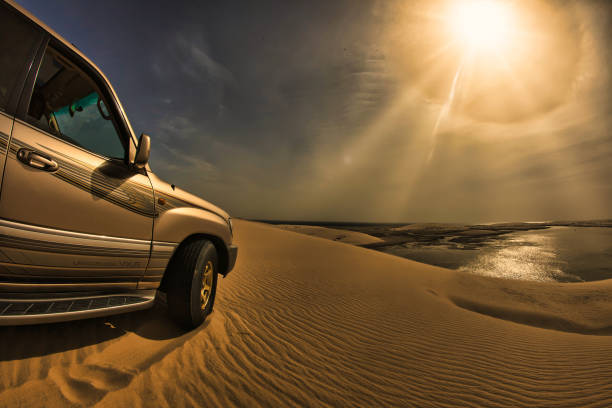
Take on one of the world’s most grueling and unforgettable off-road races, traversing extreme landscapes and pushing your endurance to the limit on a 5,000+ mile journey through deserts, mountains, and sand dunes.
Activity Type: Off-road racing and endurance challenge.
Overview: The Dakar Rally is considered one of the toughest motorsport challenges on the planet. Originally held from Paris to Dakar, Senegal, the race is now hosted across the rugged terrains of Saudi Arabia, where drivers and riders in cars, motorcycles, trucks, quads, and side-by-sides battle the elements and their own endurance across several grueling stages. Each day brings a new challenge, from steep dunes and rocky paths to searing heat and navigational trials, testing not only the capabilities of the vehicles but also the resolve and grit of every participant. Completing the Dakar Rally isn’t just about crossing the finish line—it’s about facing and overcoming some of the most intense environments and demanding conditions on Earth.
Participating in the Dakar Rally requires careful planning, a deep understanding of vehicle mechanics, and a high level of physical and mental fitness. Many racers partner with a skilled co-driver to navigate the course’s many obstacles and make split-second decisions on direction and speed. Whether you’re a seasoned rally enthusiast or a newcomer to the world of off-road racing, the Dakar Rally is a test of will, endurance, and perseverance that promises an experience unlike any other.
Where: Currently held in Saudi Arabia, though the course and stages vary each year, covering diverse terrains across the country.
Duration of Activity: The Dakar Rally spans approximately two weeks, with each day comprising a new stage of the race.
Best Time to Visit: The rally is held in January, making it the optimal time for both participants and spectators to experience the event.
Cost: Participating in the Dakar Rally can be quite expensive, with total costs ranging from $75,000 to over $250,000 USD, depending on the vehicle, support team, and preparation expenses.
Top Tips: Preparation is everything—train physically and mentally well in advance, as the rally demands a high level of fitness and resilience. Ensure you have a reliable and well-maintained vehicle with spare parts and a knowledgeable support team. Brush up on navigational skills, as route-finding is a critical element. Lastly, immerse yourself in the camaraderie of the event and embrace the spirit of adventure that defines the Dakar Rally.
42.) Witness the great migration in the Maasai Mara, Kenya and Serengeti Tanzania
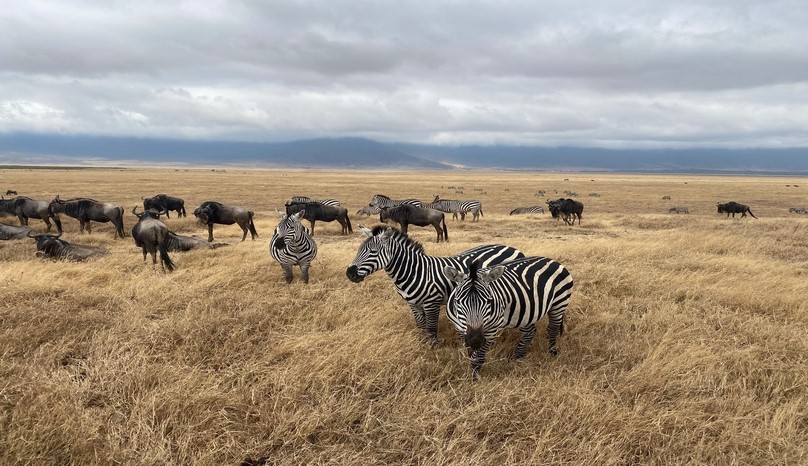
Experience one of nature’s most awe-inspiring spectacles as millions of wildebeests, zebras, and gazelles traverse the plains of East Africa, braving predators and crossing rivers in an epic journey of survival.
Activity Type: Wildlife safari and nature observation.
Overview: The Great Migration is one of the most dramatic wildlife events on Earth, attracting adventurers, photographers, and nature lovers from around the world. Each year, over two million wildebeests, accompanied by hundreds of thousands of zebras and gazelles, embark on a circular journey through the Serengeti in Tanzania and the Maasai Mara in Kenya. This remarkable migration is driven by the search for fresh grazing grounds and water, taking the animals through treacherous river crossings and predator-rich plains. Witnessing this spectacle offers an unparalleled glimpse into the raw power of nature, with scenes that range from thrilling predator-prey chases to tranquil moments of animals grazing on the plains.
The migration’s most famous spectacle occurs at the Mara River, where herds brave dangerous waters teeming with Nile crocodiles, creating one of the most iconic wildlife experiences. However, the journey itself is ever-changing, with different stages of the migration offering unique experiences. The calving season, typically in the southern Serengeti, presents heartwarming moments of newborns taking their first steps, while the river crossings offer intense drama and suspense. No matter where or when you witness the migration, this journey is a celebration of life, resilience, and the intricate balance of the African ecosystem.
Where: The Serengeti in Tanzania and the Maasai Mara in Kenya.
Duration of Activity: Safaris to witness the migration typically last 3 to 7 days, depending on the locations visited and the tour’s duration.
Best Time to Visit: The Great Migration is a year-round event, but the best times to witness it vary. The Mara River crossings generally occur from July to September, while the calving season takes place from January to March in the southern Serengeti.
Cost: Safari costs can vary widely, ranging from $2,000 to $10,000 USD or more, depending on the level of accommodation, duration, and additional experiences included.
Top Tips: Book your safari well in advance, especially if you’re aiming to see the river crossings, as these periods are popular. Opt for a knowledgeable guide who can provide insight into animal behavior and knows where to go for optimal viewing. Bring high-quality binoculars, a camera with a zoom lens, and pack light, breathable clothing, as well as insect repellent and sunscreen. Finally, be patient—nature is unpredictable, and sometimes waiting can lead to witnessing unforgettable moments.
43.) Crossing the Karakom Highway

Journey along one of the highest paved roads in the world, connecting Pakistan and China through breathtaking mountain landscapes, ancient trading routes, and diverse cultures.
Activity Type: Scenic road trip and cultural exploration.
Overview: The Karakoram Highway, also known as the “Eighth Wonder of the World,” is an engineering marvel and one of the most iconic routes for adventurous travelers. Winding through the majestic Karakoram Range, this highway spans over 800 miles, connecting Pakistan’s Punjab region to China’s Xinjiang region. As one of the highest paved international roads, reaching elevations over 15,000 feet, the journey offers unparalleled views of towering peaks, including glimpses of K2, the world’s second-highest mountain, and other giants like Nanga Parbat and Rakaposhi. This historic route follows ancient Silk Road paths and passes through small villages, where travelers can experience warm hospitality, sample local cuisines, and immerse themselves in the region’s cultural richness.
The Karakoram Highway isn’t just a road; it’s a gateway to some of the world’s most incredible landscapes, from the lush valleys of Hunza and Gilgit in Pakistan to the stark desert beauty of China’s Tashkurgan. As you travel, you’ll encounter diverse topographies—from alpine forests to glacial rivers, pristine lakes, and high-altitude passes. Despite the remote, rugged terrain, the road is surprisingly accessible for most vehicles, allowing travelers to experience this epic journey in comfort or even by motorbike for a more immersive experience.
Where: The Karakoram Highway connects Hasan Abdal, Pakistan, to Kashgar, China, crossing through some of the most stunning areas of the Karakoram Range.
Duration of Activity: The trip typically takes about 7 to 10 days, depending on stops and side trips along the way.
Best Time to Visit: The best time to travel the Karakoram Highway is from May to October when the road is most accessible, and the weather is relatively mild.
Cost: Costs for the journey can vary depending on transport and accommodation choices. A guided tour, which is highly recommended, might range from $1,500 to $3,000 USD, depending on the package.
Top Tips: Bring warm clothing, as temperatures can drop drastically in high-altitude areas, even in summer. Ensure you have your visa and border crossing permits if planning to travel between Pakistan and China. Plan for potential altitude sickness, especially at high passes, and take time to acclimate. Finally, be prepared for limited phone connectivity and enjoy the disconnection—embrace the beauty, peace, and unique cultures that the journey offers.
44.) Diving the Cenotes in Yucatán, Mexico

Explore the magical underwater caves and crystal-clear pools of Mexico’s Yucatán Peninsula, where mystical cenotes offer one of the world’s most unique and unforgettable dive experiences.
Activity Type: Cave diving and underwater exploration.
Overview: The cenotes of Yucatán are part of an extensive network of limestone sinkholes and underground rivers, formed thousands of years ago, and offer some of the most ethereal diving experiences in the world. Known for their pristine water clarity and stunning cave formations, the cenotes hold a deep cultural significance, once revered by the ancient Maya as sacred entrances to the underworld. As you dive beneath the surface, you’ll be transported into a mystical realm of stalactites, stalagmites, and unique light effects that create an otherworldly atmosphere. Some of the most famous cenotes include Dos Ojos, The Pit, and Gran Cenote, each offering different depths, formations, and underwater landscapes to explore.
Cenote diving isn’t just about the sights; it’s also about the feeling of adventure and discovery. With visibility often exceeding 100 feet, divers experience an incredible sense of floating in vast caverns filled with surreal rock formations and shimmering sunlight beams that filter through openings above. The gentle currents make for relaxed dives, allowing divers to take in the intricate details of these submerged wonders at their own pace. Whether you’re an experienced cave diver or a novice wanting to explore the cenotes’ open water areas, diving in these hidden worlds is a truly magical experience.
Where: The cenotes are located throughout the Yucatán Peninsula in Mexico, with popular diving spots near Tulum and Playa del Carmen.
Duration of Activity: Dives typically last 1 to 2 hours, with many divers opting for multiple cenote dives over a day or two.
Best Time to Visit: November to April is the ideal time for diving in the cenotes, with stable weather and good visibility.
Cost: A guided cenote dive usually costs between $100 and $200 USD per person, depending on the cenote and equipment rental needs.
Top Tips: Some cenotes are accessible to open-water certified divers, but for deeper cave exploration, you’ll need an advanced cave diving certification. Bring a powerful underwater flashlight to fully appreciate the cave’s structures and rock formations. Dive early in the day to enjoy quieter conditions, and remember to bring cash for entrance fees, as most cenotes charge an access fee.
45.) Cycling the Danube River, Europe

Pedal your way through Europe’s diverse landscapes and vibrant cultures along the Danube River, an epic cycling route that takes you from the Black Forest in Germany all the way to the Black Sea.
Activity Type: Long-distance cycling and cultural exploration.
Overview: The Danube Cycle Path is one of Europe’s most famous cycling routes, stretching over 1,700 miles through ten countries, including Germany, Austria, Hungary, and Romania. This incredible journey allows cyclists to immerse themselves in picturesque river landscapes, historic cities, and charming villages, all while following the natural flow of Europe’s second-longest river. The route is mostly flat and well-marked, making it suitable for cyclists of all levels, whether you’re planning a multi-week adventure or just a short ride through a specific region. Along the way, cyclists can explore Vienna’s classical architecture, Budapest’s vibrant city life, and Serbia’s rugged landscapes, making each leg of the journey unique.
Cycling the Danube is as much about the cultural experience as it is about the physical journey. Each country along the route has its own distinct traditions, food, and language, giving travelers a truly immersive European experience. Many sections of the path are car-free, winding through beautiful countryside, riverbanks, and ancient castles, creating a sense of tranquility and adventure. With plenty of accommodations, eateries, and bike services along the way, the Danube Cycle Path is ideal for those seeking a blend of scenic beauty, historical exploration, and cultural enrichment.
Where: The Danube Cycle Path runs from Donaueschingen, Germany, to the Danube Delta at the Black Sea in Romania.
Duration of Activity: The full route can take around 4 to 8 weeks, depending on your pace and stops. Many cyclists choose to do smaller sections, which can range from a few days to two weeks.
Best Time to Visit: The best time for cycling the Danube is between May and September, with warm temperatures and longer daylight hours.
Cost: Costs can vary based on accommodations and dining choices. Budget travelers might spend $50–$100 USD per day, while more upscale options could range from $150–$250 USD per day.
Top Tips: Plan your route in advance to identify the sections you want to explore, and book accommodations early during peak summer months. Pack lightly but ensure you have essentials like a rain jacket, cycling repair kit, and spare parts. Try the local food along the way—each region offers unique dishes worth sampling. Also, remember to take time off the bike to explore local attractions and interact with locals, enriching your journey along the Danube.
46.) Finding freedom on a Pan-American Road Trip
Embark on the ultimate overland adventure, journeying from the northern tip of Alaska to the southern reaches of Argentina, exploring diverse landscapes, cultures, and experiences along the Pan-American Highway.
Activity Type: Long-distance road trip and cultural exploration.
Overview: A Pan-American road trip spans over 19,000 miles, stretching from Prudhoe Bay in Alaska to Ushuaia, Argentina—the world’s southernmost city. This epic journey encompasses nearly every environment imaginable, from icy tundras and towering mountain ranges to lush rainforests and arid deserts. As you travel southward, you’ll encounter vibrant cities, historic towns, UNESCO World Heritage Sites, and remote, untouched regions. The Pan-American Highway not only showcases breathtaking natural wonders, such as the Canadian Rockies, the wilds of Patagonia, and Costa Rica’s pristine beaches, but it also offers a chance to experience the unique cultures and traditions of each country along the way.
The adventure demands flexibility and an open mind, as the route presents diverse conditions, languages, and terrains. Whether you’re camping under the stars, staying in cozy guesthouses, or taking in lively city life, each day brings new encounters and surprises. The trip can take months to a year, allowing you to immerse yourself fully in the places you visit. Some road trippers choose to bike sections, backpack, or even hitchhike, but driving allows you the freedom to explore at your own pace and truly connect with the expansive journey before you.
Where: The Pan-American Highway runs from Prudhoe Bay, Alaska, through the Americas to Ushuaia, Argentina, with a brief interruption at the Darién Gap between Panama and Colombia.
Duration of Activity: Typically takes 6 to 12 months, though some complete it in less time depending on their pace and stops.
Best Time to Visit: Timing varies based on the region; ideally, plan your route according to seasonal weather patterns. For instance, summer is best for Alaska, while South America is ideal in the Southern Hemisphere’s warmer months from November to March.
Cost: Costs vary based on travel style, with budget travelers spending around $30–$60 USD daily, while those opting for more comfort may spend between $100–$150 USD daily.
Top Tips: Research visa requirements for each country and prepare for border crossings in advance. Learn basic phrases in Spanish, as it will help with navigation and interactions in Latin America. Make sure your vehicle is well-prepared for diverse climates, terrains, and high altitudes, and carry spare parts and tools for minor repairs. Lastly, embrace the slower pace and engage with local cultures—this journey is as much about the people and places as it is about the destinations.
47.) Into the Wild in search of spirits Look out for your spirit bears, Canada
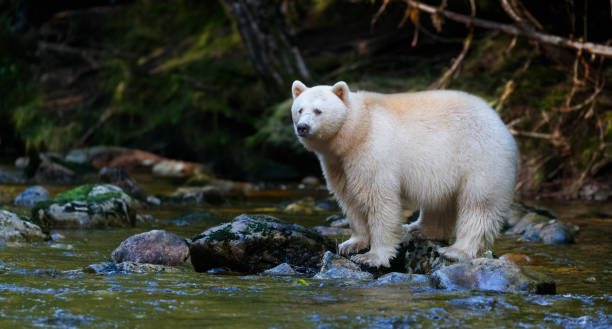
Venture deep into the misty rainforests of British Columbia in search of the rare and mystical spirit bear, a unique adventure that connects you with nature in one of the world’s most pristine wildernesses.
Activity Type: Wildlife expedition and nature exploration.
Overview: In the remote Great Bear Rainforest of British Columbia, Canada, lies a magical encounter waiting to happen—the chance to glimpse the elusive spirit bear, also known as the Kermode bear. These rare, white-furred black bears hold cultural significance for Indigenous tribes and are seen as symbols of peace and wisdom. Only a handful exist in the wild, and they are found nowhere else in the world. The Great Bear Rainforest itself is a breathtaking landscape of towering trees, misty fjords, and pristine rivers, making it an ideal setting for an otherworldly wilderness experience. As you traverse this dense, ancient forest, you’ll be surrounded by lush flora, teeming with wildlife like eagles, otters, and the occasional grizzly or black bear.
The journey into spirit bear territory requires patience and respect for nature’s rhythms, as sightings depend on timing and luck. Guided by local experts who know the terrain and the habits of the spirit bear, you’ll explore both on land and by water, taking in scenic fjords and riverbanks where these bears are most commonly spotted. Beyond spirit bears, you’ll experience the rainforest’s biodiversity and learn about conservation efforts to protect this unique environment. The adventure fosters a deep connection with the land, offering not just incredible wildlife sightings but also a profound sense of peace and wonder in one of the world’s most untouched regions.
Where: Great Bear Rainforest, British Columbia, Canada.
Duration of Activity: Tours typically last 3 to 7 days, allowing ample time for multiple wildlife excursions.
Best Time to Visit: The best time to spot spirit bears is between August and October, when salmon runs attract them to the riverbanks.
Cost: Tours range from $2,000 to $5,000 USD, depending on tour length and accommodation options, with some eco-lodges providing immersive experiences.
Top Tips: Bring a good camera with a zoom lens to capture these elusive bears from a respectful distance. Prepare for variable weather, as the rainforest can be wet and chilly. Book with a certified eco-tour operator that supports Indigenous-led conservation initiatives, helping protect both the spirit bears and their habitat. Embrace patience and immerse yourself in the surroundings—the spirit bear sightings are rare, but the experience of the rainforest is unforgettable.
48.) Hiking the Salkantay Trail to Machu Picchu, Peru
Challenge yourself on the less-traveled Salkantay Trail, an adventurous route to Machu Picchu that offers breathtaking mountain scenery, remote wilderness, and an unforgettable journey to the legendary Inca citadel.
Activity Type: Multi-day trek and cultural exploration.
Overview: The Salkantay Trail is a stunning alternative to the Inca Trail, taking hikers through diverse ecosystems, from snowy Andean peaks to lush cloud forests. Named after the imposing, snow-capped Salkantay Mountain, this challenging route traverses rugged landscapes and passes through remote villages, giving trekkers an immersive experience in Peru’s natural beauty and cultural heritage. Along the way, you’ll witness dramatic views of towering mountains, azure glacial lakes, and vibrant forests, with far fewer crowds than the classic Inca Trail. After several days of trekking, you’ll finally reach the ancient city of Machu Picchu, a reward well worth the journey.
The Salkantay Trail is known for its diversity of landscapes and climates, taking you from icy mountain passes over 15,000 feet in altitude to the warmth of subtropical valleys filled with exotic flora and fauna. The trek requires a good level of fitness, as the path can be steep and challenging at times. Local guides often share stories of Inca history, adding cultural depth to the adventure. By choosing the Salkantay Trail, you’ll experience a less-commercialized side of the Machu Picchu pilgrimage and enjoy a greater sense of solitude along the way.
Where: Begins in Mollepata, Peru, and ends at Machu Picchu.
Duration of Activity: The full trek typically takes 4 to 6 days.
Best Time to Visit: The ideal time for the Salkantay Trek is between April and October, during Peru’s dry season, when conditions are clearer and safer for hiking.
Cost: Guided treks range from $500 to $1,000 USD, including permits, food, guides, and sometimes camping gear.
Top Tips: Acclimate to the altitude in Cusco for a few days before starting the trek to prevent altitude sickness. Pack layers, as temperatures can vary widely throughout the day. Bring a high-quality camera to capture the surreal mountain and jungle landscapes along the way. Book well in advance, especially if you’re hiking during the peak season, and consider trekking with a group for added camaraderie and safety.
49.) Hug a Whale in Baja California, Mexico

Get up close and personal with majestic gray whales as they migrate to the warm lagoons of Baja California, where friendly encounters and unforgettable moments await.
Activity Type: Whale-watching and wildlife encounter.
Overview: Baja California is one of the few places in the world where gray whales actively approach boats, often allowing people to touch, “hug,” or even kiss them. Each winter, these gentle giants make an incredible journey from the cold Arctic seas to the warmer waters of Baja’s sheltered lagoons, where they breed and raise their young. Witnessing a gray whale, some reaching lengths of over 40 feet, is awe-inspiring, but it’s their curiosity and friendliness that make the experience even more unique. Encounters typically take place in three primary lagoons: Magdalena Bay, San Ignacio Lagoon, and Laguna Ojo de Liebre, where close-up interactions with whales have become a surreal reality.
On these guided whale-watching excursions, you’ll have the opportunity to see baby whales (calves) and their mothers up close, a rare experience that many describe as deeply moving. Gray whales are known for their gentle nature, and some even appear to “seek out” human contact. With expert guides who respect the animals’ comfort, visitors can enjoy safe, memorable interactions with these extraordinary creatures. The experience is as emotional as it is thrilling, leaving visitors with a new appreciation for marine life and conservation efforts.
Where: Baja California, Mexico, specifically in Magdalena Bay, San Ignacio Lagoon, and Laguna Ojo de Liebre.
Duration of Activity: Whale-watching tours typically last 2 to 3 hours, with multi-day options available for those seeking a more immersive experience.
Best Time to Visit: The prime season for gray whale encounters is between January and April, during their winter migration.
Cost: A single whale-watching tour costs around $50–$100 USD, while multi-day packages with accommodations and meals start at approximately $400 USD.
Top Tips: Book tours with licensed eco-tour operators who prioritize whale safety and responsible interaction practices. Bring a waterproof camera to capture close encounters, as you may get splashed! Dress in layers and bring a windbreaker, as conditions on the water can be chilly. Remember that every encounter is different; go with an open mind and enjoy the privilege of being in the presence of these gentle giants.
50.) Visit North Korea

Step into one of the world’s most enigmatic countries, where unique cultural experiences, strictly curated tours, and rare glimpses into a closed society await the adventurous traveler.
Activity Type: Guided cultural exploration and historical tour.
Overview: Visiting North Korea is unlike any other travel experience, offering an unparalleled look at life within one of the world’s most secretive nations. Tours are tightly controlled, with government-approved guides accompanying travelers at all times. While this limits independent exploration, it offers a rare chance to visit significant historical sites, such as the capital, Pyongyang, the Korean Demilitarized Zone (DMZ), and the grand Kumsusan Palace of the Sun. Every destination within North Korea is carefully curated, presenting a specific narrative, but the country’s architecture, monuments, and unique way of life offer intriguing insights into its culture and political history.
Despite restrictions, a trip to North Korea provides a deep dive into the ideology, aesthetics, and customs of a society vastly different from the rest of the world. Visitors can see mass events, such as the Arirang Mass Games, if the timing is right, or visit notable museums and landmarks that celebrate North Korea’s leadership and heritage. This unusual experience appeals to those with a fascination for geopolitics, history, and culture, making North Korea a destination as mysterious as it is memorable.
Where: Entry is typically through Pyongyang, the capital, with visits to other approved locations like the DMZ, Mt. Myohyang, and Kaesong.
Duration of Activity: Tours typically range from 3 to 10 days, with most travelers opting for a 5‑day stay to explore the primary sites.
Best Time to Visit: April to October offers the most pleasant weather, although unique events like the Arirang Mass Games (when held) are best seen in summer.
Cost: Tours start around $1,000 USD for a short trip and can reach $3,000 USD or more for longer, more comprehensive packages. All travel arrangements must be made through an approved tour operator.
Top Tips: Be respectful of the country’s customs and laws, as regulations are strictly enforced. Do not bring any reading material or media that could be considered offensive to North Korean policies. Pack conservative clothing, as local customs favor modest dress. Prepare for limited internet access and interaction with locals, as all experiences are mediated by guides. Approach the visit with an open, respectful mindset to gain a better understanding of this rare and controlled travel experience.
51.) Finding spirituality on the Camino di Santiago

Embark on a soul-searching journey across Spain, walking the ancient Camino de Santiago, where spiritual reflection, personal growth, and stunning landscapes await.
Activity Type: Pilgrimage, spiritual journey, and hiking.
Overview: The Camino de Santiago, or Way of St. James, is an ancient pilgrimage route that has attracted travelers for over a thousand years. Stretching across northern Spain, this iconic trail leads to the city of Santiago de Compostela, where the remains of St. James are believed to be buried. The Camino is as much a journey of the mind and spirit as it is of the body. Whether you walk it for spiritual reasons, personal reflection, or simply as a challenge, the path offers an opportunity for self-discovery, peace, and connection with fellow pilgrims. The route winds through quaint villages, rolling hills, medieval towns, and beautiful countryside, each step bringing a deeper sense of tranquility and purpose.
While the Camino is a religious pilgrimage for some, it’s open to all—many travelers walk the path for its sense of community, serenity, and the chance to unplug from the pressures of everyday life. Along the way, you’ll encounter centuries-old churches, cathedrals, and historical landmarks, each offering a moment for contemplation. The journey itself is as transformative as the destination, with many pilgrims choosing to complete sections of the route or walk the entire 500-mile stretch, depending on their time and fitness levels. As you walk toward Santiago, you’ll join thousands of other travelers, forming a unique bond of shared experience and reflection.
Where: The Camino de Santiago starts in various locations across Europe, with the most popular starting points in France (Saint-Jean-Pied-de-Port) and Spain (Roncesvalles). The journey ends at the Cathedral of Santiago de Compostela in Galicia, Spain.
Duration of Activity: The full Camino de Santiago route (Camino Francés) typically takes 30 to 35 days to walk. However, many pilgrims opt to complete shorter sections over multiple trips.
Best Time to Visit: The best months for walking the Camino are from late spring to early autumn (April to October), with the most popular months being May and September.
Cost: A pilgrimage typically costs around $30–$50 USD per day, including accommodation (usually in albergues, or pilgrim hostels), meals, and travel expenses. A full journey can cost around $1,000–$2,000 USD depending on your choices.
Top Tips: Don’t overpack! Keep your backpack light—around 10% of your body weight is ideal. Be sure to train for the trek and wear in your shoes before starting the journey. If you’re walking for spiritual reasons, take time each day to reflect, meditate, or journal. Embrace the slow pace of the Camino and the opportunity to connect with nature, others, and yourself. Always carry your pilgrim’s passport (credencial), which allows you to stay in pilgrim hostels and collect stamps along the way.
52.) Crossing the final frontier on a great Alaskan Road trip
Embark on an unforgettable journey through the wild landscapes of Alaska, where rugged mountains, vast glaciers, and untamed wildlife await on a road trip through the “Final Frontier.”
Activity Type: Road trip, adventure travel, and scenic exploration.
Overview: A road trip through Alaska is a once-in-a-lifetime adventure that lets you explore the true beauty and wilderness of the United States’ northernmost state. Known as the “Last Frontier,” Alaska offers an awe-inspiring mix of dramatic landscapes, from towering mountain ranges and expansive glaciers to lush rainforests and rugged coastlines. The trip can begin in Anchorage, where you’ll travel north to Denali National Park to view North America’s highest peak, or south toward the stunning Kenai Peninsula, home to pristine lakes and abundant wildlife. Along the way, you’ll pass through charming towns like Talkeetna, and visit awe-inspiring spots such as the Glacier Bay National Park and Wrangell-St. Elias National Park.
The Alaskan road trip isn’t just about the destinations—it’s about the journey itself. The route is filled with opportunities to stop and soak in the landscape, whether you’re fishing by the roadside, hiking through dense forests, or simply marveling at the northern lights. Expect wildlife sightings along the way, from moose and bears to whales and seals along the coast. Depending on your route, you may also venture onto the famous Alaska Highway or the Dalton Highway, each with its own unique challenges and rewards. Whether you’re seeking adventure, solitude, or simply the joy of being in one of the world’s most pristine environments, an Alaskan road trip has it all.
Where: Alaska, USA – routes often begin in Anchorage or Fairbanks, with popular stops in Denali National Park, Seward, Homer, Kenai Peninsula, and the Alaska Highway.
Duration of Activity: A full Alaskan road trip can take anywhere from 7 days to 2–3 weeks, depending on the itinerary and pace.
Best Time to Visit: The best time to visit is from late May to September, when the weather is milder, and most of the attractions and activities are open. The summer months offer long days for driving and sightseeing.
Cost: Costs can range from $100–$200 USD per day for accommodation, food, and gas. Renting an RV or camper can add an extra cost of $150–$300 per day, but this allows flexibility for camping along the way.
Top Tips: Prepare for unpredictable weather, even in summer. Pack layers and waterproof gear. Be sure to fill up on gas and supplies in larger towns, as remote areas may not have many services. Don’t miss the opportunity to see the northern lights (Aurora Borealis) in the fall or winter months. Keep your camera ready to capture the incredible landscapes and wildlife sightings. Also, take your time—Alaska’s roads can be long, but the views are well worth it.
53.) Take the Great Australian Roadtrip — Exploring the Outback, Australia

Venture into the heart of Australia’s vast and rugged Outback, where remote landscapes, iconic landmarks, and a deep sense of adventure await.
Activity Type: Road trip, adventure travel, and cultural exploration.
Overview: A road trip through Australia’s Outback is an epic adventure into one of the most unique and remote landscapes on earth. The Outback stretches across much of the Australian continent, offering travelers a chance to experience the country’s vast wilderness, Aboriginal culture, and some of its most iconic landmarks. Starting in cities like Adelaide or Alice Springs, the journey takes you through red deserts, endless plains, and ancient rock formations. Highlights include the famous Uluru (Ayers Rock), Kata Tjuta (The Olgas), Kings Canyon, and the MacDonnell Ranges, all set against the backdrop of stunning sunsets and starry skies.
Driving through the Outback means experiencing a sense of isolation and space that is hard to find elsewhere. You’ll traverse vast highways, where the nearest town or petrol station might be hundreds of kilometers away. While the roads are typically well-maintained, travelers must be prepared for the conditions—think remote, unpaved tracks, strong heat, and occasional wild animals. However, the experience is unmatched, as you can explore ancient rock art sites, visit Aboriginal communities, and camp under the endless sky. The Outback is as much about the journey as it is the destination, offering an unforgettable road trip that mixes nature, culture, and adventure.
Where: The Outback covers a vast portion of central and western Australia, with popular routes starting in Alice Springs or Adelaide, heading toward Uluru, Kings Canyon, and the Red Centre.
Duration of Activity: A typical road trip through the Outback can range from 7 to 14 days, depending on how many stops you plan to make and the route you take.
Best Time to Visit: The best time to visit is from May to September, when the weather is cooler and more pleasant. The summer months can be extremely hot, with temperatures often exceeding 40°C (104°F).
Cost: The cost can vary widely depending on the length of the trip and whether you rent a car or camper. A budget road trip may cost around $100–$150 AUD per day for car rental, gas, accommodation, and meals. Renting a campervan or 4WD vehicle will increase costs to around $200–$300 AUD per day.
Top Tips: Make sure to carry plenty of water, food, and fuel, as the Outback can be very remote, with services few and far between. Always check the condition of the roads before traveling and be prepared for sudden weather changes. Pack for the heat during the day and colder temperatures at night. It’s also important to have a reliable GPS system and a satellite phone, as mobile reception can be spotty in many areas. Take time to learn about the region’s Aboriginal culture and history, and always respect the sacred sites you visit.
54.) Exploring and stargazing in the Atacama Desert, Chile
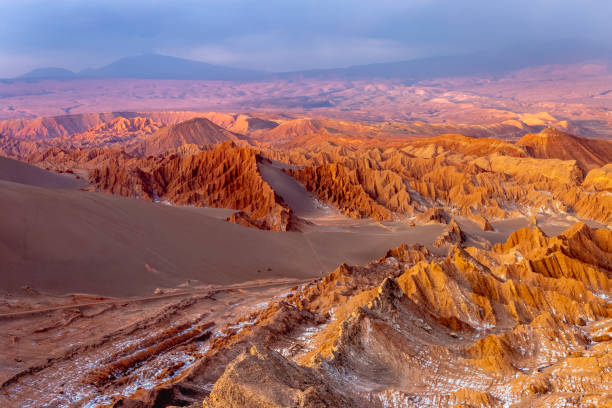
Venture into one of the driest and most surreal landscapes on Earth, where the stark beauty of the Atacama Desert offers an unparalleled stargazing experience and adventure in an otherworldly environment.
Activity Type: Desert exploration, stargazing, and cultural experience.
Overview: The Atacama Desert, located in northern Chile, is renowned for its otherworldly landscapes and some of the clearest, most awe-inspiring skies on the planet. With its unique geological formations, salt flats, and ancient oasis towns, the Atacama provides an unforgettable adventure for those looking to explore its surreal beauty. The desert is home to extraordinary natural wonders like the Valle de la Luna (Valley of the Moon), where dramatic rock formations and shifting sand dunes resemble a lunar landscape, and the El Tatio Geysers, one of the highest geyser fields in the world. You can also explore the salt flats of Salar de Atacama, a vast expanse where flamingos gather in shallow pools, creating striking contrasts against the white salt crusts.
But perhaps the Atacama’s most alluring feature is its sky. The desert’s high altitude, lack of light pollution, and dry air make it one of the best stargazing spots in the world. Travelers can enjoy guided tours to some of the world’s most famous observatories, such as the ALMA Observatory, where cutting-edge research is done on the far reaches of the universe. Whether you’re an astronomy enthusiast or a first-time stargazer, the experience of watching the Milky Way rise over the desert horizon is a magical highlight of any trip to the Atacama.
Where: The Atacama Desert is located in northern Chile, with the town of San Pedro de Atacama serving as the central hub for exploration.
Duration of Activity: A typical visit lasts between 3 and 5 days, with many tours offering stargazing trips in the evenings and desert excursions during the day.
Best Time to Visit: The best time to visit is during the dry season, from April to October, when the skies are clear and the temperatures are cooler, especially at night.
Cost: The cost of a trip to the Atacama Desert varies depending on the activities you choose. Expect to spend around $150–$300 USD per day for tours, meals, and accommodations. Stargazing tours and visits to observatories are usually additional costs ranging from $50 to $150 USD per night.
Top Tips: Bring warm clothing for the evenings, as temperatures can drop significantly despite the desert heat during the day. Make sure to acclimatize to the high altitude to avoid altitude sickness, as the desert is located at over 2,400 meters (7,900 feet). Be sure to take a guided stargazing tour for the best experience, and remember to bring a camera with a wide-angle lens to capture the stunning night sky. Don’t miss the opportunity to explore the desert’s unique landscapes during the day, and take time to appreciate the peaceful solitude and beauty of this extraordinary location.
55.) Exploring the Ice Caves in Iceland

Delve into the frozen wonders of Iceland’s ice caves, where shimmering blue ice, intricate formations, and otherworldly landscapes offer an adventure like no other.
Activity Type: Ice cave exploration, adventure travel, and natural wonder discovery.
Overview: Iceland is known for its dramatic landscapes, and one of the most mesmerizing features of the island is its ice caves. These natural wonders form in glaciers during the winter months, when meltwater carves stunning patterns and colors into the ice. The caves themselves are a work of art—glimmering with blue hues, translucent ice walls, and crystal-clear ceilings. Popular locations to explore ice caves include Vatnajökull, Europe’s largest glacier, and Langjökull, where guided tours take visitors deep inside the caves to witness the ethereal beauty of these frozen formations. Some caves even have stunning ice stalactites and waterfalls that flow within them, creating a surreal and magical experience.
Visiting the ice caves in Iceland isn’t just about the caves themselves—it’s also about the surrounding landscapes. As you journey through the country, you’ll pass glaciers, volcanoes, lava fields, and waterfalls, each adding to the adventure. The tours typically include a hike across glaciers or a snowmobile ride to reach the caves, adding a sense of adventure and excitement to the experience. Many of the caves are temporary, formed by the unique and ever-changing nature of glaciers, which makes each visit to the ice caves a once-in-a-lifetime opportunity.
Where: Iceland, with popular locations including Vatnajökull Glacier, Langjökull Glacier, and Mýrdalsjökull Glacier.
Duration of Activity: Ice cave tours typically last between 2 to 4 hours, though full-day tours are available for those wishing to explore more of Iceland’s glaciers.
Best Time to Visit: The best time to visit the ice caves is during the winter months, from November to March, when the ice is most stable and the caves are at their most spectacular.
Cost: Ice cave tours generally cost between $100 to $200 USD per person, depending on the tour’s length and location. Prices can increase if you opt for guided tours that include snowmobiling or other glacier activities.
Top Tips: Always go with a certified guide, as ice caves can be dangerous due to the instability of the ice. Wear sturdy waterproof boots, warm clothing, and gloves to protect yourself from the cold temperatures. Remember to bring a good camera to capture the stunning blue ice and intricate formations. Make sure to book your tour in advance, as ice cave tours can fill up quickly, especially during peak winter months. Don’t forget to check the weather forecast, as ice caves can sometimes be closed due to weather conditions or melting glaciers.
56.) Diving with Whale Sharks in Mexico / Australia

Experience the awe-inspiring encounter of a lifetime as you dive with the gentle giants of the ocean, the whale sharks, in the crystal-clear waters of Mexico and Australia.
Activity Type: Scuba diving, wildlife encounter, ocean adventure.
Overview: Whale sharks are the largest fish in the world, and diving with them is a breathtaking experience for any marine life enthusiast. Both Mexico and Australia offer exceptional opportunities to encounter these majestic creatures in their natural habitats. In Mexico, the waters off Isla Holbox, Isla Mujeres, and the Yucatán Peninsula provide prime spots for whale shark sightings, especially during the summer months (June to September). Similarly, Ningaloo Reef in Western Australia offers one of the best places in the world to swim with whale sharks, with the best opportunities occurring from March to July.
These incredible creatures are filter feeders, which means they pose no threat to humans. Swimming alongside them, you’ll feel dwarfed by their enormous size, yet calm in the knowledge that they’re harmless. During the dive, you may also encounter other marine life, such as manta rays, sea turtles, and schools of tropical fish. Whether you’re diving or snorkeling, the experience of seeing these magnificent creatures up close is both humbling and exhilarating.
Where: Isla Holbox, Isla Mujeres, and the Yucatán Peninsula, Mexico; Ningaloo Reef, Western Australia.
Duration of Activity: A typical whale shark diving experience lasts between 3 to 6 hours, depending on the tour, including boat ride and time spent in the water.
Best Time to Visit: The best time to dive with whale sharks in Mexico is from June to September when they migrate through the region. In Australia, the best time is from March to July, during the peak of the whale shark season.
Cost: Prices for whale shark tours typically range from $100 to $250 USD per person, depending on the destination, duration, and whether the tour includes additional experiences like snorkeling with other marine life.
Top Tips: Be sure to book your tour with a reputable and eco-friendly operator, as these creatures are protected and their habitats need to be respected. While you don’t need to be an expert diver, a basic swimming ability is essential, as you’ll be snorkeling or diving in open water with the sharks. Bring a GoPro or waterproof camera to capture this once-in-a-lifetime encounter. Make sure to wear eco-friendly sunscreen to protect both yourself and the delicate marine ecosystem.
57.) Exploring other worlds whilst hiking the Laugavegur Trail, Iceland

Embark on a surreal adventure through Iceland’s otherworldly landscapes, where volcanic craters, geothermal springs, and striking glaciers await along the iconic Laugavegur Trail.
Activity Type: Hiking, adventure travel, and nature exploration.
Overview: The Laugavegur Trail is one of Iceland’s most famous and breathtaking hikes, spanning over 55 kilometers (34 miles) between the Landmannalaugar Valley and the Þórsmörk Valley. This multi-day trek takes you through some of the planet’s most unique and diverse landscapes, from rhyolite mountains painted in vibrant hues of red, orange, and yellow, to black sand deserts and icy glaciers. The route passes through areas where geothermal activity creates steaming hot springs, bubbling mud pots, and vast fields of lava rock. Along the way, you’ll encounter stunning vistas, waterfalls, and valleys that feel like something straight out of a science fiction movie.
The Laugavegur Trail offers a truly transformative experience, not just for the stunning views but for the sense of isolation and immersion in nature that it provides. As you hike through rugged terrain, you’ll be surrounded by the forces of nature that shape Iceland’s unique topography. Whether you’re camping under the midnight sun or staying in mountain huts, the trail offers a chance to disconnect and experience the wild beauty of Iceland’s volcanic heart. The hike is suitable for intermediate to experienced trekkers, and while it’s accessible during the summer months, it requires careful planning due to its remote location.
Where: The Laugavegur Trail stretches from Landmannalaugar to Þórsmörk in southern Iceland, crossing a variety of terrains and climates.
Duration of Activity: The hike typically takes 4 to 6 days, depending on your pace and how many stops you make to explore the surroundings.
Best Time to Visit: The best time to hike the Laugavegur Trail is from late June to mid-September when the trail is clear of snow and the weather is more favorable. However, it’s important to note that weather in Iceland can be unpredictable, so be prepared for changes in conditions.
Cost: The cost of hiking the Laugavegur Trail can vary widely depending on your choice of accommodation and food. Budget options like camping can cost as little as $30–$50 USD per day, while staying in mountain huts can range from $60–$150 USD per night. Additionally, transportation costs to and from the trailheads can add another $50–$100 USD.
Top Tips: Be sure to pack layers of clothing to accommodate for Iceland’s fluctuating weather, including waterproof gear and sturdy hiking boots. It’s also highly recommended to book your mountain hut accommodations in advance, as they can fill up quickly during the peak summer season. Carrying a lightweight backpack and sufficient food and water will make your hike more enjoyable, as well as a power bank to keep your electronics charged for capturing those stunning landscapes. Most importantly, take time to pause and appreciate the surreal beauty of Iceland, from its colorful geothermal areas to its glacial rivers and volcanic summits.
58.) Finding top gear during the Mongol rally
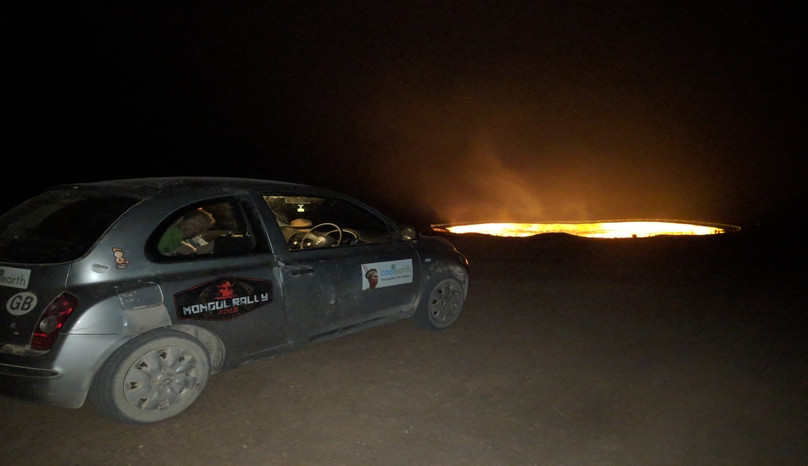
Embark on a true test of adventure and endurance as you navigate the vast landscapes of Europe and Asia, all while searching for the best gear for survival and excitement on the infamous Mongol Rally.
Activity Type: Rally driving, adventure travel, cultural exploration.
Overview: The Mongol Rally is one of the most iconic and unpredictable road trips in the world, stretching over 10,000 miles from London to Ulaanbaatar, Mongolia. Unlike traditional races or rallies, the Mongol Rally is not about speed—it’s about navigating challenging terrain, testing your limits, and experiencing the diverse cultures, landscapes, and hardships of some of the world’s most remote regions. The rally is an open challenge to anyone brave enough to take on the adventure in a vehicle that isn’t meant for such a journey—often old cars, vans, or motorbikes. While there is no specific route, participants generally follow a course through Europe, Russia, Kazakhstan, Uzbekistan, Turkmenistan, and finally into Mongolia.
Along the way, competitors often find themselves needing to seek out top gear to handle the physical and mental challenges of the rally. From rugged tires for off-road stretches in Central Asia to heavy-duty car parts to ensure the vehicle survives the journey, every step of the way involves problem-solving and resourcefulness. In addition to the adventure of the road, the rally offers the opportunity to meet fascinating people, experience a range of cultures, and explore some of the world’s most breathtakingly remote landscapes, from the deserts of Kazakhstan to the steppes of Mongolia. The search for “top gear” is not only about finding the right equipment but also about discovering hidden parts of the world and testing your resilience in an unforgettable, once-in-a-lifetime experience.
Where: Starting from London, UK, and finishing in Ulaanbaatar, Mongolia, passing through countries like Russia, Kazakhstan, Uzbekistan, and Turkmenistan.
Duration of Activity: The Mongol Rally typically takes between 6 to 8 weeks, depending on the route, pace, and any unexpected challenges along the way.
Best Time to Visit: The best time to participate in the Mongol Rally is during the summer months, from July to early September, when weather conditions are more favorable for driving and most border crossings are open.
Cost: The entry fee for the Mongol Rally is generally between $1,000 to $2,000 USD per vehicle, depending on the event organizer. Additional costs include fuel, car maintenance, visas, insurance, and provisions for the journey, which can add another $2,000–$4,000 USD or more. The cost of repairing or replacing parts along the route can also add to the total expenses.
Top Tips: Make sure your vehicle is well-prepared for the rally. Bring essential tools, spare parts, and top gear items like extra tires, a high-quality jack, and a portable car battery charger. Keep your car in good working condition by conducting thorough pre-rally checks. Be ready to adapt to unpredictable weather and road conditions, especially when crossing remote deserts or mountain ranges. Plan your route carefully and ensure that you have all necessary visas and documentation in order. Most importantly, have a sense of humor, as the Mongol Rally is about the journey, the unexpected challenges, and the friendships you form along the way.
59.) Trekking across the Great Wall
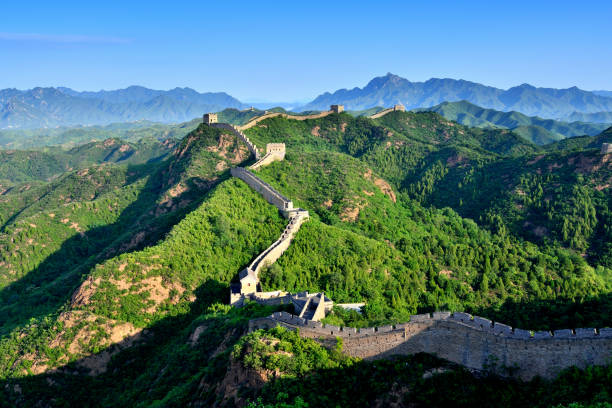
Venture into the heart of Chinese history by trekking along one of the most iconic and ancient structures in the world—the Great Wall of China—while exploring breathtaking landscapes and ancient fortifications.
Activity Type: Hiking, historical exploration, cultural adventure.
Overview: The Great Wall of China is not just a singular monument but a sprawling network of walls and fortifications that stretches over 13,000 miles across northern China. Trekking along the Great Wall is an incredible way to immerse yourself in the country’s rich history while experiencing its diverse landscapes. While many tourists visit the well-preserved sections near Beijing, such as Badaling, other parts of the Wall, like Mutianyu, Jinshanling, and Simatai, offer more rugged and less-crowded trails. The Wall, originally built to protect China from invasions, is dotted with watchtowers, forts, and spectacular scenic vistas, which offer a glimpse into the past and an opportunity for adventurers to walk through centuries of history.
Trekking the Great Wall offers a truly unique experience—one where you can challenge yourself physically while being surrounded by the beauty of mountains, forests, and ancient architecture. Whether you opt for a one-day hike or a multi-day trek, the adventure is a rewarding one, combining physical endurance with cultural discovery. Along the way, you’ll encounter sections of the Wall that have been worn down by time and nature, some crumbling into the landscape, while others remain remarkably intact. No matter where you start or how far you go, trekking the Great Wall offers a journey unlike any other, taking you through remote villages, past ancient watchtowers, and offering unparalleled views of the surrounding countryside.
Where: The Great Wall stretches across northern China, with popular trekking locations near Beijing including Badaling, Mutianyu, Jinshanling, and Simatai, though there are also remote and less-visited sections in other parts of the country.
Duration of Activity: Depending on the section you choose, the trek can range from a few hours to several days. A one-day hike along the Wall typically takes 4 to 6 hours, while multi-day treks can last up to a week.
Best Time to Visit: The best time to trek the Great Wall is during the spring (April to June) and autumn (September to October) months, when the weather is mild and the landscapes are especially beautiful. Summer can be hot, while winter may be too cold and snowy for some sections of the Wall.
Cost: The cost of trekking the Great Wall depends on your choice of tour or independent travel. A guided day tour can range from $50 to $150 USD per person, depending on the inclusions (transportation, meals, and entry fees). For multi-day treks, costs can range from $500 to $1,500 USD per person.
Top Tips: Choose your section wisely based on your fitness level and preferences—sections like Badaling are easily accessible but crowded, while Mutianyu and Jinshanling offer more rugged trails with fewer tourists. Wear comfortable shoes with good grip, as the Wall’s uneven steps can be challenging. Carry plenty of water and snacks, as amenities may be sparse in more remote sections. It’s also helpful to bring a light backpack for your belongings and a good camera to capture the awe-inspiring views and ancient architecture. Lastly, be prepared for both sunny and rainy weather, and always check the weather forecast before your trek.
60.) See a snow leopard in the wild
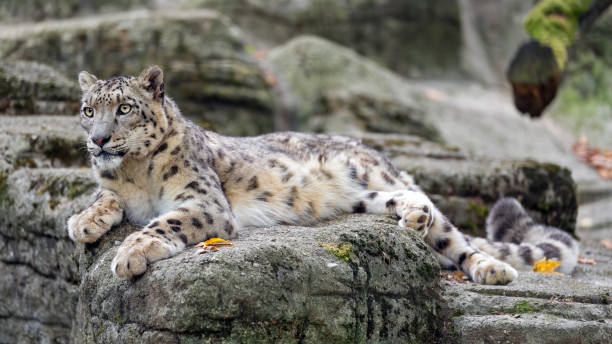
Embark on an elusive and awe-inspiring adventure to spot one of the world’s most elusive and enigmatic creatures— the snow leopard— in its natural habitat, high in the mountains of Central Asia.
Activity Type: Wildlife spotting, trekking, adventure travel.
Overview: The snow leopard is a majestic and mysterious creature that has long captured the imaginations of wildlife enthusiasts. Known for its elusive nature and stunning camouflage, seeing a snow leopard in the wild is one of the rarest and most rewarding wildlife experiences you can have. These elusive big cats roam the rugged and remote mountain ranges of Central Asia, particularly in the high-altitude regions of the Himalayas, the Tibetan Plateau, and parts of Mongolia and Kyrgyzstan. Often found in environments above 3,000 meters (10,000 feet), snow leopards thrive in rocky, snow-covered terrain, making them incredibly difficult to spot.
Trekking to see a snow leopard involves navigating challenging terrain and staying in remote regions where conservation efforts are ongoing to protect these endangered animals. Areas like the Spiti Valley in India, Nepal’s Dolpo region, and Mongolia’s Altai Mountains are some of the best places to attempt a snow leopard sighting. Wildlife experts and conservationists work tirelessly to track and protect these elusive cats, and many tour operators offer guided treks to increase the chances of an encounter. While seeing a snow leopard in the wild is never guaranteed, the experience of trekking through stunning landscapes, surrounded by wildlife and breathtaking scenery, makes the journey worthwhile. For wildlife enthusiasts and photographers, it’s a once-in-a-lifetime opportunity to witness the beauty of one of nature’s most elusive predators.
Where: High-altitude regions of the Himalayas (India, Nepal), the Tibetan Plateau, Mongolia (Altai Mountains), Kyrgyzstan, and Pakistan.
Duration of Activity: A typical wildlife trek to see a snow leopard lasts anywhere from 7 to 14 days, depending on the region and difficulty of the terrain.
Best Time to Visit: The best time to spot snow leopards is during the winter months, from November to March, when the leopards descend to lower altitudes and the snowy conditions make tracking easier. Summer months are more challenging, as the snow leopards are at higher altitudes and harder to locate.
Cost: Prices for snow leopard tracking tours typically range from $2,000 to $5,000 USD, depending on the length of the trek, the region, and whether the tour includes guide services, transportation, and accommodations. Tours in remote areas with higher chances of sightings may be more expensive.
Top Tips: Spotting a snow leopard requires patience, perseverance, and good luck. Be prepared for long hours of trekking in high-altitude conditions, so it’s crucial to be physically fit and acclimatized to the altitude. Always go with experienced local guides who know the best spots and tracking methods. Carry high-quality binoculars and a camera with a good zoom lens, as sightings can be brief and from a distance. Be respectful of the local wildlife and communities, and follow ethical wildlife watching practices to ensure minimal impact on the environment.
61.) Explore the Soo Doong Cave
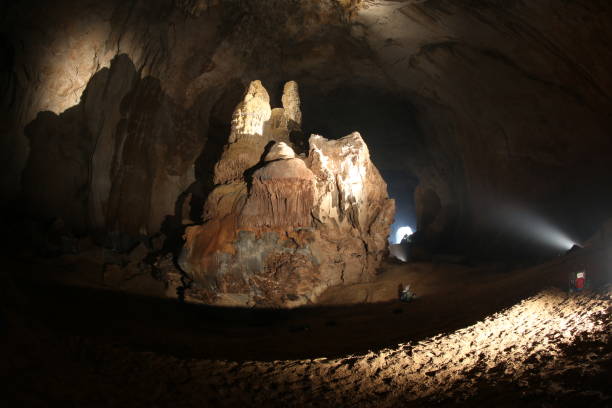
Venture into the heart of Vietnam’s mysterious and awe-inspiring underground world by exploring the largest cave in the world, the Son Doong Cave, located in Phong Nha-Kẻ Bàng National Park.
Activity Type: Caving, adventure exploration, nature trekking.
Overview: The Son Doong Cave, located in Vietnam’s Phong Nha-Kẻ Bàng National Park, holds the title of the largest cave in the world by volume. Discovered in 1991 and opened to the public in 2013, this incredible natural wonder is more than 5.5 miles (9 kilometers) long, and in some places, its chambers are wide enough to fit an entire city block. The cave features dramatic landscapes, with enormous stalagmites, underground rivers, and its own unique ecosystem. Inside the cave, explorers are treated to a surreal world, with towering rock formations, lush vegetation, and even an entirely enclosed jungle within its vast chambers.
To explore Son Doong Cave, travelers must embark on a multi-day adventure with a licensed tour operator, as access to the cave is strictly regulated to preserve its delicate environment. The journey involves a mix of trekking through dense jungle, wading through underground rivers, and climbing up to the cave’s grand entrance. The experience is both physically demanding and mentally rewarding, offering trekkers the rare chance to witness an underground landscape unlike any other. Aside from the cave itself, the surrounding landscape of Phong Nha-Kẻ Bàng National Park is a UNESCO World Heritage site, home to other incredible caves, lush jungles, and unique wildlife. Exploring Son Doong is truly a once-in-a-lifetime adventure that promises not only the discovery of an ancient, otherworldly environment but also a chance to marvel at the raw power of nature.
Where: Phong Nha-Kẻ Bàng National Park, Quảng Bình Province, Vietnam.
Duration of Activity: The trek to explore Son Doong Cave typically lasts 4 to 6 days, including trekking, caving, and camping in the wilderness.
Best Time to Visit: The best time to explore Son Doong Cave is from February to August when the weather is dry and the terrain is more manageable. The rainy season from September to January can make access more challenging and dangerous.
Cost: Access to Son Doong Cave is available through licensed tour operators, with prices ranging from $3,000 to $4,000 USD per person. This cost typically includes transportation, accommodation, meals, professional guides, and caving equipment.
Top Tips: Given the strenuous nature of the trek, it’s important to be in good physical condition and prepare for long hours of hiking in rugged conditions. Be sure to follow all safety protocols provided by your guide and wear sturdy hiking boots. A high level of fitness is required, as the trek can be challenging, with steep climbs and river crossings. Since the cave is in a remote area, it’s best to pack light, but also ensure that you have all necessary gear, including waterproof clothing, good-quality trekking poles, and a camera to capture the otherworldly beauty of the cave. Book your trip well in advance, as access to Son Doong Cave is limited to only a few hundred tourists per year to preserve its fragile ecosystem.
62.) Cracking the ice with wild polar bears- Tracking polar bears in the tundra
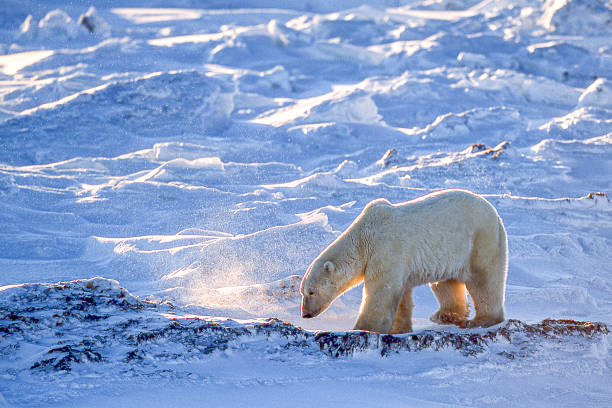
Embark on a thrilling Arctic adventure as you track polar bears in their natural habitat, navigating the frozen wilderness of the tundra and witnessing these majestic creatures in their icy domain.
Activity Type: Wildlife tracking, photography, adventure safari.
Overview: The frozen tundra of the Arctic is one of the harshest yet most awe-inspiring landscapes on the planet, and it is here that you can embark on one of the world’s most exciting wildlife adventures—tracking polar bears in their natural environment. The polar bear, the world’s largest land carnivore, is a symbol of the wild, untamed north, and seeing these magnificent animals up close in their icy home is a once-in-a-lifetime experience. The most famous destination for polar bear tracking is Churchill, Manitoba, Canada, often called the “Polar Bear Capital of the World.” The town lies on the edge of the Hudson Bay, where polar bears congregate during the fall as they await the freeze of the bay, which allows them to begin their hunt for seals.
Tracking polar bears in the wild is not only a thrilling wildlife experience but also an opportunity to explore one of the most pristine and remote ecosystems in the world. Guided expeditions in specialized vehicles known as tundra buggies provide a safe and unique way to get close to polar bears without disturbing their natural behavior. These excursions offer a chance to witness the bears as they roam the frozen landscape, hunt, and interact in their natural habitat. The surrounding tundra offers breathtaking views of icy expanses, with occasional sightings of other Arctic wildlife, such as foxes, wolves, and migratory birds, making the experience even more immersive. For photographers, this is a perfect opportunity to capture the stark beauty of the Arctic and the raw power of the polar bear.
Where: Churchill, Manitoba, Canada; Svalbard, Norway; and the Arctic regions of Russia and Alaska.
Duration of Activity: Polar bear tracking tours usually last 3 to 7 days, with a combination of wildlife viewing, tundra excursions, and photography sessions.
Best Time to Visit: The best time to track polar bears is during the fall, from October to November, when the bears congregate near the Hudson Bay before the ice forms. In Svalbard and other Arctic regions, tracking is best from late winter to early spring (March to May) when the sea ice is stable and bears are actively hunting.
Cost: Polar bear tracking tours generally cost between $4,000 to $7,000 USD per person, depending on the location, duration, and type of accommodation. Costs often include meals, transportation, tundra buggy tours, and professional guides.
Top Tips: Polar bear tracking is an extraordinary experience, but it requires patience and preparation. Be ready for cold temperatures, strong winds, and long hours in remote, rugged conditions. Dress in layers, with warm, windproof clothing, and ensure you have quality boots and gloves. Always follow the guidance of your expert trackers and guides, as polar bears are dangerous animals, and safety protocols are essential. Make sure to bring a good camera with a zoom lens for capturing polar bears from a safe distance, and keep in mind that sightings are not guaranteed—however, the chance of encountering these magnificent creatures in their natural environment is a true privilege
.
63.) Feeling the beat at the Rio carnival
Join one of the world’s most vibrant and thrilling celebrations by immersing yourself in the dazzling energy, music, and culture of the Rio Carnival, an iconic festival that brings the streets of Rio de Janeiro to life every year.
Activity Type: Cultural celebration, music and dance festival, street party.
Overview: The Rio Carnival is one of the most famous events in the world, drawing millions of visitors each year to the streets of Rio de Janeiro for an unforgettable experience. It is a spectacular display of Brazilian culture, with the city’s famous samba schools competing in the Sambadrome, colorful parades, street parties, and vibrant celebrations across the entire city. The carnival is a feast for the senses, filled with glittering costumes, infectious rhythms, and performances that reflect Brazil’s rich cultural diversity. The event typically spans five days, with the main festivities taking place just before Lent, often in February or March.
During the Rio Carnival, the streets are alive with samba music, and everyone—from locals to visitors—dances in the streets, participating in impromptu block parties known as “blocos.” These celebrations happen all over the city, from the iconic beaches of Copacabana to the lively neighborhoods of Santa Teresa. One of the highlights is the Samba Parade at the Sambadrome, where samba schools from across the country compete with elaborate floats, costumes, and synchronized dances. The energy is contagious, and there’s no better way to experience the spirit of Rio de Janeiro than by becoming a part of this colorful, high-energy celebration. Whether you’re watching the parade or dancing with the crowds at a bloco, the Rio Carnival offers an immersive experience that blends culture, music, and a sense of community.
Where: Rio de Janeiro, Brazil.
Duration of Activity: The Rio Carnival lasts for five days, with the main events typically taking place from Friday to Tuesday (before Ash Wednesday).
Best Time to Visit: The Rio Carnival takes place annually, just before Lent, usually in February or March, depending on the year. It’s essential to book accommodations and tickets well in advance, as the city fills up quickly during this time.
Cost: Costs for attending the Rio Carnival can vary widely depending on your experience. General entry to street parties and blocos is free, but attending the Samba Parade at the Sambadrome or securing a spot in one of the samba schools can cost anywhere from $50 to $500 USD, with premium experiences like VIP access or tickets to exclusive events reaching upwards of $1,000 USD.
Top Tips: Be prepared for large crowds and high energy, so stay hydrated and wear comfortable clothing and shoes. If you want to experience the Samba Parade, it’s worth purchasing tickets for the Sambadrome in advance, as the event sells out quickly. For the full carnival experience, don’t miss the street blocos, where you can join in the dancing, singing, and partying with locals. Keep your belongings secure, as the carnival is a busy event, and be mindful of the intense heat and humidity in Rio during this time. Finally, embrace the rhythm—dance, sing, and enjoy every moment of the spectacular festivities!
64.) Row across the Atlantic ocean
Test your endurance, resilience, and adventure spirit by taking on one of the most challenging and rewarding feats on earth—rowing across the vast expanse of the Atlantic Ocean.
Activity Type: Ocean rowing, adventure expedition, endurance challenge.
Overview: Rowing across the Atlantic Ocean is an extreme adventure that pushes the limits of human strength and endurance. For many, this challenge is the ultimate test of physical and mental fortitude. The most popular route for ocean rowing is the “Atlantic Rowing Race,” which typically involves starting from the Canary Islands off the coast of Spain and rowing to the Caribbean Islands of Antigua. The journey spans approximately 3,000 nautical miles (5,600 km) across the vast and unpredictable Atlantic, requiring careful preparation and teamwork.
Rowing across the Atlantic is a test of patience and skill. It can take anywhere from 30 to 60 days to complete, depending on the route and weather conditions. Rowers must manage everything from the mechanical aspects of their boat to the psychological demands of isolation. Along the way, participants face unpredictable weather, waves, and ocean currents, but also have the chance to witness unparalleled beauty—unbroken horizons, sunsets, and a stunning variety of marine life. This expedition is as much about personal growth and camaraderie as it is about completing an immense challenge. It offers a profound connection with nature, and a chance to experience the vastness and solitude of the ocean like few others ever will.
Where: The most common route starts from the Canary Islands (Spain) and finishes in Antigua (Caribbean), though alternative routes across the Atlantic are also possible.
Duration of Activity: The crossing typically takes between 30 to 60 days, depending on the weather conditions, the type of boat, and the rowers’ experience.
Best Time to Visit: The best time to row across the Atlantic is during the winter months, from December to February, when weather patterns are generally more favorable for ocean rowing expeditions.
Cost: The cost of an ocean rowing expedition varies greatly, with the price of a solo or team boat crossing ranging between $15,000 to $50,000 USD. Costs typically include the purchase or rental of a rowing boat, equipment, food, safety gear, support team, and permits. Some expedition packages also include professional guides and coaches.
Top Tips: Ocean rowing is not for the faint of heart. Be prepared for a physically demanding and mentally challenging experience. You must be in peak physical condition and mentally prepared for isolation, long hours of rowing, and the unpredictability of the sea. It’s also important to undergo proper training in navigation, survival skills, and boat handling. Ensure you have all necessary safety equipment, including a satellite phone, GPS, life raft, and emergency beacons. Join an organized race or challenge for the necessary logistical support and guidance. Don’t forget to embrace the experience—take in the views, the stars, and the amazing sense of accomplishment that comes from completing one of the world’s greatest adventures.
65.)Walking in the Treetops of the Guatemalan Jungle
Step into the heart of the ancient Maya world and experience the lush, vibrant canopy of the Guatemalan jungle from an entirely new perspective as you walk amongst the treetops, exploring a breathtaking ecosystem filled with wildlife and history.
Activity Type: Jungle trekking, canopy walk, wildlife exploration.
Overview: The Guatemalan jungle, home to the mysterious ruins of the ancient Maya civilization, is a destination that offers an unforgettable blend of natural beauty and historical intrigue. One of the most unique ways to explore this dense, tropical rainforest is by walking in the treetops, experiencing the jungle from above. The most famous location for this experience is Tikal National Park, a UNESCO World Heritage Site located in the heart of Guatemala’s northern Petén region. Tikal is one of the largest and most impressive Maya archaeological sites in the world, surrounded by a thriving jungle teeming with wildlife such as howler monkeys, toucans, and jaguars.
Walking along the Tikal canopy bridges provides a rare opportunity to witness the flora and fauna of the Guatemalan jungle up close, while also giving you a bird’s‑eye view of the sprawling ancient ruins that lie beneath the forest’s dense foliage. The experience is both thrilling and peaceful, as you stroll across suspension bridges high in the trees, surrounded by the sounds of the jungle and the sight of exotic creatures flitting among the branches. It’s an immersive adventure that allows you to connect with nature and history in a way few other activities can offer. As you explore the towering temples and hidden passageways of Tikal, you’ll also have the chance to spot wildlife in its natural habitat, making this adventure a perfect mix of archaeology and nature.
Where: Tikal National Park, Petén region, Guatemala.
Duration of Activity: The canopy walk experience typically lasts between 2 to 4 hours, depending on your pace and the time spent exploring the park. You can combine this with a full-day visit to the Tikal ruins.
Best Time to Visit: The dry season, from November to April, is the best time to visit, as the weather is more pleasant and there is less chance of rain. However, visiting in the green season (May to October) offers lush foliage and fewer crowds.
Cost: Entrance fees to Tikal National Park are around $20 USD, with canopy walk tours costing an additional $10 to $30 USD per person. Guided tours, which offer expert insight into the history and wildlife of the area, can cost between $50 and $150 USD depending on the length of the tour and the guide’s expertise.
Top Tips: The Guatemalan jungle can be hot and humid, so it’s important to stay hydrated and wear light, breathable clothing. Insect repellent is a must to protect against mosquitoes, and sturdy footwear is recommended for walking on the often uneven jungle paths. While you can visit the Tikal ruins independently, hiring a guide can enrich your experience with detailed historical and cultural insights. For the best wildlife sightings, start your day early to catch the jungle’s creatures at their most active. Don’t forget to bring binoculars and a camera to capture the breathtaking views and rare wildlife encounters!
66.) Swinging from trees with wild Orangutans in Borneo.

Get up close to one of the most fascinating and endangered species on the planet by swinging through the lush rainforests of Borneo with wild orangutans, a once-in-a-lifetime opportunity to witness these incredible creatures in their natural habitat.
Activity Type: Wildlife adventure, jungle trekking, animal conservation experience.
Overview: Borneo is a vast and diverse island, home to some of the world’s most unique wildlife, including the critically endangered orangutan. One of the most thrilling and heartwarming ways to experience this stunning island is by visiting the rainforests where orangutans roam freely, and you may even have the chance to swing through the treetops alongside them. The best places to engage in this adventure are the renowned rainforests of Sabah and Sarawak, particularly in protected reserves like the Sepilok Orangutan Rehabilitation Centre and the Borneo Rainforest Lodge. These areas are dedicated to the conservation of orangutans and their habitats, providing a rare chance to see these intelligent primates in the wild.
The experience often involves guided treks through the jungle, where you might find yourself suspended on canopy walkways, high above the forest floor, looking for orangutans as they swing from tree to tree. The canopy walk offers a thrilling bird’s‑eye view of the rainforest, and with luck, you may spot orangutans feeding, playing, or nesting in the trees. It’s a truly magical experience that allows you to appreciate both the beauty of the jungle and the delicate balance required to protect its wildlife. As you traverse the forest, a local guide will teach you about the conservation efforts underway to protect the orangutan population and other endangered species that call the rainforest home.
Where: Sabah and Sarawak, Borneo (Malaysia), particularly in the Sepilok Orangutan Rehabilitation Centre, Borneo Rainforest Lodge, and Danum Valley Conservation Area.
Duration of Activity: Wildlife treks and canopy walks generally last between 2 to 4 hours, but tours that include overnight stays in the rainforest can last several days.
Best Time to Visit: The dry season, between March and October, is the best time for jungle trekking and wildlife spotting in Borneo. However, the rainforest is lush year-round, and the wet season (November to February) offers fewer tourists.
Cost: Entrance fees to the Sepilok Orangutan Rehabilitation Centre are around $10 USD, with canopy walks and jungle treks typically costing between $50 to $150 USD per person, depending on the location and the type of experience. Multi-day tours or stays at eco-lodges can cost upwards of $500 USD.
Top Tips: Borneo’s rainforest is humid and can get muddy, so be sure to wear lightweight, moisture-wicking clothing and sturdy shoes. Don’t forget insect repellent to guard against mosquitoes and other bugs. Early morning treks offer the best chance to see orangutans and other wildlife, as animals tend to be more active during this time. Be respectful of the orangutans and other animals—keep your distance and follow your guide’s instructions. Finally, remember to bring a camera with a zoom lens to capture the incredible moments, but try not to disturb the wildlife by getting too close!
67.) Classic Cars and Cuban Cigars – Exploring Revolution in Cuba
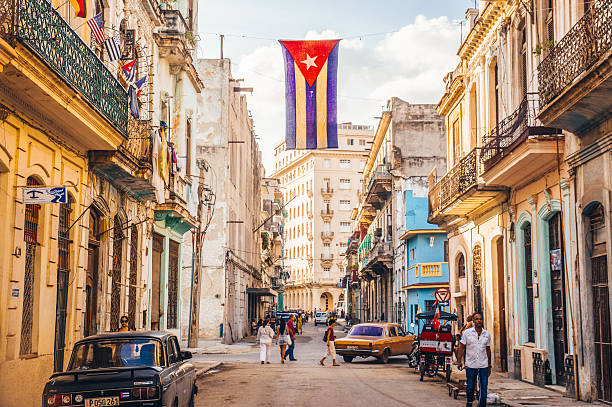
Step back in time and immerse yourself in the vibrant culture and history of Cuba, where colorful classic cars and world-famous cigars tell the story of the island’s revolutionary past.
Activity Type: Cultural exploration, historical tour, adventure, and relaxation.
Overview: Cuba is a land of fascinating contrasts, where time seems to have stood still in many ways, and yet modern vibrancy pulses through the streets of Havana and beyond. One of the most iconic aspects of Cuban life is the classic cars that still dominate the roads, a result of decades of ingenuity in maintaining and restoring pre-1950s American vehicles. The sight of these colorful, vintage cars cruising through the streets of Havana is a reminder of Cuba’s unique history and the endurance of its people. Exploring Cuba’s streets in one of these classic cars is one of the most memorable experiences, and many tours allow you to cruise around key landmarks, such as the Malecón, Old Havana, and the Plaza de la Revolución.
Beyond the cars, Cuba is also world-renowned for its cigars. The island’s tobacco fields are considered the best in the world, producing cigars that are coveted by aficionados across the globe. While exploring the countryside, you can visit tobacco plantations in Pinar del Río and watch the meticulous process of cigar rolling by hand. Whether you’re enjoying a freshly rolled cigar in one of Havana’s famed cigar lounges or participating in a cigar-tasting workshop, experiencing the craftsmanship and passion behind Cuba’s cigars is an unforgettable part of the island’s cultural heritage. From the lively music scene and colorful streets to the warm, welcoming people, exploring Cuba offers a deep dive into a country that is as rich in history as it is in character.
Where: Havana, Viñales Valley, and other key regions of Cuba.
Duration of Activity: Exploring Cuba’s classic cars and cigars can take a few hours for a day tour, or several days for a deeper dive into the island’s culture, including visits to cigar factories and tobacco farms.
Best Time to Visit: The best time to visit Cuba is from December to March, during the dry season, when the weather is warm but not too hot. However, Cuba is a year-round destination, with fewer tourists during the summer months (June to September).
Cost: Classic car tours typically range from $30 to $100 USD for a half-day experience, with more elaborate, private tours costing upwards of $200 USD. Cigar-related activities, such as factory visits or tasting sessions, typically cost $30 to $50 USD per person. The overall cost of a trip to Cuba can vary depending on your accommodation, meals, and length of stay, but expect to budget around $50 to $150 USD per day.
Top Tips: To fully immerse yourself in Cuban culture, take a classic car tour during sunset, when the city’s vibrant colors come alive. Be sure to bring cash in US dollars (or euros), as credit cards from U.S. banks are not always accepted in Cuba. If you’re interested in cigars, remember that authentic Cuban cigars are only sold at authorized stores or directly from tobacco farms—be wary of counterfeit cigars sold by street vendors. Finally, enjoy the rhythm of Cuba’s music scene, from lively street performances to intimate jazz clubs, as it’s an essential part of the island’s charm.
68.) Rock Climbing in Yosemite National Park, USA
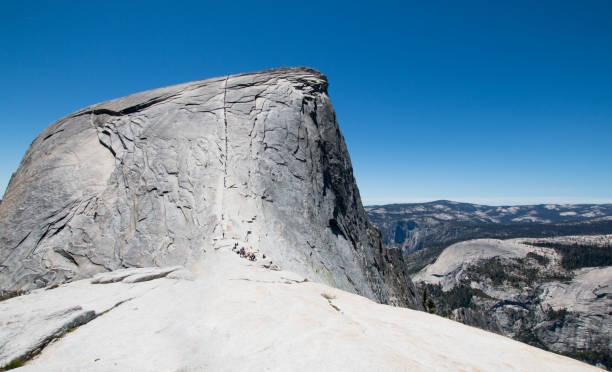
Challenge yourself against some of the most iconic rock faces in the world and experience the thrill of rock climbing in Yosemite National Park, one of the most revered climbing destinations on the planet.
Activity Type: Rock climbing, outdoor adventure, mountaineering.
Overview: Yosemite National Park is a mecca for rock climbers, offering a range of climbing experiences from novice routes to some of the most technical and famous climbs in the world. Known for its stunning granite cliffs, towering waterfalls, and expansive views, Yosemite attracts climbers of all skill levels. The park’s most famous feature, El Capitan, is one of the largest granite monoliths in the world and presents a challenge for climbers daring enough to attempt its sheer 3,000-foot vertical face. Whether you’re a seasoned climber looking to take on this world-famous route or a beginner keen to try smaller routes, Yosemite offers something for everyone.
Beyond El Capitan, Yosemite is also home to other legendary climbing spots, including Half Dome, which offers a challenging ascent with incredible views of the park. Other notable climbing areas include the Cathedral Spires, the iconic Tuolumne Meadows, and the Yosemite Valley. The park’s unique mix of granite rock formations, varied routes, and breathtaking landscapes make it a true climbing paradise. It’s not just about scaling the rocks; it’s about immersing yourself in the wild beauty of the California wilderness, with towering cliffs and panoramic vistas that are the reward for each ascent. For those looking to take their climbing skills to new heights, Yosemite offers a combination of technical difficulty and natural beauty unlike anywhere else in the world.
Where: Yosemite National Park, California, USA.
Duration of Activity: Climbing trips can vary depending on the route and your climbing experience. A half-day introductory climbing lesson can last about 4 hours, while multi-day climbs on routes like El Capitan can take anywhere from 3 to 7 days.
Best Time to Visit: The best time to climb in Yosemite is during the spring and fall (May to October), when the weather is mild and the park is less crowded. The summer months can be hot, especially in Yosemite Valley, so the cooler months are ideal for tackling more strenuous climbs.
Cost: Prices for guided climbing tours typically range from $150 to $400 USD per person, depending on the route and duration. For example, a half-day introductory climb on a smaller route may cost around $150 USD, while multi-day climbs or specialized tours (like El Capitan) can exceed $500 USD. National Park entrance fees are around $35 USD per vehicle for a 7‑day pass.
Top Tips: Due to the popularity of Yosemite’s climbing routes, especially El Capitan, it’s advisable to book permits and guided tours well in advance. Be prepared for the altitude and strenuous nature of climbing in a national park—Yosemite’s environment can be demanding. Always take plenty of water, wear proper gear, and if you’re not experienced, consider hiring a guide to ensure your safety and enhance your climbing experience.
69.) Witnessing Blue Lava – Night Volcano Trekking in Java
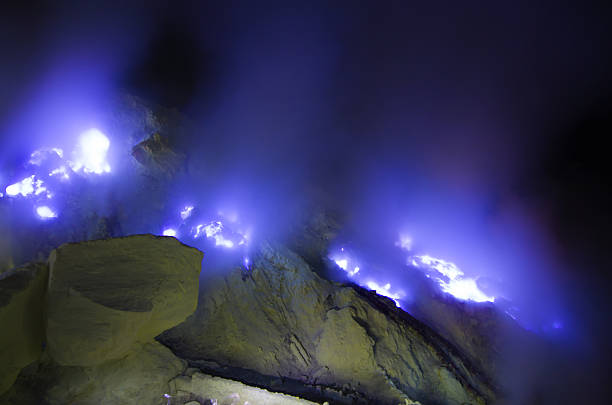
Embark on a thrilling night trek through Java’s volcanoes to witness the mystical blue lava phenomenon, an awe-inspiring sight that only a few places on Earth can offer.
Activity Type: Night trekking, volcanic adventure, nature exploration.
Overview: Java, Indonesia, is home to some of the world’s most active volcanoes, and one of the most surreal experiences you can have here is witnessing the phenomenon of blue lava. While the concept of “lava” is usually associated with fiery orange and red molten rock, the blue lava found in Java’s Ijen Crater is caused by the combustion of sulfuric gases that ignite when they come into contact with air. This rare and extraordinary sight can only be observed during the night, when the glow from the lava becomes visible in the dark. The Ijen Crater, located on the eastern tip of Java, is one of the few places in the world where this blue lava phenomenon occurs, making it a must-visit destination for adventure seekers and nature enthusiasts.
To witness the blue lava, trekkers must begin their hike in the dark, navigating the steep and sometimes treacherous terrain of the volcano. The hike to the crater’s rim typically takes 1.5 to 2 hours, but it’s well worth the effort once you arrive and see the eerie blue glow emanating from the sulfur mines below. The contrast of the blue lava against the dark volcanic landscape creates an otherworldly scene, unlike anything else on Earth. After the blue lava spectacle, visitors can explore the Ijen Crater’s turquoise acidic lake, one of the largest of its kind, before descending back down. The trek is physically demanding, but the beauty and rarity of the experience make it a bucket-list adventure for those seeking a unique natural wonder.
Where: Ijen Crater, East Java, Indonesia.
Duration of Activity: The trek typically takes around 4 to 6 hours, with most visitors hiking for about 2 hours to reach the rim of the crater and spend time observing the blue lava and the sulfur miners at work. The entire activity can take up to a half-day, including both the ascent and descent.
Best Time to Visit: The best time to visit Ijen is during the dry season, from May to October, when the trail is less slippery, and visibility is better. The phenomenon of blue lava can be seen year-round, but visiting during these months will give you the best conditions for trekking.
Cost: A guided tour to witness the blue lava typically costs between $40 to $80 USD per person, depending on whether it’s a group or private tour. Entrance fees for Ijen Crater are around $10 USD per person, and you’ll need to hire a guide, as it’s mandatory for safety reasons. For those looking for a more immersive experience, overnight stays in nearby hotels can range from $20 to $60 USD per night.
Top Tips: The trek to Ijen Crater is challenging and involves climbing in the dark, so bring a flashlight or headlamp, wear sturdy shoes, and dress in layers to adjust to the cold temperatures at the summit. Be aware that the sulfuric gases emitted by the volcano can be overpowering, so bring a gas mask, which is often available for rent at the base. For the best experience, try to time your visit to catch both the blue lava and the sunrise over the crater lake. Lastly, respect the sulfur miners working in the area—this is a difficult and hazardous job, and they should be approached with courtesy.
70.) Visit an active volcano at Volcan Pacaya, Guatemala.
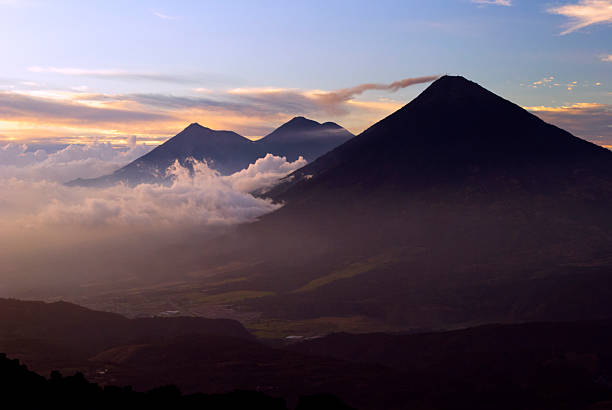
Experience the raw power of nature by visiting one of Central America’s most active volcanoes, where you can witness flowing lava and stunning volcanic landscapes up close.
Activity Type: Volcano trekking, adventure tourism, nature exploration.
Overview: Volcán Pacaya, located just 30 kilometers south of Guatemala City, is one of the most active volcanoes in Central America, offering an exciting opportunity for adventurers to explore a dynamic and unpredictable landscape. A trek to the summit of Pacaya is a thrilling experience, as hikers get to witness the force of an active volcano in real-time. The volcano’s continuous activity means visitors often have the chance to see flowing lava, billowing fumaroles, and glowing lava fields. The landscape around Pacaya is rugged and dramatic, with sharp rocks, dark ash, and blackened terrain formed from previous eruptions. While the summit itself is not always accessible due to volcanic activity, the trek provides stunning views of the surrounding region, including nearby volcanoes and the lush landscapes of Guatemala.
The trek itself is moderate, taking around 1.5 to 2 hours to reach the lower lava fields, where many trekkers can get up close to the glowing lava. For those with a bit more experience or with a guide, it’s possible to trek closer to the summit and enjoy breathtaking panoramic views of the surrounding region, including the distant Lake Amatitlán. However, it’s essential to note that because Pacaya is an active volcano, it is subject to changes in volcanic activity, and safety precautions must be followed. Most tours are led by local guides who are familiar with the terrain and the volcano’s behavior, ensuring that adventurers are safe while experiencing the stunning power of one of the world’s most active volcanoes.
Where: Volcán Pacaya, Guatemala.
Duration of Activity: A typical tour to Pacaya lasts around 4 to 5 hours, with about 1.5 to 2 hours spent hiking to the lava fields and additional time spent observing the volcano’s activity before returning.
Best Time to Visit: The dry season, from November to April, is the best time to visit Volcán Pacaya. This is when the trails are less slippery, and the weather is more conducive to hiking. However, the volcano is active year-round, so visitors can experience it at any time, though it’s important to check for volcanic activity alerts before planning your trip.
Cost: Guided tours to Volcán Pacaya typically range from $20 to $50 USD per person, including transportation, entrance fees, and a local guide. Some tours may offer additional services, such as transportation from Guatemala City or Antigua, which may increase the overall cost. The entrance fee to the park is around $8 USD per person.
Top Tips: Since the terrain around Pacaya can be rugged and sometimes hot due to the volcanic activity, it’s important to wear sturdy, closed-toe shoes and dress in layers. The air at the summit can be thin, so make sure to bring plenty of water and snacks. Be prepared for the possibility of encountering volcanic gases, which can be intense, so it’s a good idea to bring a face mask. For the most dramatic experience, consider visiting at sunset, when the lava glow against the darkening sky offers incredible photo opportunities. Always follow your guide’s instructions for safety, especially regarding proximity to active lava flows.
71.) Watch the Argentinean derby match in La Boca

Feel the electrifying atmosphere of one of the world’s fiercest football rivalries as you watch Boca Juniors take on River Plate in the heart of Buenos Aires.
Activity Type: Cultural experience, sports tourism.
Overview: Few sporting events capture the passion and intensity of the Argentinean Superclásico, the derby between Boca Juniors and River Plate. Held at La Bombonera stadium in the colorful La Boca neighborhood of Buenos Aires, this legendary match is more than just a football game—it’s a clash of culture, class, and history. The energy is palpable as the blue-and-gold-clad fans of Boca Juniors rally against the “Millonarios” of River Plate. Known for their immense loyalty, Boca fans turn La Bombonera into a cauldron of fervor, with choreographed chants, smoke bombs, and giant banners. Watching a derby in this iconic stadium provides not only a thrilling game but also an authentic window into Argentina’s deep love of football.
The derby between these two teams is rooted in a century-old rivalry that divides the country, with Boca traditionally representing the working-class port district of La Boca and River Plate associated with the wealthier northern suburbs. This cultural rivalry makes the Superclásico one of the most intense and celebrated sporting events globally, with fans and media alike building up to the match for weeks. Spectators lucky enough to witness it in person often say it’s as much about experiencing the charged atmosphere as watching the game itself. As the players take to the field, the intensity of the crowd, the cacophony of chants, and the passion in the air make this a must-do experience for sports fans and cultural travelers alike.
Where: La Bombonera Stadium, La Boca, Buenos Aires, Argentina.
Duration of Activity: The match itself lasts around 90 minutes, with additional time for pre-game festivities and post-game celebrations, so expect around 3 to 4 hours in total.
Best Time to Visit: The Superclásico matches typically take place during the Argentine football season from August to May. Check the schedule to catch a Boca Juniors home game at La Bombonera. These matches usually sell out quickly, so plan well in advance.
Cost: Ticket prices vary widely, depending on seating and demand, and can range from $100 to over $500 USD. Many visitors opt to purchase tickets through a reputable tour operator, as getting tickets independently can be challenging due to high demand and local ticket restrictions.
Top Tips: Arrive early to soak in the pre-match atmosphere and witness the lively street celebrations around La Boca. Avoid wearing any rival colors to ensure you blend in with the Boca Juniors fans. Bring cash, as many vendors and souvenir stalls around the stadium do not accept cards. Consider going with a local guide or tour group who can help you navigate the stadium and fully experience this incredible cultural event safely.
72.) Mountain trek on horses through the Tian Shan mountain range in Kyrgyzstan

Discover remote, pristine landscapes and immerse yourself in the nomadic traditions of Central Asia on a horseback journey through Kyrgyzstan’s majestic Tian Shan mountains.
Activity Type: Horseback trekking, mountain adventure, cultural experience.
Overview: Journey through the “Mountains of Heaven,” or Tian Shan, one of the most stunning and remote mountain ranges in the world. This horseback adventure offers an authentic way to experience the vast wilderness of Kyrgyzstan, known for its alpine lakes, dramatic valleys, and snow-capped peaks. The trek winds through rugged paths, high-altitude passes, and lush valleys dotted with wildflowers and grazing yaks. On horseback, you can navigate some of the most difficult terrain with ease, just as the local Kyrgyz nomads have done for centuries. Riding alongside your guides, you’ll also gain insight into traditional Kyrgyz culture, stopping at remote yurt camps to enjoy local hospitality and sample dishes like beshbarmak, a hearty meat and noodle dish.
This trek through the Tian Shan is a journey back in time, taking you through landscapes that remain largely untouched by modern development. The scenery is breathtaking, with towering mountains, crystal-clear glacial lakes, and verdant pastures. You’ll pass through high-altitude meadows, where nomadic families tend to their livestock, providing a rare opportunity to witness this unique way of life. Each night, you’ll rest in cozy yurts or under the stars, surrounded by mountain peaks and pristine wilderness. For those seeking an authentic adventure and a taste of Central Asia’s nomadic culture, this horseback trek is the ultimate experience.
Where: Tian Shan mountain range, Kyrgyzstan.
Duration of Activity: Treks can range from a few days to several weeks. A typical tour lasts about 7 to 10 days, covering various terrains and scenic spots in the region.
Best Time to Visit: June to September is the ideal time, as the weather is warmer and the mountain passes are accessible. During these months, you’ll also find lush landscapes and clear skies, ideal for photography.
Cost: A multi-day trek, including horses, guides, accommodation, and meals, typically costs between $1,000 and $2,500 USD per person, depending on the length of the trek and level of service.
Top Tips: Pack layers to accommodate varying temperatures and bring a good-quality sleeping bag for colder nights in the mountains. It’s recommended to have basic horse-riding skills, although most tours cater to all experience levels. Embrace the local hospitality by bringing small gifts or photographs to share with nomadic families you may meet along the way. Also, consider acclimatizing for a few days before the trek to adjust to the altitude, especially if your route includes higher passes.
73.) Dog-sledding across the Arctic Circle
Embark on an exhilarating journey across the frozen expanse of the Arctic Circle, led by a team of huskies under the dazzling glow of the northern lights.
Activity Type: Dogsledding, winter adventure, Arctic expedition.
Overview: Dogsledding across the Arctic Circle is an unforgettable journey into one of the world’s most pristine and untouched wilderness areas. Guided by experienced mushers and teams of Siberian or Alaskan huskies, you’ll glide across the snow-covered tundra and through frosty forests, surrounded by the endless white expanse and serene silence of the Arctic. The connection with the sled dogs, who are born and trained to thrive in these conditions, is a major part of the experience, and they’ll be your loyal partners as you venture deeper into the wild. Throughout the journey, you’ll learn the art of handling and caring for the dogs, understanding their personalities, and building a bond with your team. The Arctic winter landscapes are stunning, with sweeping panoramas, snow-draped trees, and, on clear nights, the spectacular aurora borealis illuminating the sky.
This challenging but rewarding expedition allows adventurers to experience life in the Arctic as traditional hunters and trappers once did. You’ll have the opportunity to explore remote Arctic landscapes few people ever see and might encounter local wildlife like reindeer, arctic foxes, or even polar bears (at a distance!). Depending on the journey, you’ll stay in rustic cabins or tents, immersing yourself in the simple, sustainable lifestyle of Arctic explorers. Days are spent mushing through vast, snow-covered landscapes, while nights are spent around a fire, sharing stories under the stars. For those seeking adventure, solitude, and a deep connection with nature, this dogsledding expedition is unparalleled.
Where: Arctic Circle regions in Norway, Sweden, Finland, Greenland, or Canada.
Duration of Activity: Dogsledding tours vary from day trips to multi-day expeditions, with longer journeys typically ranging from 5 to 14 days.
Best Time to Visit: December through March offers the best conditions for dogsledding, with colder weather, thick snow, and optimal chances to witness the northern lights.
Cost: A multi-day Arctic dogsledding trip generally costs between $2,000 and $6,000 USD per person, depending on the length of the expedition and inclusions like gear, food, and accommodations.
Top Tips: Dress in several warm layers to handle the Arctic temperatures, and invest in quality gloves, boots, and a face mask to protect from frostbite. Bring a camera with extra batteries as cold weather can deplete battery life quickly. Don’t forget to take time to bond with the dogs—they are the heart of the experience and bring joy and companionship to the expedition. Embrace the Arctic’s slow pace and be ready to unplug and truly connect with nature.
74.) Meeting the Japanese God’s, Climbing Mount Fuji, Japan
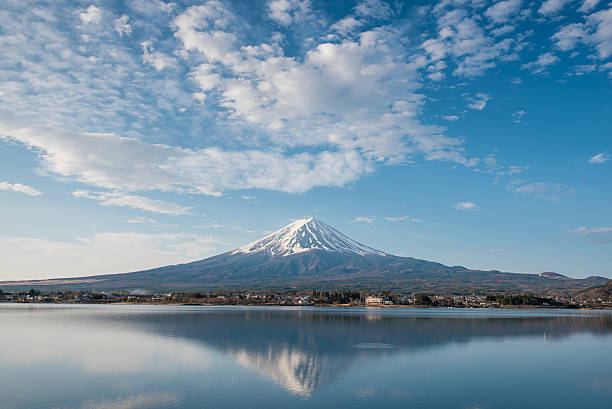
Ascend Japan’s most iconic peak, a journey steeped in spirituality and natural beauty that’s inspired pilgrims and poets for centuries.
Activity Type: Mountain trekking, spiritual pilgrimage, cultural experience.
Overview: Climbing Mount Fuji, the highest mountain in Japan, is more than just a hike; it’s a spiritual pilgrimage revered by locals and visitors alike. Known as “Fuji-san,” this active volcano is deeply woven into Japanese culture, with its perfect symmetry symbolizing tranquility and beauty. Traditionally, the mountain is believed to be inhabited by spirits, and climbers often take on this journey with a sense of respect and reflection. The experience begins in the dense forests at the base, and as you ascend, the scenery shifts dramatically from lush greenery to rocky, barren landscapes. Reaching the summit in time for sunrise, known as “Goraiko,” is a mystical moment where you’re said to feel the presence of the gods, watching the sun break over Japan’s landscape. Many climbers see this as a way of connecting with Japan’s spiritual heritage and the raw beauty of nature.
Climbing Mount Fuji is physically challenging but manageable for most, with well-maintained trails and regular rest stations. During peak season, the trails are bustling with climbers of all ages, from seasoned hikers to first-time adventurers, creating a communal atmosphere that adds to the sense of shared pilgrimage. As you approach the summit, the air thins, and the landscape becomes increasingly surreal—a stark reminder of Fuji’s volcanic nature. At the top, the stunning panoramic views and the sense of accomplishment make the journey worthwhile, offering memories that last a lifetime.
Where: Mount Fuji, Shizuoka and Yamanashi Prefectures, Japan.
Duration of Activity: Climbing Mount Fuji usually takes 5 to 10 hours to ascend, with an additional 3 to 5 hours for the descent. Many climbers opt for an overnight hike to witness the sunrise from the summit.
Best Time to Visit: The official climbing season is from early July to early September, when trails are open, weather conditions are safest, and facilities are accessible.
Cost: The climb is affordable, with an optional summit donation of about 1,000 yen ($10 USD) for trail maintenance. Additional costs include transportation, equipment rental if needed, and accommodations if staying overnight near the base.
Top Tips: To maximize your experience, consider starting your hike in the evening to reach the summit at sunrise. Wear layers to adjust for altitude and temperature changes, and bring plenty of water to stay hydrated in the thinner air. Renting a walking stick as a memento is a popular tradition among climbers, and you can have it stamped at various stations on your way up. Finally, remember to take in the spiritual essence of the journey; for many, the ascent is as much an inner experience as it is a physical one.
75.) Underwater Paradise: Diving in Sipadan, Malaysia

Dive into one of the world’s richest marine environments, home to breathtaking coral reefs and abundant marine life.
Activity Type: Scuba diving, marine exploration, underwater photography.
Overview: Sipadan, Malaysia’s only oceanic island, is a diver’s dream come true. Formed by a volcanic eruption thousands of years ago, it now stands as a thriving underwater oasis where more than 3,000 fish species and hundreds of coral types make their home. Known for its crystal-clear waters, steep drop-offs, and diverse marine life, Sipadan’s coral walls plunge over 600 meters, creating dramatic underwater scenes filled with color and life. Schools of barracuda swirl in mesmerizing vortexes, sea turtles glide effortlessly through the currents, and reef sharks patrol the depths. This underwater wonderland has been protected as a marine park, ensuring that its unique biodiversity and ecosystem are carefully preserved for future generations of divers.
Considered one of the top dive spots in the world, Sipadan is surrounded by dive sites that offer their own unique attractions. Barracuda Point is famed for its spectacular fish tornadoes, while Turtle Cavern is known for its intriguing maze of caves and tunnels filled with turtle skeletons. The drop-off near the main beach, nicknamed “The Wall,” plunges abruptly, showcasing an extraordinary range of corals and underwater life right from the shore. Sipadan’s marine scenes are ideal for photographers, offering rare encounters with macro species, vibrant coral gardens, and an abundance of larger pelagics, making it a destination like no other.
Where: Sipadan Island, Sabah, Malaysia.
Duration of Activity: Most dive trips are multi-day excursions, with day-long trips to various dive sites. Due to conservation efforts, only 120 divers are allowed per day, so permits must be arranged in advance.
Best Time to Visit: April to December offers the best diving conditions, with reduced monsoon activity and ideal water clarity. June to September is particularly popular for warm, calm seas and high marine visibility.
Cost: Dive packages to Sipadan vary, ranging from $200 to $500 USD per day, including permits, gear, and boat fees. Longer packages and high-end dive resorts will cost more.
Top Tips: Plan your dive well in advance as daily permits are limited. To maximize your experience, book a liveaboard or stay on nearby Mabul or Kapalai Islands, where day trips to Sipadan are more accessible. If possible, bring an underwater camera to capture Sipadan’s stunning scenery. Lastly, practice responsible diving to protect Sipadan’s fragile reefs—its beauty depends on our care and respect.
76.) Hang Gliding Over Rio de Janeiro
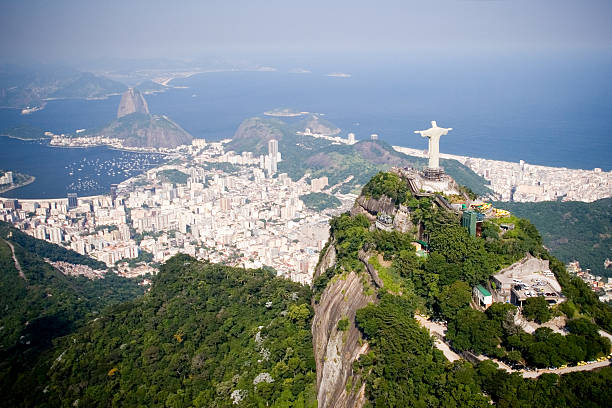
Soar like a bird over one of the world’s most iconic cityscapes, taking in breathtaking views of Rio’s beaches, mountains, and urban landscapes.
Activity Type: Hang gliding, aerial adventure, sightseeing.
Overview: Hang gliding over Rio de Janeiro is an unforgettable adventure that lets you experience the city’s beauty from an entirely new perspective. Launching from Pedra Bonita, a mountain located within Tijuca National Park, you’ll glide smoothly above lush rainforest, with spectacular views of Sugarloaf Mountain, the Christ the Redeemer statue, and the stunning coastline stretching out below. Rio is one of the few places in the world where you can hang glide directly over both urban and natural landscapes, allowing you to take in a mix of breathtaking city and beach views in a single flight. Whether you’re soaring over Ipanema or glimpsing the surf at Copacabana, the city unfolds below in a visual symphony of blue, green, and sandy hues.
This activity is safe for beginners, as you’ll be flying tandem with an experienced instructor who will guide you throughout the flight, allowing you to relax and enjoy the scenery. The thrill of takeoff is quickly replaced by a sense of peaceful awe as you glide over Rio’s iconic sights. Your flight will end with a gentle landing on the sandy shores of São Conrado Beach, where you’ll have the chance to soak in the incredible experience with your feet back on solid ground. For thrill-seekers and nature lovers alike, hang gliding over Rio offers an extraordinary way to see the city from a bird’s‑eye view.
Where: Pedra Bonita, Rio de Janeiro, Brazil.
Duration of Activity: The entire experience typically takes about 1–2 hours, with 10–20 minutes of actual flight time depending on wind conditions.
Best Time to Visit: December to March, during Rio’s summer, offers warmer temperatures and clear skies, though flights run year-round.
Cost: Tandem hang gliding flights in Rio range from $100 to $150 USD, including equipment, flight, and pilot fees. Some packages also include photos and videos.
Top Tips: Book your flight early in the morning for the calmest winds and the best chance of clear skies. Wear comfortable clothes and closed shoes for a secure takeoff and landing. Don’t forget a small, secure camera or phone strap to capture the unforgettable views mid-flight. Embrace the experience, trust your guide, and prepare for a once-in-a-lifetime view of Rio!
77.) Tracing Evolution: Wildlife Viewing in the Galapagos Islands
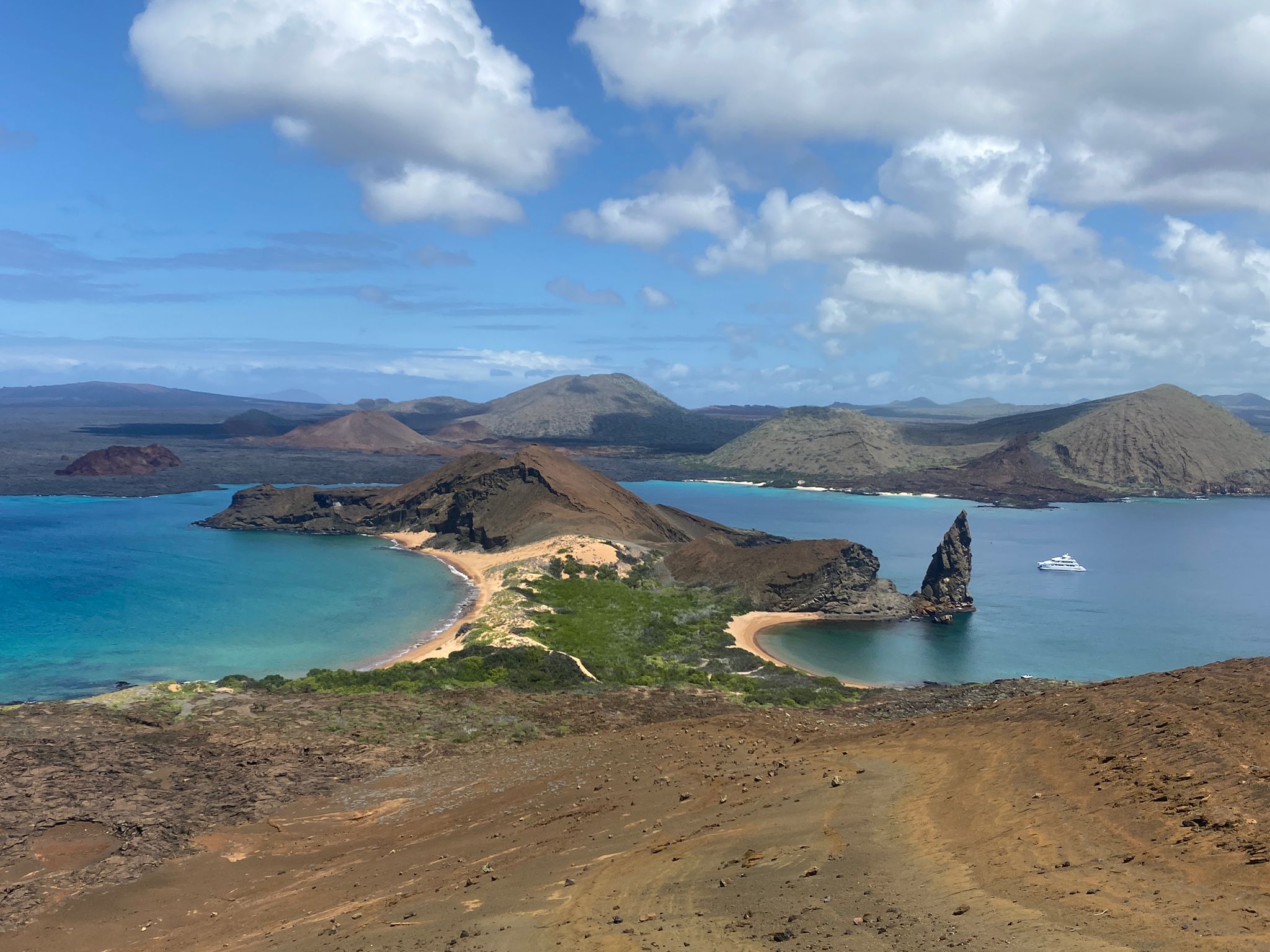
Step back in time on the Galapagos Islands, where unique wildlife offers a living glimpse into Darwin’s theory of evolution.
Activity Type: Wildlife viewing, island hopping, snorkeling, nature photography.
Overview: The Galapagos Islands, a UNESCO World Heritage site, are a paradise for wildlife lovers and scientists alike, where creatures that inspired Darwin’s theory of evolution still thrive in their natural habitats. Located off Ecuador’s coast, these volcanic islands host an extraordinary range of species found nowhere else on Earth—from the giant Galapagos tortoises that can live over a century to the striking blue-footed boobies, marine iguanas, and playful sea lions. Each island has its own unique ecosystem, offering visitors a chance to see different species and habitats in close proximity. The wildlife here has little fear of humans, allowing for incredibly close encounters that make it feel as though you’re part of a grand natural experiment.
Exploring the Galapagos is more than just observing animals; it’s stepping into a pristine, almost otherworldly environment where time seems to stand still. Whether snorkeling with hammerhead sharks, kayaking alongside sea turtles, or spotting Galapagos penguins, every experience offers new insight into these islands’ delicate ecosystems. The landscapes are as diverse as the wildlife, ranging from volcanic craters and rugged coastlines to white sand beaches and lush highlands, creating stunning backdrops for every wildlife interaction. It’s a once-in-a-lifetime adventure that offers a profound connection to the natural world and a chance to witness evolution in action.
Where: The Galapagos Islands, Ecuador.
Duration of Activity: Wildlife tours typically range from 4–8 days, with day trips to individual islands or longer cruises that allow exploration of multiple locations.
Best Time to Visit: The Galapagos are a year-round destination. From December to May, warmer water temperatures make snorkeling and diving ideal, while June to November brings cooler weather and increased marine life activity.
Cost: Multi-day cruises or island-hopping tours range from $1,500 to over $7,000 USD, depending on the length and luxury of the trip. Day tours are available for around $150 to $300 USD.
Top Tips: Book with an environmentally responsible tour operator to ensure your visit supports conservation efforts. Bring reef-safe sunscreen, a dry bag, and a quality camera or underwater gear to capture every moment. Consider a longer stay to fully appreciate each island’s unique species, landscapes, and rich natural history. Above all, remember to tread lightly—this is one of the most fragile ecosystems on the planet.
78.) The Best of Foliage: Hiking the Appalachian Trail in October, USA
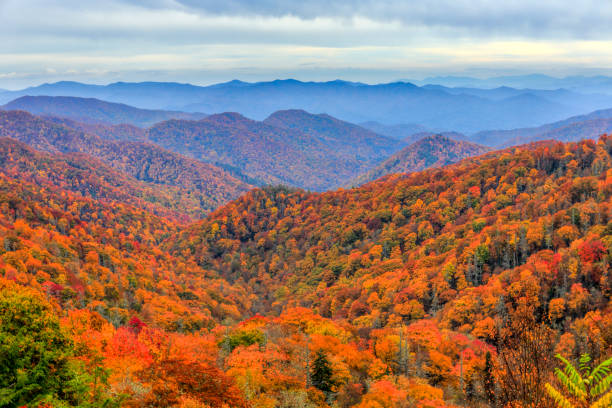
Immerse yourself in vibrant autumn scenery while traversing one of America’s most iconic long-distance hiking trails.
Activity Type: Hiking, backpacking, nature photography.
Overview: Hiking the Appalachian Trail in October is a dream for nature lovers, offering a front-row seat to some of the most beautiful fall foliage in the world. The trail stretches over 2,190 miles from Georgia to Maine, passing through 14 states, dense forests, rolling hills, and scenic mountain ranges. October brings an explosion of color to the trail, with maples, oaks, and birches blazing in hues of red, orange, and yellow. This unique season transforms the rugged landscapes into a stunning natural tapestry, creating a picturesque backdrop for hikers. The Appalachian Trail, known as the “A.T.,” is a journey of endurance and discovery, with diverse ecosystems and varying terrain that make each mile a new adventure.
The A.T. attracts hikers from all over, whether they’re attempting the full thru-hike or exploring shorter sections for a few days. Popular stretches for fall foliage include the Smoky Mountains in Tennessee and North Carolina, Shenandoah National Park in Virginia, and the White Mountains of New Hampshire. In addition to breathtaking views, October brings cooler temperatures, fewer crowds, and abundant opportunities for spotting wildlife. Hiking the A.T. in autumn is as challenging as it is rewarding, offering a refreshing, peaceful experience in the heart of nature.
Where: Appalachian Trail, Eastern United States, stretching from Springer Mountain, Georgia to Mount Katahdin, Maine.
Duration of Activity: Ranges from day hikes or weekend trips to a full thru-hike lasting 5–7 months. October section hikes are popular due to manageable weather and beautiful scenery.
Best Time to Visit: October is the peak season for fall foliage, particularly in mid-October. This month also brings mild temperatures, ideal for hiking.
Cost: Permits are generally free or low-cost, but multi-day hikes require budgeting for gear, food, and accommodations in nearby towns if needed. An average day on the trail may cost $20–$50 for supplies.
Top Tips: Pack warm layers, as temperatures can drop quickly in October. Plan your hike in advance, especially for popular sections, to avoid any permit restrictions. Carry a map and a charged GPS, as weather changes can obscure views. Finally, embrace the solitude and beauty—fall on the A.T. is an unforgettable wilderness experience that offers some of the best foliage views in North America.
79.) Climb Leukerbad Via Ferrata in Switzerland

Challenge your limits on one of Switzerland’s most thrilling Via Ferratas, scaling rocky cliffs with awe-inspiring views of the Alps.
Activity Type: Via Ferrata climbing, mountain adventure, adrenaline experience.
Overview: Nestled in the Swiss Alps, the Leukerbad Via Ferrata offers an exhilarating adventure for climbing enthusiasts looking to experience high-altitude thrills without the technical demands of traditional rock climbing. This Via Ferrata—known for being one of the highest and most challenging in the Alps—takes climbers up sheer rock faces with stunning panoramic views of the Rhone Valley below. Featuring ladders, cables, suspension bridges, and metal rungs embedded into the rock, the Leukerbad route is designed for both safety and adrenaline, making it accessible to climbers with moderate fitness and a willingness to push their limits. The ascent rewards climbers with breathtaking alpine scenery, including the majestic Gemmi Pass and endless mountain vistas.
With several routes and sections of varying difficulty, Leukerbad offers something for both beginners and experienced climbers. The Daubenhorn Via Ferrata, for example, is one of the longest and most demanding Via Ferratas in Switzerland, climbing to over 2,940 meters (9,646 feet). Along the way, climbers will cross heart-racing bridges, navigate steep ladders, and make their way along narrow ridges, all while safely harnessed to the metal cable. The Leukerbad Via Ferrata is a true bucket-list climb, providing an unforgettable blend of adventure, beauty, and alpine spirit.
Where: Leukerbad, Swiss Alps, Switzerland.
Duration of Activity: The climb can take 6–8 hours depending on the chosen route and climber’s pace.
Best Time to Visit: Late June to early September offers ideal weather and accessibility. Avoid early spring and late autumn, as ice and snow can make the trail hazardous.
Cost: Entry to the Via Ferrata is generally free, but climbers need to rent or bring Via Ferrata equipment (harness, helmet, and gloves) for around $30–$50 USD. Guided tours are available for about $100–$150 USD.
Top Tips: Proper equipment is essential—ensure you have a secure harness and suitable footwear for the climb. Start early in the morning to maximize daylight, and bring plenty of water and high-energy snacks. Be prepared for rapidly changing mountain weather, and consider hiring a guide if you’re unfamiliar with Via Ferrata techniques. Lastly, take your time and enjoy the scenery—few places offer such spectacular alpine views while hanging onto the side of a mountain.
80.) Iceburg Encouter, Sea kayaking greenlands fjords
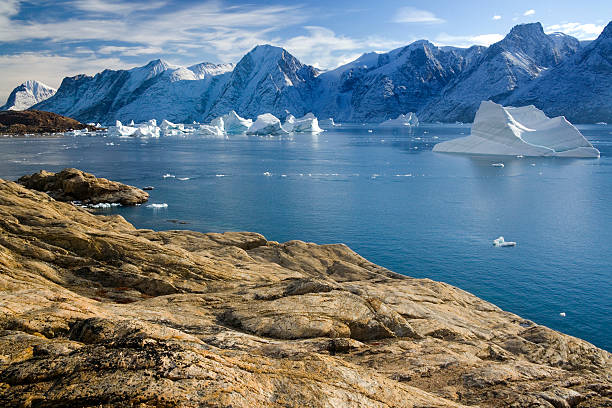
Paddle through Greenland’s majestic fjords, navigating icebergs and exploring a landscape frozen in time.
Activity Type: Sea kayaking, wilderness exploration, glacier viewing.
Overview: Greenland’s fjords offer some of the most awe-inspiring and pristine kayaking experiences on the planet, allowing adventurers to glide past towering icebergs and explore rugged coastlines shaped by glaciers over millennia. Kayaking in Greenland’s fjords immerses you in an icy wilderness where colossal icebergs drift silently by, fjords stretch to the horizon, and wildlife sightings—from seals and seabirds to whales—are common. The sheer beauty of this Arctic setting is complemented by the thrill of maneuvering around these natural ice sculptures, some as tall as multi-story buildings and glistening in mesmerizing shades of blue and white.
Exploring these fjords by kayak gives you a peaceful, up-close experience of Greenland’s remote beauty, far from any noise or crowds. Popular launch points include the town of Ilulissat, known for its UNESCO-listed Icefjord, and Tasermiut Fjord, where jagged mountains rise directly from the sea. Depending on the time of year, you may also be treated to the dance of the Northern Lights or the midnight sun. Greenland’s fjords invite you to paddle into a world almost untouched by time, where each day brings new and breathtaking encounters with nature’s raw power.
Where: Greenland’s west coast fjords, with popular routes around Ilulissat and Tasermiut Fjord.
Duration of Activity: Day trips to multi-day expeditions are available, ranging from 4‑hour paddles to 5–7 day journeys.
Best Time to Visit: Summer months from June to September are best for kayaking, with milder temperatures, accessible fjords, and wildlife activity.
Cost: Day kayaking tours start around $100–$150 USD, while multi-day expeditions can range from $1,500 to $4,000 USD, including gear, meals, and guided support.
Top Tips: Dress in layers suitable for Arctic conditions, and bring a waterproof bag for any essentials. Guided tours are recommended for beginners, as conditions can change rapidly. Keep your distance from icebergs—they can unexpectedly flip or break apart. Also, bring a camera to capture the surreal beauty of the fjords, but be mindful of your surroundings for a safe and unforgettable adventure in one of the world’s last great wildernesses.
81.) Road Trip through the Scottish Highlands, UK
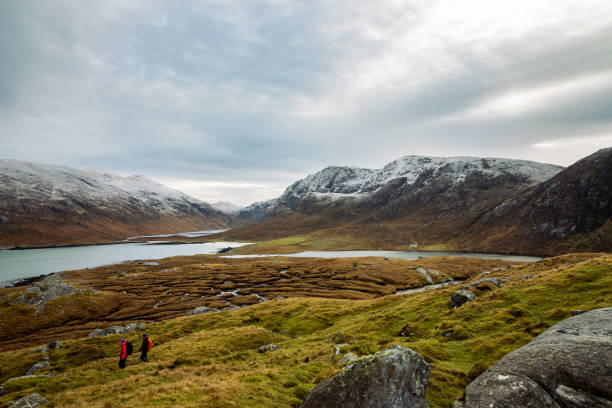
Embark on a breathtaking journey through rugged mountains, deep lochs, and charming villages on one of the world’s most scenic drives.
Activity Type: Road trip, nature exploration, cultural immersion.
Overview: The Scottish Highlands offer one of the most dramatic and beautiful landscapes in the UK, and a road trip through this area is an unforgettable adventure. Driving through the Highlands, you’ll be immersed in spectacular vistas, with towering peaks, rolling hills, crystal-clear lochs, and historic castles at every turn. Whether it’s the mystique of Loch Ness, the ancient beauty of Glencoe, or the rugged majesty of Ben Nevis, the Highlands are steeped in history and natural wonder. The route takes you through small villages where you can experience authentic Scottish culture and hospitality, and past ancient ruins, distilleries, and the occasional Highland cow grazing by the roadside.
Some of the most iconic routes include the North Coast 500, which loops around the northernmost part of Scotland, and the Isle of Skye’s breathtaking coastal roads, with dramatic cliffs, hidden beaches, and fairy-tale-like landscapes. Along the way, you’ll discover historical landmarks like Eilean Donan Castle and Urquhart Castle, as well as opportunities to spot wildlife such as red deer, golden eagles, and seals. This road trip is as much about the journey as the destination, with every mile offering an ever-changing tapestry of Scotland’s wild beauty.
Where: Scottish Highlands, UK, with popular routes including the North Coast 500 and Isle of Skye.
Duration of Activity: Typically 5–7 days for a full road trip, but can be adjusted depending on the route and stops you choose.
Best Time to Visit: Late spring to early autumn (May to September) offers the best weather for driving and sightseeing. Winter is beautiful, but conditions can be harsher and some roads may be closed.
Cost: Depending on the length of the trip, the cost can range from $50–$150 USD per day for car rental, fuel, food, and accommodation. Budget-conscious travelers can save by camping or staying in hostels.
Top Tips: Be prepared for rapidly changing weather conditions—bring layers and waterproof gear. Take your time to explore the small towns and local attractions along the way, as they offer a glimpse into Scottish life. Also, remember that some roads in the Highlands can be narrow and winding, so drive carefully and enjoy the slow pace. Lastly, be sure to stop at a local pub for a traditional Scottish meal and a dram of whisky—it’s all part of the authentic Highland experience.
82.) Jaguar-spotting in the Pantanal, Brazil
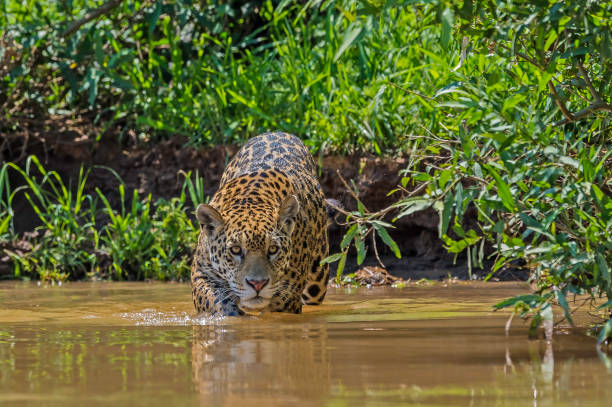
Venture into the heart of South America’s largest tropical wetland to witness one of nature’s most elusive and powerful predators in the wild.
Activity Type: Wildlife safari, nature exploration, wildlife photography.
Overview: The Pantanal, a vast wetland ecosystem in Brazil, is one of the best places in the world to see jaguars in their natural habitat. Spanning over 140,000 square miles, the Pantanal is teeming with wildlife, making it an incredible destination for nature lovers and wildlife enthusiasts. Jaguars, the largest cats in the Americas, roam these forests and grasslands, often hiding in the dense undergrowth but sometimes emerging on the banks of rivers or along game trails. Spotting a jaguar in the wild is a rare and thrilling experience, and the Pantanal offers some of the highest chances of success, thanks to its network of rivers and open landscapes that make these magnificent predators easier to track.
In addition to jaguars, the Pantanal is home to a wide variety of animals including caimans, capybaras, anteaters, giant river otters, and hundreds of bird species such as toucans and the endangered hyacinth macaw. The best way to explore the Pantanal’s diverse wildlife is by boat, as it allows access to areas of the wetlands that are otherwise inaccessible, and it offers the chance to quietly approach animals without disturbing them. For jaguar-spotting, morning and evening are the prime times to search, as the cats tend to be most active during the cooler parts of the day.
Where: Pantanal, Brazil, primarily in the southern region, including areas near Porto Jofre, Cuiabá, and the Transpantaneira Highway.
Duration of Activity: Safari tours typically last 3–5 days, with multiple excursions to maximize the chances of seeing jaguars.
Best Time to Visit: Dry season (June to September) is ideal for jaguar-spotting, as the waters are lower and animals are easier to observe around water sources.
Cost: Tours range from $500–$2,500 USD, depending on the length of the safari, accommodation, and guide services. High-end, all-inclusive packages with luxury lodges can be more expensive.
Top Tips: Be patient and flexible, as jaguars are elusive and sightings are never guaranteed. Bring binoculars and a good camera with a zoom lens for wildlife photography. Guided tours are essential for finding jaguars, as experienced local guides know the best areas and techniques for tracking these elusive animals. Don’t forget to pack insect repellent and sun protection, as the Pantanal can get hot and humid. Lastly, respect the wildlife and their environment, keeping a safe distance and avoiding loud noises that could disturb the animals.
83.) Climbing K2, Pakistan/China
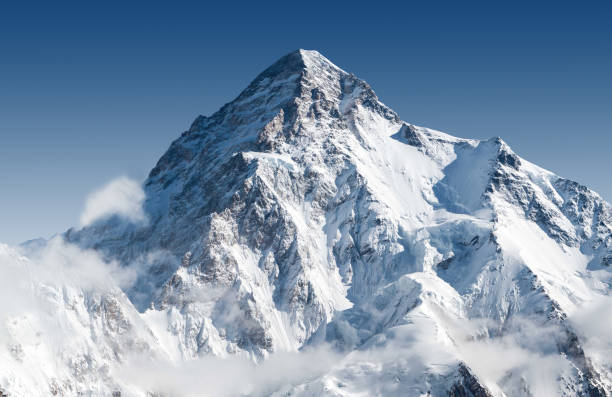
Challenge yourself on one of the world’s most demanding climbs, known as the Savage Mountain, where only the boldest mountaineers dare to tread.
Activity Type: High-altitude mountaineering, extreme adventure.
Overview: Rising to 8,611 meters (28,251 feet) on the Pakistan-China border, K2 is the second-highest mountain in the world, but it’s often considered the most challenging and dangerous of all the 8,000-meter peaks. Known as the “Savage Mountain,” K2 presents extreme technical difficulties, with steep ice walls, unpredictable weather, and treacherous rock faces that push climbers to their limits. Unlike Everest, K2 has no commercial routes or Sherpa support, making it a true test of endurance, skill, and resilience. Each year, only a handful of climbers make it to the top, and every ascent is met with immense respect in the climbing world.
The journey begins at the Karakoram Range in Pakistan, where climbers trek through the rugged Baltoro Glacier to K2 Base Camp, passing breathtaking landscapes of towering peaks and remote valleys. The ascent itself requires tackling sections like the Black Pyramid, the Bottleneck, and the infamous “Serac” ice overhang, all under the threat of avalanches and severe storms. Climbing K2 is not only a physical ordeal but a mental battle against altitude, exhaustion, and fear, and for those who succeed, the summit rewards them with one of the most spectacular views on Earth.
Where: Border of Pakistan and China, Karakoram Range.
Duration of Activity: Typically 6–8 weeks, including acclimatization and summit attempts.
Best Time to Visit: Summer (June to August), when conditions are at their most favorable, though weather remains highly unpredictable.
Cost: Expeditions can cost between $15,000–$40,000 USD, including permits, gear, guide services, and supplies.
Top Tips: Prepare for the extreme mental and physical demands of high-altitude climbing, and ensure you have previous 8,000-meter peak experience. Train rigorously for endurance, technical skills, and strength before attempting K2, as this is not a mountain for beginners. Select an experienced guide service, and plan for flexible timing, as weather can cause delays. Lastly, respect the mountain and always prioritize safety—K2 is as unforgiving as it is rewarding, and reaching the summit is only half the journey.
84.) Diving with humpback whales
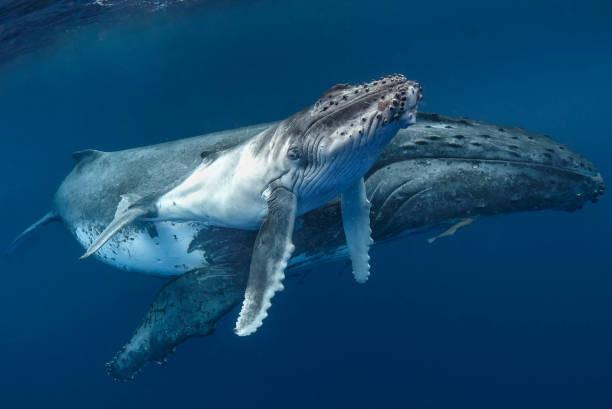
Experience an extraordinary underwater encounter with the gentle giants of the ocean as you dive alongside humpback whales in the clear blue waters of Tonga.
Activity Type: Scuba diving, snorkeling, wildlife encounter.
Overview: Tonga is one of the few places in the world where you can dive and swim alongside humpback whales, making it a top destination for those seeking close, breathtaking encounters with these magnificent creatures. Every year from July to October, humpbacks migrate to the warm waters of Tonga to breed and give birth, offering divers and snorkelers the rare opportunity to witness mothers and calves bonding and playful males competing for attention. The experience of watching these massive whales glide gracefully through the water, singing their hauntingly beautiful songs, is truly unforgettable. Diving with humpbacks allows you to appreciate their immense size and gentle nature up close, creating memories that will last a lifetime.
Tonga’s pristine, crystal-clear waters provide ideal visibility, enhancing your chances of a meaningful encounter. The islands of Vava’u, Ha’apai, and Tongatapu are popular spots where whale-watching tours and diving excursions offer both in-water interactions and surface sightings. Local tour operators prioritize safety and respect for the whales, ensuring that each interaction is a non-intrusive and respectful experience, allowing divers to witness these incredible animals in their natural habitat while minimizing any disruption to their behaviors.
Where: Vava’u, Ha’apai, and Tongatapu islands, Tonga.
Duration of Activity: Typically 3–7 days to allow multiple opportunities for whale encounters.
Best Time to Visit: Peak season is from July to October when the humpbacks migrate to Tonga’s warm waters.
Cost: Whale diving tours generally range from $200 to $400 USD per day, with week-long packages available.
Top Tips: Book early, as whale diving is in high demand during peak season. Choose a reputable tour operator that follows ethical whale-watching practices. Bring an underwater camera to capture this once-in-a-lifetime experience, but remember to prioritize the moment over the photo. And finally, respect the guidelines provided by your guides to ensure the safety and well-being of both you and the whales during each encounter.
85.) Being awed by 100,000 king penguins, South Georgia
Stand among a colony of over 100,000 king penguins and witness one of nature’s most extraordinary wildlife spectacles in the remote wilderness of South Georgia.
Activity Type: Wildlife viewing, nature exploration, photography.
Overview: South Georgia Island is a rugged, sub-Antarctic paradise where towering peaks and icy waters are home to some of the planet’s most breathtaking wildlife spectacles. Perhaps the most iconic of these is the sight of over 100,000 king penguins gathered in vast colonies along the beaches of the island. Standing amidst such a dense gathering of these striking birds, with their sleek black and white feathers and vivid orange accents, feels like stepping into a different world. The sounds of the penguins calling, the endless activity, and the surreal sight of thousands of chicks huddled together make this an unforgettable experience. South Georgia’s remoteness keeps it protected, and the limited number of visitors each year ensures an untouched and pristine habitat, adding to the majesty of the encounter.
Beyond the penguins, South Georgia teems with life, from elephant seals lounging on the beaches to giant petrels soaring overhead. The island also carries historical significance, with sites from Sir Ernest Shackleton’s legendary Antarctic expeditions scattered along the rugged terrain. The journey to South Georgia is an adventure in itself, accessible only by sea, often as part of a larger Antarctic expedition. But for those who make the trip, the sights and sounds of the king penguins provide a deeply moving and rare connection to some of Earth’s most remote and beautiful wildlife.
Where: South Georgia Island, Southern Atlantic Ocean.
Duration of Activity: Visits usually last 1–3 days as part of a longer Antarctic cruise.
Best Time to Visit: November to March, during the Austral summer, when conditions are more favorable for wildlife viewing.
Cost: Antarctic cruises, including stops at South Georgia, range from $10,000 to $20,000 USD, depending on the length of the trip and the level of accommodation.
Top Tips: Be prepared for extreme weather, as South Georgia can be cold, wet, and windy even in summer. Bring a high-quality camera and telephoto lens to capture the vast penguin colonies and dramatic landscapes. Plan ahead, as permits and Antarctic cruises fill up quickly, and be sure to choose an expedition company that prioritizes sustainable tourism and minimizes environmental impact on these delicate ecosystems.
86.) Mountain climbing in eastern Tajikistan
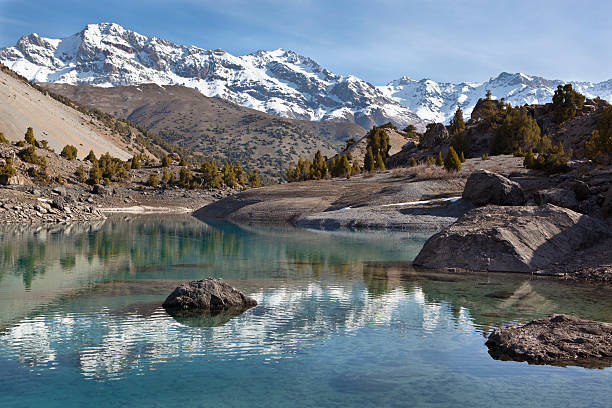
Venture into the rugged wilderness of Eastern Tajikistan for an untouched climbing experience among some of Central Asia’s highest peaks and pristine alpine landscapes.
Activity Type: Mountain climbing, trekking, high-altitude adventure.
Overview: Eastern Tajikistan, particularly the Pamir Mountains, is a dream for adventurous climbers seeking dramatic landscapes, challenging peaks, and solitude away from the usual mountaineering crowds. This region, known as the “Roof of the World,” boasts mountains that reach over 7,000 meters, with notable summits such as Peak Korzhenevskaya and Ismoil Somoni (formerly Peak Communism), the highest mountain in the former Soviet Union. These peaks offer a variety of climbing experiences, from technical routes with ice and rock faces to trekking paths that allow less-experienced climbers to enjoy stunning alpine scenery. The rugged terrain, deep valleys, and remote trails make for an unforgettable and demanding experience for climbers seeking adventure in a more isolated setting.
Beyond the climbing challenges, Eastern Tajikistan is known for its unique cultural encounters and pristine beauty. The Wakhan Valley, shared between Tajikistan and Afghanistan, is rich in history, dotted with ancient fortresses and traditional villages. Tajik hospitality adds to the allure, as locals welcome climbers and trekkers into their homes, providing glimpses into a way of life that has remained unchanged for centuries. For climbers willing to navigate the logistical challenges, the rewards are vast: untamed landscapes, rare glimpses of wildlife, and a climbing experience that feels like a step back in time.
Where: Pamir Mountains, Gorno-Badakhshan Autonomous Region, Eastern Tajikistan.
Duration of Activity: Expeditions typically range from 10 days to 4 weeks, depending on the summit and acclimatization needs.
Best Time to Visit: July to September, when conditions are warmer and more stable.
Cost: An expedition can range from $2,000 to $8,000 USD, including permits, guides, gear, and transportation within Tajikistan.
Top Tips: Acclimatization is key due to the high altitudes, so plan for a gradual ascent. Bring sturdy, cold-weather gear, as temperatures can drop dramatically at high elevations even in summer. Consider hiring local guides to navigate the region’s rugged terrain and to support local communities. Lastly, be prepared for limited infrastructure—eastern Tajikistan’s remoteness is part of its charm, but it also means carrying sufficient supplies and being self-sufficient.
87.) Wildlife Safari in the Sundarbans, India/Bangladesh
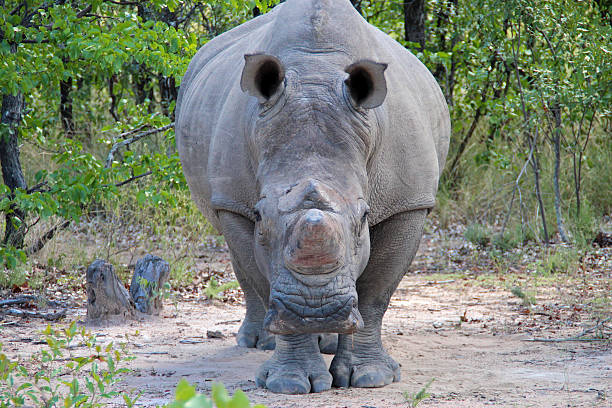
Embark on a thrilling river safari through the largest mangrove forest in the world, home to the elusive Bengal tiger and a diverse ecosystem of unique wildlife.
Activity Type: Wildlife safari, river cruise, nature exploration.
Overview: The Sundarbans, spanning the coastal regions of India and Bangladesh, form one of the world’s most enchanting and ecologically rich landscapes. Recognized as a UNESCO World Heritage Site, this vast mangrove forest and river delta is renowned for its mysterious and raw beauty. Visitors navigate the intricate network of rivers, creeks, and channels by boat, gliding through dense mangroves that are home to an astonishing variety of wildlife. The Sundarbans is famously known as one of the last strongholds of the Bengal tiger, and while spotting these elusive predators is rare, the knowledge that they roam nearby adds a sense of thrilling anticipation to every journey. Aside from the iconic tigers, the Sundarbans is home to saltwater crocodiles, spotted deer, Indian otters, macaques, and more than 250 bird species.
Beyond wildlife, the Sundarbans has an ethereal beauty unique to its mangrove forests and tidal islands, where the daily ebb and flow of the tides dramatically shape the landscape. The region’s local communities have adapted to this challenging environment, providing glimpses into the lives of people who coexist closely with nature and the inherent dangers it holds. Exploring the Sundarbans on a river safari is a captivating experience of both discovery and respect for nature’s delicate balance and power.
Where: Sundarbans National Park, West Bengal, India, and Sundarbans Reserve Forest, Bangladesh.
Duration of Activity: 2–5 days, allowing for boat safaris and wildlife excursions.
Best Time to Visit: November to February, during the dry, cooler winter months.
Cost: Tours typically range from $200 to $1,000 USD depending on the duration, accommodations, and level of luxury.
Top Tips: Opt for early morning and late afternoon boat safaris for the best wildlife spotting opportunities. Bring insect repellent, sunscreen, and a good pair of binoculars for birdwatching. Choose a licensed eco-friendly tour operator that adheres to conservation practices, and always respect the natural habitat by maintaining silence and minimizing disturbances. Finally, remember that patience is key; the beauty of the Sundarbans lies as much in its quiet mystery as in the wildlife sightings themselves.
88.) Walking across a frozen river on the Chadar trek in Zanskar River Valley, India.
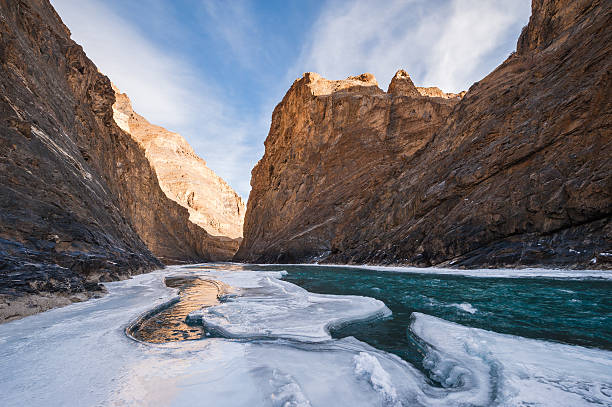
Trek the icy path of the Zanskar River for a once-in-a-lifetime winter adventure through frozen landscapes, remote villages, and dramatic canyons.
Activity Type: High-altitude winter trekking, wilderness expedition.
Overview: The Chadar Trek, also known as the Zanskar Gorge trek, offers an incredible opportunity to walk over the frozen Zanskar River in the winter months, a pathway that locals have used for centuries to connect remote villages during the harsh winter season. Set in the Ladakh region of India, this trek is a true test of endurance and resilience as trekkers brave freezing temperatures, icy terrain, and rugged landscapes. With towering cliffs on either side and breathtaking scenery throughout, the Chadar Trek is a unique journey that combines awe-inspiring beauty with a taste of cultural traditions. You’ll traverse frozen river sections, navigate patches of thick ice, and at times be forced to skirt around open water, making this trek both unpredictable and exhilarating.
The highlight of the Chadar Trek is the surreal scenery—a frozen world where sounds are muted, and the stark white landscape reflects the clear blue skies. Along the way, you’ll encounter small, resilient communities and Buddhist monasteries nestled within the rocky terrain. Nights are spent in caves or makeshift camps, offering glimpses into the rugged lifestyle of the region’s locals. Although challenging, the trek rewards its adventurers with unparalleled views and an unforgettable sense of accomplishment in completing one of the most unique treks on Earth.
Where: Zanskar River Valley, Ladakh, India.
Duration of Activity: 9–12 days, depending on weather conditions and route.
Best Time to Visit: January to February, when the river is completely frozen and safe for trekking.
Cost: Approximately $500 to $1,000 USD, including permits, guide fees, equipment rental, and logistics.
Top Tips: Prepare well for extreme cold with high-quality winter gear and proper layering. Acclimatization is crucial due to the high altitude, so consider arriving early in Ladakh. Pack energy-dense snacks, and ensure all equipment, including shoes, is designed for icy terrain. Since the trek is physically demanding, a good fitness level is necessary, and it’s highly recommended to go with a reputable tour operator who can ensure safety on this rugged winter journey.
89.) Mountain Biking Paradise, Riding the famous mountain bike slickrock trails in Moab, Utah, USA.

Experience the ultimate thrill on Moab’s iconic slickrock trails, where rugged sandstone and stunning desert vistas create a world-class mountain biking adventure.
Activity Type: Mountain biking, desert adventure, outdoor exploration.
Overview: Moab, Utah, is revered as a mountain biking mecca, drawing riders from all corners of the world to tackle its famous slickrock trails. These unique trails, carved into the region’s expansive sandstone, provide unmatched grip for tires, allowing for steep climbs, thrilling descents, and challenging technical maneuvers. The Slickrock Trail, one of the most famous mountain biking routes, offers a 10.5‑mile loop that showcases the best of the area’s rocky landscapes. Riding here is like nowhere else—sweeping vistas of canyons, red rock formations, and distant mountain ranges provide breathtaking scenery at every turn, making it an unforgettable experience for biking enthusiasts.
Beyond the legendary Slickrock Trail, Moab is filled with additional routes catering to all skill levels, from beginner to expert. Trails like Porcupine Rim, Amasa Back, and Gemini Bridges offer variety and challenge, allowing riders to tailor their experience. The landscape shifts dramatically as you ride, and while the terrain is demanding, the adrenaline rush and stunning desert views make every mile worthwhile. Moab’s slickrock trails are more than just a ride—they’re a journey through one of the world’s most rugged and beautiful outdoor playgrounds.
Where: Moab, Utah, USA.
Duration of Activity: Half-day to multi-day biking experiences, depending on trail selection.
Best Time to Visit: Spring (March to May) and Fall (September to November), when temperatures are mild.
Cost: Free for self-guided riders; bike rentals range from $50 to $150 USD per day. Guided tours cost around $100 to $300 USD.
Top Tips: The slickrock can be physically demanding, so ensure you’re prepared for intense climbs and technical sections. Carry plenty of water, as desert conditions can be dehydrating even in cooler weather. Always check trail conditions and opt for early morning rides during warmer months to avoid peak temperatures. For the best experience, a high-quality mountain bike with solid suspension and knobby tires is essential.
90.) Tramping Overland
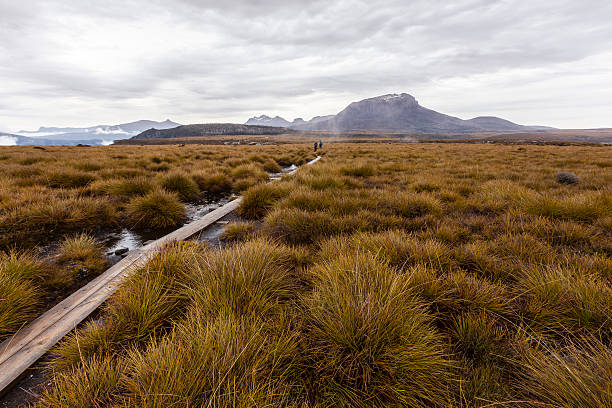
Challenge yourself on Tasmania’s renowned Overland Track, a journey through ancient rainforests, alpine plains, and rugged wilderness.
Activity Type: Multi-day trek, wilderness exploration, mountain adventure.
Overview: Tasmania’s Overland Track is one of Australia’s premier long-distance hikes, offering trekkers a mix of stunning landscapes, from misty rainforests and grassy plains to dramatic mountains and glacial valleys. Spanning approximately 65 kilometers, this multi-day trek takes adventurers through the heart of Tasmania’s World Heritage-listed Cradle Mountain-Lake St Clair National Park. It’s an awe-inspiring journey through pristine wilderness, filled with breathtaking views, ancient flora, and diverse wildlife, including the infamous Tasmanian devil, spotted among the track’s secluded sections. Each day reveals a new facet of Tasmania’s unique environment, from mossy forests and cascading waterfalls to crystalline lakes and towering dolerite peaks.
The Overland Track is a physically demanding experience but a deeply rewarding one, drawing trekkers into landscapes virtually untouched by modern civilization. Cradle Mountain and Mount Ossa, Tasmania’s highest peak, are standout features, and the ever-changing weather adds an element of unpredictability that only enhances the adventure. Nights are spent at huts or campsites along the trail, allowing trekkers to truly immerse themselves in the tranquility of nature. The Overland Track is an opportunity to disconnect and test your endurance while connecting deeply with the wild, ancient soul of Tasmania.
Where: Cradle Mountain-Lake St Clair National Park, Tasmania, Australia.
Duration of Activity: 6–7 days, depending on weather and trail conditions.
Best Time to Visit: Summer and early autumn (December to April) offer the best weather, though winter treks are possible for experienced hikers.
Cost: Permits are required, with prices around $200 to $300 USD; additional costs for gear rental, food, and accommodation before and after the trek.
Top Tips: Prepare for rapidly changing weather, as conditions can shift from sunny to snowy within hours. Pack layers, sturdy boots, and high-quality rain gear. Reserve campsites and book permits well in advance, as the Overland Track is a popular destination during peak season. Carry plenty of food and remember that the trail’s huts have limited facilities—always practice Leave No Trace principles to help preserve this stunning environment.
91.) England’s green and pleasant lands’ Walking the pennine way Derbyshire to Scotland
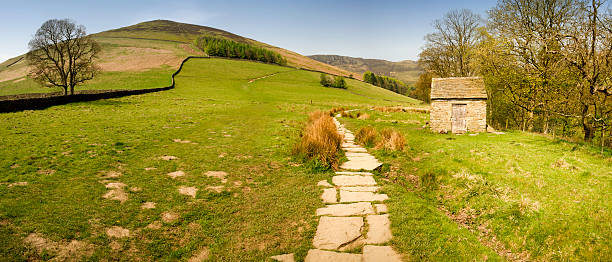
Traverse the iconic Pennine Way, a scenic journey through England’s rolling hills, moors, and charming villages, from Derbyshire to the Scottish Borders.
Activity Type: Long-distance walking trail, cultural exploration, countryside adventure.
Overview: The Pennine Way is one of Britain’s most beloved long-distance footpaths, stretching 268 miles (431 km) from the Peak District in Derbyshire to the border of Scotland. Known as the “backbone of England,” the trail takes hikers through some of the country’s most beautiful landscapes, including the rugged moorlands of the Yorkshire Dales, the high limestone ridges of the Pennines, and the breathtaking vistas of the Cheviot Hills. This challenging journey is a mix of history, nature, and quintessential English countryside charm, leading walkers through idyllic villages, past ancient stone walls, and across sweeping upland scenery that captures the essence of England’s green and pleasant lands.
The Pennine Way also offers a unique cultural experience, as it passes by historical sites such as Hadrian’s Wall, picturesque villages like Malham, and iconic natural landmarks, including High Force Waterfall and the atmospheric moors of Brontë Country. Along the trail, you’ll encounter cozy inns and welcoming locals, making it easy to experience the rich heritage and warmth of England. The Pennine Way is an endurance trek for those seeking both physical challenge and scenic beauty, and it’s a journey that leaves lasting memories of England’s pastoral landscapes.
Where: Starting in Edale, Derbyshire, and ending at Kirk Yetholm, Scotland.
Duration of Activity: Typically 16–21 days, depending on pace and weather.
Best Time to Visit: Late spring to early autumn (May to September) offers the best weather, though it’s possible to walk the trail year-round with proper gear.
Cost: Free to access the trail; however, accommodation costs vary from around $50 to $150 USD per night in inns, B&Bs, or campsites.
Top Tips: The trail can be muddy and challenging in sections, so sturdy, waterproof hiking boots are essential. Pack for changing weather, as conditions can be unpredictable even in summer. Plan accommodations and food stops ahead, as some sections are remote. Consider breaking up longer days with short detours to local landmarks and allow time to enjoy the English hospitality in the villages along the way.
92.) Snowboarding volcanes in Nicaragua

Take on a unique adrenaline rush as you snowboard down the ash-covered slopes of Nicaragua’s Cerro Negro volcano, experiencing an exhilarating mix of speed and stunning landscapes.
Activity Type: Volcanic boarding, adventure sports, outdoor exploration.
Overview: Volcano boarding in Nicaragua offers a once-in-a-lifetime thrill, combining breathtaking views with an extreme sport that’s gaining popularity among adventurers worldwide. Located near the colonial city of León, Cerro Negro is an active volcano with steep, ashy slopes ideal for snowboarding or sledding down at high speeds. Since its eruption in the mid-1800s, Cerro Negro’s slopes have become a playground for adrenaline seekers. As you approach the summit after a steep 45-minute hike, the thrill sets in with panoramic views of Nicaragua’s volcanic landscapes stretching across the horizon.
At the top, you’ll gear up for a wild descent down a black-sand slope, carving your way down volcanic ash and pumice. Riders can reach speeds of up to 50 mph on the descent, making it an unforgettable adventure against an unforgettable backdrop. There’s no snow here, but the loose volcanic gravel adds a unique twist that’s different from any traditional snowboarding experience. For those looking to take things up a notch, Cerro Negro is one of the few places in the world where you can board down an active volcano!
Where: Cerro Negro Volcano, near León, Nicaragua.
Duration of Activity: About 3–4 hours total, including hiking to the summit and boarding down.
Best Time to Visit: The dry season from November to April offers the most stable weather, but boarding is possible year-round.
Cost: Guided tours typically range from $30 to $60 USD, including board rental, safety gear, and transportation.
Top Tips: Wear sturdy clothing and consider goggles to protect against volcanic dust, which can be abrasive. Choose lightweight, breathable clothing to keep cool on the hike up. Consider wearing long sleeves and pants for added protection on the descent. Bring water and sunscreen, as the hike can be hot, and be ready to embrace the thrill of one of the most unique snowboarding experiences in the world.
93.) A white-knuckle drive in Norway driving the Trollstigen & climbing trolltunga
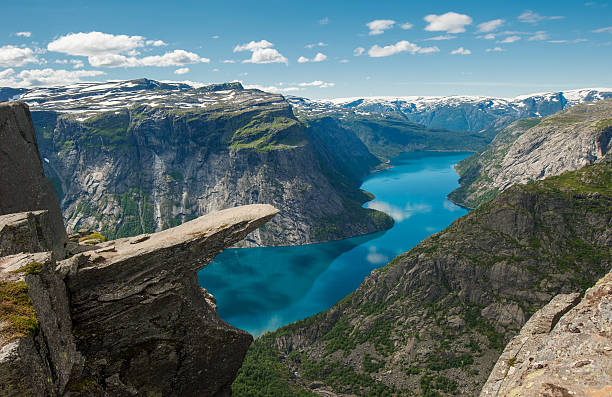
Take on two of Norway’s most iconic adventures: the hair-raising Trollstigen road and the unforgettable climb to the stunning Trolltunga rock formation.
Activity Type: Scenic driving, hiking, adrenaline adventure.
Overview: Norway is a country known for its dramatic landscapes, and a journey through Trollstigen and Trolltunga combines two of the country’s most exhilarating experiences. The Trollstigen, or “Troll’s Ladder,” is a serpentine mountain pass that twists and turns through steep valleys, offering heart-stopping views of waterfalls, lush forests, and rugged peaks. Driving this iconic road feels like an adventure in itself, with sharp hairpin bends and a dizzying ascent to the top of the mountains. Once you reach the summit, the panoramic views of the valley below, the majestic fjords, and the surrounding peaks will take your breath away.
After conquering the Trollstigen road, your adventure continues with a hike to Trolltunga, one of Norway’s most famous landmarks. The Trolltunga (Troll’s Tongue) is a dramatic rock formation that juts out over Lake Ringedalsvatnet, offering spectacular views of the surrounding mountains and fjords. The hike to Trolltunga is challenging, taking 8–10 hours round-trip, but the reward is one of the most stunning viewpoints in the world. The feeling of standing on the edge of the cliff, with nothing but vast wilderness below, is unmatched. Together, these two iconic experiences make for a truly unforgettable Norwegian adventure.
Where: Trollstigen is located in the Rauma Municipality of Norway, and Trolltunga is in the Hardanger region, near the town of Odda.
Duration of Activity: Driving Trollstigen takes about 30–45 minutes, while the hike to Trolltunga typically takes 8–10 hours round-trip.
Best Time to Visit: Summer months (June to September) are the best for both activities, as Trolltunga’s trail is often closed in the winter due to snow, and Trollstigen is most accessible in warmer weather.
Cost: Driving Trollstigen is free, though there may be fees for parking. Guided tours for the Trolltunga hike range from $100 to $200 USD, including transport and guidance.
Top Tips: For the Trollstigen drive, take your time and enjoy the scenery, but be prepared for narrow roads and tight turns. If you’re tackling the Trolltunga hike, start early to avoid crowds, and make sure to wear sturdy hiking boots, bring enough water, and pack some food. The weather can change rapidly, so carry layers and be prepared for wind and rain. Lastly, be cautious on the rock formation at Trolltunga, as it can be slippery, and never attempt to get too close to the edge without proper caution.
94.) Nature unleashed; The Ultimate Trekking Adventure in Madagascar

Embark on a once-in-a-lifetime trekking adventure through Madagascar’s otherworldly landscapes, from its iconic rainforests to its dramatic canyons and unique wildlife.
Activity Type: Trekking, wildlife exploration, cultural discovery.
Overview: Madagascar, the world’s fourth-largest island, is a true natural wonder, home to diverse ecosystems and an incredible array of endemic species. A trekking adventure here offers an unparalleled opportunity to explore lush rainforests, dry spiny forests, and towering limestone formations. One of the best ways to experience Madagascar’s raw beauty is by trekking through its national parks and reserves, such as Andringitra National Park and the famous Avenue of the Baobabs. Andringitra, with its high-altitude landscapes, provides a challenging trek with awe-inspiring views of the island’s highest peak, Pic Boby, while the Avenue of the Baobabs offers a unique photo opportunity with towering, ancient trees lining the dusty road.
Madagascar is also a haven for wildlife enthusiasts, with the island being home to over 100 species of lemurs, chameleons, and a host of birds and reptiles that can’t be found anywhere else on Earth. The rainforest treks, such as those in Ranomafana and Andasibe-Mantadia, give trekkers the chance to encounter these fascinating creatures in their natural habitat. Trekking through Madagascar isn’t just a physical challenge, but a cultural immersion as well, as you can visit local villages and interact with Malagasy communities, who live in harmony with the island’s unique ecosystems. The combination of adventure, wildlife, and culture makes Madagascar an ideal destination for those seeking the ultimate trekking experience.
Where: Andringitra National Park, Ranomafana National Park, Andasibe-Mantadia National Park, Avenue of the Baobabs, and other remote regions of Madagascar.
Duration of Activity: Trekking can range from a few days to up to two weeks, depending on the chosen route.
Best Time to Visit: The best time for trekking in Madagascar is during the dry season, from April to November, as the trails are more accessible and the weather is more comfortable.
Cost: Guided trekking tours typically range from $50 to $100 USD per day, with additional costs for park entry fees, equipment rental, and accommodations. Longer treks or multi-day tours may cost more.
Top Tips: Madagascar’s trails can be challenging and sometimes remote, so it’s essential to trek with a guide who knows the terrain. Be prepared for sudden weather changes, especially in the rainforests, and pack lightweight, moisture-wicking clothes to stay comfortable. Make sure to bring a good pair of hiking boots, insect repellent, and plenty of water. Be respectful of the local culture and wildlife; while trekking, keep your distance from animals and never disturb the fragile ecosystems.
95.) Snowboarding down the slopes of Hokkaido, Japan.
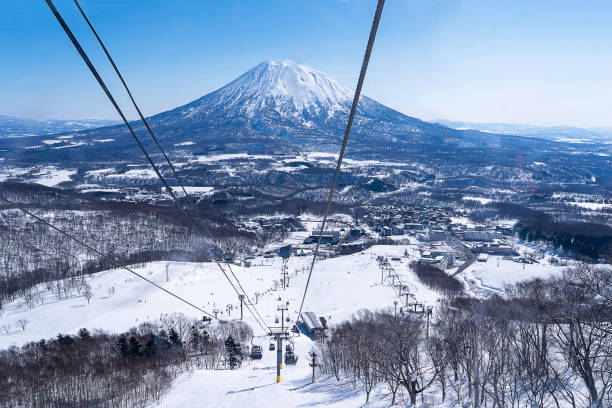
Experience the thrill of snowboarding on some of the world’s best powder snow in Hokkaido, Japan, a winter wonderland renowned for its exceptional conditions and picturesque landscapes.
Activity Type: Snowboarding, winter sports, adventure travel.
Overview: Hokkaido, Japan’s northernmost island, is a snowboarding paradise, famed for its light, dry powder snow and expansive terrain that attracts riders from around the world. With some of the best snow conditions on the planet, the island offers a variety of slopes, from beginner-friendly runs to challenging backcountry routes. The most famous snowboarding destinations in Hokkaido are Niseko, Furano, and Rusutsu. Niseko is the most well-known, offering an extensive network of well-groomed runs, powder-filled tree runs, and a vibrant après-ski scene. Furano, known for its wide, open terrain and stunning mountain views, is a favorite for riders seeking a less crowded experience. Rusutsu combines great snow with a more relaxed vibe, perfect for snowboarders looking to escape the crowds without sacrificing quality.
Hokkaido’s snowboarding experience isn’t just about the slopes — it’s about the entire winter adventure. After a day on the mountain, you can relax in one of the many onsens (hot springs) to soothe your muscles, or enjoy the local cuisine, which includes warm bowls of ramen, freshly caught seafood, and hearty Japanese comfort food. The island’s natural beauty, with its snowy peaks, forests, and coastal views, creates a magical winter atmosphere that makes snowboarding in Hokkaido a must-do for any winter sports enthusiast.
Where: Niseko, Furano, Rusutsu, and other ski resorts in Hokkaido, Japan.
Duration of Activity: Snowboarding can be enjoyed for a day, a weekend, or a week, depending on how much time you have and how many resorts you wish to explore.
Best Time to Visit: The best time to visit for snowboarding is between December and February, when Hokkaido’s famous powder snow is at its peak, although the ski season typically runs from late November to early April.
Cost: A one-day lift pass typically costs between $40 and $60 USD, depending on the resort. For multi-day stays, package deals can range from $200 to $500 USD, depending on the resort and accommodation. Rentals for equipment typically range from $30 to $50 USD per day.
Top Tips: If you’re planning to explore Hokkaido’s backcountry, always go with a guide and ensure you have the proper avalanche safety gear. The snow in Hokkaido can be deep and fast, so make sure to check the avalanche forecast and follow all safety advice. Consider staying in nearby towns like Hirafu (Niseko) for easy access to the slopes and vibrant après-ski options. Lastly, don’t miss out on the Japanese hot springs after a long day of snowboarding – they’re the perfect way to relax and unwind.
96.) Admiring your reflection at the Salar de Uyuni.
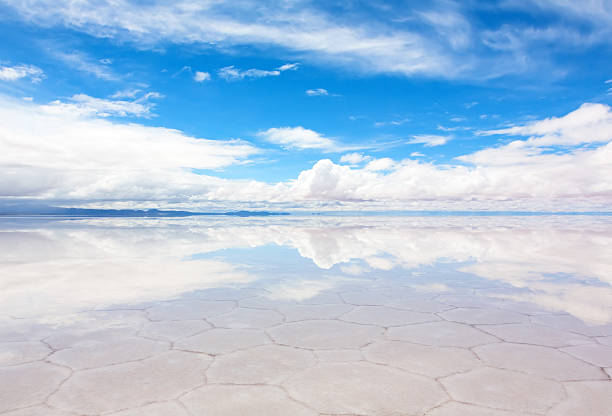
Step into one of the most surreal and awe-inspiring landscapes on Earth: the vast, endless expanse of the Salar de Uyuni, Bolivia’s incredible salt flats, where you can admire the sky’s perfect reflection.
Activity Type: Sightseeing, photography, adventure travel.
Overview: The Salar de Uyuni is the largest salt flat in the world, stretching over 10,000 square kilometers in southwestern Bolivia. This unique landscape is truly a photographer’s dream, with its flat, white surface creating the illusion of an endless mirror. During the rainy season (typically December to March), the flats become covered with a thin layer of water, transforming it into a giant reflective surface that mirrors the sky above, creating an almost otherworldly experience. On a clear day, the contrast between the pure white salt and the bright blue sky is equally stunning, making it an ideal spot for photography, reflection, and pure wonder.
Beyond its stunning surface, the Salar de Uyuni is rich in natural beauty. Visitors can explore nearby attractions like the Eduardo Avaroa National Reserve, with its colorful lagoons, flamingo populations, and volcanic landscapes. You can also visit the train graveyard, where old steam locomotives rust in the middle of the desert, adding a sense of history to this remote part of the world. Whether you’re there to witness the sunrise, take breathtaking photos, or simply immerse yourself in the quiet solitude, the Salar de Uyuni offers an unforgettable experience in one of the most unique environments on the planet.
Where: Salar de Uyuni, located in the southwest of Bolivia, near the border with Chile and Argentina.
Duration of Activity: A visit to the Salar de Uyuni typically takes 2 to 3 days to explore the area fully, including nearby attractions.
Best Time to Visit: The dry season (May to October) is the most popular for visiting, as the salt flats are fully exposed and easy to explore. However, visiting during the rainy season (December to March) offers the opportunity to see the mesmerizing reflective surface of the flats.
Cost: Tours of the Salar de Uyuni generally range from $50 to $150 USD per day, depending on the length and type of tour, with additional costs for transportation and guide services.
Top Tips: The vastness of the Salar de Uyuni can be disorienting, so it’s a good idea to travel with a guide, especially if you plan to explore further into the salt flats or nearby attractions. Be sure to bring plenty of water, sunscreen, and a hat to protect yourself from the intense sun and altitude. If you visit during the rainy season, be prepared for wet conditions and don’t forget to bring waterproof gear for your camera to capture the incredible reflections. For photographers, bring a tripod to capture the landscape in the best light during sunrise or sunset when the colors are most vibrant.
97.) Crossing Sri Lanka in a Tuk Tuk.
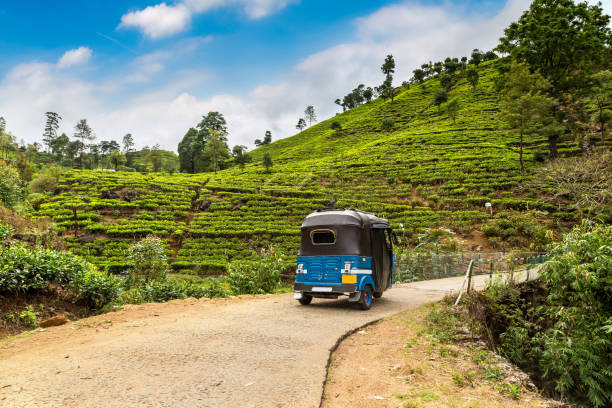
Experience the island’s beauty and charm at ground level by embarking on an unforgettable journey across Sri Lanka in a classic tuk tuk, a colorful and iconic vehicle that offers an intimate, immersive way to explore this stunning island nation.
Activity Type: Road trip, cultural exploration, adventure travel.
Overview: Traveling across Sri Lanka in a tuk tuk is one of the most unique and thrilling ways to see the country’s diverse landscapes and vibrant culture. These small, three-wheeled vehicles are ubiquitous in Sri Lanka, offering a low-cost and eco-friendly mode of transport. The tuk tuk journey allows you to see everything from bustling cities to tranquil rural villages, with opportunities to stop at scenic viewpoints, ancient temples, tea plantations, and beaches along the way. Starting in Colombo, the capital, you can travel along the island’s picturesque coastal roads, visit the UNESCO World Heritage sites of Kandy and Sigiriya, and wind through the lush hill country of Nuwara Eliya.
Sri Lanka’s tuk tuk routes offer a perfect blend of adventure and relaxation. While the open-air design of the tuk tuk allows you to feel the warmth of the tropical climate and hear the sounds of local life, it also provides flexibility and the ability to go off-the-beaten-path. Enjoy spontaneous stops at local markets, roadside food stalls, and rural villages that might be missed when traveling by car or bus. This journey offers the chance to connect deeply with the local culture, as the tuk tuk becomes your mobile base for exploration, offering the freedom to stop and linger where you like.
Where: Across Sri Lanka, with popular routes including Colombo to Kandy, Kandy to Nuwara Eliya, and along the southern coastal road.
Duration of Activity: A complete cross-island tuk tuk journey can take from 5 to 7 days, depending on your route and the amount of time spent at various stops.
Best Time to Visit: The best time to visit Sri Lanka for a tuk tuk journey is during the dry season, from December to April, which offers the best weather for road travel.
Cost: Renting a tuk tuk for a road trip in Sri Lanka typically costs between $25 to $50 USD per day, depending on the rental company and the quality of the vehicle. Additional expenses will include fuel (around $2 to $3 USD per liter), accommodation, food, and entry fees to attractions.
Top Tips: While tuk tuks are fun to drive, it’s important to be comfortable navigating the roads, as they can be narrow and busy with local traffic. Make sure your tuk tuk is in good condition, especially if you plan to travel long distances. It’s also advisable to have a reliable map or GPS, as some areas can be remote. Don’t forget to bring sunscreen, water, and a hat to protect yourself from the sun. Lastly, be sure to take some time to talk with the locals – they are always friendly and full of stories about their culture and country!
98.) Getting your Motor running; Motorcycle journey through Vietnam

Hit the open road and immerse yourself in the stunning landscapes, vibrant culture, and rich history of Vietnam on an unforgettable motorcycle journey. Vietnam’s roads offer the perfect opportunity to explore the country’s diverse terrain, from bustling cities to quiet villages, lush mountains to sun-kissed beaches.
Activity Type: Motorcycle adventure, cultural exploration, road trip.
Overview: Vietnam is a country made for motorcycle travel. With over 80 million motorbikes on the road, it’s the most common form of transport and a quintessential part of the local culture. A motorcycle journey through Vietnam allows you to travel at your own pace, soaking in the beauty of the country’s scenic landscapes and interacting with its friendly people. Starting in the bustling streets of Hanoi, you can venture south along the famous Ho Chi Minh Trail, passing through dramatic mountains, picturesque rice paddies, and charming towns like Phong Nha, Hue, and Hoi An. You’ll also have the chance to explore Vietnam’s coastline, stopping in the vibrant cities of Da Nang, Nha Trang, and Ho Chi Minh City (Saigon), and experiencing the diverse cultures of each region.
For those who crave adventure, Vietnam’s roads offer a mixture of well-paved highways, winding mountain paths, and rural trails that lead to hidden gems, from remote hill tribes to pristine beaches. Riding a motorcycle provides the freedom to discover off-the-beaten-path destinations, allowing you to stumble upon local markets, street food stalls, and ancient temples. Whether you’re seeking an adrenaline rush or a relaxed exploration, a motorcycle journey through Vietnam offers an immersive experience of this captivating country.
Where: From Hanoi in the north to Ho Chi Minh City (Saigon) in the south, or vice versa, with popular stops in places like Ha Long Bay, Hue, Hoi An, Nha Trang, and the Mekong Delta.
Duration of Activity: A motorcycle journey through Vietnam can take anywhere from 7 to 14 days, depending on your route, stops, and the pace at which you travel.
Best Time to Visit: The best time to travel by motorcycle in Vietnam is during the dry season, from October to April, when the weather is warm and pleasant.
Cost: Renting a motorcycle in Vietnam costs between $10 to $30 USD per day, depending on the type of bike and rental company. Additional costs will include fuel (around $1 USD per liter), accommodation, food, and entrance fees to attractions. Tours with guides can range from $50 to $150 USD per day.
Top Tips: Before embarking on a motorcycle journey, make sure you’re comfortable with the local traffic and road conditions. Vietnam’s traffic can be chaotic, and driving can be a challenge for those not used to it. Always wear a helmet (it’s mandatory) and follow local safety regulations. It’s a good idea to book your accommodations in advance in popular areas, especially during peak travel seasons. Lastly, take time to savor the local cuisine – street food in Vietnam is a highlight of the trip, and riding allows you to stop whenever you’re hungry!
99.) Pristine Alps & lakes from above; a Paragliding adventure in Interlaken, Switzerland.
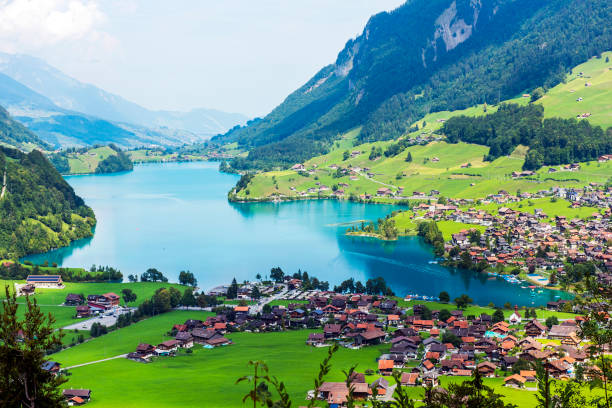
Soar above the iconic Swiss Alps and pristine lakes of Interlaken on a paragliding adventure that offers breathtaking aerial views of one of the most scenic spots on Earth. Interlaken, nestled between Lake Thun and Lake Brienz, is known as the adventure capital of Switzerland and the perfect place to experience the thrill of flying.
Activity Type: Paragliding, adventure sports, scenic flight.
Overview: Interlaken, Switzerland, is renowned for its spectacular natural beauty, making it a prime location for paragliding. With the towering peaks of the Eiger, Mönch, and Jungfrau as a backdrop and crystal-clear lakes at your feet, paragliding in Interlaken offers an unrivaled view of the Swiss Alps. Whether you’re an experienced paraglider or a first-timer, Interlaken offers tandem flights with experienced pilots, so you can take to the skies without any prior experience. After a short briefing and a scenic lift to the launch site, you’ll glide effortlessly over the region’s stunning landscapes, experiencing the thrill of flying while taking in views of snow-capped mountains, lush green valleys, charming villages, and tranquil lakes below.
The flight offers a perspective of Interlaken that’s impossible to replicate from the ground. As you soar through the air, you’ll witness the dramatic contrast of rugged mountain peaks meeting the serene blue of the lakes, all framed by Switzerland’s alpine charm. The region’s weather conditions, especially in the summer months, are perfect for paragliding, with light winds and clear skies. This unforgettable aerial adventure gives you the sensation of floating in the open air, with views that will stay with you long after you’ve touched down.
Where: Interlaken, located in the Bernese Oberland region of Switzerland, surrounded by the Jungfrau, Eiger, and Mönch mountains.
Duration of Activity: Tandem paragliding flights typically last between 10 to 20 minutes, depending on weather conditions and the flight route.
Best Time to Visit: The best time for paragliding in Interlaken is from late spring to early autumn (May to October), when the weather is warmer and the skies are clear. Winter flights are possible, but they are subject to weather conditions.
Cost: The cost of a tandem paragliding flight in Interlaken typically ranges from $150 to $250 USD, depending on the duration of the flight and the tour provider. Additional costs may include transportation to the takeoff point.
Top Tips: Always check the weather forecast before booking your paragliding flight, as conditions can change rapidly in the mountains. Make sure to wear warm, comfortable clothing, as temperatures can drop significantly at higher altitudes. Bring a camera to capture the views, but make sure it’s securely attached to avoid losing it during the flight. Lastly, book your paragliding experience in advance, especially during peak tourist seasons, as flights can fill up quickly.
100.) Kicking back on a secluded tropical island.

Escape to a hidden paradise where time slows down, the only sound is the rustling of palm trees, and the turquoise waters invite you to unwind. A secluded tropical island offers the ultimate escape from the hustle and bustle of daily life, providing a serene environment to relax, recharge, and embrace the natural beauty of your surroundings.
Activity Type: Relaxation, beach getaway, nature immersion.
Overview: A secluded tropical island is the perfect destination for those seeking tranquility, pristine beaches, and a slice of paradise. Whether you choose a remote island in the Maldives, the Seychelles, or a lesser-known gem in the Pacific or Caribbean, the essence of these islands remains the same – crystal-clear waters, soft white sands, and an unspoiled natural environment. These islands are often free from the distractions of modern life, making them ideal for couples on a romantic getaway, solo travelers looking to reconnect with nature, or anyone seeking a peaceful retreat.
While each secluded island is unique, many offer private beach bungalows, luxury resorts, or eco-friendly accommodations that blend seamlessly into the landscape. You can spend your days lounging in a hammock, sipping fresh coconut water, snorkeling in vibrant coral reefs, or exploring lush jungles. With no crowds to compete with, you’ll have the beach to yourself and the freedom to enjoy the beauty of nature without interruption. Whether you’re seeking solitude or simply looking to disconnect, a secluded tropical island promises an unforgettable experience of relaxation and natural wonder.
Where: Popular secluded tropical island destinations include the Maldives, Bora Bora (French Polynesia), Seychelles, Fiji, and the Galápagos Islands, but there are also hidden gems around the world like the Cook Islands, the Philippines, and the Solomon Islands.
Duration of Activity: Depending on your preferences, a tropical island escape can range from a weekend retreat to a long-term getaway, typically lasting between 3 to 10 days.
Best Time to Visit: The best time to visit tropical islands generally depends on the region. For most destinations in the Pacific, the dry season from May to October offers sunny skies and pleasant temperatures. For the Caribbean, the dry season between December and April is ideal.
Cost: The cost of a stay on a secluded tropical island varies greatly based on the destination and the type of accommodation. Budget travelers can find more affordable options in places like the Philippines or Thailand, with prices ranging from $30 to $100 USD per night. Luxury resorts in the Maldives or Bora Bora can cost between $300 to $1,500 USD per night, depending on the season and the level of exclusivity.
Top Tips: If you’re aiming for true seclusion, choose a less-visited island, as some popular tropical destinations can become crowded, especially during peak seasons. Pack light, breathable clothing and reef-safe sunscreen to protect both your skin and the environment. Many secluded islands are only accessible by boat or small aircraft, so ensure you book transportation in advance. Be sure to check for any local restrictions, as remote destinations can sometimes have limited access to services or amenities.
101.) BONUS ! – Journey into Space

For the ultimate adventure, imagine leaving the comfort of Earth and venturing into the vastness of outer space. A journey into space offers a once-in-a-lifetime experience to witness our planet from a completely new perspective, as well as the extraordinary beauty and mystery of the cosmos. Whether you’re a space enthusiast or simply seeking the ultimate thrill, the opportunity to go into space is the pinnacle of human exploration.
Activity Type: Space tourism, adventure travel, extreme experience.
Overview: With the rise of commercial space travel, going into space is no longer just a dream for astronauts—it’s becoming a reality for adventurous civilians. Pioneering companies like SpaceX, Blue Origin, and Virgin Galactic are making space tourism more accessible to the public, offering suborbital flights that allow you to experience weightlessness, see Earth from above, and witness the curvature of the planet. These companies have created experiences that bring the thrill of space travel to those with a sense of adventure and the financial means to take part.
Space tourism typically involves a brief journey beyond Earth’s atmosphere, where you can float in zero gravity and observe the stunning view of our planet from space. You’ll be able to look out from a spacecraft window and gaze at the Earth’s curvature, with the vast, dark expanse of space stretching out before you. While the experience is brief, lasting anywhere from a few minutes to a few hours, the memories last a lifetime. Some companies, such as SpaceX, also plan for longer missions, including orbital flights or even trips to the Moon and Mars, opening up new horizons for travelers who are seeking to push the boundaries of human exploration.
Where: Commercial space flights currently operate from locations such as the United States (Texas, Florida), and New Mexico, with plans to expand globally. Blue Origin launches from West Texas, while Virgin Galactic departs from New Mexico. SpaceX plans to operate out of Kennedy Space Center in Florida.
Duration of Activity: Space tourism flights typically last between 10 minutes to 1.5 hours, depending on whether you’re taking a suborbital or orbital flight. Suborbital flights allow a brief weightless experience, while orbital missions could last days or even weeks.
Best Time to Visit: The best time for a space flight depends on the company’s schedule. Space tourism companies are continuing to refine their offerings and expand their schedules, so availability can fluctuate. For suborbital flights, weather conditions are also considered for safety and visibility.
Cost: Space tourism is still a luxury experience, with prices for suborbital flights ranging from $200,000 to $500,000 USD per person. Orbital missions are expected to cost significantly more, potentially reaching millions of dollars. However, with more private space ventures emerging, the cost of space travel may decrease in the coming decades, making it more accessible to a wider audience.
Top Tips: Space travel requires careful preparation, both physically and mentally. Make sure to undergo the necessary medical assessments and training as required by the space tourism company. While the experience is brief, the impact it can have on your perspective of the world and the universe is profound. Keep in mind that space tourism is still in its infancy, so expect new technologies, safety measures, and flight schedules to evolve rapidly. Prepare for the incredible sensation of weightlessness and the breathtaking view of our home planet from a vantage point like no other.
Safe Travels — and may your adventures be filled with wonder, excitment and leave you with ever life lasting memories!
The Greatest Wonders on the Planet:
From the peaks of Machu Picchu to the depths of Antarctica, the world if full of incredible wonders. Yet, while some are cloaked in mystery, and others require long journeys and expeditions to explore — figuring out the best wonders on the planet, where to go, how to get there and how much to spend to explore these incredible sites can be a challenge.
So, to make your exploration of the world’s incredible wonders as easy as possible, we’ve rounded out the top 100 greatest wonders on the planet — and provided handy guides for each wonder:

1.) Machu Picchu — Sitting 8,000 feet amongst the peaks of the Andes, the Incan city of Machu Picchu remains the most iconic of all the wonders , and also the most unexplained — with theories about its purpose in Incan life still being explored. Completed in the 14th century, then abandoned in the 15th century — Machu Picchu is known as the ‘lost city of the Incans’ — with the city remaining lost until its re-discovery in the 20th century. This re-discovery has led to a boom in tourism, with now Peru’s most visited site and the 4 day Inca trail trek, often hailed as the world’s best — adding to the magic of this spectacular wonder of the world. (Read More)

2.) The Great Fjords: The breath-taking Fjords of Norway date back some 2.5 million years with continuous glacier cycles and tectonic plate movement combining to form the pristine valleys and serene Fjords and that now represent the jewel of Norway. With more than a thousand Fjords dotted across Norway, including in the heart of the capital Oslo, these wonders are best explored through an epic scenic road trip across the beauty of Norway, with the Fjords, which also host some of the worlds greatest hiking routes accessible by ferry, hiking, climbing and Kayak – providing for a truly epic exploration to explore one of the great wonders of the world. (Read More)
 3.) The Eiffel Tower: The global icon of both France and love, the Eiffel Tower is not only one of the most recognised monuments in the world, but also one of the most visited – with some seven million people ascending to the 900-foot-high observation level and the secret apartment at its peak, which offer a picture postcard view of Paris. With this unique symbol of love seeing thousands of proposals taking place in its shadow every year, helping to enshrine it not only as the symbol of Paris’s ‘city of love’ but also a truly unique wonder of the world. (Read More)

4.) Volcanic Iceland: The land of ice and fire, the scenic wonderland of Iceland is home to more than 130 volcano ranges,romantic lagoons, black sand beaches, sweeping hills, steep craters and some of the most unique expereines on the planet — including diving between tectonic planets and even going inside a volcano. Complimented by the iceburg filled Jökulsárlón Lagoon — which offers the iconic shot of the aurora borealis — this geological wonder, which sits perfectly at 66.5 degrees north is an, represents the best of mother nature and is an undoubted wonder of the word. (Read More)
 5.) The Giant’s Causeway: The stuff of legends, the geological paradise of Northern Irish Giant’s causeway is composed of 40,000 awe mountainous basalt columns that sit on the edge of the scenic Irish causeway coastline. Formed either when the Irish giant Finn McCool picked a fight with the Scottish giant Benandonner and created the large ‘stepping stones’ of the giants causeway to confront his foe or formed some 60 million years ago during the Paleogene age, as a result of Lava cooling when it reached the sea –it is up to explorers to traverse these towering wonders of the world and unpick the mystery of the Giant’s Causeway. (Read More)

6.) Neuschwanstein: Set atop an imposing hill deep in the beauty of the Alps of the German Bavarian countryside, the Neuschwanstein castle was concieved by the ‘mad king’ of Bavaria King Ludwig II to cope with his grief after losing the 7 year war. With Neuschwanstein now standing alone as not just the greatest castle in the world, but thanks to its beautiful design- which has served as the inspiration for some of the greatest fantasies ever told — now rightly earns the nickname of not only the ‘Fairy-tale Castle’ — but as one of the true wonders of the world. (Read More)
 7.) Antarctica: The last frontier, the chilly but remarkable beauty of the seventh continent of the world is something that all travellers must gaze upon once in their lifetime. Made up of 95% ice, with summer temperatures of −10 °C and accessed via the infamous Drake Passage, accessing Antartica is not for the faint hearted. But for those who make it there is no doubt that Antarctica’s vast blue ice sheets, towering glaciers and volcanoes and it’s abundance of exclusive wildlife make it not just a geological and wildlife phenomenon but also a truly unique wonder of the world. Read More)

8.) Kathmandu: The city of beauty, Kathmandu Valley sits in the heart of Nepal and in the alluring shadow of Mount Everest as an immense historic and beauty filled city with hundreds of monuments, multiple religious pilgrimage sites and as a diverse landscape of cultures, which offer glimpses into the past, present and future of Nepalian civilisation. Complete also with year round festivals, the iconic Pagoda style architecture, three historic Durbar Squares of — Kathmandu, Patan, and Bhaktapur – all of which were once independent states, Kathmandu’s ‘strange bewilderin’ time’ makes it a truly unique wonder of the world. (Read More)
 9.) Kashmir: The land of Unimaginable Beauty, Kashmir rises above a series of ongoing conflicts to be a nature lovers paradise. With ‘meadows of gold,’ stunning rivers and the unique snow-capped mountains of both the Himalayas and the Pir Panjals combining to make this disputed region a place of immense natural beauty — that offers some of the worlds best treks, most unique wildlife, greatest lakes and is the home of romanticism, spirituality, nature and adventure — and a truly scenic wonder of the world. (Read More)

10.) Amazonia: The source of life, Amazonia is a mass ecological and biological wonderland, stretching from the top of South America across six million hectares of land and some nine countries to the edges of Brazil with the rainforest and the 6,000 kilometre long Amazon river and basin giving a natural habitat to thousands of plant species, birds and animal species. Threatened heavily by deforestation, the Amazon is now incredibly accessible to explorers and offers a rare chance to walk amongst the nearly 400 Billion trees and encounter some of the worlds most unique and threatened species. (Read More)
 11.) Iguacu falls- The world’s largest and most spectacular Waterfall – the Iguacu falls is a unique awe-inspiring combination of 275 waterfalls which crosses the border between Argentina and Brazil and thunders down some 85 metres high into the Iguazu River. Easily explorable on river cruise and hikes, the falls stretch more than 2.5 kilometres and sit against a backdrop of stunning rainbows, lush rainforest and Jungle and two stunning World heritage Parks (Iguazu and Iguacu) making for one of the world’s most heart pounding Natural Wonders of the World. (Read More)

12.) Galapagos Islands – The home of Darwinism, the Galapagos Islands are a geological and wildlife enthusiasts dream – with the 61 islands being home to some 9,000 different species of animals – including the illusive giant tortoise, rare iguanas, stunning lava lizards and even whales and penguins. Bth a National Park and a Marine Reserve and one of the most protected places on earth with a strict visitor limit in place and tours only allowed with registered guides, still the chance to wintness evolution in motion and gaze upon this true wonder, makes the required planning, fees and preperation to visit this wonder of the world well worth it. (Read More)
 13.) Patagonia & Tierra del fuego — The land of fire, Patagonia is the final frontier encompassing the beauty of the Tierra del fuego park and it’s snow-capped peaks, volcanoes, emerald lakes and lush forest and the straits of both the Magellan and Atlantic coast. While the regions location has led to conflict over ownership, what is not contested are the beauty of the spectacular landscapes, which are home to many rare species of wildlife — with the easily accessible area of Patagonia being a wild,spectacular, awe inspiring and at times untouched wonder of the world. (Read More)

14.) Easter Island — The island of mystery – Easter island continues to perplex scientists, geologists and explores as the origin, creation, movement and purpose of the famous 1,000 Moai statues, which stand as 14-foot-high carved human figures with oversized heads resting on stone platforms, remains unknown.What is known is that the Moai statues are truly inspiring – with the beauty of Easter Island providing a perfect backdrop from which to explore these unique man-made wonders. (Read More)

15.) The Colosseum - One of the ‘seven wonders of the world’ the Colosseum is an architectural and historical wonder piece, with it having doted the Rome skyline since 72AD and over the course of 2000 years still remains the largest amphitheater ever built, that tells the history and story of one of the greatest empires. Despite suffering sever damage in two earthquakes in the 14th century and being de-constructed for its stone, the colossal Colosseum still stands in the heart of Rome as a unique monument to uncover and recapture the glory days of the Roman Empire, with the Colosseum standing as a past, present and no doubt future wonder of the world. (Read More)

16.) The Leaning Tower of Pisa - Situated in the aptly named square of dreams the titling leaning tower of Pisa stands as an architectural, albeit accidental, wonder of the world – with the splendid 192 uniquely carved columns that make up the seven-story tall freestanding and climable bell tower known the world over for its almost four degree lean, it’s majestic beauty and of course the multiple posed photo shots that accompany any explore who visits it — the leaning tower of Pisa a truly unique wonder of the world. (Read More)

17.) The Grand Canal — “The most beautiful street in the world”, the famous Grand Canal breathes life into the romantic city of Venice, as a journey along the Canal allows you to travel past and through famous buildings from the 13th and 18th Century from the heights of the Venetian Republic. Running for 2 and a half miles, the Grand Canal is explorable by water taxi, bus, by foot across the four famous bridges – and perhaps most iconicilly by being serenaded in one of the many Gondolas that offer a unique and romantic way to journey through this true wonder of the world. (Read More)
 18.) Vatican city — St Peter’s Basilica & Sistine Chapel - The home of catholic spirituality, the Vatican City is home not just to the Pope and the catholic church, but also two unique wonders of the world in the grand St Peter’s Basilica and the inspiring Sistine chapel — complete with Michelangelo’s magical ceiling — that sits within the Vatican Museum. with this religious sanctuary being a place of true worship, invaluable art and unique history making it a spectacular and life changing wonder of the world. (Read More)

19.) The Acropolis — The stunning reflection of the best of the Greek empire, the 5th Century Acropolis which today sits atop a hill in the middle of modern Athens, is a former citadel, military base, fortress and democratic birthplace. Honouring the Greek God Athena, the Acropolis is home to a series of great historically important temples and buildings, the highlight of which is undoubtedly the Parthenon Temple, with the Acropolis emobdying the best of Greek architecture, sculptures and statues and serving as a historical walk through the power, wealth and beauty of Greek Civilization. (Read More)

20.) Jerusalem — The promised Land, the city of Jerusalem is a site of great beauty and the holy sites for Judaism, Christianity and Islam. Divided into two distinct sections - the old city being the religious and historical center of the world featuring unique religious wonders as the western ‘wailing’ wall, the Church of the Holy Sepulcher (where Jesus was crucified) and the Dome of the Rock, making the contested city of Jerusalem a place of not just individual beauty, but a spiritual and religious wonder that continues to influence life as we know it. (Read More)
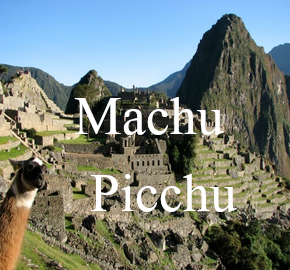



21.) Petra — The ‘Lost City of Petra’ is an ancient Nabatean city carved out of red, white, and pink sandstone that dates all the way back to the 1st century BCE and stands as one of the true seven wonders of the world. Accessed by walking through the famed 1.2 kilometer Siq, this carved city — complete with multiple hikes, iconic viewpoints, bazaars, caves and of course ancient carved architecture severs not just as the setting of multiple Hollywood films — including Indiana Jones — but as a symbol of Jordan, but as a truly unique and beautiful wonder of the world. (Read More)
 22.) The Great Wall of China — The incredible Great Wall of China remains a symbol of the power and wealth of the Chinese Ming Dynasty, with the wall once stretching over thirteen thousand Miles and despite losing 30% of it’s original structure still remining as the longest wall in the world, with the stunning backdrop of the Jundu Mountains, the intact watchtowers and the rivers and lakes of the yellow sea that surround the wall, making the Great Wall of China not only a one of the greatest hikes and sights in the world, but a truly unique and awe-inspiring wonder. (Read More)

23.) The Forbidden City — The world’s largest Imperial Palace, the Forbidden Palace has stood for more than 600 years and reflects the power, beauty and history of the Great Chinese Dynasties. Once home to 24 Emperors, including those of the Ming and Qing dynasties the Forbidden city — which was opened as a museum to the public in 1925 (500 years after its construction) - is awash with immense and stunning halls and palaces that once hosted feasts, celebrations and where Chinese Emperors ruled and implemented decisions that have defined history. (Read More)
 24.) The Scottish Highlands — The highlands of Scotland is the postcard image of Scotland, being home not only to the stunning and biggest peak of the United Kingdom in Ben Nevis, but sweeping hills, stunning lakes, winding rivers, scenic roads, crystal clear beaches, romantic castles – and perhaps most importantly the home of the best whisky distilleries in the world. Coupled with uninhabited islands, world class kayaking, curious animals and even the Auroa Bouelis – the wild, untamed scenic natural paradise of the Scottish Highlands is a true wonder of the wonder. (Read More)

25.) The Taj Mahal - The monument of love and one of the great wonders of the world, the Taj Mahal stands as the best of Mughal architecture and the symbol of Indian’s rich and great history. Completed in 1648 — and the scene of some of the most iconic photos in history — the Mausoleum and Great dome that sits at the heart of the Complex, surrounded by the stunning minarets, mosques, fountains, and gardens ‑that come alive on the full moon — stand not just a symbol and representation of true love, but one of the most iconic and unique wonders of the world. (Read More)

26.) The Red Fort — The Symbol of India’s Independence. The incredible sandstone Red Fort was the home of the Mughal emperors and stands today as not just a lasting monument filled with the storied history of India (which is explained each night during an interactive performance within the fort), but as a truly exquisite complex with pristine Marble Palaces, great halls, a bustling Bazar and a tranquil garden, making it not just one of the great symbols of India but also a truly astonishing and worthy wonder of the world. (Read More)

27.) The Golden Temple — The Golden Temple (Sri Harmandir Sahib) is found in the holy city of Amritsar and stands as the grandest of the Sikh Temples with the walls being covered in almost of 750kg of pure 24 karat gold. As well as the multiple beautiful Sikh architectural buildings and the stunning holy lake that surrounds the Temple, the Golden Temple is also a place of worship and peace — feeding many of India’s poor each day with its free kitchen — making the Golden Temple not just a spiritually invoking and awe inspiring temple, but a truly unique and serene wonder of the world. (Read More)

28.) The Himalayas — The roof of the world – the Himalayas is a vast range of iconic mountains – including the mighty Everest – and stretches through the Indian Subcontinent across the tip of Asia, with the Himalayas also home to stunning mountain ranges, unique glacier valleys, majestic sweeping hills some of the worlds rarest wildlife, and the greatest mountain treks on the plant. (Read More)
 29.) The Itsukushima Shrine - Sat on the Island of the Gods, the Itsukushima Shrine is home not just to one of the worlds most incredible and beautiful Shinto shrines, but the iconic and mystical ‘floating’ Torii Gate. Completed in 593 AD and built in dedication to the Shinto god of seas and storms, the Itsukushima Shrine is the pinnacle of Japanese architecture and spiritually, this unique gate stands not just a place of ancient spiritual ceremonies but as a stunning and spiritually awe-inspiring wonder of the world. (Read More)

30.) Kinkakuji Temple (Golden Pavillion) - The Golden Temple, the Kinkakuji Temple stands as an incredible Zen Temple dating back to 1397. Conceived by the Japanese military leader Yoshimitsu the three stunning stories, each set in its own unique architecture representing an element of Japanese culture - with the top two floors are covered in pure gold leaf, which sparkles in the reflecting lake and glorious maple trees that frame the Kinkakuji Temple – making it not just an embodiment of Japan’s fascinating culture but also a truly unique and stunning wonder of the world. (Read More).

31.) Mount Fuji — The mountain of the Gods, the incredible Mount Fuji stands as the iconic Symbol of Japan, with the 3,776 metre mountain towering over the country’s capital of Tokyo. Standing not just as the centre piece of the incredible Fuji-Hakone-Izu park and a great place to watch sakura, the summit of Mount Fuji is known as one of the places in the world to summit to watch the sun rise over the sleeping city below, making the beautiful and towering Mount Fuji a truly unique and awe-inspiring wonder of the world. (Read More)

32.) Varanasi – The River Ganges — The City of Light – Varanasi is the spiritual home of Hindu’s and the heart of the sacred River Ganges, which stretches all the way from the Himalayas to the bay of Bengal in the Indian Ocean over the course of one and half thousand spectacular miles. Illuminated by Ghats that lead into the sacred river and in which pilgrims are cremated, the stunning sunrise and sunset brings the beauyt of the Ganges to life — for a spiritual and awe-inspiring experience, that makes the Ganges river and the stunning town of Varanasi a true wonder of the world. . (Read More)
 33.) Borobudur — The world’s biggest Buddhist monument, the 8th century Borobudur is a temple complex that charts the life and teachings of Buddha and is a sacred and spiritual place for both Buddhists and mankind alike. Constructed over three incredible levels – that represent three levels of Buddhist symbolism, he pinnacle of the complex being a giant stupa dome on the high third level that features 72 buddha statues in 72 stupas that look out over the incredible wonder of the world that is Borobudur. (Read More)

34 .) The Angkor Wat Temple - The symbol of Cambodia, the Angkor Wat Temple complex is an awe-inspiring 12th century sandstone collection of temples, cities and sanctuaries that feature stunning carved architecture and galleries, which tell the story and legends of the Khmer Empire. Easily accesed from the town of Siem Reap alongside towering statues, iconic doorways, untouched mausoleums, and story tiles — Angkor Wat is home to arguably the best sunrises in the world where the enire complex lights up in a reflective display – which helps make Angkor Wat Temple complex a truly magnificent wonder of the world. (Read More)
 35.) The Serengeti National park - The greatest and most spectacular eco-system on the planet – the vast 12,000 square miles of the Serengeti National park is home to millions of incredible wildlife and Fauna, with the stunningly beautiful plains, woodlands, rivers and forests of the Serengeti being host to the greatest natural spectacle on earth the great migration – which helps make the incredible African plains of the Serengeti National Park a truly incredible natural wonder of the world. (Read More)

36.) The Ngorongoro Crater — Africa’s garden of Eden – the Ngorongoro Crater and the accompanying Ngorongoro conservation area is a truly stunning wildlife and natural paradise, which is home to not only thousands of incredible species of wildlife including the African big 5 (African buffalo, elephant, lion, leopard and rhino) – but also the largest inwardly collapsed Volcano in the Ngorongoro Crater which when summited provides incredible and sweeping views of not just the Serengeti eco-system but the great and unique wildlife that call this incredible natural wonder of the world home. (Read More)

37.) The Grand Palace & Wat Phra Keo — The jewel of Thailand, the Grand Palace is a stunning series of buildings, temples and monuments found in the heart of Bangkok, which has been home not only to the King and government of Thailand for more than 200 years. Alongside this you’ll also find the the awe-inspiring, spiritual and revered Wat Phra Kaew temple ‑within which sits the 15 meter high and 46 meter long holy jade emerald statue of Buddha. With this stunning statue considered the most sacred and most religiously significant monument in the whole of Thailand. (Read More)

38.) Florence — The home of the Renaissance era, the majestic town of Florence was not only home to some of the most defining artists and arts in history but is also one of the most storied, architecturally stunning, and beautiful cities in the world. Topped by the cities mighty Duomo’s, the Uffizi gallery and Michelangelo’s David, the quaint streets of Florence, combined with its beauty and essential role in art and ideas that would and continue to shape mankind making it a truly unique and beautiful wonder of the world. (Read More)

39.) The Great Pyramids — One of the original and the last remaining Seven Wonders of the Ancient World, the Great Pyramids stands as ever-lasting monuments to the Glory of Ancient Egypt. While mystery surrounds their construction, the nine pyramids of the complex are known to have been created as shrines to ancient Pharaohs and served as believed passageways to the next life, with the pyramids — despite looting, time and erosion still hosting the tombs of Pharaoh ‘s which explorers can gaze upon. A wonder blessed with incredible history, mystique and beauty the Great Pyramids of Giza are an undoubted wonder of the world. (Read More)

40.) The Great Sahara Desert — An Ocean of Sand and beauty – the Great Sahara Desert stretches for more three and half million square miles from the red sea to the to the Atlantic Ocean covering almost a third of Africa across 12 countries. Home to the challenging marathon des sables – the Sahara is a place of not only extreme conditions but immense beauty, being home to not only a swathe of mirage busting oasis’s, palm trees, towns and cities and incredible sunrises, sunsets — as well as truly great stargazing and camping experiences in one of the worlds greatest wonders. (Read More)




41.) Komodo National Park - The last remaining home of the Dragons – Komodo National Park is made up of 29 stunning Islands and is home to not only the rare and incredible Komodo Dragons, but incredible lush green hills, stunning sparkling beaches and crystal-clear waters which host some of the greatest dive sites and marine life on the planet, which helps to make the Komodo National Park one of the truly immense natural wonders of the world. (Read More)

42.) Mount Kilimanjaro — The highest peak in Africa and the World’s tallest free-standing mountain, the Mighty Mount Kilimanjaro, which clocks in at 5,895 meters, is considered one of the jewels of Tanzania and is one of the greatest, most challenging and beautiful hikes on the planet that takes explorers to the summit of Africa. Standing also as an icon of Africa and a backdrop to African Safari photography the incredible snow capped mountain that features five different climate zones is a picturesque and stunning wonder of the world. (Read More)
 43.) Madagascar -A Nature and Wildlife Paradise the stunning island of Madagascar is home not only to lush green rainforest, stunning canyons and sparkling sandy beaches, but also the rare and incredible baobab trees, the multiple species of endangered lemurs and monkeys, colourful chameleons and lizards, and unique Flora which is not found elsewhere on the planet. A challenging wonder to access and one where security, prior planning, and health vaccinations are paramount, the unique beauty and life-giving island of Madagascar is a truly unique and incredible wonder of the world. (Read More)

44.) Victoria Falls — ‘The Smoke That Thunders’ Victoria Falls is an adrenaline pumping, awe-inspiring, natural beauty that stands proud as one of the greatest Waterfalls in the world — with the falls being home to the largest single flowing sheet of water on the planet, the best infinity pool on the planet in the devil’s pool and being the sight of the incredible Lunar Rainbow – which combined with lush green rainforest that borders the falls, the resident animals and of course the mesmerising African sunset help make the great Victoria Falls a truly incredible wonder of the world. (Read More)
 45.) The Tigers Nest Found in the ‘Land Of Happiness’ the and spiritually evoking Tigers Nest is a 17th century Buddhist monastery that sits precariously 10,00 feet high on the edge of a cliff in the stunning Paro Valley – with the Monastery, which is accessible by a gentle yet incredible hike, marking the place where the Guru Rinpoche introduced Buddhism to Bhutan, with the unique setting, it’s stunning location and its spiritual significance making the Tigers Nest Monastery a true wonder of the world. (Read More)

46.) Okavango Delta - Sitting along the Spine of Africa, Botswana’s Okavango Delta is one of the world’s largest inland deltas and a true natural paradise for animal lovers – with the large waterholes, lush green grasslands and incredible lagoons being home to hundreds of thousands of animals and some of the most unique and endangered species on the planet. (Read More)

47.) The Grand Canyon — One of the greatest and most sweeping natural wonders on the planet, the incredible Grand Canyon with its famous rocky towering cliffs, incredible vistas and the beauty of the Colorado River is one of the most stunning sights on the planet. A wonder that can be explored by all – with it’s incredible viewing points, amazing day and multi-day hikes, by mule and through famed helicopter rides and rafting on the river experiences — the Grand Canyon is one of the most stunning and beautiful natural wonders of the world. (Read More)

48.) Stonehenge — A stunning prehistoric monument, the incredible Stonehenge is both an architectural and mysterious wonder. Noted for its famous stone circle, which sits in quaint English Countryside, Stonehenge is the largest still standing Stone Circle but one who’s meaning and historical importance remains undiscovered. One of the jewels of the UK — and home to the great Stonehenge Summer Solistice festival — the mystery, beauty and historical importance of Stonehenge make it a true wonder of the world. (Read More)

49.) Sagrada Familia - The unfinished masterpiece of Antoni Gaudi, the stunning and towering Sagrada Familia stands as a towering Basilica in the heart of the incredible Catalonian city of Barcelona. While construction began in 1892 and hsa so far seen the completion of soaring spiralling towers, the exterior stunning architectural design and dazzling spiritually invoking interior the incredible Sagrada Familia stands as not just an iconic inspiring holy monument, but thanks to the unique architecture, it’s storied history and its religious significance a true — if unfished — wonder of the world. (Read More)

50.) Chichen Itza — The great home of the Ancient Mayans, the incredible Chichen Itza complex was not only a centre of pilgrimage for Mayans for thousands of years but was also once the home of ceremonial and ancient civilisation. A place of sacrifice and deep spirituality whose meaning and construction is still being explored, the still standing pyramids (which sadly can no longer be climbed), temples, courts, Mayan football fields, skull walls and a glistening cenote make Chichen Itza not just a place of great historical and architectural significance but a truly unique and beautiful wonder of the world. (Read More)

51.) Uluru - The glowing heart of Australia’s red centre, the famous Uluru which sits in the great and vast Uluru–Kata Tjuta National Park, towers 340 meters above ground and is one of the most spectacular, awe-inspiring and spiritual sights on the planet. Considered sacred to the Aboroginal people, the famous sunrises and sunsets which see the great rock illuminate in a kaleidoscope of multiple glowing colours combined with its sheer size, clear starry nights and great and beautiful vast surrounding landscape make Uluru not just the great symbol of Australia’s famous outback but a truly incredible wonder of the world. (Read More)

52.) Yellowstone - Sitting atop the largest super volcano in North America, the serene and stunningly beautiful Yellowstone National Park is the largest active geyser field in the world – and a hub for rare and endangered wildlife, stunning mountain peaks, bubbling mud pools. A true nature paradise and explorable on a series of hikes Yellowstone also features it’s own grand canyon, colourful hot springs, rolling rivers, and lush green hills, valleys and woodlands, which combine to form the stunning scenery of Yellowstone National Park and make it a natural nature wonderland and a true wonder of the world. (Read More)
 53.) Alhambra - The Jewel of Granada, the great Red city of the Alhambra is a stunning Moorish complex that is both a fortress, a palace, a garden and was once a great citadel that perches above the stunning Spanish city of Granada. Based and designed upon incredible Islamic Architecture, the stunning green gardens, towering halls and lavish courts and halls which all sit within its stunning grounds make the Alhambra an absolutely stunning example of Moorish Architecture and civilization and a true wonder of the world. (Read More).

54.) Banff National Park — Home of the world’s greatest and most stunning lakes, the majestic Banff National Park is the true Jewel of Canada’s National Parks and is home to not just the towering and beautiful Rocky Mountains but also a series of rolling rivers, lush green valleys, cascading waterfalls, and premier hiking trails. Which combined with a series of world-class hiking trails, the iconic multiple emerald sparkling turquoise lakes and some of the most pristine sunrises and sunsets on the planet, makes Banff National Park a true natural and beautiful wonder of the world. (Read More)
 55.) Niagara Falls- One of the most famous and beautiful waterfalls on the planet, the majestic natural wonder of Niagara Falls rightly earns it’s title as the “Honeymoon Capital of the World.” Intersecting the American and Canadian borers see’s hundreds of gallons of water a second cascade into the gorgeous Niagara River below. Easily explorable on foot, boat and helicopter (just be sure not to go over it in a barrel) — the falls are home to dramatic sunrises, sunsets, a winter wonderland and even a spectacular New Year’s Eve Party — the Niagra Falls is undoubtedly one of the worlds greatest natural wonders. (Read More)

56.) Table Mountain — The icon of South Africa, the famous flat top Table Mountain provides the majestic back drop to the bustling Cape Town City and is the jewel of the breath-taking Cape Peninsula. Summitable through one of five official routes — or the rickety and windy cable car — the route to the top and summit of table mountain provide incredible views of a series of sparkling beaches, breath-taking mountains, the gorgeous Cape Point beauty spot and — if you’re lucky — some of the best Marine Life on the planet which makes the stunning Table Mountain National Park a true phenomenon and a spectacular wonder of the world. (Read More)

57.) The Red Square Complex & The Kremlin - The incredible Red Square is home to many of Russia’s famous monuments, not least the storied and famous Kremlin - the site of some of Russia’s most defining historical and political moments. The biggest active fortress in Europe and home to some of Russia’s most iconic sights – including the Red Square and Kremlin complex, the iconic Star Cannon and the magical St. Basil’s Cathedral, the Red Square is a place of stunning architecture and unique beauty and one of the most historic and impressive wonders of the world. (Read More)

58.) Salar de Uyuni The world’s biggest mirror – and the world’s largest salt flat, the majestic Salar de Uyuni is a more than 10,000 square kilometre beautiful almost other worldly natural wonder filled with incredible hexagonal salt flats, beautiful cactus, rocky islands, towering volcanoes, multi-coloured lakes, flocks of flamingos. Arguably the greatest spot to see the sunrise, sunset and milky way on the planet, and one of the most unqique photo spots on the planet – the Salar de Uyuni sits more than 3,000 feet above sea level and is a place that will truly take your breath away. (Read More)

59.) Sigiriya rock — The Jewel of Sri Lanka, the famous Lion rock of Sigiriya stands proudly in the centre of the beautiful country as one of highest, storied and most beautiful rock fortress in the world. Summitable through a narrow and winding path, explorers heading for the summit can marvel at the incredible fresco’s, mirrored wall, gardens, history and carved Elephant claws and steps that dot the pathway leading to the majestic Rock Cathedral at the summit — where stunning views out over the whole of the country await you, on one of the most unique and beautiful wonders of the world. (Read More)

60.) Hagia Sophia & the Blue Mosque — Representing the storied history, religion, ideology and beauty of the past, present and no doubt future of the wonderful city of Istanbul, the twin wonders of Hagia Sophia and the Blue Mosque are continuously entwined. Sitting on the banks of the Istanbul River in the majestic fountain filled Sultanahmet Park – and recognisable for their beautiful exteriors that feature towering minarets, encompassing domes and the famous blue tiles of the Blue Mosque that light up Istanbul — these twin wonders have united and divided the people of Istanbul for centuries.( Read More)
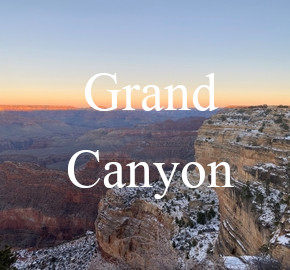

61.) Potala Palace — The home of spiritual Buddhism and the former winter palace and residence of the holy Dalai Lama, the stunning Potala Palace sits atop a sacred hill and encompasses of a series of temples, palaces and offices as well as the best of Buddhist architecture, dazzling stupa’s, lush green gardens and murals, artifacts and scriptures. Set some 12,000-foot high against the background of the beautiful Himalayas in the holy city of Tibet – the Potala Palace is not only the home of spirituality and belief for Buddhism, but a truly unique wonder of the world. (Read More)

62.) Fes Medina — The heart of Morocco’s spirituality, culture, intellect and identity, the beautiful city of Fes and its famous Medina is both a living museum and the embodiment of traditional life within Morocco. With the city, except for modern updates for plumbing, internet and housing, remaining unchanged in its design and development since the 13th century, which help it maintain not only its true authentic feel, but make it a truly incredible and unique wonder of the world. (Read More)
 63.) The River Nile: Running through the backbone of Africa, the mighty River Nile is not only steeped in Ancient Egyptian ledged, history and romance, but also brings valuable life to not only the inhabitants of Eleven African countries and their incredible wildlife, but also to a series of majestic landscapes and natural wonders, with the incredible and beautiful River Nile and a stunning and adventurous journey across its waters – which is filled with the exploration of wonders, inspiration and the re-tracing of ancient history – combining to make the mighty River Nile a truly majestic and beautiful wonder of the world. (Read More)

64.) Sydney Opera House — “The building that changed a nation” – the icon of Sydney’s Harbour, the famous Sydney Harbour Opera House is not only an architectural wonder – with it’s magical white tiled exterior designed to look like sails in the wind – but is also a world class performance center playing host to thousands of the best artists on the planet every year – which combined with its central role in Australian History, it playing host to Australia’s famous New Year’s eve firework show and being the spot for one of the most scenic and magical sunrises and sunsets on the planet makes it a truly unique and incredible wonder of the world. (Read More)
 65.) Arashiyama Bamboo Grove — Growing tall on the edges of Kyoto, the Arashiyama Sagano Bamboo Forest is a storied and iconic wonder of Japan. With a stroll through the emerald green towering Bamboo forest allowing you to immerse yourself in not only the beauty, tranquil and peace of the forest but allow you to experience one of the sounds of Japan – as the great bamboo giants sway in the breeze creating a serene and calm backing track as you explore this incredible wonder of the world. (Read More)

66.) The Golden Gate Bridge — The most iconic and most photographed bridge on the Planet – the majestic Golden Gate Bridge is a true architectural feat, with its recognisable orange hue frame towering over the almost 2‑mile gap between the strait of the San Francisco Bay and the pacific Ocean. Explorable by bike, car and by walking the length of the bridge, the Golden Gate Bridge, which has served as a backdrop for countless Hollywood masterpieces, is set against a backdrop of lush green hills, stunning beaches and the incredible San Francisco skyline — making it a truly magnificent and beautiful wonder of the world. (Read More)

67.) Angel Falls — Paradise on Earth, the stunning Angels Falls is not only the world’s highest uninterrupted waterfall at an incredible 979 metres high but is also one of the most majestic and beautiful sights on the planet – with the stunning wonder unleashing everyone’s inner explorer as you trek through untamed and raw jungle, cross mighty rivers and fly above the stunning Amazon rainforest to reach this incredible and beautiful wonder of the world. (Read More)

68.) Teotihuacán — The place where men become gods, the ancient lost city of Teotihuacán was once the largest city in not only Mesoamerica but the most populated and revered city in the world. Despite the city falling into ruins, the still standing stunning pyramids (which are sadly no longer claimable for preservation reasons), the fascinating twin temples of the moon and sun with their many stairs, the avenue of the dead and architecture and artifacts offer a fascinating if unexplained insight into what was once the jewel of human civilization. (Read More)

69.) Tikal — The mysterious city of Tikal – which still remains 80% undiscovered lies deep within the untamed jungle of Guatemala and was once one of the biggest Mayan cities on the planet. Occupied as early as 1000BC, Archaeologists estimate that there once stood 3000 monuments within this sacred city, and despite ruing the stunning Temple’s, mighty Grand Plaza and fascinating history dating from as far back as 200AD still stand. Which combined with it’s unique setting and one of the greatest sunrises and sunsets on the planet make the ancient city of Tikal a true wonder of the world. (Read More)

70.) Christ the Redeemer & Rio Skyline — Embodying the faith, spirituality and belief of Rio de Janeiro, Brazil and Catholics around the world, the iconic Christ the Redeemer statue sits some 700 metres above sea level atop the towering Corcovado Mountain watching over and protecting the city of Rio below. Viewable from across the city, a viewing of the statue giving not just the chance to experience this empowering symbol, but some of the best panoramic views of Rio — which makes the statue of Christ the Redeemer a beautiful and awe-inspiring wonder of the world. (Read More)

71.) The Nazca Lines — The most mysterious and unexplained wonder on the planet, the unique Nazca Lines are a series of giant ancient carvings spread across the 80 kilometres of Peru’s Nazca desert. Believed to have been created by the Nazca people sometime between the 1st and 8th century, the carvings, which number more than 800 lines, and 375 various figures, animals and plants some of which stretch for more than 30 miles, can only truly be seen from the sky – with the unique carvings baffling archaeologists for centuries and thanks to their cultural, beauty and unexplained purpose they are a truly special wonder of the world. (Read More)

72.) Ha Long Bay — The jewel of Vietnam – and one of the cradles of mankind the stunning Hạ Long Bay stretches for more than 600 sq metres and is home to emerald green waters, sparkling beaches, majestic caves, towering mountains and thousands of giant limestone islands that make this natural paradise. With formations that date back 20 million years – and home to civilization for thousands of years, Hạ Long Bay is twinned with fascinating culture and is home to world class kayaking and one of the most stunning sunrise and sunsets on the planet – as the entire bay lights up in a kaleidoscope of magnificent colours which truly reflects the incredible wonder of the world that is Hạ Long Bay. (Read More)
 73.) Redwood National and State Parks — “From the Redwood Forest” the great land and beauty of America poeticised and sung after is truly encapsulated in the more than 140,000 acres of enchanting forestry of the Redwood National and State parks. Home to thousands of towering and majestic Redwood and Giant Sequoia Trees, ancient flora and lush green ferns – all of which are backed by the deep blue incredible Pacific Ocean and the stunning Californian Coastline and easily explorable on thousands of walks, by bike and even by car – the Redwood National and State Parks a truly beautiful natural wonder of the world. (Read More)

74.) Hawaiian Islands — “Aloha” – the paradise islands of Polynesian Hawaii are a blitz of sparkling golden sun kissed beaches, blue turquoise waters swimming with marine life, rolling green valleys, deep rouge canyons, lava spewing volcanoes, dense tropical rainforest and some of the best and adventurous hiking trails, breath-taking snorkelling and diving and roads on the planet. A honeymoon paradise Hawaii is made up of 136 gorgeous islands, with the stunning nature, serene waters and breathtaking scenery combining to make Hawaii one of the most fascinating, adventurous and truly beautiful wonders of the world. (Read More)
 75.) Santorini - The Jewel of the Aegean Sea – and one of the true gems of the Greek Islands, the half crescent moon island of Santorini which sits atop its imposing caldera, is composed not only of wild and untamed volcanic scenery, towering cliffs and beautiful multi-sand beaches. The island also features some of the best of cyclidic architecture — with the famed blue domes and chalk white cube houses being one of the romantic spots on the planet – and a nightly sunset spectacle which makes the island come alive and helps to make the island of Santorini one of the true wonders of the world. (Read More)

76.) New York City Skyline — It’s a hell of a town, the great New York skyline combines the history of the cities famed skyscrapers, (the Empire State building and Rockefeller centre) with the best of modern architecture (Edge and the Freedom Tower), premier entertainment (Sports, Concerts and Broadway) and the icons of New York City (the Statue of Liberty and Times square) to give explores both breath-taking views over this incredible city and a taste of the magic of New York city — as you marvel and explore what is one of the greatest cities on the planet and a true wonder of the world. (Read More)

77.) Yosemite National Park — The views of a lifetime – the wonder of Yosemite has remained unchanged and been marveled at over tens of thousands of years, with the incredible rolling glacier carved valleys of Yosemite – which stretch for more than 750,000 acres – being home to some of the worlds most spectacular towering rock formations, thunderous cascading waterfalls, giant sequoia trees, peaceful hikes serene and peaceful meadows, beautiful reflective lakes and simply breath-taking viewpoints, for one of the most incredible national parks on the planet and a true wonder of the world. (Read More)

78.) Everglades National Park - “The Grassy Waters” – the subtropical National Park is home to nine stunning ecosystems, that house some of the world most striking landscapes, habitats and endangered and rare animals on the planet. Explorable upon a range of trails, canoe tours and on one of the icons of the everglades, the famed Airboat, the fragility, heritage and diverse nature of this incredible national park, makes the wetlands of the Everglades a truly special and stunning wonder of the world. (Read More)

79.) Great Barrier Reef — The largest living structure on the planet, Australia’s incredible Great Barrier Reef stands as not only an immense example of the sheer beauty and power of mother nature, but with more than 3,000 reefs, sparkling gold sandy beaches, turquoise waters, breath-taking dive spots and more than 900 romantic coral islands – all of which are home to more than 2,000 species of dazzling coral fish and marine life – the Great Barrier Reef is not only the true jewel of Australia and one of the greatest environments on the planet, but a truly special wonder of the world. (Read More)

80.) Glaciers of the Southern Alps — Sparkling Glacier Country – the towering imposing peaks of New Zealand’s Southern Island Glaciers are a truly stunning sight to behold, as you explore these incredible ancient green, emerald ice wonders that on both foot, from the sky and from the serene fjord land and forest that lie at their base. Made up of thousands of individual ice glaciers – including the stars of the show of Fox and Franz Josef and the nearby Cook Mountain – the Glaciers of the Southern Alps are known to be in retreat, making this a wonder of the world that we’d encourage you to visit as soon as possible. (Read More)



81.)The Silk Road of the Central Asia region- Truly off the beaten track, the “five stans” — Kazakhstan, Kyrgyzstan, Tajikistan, Turkmenistan, and Uzbekistan – that make up the heart of the Silk Road are not just the core of Central Asia, but are home to stunning scenery including — towering mountains, stunning architecture, serene lakes, gorgeous highways, rolling deserts, and of course burning gas craters. Blessed with a range of diverse cultures, people and lifestyle, this one closed off and restricted unique area of the world is not just underrated and understood but a truly special and life enriching wonder of the world. (Read More)

82.) Swiss Alps — Europe’s great Misty Mountains, the beauty of the Swiss Alps is beyond the stuff of legend, with the hundreds of towering peaks and their accompanying views representing quintessential Switzerland and some of the most stunning scenery on the planet– as emerald lakes, rolling hills and historical castles lay out before you. Easily explorable on a series of hikes, by boat, scenic glacial trains — and even by toboggan, the sheer beauty of the Swiss Alps, combined with their ease of access and all year-round availability makes the towering and serene beauty of the mighty Swiss Alps an undoubted wonder of the world. (Read More)
 83.) Borneo — Deep within the Jungles, the magic of the wild and mysterious jungles of Borneo are truly the stuff of legend and adventure, with this idyllic island – famed for its roaming habitat of native orangutans – being home to more than 1,000 animal species, and more than 15,000 plant species all of whom lie deep within the world’s oldest rainforest. Alongside the stunning wildlife, you’ll also find sparkling white sandy beaches, world class scuba diving, towering mountains, scrumptious street food, and the famed Iban headhunting tribe, all of which combine to make Borneo one of the most strikingly beautiful places on the planet and a true wonder of the world. (Read More)

84.) Alaska — The last frontier – a journey into the wild of the incredible and vast landscapes, nature and stunning diversity of Alaska is like nothing else on the planet. With America’s largest state being home to not only one of the world’s premier viewing spots for the magical Northern Lights, but the ice palaces and glaciers of sparking Fjords, dense rainforest sanctuaries and America’s biggest National Park in the Wrangell-St. Elias National Park and the beautiful Denali park – the magical wilderness of Alaska is a an undoubted wonder of the world. (Read More)
 85.) The Red Sea — The “Underwater Garden of Eden” the Red Sea is blessed not only with incredible marine life, sparkling corals and storied shipwrecks, but is etched in religious and spiritual legend. Stretching 1,200 kilometres the close proximity to the Red Sea’s Eastern Desert of Wadi al-Gimel provides some of the most striking and stunning landscapes on the planet. Blessed also with incredible sunsets, sunrises and home to more than 300 species of coral and 1,200 species of fish and animals –the Red Sea is one of the most special and spiritual places on the planet and an undoubted wonder of the world. (Read More)

86.) North Pole — To stand on top of the world at 90 degrees North undoubtedly one of the true great travel feats. Defined by the Earth’s axis of rotation – as well as by the magnetic north, an expedition to the North Pole – achieved by boat, sky or on skis — requires logistics, terrain and weather planning but to witness the shining vistas, rare wildlife and stunning endless ice landscapes – and step upon the top of the world, from which the only direction is south, isundoubtedly one of the greatest adventures on the planet and makes beauty of the geographic North Pole an undoubted wonder of the world. (Read More)

87.) Milford Sound — Christened as the ‘8th wonder of the world’ by Rudyard Kipling, the glistening tranquil jewel of New Zealand’s Fordland, the wonder of Milford Sounds is a stunning spectacle of pure beauty, shining natural energy and a true magical paradise oasis, filled with some of the worlds most spectacular dense rainforest, towering cliff formations, mountain peaks, charming waters and some of the world’s greatest waterfalls and hikes – making it an undeniable wonder of the world. (Read More)

88.) Skeleton Coast — The end of the Earth – a journey across the 500 kilometre haunting and dramatic coastline of Namibia’s Skeleton Coast is as enthralling and as off the beaten track as any explorer can go. A vast sand graveyard, the strong and relentless Benguela currents and winds of the Atlantic Ocean combine with 100 metre sand dunes and harsh and remote desolate desert to create not only a striking and unique nothingness landscape – but the world’s largest cemetery for sailors from which this unique wonder of the world takes its name. (Read More)

89.) Baalbek — The ‘City of the Sun’ – the vast, imposing and simply stunning the ruins of Baalbek stand as not only the most impressive, well preserved, and ancient site in the Middle East, but with its archaeological and historical significance, combined with the extravagant and immense temples, shrines, and statues that remain within this rural and wild desert setting, there’s not only a sense of the undiscovered and mystery across this stunning site, but an undoubted confirmation that the great city and ruins of Baalbek stands as one of the great wonders of the world. (Read More)

90.) Mont Saint-Michel - Born out of a dream, the hidden gem of France Mont Saint-Michel is as historically rich as it is culturally and architecturally, with this incredible medieval village — that is home to stunning eateries, historical museums and one of the greatest abbeys on the planet — resting on an almost surreal island. Accessible by drawbridge and causeway, thanks to the ever-changing tides, — high tide brings a mirror reflection to the isolated village – and low tide enabling explorers to walk on foot across around the village — the magical of this incredible history, beauty and romance of this true wonder of the world can be absorbed. (Read More)

91.) Amboseli National Reserve — The land of the Giants – Amboseli is home to one of the most iconic sceneries across the whole of Africa, with the park lying against the backdrop of the mighty Kilimanjaro – offering the chance to capture unique memories of African Wildlife against the towering peak. Alongside this breath-taking image, Amboseli is composed of five wildlife habitats which are home to more than 800 different mammal species and 400 bird species – making Amboseli National reserve a true haven for wildlife and an undoubted wonder of the world. (Read More)

92.) Bagan — The land of thousands of Pagodas, the magical golden city of Bagan stands as one of the most mysterious, historical and simply beautiful ancient cities on the planet, with this deeply religious and spiritual complex being home to not only 3822 Buddhist temples, pagodas, and monasteries which date back to the 9th Century, but also being home to some of the planet’s most breath-taking and awe-inspiring sunrises and sunsets, as explorers watch the ancient city come to life in blinding light for one of the most incredible earthly experiences at this unique wonder of the world. (Read More)
 93.) The palace of Versailles — Engulfed in historical significance, the best of Baroque architecture and stunning lavish beauty, the palace of Versailles stands not only as the jewel of France but as a powerful symbol of the power, extravagance and indulgence of royal monarchs that would lead to the French revolution. Couple this with its role in defining peace and war in the 21st century, and a series of exsquiste gardnes, chambers and halls and this stunning palace — which has forever changed the course and face of history — is an undoubted wonder of the world. (Read More)

94.) The Karakoram Highway — The road at the top of the world, a journey across the ancient silk road highway of the Karakoram Highway will take you north from Islamabad across the towering peaks of the Karakoram, Himalayas and Hindu Kush while passing diamond glacial lakes, alpine forests, quaint villages, deep valleys and exploring ancient kingdoms into the heart of Xinjiang in China– on an 800 kilometre unforgettable journey across a wild frontier that is undoubtedly one of the world’s greatest road trips on a spectacular and awe-inspiring wonder of the world. (Read More)
 95.) The Dead Sea — The lowest place on earth, the Dead Sea sits 434 metres below sea level and is one of the most unique and fascinating places on earth. Shared between Israel and Jordan the salt infused water, which is more than 10 times saltier than ocean water and known to reach temperatures of 51°C, allowing not only for the iconic ‘floating experience’ but also allowing for a deep mineral rich healing experience whilst spilling into the air to create a rich-oxygen infused atmosphere — that not only prevents sunburn but allows for deep relaxation on the shores of this stunning and historically rich wonder of the world. (Read More)

96.) The Trans-Siberian Network — The jewel of the Tsars, the Trans-Siberian, Trans-Mongolian & Trans-Manchurian are the combination of three incredible train networks that make up one of the world’s most premier – and last remaining – epic adventures — a journey by rail across more than a third of the world. Stretching from Moscow to Beijing via Mongolia these great networks take travellers into the heart and highlights of Eurasia – where they will encounter incredible scenery, embark on unique adventures, experience diverse cultures, and enjoy a truly life-changing experience, as they ride the tracks on this stunning wonder of the world. (Read More)

97.) Bryce Canyon and Zion National park — Two wonders for the price of one – the majestic neighbours of Bryce Canyon and Zion National park — who lie just an hour away from each other – are both stunningly beautiful and yet individualistic in the unique scenery, landscape and experiences they offer. With the iconic million old distinctive golden orange hoodoos of Bryce Canyon being other-worldly in nature, and the towering sandstone cliffs, rolling deep canyons and breath-taking nature and wildlife found in Zion park, combining to make Bryce Canyon and Zion National park not only the best of Utah’s ‘Mighty Five’ but together they comprise one truly special wonder of the world. (Read More)

98.) Glacier National Park — The “Crown of the Continent” or in traditional Kootenai language “the place of many ice” Glacier National Park is a true nature wonderland and oasis of stunning scenery. Straddling a continental divide between the pacific and arctic – the many imposing Glaciers, some of which stretch more than half a mile in length, create not only deep vista scenery but give life to more than 700 lakes, deep canyon’s, free-flowing waterfalls, the snow-capped rocky mountains and thriving wildlife within this one million acre paradise that is an undoubted wonder of the world. (Read More)

99.) Lake Titicaca — “The Mount of the Puma” Lake Titicaca is guaranteed to leave explorers breathless – in more ways than one ! — with this serene and fabled lake not only sitting 3,812 meters above sea level, making it officially the highest lake in the world – but thanks to its extreme beauty, the enchanting panoramic vistas, its rich wildlife, the many charming islands and unique experiences that lye upon it, combined with its rich history, mythology, life sustaining waters and floating islands (Uros) Lake Titicaca is not only one of the most iconic lakes on the planet – but is also a true wonder of the world. (Read More)

100.) Ancient Egypt Thebes (Luxor) — The worlds greatest open-air Museum – the city of Luxor is not just a storied reflection of the great Egyptian Empire, but as the ancient empires one time capital it is home to some of the grandest and most important temples, tombs and monuments on the planet. Built on ancient Greek city of ‘Thebes,’ Luxor was believed to be home to the great God Amun and was constructed by a series of Egyptian Pharaohs to stand for over 2 centuries as a centre for political, military and religion making this unqiue city an incredible wonder of the world. (Read More)



The Greatest Festivals on the Planet:
From feeling the beat at Rio Carnival to hearing the sound of horses speeding past you in Siena, in no particular order, the below are the 100 greatest Travel Festivals to witness, participate in and experience:

1.) The Palio di Siena Horse Race — the bi-annual Palio di Siena see’s a city obsessed as 10 horses and riders selected out of Siena’s 17 Contrade’s (regions) compete in a bareback passionate 3 lap race across the main square of Siena in the Piazza del Campo. Beginning four days prior to race day, the build up consists of the drawing of lots, the parading and drawing of horses, trial races and a blessing ceremony and on the day itself, a firecracker display — which signals the start of the race as the 10 race horses thunder around the city square aiming to be crowned the champion of Siena. (Read More)

2.) Lewes Bonfire Night: Remember, Remember the Fifth of November the Gunpowder treason and plot…. Commemorating Guy Fawkes plot to blow up the United Kingdom’s Houses of Parliament in 1605 and Seventeen Protestant Martyrs, the small town of Lewes, dubbed the ‘bonfire capital of the world’ plays host to a spectacular bonfire and firework show — complete with effigies, parades and a ceremonial barrel run — which helps to ensure there is no reason the gunpowder treason will ever be forgot. (Read More)
 3.) Boryeong Mud Festival: The Boryeong Mud Festival or ‘Mud fest’ celebrates everything great about Mud, with the festival having evolved from aiming to highlight the benefits of mud on skin to a spring break themed mud party, where several large attractions, of course featuring mud, are erected on the coast line of the Korean town of Daecheon. The mud attractions include mud pits and mud pools, but also mud fountains, mud massages, mud body painting, a mud prison, mud pools, and a mud-themed concert stage and more .… which helps make Daecheon the number one destination for mud. (Read More)

4.) The Ati-Atihan Festival: The Mother of all Festivals in the Philippines, the Ati-Atihan Festival honors baby Jesus (Santo Nino) and celebrates a peace pact between tribes from 1210 with a week-long party – that features early morning parades, tribal music, costumes, float parades, street dancing, blessings and night-time snake dances. With three dedicated days for both food, drink and spiritual Street dancing, the festival concludes with a final ceremony that see’s a procession parading the image of Santo Nino and a torch procession which guides attendees to the cathedral to observe mass. (Read More)
 5.) Holi The festival of colour, Holi sees Lord Vishnu’s victory of good over evil commemorated as people spend a full day throwing coloured water, paste and coloured powder over each other – in a care-free celebration that also marks the end of winter and beginning of Spring. Beginning with a pre-evening bonfire, the day is also accompanied with dancing, music and family gatherings – as everyone, young and old, dons white t‑shirts, grabs their water pistols and coloured paste and engages in the colour wars that is the fun-filled event of Holi.(Read More)

6.) Songkran – Thailand New Year: The world’s biggest water fight and unquestionable the best way to ring in a new year! — Songkran marks the start of the traditional Thai New Year in the only way possible with a giant water fight as revellers from across the country unite to cleanse themselves and each other of their sins and bad luck from the previous year and bring in good luck for the year ahead. (Read More)
 7.) Maha Kumbh Mela (Once Every 12 Years): The biggest human gathering in the world, the ancient Indian Hindu Maha Kumbh Mela attracts over 150 million people to the meeting point of the three sacred Hindu rivers; the ganga, the yamnua and the Sarasvati – to discuss faith, hear Sadhus preach, perform rituals and bath in the sacred icy cold waters of the holy rivers in the hope of salvation. Lasting a full month, the festival is noted both for the attendance of devout religious leaders and the tented town that houses the millions of attendees – all of whom seek enlightenment, salvation and the chance to practice and embrace their faith. (Read More)

8.) St. Patricks Day Festival: Celebrating everything great about Ireland, the famous St Patricks Day festival see’s the whole of Ireland turn green, as the country indulges in Guinness and food and plays host to a week-long series of music performances, community events and a stunning street parade in remembrance and celebration of its most famous saint — with the day itself featuring an all star morning parade, before friends and family gather in Dublin’s many pubs to toast both St Patrick and the Republic of Ireland(Read More)
 9.) The Edinburgh Fringe Festival: The world’s largest art festival, the Edinburgh fringe festival see’s over 55,000 performances of 3,500 shows, from comedy, circus, musicals, music, plays, exhibitions and much more — take place across 350 venues across the whole of the Scottish capital over the course of 3 weeks, — as everyone from household names to people making their festival performance debut are given a chance to showcase their talents to an international audience. (Read More)

10.) Loy Krathong – Thailand Lantern Festival: The Lantern festival, Loy Krathong is Thailand’s spectacular mass release of lanterns and floating of Krathong’s to mark the 12th passing of the lunar moon and see’s revellers pay respect to the rivers, wave away the previous year’s misfortunes and ask for wishes for the following year with fireworks, floating baskets and the release of thousands of lanterns — for one of the most spectacular festivals on the planet. (Read More)
 11.) Diwali — The five day festival of Diwali celebrates the triumph of light over darkness and is celebrated by millions of Hindus and Sikhs across the world. With the biggest and best celebrations taking place across India where billions of people light lamps in their homes, shops, building and release lanterns into the night sky, which combined with the lighting of billions of candles and release of fireworks – rightfully earns Diwali’s ‘festival of light’ nickname. (Read More)

12.) Mardi Gras – New Orleans ‑The ‘Greatest free show on Earth’, Mardi gras or Fat Tuesday is the free single day climax of a six-week long festival in New Orleans, where some two million people gather to celebrate in the streets of New Orleans for a family friendly event to enjoy parades (Mardi Paws), costumes, floats, concerts and for those of drinking age, alcohol, parties and a grand “Meeting of the Courts” finale masked ball that rings in Ash Wednesday. (Read More)
 13.) Rio de Janeiro carnival - The biggest, brightest and most famous carnival in the world, the 5 day iconic Rio de Janeiro Carnival celebrates everything samba, with the extravagant festival seeing over 10 million people converge on Rio to participate, celebrate and party in a variety of costume balls, street parties, floats, and the world-famous carnival parades. All of which build up in climax to not just the evening exclusive carnival balls but the main event of the Carnival – the dazzling, colorful and iconic Samba Parade. (Read More)

14.) Fiesta de la Candelaria - Celebrated on the shores of Lake Titicaca — some 3,800 meters above sea-level — the Fiesta de la Candelaria (Virgin of Candelaria Feast) marks the end of Christmas and honours the Patron saint of Puno, the Virgin of Candelaria, with a 2 week mix of religious ceremonies including masses and ceremonies and modern festival elements including street dancing, parades, costumes, the blessing of cars, food and free-flowing beer – with a special ‘running of the bulls’ event taking place daily on the Bolivian side of the Lake. (Read More)

15.) Carnaval de Oruro - Bolivia’s own spin on the South American Carnival season sees the “Devil Dancing festival” being hosted in the mining town of Oruro – where for 10 days preceding Ash Wednesday the carnival mixes modern festival traditions with more traditional religious elements, including the commemoration of the towns patron saint, the Virgin of Socavo and the remembrance of the ‘Lady of the Mineshaft’ – which is said to have miraculously appeared in the mine shaft of Oruro in 1756. (Read More)

16.) White Nights Festival & Scarlet Sails Show - The white nights festival is a celebration of the ‘midnight sun’ — in which in extreme latitude regions the sun does not fully set and stays visible all day long on the summer solstice. To mark this phenomenon, Russia and in particularly the city of St Petersburg host a two-month celebration of Russian classical literature, music, arts and culture, with a series of ballet, opera and symphony performances, that showcases both international and local artists, at the famous and beautiful Mariinsky Theatre. (Read More)

17.) The Wildebeest Migration — The greatest natural show on the planet — the Wildebeest Migration is a year round event in which millions of wildebeest and hundreds of thousands of game migrate in a circular motion across the vast plains of Africa in an endless journey seek out fresh grazing grounds, water, partners and mating and birthing conditions — all while avoiding predators and surviving the harsh conditions of the plains, for a natural spectacle like no other. (Read More)
 18.) The Great Red Crab Migration - The great red crab migration of Christmas Island is a migration phenomenon in which tens of millions of large red crabs emerge from the shade of the rainforest and head in unison to the ocean — traversing some 1400 meters across roads, rocks and utilising specially designed ‘crab bridges’ to synchronise their movements. As they spend the next two weeks burrowing, defending their territory and mating, in what is a noisy, colourful and spectacular spectacle. (Read More)

19.) Venice Carnival — The prestigious Venice Carnival is world-famous for its iconic masks, as some 3 million people gather in the cities beautiful San Marco square over the course of two weeks to not just celebrate the century old Venetian tradition of wearing masks to allow for liberty, but to enjoy a series of spectacular parades, free concerts, jugglers, acrobats, markets, food, music, mask competitions,marvel at illuminated Gondolas and Italian culture, and of course participate in the lavish masquerade ball. (Read More)

20.) Vienna Opera ball & Carnival — The world’s most elegant Opera ball, the Vienna opera ball concludes the Viennese carnival season with the cities opera house transformed into a glamorous dance hall where following the glamour of an opening ceremony and a resounding rendition of the Austrian National anthem 150 young couples kick start the celebrations with a carefully choreographed waltz rehearsed over the past year to the delight of 5,000 spectators, political leaders, sports stars and national icons. (Read More)



21.) Temple of Abu Simbel Illumination - The Sun festival – the illumination of the Abu Simbel temple is a bi-annual event in which the immortal monuments to the Egyptian King Ramses II and his wife on the side of the Abu Simbel temple are cast out of their yearly shadow by the dawns ascending sun. An impressive architectural feat of the Egyptian era, the 3,200 year old temple is lit up on what are believed to the key dates of his reign – his birth and his ascension to the throne – which accompanied by music and performances and in the presence of thousands of tourists, architects and state officials makes for a spectacular performance. (Read More)
 22.) Sakura (The Cherry Blossom Festival) - The most romantic festival in the world, the iconic Sakura rings in the cherry blossom season across Japan as the countries beautiful cherry trees flower and for two weeks in April turn the parks, castles and mountains of Japan into a scenic wonderland. A time for meeting friends and families, as groups gather underneath the trees to chat, drink and eat in a tradition known as hanami – the festival combines traditions with modernity– for a stunning and beautiful cherry blossom festival. (Read More)

23.) The UK Stonehenge Summer Solstice — Celebrated for thousands of years, the Summer solstice (the day with the longest period of daylight as one of Earth’s poles reaches its maximum tilt) at England’s famous Stonehenge is both a religious and historical festival and a chance to explore and unpack the mystery that is Stonehenge as tens of thousands of people arrive at the Neolithic monument from sunset providing a night full of parties, spiritual awakening and reflection to greet the rising sun and dawn of the world’s longest day in one of they mysterious and beautiful places on the planet. (Read More)
 24.) Gion Matsuri - Held annually since 869, Kyoto’s Gion Matsuri originally sought to appease the heath gods and bring purification to the city to avoid an epidemic and plague – something which is much needed in modern times – and has evolved to incorporate the original principle of good health, spiritual wellbeing, ancient history, health and the selection of a local boy to act as a divine messenger to speak to the gods, with more modern festival elements – including a series of street parties, rock concerts, street food and drinks and parades. (Read More)

25.) Semana Santa - Celebrated in almost all Spanish speaking countries Semana Santa celebrates the last week of Jesus life, including the crucifixion, resurrection and ascension, with either solemn processions or colourful celebrations, floats, re-enactments, parades and reading of religious rites to mark the end of lent. The highlight of the festival is led by a series of barefoot religious brotherhoods, who march while dressed in purple robes holding candles and chanting in unison as they slowly make their way to the city’s main church to celebrate Easter Sunday.(Read More)

26.) Equinox at Chichen Itza - Greeting the Serpent of light and shadow, the Equinox at the pyramid of Kukulcan see’s the ancient Mayan city of Chichen Itza come alive and, as a result of the shadows cast by the descending sun, the image of the grand serpent of Kukulcan – a godly snake that reaches into the heavens – is formed amongst the stairway of the pyramid. A day marked by Mayan people with cultural events, folk music,and celebrations to mark the passing of the seasons – the equinox stands as testament to the architectural genius of the Mayans – who used the pyramid and the equinox as a solar clock and sacrificial temple.(Read More)

27.) Les Fallas de Valencia - Officially celebrating St Joseph’s day, Valencia’s festival of fire – the Les Fallas de Valencia – is a 19 day celebration which features progressively louder daily firework displays, parades, firecrackers, a morning wake up call from a brass band, gun powder explosions, music, the burning of 30ft high plantas – and more paella than you can eat! The pinnacle of the festival comes when the plantas, which depict political or world events, are paraded throughout the city, judged by a committee and finally set ablaze in a thunderous late night ceremony. (Read More)

28.) Honen Festival - The ‘Penis Festival,’ Japan’s Honen Matsuri festival, held in the small town of Komaki, has been celebrated for the last 1,500 years and seeks to bring a good harvest and for those that wish for it fertility — with the good wishes summoned through the parading of a giant wooden 400kg Penis, carved from a cypress tree, and then climaxing with a spin around the Tagata jinja shrine. Alongside the parade, free sake and penis shaped food & treats are handed out and there is the bonus to buy Penis shaped keepsakes. (Read More)
 29.) Maha Kumbh Mela (Once Every Four Years) - The largest public gathering and biggest collective declaration of peace and faith, the Maha Kumbh Mela is a Hindu pilgrimage held four times over the course of 12 years, in which tens of millions of pilgrims flock to bath in one of four sacred rivers in the belief that the sacred water can absolve them of sins. Lasting for 48 days, alongside bathing in the sacred water, a number of ceremonies take place including the ‘Peshwai’ and the Naga Sadhus — which combined with a range of culture and entertainment make it one of the greatest festival on earth. (Read More)

30.) Paro Tsechu - Bhutan’s festival of dance, the Paro Tshechu honours the buddist and yogi Padma Sambhawa who introduced Buddhism to the Himalayas with a four day celebration inside a local Dzong that starts with three days of sacred dances and rituals performed by monks wearing elaborate and colourful costumes, singing, chanting, socialising and the parading and selling of local arts and crafts — before the final unveiling of the sacred traditional Thangha — a giant clothand scroll with healing powers. (Read More).

31.) Shuni‑e (Omizutori) - The festival of Fire and Water, Shuni‑e is a 14-day Buddhist festival held in the ancient wooden temples of the Nigatsudo Hall of Japan’s Todaiji Temple, in which both sacred water believed to have healing powers is drawn from the Wakasai well — which runs dry except on the day of the festival — and offered to an eleven faced god statue, and the more famous Omizutori performance – in which on each night of the festival giant torches will be lit across the temple and carried back and forth by the monks is performed. (Read More)

32.) Nyepi & Ogoh-ogoh Parade - sshhh! – Nyepi is the annual day of silence primarily celebrated on the island of the gods in Bali where on the 3rd day of the 6 day New year Celebration the entire island comes to a silent standstill with roads, airports, restaurants and even electricity closed to allow for prayer, reflection and the purification of the mind, body and soul. In the days preceding Nyepi several ceremonies are held including the Ogoh, Ogoh parade in which 20 foot bamboo statues of demons are paraded on the streets of Bali, in an attempt to draw them out, with Nyepi serving as a way to banish them with their being no signs of life on the island. Following the observation of Nyepi further celebrations are held to mark the coming of the New year. (Read More)
 33.) International Jazz Festival - The world’s biggest Jazz Festival, the Montreal International Jazz Festival see’s over 2 million people gather across downtown Montreal over the course of 11 days to enjoy over 700 free and paid concerts from 3000 musicians that showcases and celebrates the best of Jazz. Featuring every style of Jazz – the festival even sees some internationally famous acts put on free outdoor concerts, as attendants kick back and take in the smooth sound of Jazz in the Jazz capital of the world. (Read More)

34 .) King’s day (Koninginnedag & Koningsnacht)- Formerly Queens Day Koninginnedag or King’s Day is the Dutch annual national celebration of the King’s birthday, where everything great about the Netherlands is celebrated. The celebrations start the night before on Koningsnacht with feasts and beer. Followed quickly with a series of concerts, parties and the consumption of traditional Dutch food and orange bitter, with the iconic Amsterdam canals filling up with party boats and revellers wearing the Dutch colours of Orange. (Read More)
 35.) Marathon des sables - ‘The toughest footrace on earth’ the Marathon Des Sables is an endurance race across the Sahara desert lasting for a week and seeing competitors traversing the length of six regular marathons consecutively in high heat, high winds and high blistery conditions. To make it that little bit tougher runners are responsible for transporting their own food, equipment and camping supplies, with training for the event required at least six months in advance, and participants also required to camp with the nocturnal wildlife of the Sahara desert. (Read More)

36.) Bisket Jatra - The ‘festival after the death of the serpent’ Bisket Jatra marks the start of the ancient Nepalese solar New year – and is Nepal’s noisiest, chaotic, and rowdiest festival. Lasting nine days, the four days preceding New Year’s eve see a series of sweet parades, tongue piercing and celebrations followed by a special blessing in an ancient temple before a 25ft totem pole. On New Year’s day, the two gods Bhairav and Bhadrakali will be placed on 20ft chariots and pulled to the base of the pole, where a tug of war takes place brining the Totem Pole crashing down.(Read More)

37.) Naghol (Land Diving) - The origin of Bungee Jumping, land diving or Naghol is held on Pentecost island in Vanuatu and sees Vanuatuan Males jump from a self-constructed 90ft tower with nothing but vines attached to their ankles to support themselves. The festival, which has grown in popularity over recent years, is only open to Vanuatuan males (and a select few honoured guest) and is done to symbolise the passing of a child into manhood and bring in a fruitful harvest, with the closest the land diver gets to the ground the better the resulting harvest will be.(Read More)

38.) Los diablos Danzantes - The Los diablos Danzantes or ‘Dancing Devils of Corpus Christ’ is a Venezuelan UNESCO recognised religious festival, in which ritual dances are performed by the Yare dancing devils – a group of religious worshippers kitted out in bright red eccentric devil costumes ‑with the Yare dancing devils performing a series of special performances and tributes which recognise their submission to religion and celebrating the triumph of good over evil (Read More)

39.) Þjóðhátíð (Westman Islands Festival) - The unpronounceable Þjóðhátíð festival, more commonly known as the Westman Islands Festival, is Iceland’s National Holiday, and how else would you celebrate a National Holiday in Iceland with a four-day outdoor camping festival where you can enjoy not only big stage concerts, bonfires and firework displays but also the challenge of staying warm on the Icelandic island of Vestmannaeyjar — with fire, warm clothing and plenty of warming alcohol essential to both survive and enjoy this incredible festival. (Read More)

40.) Cheese Chasing - Cheese Chasing, or the Cooper Hills cheese roll, is the best of eccentric British festivals, where competitors — separated by gender and age — race (or tumble) down one of England’s steepest and muddiest hills on the annual May Bank Holiday in pursuit of capturing a 10kg Gloucestershire cheese wheel – which also happens to be sent rolling down the hill at ! (Read More)




41.) Winter Olympics - The natural partner to the Olympic games, the Winter Olympics showcases the best of snow and ice competitors as every four years top winter athletes from across the globe gather to compete for medals and national glory. Kicking off with a traditional Olympic opening ceremony, the winter Olympics has developed from the five-core winter Olympic sports to a nine day spectacle that includes a range of competitive ice and snow events that truly showcases the best of winter sport. (Read More)

42.) Formula one Grand Prix of Monaco - One of the triple crowns of motorsport races the Monaco Grand Prix is coated in history, elegance, and spectacle — as drivers races across Monaco before finishing along the French Riviera, where the famous yachts of Monaco harbour, packed with the elite and royals, greet the winner.(Read More)
 43.) World Sacred Music Festival — Fez’s world sacred music festival celebrates the diversity, artists and culture of both local Moroccan artists and international acts, with concerts, performances and readings taking place in historic plazas, ancient gardens and outdoor squares. Held over the course of nine days, the festival kicks off each day in the late afternoon and lasts well into the early hours, with events being both free and paid, and, depending on the venue, traditional seating or encouraging people to make use of the outdoor space and provided rug — for a uniquely cultural festival.(Read More)

44.) Sanja Matsuri - Sanja Matsuri is the biggest festival in Japan and a celebration of the founders of the Sensoji Buddhist Temple, with 100 portable shrines (called mikoshi) and three larger shrines paraded through the streets of the famous Asakusa district of Tokyo over the course of three days — where alongside parades, shopping and street food — the more than two million attendees aand local businesses seek to bring prosperity, luck and good health to themselves and their family in the year ahead. (Read More)
 45.) Arirang Mass Gymnastics Festival [Mass Games] - The toughest one to attend on this list, the five week long Arirang Grand Mass Gymnastics and Artistic Performance or ‘Mass Games’ is a gymnastics, artistic and cultural festival which unites North Korea, as 100,000 specially chosen performers execute synchronised gymnastic and dancing routines backed by dramatic music and LED pyrotechnic displays — all of which tell the story of the ‘’The Glorious Nation and the legacy and ideology of both Kim Il-sung, Kim Jong-Il and the workers party of North Korea. (Read More)

46.) Royal ascot Horse Racing - The best of British horse racing, Royal Ascot combines British civility and elegance with the excitement of Horse Racing as the famous race course plays host to 36 races spread over 5 days as the best horses in the world compete for over £8 million in prize money in the famed King George VI, Queen Elizabeth races and the prized royal Ascot gold Cup. (Read More)

47.) Venice Art Biennale - The ‘Olympics of the art world’ the Venice Biennale comprises a large-scale six-month exhibition that showcases the best of both art (odd years) and architecture (even years) in the serene setting of Venice. Established in 1895 and with a different theme every two years, there are three main parts of the Biennale; the central exhibition at the Giardini della biennale, the exhibits housed at the national pavilions, and the independently organised events that take place all over the city, all of which showcases the best of Italian and global art. (Read More)

48.) Kirkpinar Oil Wrestling Tournament — Dating back to 1360, the officially recognized longest running athletic competition seeks to find the best wrestler in Turkey. With hundreds of participants from all over Turkey fighting it out over the course of the year to make it to these finals — where, after the traditional auctioning of the Ram — they have the chance to be crowned the best of the best and lift the prestigious Kirkpinar gold belt — in a series of match-ups which can last hours and can only be decieded by the victor raising his opponent above his head. (Read More)

49.) Olympic Games - The world’s summer Olympic Games see’s the world’s top athletes from more than 200 nations compete across 28 sports for the chance to win not just an Olympic medal, but create history and become a national and international hero. Inspired by the ancient Greek Games, the Olympics are synonymous with the five Olympics rings, and the flame of the Olympic torch, which burns from the beginning to the end of the Olympics — as well as the opening and closing ceremonies — in between which 17 days of triumph, heartbreak and glory await the athletes. (Read More)

50.) Calgary Stampede - Yeeha! — The ‘greatest show on earth’ the world famous Calgary stampede celebrates the best of the Rodeo and mid-western life, with a 10-day spectacular featuring the best of rodeo events, musical performances, workshops, chuckwagon races, and rodeo themed shows and parades, with the city of Calgary coming alive to celebrate, educate and share its culture and heritage with the world. (Read More)

51.) Pageant of the Masters Show (Festival of the Arts) - The highlight of the Laguna Beach festival of the arts, the pageant of the masters display is a 90 minute unique production in which the great pieces of art, from Van Gogh to Rembrandt, are bought to life under the night sky in a spectacular amphitheater by over 1000 live performers — who re-create the best of the world’s most iconic and moving pieces of art backed by both a narrator, lighting effects and a full orchestra — for truly dazzling display. (Read More)

52.) Roswell UFO Festival - Commemorating the infamous ‘Roswell Incident’ the Roswell UFO festival is the place for sceptics and believers alike to explore, celebrate and discuss other worldly life. While the festival begins with a good humoured ‘Alien chase’ – and also plays host to alien pet dress-up, the Roswell UFO museum and international Roswell UFO research centre spend 3 days discussing the Roswell incident, latest outer space research and dissecting the merits of life in outer space – for an out of this world experience (Read More)
 53.) The Ouidah Voodoo Festival (Fête du Vodoun) - The Fête du Vodoun or the Voodoo Festival of Benin both celebrates the voodoo idea everything is spirit and commemorates the 60 million who lost their homelands and freedom during slave trading. Beginning with the slaughtering of a goat to bring in a good festival, locals use dancing, singing, and alcohol to tell religious stories and express their cultural identity, followed by evening ritual sacrifices — for one of the most extreme festivals on the planet. (Read More).

54.) Bastille Day - The national day of France – Bastille day officially commemorates the storming of the Bastille prison in Paris, which turned into a major turning point in the French Revolution of and led to unity of the French people in 1790. Today Bastille day is France’s greatest national holiday and host to the largest and oldest military parade in Europe – with Paris the coming alive not just for a spectacular military parade along the champs elysees but also a series of fireman’s balls and a grandstand finale of a half hour firework and light show on the Eiffel Tower. (Read More)
 55.) The San Fermin Festival & Running of the bulls — The World’s Largest Fiesta, the San Fermin Festival in Pamplona is also home to the renowned Running of the Bulls festival where daring revellers do their best to outrun six fighting bulls through half a mile of the streets of Pamplona, which are being led by six tamed bell-oxen to the Pamplona bull ring — where after a traditional bull fighting ceremony, attendees can then take to the streets to drink, eat and reflect on one of the greatest festivals on the planet. (Read More)

56.) Naddam - “Eriin gurvan naadam” or the “the three games of men,” Naddam celebrates the nomadic culture and Mongolian independence with the three ‘manly’ sports of wrestling, horseracing and archery, alongside traditional dances, tricks, and performances. Beginning with an Olympic style opening ceremony, national flag raising ceremony, and the carrying of nine white banners spectators have the chance to not only witness the games, but also enjoy fine Mongolian food and drink, witness a traditional Mongolian opera see a horse headed festival and enjoy a series of open air shows during this incredible festival. (Read More)

57.) Up Helly Aa - One of Scotland’s most bizarre festivals the Up Helly Aa is a celebration and spectacle of the Shetland Islands Viking history. This full day event see’s thousands of costumed Viking warriors socialise and parade through the streets of the Shetland Islands, led by a nominated leader or Jarl — who after a firework display– leads a series of flaming torch carrying warriors to a replica long ship, which amidst cries of joy is then set ablaze. (Read More)

58.) Burning Man - Burning Man is not a festival, rather a temporary event or community established in the Nevada black rock desert dedicated to community, art, gifting, participation, self-expression, and self-reliance. Centered on 10 principles of inclusion and requiring forward planning, Burning Man has the power to evolve and radically change a person with the iconic burning of the 75-foot tall man statue that concludes the festival being one of the most powerful events on the planet. (Read More)

59.) World Bog Snorkeling Challenge - Conceived like all great ideas in a small country pub, the World bog snorkeling challenge sees brave and barmy competitors required to snorkel two lengths of the 55m welsh bog. A favourite among British Stag do’s — with competitors often seen wearing fancy dress (or even wedding dresses), the world record for completing the course currently set at 1 min 22 seconds — a which represents a true feat of accomplishment and madness. (Read More)

60.) Mt Hagen sing-sing Festival - A festival unlike any other, the Mt Hagen sing-sing is a celebration of the culture, history, dance, costumes and music of tribes and villages from all over Papua New Guinea. During the festival, tribes will step onto the field in Mount Hagen and in full tribal costume and with fully painted faces perform a traditional dance seeking to peacefully share island traditions with both locals and visitors. (Read More)

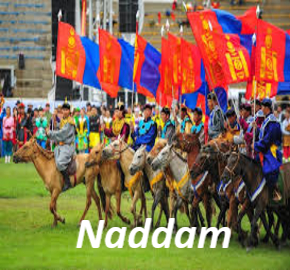


61.) Oktoberfest - The worlds largest beer and folk festival, the iconic Oktoberfest see’s more than 6 million people consume more than 8 million litres of beer over the course of two and a half weeks. The festival also features fairground rides, rollercoasters and a series of food stalls — which combined with the donning of traditional Bavarian outfits and folk bands, makes Oktoberfest a unique celebration of Bavarian culture. (Read More)

62.) Greenwich Village Halloween Parade - New York City’s Carnival – the Greenwich Halloween parade is the worlds premier Halloween spectacle and the only night time parade in New York, with more floats, marching bands and more than 50,000 impromptu costumed revellers, dressed as everything from Zombies to Robots, parading down New York’s Sixth avenue all overseen by a series of spooky giant animated rod puppets. The parade attracts more than 2 million spectators who help drum up the atmosphere – and with the only requirement to participate in the parade being a costume – you are in for a frightfully good Halloween. (Read More)
 63.) Day of the Dead (Día de Muertos) - Mexico’s Día de los Muertos is a celebration of life with a theme of death and seeks to honour and demonstrate love and respect for deceased family members, as those we have lost loved ones remember them through the leaving of photos and possession at a temporary altar called an ofrenda, with the four elements of life; water, wind, earth and fire further left by relatives and friends to keep them safe. (Read More)

64.) New Years Eve (Times Square) - The Universal Symbol of the start of a New Year, celebrating New Years Eve in the sparkling lights of New York’s Times Square with over a million other revellers and a billion people watching around the world is a memorable, if chilly, way to bring the way the New Year. With 6 hours of entertainment — from music to the famous dick Clark rock an eve, the last minute to midnight is accompanied by a universal countdown before the iconic NYE ball descends to bring in the new year, with confetti balloons, music and good wishes. (Read More)
 65.) Campeonato Argentino Abierto de Polo (Argentine polo finals) - The World Cup of Polo, the Campeonato Argentino Abierto turns the mild reputation of polo on its head as the best players and horses compete in a high pace, frantic and frankly dangerous tournament to determine the world’s greatest polo players and team. Held in ‘the cathedral of polo’ – the Campeonato Argentina Abierto de Polo sees 10 teams of four battle it out over the course of a month, for Polo’s greatest prize and true glory. (Read More)

66.) Junkanoo - Feel the Beat – Junkanoo is the biggest street parade across the Caribbean, with thousands of Bahamians outfitting themselves in colourful, energetic and funky handmade costumes to dance through the streets of Nassau, accompanied by brass bands and traditional African music, which along with tasty food, plenty of performances and a relaxed atmosphere helps to celebrate the unique culture, dance and music of the paradise island. (Read More)

67.) Hogmanay - Hogmanay is Scotland’s passionate 3 day New Years eve celebration featuring street parties, torchlight parades, music, costumes, concerts, dancing, a firework finale and even a dip in the Scottish ocean. Hogmanay kicks off with a torchlit parade through the streets of Edinburgh the day before New Years Eve and then combines traditional Scottish culture, with Fireworks and Street Parades and traditional singing of Auld Lang — before concluding with loony Dook – a dip in the Scottish waters. (Read More)

68.) Dakar Rally - The biggest and most dangerous rally in the world, the Dakar Rally see’s professionals and amateurs head out into the wilderness — relying on their own supplies — to compete in specialized off-road vehicles in an unforgettable and challenging off road-endurance event, on a 10 ‑15 day loop across 4,660-mile (7,500-kilometer) 12 stages of the vast, diverse, barren across the uncharted territory of the Saudi Arabian Desert — with not all who undertake the Dakar Rally making it to the finish line. (Read More)

69.) Krampusnacht - Ever wondered what happens to the children who make it onto St Nicholas naughty list? – they get a visit from the evil demon of Santa, Krampus, who according to legend is a horrific half-goat, half demon creature, covered in fur and with coals for eyes and large prodding horns, who kidnaps, drowns and devours the individuals who make it onto the naughty list, and for whom Austrians have decided to dedicate an entire upbeat festival to in the lead-up to Christmas. (Read More)

70.) International Ice and Snow Festival (Harbin) - The Worlds biggest winter festival, Harbin’s ice and winter festival takes advantage of the ‑25 °C weather as 10,000 workers cut, haul and shape over 220,000 cubic metres of ice into towering structures, including castles, palaces and trains and plays host to a series of ice related competitions and for those crazy enough a swimming competition across the frozen water of the Songhua River. (Read More)

71.) Pingxi Lantern Festival — Marking the first day of the Lunar New Year, Taiwan’s beautiful and photogenic Pingxi Lantern Festival see’s 100,000 burning lanterns released into the night sky, covered in the words, wishes pictures, and prayers of their releases – a time also for family and reflection the highlight of the festival see’s locals and foreigners seek to do their best to bring in a prosperous new year by lighting up the sky in a marvelous display of golden light that lasts till dawn. (Read More)

72.) The Mevlana festival (Whirling Dervishes) - The hypnotic Whirling Dervishes are the hallmark of Konya’s Mevlana Festival, which commemorates the life, teachings and death of Jalal ad-Din Rumi, Konya’s revered Islamic theologian, with an eleven-day series of ceremonies and celebrations including the hypnotic Whirling Dervishes dance. (Read More)
 73.) Kandy Esala Perahera - The festival of the Tooth – Sri Lanka’s Esala Perahera honours the sacred tooth relic of buddha and the four ‘guardian’ Gods Natha, Vishnu, Kataragama and Goddess Pattini which are housed in the divine temple of the tooth in Kandy. Kandy see’s musicians, dancers, art performances, fire-breathers, and the impressive sight of a herd of elephants decked in colorful and lit-up ceremonial dress marching through the streets of Kandy. (Read More)

74.) Comic Con - Embracing everyone’s inner Geek, the television, film, and comic book extravaganza of Comic-Con, allows fans to not just meet and greet their heroes and partake in a series of action panels, but also learn the latest updates from Hollywood and discover the inside information about how cinematic masterpieces and iconic comic books are created. Featuring merchandise, food and theme events, comic con allows everyone able to recapture their youth — and live their fantasy during this truly superhero event. (Read More)
 75.) Wimbledon - The most prestigious and oldest of Tennis’s four Grand Slams, the Wimbledon championships – or simply Wimbledon – is the world’s premier tennis event, as over the course of two weeks in English Summer, 128 of the worlds best tennis players, combined with 64 double teams battle it out in a elimination tournament to be crowned the best in the tennis world — in a elimination style tournament filled with drama, controversy, heartbreak and ultimatley glory. (Read More)

76.) Glastonbury - The largest greenfield music festival in the world and a hallmark of the British art calendar, Glastonbury see’s the biggest internal rock and pop acts in the world, combined with thousands of supporting dance, comedy and music artists descending on the peaceful village of Pilton, Somerset. Synonymous with both tents and mud attendees are known to form a free-spirited tented social community that helps make Glastonbury a unique celebration of the best of the arts and music. (Read More)

77.) The Super Bowl - The biggest watched single-day sporting even in the world, the Super Bowl is the winner take all culmination of the National Football League (NFL), as at the end of a grueling season of American Football two of the 32 competing teams, from the two 16team conferences battle it out to be crowned the national NFL champions and lift the famous Lombardi trophy. Taking place on ‘Superbowl Sunday’ companies also compete foradvertisement spots, with many people tuning in not just for the game, but to watch the commercials — as well as the famous half time show. (Read More)

78.) Indianapolis 500 - The ‘Greatest Spectacle in Racing’ and unquestionable the most important and prestigious event of the IndyCar calendar, the Indianapolis 500 sees 33 starters in “Indy Cars” race at speeds of 240 Miles per hours over 500 miles and 200 laps of Indiana’s Motor Speedway stadium against a backdrop of frantic noise and delirious fans. As the drivers seek to not only finish the course, but be crowned the greatest Indy Racer, and claim the $2.5 million cash price and be doused in a complimentary bottle of milk or two. (Read More)

79.) La Tomatina (The Tomato Fight) — The world’s greatest food fight and the pinnacle for tomato lovers and foodies, the internationally renowned La Tomatina focuses and pure unadulterated enjoyment, as 20,000 people from all over the world gather in the small town of Buñol and for the course of one amazing hour hurl 120 metric tons of tomatoes at each other before heading to local restaurants and bars to wash themselves down and celebrate with a drink — in a truly enjoyable and bizarre festival. (Read More)

80.) World Cup - The most prestigious and most followed sporting event in the world, the FIFA World Cup is the pinnacle of competitive football as the best teams from 32 nations battle it out once every four years in an elimination tournament to be crowned the world champions. Qualification begins four years prior , and it’s not uncommon during the world cup for entire countries to shut down to cheer their team on – as over the course of the tournament both national heroes and villains will be made and players have the chance to cement their legacy and names in history. (Read More)
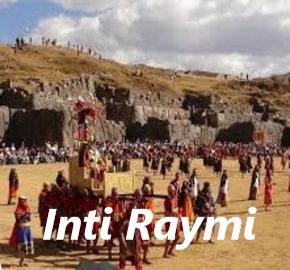


81.) Sundance Film Festival — The largest independent film festival in the United States, the Sundance film festival celebrates the best of independent film as hundreds of thousands of cinema buffs , film makers, critics and budding directors head to three small towns in Utah for a 10 day marathon of film premieres, panels, conversations, parties and the chance to discover the latest cinematic masterpiece — as well as themselves become the next big movie star. (Read More)

82.) Albuquerque International Balloon Fiesta - The largest balloon festival in the world, the Albuquerque International Balloon Fiesta see’s more than a million people come and watch 600 hot air balloons ascend into the morning crisp autumn New Mexico skyline, against the back drop of the Rio Grande. Lasting nine days, the festival also features local music artists and demonstrations of cultural topics of New Mexico – and each night is concluded with both a firework display and an ‘evening balloon glow’ in which the 600 hot air balloons lit their burners – creating a twilight glow across the fields of New Mexico.(Read More)
 83.) The Mongol Rally — The ‘greatest adventure on the planet’ – or perhaps more accurately ‘motoring stupidity on a global scale’, the Mongol Rally is an intercontinental charity car rally that challenges participants to find the worst car they can (1 litre or less and no younger than 10 years) and drive it over 10,000 kilometres from the streets of London, through Europe across the silk road and the ‘Stan’s’ over the muddy and navigable plains of Mongolia before finishing in the Russian town of Ulan-Ude, with no support, back-up or assistance. (Read More)

84.) Coachella — The ‘Indie’ music festival, the Coachella music and arts festival is a consecutive three-day weekend celebration of both popular and established musical artists and indie and local music, that also features art installations and cultures, as well as major international artists. Considered America’s answer to Glastonbury, owing to the continuous party atmosphere created by the festival goers who set up camp in the grounds of the festival, despite the high cost of attending Coachella has developed into one of the wildest, freest and fun festivals in the world. (Read More)
 85.) Just for Laughs - The king of comedy festivals, Just For Laughs is a two-week spectacle of the worlds finest comedians, with Montreal’s Quartier des spectacles and surrounding comedy clubs and theatres playing host to 2000 of the best comedians on the planet — in both free and paid performances. Taking place each July, the festival has developed a reputation of unearthing the next comedic talent — who is sure to leave your sides splitting. (Read More)

86.) 24 Hours of Le Mans - The world’s oldest active racing event, the 24 hours of Le Mans is a test of speed, engineering and endurance, as over the course of 24 straight hours teams of three drivers in a single car battle it out to see who can cover the most distance on the closed public roads and race tracks of France’s Circuit de la Sarthe. A race that requires teams to balance the demands of the car with the fortitude and desire of the increasingly sleep deprived drivers — being crowned the king of Le Mans is no easy feat — and one that will push cars and teams to their limit. (Read More)

87.) South By Southwest (SXSW) - The biggest multi-media and genre celebration on the planet — South by Southwest (or SXSW) combines events of music, film, comedy, gaming, and interactivity, with exhibitions, showcases, screening, networking, technological development and more, as under the banner of one roof over the course of 10 days in March, the entire city of Austin, Texas plays host to a series of SXSW events that combine multiple festivals into one. (Read More)

88.) The Battle of the Oranges — The battle of the oranges is a celebration of freedom and liberty, that sees thousands of people flock to the small town of Ivrea, Italy and over the course of three days engage in an orange based food fight between nine combat teams (who seek to attack or defend Ivrea) across both the streets and square of Ivrea — with more than 4.2 million oranges being thrown through the course of the festival and participation in the festivities and orange throwing being volunatry. (Read More)

89.) Inti Raymi — The Festival of the Sun, Cusco’s popular (thanks to the re-discovery of Machu Pichu) Inti Raymi festival both celebrates and re-enacts the Inca Empire’s winter solstice festival and the traditional Inca New Year– with processions, dances, ceremonial readings, music, parade’s, rituals and even a sacrifice (although the life sacrifices and mummification have stopped) taking place to honour the most sacred god in Inca culture – Inti — the god of the Sun. With celebrations taking place all day — until dusk falls and people head back to the streets of Cusco to celebrate Inti Raymi into the night(Read More)

90.) Kentucky derby Race - The ‘Run of the Roses’ The Kentucky Derby is the most exciting two minutes in sport and the pinnacle in competitive horse racing as twenty of the best horses mounted by the world’s best jockeys compete across 10 furlongs of the famous Churchill Downs racecourse to be crowned not just the Kentucky Derby champion but also take home nearly $3 million in prize money — all in front of some 80,000 spectators crammed into the in-field watching area and the celebrities and high-society attendees watching on from the famed ‘millionaires row’. (Read More)

91.) Thanksgiving parade - The worlds largest parade and the official kick off of the American holiday season, the Thanksgiving parade in Manhattan see’s the famous streets of New York come alive as an assortment of floats, falloons, balloonicles and over 60 giant helium balloons. Strongly associated with the New York Icon Macy’s the parade features children’s heros, holiday figures and entertainment icons, march through the heart of New York in front of some 3.5 million spectators — with spots to hold the balloons available for the public. (Read More)

92.) Tapati Festival - The biggest Polynesian festival in the world and a celebration of the Rapa Nui culture. The Tapati Festival see’s the famous Easter Island ‑and it’s iconic moai statues — come alive, as over the course of two weeks in February a series of music, dance, cultural and sporting events are held to not only pass on traditions to younger generations and educate visitors on the moai beliefs, but also see which candidates of the two clans of the island will be crowned the king and queen of the Tapati festival in a grueling and unpredictable series of tests. (Read More)
 93.) Timkat Festival - Marking the Baptism of Jesus Christ in the River Jordan, the Timkat Festival is a three-day celebration across the whole of Ethiopia that features singing, speeches, mass, dancing and a re-enactment of the baptism of Jesus. Beginning with models of the Ark of the covenant being carried to the river, a dawn mass and the blessing of the water take place, followed by a series of baptisms for new believers in ceremonies which last till dusk — in a true proclamation of faith. (Read More)

94.) Galway International Oyster Seafood Festival -The world’s greatest and longest running Oyster festival – the three day long Galway International Oyster Seafood festival celebrate the start of the new Oyster season and everything that’s great about Oysters. With a walking seafood trail along the beautiful Irish Coast, oyster Olympics, Oyster themed procession, tasting events of Oysters prepared by the world’s best chefs, best dressed Oyster competition and an Oyster themed masquerade ball, with the oysters being washed down with stout, champagne and of course Guinness — in a truly tasty festival. (Read More)
 95.) Koh Pha Ngan Full Moon Party - The Infamous full moon party see’s the shores of the idyllic Haad Rin beach on Koh Pha Ngan play host to a monthly ground vibrating, noisy, chaotic alcohol fuelled and simply fun festival-like party under the full moon. A party that comes with its own reputation — and expensive alcohol and food, you can expect some 10,000 – 30,000 people to gather in the days before the party at Koh Pha Ngan to let their hair down, have a good time and enjoy the best of Thailand — with the ultimate full moon party taking place on the New Year’s Eve. (Read More)

96.) Lunar New Year (China) - The Lunar New Year is the biggest and brightest festival in China as families from across the entire region come together to celebrate the Chinese New Year over the course of almost 23 days. It’s also the world’s greatest (human !) migration — as some 200 million individuals race against time to make it back to their families and friends for the traditional reunion dinner — in a heartwarming way to welcome in the New Year.(Read More)

97.) Tango Festival — The worlds biggest tango festival – the Tango festival of Buenos Aires is not only a celebration of Argentine culture and tango, but is a combination of the best two tango events on the planet as the nine day La Festival — which features numerous shows, instruction, performances, recitals, classes and screenings for the public– is combined with the biggest international tango competition the Mundial de Tango where the finest tango dancers battle it out to be crowned tango champion — in an event that truly lives up to Argentina’s reputation as the ‘Home of Tango’. (Read More)

98.) Batalla del Vino - The ‘battle of the wine’ or ‘wine warfare’ is a chaotic, sticky and ultimately (depending on how much wine you drink) jolly battle. With the festival, which attracts some 5000 people, aimed at marking St Peters Day in the town of Haro, Spain by having an all night party and then — still hungover — making the challenging climb to the summit of a local mountain to chuck, squirt, blast and douse each other in over 70,000 liters of red wine with whatever tools they can get their hands on and without mercy for the next few hours — before finishing up with yet another party. (Read More)

99.) World Sacred Spirit Festival — Set amongst the majestic and candle lit Nagaur and Mehrangarh Forts, the world sacred spirit festival is not only one of the worlds leading folk festivals and a showcase of some of the worlds greatest artists, but a spiritual, enlightening and awakening festival. With the festival featuring a series of music, dances, poetry and religious performances take place in concert venues or by the forts serene lakes before each day of the festival concludes with a spiritual midnight electric performance held again within the fort. (Read More)

100.) Rickshaw Run (India version) — Pushing basic engineering to the limit, the Rickshaw run is a two — three week manic, challenging, adventurous and thrill-seeking charity team ‘race’ across the whole of India. With travelers responsible for plotting their own route to the finish line which lies on the other side of India, during which they will have to navigate Indian traffic, breakdowns, wildlife — and no doubt Delhi belly — as they take in the beauty and wonders of India in a battered, smelly, unbalanced and unsuitable rickshaw, with no guide and definitely no back-up. (Read More)


Honorable Mentions:

1.) Tet nguyen dan (Vietnam New Year) - Vietnam’s Tet, which celebrates the Lunar New year Celebrations, is Vietnam’s loudest and most significant festival. With Vietnamese people traveling from all around the country to return to their homes and seeking to rid themselves of bad fortune and bring in good tidings for the upcoming year. Alongside this there are also planned firework events (absent health & Safety) special meals and parades for visitors and locals to enjoy in the major Vietnamese cities. (Read More)

2.) Monkey Buffet Festival — Honouring the most famous residents of the Thailand town of Lopburi, the Monkey Buffet festival truly lives up to its name – as every November amidst the ruins of the iconic Phra Prang Sam Yot temple 3,000 long tailed macaque monkeys feast on a specially prepared massive banquet in the middle of their own ‘monkey village.’ (Read More)

3.) Roskilde Music festival - The ‘Community Music Festival’ the Danish music festival of Roskilde features not just 175 bands and the best of food, parties, mud and art, but also a strong emphasis on togetherness, spirituality and community. This is best seen not only in the social activites within the festival, but also as the non-profit charity organisation behind Roskilde ensure that funds raised by Roskilde go to assist young and vulnerable children. (Read More)

4.) Vesak Poya – The festival of Lights (Sri Lanka) — The Buddhist ‘Christmas,’ Vesak Poya is a festival of togetherness and light celebrating the three most important events of Buddha’s life – birth, enlightenment, and death — with the release of colourful lanterns, light statues and numerous open meditation practices – to spread joy to participants and society as a whole. (Read More)

5.) The Great Food Festival - The favourite festival of ‘foodies’ Singapore’s Great food festival see’s more than 50 of the worlds greatest chefs descend onto Sentosa Island in the little red dot and showcase hundreds of their best dishes for as little as $10 a pop. With international and local delights on offer from Michelin Star chefs and Singapore’s best restaurants in the ‘Star Chef Arena,’ deserts and pastries available for those with a sweet tooth in the ‘Rollin’ Sweet Times’ section, and the chance to dine at the aptly named nightly ‘Feast of Kings’ an all you can eat feast with a medieval style theme. (Read More)
The Greatest Natural Phenomena:
From the fiery glow of the Northern Lights to the mysterious Blood Falls, our planet is home to some of the most awe-inspiring and mystical natural phenomena. These breathtaking spectacles, shaped by the forces of nature over millennia, offer travelers the chance to witness the raw power and beauty of the Earth in its purest form — for a spectacle like no other.
Whether it’s the rare sight of a moonbow lighting up the night sky, the otherworldly landscapes of the Danakil Depression, or the violent beauty of a tornado, each natural phenomenon is a reminder of how little we truly understand the mysteries of our planet. Yet seeking out these phenomena and knowing how, when and where to find them can be a challenge, so to make things as easy as possible we’ve rounded out the top 15 Greatest Natural Phenomena on the planet:
1.) Aurora Borealis & Aurora Australis
Overview: The Aurora Borealis (Northern Lights) and Aurora Australis (Southern Lights) are two of nature’s most awe-inspiring phenomena. These stunning light displays occur when charged solar particles interact with Earth’s magnetic field, creating vibrant swirls of green, purple, and sometimes red light in the sky. The Northern Lights are visible in the Arctic regions, while the Southern Lights light up the skies near Antarctica. The ever-changing colors and patterns of the auroras are truly magical and have drawn travelers from across the world to witness this natural spectacle.
When to See: The best time to see the Northern Lights is between September and March, while the Southern Lights are most visible from March to September.
Where to See: The Northern Lights can be seen in Norway, Iceland, Canada, Finland, Alaska, and Sweden, whereas the Southern Lights are visible in Tasmania, New Zealand, and Antarctica.
How to See: To witness this incredible spectacle, travelers should book a guided tour to remote areas away from light pollution. Staying in a glass igloo or an aurora cabin, particularly in places like Finland, offers a comfortable and unforgettable viewing experience.
Top Tip: Check aurora forecast websites and choose clear, dark nights for the best chances of witnessing this phenomenon.
2.) Bioluminescent Beaches
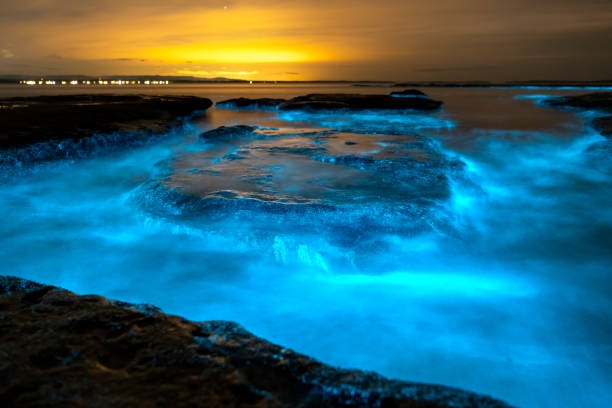
3) Eternal Storm of Catatumbo
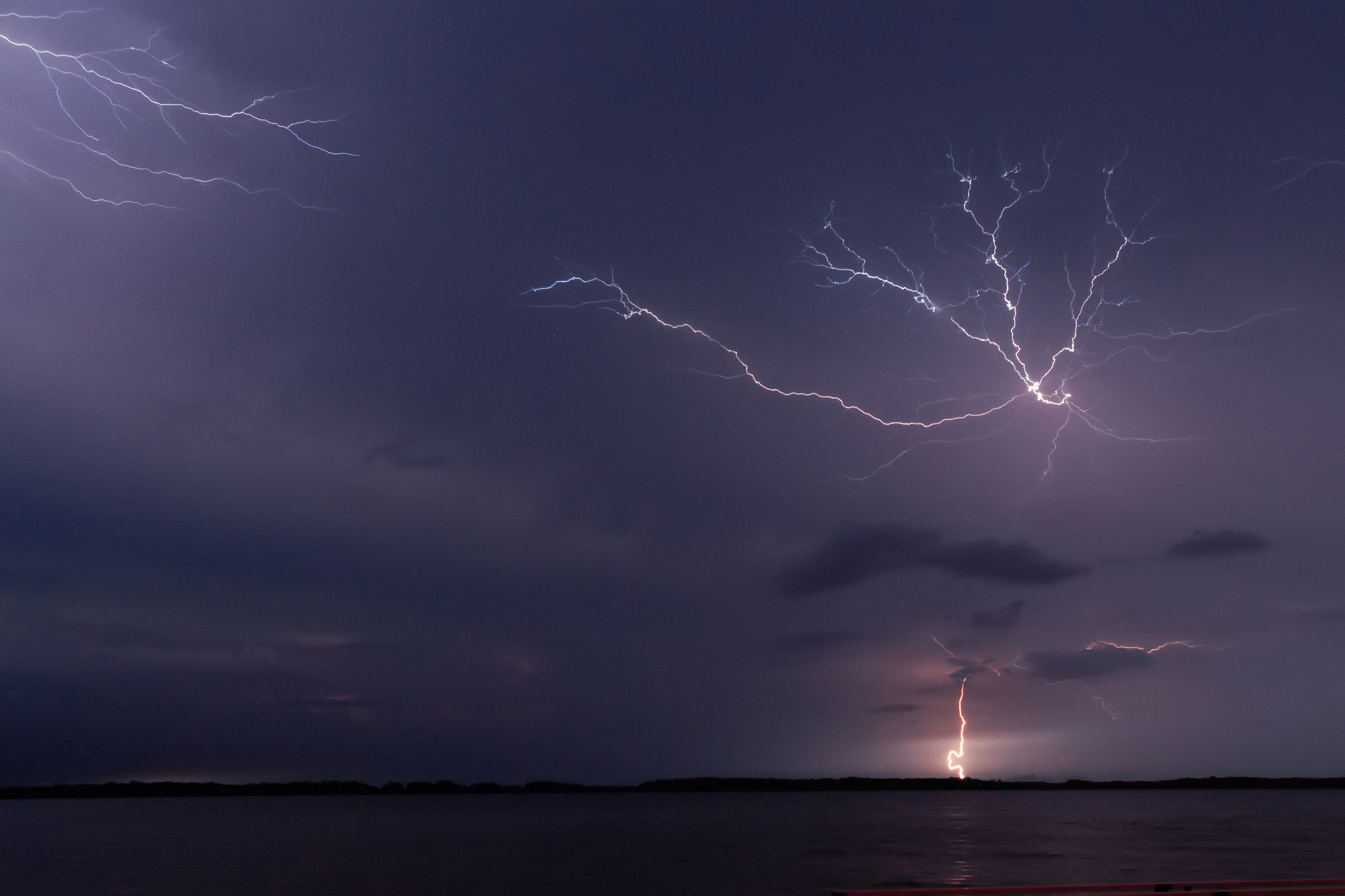
Overview: The Eternal Storm of Catatumbo is a spectacular and unique weather phenomenon that occurs over Lake Maracaibo in Venezuela. This rare storm generates an astonishing amount of lightning, with up to 250 lightning strikes per hour during peak activity. It is caused by a combination of meteorological conditions, such as the warm air from the Andes meeting the humid air from the Caribbean Sea. This continuous storm is a sight to behold, lighting up the night sky with dramatic bolts of electricity and is one of the most intense lightning storms in the world.
When to See: The best time to witness the storm is between October and March, though it can be seen on nearly 150 nights per year.
Where to See: The storm is visible from Lake Maracaibo in Venezuela, particularly in the areas around Puerto Concha and Palmarito.
How to See: The best way to see this incredible phenomenon is by taking a boat tour from nearby towns, which allows travelers to witness the lightning up close.
Top Tip: For the most immersive experience, booking an overnight stay in a stilt house on the lake offers an unforgettable opportunity to watch the storm from the water.
4) Grand Prismatic Spring
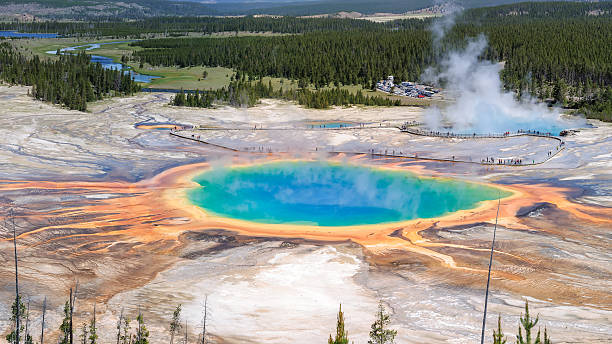
Overview: The Grand Prismatic Spring in Yellowstone National Park is the largest hot spring in the United States and one of the most visually striking natural wonders in the world. Known for its vivid rainbow colors, the spring’s hues are a result of heat-loving bacteria that thrive in its different temperature zones. The rich colors, from brilliant oranges and reds to deep blues, are due to the presence of various microbial mats that color the waters differently depending on the heat of the spring. Visitors flock here to witness the vibrant, almost otherworldly display in one of America’s most famous national parks.
When to See: The best time to visit is between April and October when the weather is mild and access is easier.
Where to See: The spring is located in the Midway Geyser Basin in Yellowstone National Park, USA.
How to See: Visitors can walk along the boardwalk to get close to the spring or hike the Fairy Falls Trail for the best aerial perspective.
Top Tip: Visit in the early morning or late afternoon to avoid crowds and see the spring’s colors at their most vibrant.
5.) Sailing Stones of Death Valley

Overview: The Sailing Stones of Death Valley are one of nature’s most intriguing mysteries. These large rocks, some weighing hundreds of pounds, mysteriously move across the dry desert floor, leaving long trails behind them. The movement is caused by a rare combination of ice, water, and wind that allows the stones to slide across the cracked surface of the playa. Though the phenomenon has been studied for decades, the stones’ movements continue to baffle scientists and fascinate visitors from around the world.
When to See: The best time to visit is from October to April when temperatures are cooler.
Where to See: The phenomenon occurs in Racetrack Playa, located in Death Valley National Park, California, USA.
How to See: Reaching the stones requires a rugged 4x4 vehicle, as the area is remote and off regular tourist routes.
Top Tip: Bring extra water and fuel, as Death Valley is one of the hottest places on Earth, and services are limited.
6.) Blood Falls
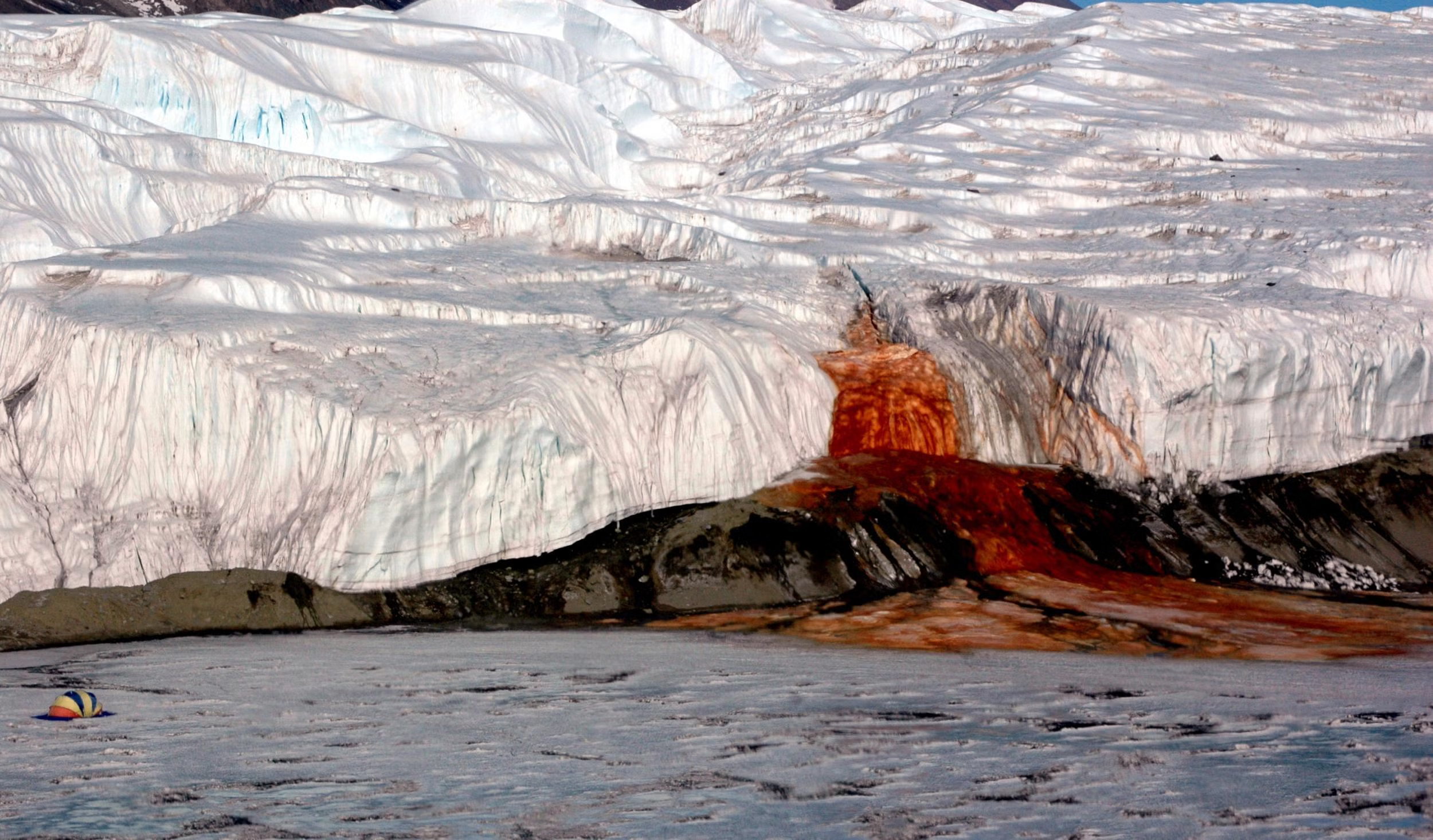
Overview: Blood Falls, located in Antarctica’s McMurdo Dry Valleys, is a striking and eerie phenomenon where bright red water flows from Taylor Glacier, creating a stark contrast against the icy white surroundings. The red color comes from iron-rich saltwater that oxidizes upon exposure to air, and it’s believed to be caused by the presence of ancient, saltwater reservoirs trapped under the glacier. This phenomenon has intrigued scientists and visitors alike, and despite its blood-like appearance, it poses no danger to humans.
When to See: The best time to visit is during the Antarctic summer, from November to February.
Where to See: Blood Falls is located in the McMurdo Dry Valleys of Antarctica.
How to See: The site is only accessible via specialized research expeditions or exclusive Antarctic tours.
Top Tip: Consider combining your visit with a tour of nearby research stations for a deeper understanding of Antarctica’s extreme environment.
7.) Morning Glory Clouds
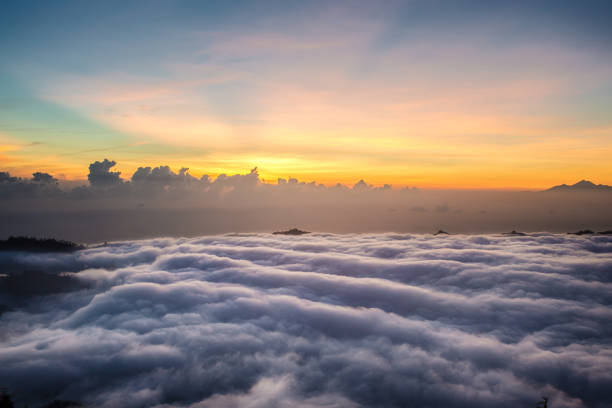
Overview: Morning Glory Clouds are an awe-inspiring meteorological phenomenon, where giant, rolling, tube-shaped clouds form at dawn. These clouds are most commonly observed in the Gulf of Carpentaria in northern Australia, where specific atmospheric conditions create these rare, perfect spirals. The clouds can stretch for hundreds of kilometers, moving with the wind at high altitudes and offering an unforgettable sight. Witnessing them in flight or from the ground gives travelers a rare opportunity to see nature’s artistry at its most spectacular.
When to See: The best time to witness these clouds is between September and November.
Where to See: Morning Glory Clouds are primarily seen in the Gulf of Carpentaria, Queensland, Australia.
How to See: The best views come from scenic flights over the region, which allow travelers to see the full extent of the cloud formations.
Top Tip: Pilots and glider enthusiasts visit this area for a rare chance to “surf” the clouds in the sky.
8.) The Gates of Hell (Darvaza Crater)
9.) The Staircase to the Moon
Overview: The Staircase to the Moon is a stunning optical illusion that occurs when the full moon rises over the exposed mudflats of Broome, Australia. As the moon ascends, the reflection on the wet sand creates the illusion of a staircase leading into the sky. This captivating sight is only visible during certain times of the year when the tides and moon phases align perfectly. The event attracts both locals and tourists to Broome’s beautiful coastline to witness this natural wonder.
When to See: The best time to see the Staircase to the Moon is during the full moon phases, typically from March to November.
Where to See: The Staircase to the Moon can be seen in Broome, Western Australia, at Cable Beach and the surrounding mudflats.
How to See: Head to the beach just before the moon rises for the best view, and if you visit during the right times, you’ll witness the moon’s reflection creating the illusion of a “staircase.”
Top Tip: Arrive early to find a good spot and make sure to bring a camera to capture this stunning phenomenon!
10.) Solar Eclipse
11.) Tornadoes
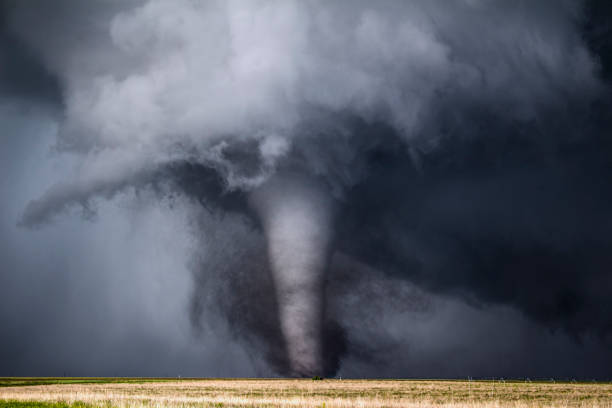
12.) Fire Rainbows (Circumhorizontal Arcs)
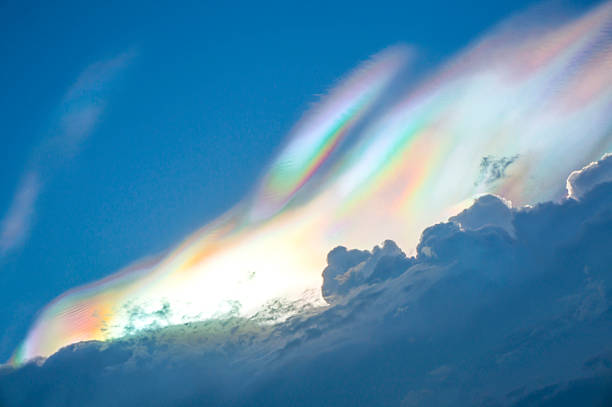
13.) The Eye of the Sahara (Richat Structure)

14.) Danakil Depression
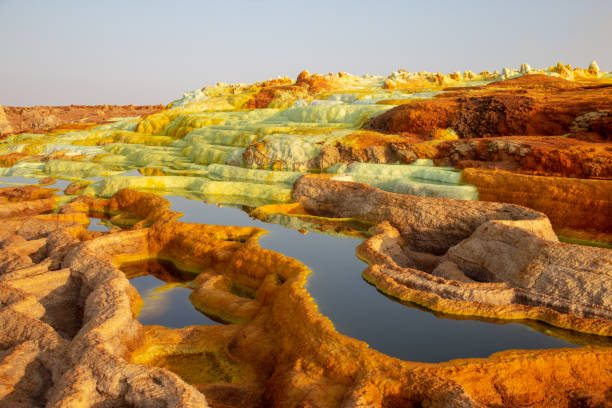
Overview: The Danakil Depression is one of the hottest and most inhospitable places on Earth, located in the northeastern part of Ethiopia. Known for its extreme heat, volcanic activity, salt flats, and colorful mineral springs, this desert region is a geological wonder. The depression sits below sea level and is bordered by active volcanoes, creating a surreal landscape of alien-like terrain. The region is also home to the Afar people, who have lived in this challenging environment for centuries. Visitors who venture to the Danakil Depression are treated to an otherworldly experience with views of sulfuric springs, hot lava lakes, salt formations, and unique geological features like the Dallol Volcano. This harsh environment is also one of the hottest places on Earth, making it both a difficult and awe-inspiring destination.
When to See: The best time to visit is during the cooler months, from October to March, as temperatures can soar above 50°C (122°F) during the summer.
Where to See: Danakil Depression, Ethiopia, located in the northeastern part of the country near the border with Eritrea and Djibouti.
How to See: The best way to explore the Danakil Depression is with a guided tour. The harsh climate, extreme heat, and difficult terrain make it essential to have an experienced guide and the right equipment. You can travel to the region via the town of Mekelle or through nearby cities, with access to the depression typically arranged by specialized travel agencies.
Top Tip: Due to the extreme heat and challenging environment, make sure to stay hydrated, wear sun protection, and travel with a well-prepared guide to ensure a safe and comfortable experience.
15.) Moonbow
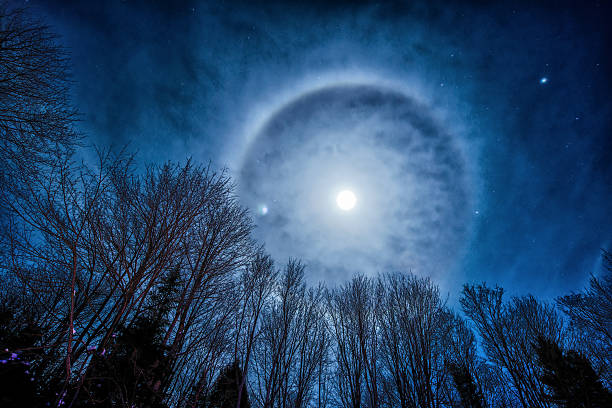
Overview: A moonbow is a rare and magical phenomenon similar to a rainbow, but instead of being created by sunlight, it occurs when moonlight is refracted through water droplets in the air. Moonbows appear as arcs of light in the night sky and are typically white or faintly colored due to the dimness of the moon’s light compared to the Sun. These ethereal rainbows are most commonly seen in areas with a full moon, mist, or light rain. The light from the moon is weaker than sunlight, so moonbows are usually much dimmer and harder to spot than their daylight counterparts. This rare event is a treat for stargazers and nature lovers, offering a surreal and almost mystical experience.
When to See: Moonbows are best seen when the moon is full or nearly full, and when there are water droplets in the air, such as after a rainstorm or near waterfalls. They are most likely to occur on clear, moonlit nights.
Where to See: Moonbows can be observed anywhere that experiences both full moonlight and moisture in the air, especially near waterfalls like those in Yosemite National Park in the USA or Victoria Falls in Africa.
How to See: Look for moonbows after rainfall or near waterfalls during a full moon. The best viewing conditions require the moon to be low in the sky, with the observer facing the water droplets and moonlight.
Top Tip: Moonbows are dim and faint, so bring a camera with long exposure capabilities to capture their beauty, and choose a location with little light pollution for the best chance of seeing them.
Best of luck on seeking out these stunning Natural Phenomena !
